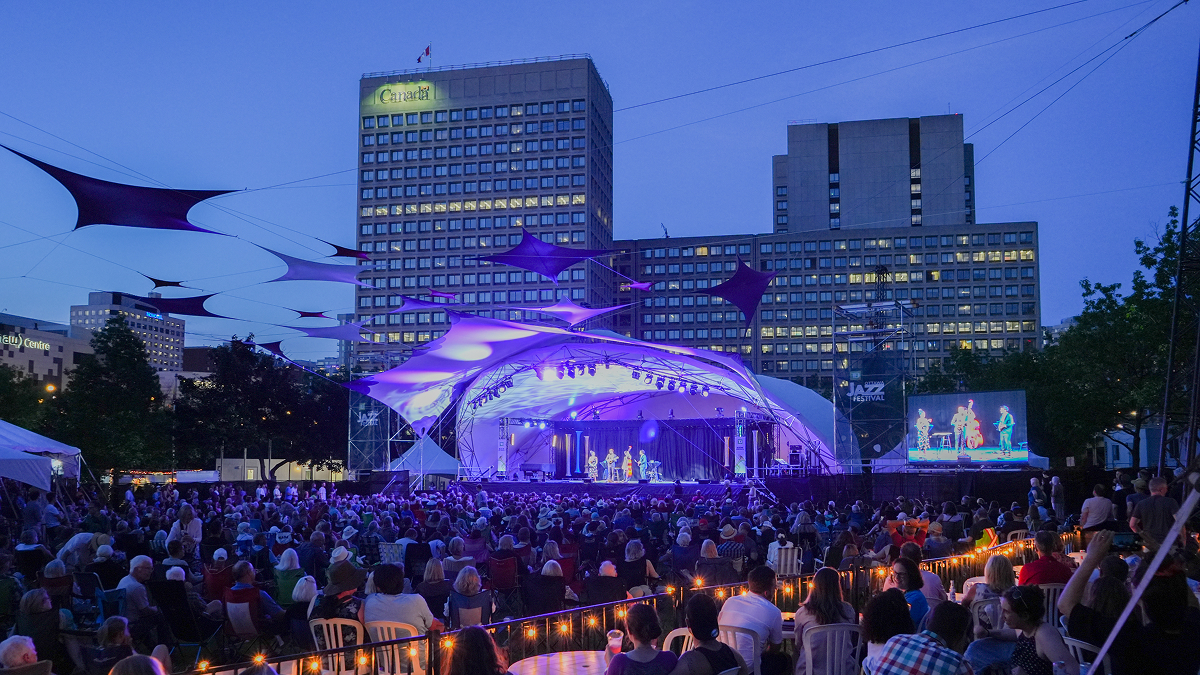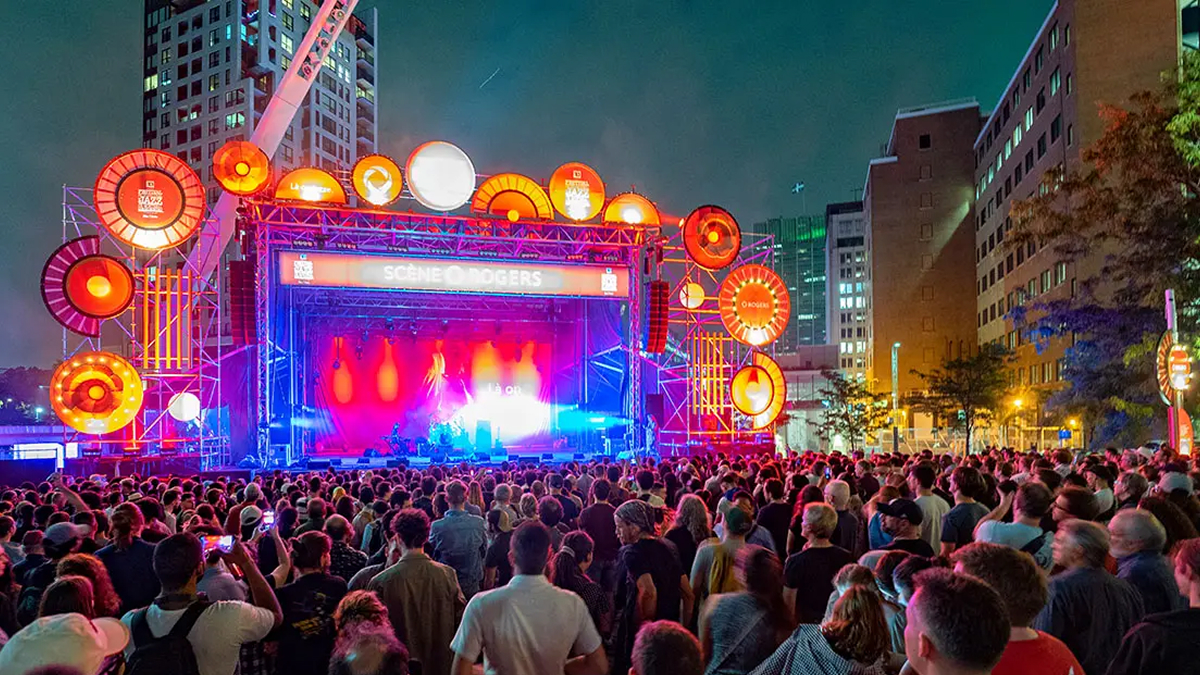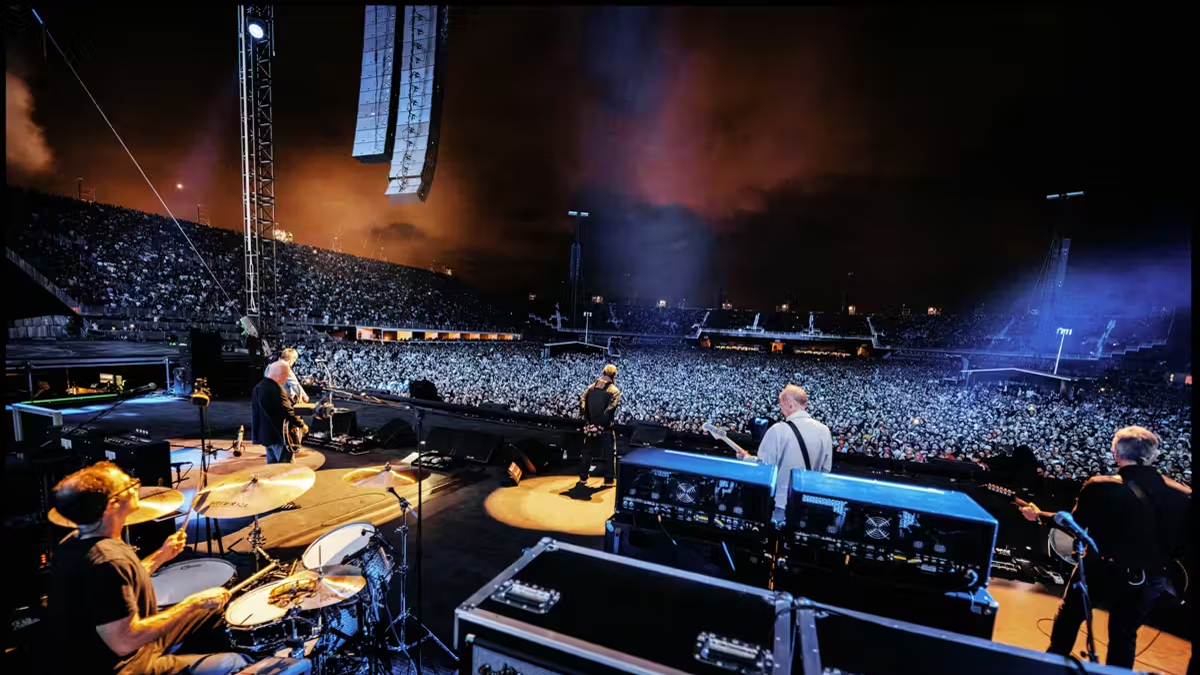
Toronto’s live music scene stretches from colossal stadium shows that shake the skyline to dimly lit rooms where every breath and note is crystal clear.
For concertgoers, the difference between an average night and a legendary one often comes down to the venue itself. Its size, sound quality, sightlines, transit convenience, and even the length of drink lines between sets. With thousands of concerts each year across arenas, historic theatres, intimate clubs, and waterfront stages, knowing the city’s venues gives you an edge before you hit “buy tickets.”
This guide ranks Toronto’s top 15 concert venues for live music, blending firsthand experience with practical details: how each space sounds, feels, which acts they attract, and how to navigate them efficiently. From large-scale arenas to classic theatres and cozy clubs, selections were based on capacity, recent tour stops, fan reviews, and event density from 2025–2026.
Whether you’re lining up to see a legacy act in a 50,000-seat stadium or discovering a rising star in front of 300 people, this guide helps you choose the perfect stage for the night you want.
1. Scotiabank Arena
- Opened: 1999
- Address: 40 Bay St., Toronto, ON
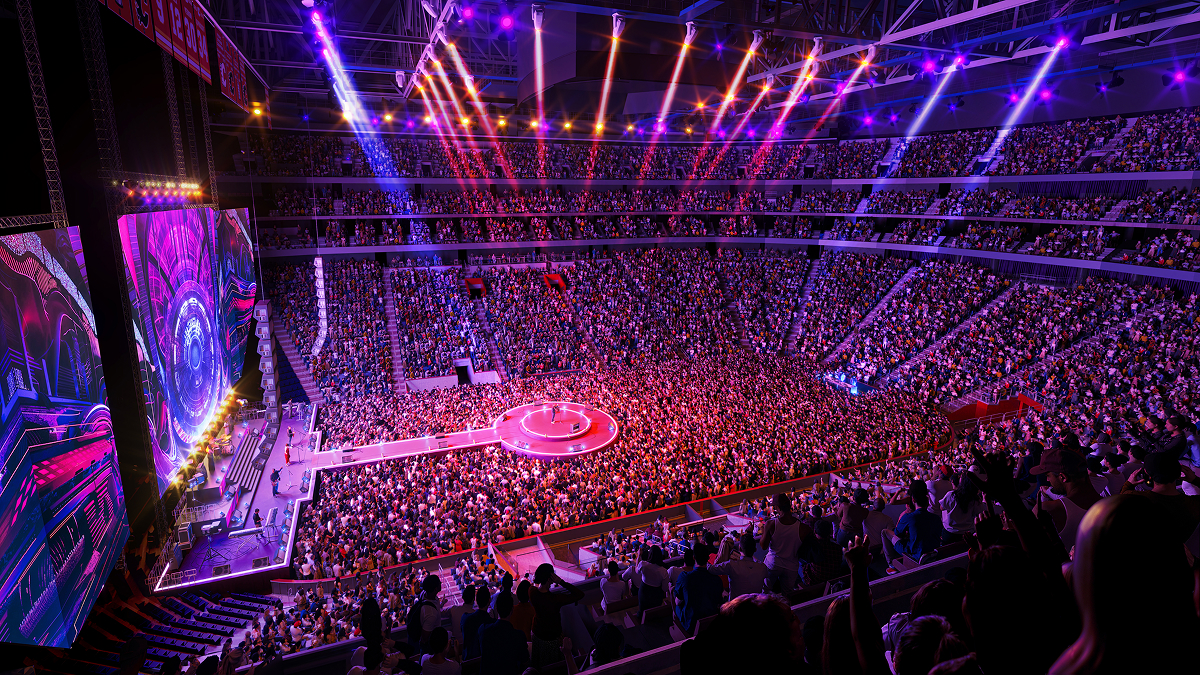
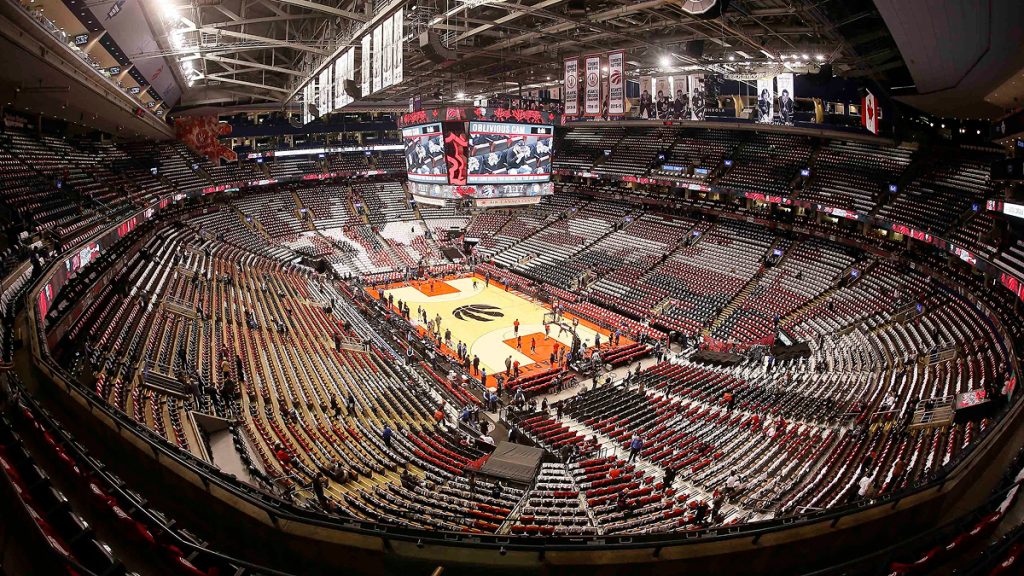
Scotiabank Arena is Toronto’s flagship indoor arena for blockbuster concerts, with a concert capacity of about 19,800 and a calendar that regularly features the world’s biggest tours.
Home to the Toronto Maple Leafs and Raptors, it transforms from sports bowl to full-scale concert production multiple times a week, hosting artists like Iron Maiden, Lionel Richie & Earth, Wind & Fire, and Bring Me The Horizon on its 2025–2026 slate alone.
Its steep seating bowl gives surprisingly strong sightlines even in the upper levels, and the in-house sound and touring rigs are tuned for modern pop, rock, and hip-hop, with punchy low end and clear vocals that hold up across the bowl.
From a ticket buyer’s perspective, logistics matter here. Union Station is a few minutes’ walk away via underground PATH, which is critical because downtown parking is limited and can run $30–$40 on peak nights.
Concession prices are high, but lines move fast if you hit them before openers end.
If you want that full-arena roar without blowing your budget, mid-lower-bowl side sections often balance price and view better than floor seats, which can be flat and sightline-dependent once everyone stands. The tradeoff is that this is a very corporate arena: you get scale, production, and reliability, but you don’t get intimacy.
2. Rogers Centre
- Opened: 1989
- Address: 1 Blue Jays Way, Toronto, ON
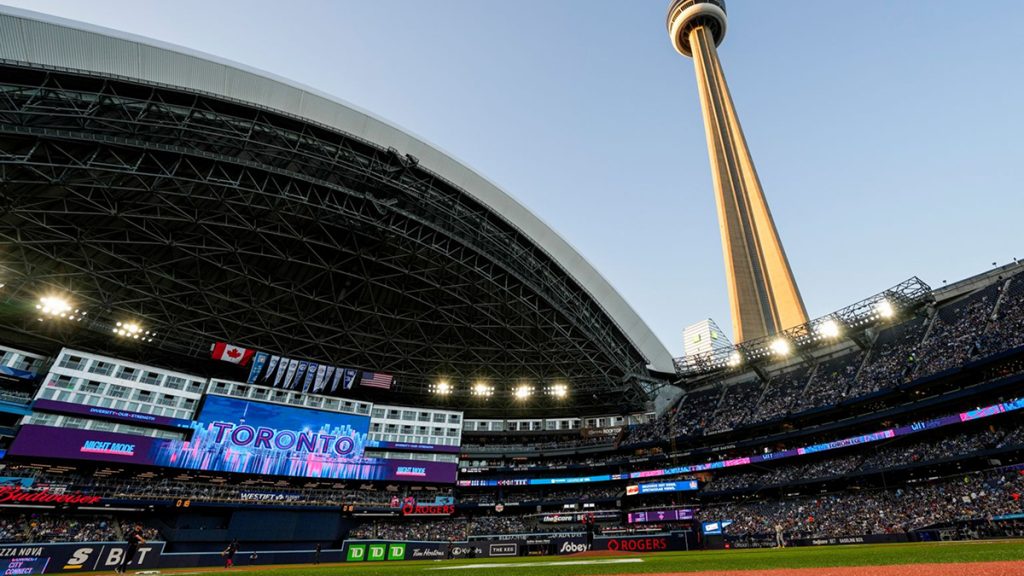
Rogers Centre, the iconic stadium with the retractable roof, is where Toronto hosts the truly massive tours, with concert configurations ranging from about 10,000 up to 55,000+ fans depending on stage layout.
Opened in 1989 as the Toronto SkyDome, it became a defining piece of the Toronto skyline and remains a bucket-list stop for stadium-level acts that require pyrotechnics, giant LED walls, and tour-scale production that smaller arenas simply cannot accommodate.
Its sound system is engineered to adapt to drastically different acoustics, whether the roof is open to the lake breeze or closed for an enclosed, echo-prone bowl.
If you are buying tickets here, understand the tradeoffs. Lower-bowl side and mid-field seats often provide the best combination of sound and sightlines, because far upper-deck and far outfield seats can feel distant and sonically washed out on some productions. On the upside, the energy of 40,000+ people singing along is unmatched, and roof-open summer shows feel like a hybrid between a stadium and a festival.
Transit via Union Station is your best friend. Driving into this area before or after a big show can easily add an hour to your night.
For the biggest artists on the planet, though, Rogers Centre is where Toronto goes to feel part of something massive.
3. Rogers Stadium (Downsview)
- Opened: 2025
- Address: 75 Carl Hall Rd., Toronto, ON
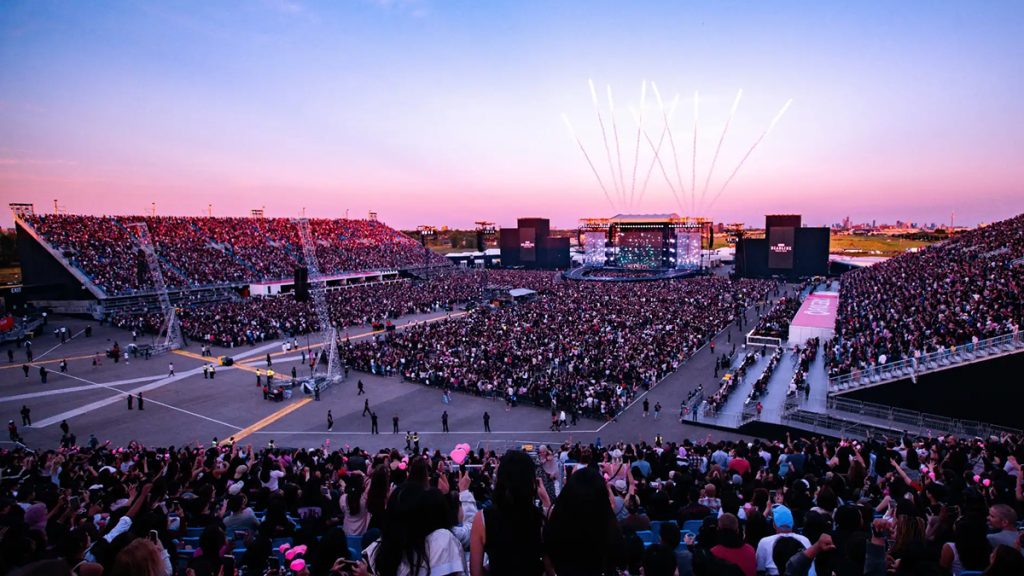
Rogers Stadium is Toronto’s newest major outdoor concert venue, built on the former Downsview Airport lands and designed specifically as a large-scale music and events stadium with a capacity around 50,000.
Opened in the mid-2020s, it quickly became a go-to for blockbuster tours from acts like Coldplay, Blackpink, Chris Brown, Oasis, and Hozier, giving promoters a purpose-built stadium option that isn’t shared with a pro sports team’s schedule.
The open-bowl design, expansive floor, and large end-stage configuration mean production teams can roll in enormous LED setups and pyrotechnics without many of the structural limitations of multi-purpose arenas.
For fans, this is a destination venue: it’s not downtown, so you’ll likely plan your night around transit or rideshare into the Downsview area.
Expect long walks from gates to your seat and festival-style concessions clustered in concourses. However, the payoff is more consistent outdoor sound design than ad hoc field shows, and more
thoughtful crowd flow given the stadium was planned for concerts from day one. If you thrive on outdoor energy and don’t mind long days on your feet, Rogers Stadium is Toronto’s new heavy hitter for open-air live music.
*Please note that Rogers Stadium is a temporary music venue for concerts in the Downsview area of Toronto, Ontario, Canada. Announced by Live Nation Entertainment in September 2024, and completed in nine months, the stadium will be demolished after its intended lifetime of five years.
4. Budweiser Stage (formerly RBC/Canada’s Wonderland Amphitheatre at Ontario Place)
- Opened: 1995
- Address: 909 Lake Shore Blvd W, Toronto, ON
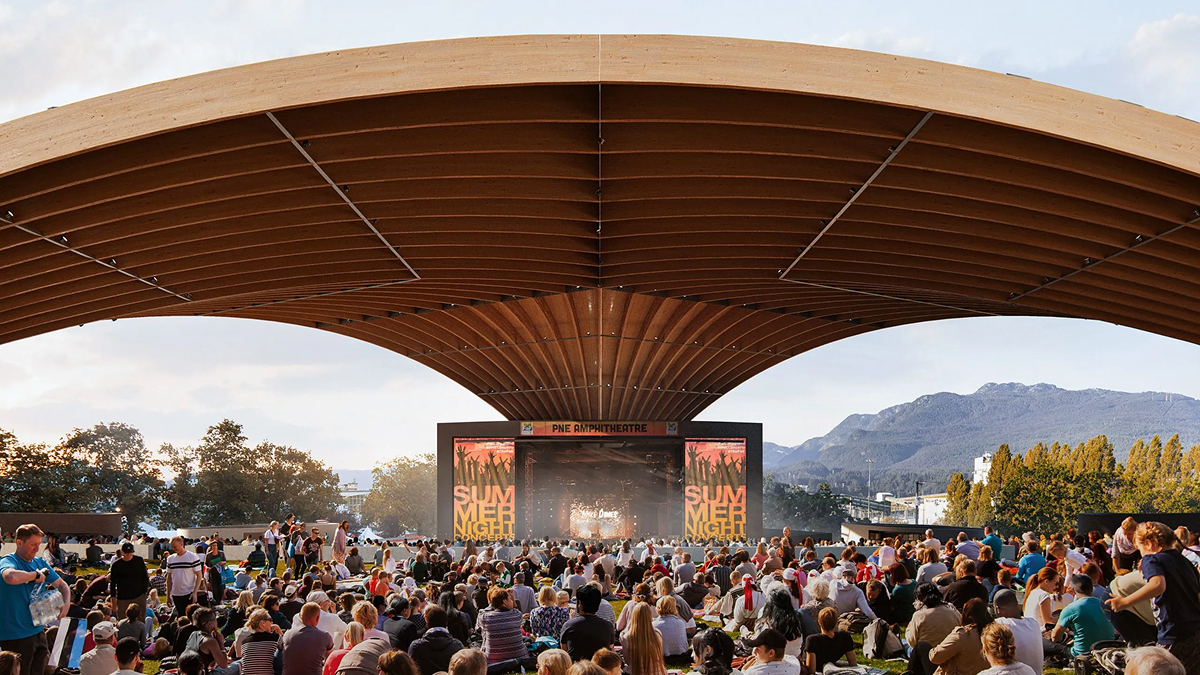
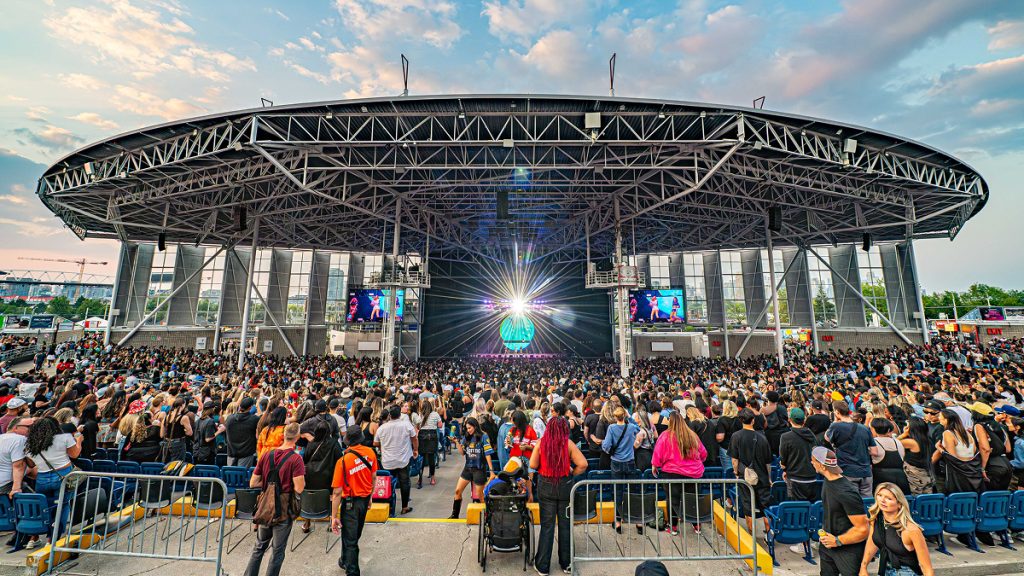
Perched on the waterfront at Ontario Place, the amphitheater now branded as Budweiser Stage (often listed historically as the RBC Amphitheatre) is Toronto’s classic outdoor summer venue with a total capacity around 17,000.
The inner rings offer about 5,000 covered seats, while the outer ring is a grassy lawn where fans spread blankets and enjoy more relaxed, festival-style viewing. The closer you are to the enclosed seating, the better the acoustics. The lawn is fun but sacrifices some sound precision, with wind and crowd noise more noticeable.
Ticket buyers should decide early whether they want sound precision or picnic atmosphere. If audio quality and sightlines matter, aim for the lower seated sections, where touring rigs are tuned to hit hard and clear.
If you want a casual hang with friends, cheaper lawn tickets are ideal but bring layers. The lakeside breeze can get chilly after sunset. Parking at Ontario Place is usually ample compared to downtown arenas, though it can still be pricey, so many fans opt for transit plus a short walk or rideshare drop-offs along Lake Shore.
When the weather cooperates, it is one of the most enjoyable ways to see a live show in Toronto.
5. Scotiabank Theatre District – Meridian Hall
- Opened: 1960
- Address: 1 Front St E, Toronto, ON
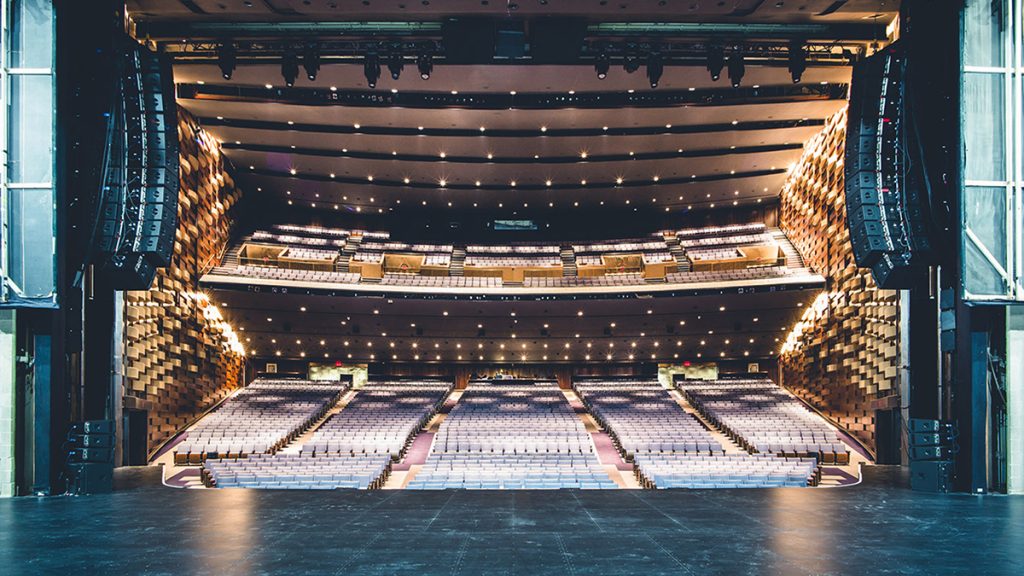
Meridian Hall (formerly the Sony Centre and O’Keefe Centre) is a 3,200-seat performing arts venue in downtown Toronto, opened in 1960 and repeatedly updated over the decades.
It has become a staple for touring pop, film-with-orchestra events, global music, and spoken-word shows that benefit from a full proscenium stage and a properly tuned, theatre-style room. Fans and artists both praise its clear sightlines and balanced acoustics, which were originally designed for live performance rather than retrofitted from sports.
From a ticket buyer’s perspective, Meridian Hall sits in a sweet spot: big enough to feel like an event, but small enough that even the back rows don’t feel hopelessly far away.
Being just steps from Union Station and the Financial District makes it easy to pair with a pre-show dinner, and multiple parking garages nearby give you options if you do drive.
Ticket prices tend to run higher than club venues but lower than arena nosebleeds for many mid-tier tours, and you trade mosh pit energy for a more seated, cinematic concert experience that’s great for artists with strong visual production or orchestral arrangements.
6. Massey Hall
- Opened: 1894
- Address: 178 Victoria St., Toronto, ON
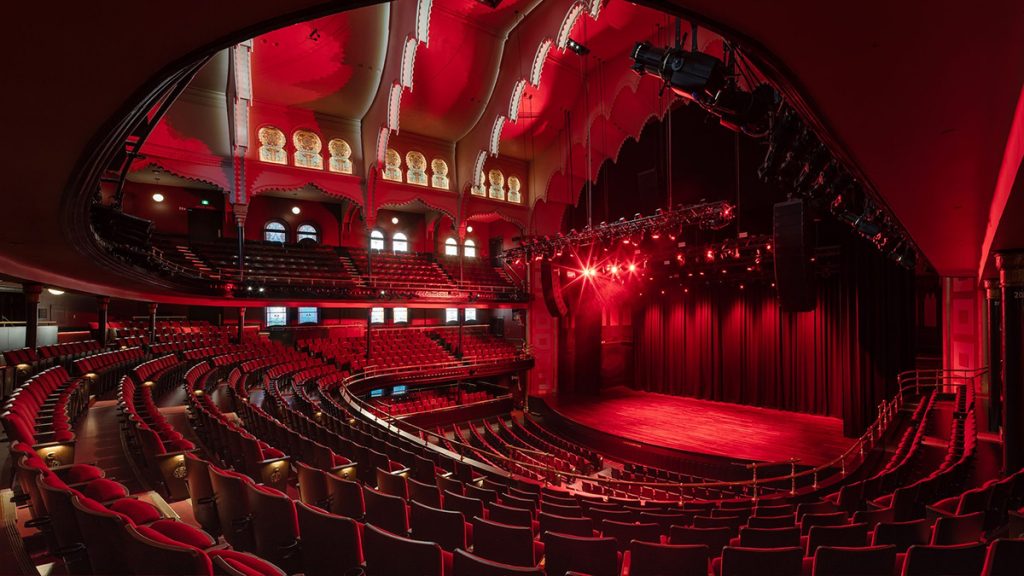
Massey Hall is arguably the heart of Toronto’s live music tradition, a National Historic Site opened in 1894 and long considered one of the finest acoustic halls in Canada.
With about 2,700 seats, it has hosted legendary performances and live recordings spanning rock, folk, jazz, and classical; artists seek it out specifically because live albums from Massey often sound exceptional.
A recent multi-year restoration modernized its amenities while preserving its distinctive character: warm wooden interiors, horseshoe balconies, and a room that seems to wrap around the stage.
If you are serious about sound quality and atmosphere, Massey Hall should be on your shortlist every time an artist you love plays there. There are very few truly bad seats, though upper-balcony railings and overhangs can slightly affect sightlines in some corners.
Tickets can be tough and often sell out quickly, especially for heritage acts and special acoustic tours, so mailing lists and presales matter here more than almost anywhere else in Toronto. Prices are usually mid-to-premium, but many fans consider it the best-value spend in the city because of the combination of sound, history, and intimacy you get in a sub-3,000-seat hall.
7. Danforth Music Hall
- Opened: 1919
- Address: 147 Danforth Ave, Toronto, ON
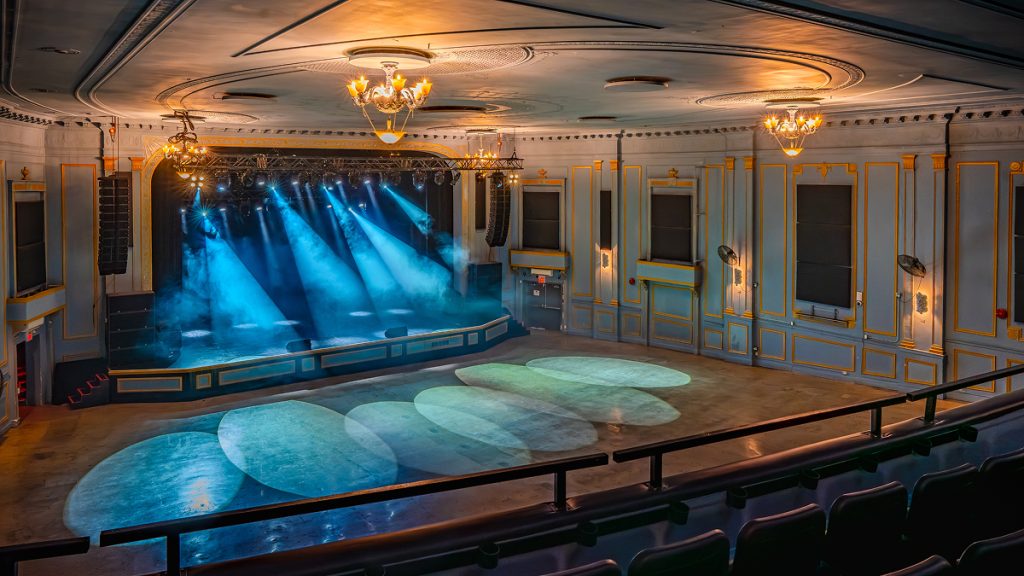
The Danforth Music Hall, originally built in 1919 as a cinema, has evolved into one of Toronto’s most beloved mid-sized concert venues, with a capacity around 1,400.
It’s designated as a heritage building, and its classic façade leads into a room that balances old-school charm with modern concert production. Thanks to its location on Danforth Avenue, it is easily accessible via Broadview Station on the Bloor–Danforth subway line, which makes it a favourite for fans who do not want to deal with core-downtown traffic.
The room’s sloped floor and shallow balcony give solid sightlines from most spots, though very far back floor positions can feel a bit flat once everyone stands. Sound is typically strong and centred, with enough power to handle everything from indie rock to heavier acts without overwhelming the space.
Ticket prices tend to sit between small club and theatre levels, and you can often snag very reasonable GA tickets if you move early.
The Danforth is a great choice if you like being close enough to feel the energy without the crush and cost of the city’s largest venues.
8. History
- Opened: 2021
- Address: 1663 Queen St E, Toronto, ON
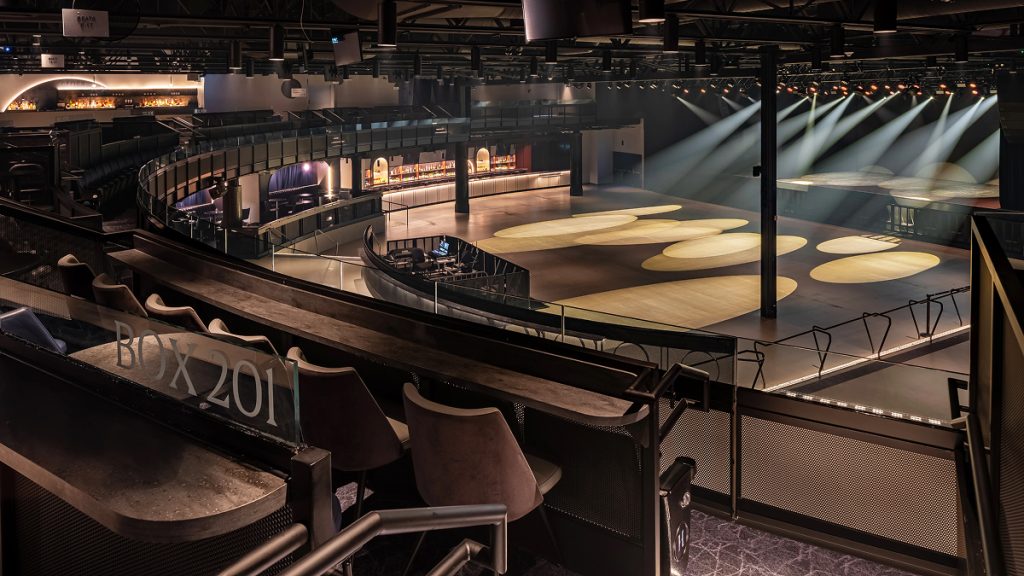
History is a 2,500-capacity venue that opened in November 2021, backed by Drake in partnership with Live Nation to specifically fill Toronto’s gap between clubs and arenas.
Located in the Beaches area on Queen Street East, it was purpose-built during the pandemic era with modern fan expectations in mind: a convertible general admission floor, reserved seating configurations, multiple bars, and VIP areas, plus full-scale production capabilities and LED-heavy staging.
With up to 200 concerts and events annually, it has quickly become a key stop for tours that are too big for a traditional club but not quite at arena level.
As a ticket buyer, History offers one of the city’s best blends of production and intimacy. The sound system is powerful and contemporary, the sightlines are generally excellent from both floor and balcony, and the amenities (washrooms, bars, entry flow) feel like they were designed after years of learning from older venues’ mistakes.
The main tradeoff is location: you are east of the downtown core, so you should factor in streetcar rides or rideshares along Queen, and late-night transit can be slower than central lines.
If there is an act you love playing History rather than an arena, it is often your best chance to see them in a more personal setting before they level up.
9. Phoenix Concert Theatre
- Opened: 1991
- Address: 410 Sherbourne St, Toronto, ON
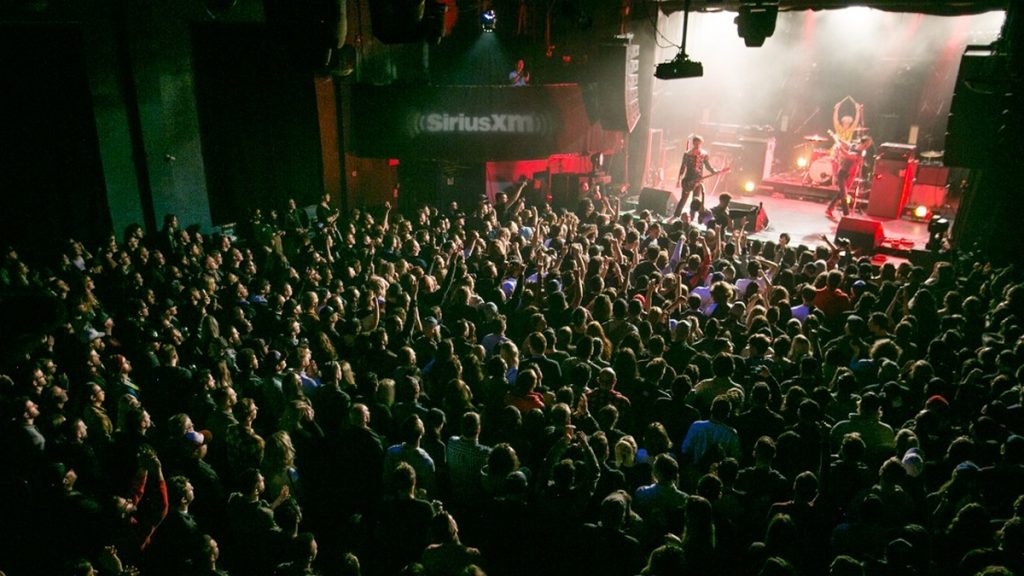
Phoenix Concert Theatre is a long-running multi-room club venue with a main concert space that holds roughly 1,300–1,350 people, depending on configuration.
Located near Sherbourne and Carlton, it has built a reputation over decades as a go-to for touring rock, pop-punk, EDM, and hip-hop that want a sweaty, high-energy room rather than a seated theatre. The main floor is GA, ringed by raised areas and balcony rails that provide options if you want to be in the room without being in the crush.
Expect club-like conditions: loud sound, packed dance floors, and late-night set times on many bills. The sound system is tuned for volume and impact, which is ideal for genres that live or die on bass and crowd response more than technical nuance.
Ticket prices are often in the $30–$70 range, making it a strong value play for mid-tier and rising acts, but you should plan for lines at coat check and bars during peak seasons.
If you like being shoulder-to-shoulder with other fans and don’t mind getting home late, Phoenix is one of Toronto’s most reliable high-energy nights.
10. Rebel
- Opened: 2016
- Address: 11 Polson St, Toronto, ON
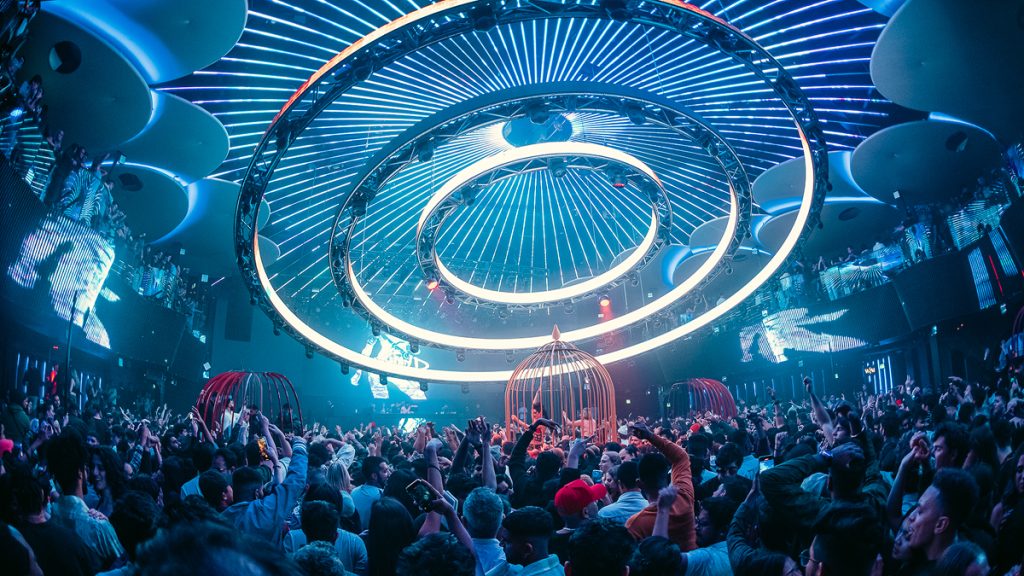
Rebel is a 2,500-capacity waterfront venue that opened in its current form in 2016, blending a huge nightclub environment with full concert production capabilities.
Located at Polson Pier, it offers sweeping views of the Toronto skyline from the outdoor areas, while inside you get a large GA floor, multiple tiers and balconies, and a stage equipped for major DJ and live acts. It is particularly popular for EDM, hip-hop, and pop shows that lean into lighting design, LED walls, CO₂ cannons, and club-style atmosphere.
From a ticket-buying standpoint, Rebel is all about spectacle and scale in a club context. Sound is bass-forward and designed to be felt as much as heard, which is a dream for dance music fans but can be fatiguing if you prefer more balanced mixes.
Getting there requires a bit more planning: there is no subway at the door, so fans rely on cabs, rideshares, or dedicated shuttles on some big nights. On busy weekends you should also expect strict entry queues and dress-code enforcement during club-mode events, even for concert nights.
For visually intense, late-night shows, though, Rebel delivers something different from any theatre in the city.
11. Elgin and Winter Garden Theatre Centre
- Opened: 1913 (Elgin) / 1914 (Winter Garden)
- Address: 189 Yonge St, Toronto, ON
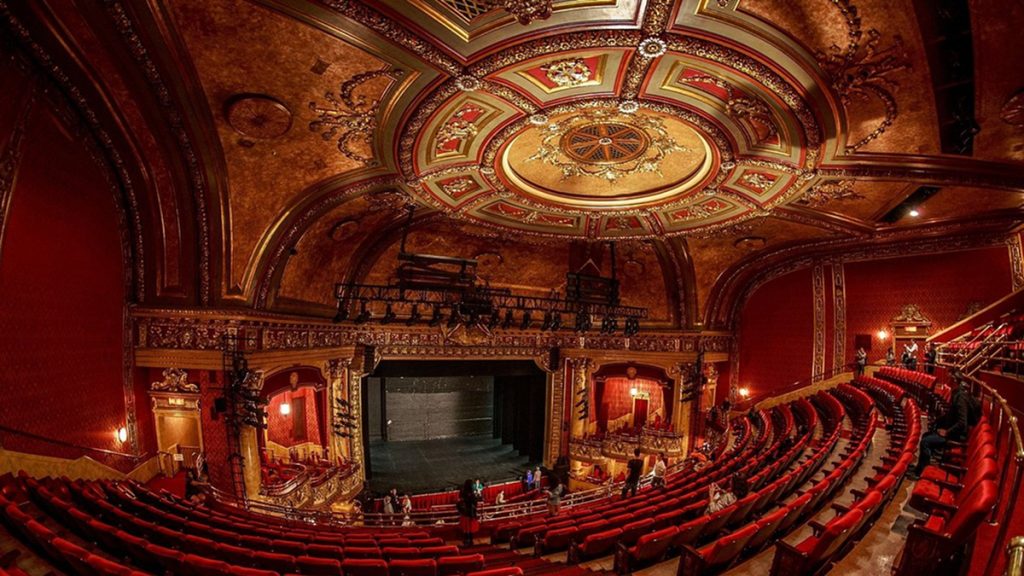
The Elgin and Winter Garden Theatre Centre is a rare double-decker Edwardian theatre complex, with two stacked historic theatres that now host concerts, special events, and live recordings.
The Elgin seats roughly 1,500 and the Winter Garden about 1,000, giving artists two highly atmospheric options in the same vertical footprint. The restored interiors, from ornate plasterwork to the faux-garden ceiling upstairs, create an almost cinematic backdrop for folk, acoustic, classical crossover, and carefully staged pop shows.
For ticket buyers, this means a concert that feels as much like an experience in a heritage landmark as a standard gig.
From a practical standpoint, both theatres offer excellent sightlines thanks to raked seating and traditional balcony layouts. The sound is tuned for clarity rather than brute force, so you get nuanced mixes that suit vocal-driven performances.
Being right on Yonge Street near Queen and Dundas subway stations, the venue is easy to pair with dinner, drinks, or shopping downtown. The flip side is that tickets often price at a premium and sell quickly when big-name artists choose these theatres for “special” dates, and you should plan for strictly seated, more formal crowds rather than a high-energy standing-room atmosphere
12. Queen Elizabeth Theatre (Exhibition Place)
- Opened: 1956
- Address: 190 Princes’ Blvd, Toronto, ON
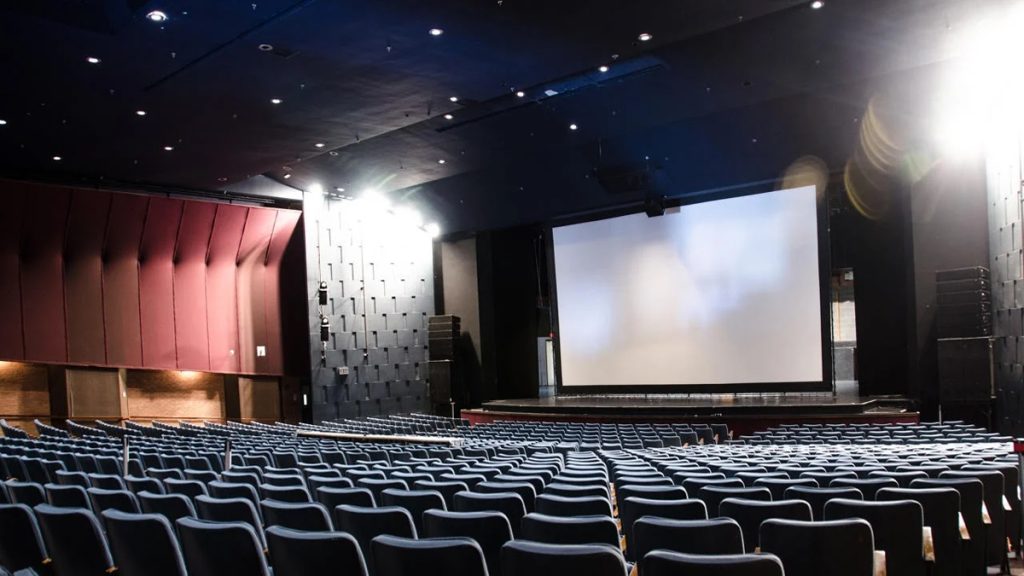
The Queen Elizabeth Theatre at Exhibition Place is a flexible mid-sized venue that typically hosts around 1,200 people in a theatre configuration, with a proscenium stage and removable seating that allow both seated and partially standing setups.
Its location on the Exhibition grounds puts it close to other event spaces and seasonal festivals, making it a popular choice for tours that want a self-contained, professionally equipped room without going all the way up to arena size.
The stage is wide and fairly deep, which works well for full-band setups, larger ensembles, and visually rich productions that need room for lighting, screens, and backline.
For ticket buyers, the Queen Elizabeth Theatre offers a nice middle ground: big enough to feel like a proper concert hall, small enough that you still feel relatively close to the stage from most sections. Transit access is decent, near Exhibition GO and reachable by streetcar, and there is typically more on-site parking than downtown theatres right in the core.
Sound quality depends a bit on the night and the production, but when mixes are dialed in, the room handles rock, pop, and comedy equally well. If you value comfort, clear sightlines, and a more structured experience than a club, this is a smart pick.
13. The Concert Hall (formerly The Masonic Temple)
- Opened: 1918
- Address: 888 Yonge St, Toronto, ON
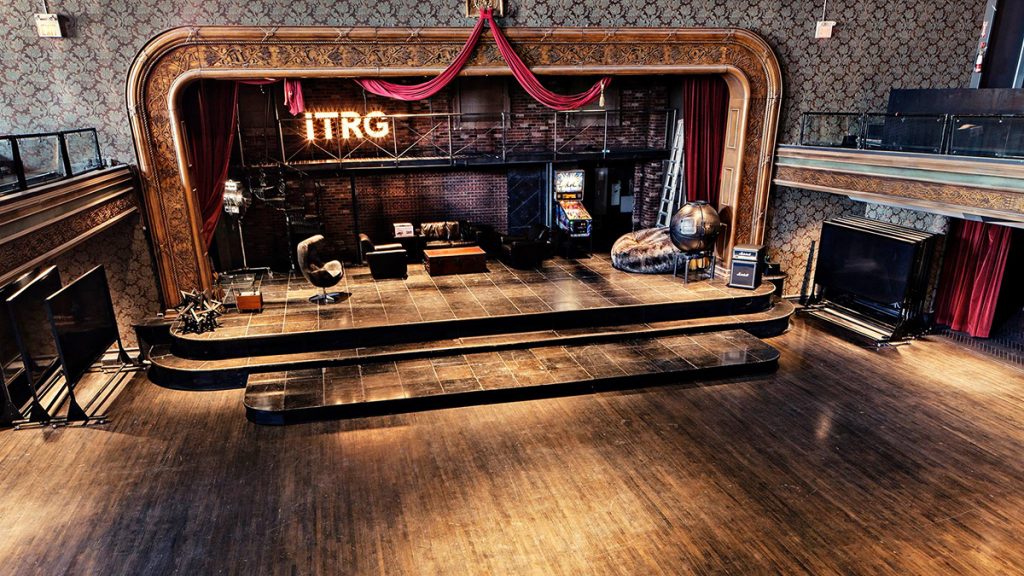
The Concert Hall is a storied venue housed in the former Masonic Temple at Yonge and Davenport, a building that dates back to 1918 and has seen countless legendary shows.
Capacity generally sits in the 800–1,000 range, depending on configuration, making it a sweet spot for artists who want a room with history and character without sacrificing production possibilities.
The high ceiling, balcony, and box-like shape help create a big, resonant sound, especially for rock, soul, and electronic acts that benefit from natural reverb and physical space.
Buying tickets here means prioritizing vibe and heritage. The room feels special the moment you walk in, and the balcony gives excellent vantage points if you prefer to avoid the push at the front of the floor. The tradeoffs are typical of older buildings: occasional bottlenecks at entrances, limited bar space, and a layout that can feel tight when sold out.
Still, for many fans, seeing a favorite artist in this room is part of a long Toronto tradition, and it often feels like a bucket-list checkmark for both artists and audiences.
14. Opera House
- Opened: 1909
- Address: 735 Queen St E, Toronto, ON
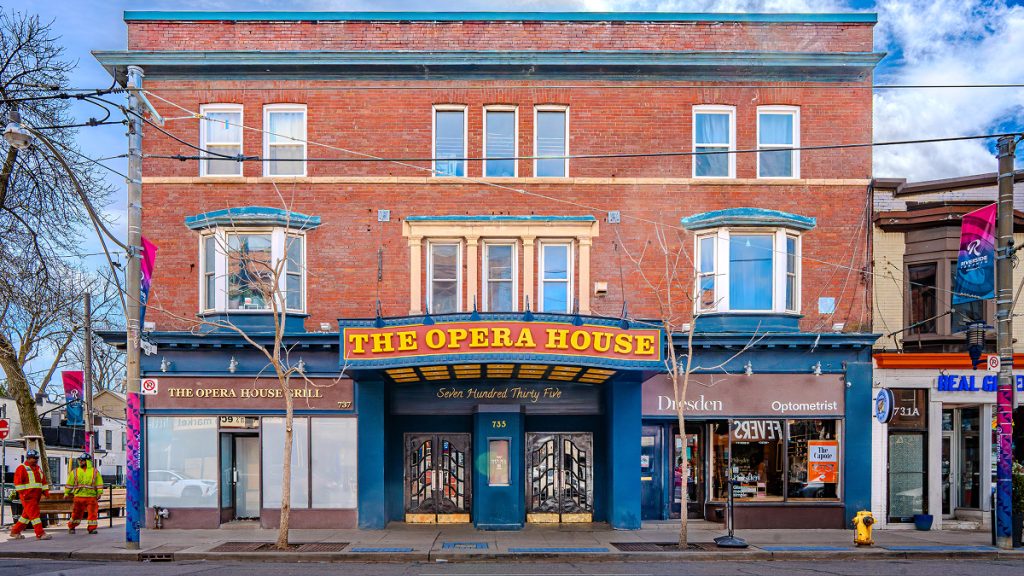
The Opera House on Queen Street East is one of Toronto’s most reliable mid-sized GA venues, with a capacity of about 900–1,000 and a deep resume of punk, metal, hardcore, hip-hop, and indie shows.
Originally opened as a vaudeville theatre in 1909, it now features a standing main floor with a balcony above, giving fans the choice between being in the pit or watching from above. The stage is relatively high and visible from most spots, which helps offset the flatness of the floor when the room is packed.
For ticket buyers, the Opera House is an ideal choice if you like high-energy, close-up shows without the prices of bigger venues. You should plan on a sweaty, loud environment, especially for heavy or high-tempo acts, and arrive early if you want a balcony rail or prime floor position.
Transit is straightforward via streetcar along Queen, and the surrounding Riverside/Leslieville area offers plenty of pre- and post-show food and bar options.
The caveat is that sound can vary depending on where you stand: centered positions near the front or mid-room usually sound best, while far sides and under-balcony areas may feel less crisp on some nights.
15. Velvet Underground
- Opened: 1995
- Address: 508 Queen St W, Toronto, ON
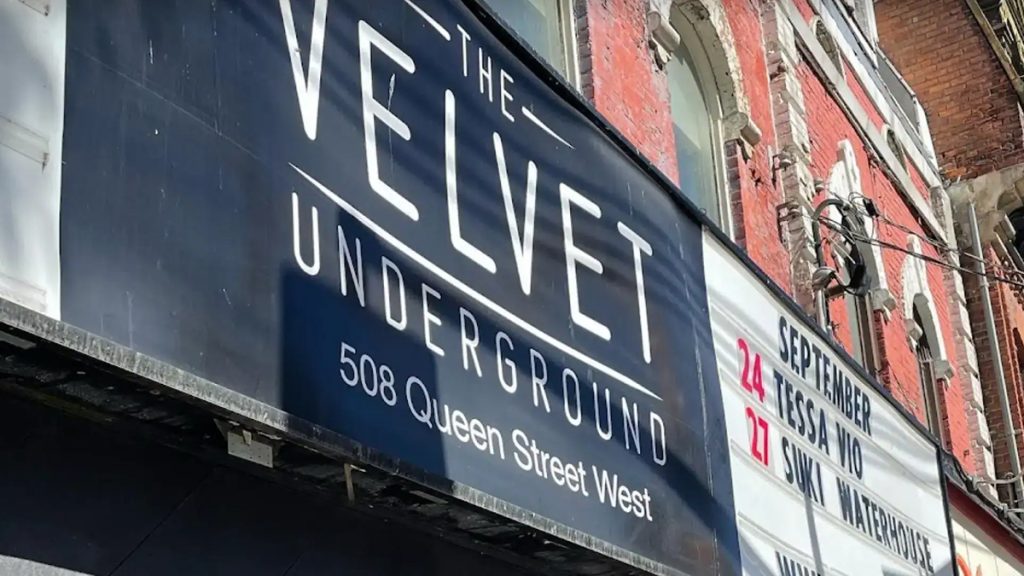
Velvet Underground on Queen Street West is a small club venue that typically holds around 300–400 people, and it has long been a proving ground for up-and-coming bands, electronic acts, and alternative nights.
The layout is classic club: a GA floor, a stage that feels almost within arm’s reach, and bars positioned along the sides and back.
Because of its size, it is one of the easiest places in the city to catch an artist on the way up before they graduate to rooms like the Danforth or History.
If you’re buying tickets for Velvet Underground, expect a raw, immersive experience. The sound is loud and intimate, with the mix heavily influenced by where you stand, front-and-centre is where you feel everything, while hanging back near the bar softens the hit a little.
Sightlines are generally good given the small footprint, but tall crowds can still make it worth arriving early for your preferred spot. Tickets are usually very affordable compared to theatres and arenas, making this venue ideal if you like taking chances on new names, last-minute gigs, and club-style lineups that run late.
Why Toronto’s Venue Mix Works So Well for Ticket Buyers
One of the biggest advantages Toronto offers ticket buyers is the breadth of venue sizes and styles across the city.
You can see the same artist at completely different scales over the course of their career.
That ladder creates a vibrant ecosystem where fans can choose between intimacy and spectacle, often for the same tour cycle if the artist books multiple shows.
For you, this means that before you buy, you can match the venue to the experience you want.
Toronto’s top 15 concert venues form a complete live-music ecosystem, from the stadium thunder of Rogers Centre and Scotiabank Arena to the historic resonance of Massey Hall and the sweat-soaked intimacy of Velvet Underground.
As a ticket buyer, understanding how each room feels, sounds, and flows lets you match your budget and expectations to the right kind of night, instead of leaving it to chance. Use this list as a working map: when your next must-see artist announces a Toronto date, check where they are playing, then decide whether you want arena scale, theatre polish, or club-level adrenaline.
The more you pay attention to the venue as much as the artist, the better your experiences get over time. You will know when to splurge on a perfect-seat theatre ticket, when to gamble on a cheap club show, and when to go all-in on a stadium spectacle you will talk about for years.