
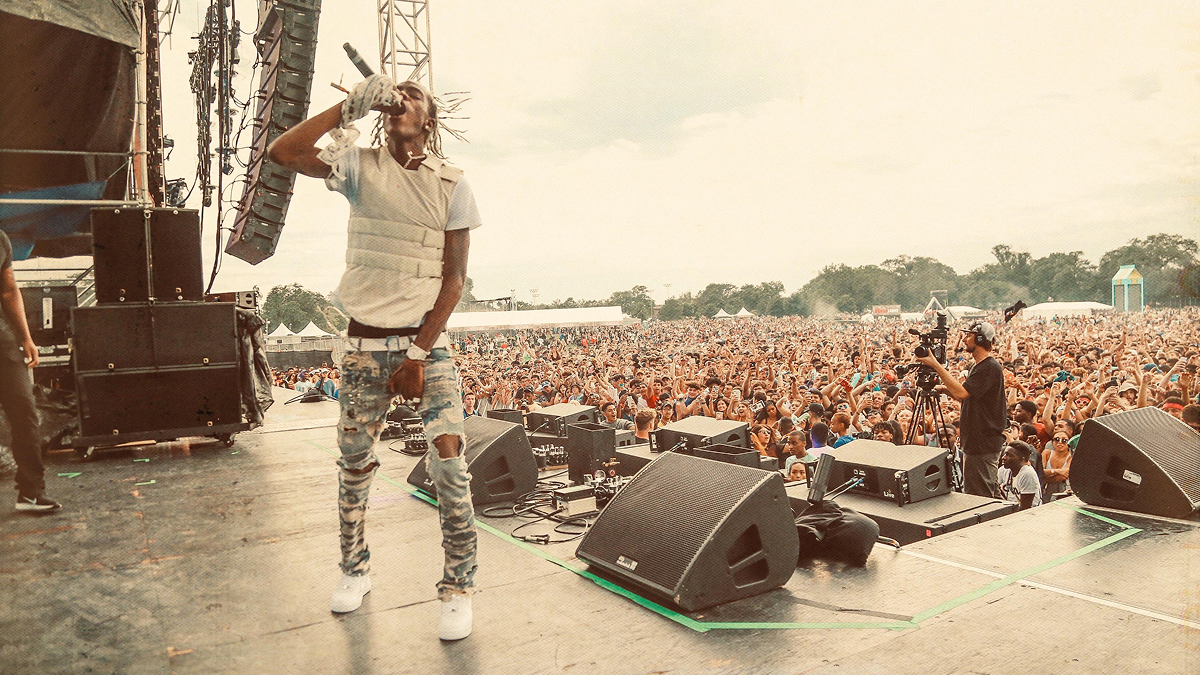
Live streaming your event can feel like a strategic gamble, but it has become one of the most powerful ways to expand audience reach beyond the physical room.
When executed well, a livestream can expose your event to viewers around the world, extend the life of your content, and strengthen your brand. When handled poorly, however, technical issues, audience confusion, or poorly structured pricing can undermine the experience for both in-person and virtual attendees.
Whether you are producing a concert, conference, festival, workshop, or networking mixer, the decision to livestream often comes down to balancing potential audience growth with operational realities. Hybrid and virtual components introduce new technical requirements, platform choices, and ticketing considerations that can influence everything from production budgets to perceived event value.
Understanding the real advantages and limitations is essential before committing to a livestream strategy. Done thoughtfully, streaming is not simply about pressing “go live.” It is about extending your event into the digital world in a way that complements the in-person experience and amplifies the overall impact of what you are producing.
What Does Live Streaming an Event Mean?
Live streaming an event involves broadcasting your live program – keynotes, performances, panels, or workshops – in real time over the internet to remote viewers.
Attendees tune in via platforms like YouTube, Twitch, Zoom, LinkedIn Live, or dedicated event apps, often paying a fee or watching for free, while the in-person crowd experiences it on-site. This creates a hybrid model where physical tickets fund the core event, and digital access taps into global audiences who cannot or will not travel.
Live streaming video technology typically involves cameras, microphones, encoders, and a reliable internet uplink to push high-quality video and audio to a streaming platform. From there, viewers access the stream on their phones, laptops, or smart TVs, sometimes with interactive features like chat, polls, Q&A, and virtual goodie bags enhancing engagement.
It is not just a camera feed. Done right, it is a parallel experience that complements the live energy while offering unique digital perks.
The key is tailoring the production to the audience: physical attendees get the atmosphere, virtual ones get convenience and replays, effectively turning one event into two revenue streams.
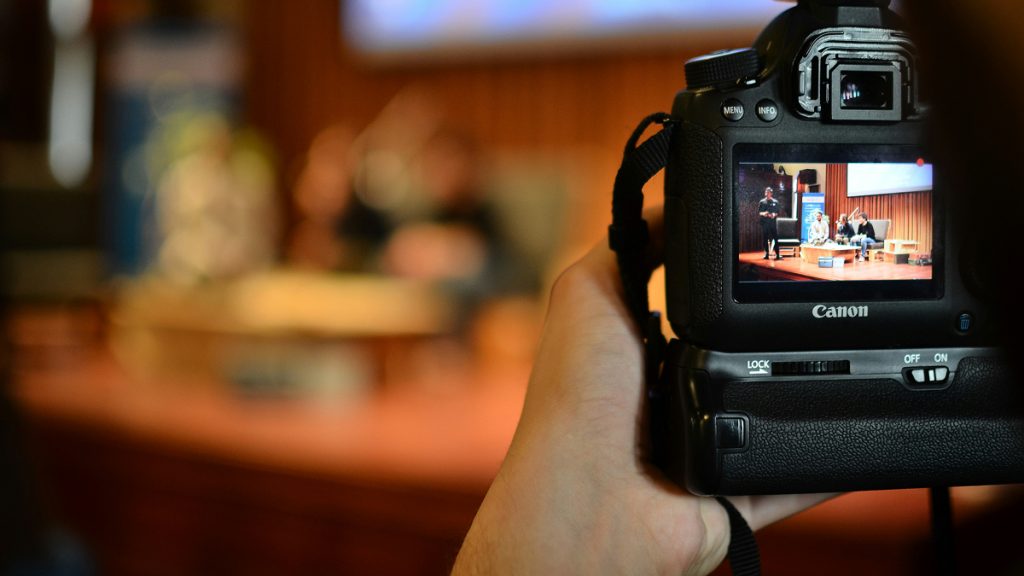
Pros of Live Streaming Your Event: Here’s Why It Makes Sense
Live streaming opens doors that were previously locked, starting with unprecedented audience reach.
A small venue show capped at 500 in-person can suddenly attract thousands or tens of thousands online from anywhere in the world, no travel required. This global expansion is especially powerful for niche events like indie music gigs, specialized workshops, or regional conferences, where digital viewers might never have discovered you otherwise.
Recent data shows live streams can boost total event attendance by 20-50% or more, depending on promotion.
Increased event revenue generation is another major win. You can monetize your live stream through pay-per-view tickets, tiered access (e.g., $10 basic, $50 VIP with chat), sponsorships, or super chats and donations on platforms like Twitch.
Hybrid events – aka those in-person and virtual – often see streams contribute 10-30% of total income, with some concerts pulling in six figures from digital alone. This diversifies your income, offsetting physical ticket costs like venue and production while creating new streams from merch drops or virtual meet-and-greets.
Engagement and community building take it further. Should you decide to offer it, live chat, polls, and Q&A create real-time interaction that feels personal and urgent, fostering loyalty among virtual attendees.
Streams also generate evergreen content: post-event replays, clips for social media, and highlights for marketing future shows. Industry stats reveal that up to 30% of live stream viewers attend the in-person event the following year, turning one-off digital fans into repeat physical buyers.
Finally, live streaming builds your brand as innovative and accessible. It showcases your event’s energy to influencers, media, and partners who might not attend live, amplifying word-of-mouth and SEO through shares and embeds.
For artists and promoters, live streaming is a low-cost way to test markets, gather feedback, and build email lists for targeted presales.
Unlock New Event Revenue Opportunities When You Live Stream
Monetizing a live stream requires strategy, but the options are plentiful and proven.
Pay-per-view (PPV) is a staple for premium content like concerts or keynotes, where viewers pay upfront for access.
Tiered pricing can add depth: free for teasers, paid for full access, or premium for extras like backstage chats or downloadable assets.
Sponsorships and ads fit naturally. Brands pay for shoutouts, banners, or integrated segments, especially in hybrid formats where sponsors reach both live and online crowds. Platforms like YouTube and Twitch enable super chats (paid viewer messages) and channel memberships, turning engagement into direct income.
Merchandise sales and upsells integrate seamlessly. Promote exclusive digital merch like NFTs, signed downloads, or limited-edition tees during the stream, with links for instant purchase.
Live shopping features, as seen in events like Euros 2024 broadcasts, drive impulse buys by showcasing products in context. Post-stream, you can have gated replays or on-demand access that extends the earning window, often capturing 20-40% of live viewership as VOD sales.
Data from hybrid events shows these tactics working: streams can generate revenue equal to 15-25% of physical sales, with lower overhead since you are not scaling venue costs. The key is aligning pricing with perceived value – whether it’s free for broad awareness or paid for exclusivity – to maximize both reach and income.
Cons of Live Streaming Your Event and the Risks of a Live Video Stream
No discussion of live streaming is complete without the downsides, starting with technical challenges.
Streaming requires robust internet upload speeds (at least 5-10 Mbps for HD), multiple cameras, mixing equipment, and redundancy like backup connections to avoid drops or buffering. Inconsistent quality – pixelation, lag, or audio issues – can frustrate viewers and damage your reputation, with 5-10% of streams typically facing poor quality of experience even for pros.
Production demands escalate too. You need skilled operators for switching cameras, moderating chat, and handling glitches live, which adds costs for crew, gear rental, and testing. A single mishap, like a presenter freeze or platform outage, plays out in real time to thousands, amplifying negativity via social shares.
Cannibalization of physical sales is a valid concern.
If streams are too polished or cheap, some locals might opt for digital, potentially hurting in-person revenue for smaller venues. Engagement can also drop off online without strong pacing, visuals, and interaction, as remote viewers multitask or drift away.
Finally, there are opportunity costs. Time spent on streaming diverts from perfecting the live experience, and not every event type suits it. For example, intimate workshops or tactile demos lose magic on screen.
Does Live Streaming An Event Hurt In-Person Attendance?
The big question for many organizers: will streaming keep people away from the venue?
The data suggests no. In fact, it often boosts physical sales. Studies show 67% of viewers become more likely to buy in-person tickets after a stream, driven by FOMO from seeing the real energy and crowd.
Here’s another stat: 30% of live stream event attendees go to the physical event next year if there is one.
Why? Streams act as previews, showcasing production quality, artist vibes, and atmosphere that digital cannot fully replicate. They also engage dormant fans. Up to 50% of stream viewers may never have attended in person before. This expands your funnel.
For concerts, streams like those from small clubs have driven ticket spikes for future dates by going viral.
That said, risks exist if streams are free and high-quality for local markets. Consider mitigating by geo-blocking streams near the venue, offering exclusive in-person perks like meet-and-greets, or pricing digital higher than basic physical tickets.
Hybrid success stories, like association events, prove streams grow the pie without shrinking the live slice.
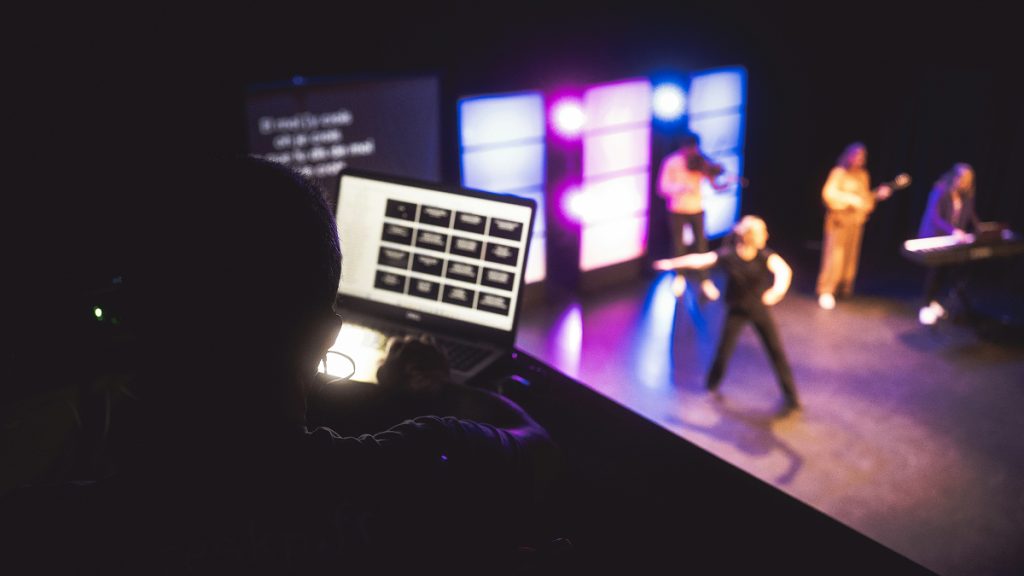
What Are the Technical Requirements for Live Streaming an Event?
Pulling off a reliable stream starts with the right setup.
The Best Internet You Can Afford
The quality of your Internet is king: you need symmetric high-speed broadband (upload ≥10 Mbps for HD, 20+ for 4K multi-cam), with wired Ethernet preferred over Wi-Fi for stability. Test with tools like Speedtest and conduct full run-throughs, including peak-hour simulations to catch bandwidth bottlenecks.
Event Live Stream Hardware to Have
Hardware includes pro cameras (or high-end DSLRs), mixers for audio/video switching, encoders like Teradek or hardware units, and laptops for monitoring. Adaptive bitrate streaming (ABR) automatically adjusts quality to viewer connections, minimizing buffering. Backup everything: secondary internet, power generators, and a B-roll playlist for glitches.
Your Live Stream Platform Matters
Just as with your event ticketing platform, your live stream platform you choose matters too.
- YouTube and Twitch suit public events with chat.
- Zoom or Hopin for conferences needing breakouts.
- Custom apps offer branded control.
Factor in the costs of everything here. That being there will be gear rental ($500-5,000/event), crew ($1,000+), and platform fees. For this reason, most promoters and event organizers will want to start simple and scale as you learn.
Live Streaming for Different Event Types: What You Need to Know
Not every event benefits equally from live streaming, so matching the approach to your format is crucial.
Live Music and Concerts for Live Streaming
For concerts and music events, streaming shines by capturing raw energy and crowd interaction that builds FOMO for future shows. Artists like those at small clubs have seen ticket sales jump 25-40% after streams go viral on TikTok or YouTube, as remote viewers crave the live vibe they glimpsed. However, focus production on multi-angle shots, high-fidelity audio, and real-time chat to keep digital fans hooked. Try to avoid static single-cam feeds that feel flat.
Conferences and Summits for Live Streaming
Conferences and summits leverage streams for knowledge sharing and lead generation, often turning sessions into evergreen content libraries. Hybrid formats let in-person networking pair with online Q&A, expanding reach to global professionals who skip travel. Organizers report 2-3x attendance growth, with streams feeding email lists for year-round nurturing. Prioritize clear visuals for slides, moderator-led chats, and post-session replays to maximize B2B value.
Skills-Based Workshops and Masterclasses for Live Streaming
Workshops and masterclasses work best with interactive streams, using screen shares, polls, and breakout rooms to mimic hands-on learning. While tactile elements like art demos lose some punch online, digital attendees appreciate recordings for pause-and-replay. Niche creators see high conversion from streams to paid courses, but limit to 1-2 hour sessions to combat fatigue.
Multi-Day Music Festivals and Other Festivals for Live Streaming
Festivals and multi-day events scale streams via stage-specific channels or highlight reels, monetizing add-ons like all-access passes. This format taps superfans worldwide, but coordinate across stages to avoid signal overload. Data shows festivals gain 15-30% revenue uplift from streams, especially with VIP digital perks. Balance by geo-fencing locals to protect gate sales.
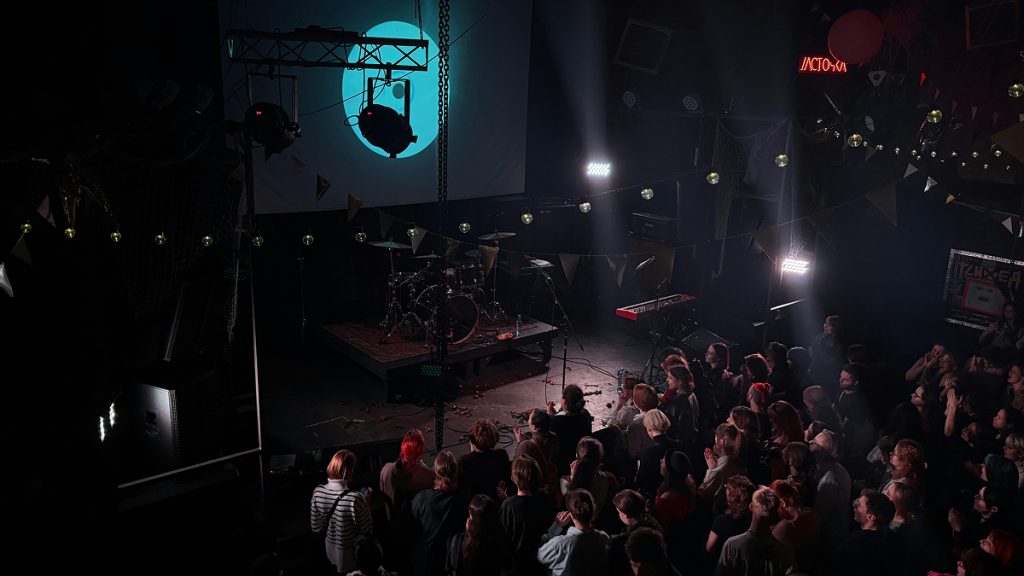
How to Prepare for an Event Professional Live Stream: Your Production Checklist
A successful event live stream depends on careful preparation, so it helps to approach production in clear stages.
4-6 Weeks Before Your Event
Start with pre-production four to six weeks before the event. Begin by auditing the venue’s internet connection and testing for at least 10 Mbps of reliable upload bandwidth to support stable streaming. Book your core crew early, which typically includes a director, audio technician, and a moderator to manage the online audience.
At this stage you should also confirm the streaming platform you will use and secure the necessary equipment, such as your cameras (often around $200 per day each), a video switcher (about $500), and hardware or software encoders. Build a production outline that scripts major moments in the event, plans for B-roll or cutaway shots, and schedules a full rehearsal to test timing and transitions.
1 Week Before Your Event
During the week of the event, conduct a full technical rehearsal that runs the stream end-to-end under realistic conditions. Ideally, simulate a load equivalent to 1,000 viewers to identify potential performance issues.
Fine-tune your audio setup. Adjust lighting so speakers appear clear on camera rather than only to the in-room audience. Configure adaptive bitrate streaming so the feed can adjust to different viewer connection speeds.
Backup systems are critical at this stage: arrange a secondary internet connection, uninterruptible power supply (UPS), and a cloud DVR recording in case the primary feed fails. Train on-site staff on hybrid event cues as well, such as reminding presenters to acknowledge the online audience.
Day of the Event
On the day of the event, production teams should perform final checks at least two hours before the stream begins. Confirm that all camera feeds, audio channels, and network connections are functioning properly.
Throughout the broadcast, monitor stream health through tools such as an OBS dashboard, aiming to keep frame drops below one percent. Assign a dedicated producer to manage the livestream interface, moderate chat, and respond quickly to issues using preset hotkeys or scene changes. After the event ends, the work continues: automatically archive the stream and create highlight clips within 24 hours to extend the event’s reach across social channels and marketing campaigns.
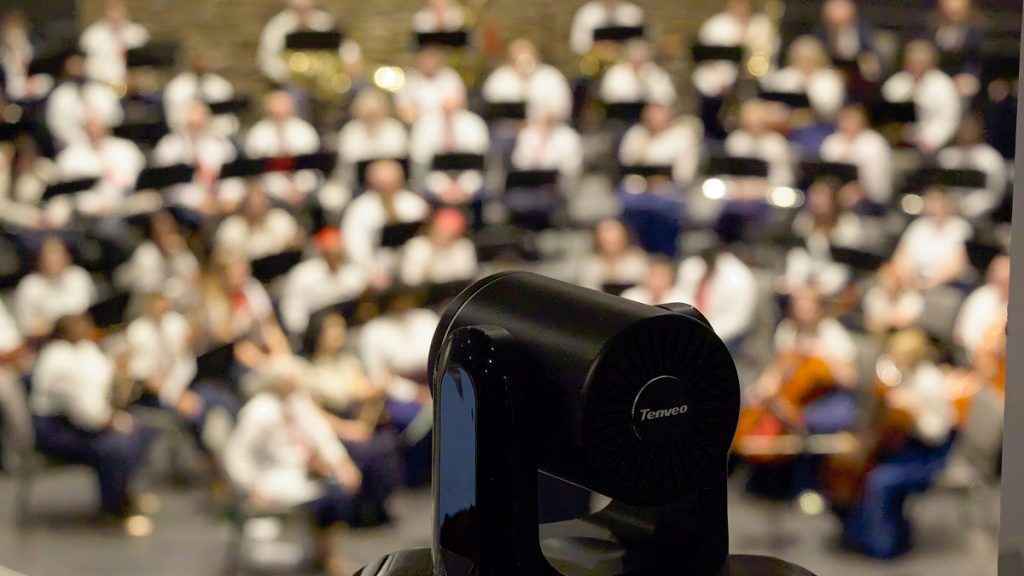
Marketing Tactics to Promote an Event Live Stream
Promotion is often the difference between a well-attended live stream and one that struggles to find an audience.
The most successful organizers treat a live stream like a standalone event and begin marketing it early. A strong campaign usually starts about four weeks in advance with short teaser content across multiple channels.
Fifteen-second clips on Instagram Reels or TikTok that highlight past moments or performance energy can build anticipation, while countdown posts remind followers when the stream is approaching. Email marketing remains equally important; sending early-bird access codes to your mailing list can drive initial registrations, while partner organizations and collaborators can help expand reach through cross-promotion.
Consistency also plays a major role in discoverability. Platform algorithms tend to reward recurring content, so organizing your streams into a regular series—such as “Acoustic Fridays” or “Monthly Founder Talks”—can steadily build an audience over time. Visual presentation matters as well. Thumbnails that feature expressive faces or high-emotion moments can increase click-through rates by around 30 percent, while clear titles like “Live Concert: Artist X Full Set” quickly communicate value.
Paid promotion can amplify the campaign further. Even $50 to $200 in targeted ads aimed at lookalike audiences or existing followers can meaningfully boost reach.
Finally, urgency plays a key role on the day of the event. Countdown posts, reminders that the stream begins soon, and limited-availability messaging help create a sense of fear of missing out that drives last-minute registrations.
During the broadcast itself, interactive elements like chat shoutouts or live audience recognition can increase viewer engagement and improve retention by roughly 15 to 25 percent, turning casual viewers into loyal followers for future streams.
Measuring ROI for an Event Live Stream: Key Metrics and Tools
Measuring return on investment is essential to determine whether live streaming actually benefits your event.
Instead of focusing only on vanity metrics such as raw view counts, organizers should track performance indicators that connect viewership to revenue and future growth. Core KPIs typically include total viewers relative to production cost, with many events targeting a cost of under $5 per viewer. Revenue per viewer is another important benchmark, often falling between $2 and $10 depending on ticket pricing and sponsorship integration.
Equally important is how streaming influences future business. Successful streams frequently generate 10 to 30 percent conversion into future ticket purchases, subscriptions, or event registrations. Comparing results from hybrid events with data from previous live-only events can also reveal whether streaming is expanding the audience or simply shifting where people attend.
Engagement metrics help show whether viewers are actually participating rather than just clicking in briefly. A strong benchmark is average watch time of at least 50 percent of the stream, indicating the content holds attention.
Chat activity, measured in messages per minute, can show how interactive the audience feels, while polls or Q&A participation offer additional signals of engagement. Tools such as Google Analytics and Hotjar heatmaps can reveal where viewers drop off during the stream or leave the event page, helping organizers identify segments that may need stronger content or pacing adjustments.
Industry benchmarks provide useful context when evaluating performance.
For example, events with production budgets around $5,000 often become profitable once streams attract 1,000 or more viewers, particularly when sponsorships or digital ticketing are involved. In many hybrid models, organizers aim for around 20 percent of total revenue to come from the streaming component as the program matures.
Continuous optimization – such as A/B testing ticket pricing, stream length, or production quality – helps refine the model and maximize long-term returns.
Should You Live Stream Your Event?
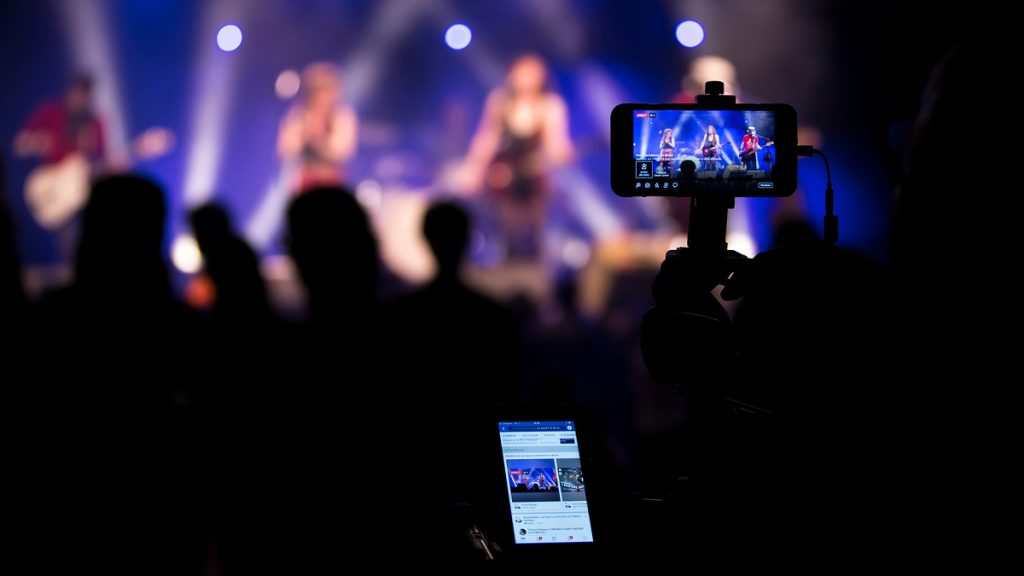
Deciding whether to live stream an event comes down to evaluating how well your format, audience, and resources support a hybrid experience.
Certain events are naturally suited for streaming. Shows with visual or performance-driven content, niche topics with audiences spread across different regions, and events that run on a recurring schedule often benefit the most. These formats allow organizers to reach fans who cannot attend in person while building a larger long-term audience. A strong green light typically appears when the venue can support reliable internet bandwidth of at least 10 Mbps upload, when the production budget stays around 10–20 percent of projected ticket revenue, and when the team has the basic technical knowledge required to manage streaming equipment and platforms.
Other events, however, may not translate as well to a livestream format. Experiences that rely heavily on in-person interaction or tactile participation, such as hands-on workshops or highly intimate gatherings, may lose their value when viewed remotely. Events with extremely local audiences or unreliable internet infrastructure also struggle to deliver a high-quality stream.
Financially, streaming may not make sense if production costs consume more than about 25 percent of the event’s expected margin, or if the core audience strongly prefers an in-person-only experience.
In short, live streaming is not a universal solution for every event, but it can be a powerful expansion strategy when used thoughtfully. When executed well, streaming increases reach, unlocks new revenue streams, and extends the life of your event beyond the physical room.
In many cases, the ability to reach global audiences and generate additional digital sales outweighs concerns about technical complexity or the risk of reducing in-person attendance. In fact, many organizers find that streams increase future ticket demand by introducing new fans to the experience.
Often, live streaming does not dilute the energy or revenue of a live event. Live streaming amplifies it, turning a single performance or gathering into content that builds lasting relationships with audiences that aren’t able to make it in-person.