
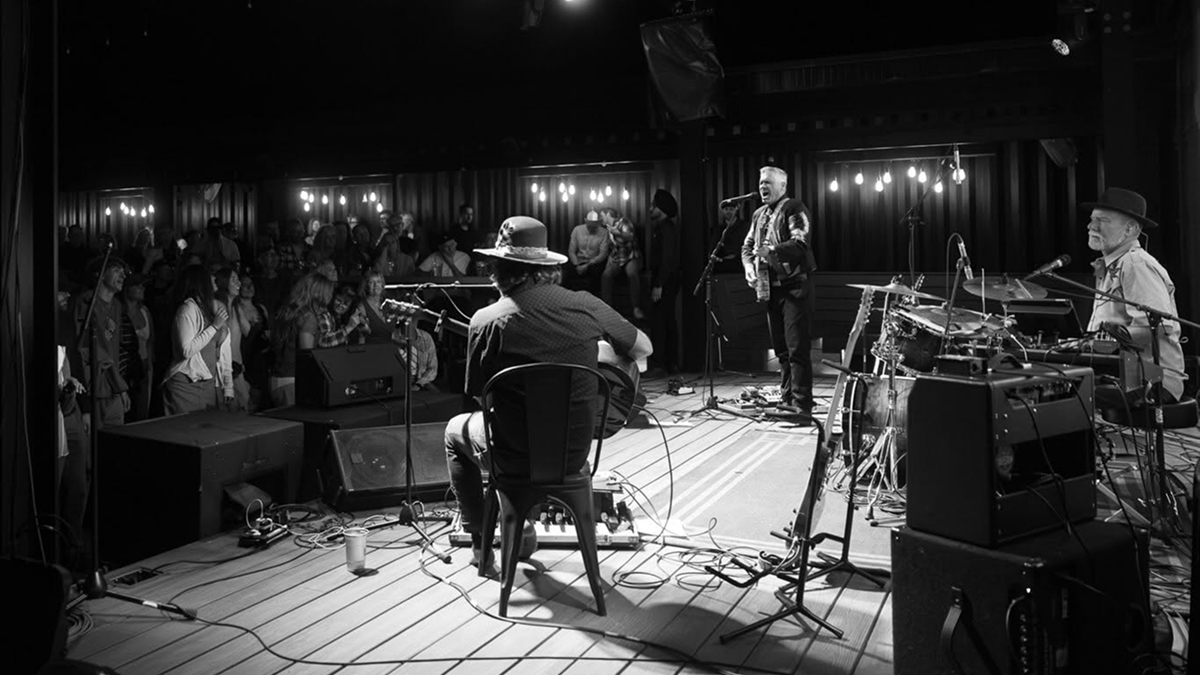
Few Canadian bands have earned their reputation as slowly, loudly, and honestly as Elliott BROOD.
For more than two decades, this Ontario trio has hauled banjos, mandolins, and a small mountain of percussion gear into community halls, rock clubs, and festival fields, then turned every room into a stomping, clapping, singing crowd.
The recipe sounds simple on paper and proves almost impossible to copy. Start with three old friends who sing in ragged harmony, add fuzzed-up roots music, and layer in a stubborn love of stories about history, family, and place.
Here we trace how the band got here, what each major record added to the legend, and why a group with a Juno Award and a Polaris Music Prize shortlisting still fills rooms the size of a village hall.
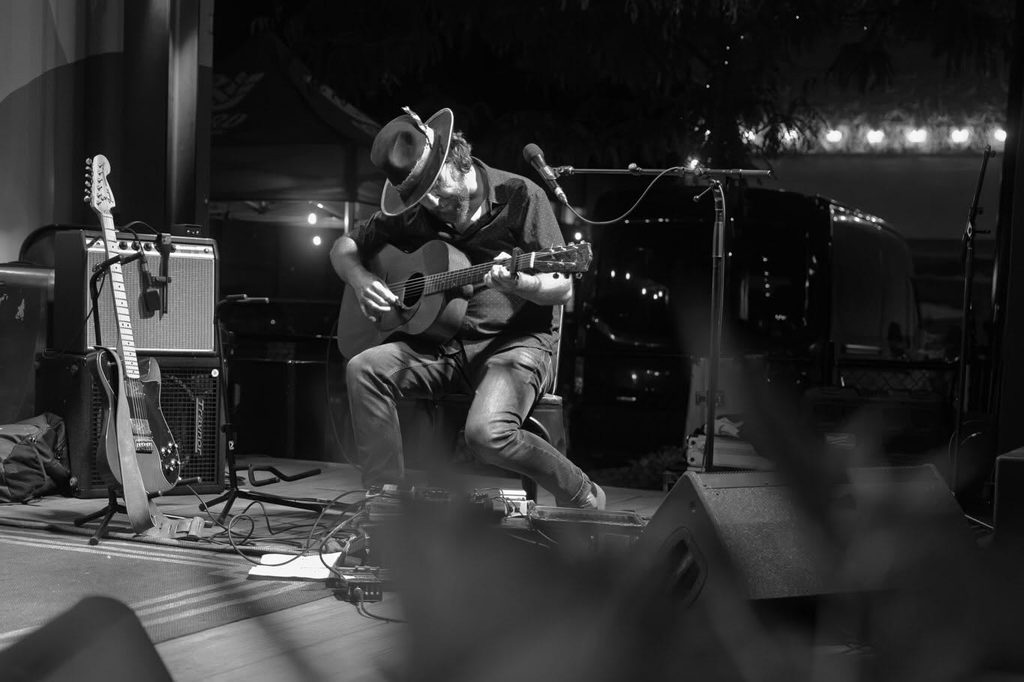
Who Is Elliott BROOD: Here is Exactly Why Do Canadian Fans of Roots Music Care
Elliott BROOD is a Canadian alt-country trio formed in Toronto in 2002 by Windsor, Ontario natives Mark Sasso and Casey Laforet, with percussionist Stephen Pitkin completing the lineup.
The band is best known for its stomp-driven live show, a 2009 Polaris Music Prize shortlisting for Mountain Meadows, and a 2013 Juno Award for Days Into Years.
Critics have tried every label imaginable, from “death country” and “frontier rock” to “revival stomp,” and none of them quite sticks. What holds the catalogue together is a detail-packed approach to songwriting in which real history, personal loss, and small-town geography share equal billing.
The résumé backs up the reputation.
Elliott BROOD has collected five Juno nominations with one win, and has shared bills with The Sadies, Wilco, The Black Crowes, Blue Rodeo, and Corb Lund.

From Windsor Friends to Toronto Stage: How the Band Began in 2002
The story starts in Windsor, Ontario, where Mark Sasso and Casey Laforet grew up as friends before each ended up in Toronto after high school. They played their first show in 2002 at the Toronto club Holy Joe’s with two other musicians, both of whom left the lineup after only a few gigs.
Sasso and Laforet carried on as a duo, bonded by a shared admiration for Neil Young, The Band, and the Flying Burrito Brothers. Along the way they befriended a soundman named Stephen Pitkin, who first came aboard as their producer and later became the full-time percussionist.
Their first release, the 2004 EP Tin Type, set the template for everything that followed. It was recorded in roughly two days in Sasso’s living room and packaged in a paper bag alongside a handmade, Old West-style photo book, an early sign that this band cared as much about presentation and storytelling as it did about songs.
College radio embraced the record, and the track Oh, Alberta! became a campus-radio staple that the Juno Awards’ own biography still treats as a national treasure.
Pitkin did not officially join until the band released its first full-length album, Ambassador, on Six Shooter Records in 2005. From that point forward the trio of Sasso, Laforet, and Pitkin has remained intact, which is a rare feat for any group that has been touring for more than twenty years.
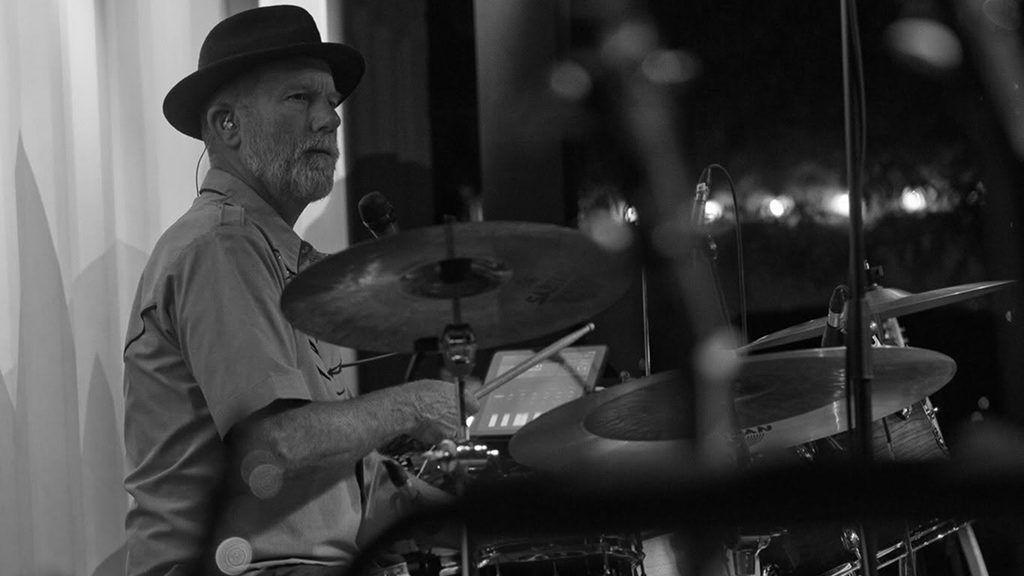
Where the Name Elliott BROOD Comes From and Why It Still Fits
One of the most common questions fans ask is where the strange, slightly ominous name comes from.
According to an interview Laforet gave to the Waterloo Region Record, it traces back to the film The Natural, which features a mysterious, unsettling character named Harriet Bird.
Sasso reportedly thought that if she had a brother, his name would be Elliott. The band was Elliott BROOD by its second show, and the name stuck.
In the early days, Laforet has explained, Elliott BROOD was imagined as a figure lurking at the corner of the bar, quietly watching everything unfold
That watchful, slightly menacing narrator helps explain why the band’s early songs leaned so heavily on darker, Old West imagery. The imaginary character has proven more durable than most band mascots.
The group’s current biography says the stylized figure has guided its travels over mountains and meadows and through the more harrowing sides of history, and the band remains fiercely loyal to it.
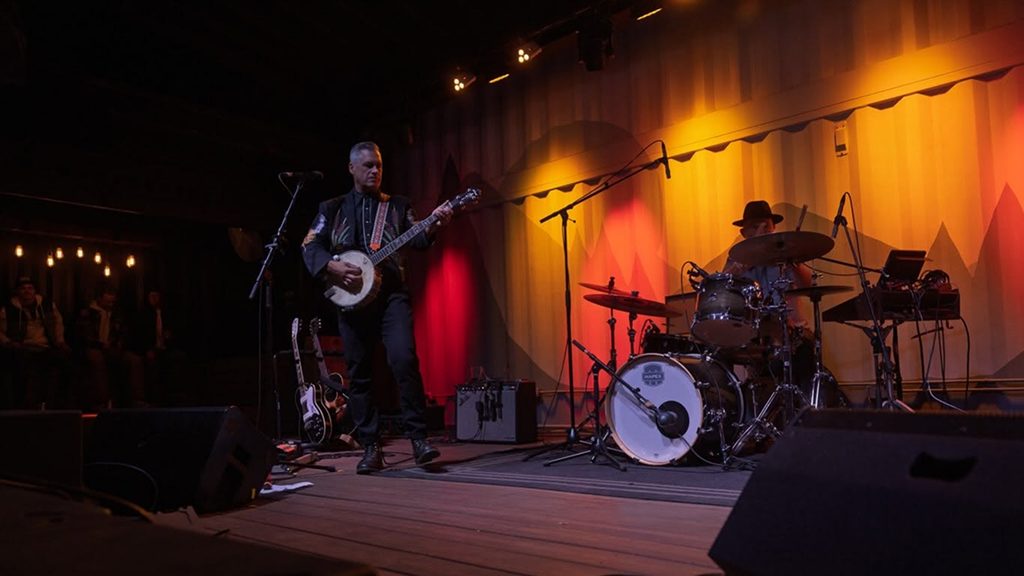
Suitcase Drums, Banjos, and Stomps: What Makes the Band Sound So Distinct
The lineup’s instrument list reads like a roots-music yard sale.
Sasso handles lead vocals, guitar, banjo, ukulele, harmonica, and kazoo, while Laforet plays guitar, keys, bass pedals, and ukulele and shares lead vocals. Pitkin covers percussion, sampler, and backing vocals.
That last job title hides the band’s most famous trick.
Until June 2008, Pitkin used a Samsonite hard-shell suitcase instead of a conventional bass drum, and Exclaim magazine noted at the time that the luggage gave the group its distinctive thump.
The band has also been known to hand pots and pans to audience members so the crowd can add to the rhythm. It is a small gesture, but it captures a bigger idea: the audience is part of the rhythm section.
Technically, the group blends acoustic and electric textures with surprising discipline. Laforet’s bass pedals run through a Roland PK-5 into a Roland SP-404 sampler, which lets a three-piece band sound like a much larger one without losing its raw edge.
The approach to recording is just as hands-on. Sasso has said the band has always recorded live off the floor, and its albums regularly capture the natural echo of unusual rooms, from a lake lodge to a rural town hall.
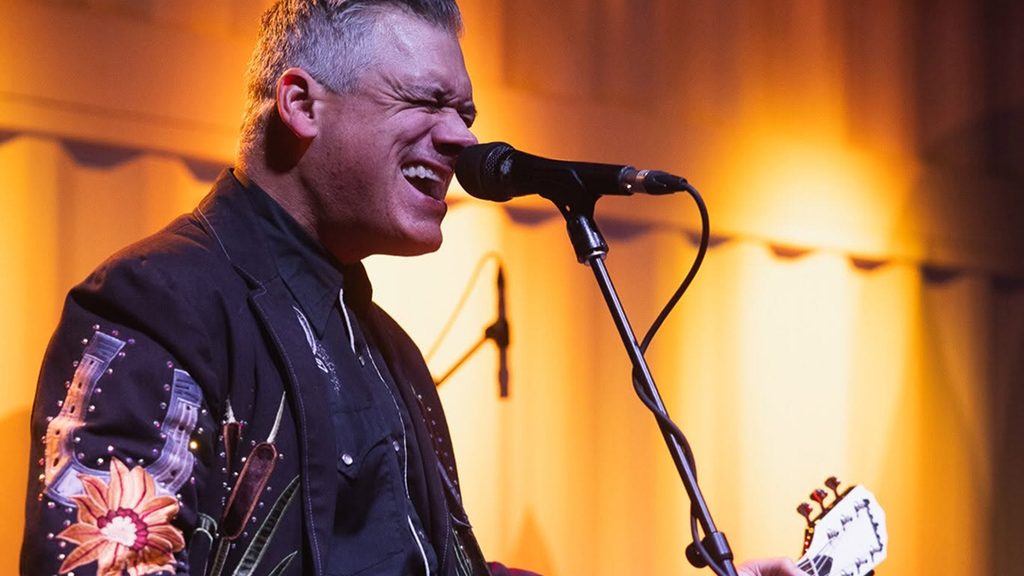
Early Albums That Built the Legend: Ambassador and Mountain Meadows
Ambassador arrived in 2005 and was named after the Ambassador Bridge that links Windsor with Detroit, a nod to the hometown that still shapes the band’s writing. The record earned a Juno nomination in the roots and traditional category, which gave the young trio national credibility almost immediately.
The real leap came with Mountain Meadows in 2008. The title borrows from the Mountain Meadows massacre of 1857, though Sasso has described the history as a jumping-off point rather than a subject to be documented. Laforet had read widely about the incident, while a documentary about it captivated Sasso.
The album was co-produced with John Critchley at Green Door Studio in Toronto and recorded in places that read like a Canadian road trip. Sessions took place at Healey Lake Lodge in MacTier, Wayne Town Hall in Alberta, Mount Robson Lodge in Valemount, Laforet’s kitchen, and Sasso’s garage.
The payoff was substantial. Mountain Meadows picked up Juno nominations for both its roots category and its packaging, and it landed on the 2009 Polaris Music Prize shortlist, where the prize ultimately went to Fucked Up’s The Chemistry of Common Life.
A Polaris shortlisting is one of the most meaningful honours available to an independent Canadian act, because the jury judges albums purely on artistic merit rather than sales.
For Elliott BROOD, it confirmed that a banjo-driven stomp band could be taken seriously as album artists, not just as a party-starting live act.
The single Fingers and Tongues became a calling card from that record. It showed the band’s gift for turning dark material into something people could shout along to, a skill that would define the next decade.
How Days Into Years Won a Juno and Changed the Band’s Trajectory
Released on September 27, 2011, through Paper Bag Records, Days Into Years is the album that turned a critical favourite into a Juno winner. It was the band’s third full-length record, and it took inspiration from century-old stories of Canadian soldiers that the band encountered while travelling in Europe.
The album unfolds like a series of movie scenes, with opening track Lindsay inviting listeners into the experience of cleaning out an old family home. The Juno Awards’ own description calls it a love letter to the rural Ontario landscape and to the memory of a departed friend, which is most clearly felt on the summer single Northern Air.
The recording story is just as memorable. The band worked with Critchley at Green Door Studios in Toronto and at Avening Town Hall in rural Ontario, a building that was once an army barracks. Sasso has said the choice was a happy accident, and that the group only discovered the building’s original purpose after reading the photo history displayed in the basement.
The hall’s history even worked its way into the writing, since the building factors heavily into the song Owen Sound. It is rare for a venue to become both a studio and a character, but that is exactly what happened here, and the natural wooden reverb is audible across several tracks.
At the 2013 Juno Awards, Days Into Years won Roots and Traditional Album of the Year: Group, defeating nominees that included Great Lake Swimmers, The Strumbellas, Le Vent du Nord, and The Wooden Sky.
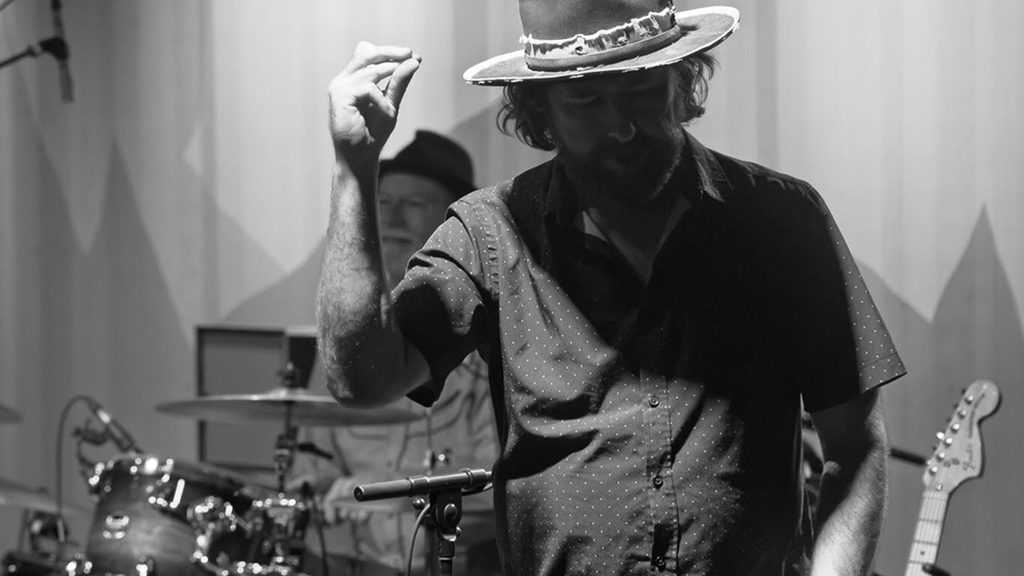
Work and Love, Ghost Gardens, and Keeper: A Band Growing Up on Record
After the Juno win, the band took a breath with the all-acoustic EP Tin Type II in 2013 before returning with Work and Love in October 2014.
The album included standouts such as Little Ones, Nothing Left, and Tired, and it earned the band another Juno nomination at the 2015 ceremony.
The next chapter, Ghost Gardens, arrived in September 2017 and began with an unusual discovery. The trio found old demos, lyric fragments, and melody sketches from the earliest days of the band, and decided to rebuild them into a full record.
The title refers to perennial gardens that keep blooming around abandoned houses long after their caretakers have gone. As a metaphor for a band revisiting its own past, it is hard to improve on, and it shows how comfortably the group turns small images into big themes.
By then the band had set up shop in Hamilton, Ontario, where Pitkin engineered and self-produced records at a studio called The Office.
That hands-on setup carried into Keeper, released on Six Shooter Records in September 2020, which marked a return to the label that released the band’s earliest work.
Sasso described the title as being about someone who sees your flaws but still gives you a chance, which is a fitting theme for a band that has stayed together for decades. The record’s centrepiece, Full of Wires, runs just under seven minutes and showed that the group could stretch out without losing its momentum.
Before Keeper arrived, fans also got a digital-only live recording of the band’s Massey Hall concert, a reminder that Elliott BROOD’s identity has always been tied to the stage as much as the studio.

Town and Country: Twenty Years In, a Two-Part Album Cycle About Home
Elliott BROOD marked its twentieth anniversary with its most ambitious project yet, a two-part album cycle called Town and Country. Town arrived on November 3, 2023, and Country followed on April 12, 2024, both through Six Shooter Records.
According to the label, Town explores the experience of being away, missing loved ones, facing mistakes, and reconciling the consequences. Its lead track Rose City is a love letter to the band’s hometown of Windsor, while Dark End of the Road sits in a more regretful, reflective space.
Closer Sinking Stone leaves listeners with whispered vocals and hushed guitars, which is a long way from the band’s early death-country swagger. It shows how family, fatherhood, and finding oneself over again have become central subjects for a band now made up of seasoned veterans.
Country turns the camera outward, exploring full-bodied Americana across the landscapes of the United States.
The eight-song record features two covers, Rodney Crowell’s Bluebird Wine and the Rolling Stones’ deep cut Out of Time.
The lead single Wind and Snow is based on a true story of a cross-country trip from Toronto to California, and it rhymes Albuquerque with Wild Turkey in a way that sounds like instant roadhouse folklore. It is the sort of line that earns a band a lifetime of requests.
The touring that followed was just as ambitious, with Ontario dates, a showcase at Folk Alliance International in Kansas City, and a spring 2024 run through the Netherlands, Germany, and France. The 2025 Still Broke and Broken Tour then brought the songs back across Canada, including a February stop at Toronto’s Sonic Hall.
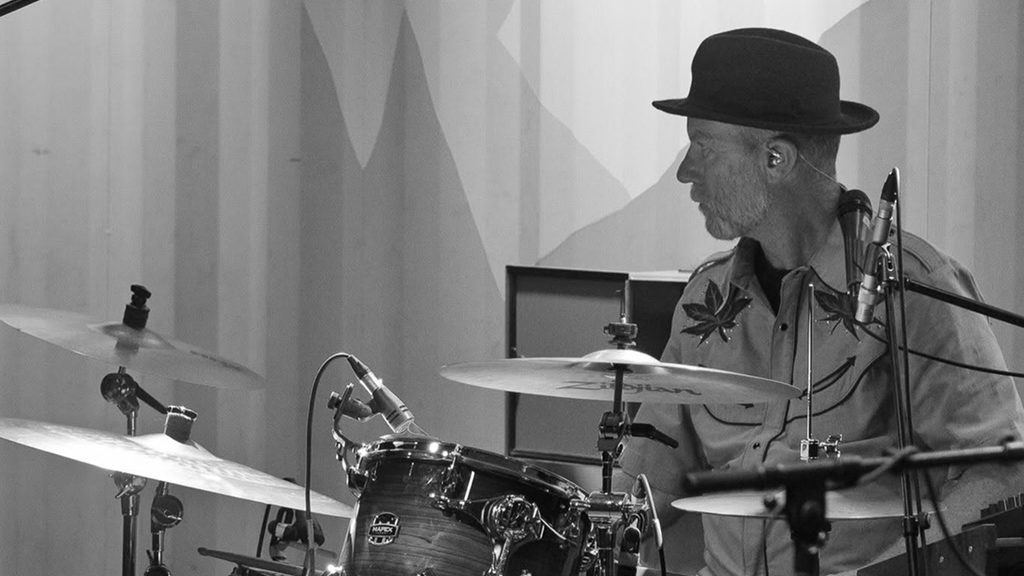
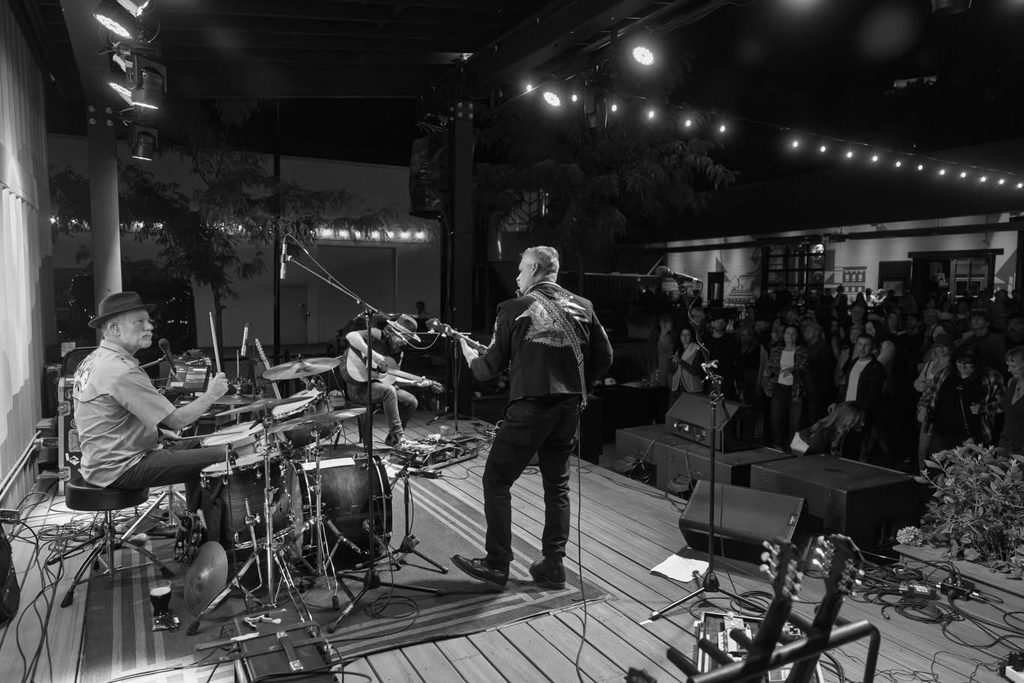
Why Elliott BROOD Live Shows Fill Halls and Keep Fans Coming Back
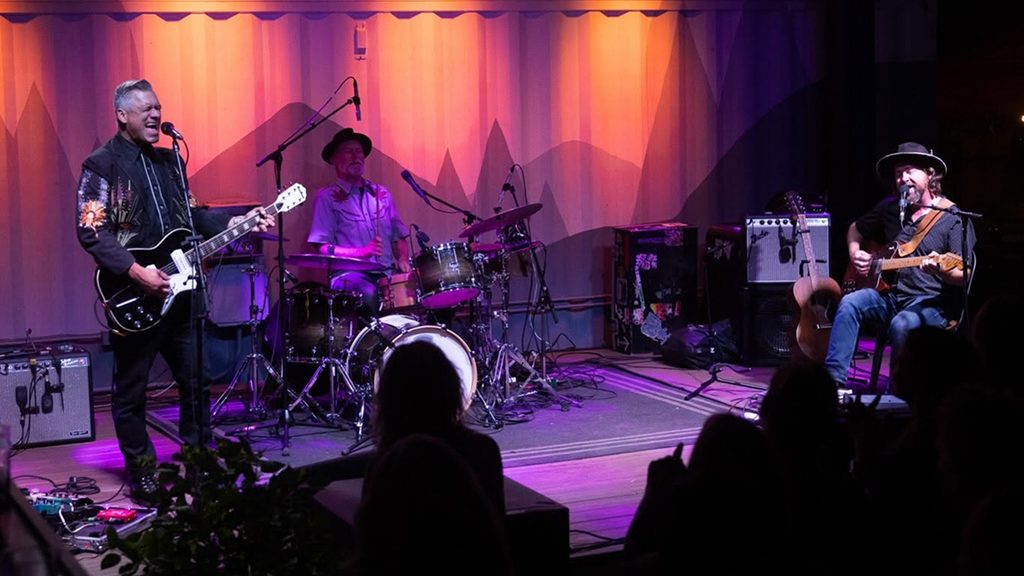
Talk to anyone who has seen the band and the same words keep surfacing: frenetic, fuzzy, and communal.
The group’s own bio describes the live show as a maelstrom of energy and fuzz that has taken them back and forth across continents countless times.
CBC broadcaster Grant Lawrence summed up the feeling with a simple toast to the band: “Long may you stomp.” It is a fitting line for a group whose percussion-heavy sound makes the whole room move together.
For some fans, they will tell you they’ve seen the band ten or twenty times and many of them have since converted their families and friends.
That word-of-mouth flywheel is the quiet engine behind the band’s longevity. It is also why the group has kept finding new venues in 2026, from Port Carling’s Duke’s Live Music in August to the Into the Trees festival in September and The Fool in London, Ontario, in early November.
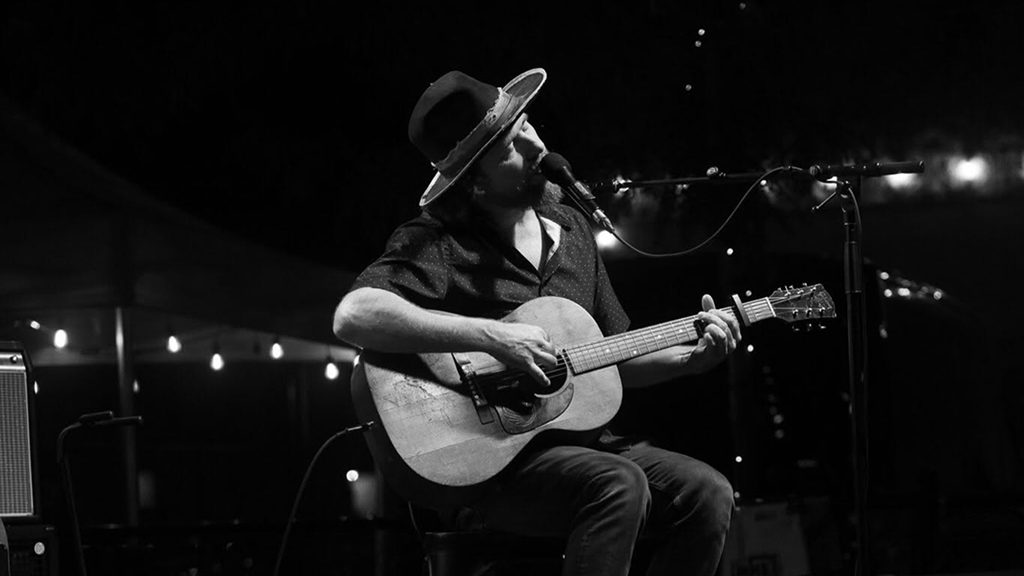
How the Avening Hall Became a Second Home for the Band
The band’s relationship with Avening Hall near Creemore, Ontario, goes back to March 2010, when they first played the room and found a sold-out crowd waiting.
According to the Creemore Echo, the night was such a perfect fit that the musicians decided they had to record there, which led directly to the sessions for Days Into Years.
The bond has only deepened since. In April 2013, the hall’s board faced a fundraising challenge, needing to raise $35,000 to match Clearview Township’s contribution toward upgrades, and Elliott BROOD volunteered to play a benefit show at a reduced rate in exchange for extra rental time.
The band returned for a pair of shows in November 2019, and again on November 20, 2021, as one of the hall’s first concerts after pandemic capacity limits were lifted.
Promoter Sara Hershoff of the Creemore Echo called the group a longstanding friend of the hall, and described their shows as rafter-shaking dance parties.
That reputation has made the hall a destination for music fans well beyond Clearview Township. The Creemore Echo has built a concert series around artists who treat the venue as something special, and Elliott BROOD may be the clearest example of the relationship working in both directions.
Doing It the Hard Way: Why Elliott BROOD Still Matters After Two Decades
The band’s official tagline, “Doing it the hard way for 20 years,” is more than a slogan.
It describes a group that has toured relentlessly, recorded in lodges and barracks, written about family and fatherhood as its members have lived those chapters, and kept the stomp alive through every shift in the music industry.
That persistence is the real story, and it is why fans keep returning.
The band has grown from three young musicians swapping instruments in Toronto clubs to a trio whose smile lines and callused guitar fingers have become part of the sound, making a hard job sound easy.
Elliott BROOD’s next show is a two-night residency at the Avening Community Hall in Creemore, Ontario, and takes place on Friday, November 6, 2026 followed by a second show on Saturday, November 7, 2026, presented by The Creemore Echo in partnership with Avening Hall.
After more than two decades, Elliott BROOD remains proof that a loud, honest, community-minded band can build a lasting career without shortcuts. Catch them in a small room while you can, because few things in Canadian music sound quite like three friends, one old hall, and a crowd stomping in unison.



