
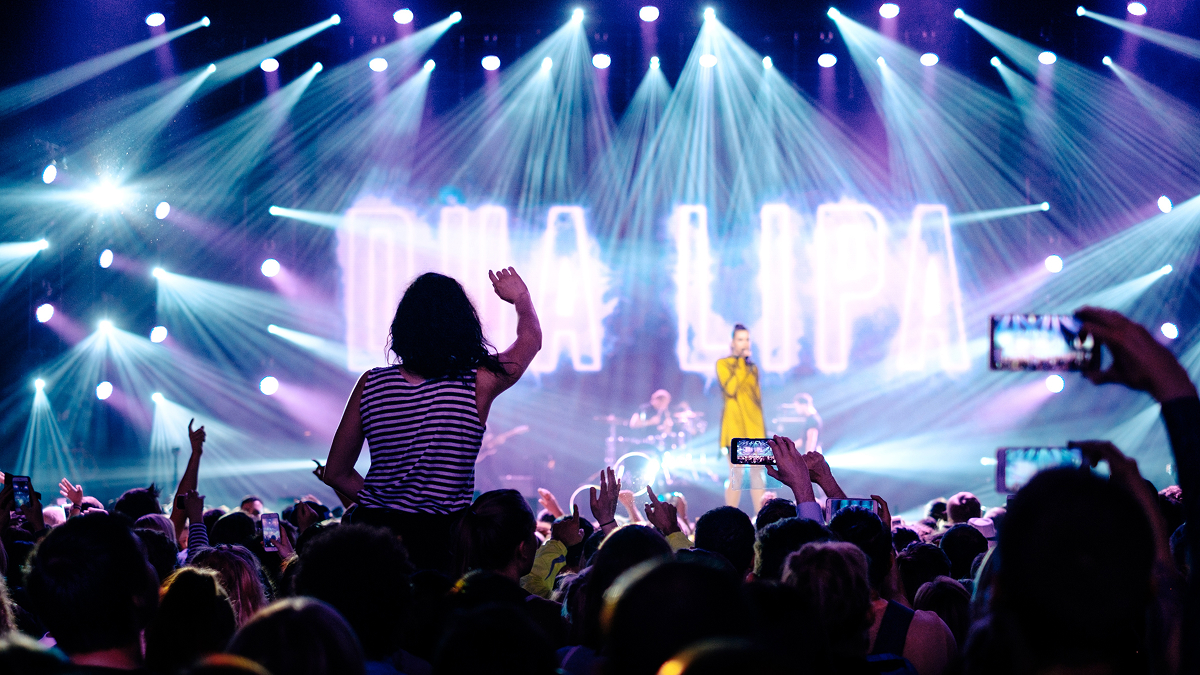
Taking kids to their first concert or festival can be magical or miserable depending on how prepared you are.
There’s something electric about seeing your child’s face light up at their first live concert or festival. That moment when the bass drops, lights flash, and a sea of strangers becomes a singing, dancing family, it’s pure magic. But let’s be honest: bringing kids to concerts isn’t all confetti and sing-alongs. It can also mean meltdowns, earplugs lost in the crowd, sticky hands, and that sinking feeling when you realize the porta-potty line is 20 minutes long.
This guide covers everything you need to know about preparing for, surviving, and savoring your kid’s first live music experience. Whether it’s a gentle matinee or a full-blown festival, we’ll walk through age-specific tips, packing lists, meltdown management, and insider strategies so you can relax and enjoy the show too.
Fun fact: Studies show kids who attend live music events with parents are 40% more likely to develop lifelong music appreciation and parents report higher family bonding scores after shared concerts.
Is Your Child Ready for Their First Concert? Age-by-Age Breakdown

Every kid is different, but there are some general benchmarks for when live music works best. The goal is matching the event energy to your child’s emotional and physical limits—no one wins if you’re dragging a sobbing five-year-old out mid-set.
Toddlers (Ages 2-4)
Stick to short, gentle shows like library sing-alongs, kids’ artist matinees (such as The Wiggles), or family-friendly holiday specials. Look for events under 60 minutes with seating, minimal bass, and no strobes. These little ones thrive on familiar songs and interactive moments but tire fast from crowds or volume. Test the waters with free outdoor concerts first.
Preschoolers (Ages 5-7)
Now you can venture into slightly bigger venues for family shows or local cover bands doing kid hits. Aim for 90-minute events starting early afternoon. They’ll love lights and dancing but may need breaks for snacks or quiet time. Avoid standing-only general admission unless it’s a calm crowd.
School-Age (Ages 8-11)
Prime time for real concerts! This age handles 2-3 hour shows, moderate crowds, and louder volumes. Think Taylor Swift “Eras Tour” family sections, pop festivals with kids’ stages, or classic rock revival shows. They’re old enough for excitement but still need parents nearby for bathroom runs and navigation.
Tweens/Teens (12+)
Full adult concerts are fair game, though parents should still set boundaries around mosh pits and late nights. They might roll their eyes at your presence but secretly appreciate the safety net. Let them lead on artist choice while you handle logistics.
Choosing the Perfect “First Concert” Event for Kids

Not every sold-out arena show makes a great kid debut. Here’s how to pick a winner that matches your family’s vibe and limits.
1. Start with Venue Familiarity
If you’ve never been to the space, research capacity, family zones, and acoustics. Smaller theaters (1,000-3,000 seats) often feel more intimate and manageable than massive stadiums. Outdoor amphitheaters work well for festivals with grassy space to spread out. Avoid venues known for crushing crowds or poor ventilation. Be sure to read parent forums and Google Maps reviews for real talk.
2. Timing is Everything
School nights mean home by 9 PM max. Weekend matinees (2-6 PM start) are gold for younger kids, letting them nap beforehand and crash after. Festivals often have “family hours” (noon-5 PM) before adult programming kicks in. Check set times and build in buffer as delays happen, and hungry/tired kids don’t wait patiently.
3. Artist and Content Matter
Go for acts your kid already streams obsessively. Familiarity breeds joy. Research setlists for explicit lyrics or heavy pyrotechnics (sites like setlist.fm are lifesavers). Family-friendly tours often tone down language and add interactive bits. Skip ultra-niche genres with intense fanbases unless your tween is deep in that scene.
4. Budget Reality Check (Yep, That’s Right.)
Kids’ tickets run $30-100+, plus your seat, snacks, merch, parking. Look for family packs, lawn seating (bring blankets), or promo codes. Some event ticketing platforms often bundle families together and flag kid-friendly sections. Buy early as prices climb, and good sightlines sell out.
The Ultimate Family Packing List (Venue-Approved) for Kids at their First Concert

Nothing kills concert buzz like forgetting the essentials. Here’s your master survival kit, customized by age and venue type. Print this, check it twice.
Hearing Essentials
- Kid-sized earplugs or defenders (Loop Quiet, Minuendo, or Ems for Kids—test fit at home!)
- Include a backup pair for you (crowd noise sneaks up)
Comfort & Energy Boosters
- Protein snacks (nut bars, cheese sticks, applesauce pouches, and no messy chocolate)
- Collapsible water bottle (refill stations save money at events and venues that have them)
Hygiene Heroes
- Travel wipes/sanitizer (sticky everything)
- Change of clothes (spills happen)
- Bandaids, kid ibuprofen, motion sickness meds
Navigation & Safety
- Wristband with your phone # (sharpie-ready)
- Lanyard with tickets/ID/cash/cards
- Recent kid photo on phone (for lost scenarios)
Fun Extras
- Accessorize with glow sticks/bubbles (if allowed so do check the event of venue policy)
- Binoculars for far seats
Mastering the Meltdown: Plan for the Worst with Calm-in-the-Chaos Strategies
Meltdowns happen at concerts, but your response is what turns a potential disaster into a parenting win.
Every parent of a first-time concert kid knows the signs: fidgeting that turns to whining, small hands clutching their ears, or sudden tears as overstimulation hits peak. The key is to act fast before a full cry erupts as kids escalate quickly in loud, crowded environments, and waiting only makes recovery harder.
When the meltdown starts brewing, follow a simple de-escalation 1-2-3. First, relocate immediately to a quieter corner away from the pounding bass; sit on the ground if needed to get on their level and create a sense of safety.
Next, reset with basics: offer water, a quick snack, and deep breaths while saying calmly, “It’s okay, we’re good”. Skip lectures, as they fuel frustration. Then redirect their focus: ask “Want to see if [favorite song] is next?” or suggest “Let’s people-watch the dancers”. Shifting attention breaks the spiral.
Sometimes the graceful exit is the real victory. A partial win beats a total loss every time, so frame leaving positively: “Great job making it this far!” with ice cream promised on the way home to seal the night on a high note
For overstimulation specials, dim your phone light as a “magic calmer” or pull out a familiar toy from the bag. These sensory anchors work wonders. And do not forget parent self-care: breathe deeply, remind yourself it is just one night, and laugh about it later.
Crowd Smarts: Navigation Without the Nightmare of Losing Your Child
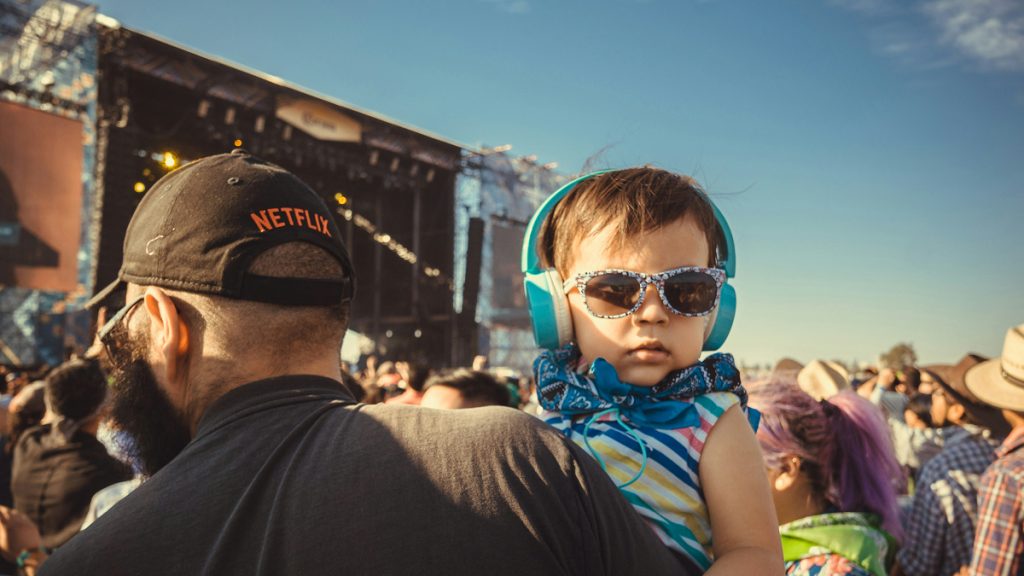
Concerts feel like navigating a human ocean, but with smart strategies, you can stay safe and have fun without constant stress. Entry mastery starts with arriving early-ish to beat peak chaos, knowing the bag policy inside out, and smiling at staff. They are humans too, and a friendly vibe speeds you through.
For prime positioning, always choose aisles over centers for quick exits, elevated spots for kid views, and steer clear of dead-ends that trap you during surges. In the crowd, in-crowd moves like holding hands high, playing the “bubble space” game to maintain personal bubbles, and setting a backup meet-point (like “the elephant statue”) keep everyone together.
Do not forget the bathroom blitz: hit facilities pre- and post-sets, scouting locations on arrival to avoid lines.
Sensory Survival for a Kid at a Concert or Festival: Noise, Lights, and Overload
Live music hits different for kids, so prepping their senses for impact is non-negotiable. Volume reality means even “kid shows” can reach 90-110dB, making ear protection a must. Opt for foam plugs on a budget or molded ones for all-day comfort that does not fall out.
The light show lowdown warns that strobes can trigger some sensitive kids, so pre-warn them and offer sunglasses as a fun shield. Smell and touch overload from sweat, smoke, and spills is inevitable, but layers and wipes keep it manageable.
Seek out quiet zones like venue chill spots, libraries, or green rooms that sometimes open up for breaks. To build tolerance ahead of time, play concert videos loud at home for gradual exposure. It works wonders and turns anxiety into anticipation.
Feeding the Festival Beast: Snacks, Hydration, Energy
Hanger kills concerts faster than bad sound, so smart fueling keeps everyone happy and human. Pre-load with a big breakfast or lunch heavy on protein to build a steady base that lasts hours.
On-site strategy favors small, frequent bites over gorging. Refillable water bottles are key for endless hydration without breaking the bank. Venue hacks like hitting food trucks first for shorter lines and sharing plates stretch your supply.
Watch the sugar trap, as treats lead to inevitable crashes in high-stimulation settings. For hot/cold tips, pack electrolyte pouches or genius frozen grapes to combat heat and dehydration seamlessly.
Making Memories That Last: Engagement Hacks to Get Your Child Locked In
Do not just survive the show but thrive by creating stories that become family lore. Embrace kid-directed moments by letting them choose songs to scream along to or invent silly dances that match the beat.
Follow photo rules with a few keeper shots rather than endless filming, preserving the live magic over screen time. Establish a post-show ritual like a “Top 3” debrief and curating a playlist of the night’s hits to relive the vibe.
Merch magic lies in picking one special item that teaches value without spoiling the budget. Above all, follow their lead. Their pure joy becomes your biggest win of the night.
Post-Concert Glow: Nurturing the Magic of Your Child’s First Concert or Festival
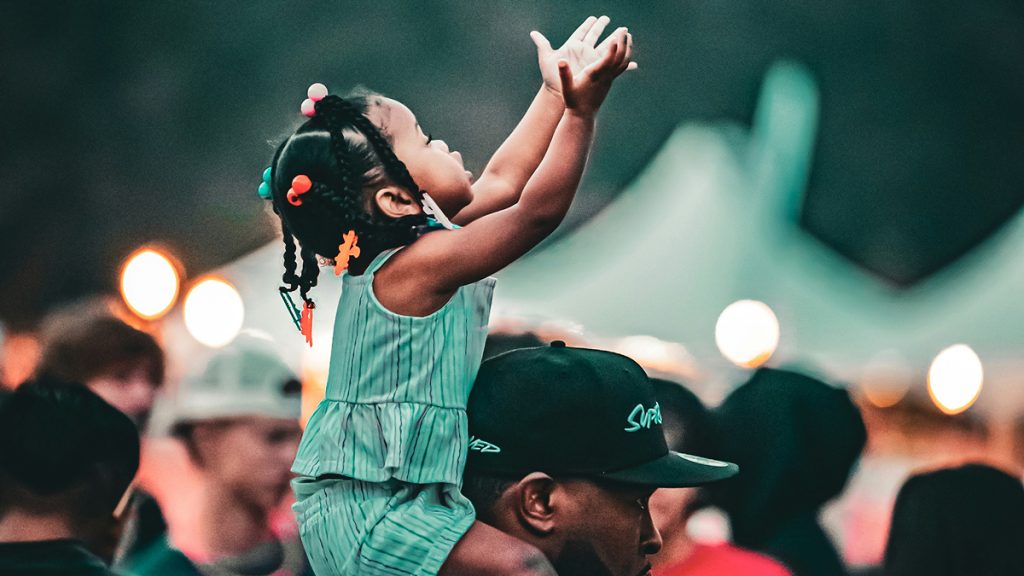
The night ends, but memories begin with thoughtful wrap-up that extends the high. Start the immediate debrief during the car ride home, recapping highs to cement them before fatigue sets in.
Next-day share moments like printing pics or making a “concert book” turn fleeting fun into tangible treasures. Follow the artist with Spotify playlists and fan clubs to keep the buzz alive between shows.
Finally, casually drop “When’s the next one?” to plant the seed for tradition. Your family’s concert journey has only just begun.
Your kid’s first concert is probably not going to be perfect. It’ll come with messy lines, thunderous roars, tired tears, and that one song where they scream every word like it is theirs alone. With smart prep, calm pivots in the chaos, and laser focus on shared joy, you can craft a story they retell forever around dinner tables and to their own kids someday.
Book boldly on trusted platforms, pack wisely with the essentials, dance wildly in the lights. Live music bonds generations across sweaty crowds and soaring choruses. Go make those memories.