Selecting the right event venue is like picking the perfect stage for your story. It can elevate your concert, conference, workshop, or gala to unforgettable heights… or sink it before it starts. With so many factors from capacity to acoustics to parking, rushing this decision risks everything from empty seats to logistical nightmares. This guide breaks down how to systematically choose an event venue that aligns with your vision, budget, and audience, drawing on real-world checklists and industry benchmarks to make your selection confident and data-driven.
Define Your Event’s Core Needs First
Before scouting venues, the first step is to clearly define what your event actually requires. Establishing these fundamentals ensures every decision that follows supports your overall goals.
1. Core Event Elements
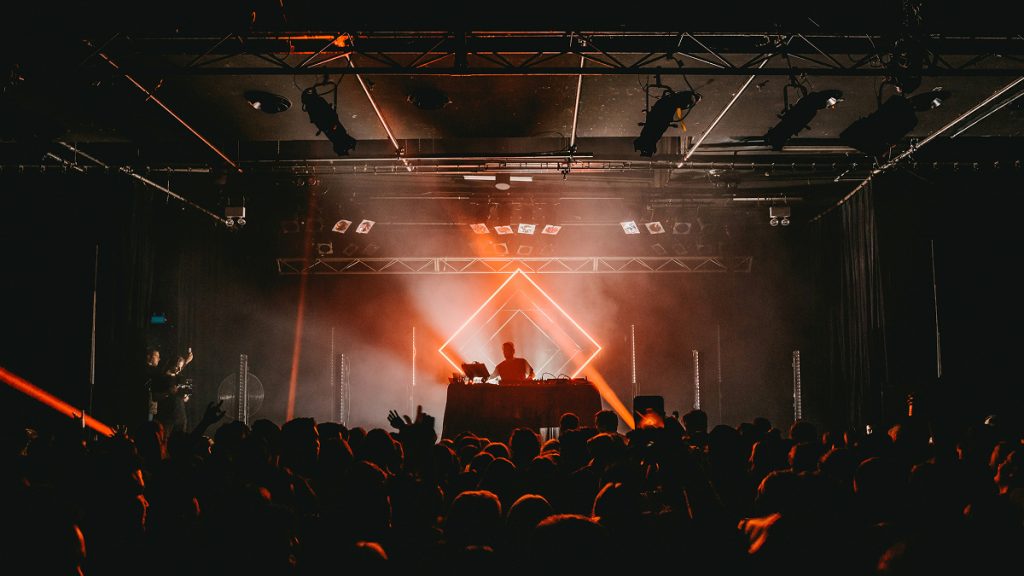
Begin by documenting the core elements of the event, including the event type, expected audience size, and overall format. For example, you might be planning a 50-person intimate artist showcase, a 500-attendee music festival stage, a 200-delegate conference, or a black-tie gala for 300 guests. Each of these formats demands very different spaces and logistical considerations.
2. Flow of Your Event
Next, think through how the event will flow. Consider whether the program involves seated presentations, standing networking sessions, high-energy dance floors, or multiple breakout rooms running simultaneously. These details help determine the type of venue you should be evaluating, whether that means theaters, ballrooms, warehouses, or outdoor spaces.
3. Audience Expectations
It is also important to outline the profile and expectations of your audience. Factors such as age range, accessibility needs, and travel habits can influence what kind of venue will work best. Families, for instance, often prioritize parking availability and easy accessibility, while urban professionals may prefer venues located near public transit and central business districts. Understanding these audience preferences early helps narrow your venue search and ensures the location supports the experience your attendees expect.
4. Event Time/Date
Timing also plays a role when choosing a venue. Evening concerts or nightlife events benefit from locations that support a late-night atmosphere, ideally with nearby hotels, restaurants, or bars so attendees can extend their night without worrying about transportation. Daytime events such as workshops, seminars, or corporate meetings tend to work better in venues with natural light and flexible catering options, which help maintain energy and comfort during longer sessions. Matching the venue environment to the time of day helps ensure the event feels natural for attendees and supports the experience you want to create.
5. Budget for an Event Venue
Lastly, your budget brings all of these decisions together. Industry benchmarks suggest allocating about 30–50 percent of your total event budget to the venue and food and beverage services, then working backward to identify spaces that fit within that range. This approach helps prevent falling in love with a venue that ultimately exceeds what the event can realistically support. In markets like Toronto, for example, venue pricing can vary widely, from around $100 per hour for smaller loft-style spaces to $300 or more per hour for ballrooms, with minimum spend requirements for larger venues often falling between $1,800 and $4,000 per event.
All this work from the onset will eliminate mismatches early and focus your search on viable venues.
Venue Capacity, Layout, and Flow: Getting the Space Right
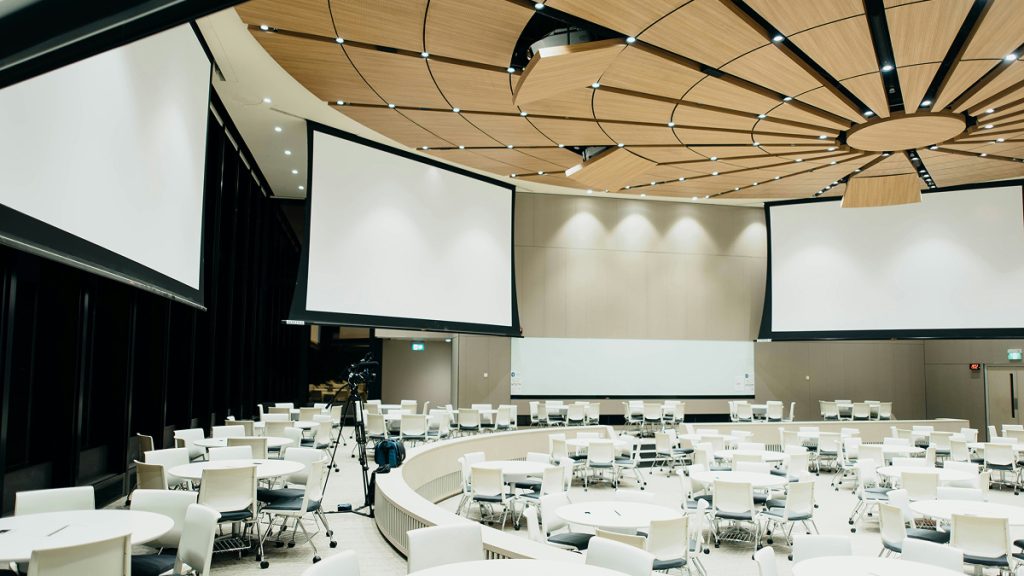
Having the right venue capacity is non-negotiable, but evaluating a space involves more than simply checking the square footage. What matters just as much is how the space flows for the type of event you are producing.
A practical planning approach is to calculate capacity based on your expected attendance and then add a 10–20 percent buffer to account for no-shows or last-minute walk-ups.
Safety regulations also set limits. Fire codes typically allow about 5–7 square feet per person for standing events and 10–12 square feet per person for seated setups, which directly affects how many people can realistically and safely fit in the room.
For example, if you are planning a 300-person concert, placing it in a venue with a maximum capacity of 250 may seem workable on paper but can quickly lead to overcrowding. Tight spaces create uncomfortable bottlenecks, reduce audience enjoyment, and introduce event safety concerns. Maintaining adequate room for movement helps preserve energy and ensures attendees can enjoy the performance without feeling cramped.
The layout also needs to match your event agenda. Conferences often require multiple functional zones, such as a main stage for keynote presentations, breakout rooms for smaller sessions, and lounge areas where attendees can network. Music events, on the other hand, typically prioritize large dance floors and strong sightlines, with dance areas sometimes occupying 40–50 percent of the total space so audiences can move freely and see the stage clearly.
Ceiling height and room shape play a surprisingly important role in the overall atmosphere. Lower ceilings, around 8–10 feet, can create an intimate setting that works well for dinners, panels, or small gatherings, but they may dampen acoustics for live performances. Higher ceilings of 15 feet or more are better suited to high-energy events like concerts, raves, or expos, though large open spaces can introduce echo if sound treatment is not considered.
Whenever possible, visit the venue in person to assess how it will function during the event. Try to picture the room about 80 percent full and observe how people would move through entrances, bar areas, and seating sections. Identifying potential pinch points early – such as narrow hallways, crowded bar lines, or limited entrances – helps ensure the space will support a smooth and enjoyable experience once the event is underway.
Venue Location and Accessibility: Convenience Drives Attendance
Venue location influences attendance more than many organizers expect. Research from event attendance data suggests that convenient access can increase turnout by 15–25 percent, largely because people tend to prioritize ease and travel time over the prestige of a venue itself.
Choosing a location that aligns with your audience’s habits and daily routines can therefore make a measurable difference in ticket sales and participation.
The first consideration for a venue should always be proximity to your event’s target audience. Urban professionals often prefer venues near downtown transit hubs where they can easily arrive by train or public transportation after work. In contrast, parents with kids and families tend to favor venues with direct highway access and ample parking, where driving to the event is simple and predictable. Matching the venue location with the lifestyle of your attendees removes friction that might otherwise discourage them from attending.
Parking and transportation logistics can also become deciding factors for many guests. As a practical benchmark, planners often aim for one parking space for every three to four attendees if on-site parking is available. When a venue lacks sufficient parking, organizers may arrange partnerships with nearby lots or provide valet service, which typically costs around $10–$20 per vehicle.
If parking options are limited entirely, offering alternatives – such as ride-share discounts, clear public transit directions, or shuttle information included with the ticket confirmation – can help reduce hesitation and improve the overall attendee experience.
Visibility is another subtle but important factor. Venues located near well-known landmarks or high-traffic areas naturally attract more walk-in interest and make it easier for guests to find the entrance without confusion. Hidden or tucked-away venues can sometimes be more affordable, but they often require stronger marketing and clearer directions to ensure people arrive without difficulty.
Finally, consider the overall neighborhood atmosphere surrounding the venue. A lively, trendy district might enhance the energy of a festival or nightlife event, while a quieter business district could be better suited to conferences or corporate gatherings. Aligning the location’s character with the tone of your event helps create a cohesive experience for attendees, reinforcing why choosing the right venue location is such an important part of event planning.
Budget Breakdown: What A Venue for Your Event Really Costs
For most events, the venue is the largest single expense, so it is important to look beyond the initial quote and understand the full cost structure.
As mentioned earlier, your base venue rental can range from $100 to $320 per hour, depending on the type and size of the space, to thousands of dollars. Many venues also require minimum spend commitments, typically between $1,800 and $4,000 per event, which means your total bill must reach that threshold through rental, catering, or bar sales.
Beyond base rental, a range of additional fees can significantly increase the final cost. Service charges often add 15 to 25 percent to the bill, while corkage fees for outside wine can run $5 to $15 per bottle. Audio-visual rentals may range anywhere from $500 to $5,000 depending on the complexity of the setup, and overtime charges for running past the contracted time often start around $200 or more per hour.
Food and beverage requirements are another major factor. Many venues rely on F&B minimums to guarantee revenue, with plated meals typically costing $50 to $150 per person and buffet-style service averaging $30 to $75 per guest. Add to this alcohol sales that often carry 300 to 500 percent markups, which is how venues recover staffing and operational costs.
Package deals can sometimes simplify budgeting by bundling catering, staffing, and equipment together, but organizers should review details carefully to ensure the quality and inclusions meet expectations.
Contracts also include financial safeguards for the venue. Deposits commonly fall between 25 and 50 percent of the total venue cost, and cancellation policies may require forfeiting 50 to 100 percent of the booking fee if the event is canceled within 30 days. Additional operational expenses can appear as well, including setup and teardown windows – sometimes four to eight hours included but not always.
There is also liability insurance requirements of around $1 million in coverage, and potential porterage fees of $50 to $100 per table for moving furniture and equipment.
As a rule of thumb, venue costs should ideally represent about 25 to 40 percent of the total event budget to maintain your best chance at event profitability.
Requesting at least three quotes and comparing them on an apples-to-apples basis helps reveal hidden differences in what is included. Negotiating off-peak dates or weekdays can also reduce rental costs by 20 to 30 percent, while peak seasons – especially summer festival periods – may push prices 20 to 50 percent higher.
Booking six to twelve months in advance often provides the best chance of securing favorable pricing and availability.
A Venue’s Technical Specs: AV, Acoustics, and Infrastructure
A venue’s technical infrastructure plays a major role in how smoothly an event runs.
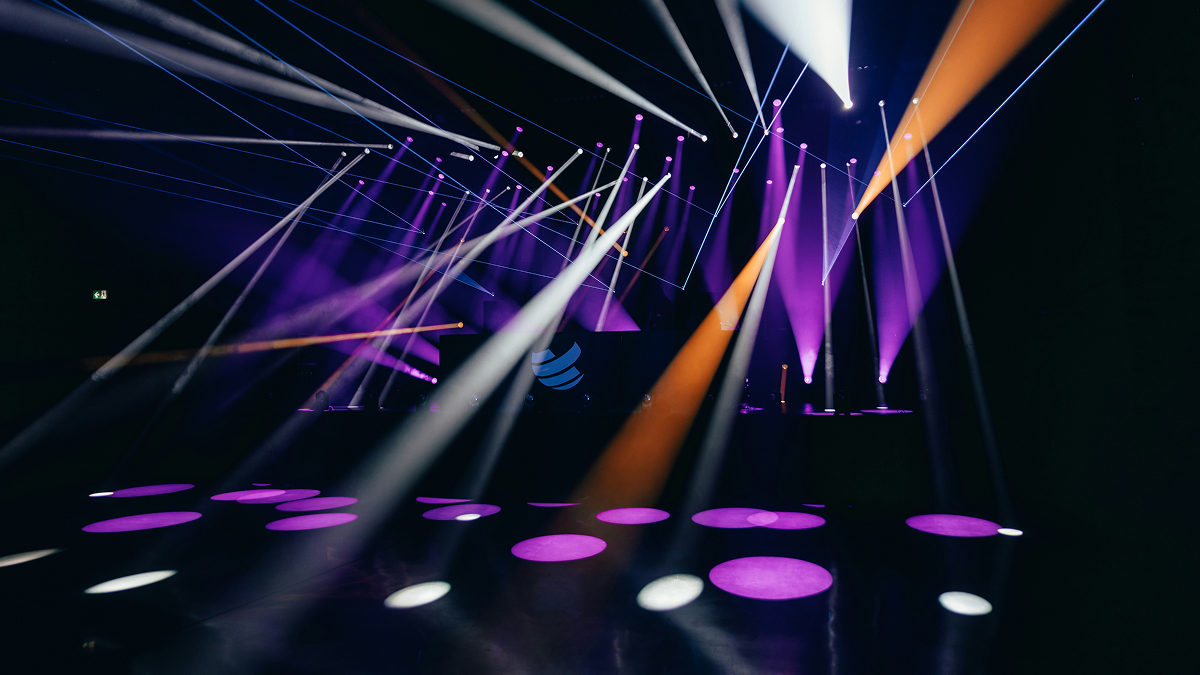
According to event planner surveys, poor audiovisual setups contribute to problems in roughly 40 percent of events, making it essential to evaluate a venue’s technical capabilities early. Ideally, venues should offer in-house AV systems with built-in redundancy, including high-quality projectors (4K resolution with 5,000+ lumens brightness), professional sound systems such as line arrays for even audio coverage, and flexible lighting setups that combine general wash lighting with focused spotlights.
During site visits, it is worth testing these systems directly, such as playing audio to check for echo or uneven sound and projecting sample slides to confirm visibility from different areas of the room.
Acoustics are especially important for performances or music-focused events. Hard surfaces like concrete or glass can reflect high frequencies, while softer furnishings help absorb sound and control bass. Lower ceilings often create a more intimate sound environment but can also trap heat and limit airflow.
Conferences, meanwhile, benefit from quiet HVAC systems operating below about 40 decibels, so background noise does not interfere with speakers.
For events involving staging or lighting rigs, it is also important to confirm rigging capacity, which typically ranges between 500 and 2,000 pounds depending on the structure. Reliable internet connectivity is equally critical. Many event planners recommend at least 5 Mbps of bandwidth per attendee, with enterprise-grade networks required for hybrid or livestreamed events.
Power and connectivity infrastructure should also be reviewed carefully. Event setups often require 20-amp circuits for different production zones, along with accessible Ethernet drops for reliable data connections.
Outdoor venues should have contingency plans such as backup generators to avoid disruptions from power outages. It is also wise to review the venue’s equipment inventory in advance, since many venues rent gear at marked-up prices, and confirm that technical support is available throughout the event, especially for complex productions.
As a guideline, organizers often allocate 10 to 20 percent of the total event budget to technical production. Choosing venues that are already equipped for hybrid or technology-heavy events can reduce setup costs significantly, sometimes saving up to 30 percent compared with retrofitting a space that lacks the necessary infrastructure.
Are You the Event Promoter? Take A Site Visit
Specifications on paper rarely tell the full story. Venue site visits reveal roughly 80 percent of what matters.
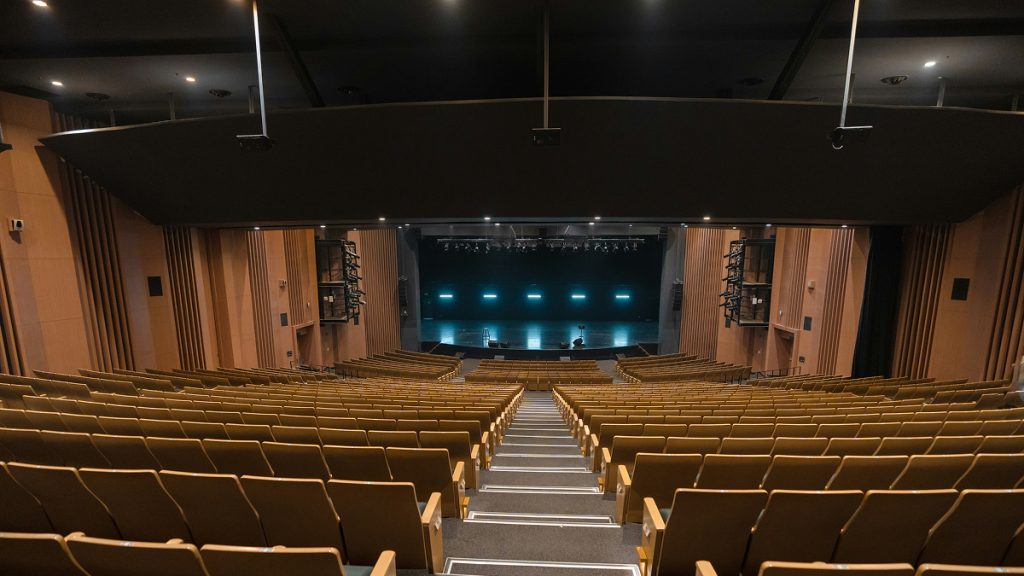
Plan to visit 2–3 venues from your shortlist, ideally at different times of day to see both daytime and evening conditions, bringing your event brief and a structured checklist. Walk the full guest experience: enter as an attendee, test sightlines from the worst seats, and check bathrooms for both quantity (1 per 50 guests) and cleanliness/stock.
Evaluate ambiance and flexibility. Does the space match your event’s theme? Industrial lofts suit raves, while ballrooms or galleries fit galas. Measure load-in access, including door widths (8+ feet for large cases), freight elevators, storage areas, and green rooms.
Talk with staff. Judge responsiveness and knowledge often signal the quality of partnership you’ll have on event day.
Bring a tape measure and record dimensions for staging, table layouts, or dance floors. Note natural light, exterior views, and any odors that could affect the guest experience. Evening visits are crucial to catch traffic patterns, street noise, and lighting conditions.
Rate each criterion on a 1–10 scale, photograph key areas, and follow up with questions the same day. For top contenders, schedule a second visit with stakeholders to confirm suitability and align expectations before signing a contract.

Your Event & Event Venue: Legal, Contracts, Insurance, and Risk Management
Contracts protect both event organizers and venues, but vague terms can lead to costly disputes if problems arise.
A thorough agreement should clearly outline rental dates and times, including setup and teardown windows. As an example, many events require 8–12 hours of setup before doors open. The contract should also define cancellation policies, including force majeure clauses that address circumstances such as severe weather, public health restrictions, or other unforeseen disruptions.
Other essential elements include indemnification terms and liability limits so responsibilities are clearly assigned.
Deposits typically range between 25 and 50 percent of the booking fee, often refundable minus damages, though organizers can sometimes negotiate payment milestones tied to specific performance checkpoints.
Insurance is another non-negotiable requirement for most venues. Many spaces require organizers to carry $2–5 million in general liability coverage, often listing the venue as an additional insured party. Event cancellation insurance may also be recommended or required, with coverage levels typically ranging from $5,000 to $50,000 depending on event scale.
Promoters and artists sometimes add additional riders to protect equipment valued at $10,000 or more, as well as coverage for cancellations related to performer illness or travel disruptions. Local regulations should also be reviewed in advance. For example, noise bylaws in Toronto generally limit sound levels to around 75–85 decibels depending on time and zoning, while parking permits and alcohol service rules may require additional approvals to avoid fines that can range from $500 to $5,000.
Force majeure and termination clauses should also outline how issues like labor strikes, power outages, or artist no-shows will be handled. These sections often specify remedies such as rescheduling credits or revised payment schedules rather than full cancellations.
It is important that any additional production elements – such as hybrid live-streaming, special effects, or pyrotechnics – are documented in written addendums so all parties understand the risks and responsibilities involved.
Although it may feel like an extra step, having a legal professional review the contract can prevent the vast majority of problems before they arise.
Your Choice in Venue Sets the Tone For Your Event to Come
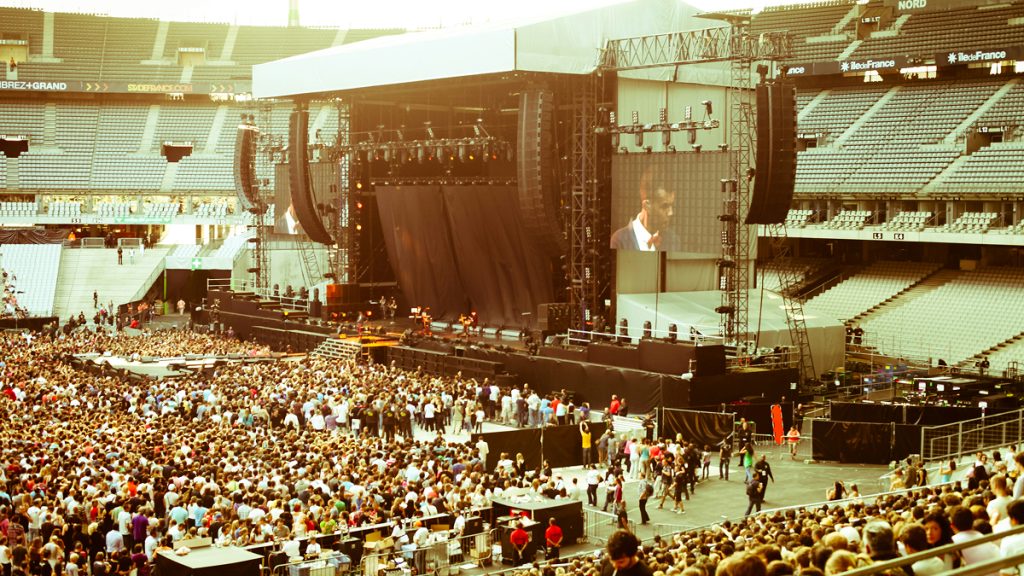
Selecting the right event venue requires a lot of strategizing, especially if it’s a larger event where the choice isn’t immediately obvious.
The best decisions balance capacity, budget, technical capabilities, and atmosphere with the overall vision for your event. Taking time to evaluate these factors carefully helps ensure the space supports your program rather than creating logistical challenges.
Whether you are planning a concert in Toronto or coordinating a large international conference, a thoughtful approach to venue selection improves both execution and attendee experience. Fortunately, with the right preparation and a clear plan, you can book a space that sets the stage for a successful event from the moment guests arrive.