In learning how to plan a successful event, can you guarantee success by whichever definition you define it? No. However, by putting in the time to plan correctly, you can set up your event to maximize what it can do in ticket sales and attendance.
Imagine standing in a venue you chose, watching attendees who bought tickets that you strategized and sold, and to see those people you brought in laugh, network, and leave with smiles on their faces, knowing you made it all happen. That’s the magic of a well-planned event. But pulling it off? It’s no small feat.
Whether you’re an event planner juggling a corporate conference, a venue manager hosting weddings, a promoter launching a music festival, or an artist organizing fan meetups, event planning can feel overwhelming.
The good news? With a solid event planning guide, you can turn chaos into triumph. In this comprehensive how-to guide, we’ll walk you through everything from defining your goals to measuring success, packed with actionable tips, data-backed insights, and real-world examples from the events industry. Let’s make your next event unforgettable.
Step 1: What is Your Event’s Goal? Define It
Every successful event starts with a clear “why.” Without it, you’re just throwing a party without direction.
Ask yourself what you want the goal of your event to be. Defining its purpose shapes every decision, from the budget to how you structure the attendee list. Without a clear goal, decisions become scattered, resources get wasted, and outcomes can feel disappointing. Planning an event without goals is like navigating without a map. You might get somewhere, but it won’t be intentional.
Industry data shows that planners who set clear objectives see higher satisfaction and better ROI. In fact, industry data shows us that 46% of event marketing teams that treat their events as part of a deliberate growth strategy with clearly established goals consistently hit their quarterly targets.
Clear goals also make it easier to keep everyone involved aligned throughout the planning process. Hold focused discussions with key stakeholders early on so priorities are understood from the start. Consider documenting your objectives in a shared one-page outline that organizers, vendors, and collaborators can reference throughout planning and execution.
If you have hosted events before, review past performances to identify what worked well, what created challenges, and where improvements can be made. Industry research consistently shows that planners who establish measurable objectives see stronger attendee satisfaction and better overall returns on investment because every decision is tied back to a defined purpose.
A strong example of goal-driven event planning is Red Nose Day in the United Kingdom. Since launching in 1988, the event succeeded by staying focused on a clear mission: combining entertainment and comedy to raise money for charitable causes. That clarity helped the campaign raise £15 million in its debut year and eventually inspired hundreds of millions in global donations.
Its success demonstrates how defining a focused objective from the beginning can shape every part of an event and create long-term impact.
Step 2: Understand Your Audience and Event Theme
Knowing exactly who you’re planning an event can transform a generic gathering into a personalized experience that resonates deeply.
Dive into demographics, psychographics, preferences, and pain points, including age groups, interests, location constraints, and even accessibility needs. Event planners targeting professionals might prioritize networking tools, while promoters appealing to music fans focus on immersive vibes and social media moments.
Misjudging your audience leads to low engagement or empty seats, but getting it right boosts attendance and word-of-mouth.
Then, use this audience information to elevate your event and to also set it around a clear theme. A strong event theme ties everything together, amplifying your purpose and making the event memorable. Themes should feel authentic, not forced. Research shows that themed events see higher engagement because they create emotional connections.
When developing an event theme, focus less on what is trending and more on the audience you are trying to attract. Your attendees’ demographics, interests, and expectations should guide the overall experience.
A theme that feels relevant to your audience will create a stronger connection and improve engagement far more effectively than chasing short-lived trends. Successful events are rarely built around what is popular at the moment. They succeed because organizers understand exactly who they are marketing to and design the experience around those people.
It is also important not to overcomplicate your event theme. Over-customizing every detail can create unnecessary logistical challenges, increase costs, and make execution far more difficult than it needs to be.
A simple and focused concept is often more effective because it allows planners to concentrate on the attendee experience rather than managing avoidable production issues. Keeping your theme clear and practical helps ensure the event feels cohesive without becoming overwhelming for organizers or guests.
A strong example of audience-focused event planning came in 2019 when Fortnite hosted an in-game concert featuring Marshmello.
The virtual event attracted 10.7 million attendees by creating an immersive experience designed specifically for gamers and younger audiences. Rather than appealing to everyone, the organizers focused directly on the interests of their core audience, setting a new benchmark for digital audience engagement.
Step 3: Set a Realistic Event Budget
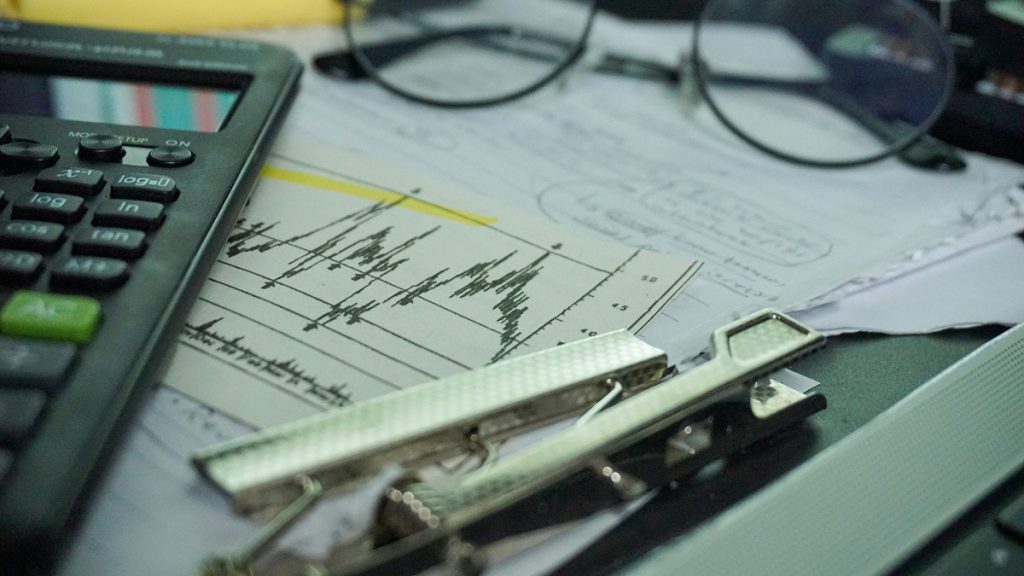
Budgeting might not be the most exciting part of event planning, but it’s often the make-or-break factor.
Events cost money and, in many cases, expenses rise and budgets that have not been properly planned are threatened. Smart allocation keeps things sustainable and prevents overspending.
Break it down by categorizing your expenses in a list. Typically, a budget will include ticket service fees, venue costs, event production, catering and food, marketing costs to promote your event, staffing and employee costs, permit expenses.
Factor in contingencies as well. Consider a 10–15% contingency fund for surprises, and track everything in real time using spreadsheets or dedicated software. Where appropriate, don’t hesitate to negotiate aggressively with vendors, arguing for early bookings and bundled services which can often yield savings.
Data indicates that events with strong budgeting practices achieve better ROI, especially as 40% of event organizers and promoters anticipate flat or growing budgets amid cautious economic outlooks.
One of the simplest ways to stay on top of expenses is by using a spreadsheet to track every cost as your event develops. Monitoring expenses in real time helps prevent overspending and gives you a clear understanding of where your money is going throughout the planning process.
Budgets can shift quickly, especially when dealing with vendors, staffing, production, or venue-related costs, so maintaining accurate records is essential for keeping your event financially controlled.
It is also important to expect unexpected expenses. Overtime pay for staff, last-minute equipment rentals, delivery delays, or operational adjustments can increase costs without much warning. Building flexibility into your budget allows you to respond to problems without disrupting the event itself.
Instead of relying on arbitrary estimates, use historical data from similar events to create more accurate projections. Reviewing past attendance numbers, vendor pricing, staffing requirements, and production costs can provide a far more reliable financial foundation than guessing based on assumptions.
Roughly a third of event organizers name “insufficient budget” as a top concern, with 40% of event promoters expecting their budgets to grow the following year.
As budgets tighten, focus first on the elements that are essential to the attendee experience and the success of the event. Prioritize your must-haves over your nice-to-haves and be prepared to reduce spending in areas that will not significantly impact guests.
Strong budgeting is not about cutting everything possible. It is about understanding where spending matters most and where adjustments can be made without compromising the core experience.
A strong example of smart budgeting came from The Coca-Cola Company during its “Share a Coke” campaign. The brand extended the campaign into live events by using personalized bottles that created highly engaging experiences at relatively low production costs. The campaign generated massive audience interaction while maintaining cost efficiency, proving that creativity and strategic spending often create greater impact than simply increasing a budget.
Step 4: Choose the Right Date, Format, and Platform
TTiming can elevate or sink your event, which is why choosing the right date should happen early in the planning process.
Avoid scheduling around major holidays, competing industry events, or seasonal challenges that could reduce attendance. Research local happenings, industry calendars, and the general availability of your audience before finalizing a date.
The date you settle on to publish your event listing and start ticket sales also matters. Ticketscene found that events launched on a Monday or Wednesday (typically in the late morning or early evening as the best time to announce) sold more tickets in their first week than events announced on any other day during the week. With this approach, you capture in-week sales as well as take advantage of the above-average purchasing patterns found on Friday and Saturday.
Even a well-planned event can struggle if potential attendees are already committed elsewhere or face travel and weather-related obstacles that make attending inconvenient.
The format of your event is equally important and should align with the expectations and preferences of your target audience. In-person events often create stronger personal connections and networking opportunities, while virtual events improve accessibility and allow broader participation.
Hybrid events combine both approaches and continue to grow in popularity because they maximize reach while still offering an in-person experience for attendees who want it. Many organizers now view hybrid formats as the standard for larger events because they create flexibility for audiences with different needs and preferences.
When evaluating format options on your event ticketing platform, consider the additional costs and logistics involved. Hybrid events, for example, may require livestreaming equipment, technical staff, or platforms such as Zoom to support virtual attendees effectively. Weather conditions, transportation challenges, and seasonal factors should also be considered when estimating attendance and preparing contingency plans.
Thoughtful decisions around your event date, format, and ticketing setup can significantly improve participation because they remove barriers for the people you are trying to attract.
A strong example of adapting event format successfully came during the COVID-19 pandemic with Saturday Night Seder.
The virtual fundraiser streamed through YouTube and raised more than $2.5 million, demonstrating how digital formats can create large-scale engagement and fundraising success when aligned with audience accessibility and timing.
Step 5: Select the Perfect Venue for Your Event
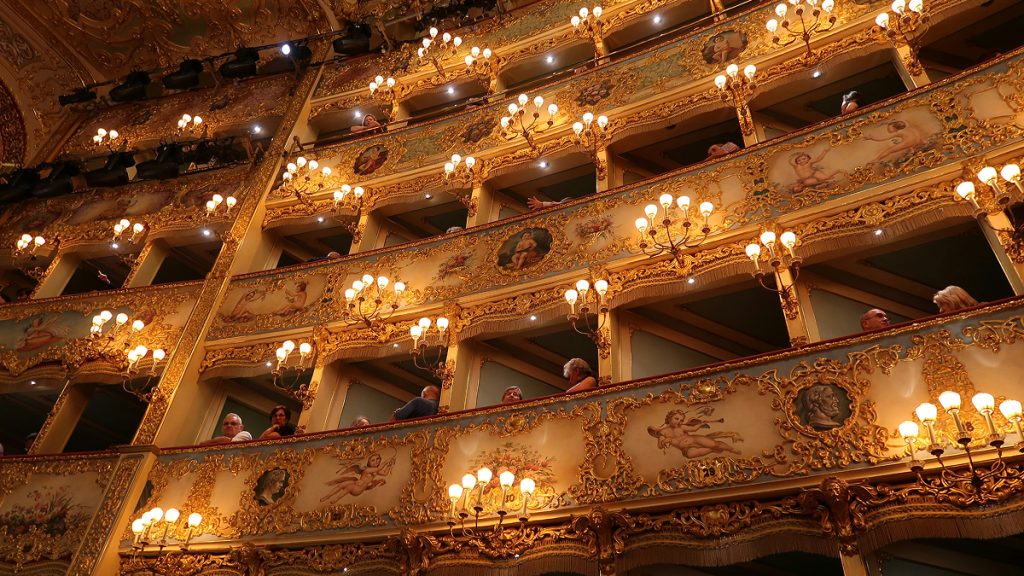
Your venue sets the tone for your event long before attendees walk through the door. The space you choose shapes how ticket buyers perceive the experience, which is why venue selection should balance practicality with atmosphere.
Capacity, accessibility, parking availability, built-in audiovisual capabilities, and alignment with your event theme all play a major role in determining whether a venue is the right fit. Costs tied to venue selection can also heavily impact your overall budget, so compare options carefully and negotiate terms whenever possible.
Many organizers are increasingly turning to non-traditional spaces because they often create more memorable experiences while offering better value than conventional venues.
If you are unsure where to begin, think about what your target audience naturally associates with your type of event. A networking event may feel more appropriate in a modern lounge or rooftop venue, while a music festival may benefit from an outdoor setting that creates a larger sense of atmosphere and energy.
The venue should feel connected to the experience attendees expect when purchasing a ticket. A mismatch between venue and audience expectations can weaken engagement before the event even begins.
Site visits are essential before committing to any venue, especially if you have never hosted there before. Photos rarely reveal important details such as acoustics, lighting quality, crowd flow, or logistical challenges that could affect the attendee experience.
During your visit, evaluate WiFi reliability, parking access, venue restrictions, and operational policies that may impact production or guest convenience. It is also smart to identify backup venue options in case issues arise with your first choice.
Since prime venues often book far in advance, planning early and reserving your space quickly can prevent major scheduling challenges later in the process.
A strong example of venue selection shaping audience perception is Outside Lands, which chose Golden Gate Park instead of a traditional arena setting.
The outdoor venue aligned naturally with audience expectations for a large-scale music festival, while also offering accessibility, open-air energy, and a stronger connection to the overall experience attendees associated with live music events.
Step 6: Build Your Event Team
Planning a successful event requires a strong team behind it. No single person can manage every aspect of logistics, marketing, operations, guest experience, and production alone, especially as events grow in size and complexity.
Build a team with clearly defined responsibilities from the beginning, similar to how roles would be assigned within a company. Establish who is responsible for project management, marketing, logistics coordination, on-site operations, volunteer management, and attendee support.
For larger events, additional specialists such as audiovisual technicians, photographers, medical staff, or security personnel may also be necessary to ensure the event runs smoothly and safely.
Clear communication is one of the biggest factors separating organized events from chaotic ones. Regular check-ins before, during, and after the event help ensure everyone stays aligned on priorities, deadlines, and responsibilities.
Assign tasks early so team members understand expectations from day one and have enough time to prepare properly for their roles. Coordinating a team takes time, so build room into your schedule for meetings, problem-solving, and adjustments throughout the planning process.
Proper training is equally important, especially when it comes to guest service, safety procedures, and operational workflows. Shared documents, project management tools, and communication apps can also simplify collaboration and reduce confusion as the event approaches.
A strong example of effective event coordination can be seen in large-scale running events organized by Nike, including Nike Run Club community runs and major race activations in cities such as New York City and Chicago.
These events rely on highly structured teams with project managers overseeing operations and budgets, marketing teams promoting events across social media and digital platforms, logistics coordinators managing routes and equipment, and on-site staff supporting participants throughout the experience.
Step 7: Create a Detailed Timeline and Plan
A timeline serves as the roadmap for your entire event. Without one, even strong ideas and organized teams can quickly lose direction.
Start with your event date and work backward to build a detailed schedule that outlines every major milestone leading up to the event. Consult with stakeholders early to understand what each person or department requires within the timeline, including deadlines for marketing campaigns, venue bookings, rehearsals, sponsorship coordination, vendor deliveries, and production setup.
Clear deadlines help keep planning organized and prevent important tasks from being pushed too close to the event date.
Strong timelines also create flexibility by accounting for the unexpected. Build buffers into your schedule for delays, technical issues, weather complications, or vendor problems that could disrupt execution. Contingency planning is just as important as the primary schedule because it allows your team to respond quickly without creating unnecessary stress.
Mapping out pre-event preparation, day-of operations, and post-event responsibilities ensures every stage of the event is accounted for rather than focusing only on the event day itself.
Assigning responsibilities within the timeline is equally important. Every team member and stakeholder should understand what they are responsible for, when it needs to be completed, and what resources they need to succeed.
Detailed planning reduces stress because it helps identify oversights early, long before they become major operational problems. A structured schedule keeps teams aligned and allows organizers to manage priorities more efficiently throughout the planning process.
A strong example of timeline-driven planning is the annual TED Conference held in Vancouver. The event operates on a highly detailed, multi-phase schedule that often begins 12 to 18 months in advance. Organizers work backward from the conference dates to coordinate speakers, production logistics, partnerships, rehearsals, and attendee experiences while identifying potential challenges early.
Their planning process demonstrates how structured timelines play a critical role in delivering large-scale events successfully.

Step 8: Secure Your Entertainment and Event Vendors
Entertainment often becomes the centerpiece of an event and can heavily influence how attendees remember the experience afterward. The performers, speakers, DJs, or interactive experiences you book can either elevate the atmosphere or weaken it entirely if they fail to connect with your audience.
Vendors also play a major role in shaping attendee perception, which is why choosing partners carefully is just as important as selecting entertainment. Catering teams, production crews, photographers, security providers, and audiovisual partners all contribute to how smoothly and professionally an event operates.
Hiring the wrong people can create operational problems, damage your event branding, and negatively affect the guest experience.
Because strong entertainment and reliable vendors are in high demand, booking early is critical. Secure top choices as soon as possible and use contracts that clearly outline deliverables, payment terms, timelines, and cancellation policies.
Vet entertainment based on relevance to your audience, professionalism, and ability to create the right energy for your event rather than simply selecting the most recognizable name available.
The same applies to vendors. Reliability, communication, and alignment with your goals matter just as much as pricing. It is also important to negotiate thoughtfully because entertainment and production costs can escalate quickly during the planning process.
Preparation plays a major role in reducing risk on event day. Rehearse key moments involving technology, stage production, presentations, or performances well before guests arrive to identify technical issues early. Have backup options prepared for critical roles in case a vendor, entertainer, or partner becomes unavailable unexpectedly.
Whenever possible, consider working with local or sustainable vendors, which can sometimes reduce logistical complexity while strengthening community support around your event.
A strong example of early entertainment planning can be seen with Coachella Valley Music and Arts Festival, organized by Goldenvoice under the leadership of Paul Tollett. Organizers often begin securing headline performers and major vendors more than eight months before the festival takes place. Artists are carefully vetted through agent relationships, industry scouting, and audience relevance to ensure the lineup aligns with attendee expectations and maintains the festival’s reputation.
Their planning process demonstrates how early booking, careful vetting, and strong partnerships contribute directly to the success of large-scale events.
Step 9: Develop an Event Marketing and Promotion Strategy
Marketing plays a major role in determining whether your event gains momentum or struggles to attract attention.
Strong event promotion requires more than simply posting online a few times. Successful campaigns are usually built through a mix of social media, email marketing, influencer outreach, paid advertising, partnerships, and audience retargeting.
Personalized messaging consistently performs better because it makes potential attendees feel like the event is designed specifically for them rather than marketed to a broad audience with generic promotions. Many organizers also see stronger returns on investment when campaigns are highly targeted instead of trying to reach everyone at once.
Studying how similar events market themselves can provide valuable insight into what strategies may work for your audience. Evaluate the channels, messaging styles, content formats, and promotional timelines used by events within your industry or niche. Use that information to guide your own strategy rather than relying on assumptions.
Creating a dedicated marketing calendar is also essential because it helps ensure campaigns launch on time and remain consistent leading up to the event. Structured scheduling allows organizers to coordinate announcements, ticket releases, partnerships, reminders, and promotional pushes without gaps in communication.
Make sure you provide yourself with enough time to maximize your ticket sales as well. Industry data suggests that most successful events (90%+ capacity sold) average 8-12 weeks from the time their event listing is created up to the actual event date, compared to 3-6 weeks for events that undersell.
Early-bird incentives are another effective way to encourage faster ticket sales and generate early momentum. Tiered pricing or limited-time offers can create urgency while also helping organizers forecast attendance earlier in the planning process.
As campaigns run, track every marketing effort through analytics so you can understand what is driving ticket sales, engagement, and conversions. Data should guide decision-making throughout the campaign. Increase investment into strategies that are performing well and reduce spending on channels that are underperforming. Flexibility is important because successful event marketing often requires constant optimization rather than sticking rigidly to an original plan.
A strong example of large-scale event marketing is South by Southwest, commonly known as SXSW. Hosted in Austin, the event builds anticipation through a phased, multi-channel strategy that often begins 9 to 12 months before the event takes place.
Organizers combine targeted campaigns across platforms like Instagram, TikTok, and X with influencer outreach, email marketing, paid retargeting ads, and early-bird ticket incentives. The result is sustained engagement, strong community-driven promotion, and massive attendance across its film, music, interactive, and conference experiences.
Step 10: Handle Event Logistics and On-Site Execution
Your event day execution depends on preparation, coordination, and the ability to respond quickly under pressure. Even the strongest event plans can fall apart without clear operational structure on the day itself.
Develop detailed run sheets that outline schedules, responsibilities, vendor arrival times, technical cues, and key transitions throughout the event. Establish clear arrival protocols, signage plans, emergency procedures, and communication systems so staff and vendors understand exactly how operations will flow.
Staff briefings before the event are critical because they ensure every person involved understands their role, expectations, and who to contact if problems arise.
No event is ever completely hands-off once guests arrive. Organizers must actively monitor operations in real time and remain flexible as conditions change throughout the day. Unexpected challenges involving weather, delays, staffing, technology, or crowd management can happen at any moment, which is why contingency planning is essential.
Health and safety measures should also remain a priority regardless of event size, including emergency preparedness, crowd control procedures, and clear communication protocols. Being prepared for problems does not eliminate stress entirely, but it allows teams to respond faster and minimize disruptions to the attendee experience.
Preparation before the event day can significantly reduce operational risk. If possible, conduct a full venue walkthrough the day before to confirm layouts, production setups, signage placement, and vendor logistics are all ready. Ensure you know exactly how to reach technical support teams and what backup procedures exist if equipment or technology fails during the event.
Just as importantly, stay calm when unexpected issues arise. Problems are almost guaranteed to happen during live events, and the ability to think clearly, make decisions quickly, and keep your team focused often determines how successfully those challenges are handled.
A strong example of precision event execution is the Super Bowl Halftime Show, which operates under extreme time pressure in front of a global audience exceeding 100 million viewers.
Organizers spend months developing detailed operational plans, including second-by-second run sheets for staging, lighting, audio, and performer coordination. Crews typically have only seven to eight minutes after the second quarter ends to move massive stage components, technical equipment, and performers onto the field before the live performance begins, followed by a rapid teardown before the third quarter starts.
The scale and timing involved demonstrate how detailed preparation, rehearsals, and real-time coordination are essential for executing high-pressure events successfully.
Step 11: Focus on Attendee Experience and Engagement
The attendee experience is shaped by every interaction people have with your event, from the moment they arrive to the moment they leave.
Small details often have the biggest impact. Smooth check-in processes, clear signage, comfortable venue conditions, thoughtful scheduling, and responsive staff all contribute to how attendees remember the experience afterward.
When these elements work together effectively, guests are more likely to stay engaged, spend more time at the event, and leave feeling satisfied with their decision to attend.
Creating a strong attendee experience requires intentional planning rather than hoping everything naturally comes together. Staff training plays a major role because attendees remember how they were treated just as much as they remember the entertainment or programming itself. Team members should be personable, proactive, and helpful when interacting with guests.
Technology can also improve engagement by helping attendees participate more actively, share experiences, and create lasting memories throughout the event. Mobile apps, interactive experiences, digital schedules, photo opportunities, and real-time updates can all improve convenience while increasing attendee interaction.
Research is another valuable tool for improving event experiences. Reviewing attendee feedback from similar events can reveal what guests consistently enjoy, what frustrates them, and what opportunities exist to improve your own event. Understanding what ticket buyers expect allows organizers to focus resources on the areas that matter most instead of guessing what audiences may value.
A strong example of attendee-focused event planning can be seen with Disney Meetings & Events at Walt Disney World Resort and Disneyland Resort. Disney places heavy emphasis on every stage of the attendee journey, from personalized arrivals and immersive venue environments to carefully trained staff focused on creating memorable guest interactions.
Technology is also used at Disney to enhance engagement through customized itineraries, mobile check-ins and event tools, interactive experiences, and real-time communication. Their approach demonstrates how attention to small details can transform an event into a more memorable and engaging experience for attendees.
Step 12: Measure Your Event Success and Gather Feedback
The true measure of an event’s success happens after the final attendee leaves and the venue lights go down.
Determining whether your event succeeded also depends on the goals you established at the beginning and what the data reveals afterward. Post-event evaluation is one of the most important parts of the planning process because it helps prove whether your investment delivered meaningful results, justifies future budgets, and transforms one-time successes into repeatable strategies.
Without measuring outcomes systematically, it becomes difficult to understand what worked well, what underperformed, and where improvements should be made for future events.
Tracking key performance indicators gives organizers a clearer picture of event performance beyond general impressions. Attendance numbers, ticket sales, sponsorship performance, audience engagement, revenue, and return on investment should all be reviewed against your original objectives.
Comparing your costs and outcomes helps determine whether the event achieved its intended purpose financially and operationally. The most valuable insights often come from combining quantitative data with direct attendee feedback to understand not just what happened, but why it happened.
Post-event surveys are one of the most effective ways to gather honest feedback directly from attendees while the experience is still fresh in their minds. Questions about satisfaction, organization, programming, venue experience, and likelihood to return can reveal both strengths and areas needing improvement.
Internal debrief meetings with stakeholders, staff, vendors, and partners are equally important because they provide operational insight from the people responsible for executing the event. Reviewing successes, challenges, and unexpected issues together helps strengthen planning for future events and reduces the likelihood of repeating mistakes.
A strong example of detailed post-event evaluation is Consumer Electronics Show, commonly known as CES, organized by the Consumer Technology Association in Las Vegas.
Following each event, organizers conduct extensive evaluations measuring attendee satisfaction, exhibitor performance, media exposure, networking opportunities, and overall event logistics. Detailed post-event surveys are distributed to attendees, exhibitors, and media participants to gather feedback on session quality, keynote speakers, exhibit experiences, registration processes, and operational challenges.
This process allows organizers to identify successful elements, address recurring pain points, and continuously improve future editions of one of the world’s largest technology events.

Your Path to Event Success is Yours to Create and Execute On
Planning a successful event is about identifying the right goals, crafting a strategy, prioritizing teamwork, and maintaining adaptability before, during, and after your event.
It’s also important to recognize you can’t guarantee or even plan for perfection. No event planning checklist can control every variable, from unexpected weather to last-minute attendee no-shows. What best practices like these do is guarantee that you’ve given yourself the strongest possible foundation to maximize ticket sales, attendance, engagement, and lasting impact.
By methodically working through each step – from crystallizing your goals and deeply understanding your audience, to budgeting realistically, choosing the right venue and date, building a capable team, securing standout entertainment, promoting strategically, executing flawlessly on the day, obsessing over attendee experience, and closing the loop with rigorous measurement – you dramatically increase the odds that your event will deliver on its promise.
The events industry rewards preparation. Promoters, organizers, and event planners who follow structured processes consistently report higher satisfaction scores, better ROI, stronger repeat attendance, and more enthusiastic word-of-mouth.
The difference between an average gathering and an unforgettable experience almost always comes down to intentionality, discipline, and the willingness to learn from every outcome.