Mobile ticketing has evolved from a convenient option into the default expectation at concerts, sporting events, festivals, and conferences.
As audiences increasingly manage their lives through smartphones, mobile tickets represent a strategic shift in how events handle ticket sales, security, operations, and the overall attendee experience.
For event organizers and promoters, understanding what mobile ticketing actually is, how it functions behind the scenes, and the real-world advantages and limitations is essential. These factors influence everything from entry speed and fraud prevention to customer convenience and operational efficiency.
Taking the time to evaluate how mobile ticketing works in practice will help you determine how it should fit into the planning and delivery of your next event.
What Is Mobile Ticketing?
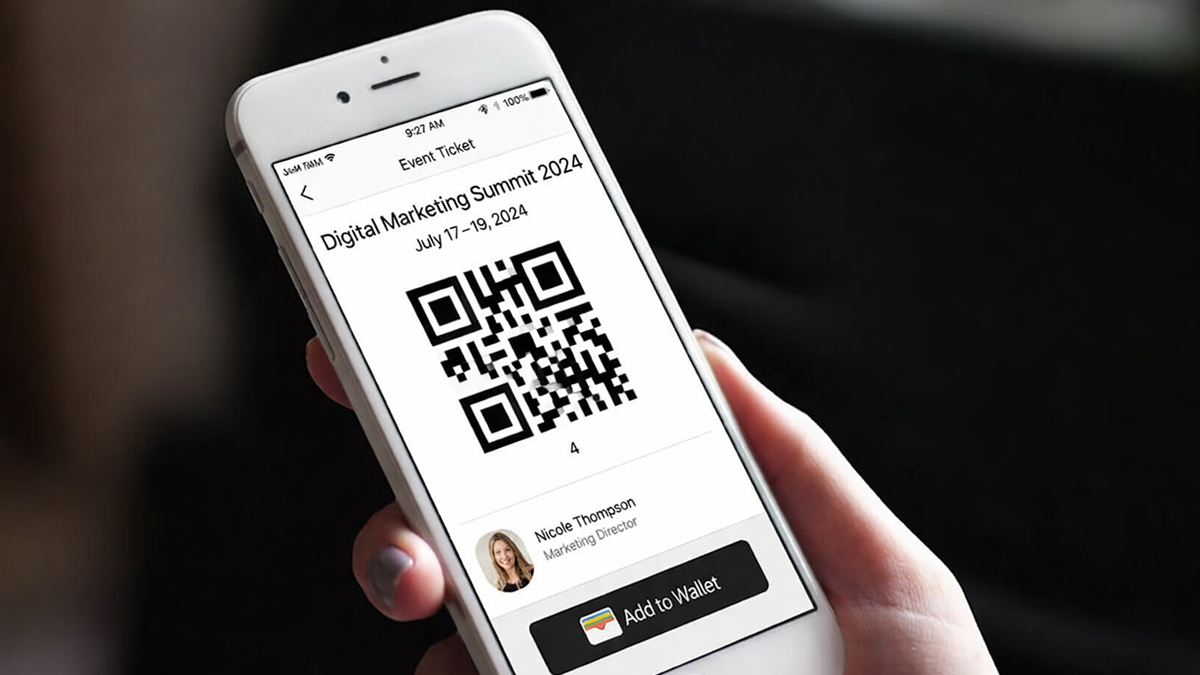
At its simplest, mobile ticketing is the process of selling, delivering, and validating event tickets digitally on a mobile device instead of using printed tickets or physical passes.
An attendee buys a ticket online, receives it via app, email, SMS, or mobile wallet, and then presents a barcode, QR code, NFC pass, or similar credential on their phone at the gate. Staff scan or tap that credential with a reader, and the system checks in real time whether the ticket is valid, already used, or flagged for any reason.
Mobile ticketing can use several delivery methods. In some setups, tickets arrive as an MMS or SMS with a barcode or alphanumeric code that can be entered at the venue. In others, tickets live inside a dedicated app, a platform account, or mobile wallets like Apple Wallet and Google Wallet, often as a QR code or NFC token stored securely on the device. Under the hood, all of these methods connect back to a central ticketing system that tracks status, ownership, and usage in real time.
Beyond simply replacing paper, mobile ticketing opens up a digital channel that continues after purchase. Organizers can send push notifications, SMS alerts, and email reminders tied directly to the ticket, updating attendees about gate times, set changes, or weather advisories. That transforms the ticket from a static piece of paper into a dynamic touchpoint connecting marketing, operations, and the live experience.
How Mobile Ticketing Works: Your Step-by-Step Guide
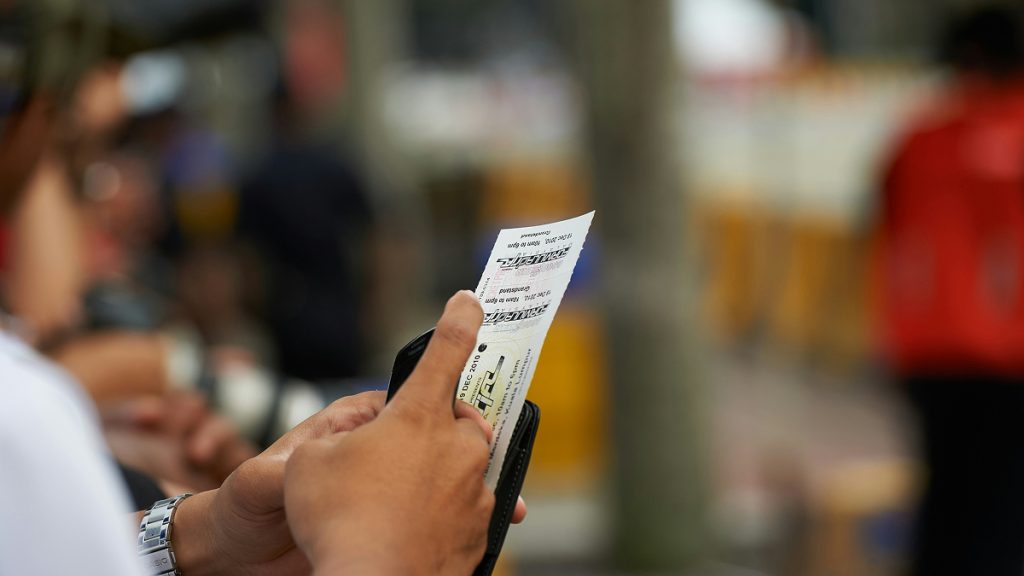
To understand how mobile ticketing can work for an event, it helps to walk through the full journey from purchase to entry. While event ticketing platforms differ in UI and branding, the core flow is surprisingly consistent across concerts, sports, and conferences.
First, the attendee discovers the event on a website, social post, ticketing marketplace, or venue app and chooses a ticket type. At checkout, they select mobile delivery or it is applied by default. Then they complete payment and provide an email address or phone number.
Immediately after purchase, the ticketing system generates a unique credential – commonly a QR code, barcode, or NFC token – tied to that buyer’s account or device.
The attendee then receives their ticket in one of several ways.
- Some systems email a link to a mobile ticket that can be added to Apple Wallet or Google Wallet.
- Others send a text message with a barcode image or a code.
- If a dedicated app is involved, the ticket automatically appears in the user’s in-app wallet, often with event info, maps, or offers attached.
This ticket can usually be refreshed or updated in real time if seat changes, upgrades, or time adjustments occur on the organizer’s side.
On event day, the attendee opens the app, email, wallet, or SMS and presents the digital ticket at the gate. Staff use handheld scanners or fixed turnstiles to read the QR, barcode, or NFC credential, which pings the back-end system to validate the ticket status.
If valid and unused, the system checks in the attendee and flips the ticket state to “used,” preventing reuse. In more advanced setups, this scan also logs entry time, gate location, and even device type, feeding live dashboards and post-event analytics.
What Are the Different Types of Mobile Tickets?
Mobile tickets are not all the same. Different technologies underpin how they are displayed, stored, and scanned. Knowing the distinctions helps in choosing a system that fits your venue infrastructure, budget, and crowd profile.
QR Codes aka Barcode Tickets
One of the most common formats is the QR code or barcode ticket displayed on a phone screen. The attendee taps an email link, opens a PDF or web view, or launches an app where a unique code appears. Staff scan the code using cameras or laser scanners, which then call the ticketing server or local database for validation.
This approach is popular because it works across virtually all modern smartphones and integrates easily with existing scanning hardware.
Tickets Stored in a Mobile Wallet
Another major category is mobile wallet tickets, stored in Apple Wallet or Google Wallet as digital passes. These often use barcodes or QR codes as well, but they can also leverage NFC and device-level security, including encryption and tokenization.
Wallet passes can update dynamically with gate assignments, time changes, or offers, and they can trigger lock-screen notifications as the attendee approaches the venue. Many organizers favor wallets for premium experiences because the passes feel more polished and are harder to screenshot and share effectively.
SMS Tickets or Tickets Received by Text
Finally, there are text-based or code-based tickets, often used in regions or demographics where smartphones are widespread but not uniform. In this model, the system sends an SMS containing an alphanumeric code that the attendee reads or enters at the gate, or a text-only ticket that is confirmed against a list.
While less visually sophisticated, this approach can act as a fallback where bandwidth is poor or older devices are common.
Why Mobile Ticketing Is Growing So Fast Among Event Organizers and Promoters
Mobile ticketing adoption is rising because it lines up perfectly with broader shifts in consumer behavior and event technology. People expect to manage everything – from banking to boarding passes – on their phones, and tickets are no exception.
Industry data shows that mobile now dominates online ticketing transactions, with mobile platforms capturing more than half of revenue in recent years. A recent report concluded that mobile tickets accounted for around 55% of online event ticketing revenue in 2024, driven by rising smartphone usage and better mobile UX.
Demand for convenience is a major driver. Attendees no longer want to print tickets, risk losing them, or queue at will-call when they can tap a link and walk in. Accessibility and contactless preferences, accelerated by the pandemic, have also played a key role, as people grew accustomed to scanning passes and avoiding physical exchanges.
According to recent ticketing research, around 72% of consumers now prefer purchasing tickets on mobile devices, underscoring how quickly behavior has shifted toward mobile-first experiences.
On the organizer side, mobile ticketing aligns with goals around operational efficiency and data. Digital delivery eliminates printing, mailing, and manual handling, which can eat into margins for mid-sized events. It also unlocks real-time visibility into sales and entry, allowing teams to manage gates, adjust staffing, and trigger promotions based on live demand.
With event technology overall credited by users for saving hundreds of hours a year and improving results, mobile ticketing often becomes a foundational component of a modern event stack.

Key Benefits of Mobile Ticketing for Events: Why You Should Use Them
The popularity of mobile ticketing is brings concrete, measurable benefits that show up in attendee feedback, financials, and security metrics.
1. Convenience
The most obvious win is convenience. Attendees store their tickets on their phones, a device they already carry everywhere, meaning fewer forgotten or misplaced tickets and fewer last-minute customer service emergencies. Buying, receiving, and accessing tickets all happen in one flow, which reduces friction and can improve conversion rates on mobile marketing campaigns.
2. Reduces Costs and Time
From a cost perspective, mobile ticketing significantly reduces or eliminates event expenses related to printing, shipping, and distributing physical tickets. For events with hundreds or thousands of attendees, even modest per-ticket savings compound quickly, especially when factoring in reduced staff time spent on will-call and box office logistics. That freed-up budget can be reinvested into marketing, production, or fan experience upgrades that further differentiate the event.
3. Increases Ticket Security and Fraud Prevention
Mobile ticketing also enhances event security and fraud prevention. Each digital ticket is typically tied to a unique user account or device, making it harder to duplicate, resell fraudulently, or counterfeit. Systems can limit how tickets are transferred, require reissue via official channels, or flag suspicious patterns like multiple devices presenting the same code. Some mobile solutions integrate identity verification, access rules, or name-on-ticket policies, bringing better control over who enters the venue and reducing the risk of chargebacks and disputes.
4. They Create a Communication Channel
Finally, digital tickets open up a continuous communication channel. Organizers can send reminders about gate times, parking, bag policies, or set times directly to the device that holds the ticket. During the event, they can push sponsor offers, seat upgrades, or real-time crowd instructions, and post-event, they can follow up with surveys and presales for future dates. This tight feedback loop drives higher engagement and repeat attendance, making the ticket itself a living part of the event lifecycle rather than a one-use artifact.
Mobile Ticketing Advantages for an Event Venue and Its Organizers
Behind the scenes, mobile ticketing changes how entry operations, staffing, and reporting work on event day.
1. Faster Entry
One of the standout benefits is faster, more streamlined entry, as scanning phones typically moves lines faster than manually checking paper tickets or managing cash at the door. Major sports leagues and large venues that have shifted to mobile report notable reductions in entry times and smoother crowd management, as published case studies highlight. Shorter queues not only improve guest satisfaction but also reduce bottlenecks that can trigger security or neighborhood complaints.
2. Live Attendance Tracking
Real-time scanning also provides live attendance tracking. As each ticket is scanned, systems log who arrived and when, letting operations teams monitor gate volumes, identify backups, and open or close lanes dynamically. This visibility is particularly valuable for multi-gate venues, festivals, and events with timed entry, where understanding flow affects staffing, concessions planning, and safety decisions. Over time, historical data on entry patterns helps refine scheduling and gate layouts for future events.
3. More Data, More Analytics
From a data and analytics perspective, mobile ticketing consolidates valuable information that is hard to capture with paper. Systems can track purchase channels, device types, arrival times, and even engagement with in-app features like upgrade offers or sponsor content. This allows marketing teams to segment audiences more precisely, run more effective remarketing campaigns, and demonstrate ROI to sponsors with concrete numbers on impressions and interactions. That level of insight supports more sophisticated strategies around pricing, dynamic inventory, and loyalty programs.
4. The Ability to Send Updates to Ticket Holders
Operationally, it also simplifies last-minute changes. Need to move a show time, switch a gate, or update a health policy? With mobile ticketing, you can push updates to all ticket holders instantly or segment messages by section or ticket type. This responsiveness was crucial during periods of frequent health and safety changes and remains a key advantage for outdoor events affected by weather or artists managing dynamic tour schedules.

What is the Attendee Experience with Mobile Tickets? Pros and Pain Points
From the attendee’s perspective, mobile ticketing mostly feels like an upgrade. A lot of ticket buyers appreciate not needing printers, not worrying about lost tickets, and being able to forward or transfer tickets (where allowed) quickly when plans change.
When combined with maps, schedules, and notifications, the ticket becomes a hub for the entire event journey.
However, there are real pain points you need to anticipate.
- Not all attendees are equally tech-savvy, and some may struggle with apps, wallet passes, or finding QR codes in crowded inboxes.
- Connectivity issues at the venue can also frustrate people if tickets require a live internet connection to load or refresh.
- Battery life is another practical concern at all-day festivals or conferences where attendees use their phones constantly. Arriving at the gate with a dead device can turn convenience into crisis.
You can mitigate these issues with clear pre-event communication and smart design choices. Sending step-by-step instructions on how to access and save tickets ahead of time, encouraging attendees to add passes to their wallet, and reminding them to screenshot or save offline versions can significantly reduce friction.
Comparing Mobile Ticketing vs. Traditional Paper Tickets
Switching from paper to mobile is a strategic decision, not just a cosmetic one. The trade-offs span cost, control, experience, and risk, so it helps to think in terms of what you gain and what you give up when you go digital.
And there is no rule saying that you can’t have both paper tickets and mobile ticketing for your event.
With paper tickets, you get tangibility and a low-tech experience that some attendees still enjoy, especially for commemorative events or older audiences. Paper can also act as a backup when connectivity fails, and it may be easier for some third-party outlets or physical box offices to sell. However, paper tickets are expensive to print and distribute, easier to lose or counterfeit, and much harder to track once they are in the wild. Every time a ticket changes hands, you lose visibility into who is actually attending, which limits your marketing and security options.
By contrast, mobile ticketing greatly increases control and data, but it requires buy-in from attendees and staff. Digital tickets can be issued, revoked, or updated in seconds, and you can see what is selling, who is entering, and when. You save on printing and mailing, but you may invest more in scanners, support, and training. For many events, the ideal is not “mobile versus paper” as a binary choice, but “mobile as the default, with clearly defined exceptions and contingencies,” especially during transition periods or for mixed demographics.
Implementation Roadmap: Rolling Out Mobile Ticketing
Implementing mobile ticketing is smoother when you treat it like a project, not just a box to check.
Begin with a pilot phase if possible, such as a single show, a smaller festival day, or a specific seating section. Configure your system, train staff on scanning devices and troubleshooting, and closely watch the entry flow and support requests. Use this first event to identify pain points, such as bottlenecks at one gate, confusion about how to access tickets, or connectivity issues in specific parts of the venue.
Next, build a simple but clear communication plan. As soon as tickets go on sale, explain that the event uses mobile ticketing and outline what that means in practice: how tickets are delivered, how to save them, and what to do if attendees need help.
Include visual guides in confirmation emails and on the event website. In the days leading up to the event, schedule reminders encouraging people to download or add their tickets to their wallets in advance and to charge their phones before arrival. A small investment in education dramatically reduces game-day headaches.
On event day, treat your first few hours as a live test. Have extra staff at entry points, especially at the most heavily used gates, and empower them to answer questions rather than just scan tickets. Ensure you have spare devices, chargers, and a plan for when scanners or Wi-Fi fail.
After the event, debrief systematically: review entry data, support logs, and team feedback. Use what you learn to refine gate layouts, pre-event messaging, and staff tools for your next event, creating a cycle of continuous improvement.
Improve Security and Fraud Prevention with Mobile Tickets
Security is one of the strongest arguments for mobile ticketing, but it only pays off if you use the tools thoughtfully.
At the most basic level, digital tickets reduce the risk of physical counterfeiting because each ticket is a unique, trackable credential. Once a QR code or pass has been scanned at the gate, it flips to “used,” and any subsequent attempts will fail. That alone cuts down on the classic “same ticket sold multiple times” scam that plagues paper-heavy events.
More advanced systems tie tickets to user accounts or devices and control how transfers work. You can require transfers to go through official channels, log each change of ownership, and even cap how many times a ticket can be passed along. Some organizers pair this with name-on-ticket policies or identity checks for high-risk events, further reducing fraud and chargebacks.
While these measures need to be balanced with attendee convenience, they give you options that simply do not exist with untracked paper tickets.
Mobile ticketing also supports proactive monitoring. Because you can see where tickets are being accessed, from which regions, and how often, you can spot suspicious patterns, such as bulk purchases from unusual locations or rapid transfers among multiple accounts.
With good reporting, you can flag and investigate these cases before event day, instead of discovering the problem at the gate. This shift from reactive to proactive security helps protect revenue, reduces conflicts at entry, and builds trust with both fans and partners.

Mobile Tickets Create Data, Analytics, and Revenue Opportunities
One of the most underestimated advantages of mobile ticketing is the depth of data it gives you.
Traditional paper systems often capture only the original buyer’s information, and even that can be limited to name and email. With mobile tickets, you are able to see when tickets were opened, when attendees arrived, what devices they used, and how they engaged with any in-app features or wallet notifications.
This transforms your ticketing system into a rich source of insights about behavior before, during, and after the event.
From a revenue standpoint, this data supports smarter pricing and inventory strategies. You can analyze which ticket types sold fastest, which channels converted best, and when sales spiked or stalled.
Over time, this suggests better on-sale timings, dynamic pricing windows, and allocation decisions for VIP, GA, and presale segments. For recurring events or tours, you can experiment with name-your-price, early bird tiers, or bundled offers and then see precisely how those changes affect both top-line and per-attendee revenue.
Additionally, mobile ticketing opens the door to new monetization opportunities during the event. Because attendees already interact with their devices at entry, you can layer in targeted offers: seat upgrades, merch discounts, food-and-beverage bundles, or sponsor campaigns.
Push notifications or wallet updates can direct them to underused concessions, highlight off-peak entry gates, or promote after-parties. When combined with clear opt-ins and thoughtful messaging, these tactics add value for attendees while generating incremental income for organizers and partners.
Mobile Ticketing Can Help Your Event Sell More Tickets and to Sell More Easily

Mobile ticketing is a fundamental shift in how tickets are sold, managed, and experienced.
Done well, mobile ticketing offers stronger security, richer data, smoother operations, and a more convenient journey for everyone walking through your doors. But it also demands thoughtful planning, clear communication, and a willingness to support attendees and staff as they adapt.
By understanding what mobile ticketing is, how it works, and where its real strengths and weaknesses lie, you can design an approach that fits your unique events.
When you treat your mobile tickets as a strategic asset, and not just a digital version of paper, you unlock new ways to sell out your events, impress your event stakeholders and partners, and keep people coming back.