If you work in events long enough, you find out precisely why event security is considered such an important piece of the puzzle when it comes to managing an event.
A packed venue, a sold‑out festival, or a buzzy club night means nothing if attendees do not feel safe and if your team is not prepared for what can go wrong.
In recent years, audience expectations around event safety have increased dramatically, and regulators, insurers, and artists are more focused than ever on how organizers manage risk. For event planners, venue managers, promoters, and artists, strong event security best practices are now as essential as the sound system and event ticketing platform.
At the same time, security is about more than guards at the door or bag checks at the gate. Modern event security spans physical safety, crowd management, cyber security, access control, staff training, medical readiness, and even reputation management. A poorly handled incident can spread across social media in minutes and damage trust in your brand for years. By contrast, a well‑planned, calmly managed response to a problem can actually strengthen your credibility with fans, partners, and authorities.
The goal with event security best practices is not to create a fortress that kills the vibe. It is to design an event experience where people feel free because they trust that you have done the work behind the scenes.
Why Event Security Has to Be Designed from the Onset of Planning
One of the biggest mistakes in event planning is treating security as something you “add later” once the lineup is booked and the tickets are on sale. This reactive approach almost always leads to gaps, unnecessary stress, and higher costs.
Effective event security is a design problem, not an afterthought. It needs to be woven into the earliest planning stages alongside programming, ticketing strategy, and marketing. When you start early, you can choose venues, layouts, staffing levels, and policies that support safety from the ground up instead of fighting against existing constraints.
Security pressures have been rising from multiple directions. Authorities and permitting bodies expect detailed security and emergency plans before approving large gatherings. Insurers increasingly ask for proof of risk assessments, crowd management plans, and trained staff before they will underwrite events at reasonable premiums. Attendees, especially at high‑profile or large‑scale events, are more aware of crowd crush risks, severe weather events, and anti‑social behavior. If your event looks chaotic or under‑staffed, your audience will notice, and so will artists, agents, and sponsors.
Designing security upfront allows you to balance safety with atmosphere. A heavy‑handed, visible security presence in the wrong context can make guests feel policed rather than welcomed, particularly at community events or intimate shows.
A thoughtful approach considers where a strong visible presence is reassuring, such as at entry points, and where a more discreet but ready‑to‑act posture makes sense, such as inside a VIP area or near the stage. When you map out your event from the attendee’s perspective, you can place security in ways that feel natural and supportive rather than intrusive.
Building security into your event design also connects directly to your ticketing strategy. Controlled entry points, clear ticket categories, timed entry, and capacity management all rely on accurate ticketing data and good access control. If your event is oversold, poorly zoned, or full of counterfeit tickets, your security team will be trying to solve a structural problem on the night, which is almost always too late. In other words, good security starts in your event plan and your ticketing dashboard, not just at the gate.
1. Conducting a Thorough Risk Assessment Before Anything Else
Every event is different, which means every security plan must start with a realistic risk assessment tailored to your specific context. A 150‑cap club gig, a rural music festival, a 10,000‑person arena show, and a niche industry conference each carry distinct risks, even if some principles overlap.
A proper risk assessment identifies what could reasonably go wrong, how likely those scenarios are, and how severe the consequences could be. From there, you can prioritize controls and allocate resources efficiently instead of trying to guard against everything equally.
Begin by looking at your event profile. Consider the expected attendance size, demographic, and behavior patterns. A late‑night event serving alcohol and featuring high‑energy genres will require different crowd management strategies than a family‑friendly daytime event. Outdoor events have to account for weather, terrain, and evacuation routes, while indoor venues must consider fire safety, egress points, and crowd density. Geography matters too: central urban sites have different risk profiles from rural or remote locations, including accessibility for emergency services and challenges around transportation.
Next, examine historical context. If this is a recurring event, review incident logs, near‑misses, and feedback from security, staff, and attendees. Identifying patterns such as repeated issues at certain choke points, recurring alcohol‑related problems, or conflicts around specific areas (for example, stage front, bars, or smoking zones) will help you anticipate and mitigate problems before they recur.
If you are using a new venue or working in a new city, consult with the venue team, local authorities, and vendors who have worked similar events in that space. Their experience often highlights risks that might not be obvious on paper.
Your risk assessment should also consider broader threats that may not be frequent but have high impact. These include medical emergencies, severe weather, fire, structural failures, disorderly conduct, and in rare but serious cases, violent acts or targeted threats.
You do not need to scare yourself or your team with worst‑case scenarios, but you do need to have a plan that addresses them in a realistic way. That plan should clearly define who does what, in what order, and how information flows if something serious happens. A risk assessment is only useful if it translates into clear protocols and responsibilities that your entire team understands.
2. Working With a Professional Event Security Team and Local Authorities
No matter how experienced your internal team is, large or higher‑risk events almost always benefit from partnering with professional security providers and maintaining a proactive relationship with local authorities.
Event security is a specialized field; professionals bring training in crowd psychology, conflict de‑escalation, emergency response, and legal compliance that most promoters and venue managers simply do not have in‑house. The key is to integrate these experts into your planning process early rather than treating them as a last‑minute add‑on.
When selecting a security provider, look for companies with specific experience in events that match your scale and type. A firm that excels at nightclub work may not be the best fit for a sprawling outdoor festival, and vice versa. Ask for references, credentials, and details on training programs, especially around crowd management, use of force policies, and customer‑service‑oriented approaches.
It is essential that the security team understands your brand and audience; a confrontational posture that might be normal at a high‑risk nightlife venue could be completely inappropriate for a family festival or arts event. You are not just buying bodies in high‑visibility vests; you are choosing partners who will shape the tone and safety of your event.
Local authorities, including police, fire services, and medical responders, should be part of your event planning conversations where appropriate. In many jurisdictions, larger events are required to submit security and emergency plans for review as part of the permitting process.
Even where it is not mandatory, inviting feedback and coordination can pay off if something does go wrong. Authorities can advise on evacuation routes, access for emergency vehicles, crowd thresholds, and compliance with local codes. In some cases, they may require or recommend specific measures such as road closures, on‑site medical teams, or designated sober zones.
The relationship with authorities should be constructive and transparent rather than adversarial. That does not mean you hand over control of your event, but it does mean you share key information, respond to concerns, and demonstrate that you take public safety seriously. When authorities trust that your team is competent and cooperative, you are more likely to receive support, quicker responses, and reasonable expectations. When that trust is absent, scrutiny increases, and the margin for error shrinks.
3. Building a Security‑Conscious Site Plan and Entry System
Your site plan is one of the most powerful tools you have for managing security and crowd safety. The way you design entrances, exits, queuing areas, stages, bars, restrooms, and vendor zones will either reduce risk or create it. A good site plan flows naturally, minimizes bottlenecks, and gives your security and operations teams clear visibility and control without making the event feel oppressive.
Start with ingress and egress. Attendees should be able to enter and leave the event in a controlled, predictable way that avoids crush points or confusion. Entrances should be clearly marked, properly staffed, and laid out to accommodate bag checks, ticket scanning, and ID verification without pushing queues into unsafe areas like busy roads or narrow corridors.
Multiple entry lanes with clear signage for different ticket types, such as general admission, VIP, guest list, and staff, can help reduce frustration and prevent people from bunching up. On the exit side, you need enough capacity for a rapid but orderly evacuation, with routes that are well lit, unobstructed, and supported by audio and visual wayfinding.
Inside the event, think about how crowds will move between key areas. Bars, restrooms, stages, and food vendors are natural magnets for foot traffic. If you cluster them too tightly or design routes that cross at awkward angles, you create hotspots where conflicts and accidents are more likely.
Consider placing high‑demand areas where they can be accessed from multiple directions and leaving sufficient clear space for circulation. Barriers and fencing should be used to guide flow, not just to block access, and should never create dead‑ends where people can be trapped. In standing‑room areas, especially near stages, ensure that you have lateral escape routes and that security staff can move in and out without fighting against the crowd.
Entry systems are where your ticketing platform and your security plan intersect. A robust digital ticketing system reduces the risk of counterfeit tickets, overselling, and uncontrolled re‑entry. Scannable tickets with real‑time validation help you maintain accurate counts of how many people are on site, which is essential for staying within capacity limits and making informed decisions during the event.
If you use timed entry, tiered access, or multiple zones (for example, main floor, balcony, VIP, or backstage), your ticketing setup should reflect these distinctions clearly so that your door and security teams are not left trying to interpret vague or inconsistent categories.
From a customer perspective, your entry system is one of the most visible parts of your security operation. Long, disorganized queues, unclear communication, or inconsistent enforcement of rules can quickly sour the experience and increase tensions. By designing a site plan and entry process that feels professional, predictable, and fair, you not only reduce security risks but also build trust with your audience from the moment they arrive.
4. Ticketing, Access Control, and Preventing Unauthorized Entry
While physical presence and layout are crucial, ticketing and access control are at the heart of modern event security. Unauthorized entry, ticket fraud, and unmanaged re‑entry can quickly push your event beyond safe capacity and strain your staff and infrastructure. A clear access control strategy, backed by a reliable ticketing system, is your first line of defense against these problems.
The foundation is a secure, digital ticketing platform with unique, scannable tickets for each attendee. This helps prevent simple duplication or sharing of screenshots and allows you to invalidate tickets that are refunded, canceled, or flagged as suspicious. Real‑time scanning at entry ensures that each ticket is used once and tied to a specific time and gate. If your ticketing solution integrates with your reporting tools, your operations team can monitor entry rates, identify spikes, and make decisions about opening additional lanes, extending gate times, or communicating with waiting attendees.
Access control goes beyond the front gate. Many events have multiple zones with different rules and risk levels: backstage areas, production zones, VIP lounges, artist compounds, and restricted technical areas. Staff, artists, and crew should have clearly differentiated credentials that are difficult to forge and easy to recognize at a glance. Lanyards, wristbands, and badges should be color‑coded and paired with clear policies about where each category is allowed to go. Importantly, your security staff needs to be trained and empowered to enforce those boundaries consistently, regardless of someone’s perceived status.
Re‑entry policies can be a flashpoint if they are not clear and enforced fairly. If your event allows re‑entry, you need a robust system – such as tamper‑proof wristbands combined with scan‑out and scan‑in or controlled re‑entry windows – to prevent people from passing credentials to friends or exceeding capacity. If you do not allow re‑entry, communicate that rule repeatedly in pre‑event communications, on tickets, and on signage, and make sure your staff are prepared to explain it calmly and clearly. Mixed messages or exceptions granted on the fly undermine your credibility and create arguments at the gate.
By treating ticketing and access control as integral components of your security plan, rather than purely operational concerns, you dramatically reduce the likelihood of overcrowding, gate‑crashing, and unauthorized backstage access. This not only protects your attendees but also your artists, staff, and equipment, all while helping you stay compliant with capacity limits and insurance requirements.
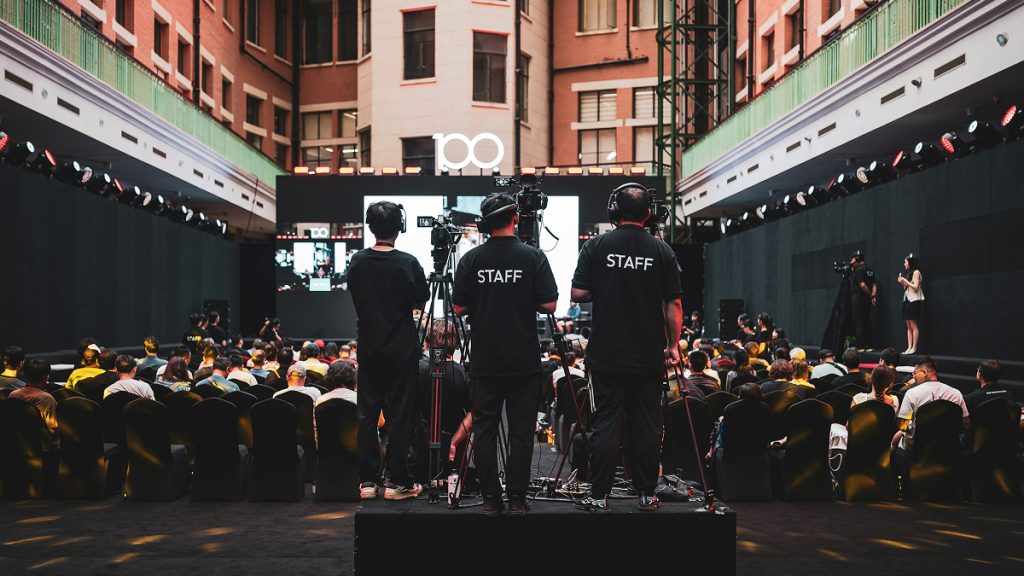
5. Training Your Staff and Security To Work As One Team
Even the best security plan will fail if the people on the ground do not understand it or do not buy into it. Your staff and security teams are the ones who will actually implement protocols, spot problems early, and interact with attendees. Training is where your written plan turns into real‑world behavior. It is also where you shape the tone of your event, because the way staff and security treat guests has a huge impact on how safe and welcome people feel.
Start by ensuring that every team member, from bar staff to volunteers to senior managers, has a basic understanding of your security priorities and emergency procedures. They do not need to memorize every detail, but they should know who to contact, how to escalate concerns, and what to do in the most likely scenarios, such as a medical emergency, a lost child, a fight breaking out, or an evacuation. Short, focused briefings before doors open, backed by written quick‑reference guides, help reinforce this knowledge.
The goal is to create a culture where safety is everyone’s job, not just the responsibility of uniformed security.
Security personnel need deeper, scenario‑based training. This should include crowd management theory, recognizing early signs of crowd distress, non‑violent conflict resolution, de‑escalation techniques, and clear thresholds for when physical interventions are appropriate. Training should emphasize professionalism and respect; heavy‑handed or inconsistent behavior can escalate situations and damage your reputation. Role‑playing common scenarios in advance helps security teams respond calmly under pressure instead of reacting impulsively.
Communication between teams is just as critical as individual training. You need clear channels for reporting and decision‑making, whether through radios, a dedicated control room, or a structured chain of command. Everyone should understand who is in charge of what, and there should be a designated person or small group responsible for making final calls during incidents. Regular check‑ins during the event, where team leads share what they are seeing and any emerging concerns, help you catch small problems before they grow.
Importantly, training should not be something you do once and forget. Each event gives you new data and experiences. Afterward, gather your key staff and security partners to debrief: what went well, what did not, where people felt uncertain, and which procedures need refining. Over time, this feedback loop will make your team more confident and more capable, and your security plan more realistic and robust.
6. Crowd Management: Keeping People Safe Without Killing the Vibe
No matter how strong your security plan looks on paper, crowd management is where it lives or dies. Large groups of people behave differently than individuals, and even well‑intentioned crowds can become dangerous if density, layout, and emotions are not carefully managed. Good crowd management is about flow, not force. Your objective is to guide people smoothly through the event, avoiding pressure points, confusion, and sudden surges that can lead to panic or injury.
The first principle is understanding capacity realistically. Legal capacity limits are a starting point, but you also need to consider practical capacity around high‑demand locations such as the front of stage, bars, restrooms, and narrow passageways. If you are running a standing‑room event, especially with high‑energy performances, pay particular attention to how tightly packed people will be in front of the stage. As density increases, the risk of crowd crush and restricted movement rises. You should plan for secondary viewing areas, screens, or staggered programming to spread demand when possible, and empower your security team to stop entry into sections that are already at comfortable capacity.
Flow is the second pillar. People need intuitive routes to move between key areas without backtracking or clashing with opposing streams. When crowds are forced to cross paths at sharp angles, or when multiple queues overlap, small delays can escalate into frustration and dangerous pushing. Thoughtful signage, barriers that guide rather than block, and staff positioned at potential chokepoints can help maintain flow. It is better to create a clear one‑way system for certain high‑traffic corridors than to allow uncontrolled two‑way movement in tight spaces.
Communication is your third tool. When attendees know what is happening and what to expect, they are less likely to panic or behave unpredictably. Use public address systems, screens, and staff with loudhailers to communicate delays, changes in schedule, or crowd control measures. Short, calm, and clear messages work best. For example, if you need to pause entry into a stage area, tell people how long the wait is likely to be, why you are doing it, and what their options are. Crowd frustration often spikes when people feel kept in the dark. Well‑timed information can defuse tension before it turns into a security issue.
Finally, train your security and event staff to recognize early signs of crowd distress. These can include visible waves or swaying in a tighter‑than‑usual section, attendees signaling distress, people being lifted out of crowds, or a noticeable uptick in arguments or pushing. When your team reacts early—by easing pressure, re‑routing flow, or pausing performances—you protect both attendees and your reputation. Too many major incidents in recent years have been traced back to slow recognition of warning signs. The lesson is simple: it is always better to over‑respond to early indicators than to wait until a situation becomes critical.

7. Medical Readiness and Emergency Response Planning
No matter how well you plan, incidents will happen. Someone will faint, trip, suffer a panic attack, or experience a more serious medical emergency. The question is not whether you can eliminate all risk, but whether you are prepared to respond quickly and effectively when something goes wrong. Medical readiness is a core part of event security, not a separate concern.
At a minimum, you should assess the appropriate level of medical cover based on your event’s size, type, and risk profile. Small indoor events may only require well‑trained staff with first aid qualifications, clear access to emergency exits, and a plan for contacting local emergency services. Larger events, especially outdoor festivals or high‑intensity concerts, often require on‑site medical teams, first aid posts, and designated treatment areas away from the main crowd. The location of these medical points should be clearly marked on maps and signage so attendees and staff can find them quickly.
Response protocols are equally important. Every staff member should know how to report a medical issue, who to contact, and what information to provide. You might establish a central control room or designated point of contact where all serious incidents are logged and coordinated. If a situation requires stopping a show, evacuating an area, or calling in additional resources, the chain of command needs to be crystal clear.
The worst time to decide who is responsible for making those calls is during a crisis. Walk through different scenarios in advance: a medical emergency near the stage, a fire alarm, a severe weather alert, or a missing child. This rehearsal makes it far easier to act quickly and calmly in real time.
Working relationships with local emergency services are a huge asset here as well. If paramedics, fire services, and police have been briefed in advance, have copies of your site map, and know your key contacts, response times and coordination improve dramatically. In the event of an evacuation, for example, having pre‑agreed muster points, PA scripts, and roles for each team significantly reduces confusion. After the event, debrief with your medical and security teams to understand what went well, where response was delayed, and how you can tighten procedures for future events.
Your communication with attendees during emergencies must strike a balance between urgency and calm. Overly vague announcements can create panic, but overly detailed or technical information can confuse people. Prepare templated messages for common scenarios, leaving room to customize as needed. Most of all, remember that how you handle an incident will stick in attendees’ memories—quick, competent action can turn a potentially damaging situation into an example of your professionalism.
8. Cyber and Data Security: Protecting Ticket Buyers and Your Reputation
Event security is not only about physical safety. In a world where almost all ticketing and promotion runs through digital systems, cyber and data security are now essential parts of your event security best practices. If your ticket buyers do not trust your platform with their personal and payment information, they will hesitate to purchase, or worse, you could face legal and reputational fallout from a breach.
The first line of defense is choosing a ticketing and payments stack that follows modern security standards. That means encrypted transactions, secure handling of payment card data, and compliance with relevant privacy regulations. You should avoid storing sensitive payment information yourself and instead rely on reputable payment processors. Transparent privacy policies that explain what data you collect, how you use it, and how long you keep it help build trust with tech‑savvy audiences who are increasingly aware of data rights.
Access control matters in digital systems just as much as at venue doors. Limit who on your team can access full customer data, financial reports, and account settings. Use strong, unique passwords and multi‑factor authentication for back‑end systems, especially for accounts that can issue tickets, process refunds, or access exportable data. Train staff to recognize phishing attempts and social engineering tactics; a surprising number of breaches start with someone being tricked into sharing login credentials or clicking malicious links.
You should also have a plan for how to respond if something goes wrong in the digital realm. If you suspect ticket fraud, account compromise, or data exposure, you need clear steps for investigation, containment, and communication. Work with your ticketing provider to understand what protections they have in place and how they handle incidents. From the attendee’s perspective, how you communicate about digital issues is just as important as how you communicate about on‑site incidents. Clear, honest updates and timely remediation efforts can preserve trust even in difficult situations.
Finally, remember that digital security overlaps with physical security. Unauthorized access to Wi‑Fi networks, exposed laptops at box office desks, or unsecured printouts of guest lists can create vulnerabilities. Treat digital assets with the same seriousness as cash, equipment, or backstage keys. In a well‑run event operation, physical and cyber security teams understand that they are working on the same problem from different angles: keeping people, data, and operations safe.
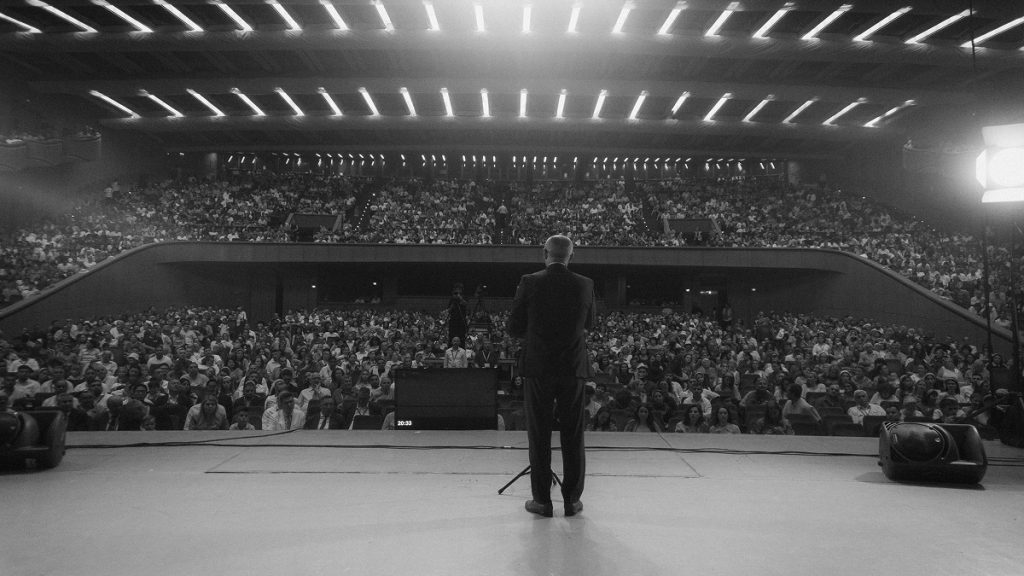
9. Communicating Safety Measures Without Scaring Your Audience
One of the subtle challenges in event security is communication. You need to let attendees know what you are doing to keep them safe and what you expect from them, without making the event feel like a high‑risk situation. The way you talk about security can either build confidence or create anxiety. Thoughtful communication turns security measures into reassurance rather than alarm.
Start with pre‑event messaging. Use your website, event pages, emails, and social channels to outline key policies in plain, friendly language. This might include bag policies, prohibited items, entry requirements, ID checks, re‑entry rules, and any specific behaviors you will not tolerate (such as harassment, hate speech, or violence).
Frame these rules as part of your commitment to a safe, enjoyable experience for everyone, not as punishment or red tape. When people know what to expect before they arrive, entry lines move faster and arguments at the gate decrease.
On the day of the event, your signage and staff reinforce this communication. Clear, prominent signs at entrances, restrooms, bars, and high‑traffic areas should gently remind people of key rules and available support.
For example, you might highlight the location of medical tents, lost‑and‑found points, or “safe space” contacts for people experiencing harassment. Train staff to answer common questions consistently and empathetically. Small touches, like staff introducing themselves at the front of lines, or security greeting guests rather than silently scanning them, go a long way toward humanizing your security presence.
During the event, be proactive rather than reactive in your communication. If you anticipate delays due to artist changes, weather shifts, or technical issues, let people know early. Short, honest announcements are almost always better than silence. Where possible, explain what is happening and what your team is doing to resolve it.
If you ever need to implement a more serious measure, such as pausing a performance, clearing a specific area, or initiating an evacuation, your prior communication establishes a baseline of trust. Attendees who feel you have been transparent and respectful from the start are more likely to follow instructions quickly and calmly.
The tone of your security messaging should match your brand and audience. A corporate summit might use a more formal style, while a festival might lean into warm, community‑oriented language. The constant across all formats is respect. When you treat attendees as partners in creating a safe event, rather than potential problems to be controlled, you encourage them to look out for one another and to cooperate with your team.
Continuous Improvement: Learning From Every Event Security Plan
Event security is never “finished.” Every show, festival, or conference you run is an opportunity to test your assumptions, see how your plans perform under real conditions, and refine your approach. The best organizers treat security as a living system that evolves with their events, audiences, and environments.
After each event, schedule a structured debrief that includes key stakeholders from operations, security, production, front‑of‑house, medical, and management. Review incident logs, near‑misses, attendee feedback, and staff observations.
Pay attention not only to major issues, but also to small friction points: long queues at specific times, confusion around signage, recurring arguments about policies, or staff moments of uncertainty. These details often reveal vulnerabilities before they escalate into serious problems.
From these debriefs, update your documentation. Revise your risk assessments, site plans, staff training materials, and emergency protocols to reflect what you have learned. If certain measures proved unnecessary or overly burdensome, streamline them. If you discovered gaps, such as unclear roles, communication breakdowns, or insufficient staffing at key times, address them in your plans for the next event.
Over time, this cycle of “plan-execute-review-improve” builds a robust security culture that can handle a wide range of scenarios.
It is also worth staying informed about broader industry trends and standards around event security. New technologies, legal requirements, and best practice guidelines emerge regularly, especially as high‑profile incidents prompt changes in expectations. Participating in industry associations, attending training sessions or conferences, and networking with other organizers can keep you up to date. What you learn from others’ experiences can help you avoid repeating the same mistakes.
Most importantly, keep your audience at the center of your thinking. Their needs, behaviors, and expectations will shift over time. As you change venues, scale up or down, or explore new event formats, revisit your security assumptions. What worked for a 500‑person club show may not suffice for a 5,000‑person outdoor festival, and vice versa. A mindset of continuous improvement ensures that your security practices remain aligned with reality rather than stuck in the past.
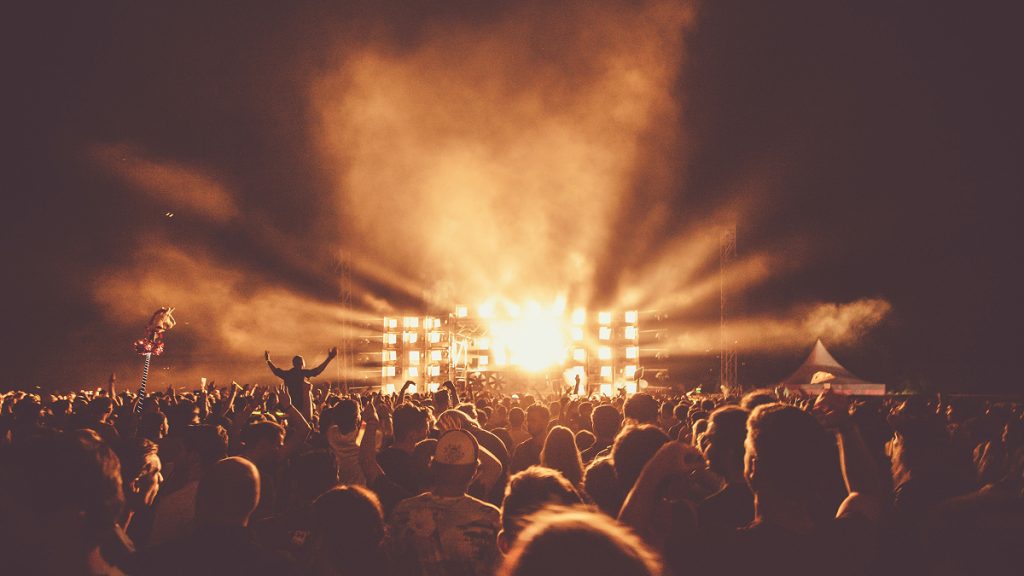
Event Security Best Practices Are the Backbone of Any Great Event
At its core, event security is about honoring the trust that attendees, artists, staff, and partners place in you.
When someone buys a ticket, steps into your venue, or puts their name on your lineup, they are assuming that you have done the work to keep them safe. Event security best practices are the backbone of a sustainable, respected events brand.
By designing security into your event from the earliest planning stages, conducting honest risk assessments, working with professionals and authorities, building smart site plans and access control systems, training your staff thoroughly, and preparing for medical and digital emergencies, you dramatically reduce the chances of serious incidents.
Just as importantly, by communicating clearly, treating attendees with respect, and continuously learning from each event, you create an environment where people feel both safe and welcome.
In a landscape where audiences are more discerning, regulations are tighter, and word‑of‑mouth travels faster than ever, strong security is no longer optional or purely reactive. It is a core part of your competitive advantage. The events that thrive are those that deliver both unforgettable experiences and a deep sense of care.
If you commit to making security an integral part of your planning and culture, you are building the kind of trust that sells tickets, attracts partners, and keeps people coming back year after year.