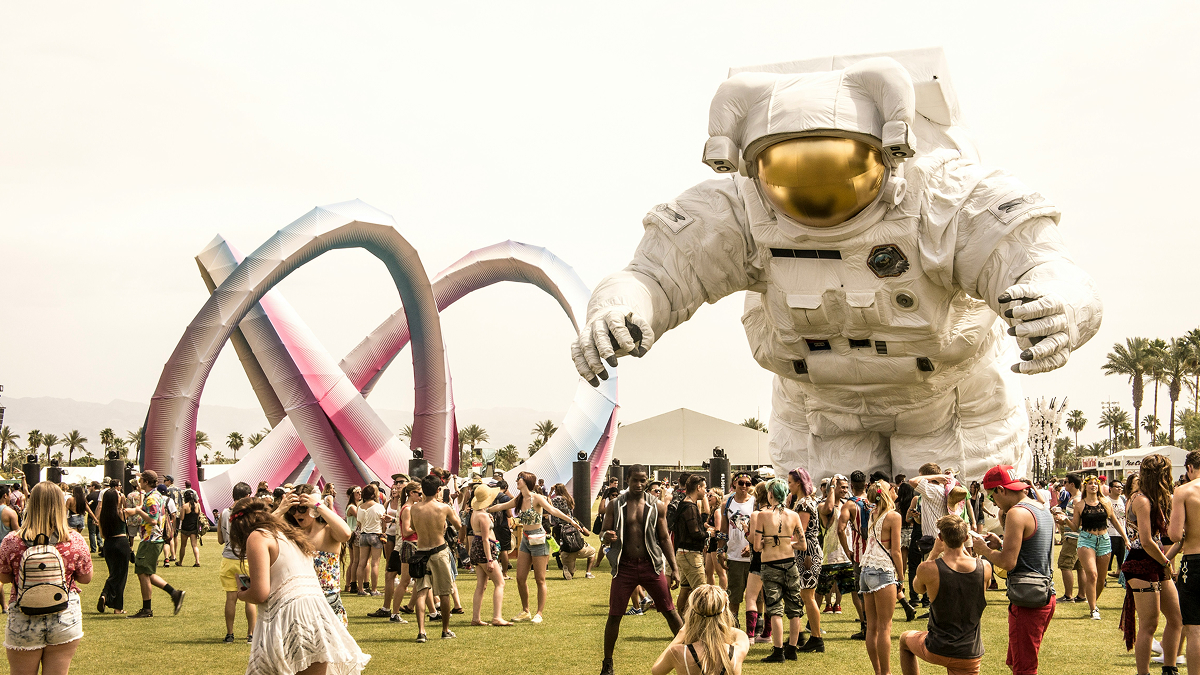
When people talk about the Coachella festival today, they think of a global brand: back‑to‑back weekends, livestream deals, influencer culture, and a booking muscle that can pull everyone from Beyoncé to reunited rock legends.
It is easy to forget that the first Coachella in October 1999 was a risky, one‑off experiment held in the California desert, launched only a few months after and in the shadow of a very public festival disaster: Woodstock ’99.
The debut edition of Coachella did not sell out. In fact, it lost money. But it began a process where Coachella quietly rewrote the playbook for modern festival curation, production, and ticketing in ways that still matter for event planners and promoters today.
Coachella 1999 is a case study in how a promoter leveraged artist relationships, made a bold site choice, and delivered a clear programming philosophy to build long‑term brand equity even when the first outing underperformed financially. Understanding how Coachella began, what the original lineup looked like, and which strategic choices paid off later can offer practical lessons for anyone trying to grow a flagship event, launch a new festival, or position their venue as a destination.
The Origin of Coachella: From Desert Arena to Desert Festival
To understand why Coachella 1999 happened at all, you have to wind back a few years to a different event in the same venue: Pearl Jam’s 1993 concert at the Empire Polo Club in Indio, California.
At the time, Pearl Jam was in a public feud with Ticketmaster over service fees and monopolistic control of major venues, so they looked for alternative spaces that were not tied into the usual arena circuits.
Empire Polo Club, a sprawling polo field complex in the Coachella Valley, offered wide‑open land, flexible routing, and an escape from the usual ticketing politics. That show proved that large‑scale rock events could work in the desert, and it planted the seed for a future festival concept.
In the mid‑1990s, Paul Tollett and Rick Van Santen of Goldenvoice were still primarily known as Southern California concert promoters rather than festival moguls. They had built trust with alternative, punk, and electronic acts by booking rooms like the Palladium and Shrine, often taking chances on non‑mainstream bands.
At the same time, the European festival model – aka multi‑day, multi‑stage events with eclectic lineups – was gaining more visibility in North America, years after earlier varieties like Woodstock 1969 were the norm. Goldenvoice saw an opportunity to import that sensibility into the U.S., but in a way that foregrounded artist credibility and fan comfort over corporate spectacle.
But then came Woodstock ’99. That festival, plagued by overcrowding, poor infrastructure, and violence, became a cultural warning sign about what large‑scale events could become when profit and chaos trumped planning and ethics.
In direct contrast, Goldenvoice began talking publicly about building the “anti‑Woodstock ’99” festival, aka something more curated, better organized, and rooted in the alternative and electronic scenes they knew best. Coachella Valley Music and Arts Festival was positioned from day one as a different kind of big‑ticket experience, even though almost no one imagined it would grow into the iconic brand it is now.
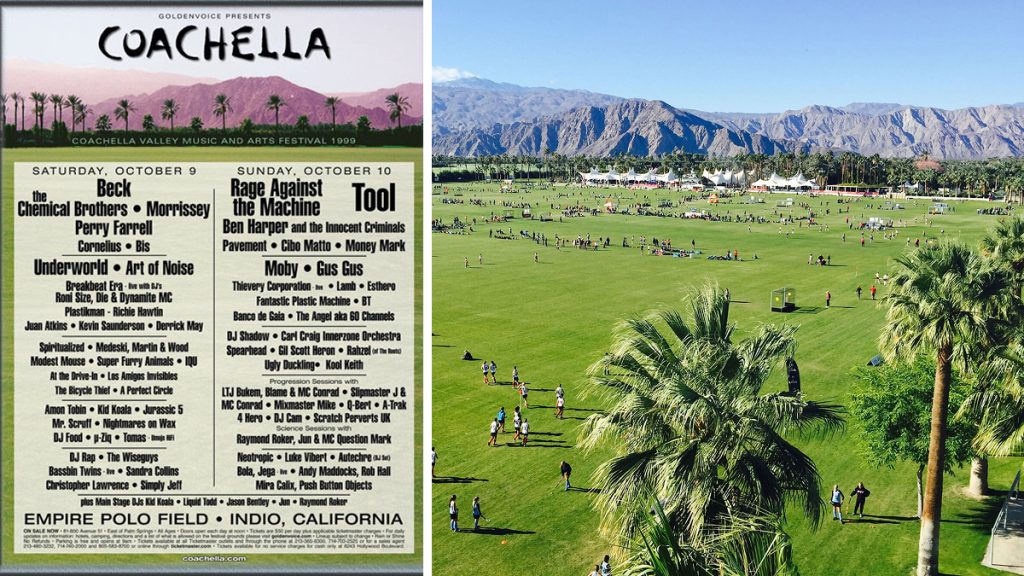
Why Indio, California and the Empire Polo Club for Strategic Event Site Selection
Choosing Indio’s Empire Polo Club as the home for the first Coachella was both a creative and logistical decision.
From a production standpoint, the polo grounds offered something downtown arenas and fairgrounds could not: vast, flat, contiguous fields that could be sculpted into a multi‑stage environment with room for art installations, vendor villages, and future growth. For festival operators, that meant fewer compromises on stage placement, sightlines, and sound bleed. For artists, it promised a European‑style outdoor environment rather than a sterile arena.
The Coachella Valley’s climate was another key factor. The first year’s festival was held in October in Indio which typically brings hot, dry days and cooler nights, with little rainfall. From an operations perspective, that reduces weather risk compared to spring storms or late‑summer heat waves. At the same time, the desert setting aligned with the festival’s emerging brand identity: stark, cinematic, and a little bit mystical.
Visuals of palm trees, mountains, and wide skies would eventually become as recognizable as the lineup posters themselves.
Of course, the site choice came with challenges.
Indio is roughly two hours from Los Angeles with limited public transportation, so early editions relied heavily on car travel and local accommodations. Infrastructure had to be built nearly from scratch: power, water, fencing, stages, security perimeters, and ticketing gates.
For modern event organizers and promoters, Coachella 1999 is a reminder that a remote destination venue can work if the experience feels unique enough but it demands meticulous planning for ingress, egress, and on‑site services.
The Empire Polo Club also offered something less obvious but critical: a long‑term partner.
Because the property was not tied exclusively to another promoter or a franchise, Goldenvoice had room to negotiate a relationship that could evolve over time. For event planners today, securing a venue that sees your festival as a recurring anchor rather than a one‑off rental is often the difference between building a brand and endlessly reinventing logistics from scratch.
Coachella 1999 Dates, Format, and Ticketing Basics
The first Coachella took place on October 9–10, 1999, as a two‑day, single‑weekend festival.
Unlike later editions – which shifted to April dates and eventually split across two mirror weekends – the first Coachella was positioned as a fall event, coming at the end of the traditional summer festival season. That timing gave Goldenvoice access to acts still in tour mode while also avoiding direct competition with established North American festivals.
From a ticketing perspective, Coachella 1999 reflected a different era. Daily tickets were priced around $50 per day, which, even adjusted for inflation, seems modest compared to modern headliner‑driven pricing. There were no VIP cabanas, no tiered wristband experiences, and no pre‑sale codes tied to credit cards or brands. The model was simple: general admission access to multiple stages and art installations, with camping not yet the fully developed feature it would later become.
Despite a critically acclaimed lineup, attendance fell short of expectations.
Estimates vary, but the festival did not come close to its designed capacity and lost money.
For a smaller promoter, that could have been fatal, but Goldenvoice used creative financing and long‑term vision to keep the brand alive. In practical terms, Coachella 1999 underscores the importance of scenario planning in ticketing and budgeting: modeling best‑, mid‑, and worst‑case attendance, and structuring contracts to survive a slow start while you build equity with fans.
In terms of ticket distribution, the late 1990s were still dominated by physical outlets, phone orders, and early web sales. The digital funnel we take for granted today, including social media hype, email waitlists, app‑based presales, did not exist. That made the strong critical reception and word‑of‑mouth following Coachella 1999 even more important, because the festival had to rely on earned media and scene credibility more than performance marketing algorithms to sell future editions.
For modern event creators, the lesson is clear: a memorable first‑year audience experience can be just as powerful as a sold‑out headline in building demand.
The First Coachella Lineup: Beck, Rage, Tool and an Eclectic Statement
Coachella 1999’s legend often gets summarized as “Beck, Rage Against the Machine, and Tool in the desert,” and that shorthand is not wrong. Those names were indeed central to the original poster and remain shorthand for the festival’s early alternative and heavy rock credentials.
However, the full 1999 lineup was far more eclectic, blending alt‑rock, electronic, hip‑hop, and experimental acts in a way that felt closer to European festivals like Glastonbury or Roskilde than to most American radio‑format events of the time.
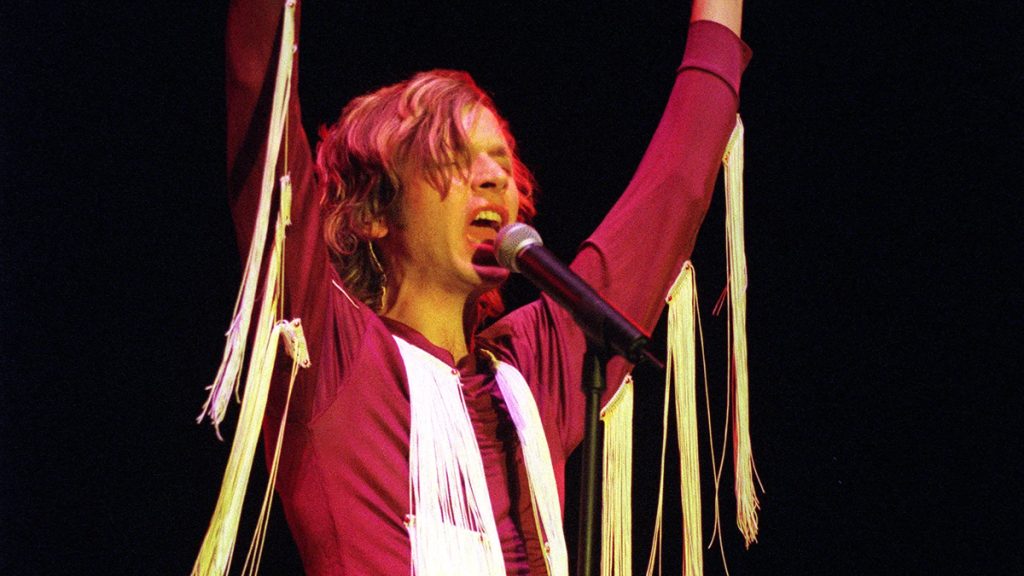
Beck, riding high off the success of albums like “Odelay” and “Mutations,” brought a genre‑blurring, art‑house cool to the top line. Rage Against the Machine represented politically charged, high‑intensity rock that spoke to a generation disillusioned by late‑90s commercialism and corporate control. Tool added a darker, progressive edge, with long, intricate songs and a live show built on mood and visuals as much as riffs.
Together, these headliners signaled that Coachella would be artist‑driven and musically adventurous, not just a platform for mainstream pop.
Below the headliners, the bill featured acts who would later become shorthand for the festival’s dance and electronic DNA. The Chemical Brothers, Underworld, and Moby helped anchor a strong electronic presence, complete with late‑night energy and production. These choices reflected Goldenvoice’s history promoting rave and club culture in Southern California and marked Coachella as one of the first major U.S. festivals to treat electronic music as a co‑equal pillar rather than a side tent.
For today’s festival programmers, this early investment in what was then still considered niche is a reminder of the value of booking ahead of the curve.
Coachella 1999 also made room for influential alt and indie acts like Pavement and Spiritualized, adding depth for critics and dedicated music fans. Hip‑hop had a presence through artists and DJs tied into the underground and backpack scenes, even if it was not yet as prominently positioned as in later years. Taken together, the 1999 lineup reads like a curatorial mission statement: diverse but coherent, heavy on credibility, and intentionally resistant to the homogenized, radio‑formatted lineups that dominated late‑90s U.S. festivals.
Programming Philosophy: Coachella’s “Anti‑Woodstock ’99” Approach
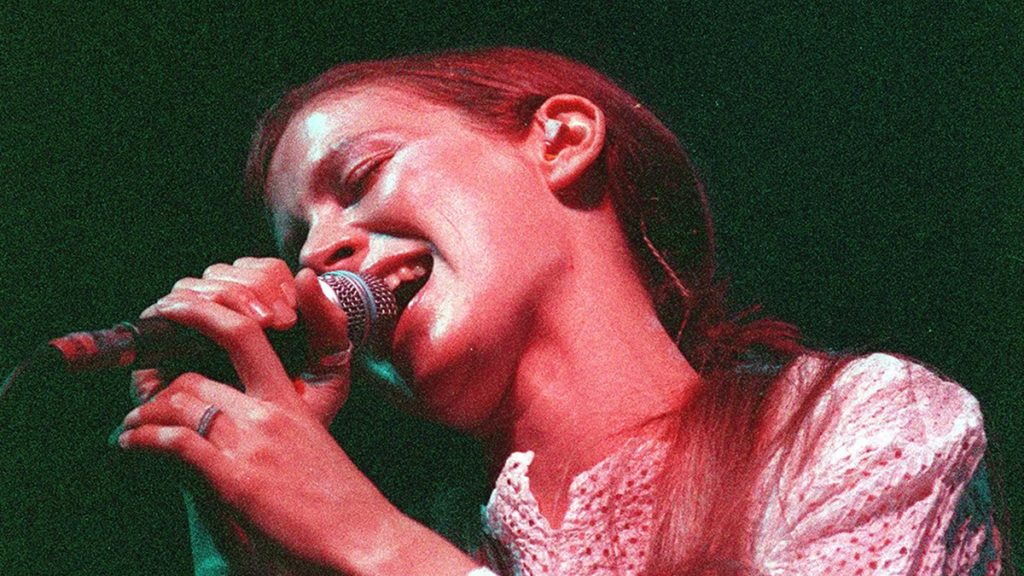
In the wake of Woodstock ’99’s widely publicized problems – including overcrowding, inadequate sanitation, fires, assaults – Coachella’s founders understood that simply announcing a big outdoor concert was not enough. They needed to articulate a different philosophy.
That meant making clear choices about capacity, crowd comfort, booking balance, and on‑site services even if those choices were not immediately profitable.
One of the most significant decisions was to avoid camping chaos and overcrowding in year one. While camping eventually became part of the Coachella identity, the first edition emphasized controlled attendance, clear perimeters, and day‑focused experiences. The site was designed with ample space between stages, shaded rest areas, and infrastructure that, by late‑1990s U.S. standards, felt considered and organized.
For the modern event planner, this is a textbook example of prioritizing experience design and safety as brand pillars, even before the term “experience design” became an industry buzzword.
The programming philosophy also extended to time of day and energy management. Rather than trying to pack every slot with maximum volume and intensity, Coachella 1999 curated a flow: daytime sets for discovery and groove‑oriented acts, twilight headliner runs that built toward catharsis, and late‑night electronic performances that rewarded the dedicated.
This arc kept the site from feeling chaotic and gave fans reason to explore rather than cluster only around one stage. It is the same logic many festivals now use to balance high‑demand headliners with journey‑oriented programming.
Crucially, the festival’s founders treated visual art and non‑music elements as integral from the beginning, even if the scale was smaller than in later years. Sculptures, installations, and site‑specific artwork gave the grounds identity beyond the stages. That decision would become one of Coachella’s defining traits in the 2000s and 2010s, but it started as a modest commitment in 1999 to make the festival feel like a curated environment, not just a collection of concerts.
Event creators today can borrow this idea at any scale: even a 1,000‑cap multi‑stage event benefits from intentional visual branding and creative site elements.
Coachella 1999 Early Operations: Logistics, Layout, and On‑Site Experience
For anyone who has walked the modern Coachella grounds, the 1999 layout would feel both familiar and surprisingly minimal.
The key elements were already there: multiple stages spread across the polo fields, clear walkways, designated entry points, and organized vendor areas. The focus was on getting the layout and security fundamentals right.
Logistically, the first Coachella had to solve classic festival problems under a microscope. Parking and traffic control in and out of Indio demanded coordination with local authorities and careful signage. Water availability in a desert climate required planning for refill stations and vendor placement. Shade structures and rest zones were essential for preventing heat‑related issues, especially when fans were not yet accustomed to the concept of a desert festival. Each of these choices signaled that attendee well‑being was not an afterthought.
From a security and medical standpoint, Coachella 1999 benefited from being designed in a post‑Woodstock ’99 environment.
Goldenvoice worked with local agencies to ensure clear emergency routes, adequate staffing, and protocols for crowd control. While no event is flawless, the absence of major safety incidents in the inaugural year became part of its narrative. For modern festivals, and for venues hosting multi‑act days, the takeaway is that operational competence can be a key differentiator in building long‑term brand trust, not just avoiding bad press.
The on‑site experience in 1999 was also notably less commercial than what we see today. Food and drink vendors skewed toward basic festival offerings, and while there were branded presences, they were not the immersive mega‑installations of later years.
Attendees in 1999 often recall the feeling of being there primarily for the music, with fewer distractions pulling focus from the stages. That focus helped Coachella earn early credibility among music fans, which in turn made artists more eager to play in subsequent years. For promoters, this underscores the long‑term value of making the core content—the performances—the hero of the early brand story, even if sponsorship and brand experiences grow over time.
Financial Reality: The $850K Loss That Almost Killed Coachella
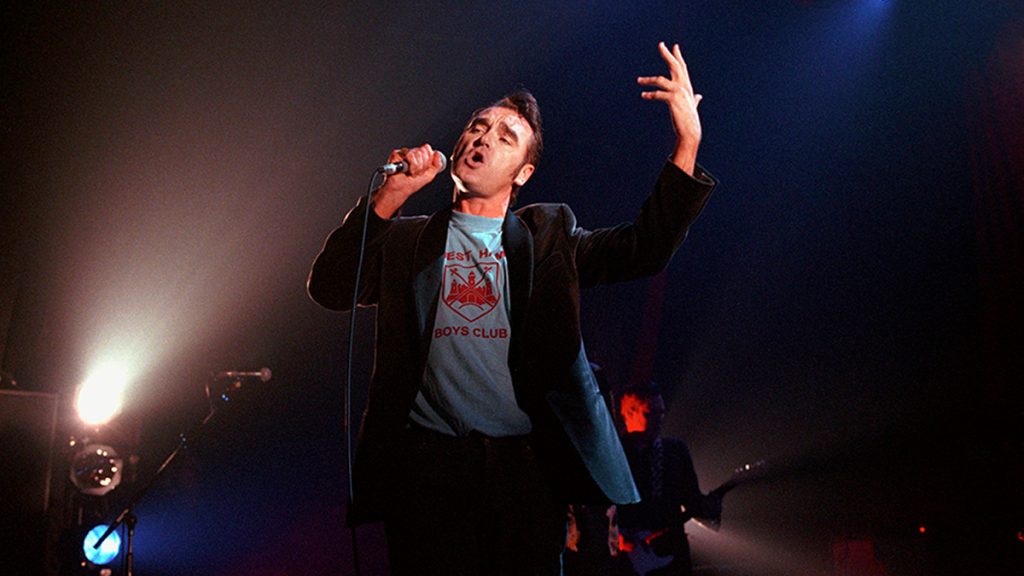
Coachella 1999 lost approximately $850,000. Despite a lineup that now reads like an all‑timer, the festival drew only about 25,000 to 37,000 attendees across two days, far short of the capacity Goldenvoice had hoped to fill on the Empire Polo Club grounds.
For context, that was roughly one‑fifth the daily attendance of modern Coachella weekends, leaving vast empty spaces amid the desert heat and turning what should have been a triumphant launch into a financial wake‑up call.
The loss stemmed from classic festival startup economics.
Talent guarantees for Beck, Rage Against the Machine, and Tool ate a massive chunk of the budget, with production costs for multiple stages, sound, lighting, and infrastructure adding up fast in a remote location.
Ticket prices at $50 per day plus fees were ambitious for 1999 but did not generate enough volume to cover fixed expenses, especially without the sponsorship ecosystem or VIP revenue streams that later became Coachella’s backbone.
Goldenvoice even asked artists to return portions of their fees. Rage Against the Machine reportedly gave back half their guarantee, a gesture of solidarity that bought time but could not erase the red ink.
For event promoters today, Coachella’s near‑death experience is a masterclass in startup festival risk management. The lesson is not to avoid big bets, but to structure them with escape hatches: flexible venue contracts, scalable production, tiered ticketing that protects against low turnout, and a willingness to skip a year if numbers do not align.
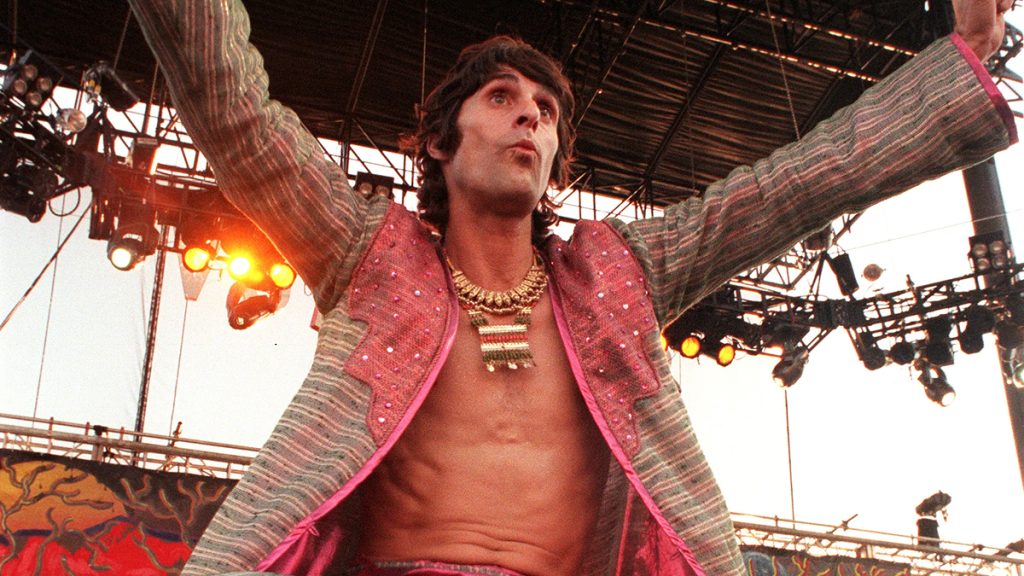
Then came Goldenvoice’s decision to pause in 2000 rather than limp forward with a diminished event preserved capital and brand mystique. This provided them with the time to rethink and plan a stronger return in 2001 with Jane’s Addiction topping the bill.
This financial humility also shaped Coachella’s early growth philosophy. Rather than chasing immediate profits through aggressive capacity pushes or corporate tie‑ins, the promoters doubled down on curatorial integrity and operational excellence. That approach built fan loyalty faster than any quick‑cash scheme could have, proving that festivals can survive launch‑year losses if the experience delivers disproportionate value relative to ticket price. Modern independents launching new events can apply the same logic: prioritize attendee word‑of‑mouth over sellouts in year one, and use data from platforms like Ticketscene to model breakeven thresholds realistically from the start.
Coachella 1999 Critical Reception: The Buzz That Kept the Dream Alive
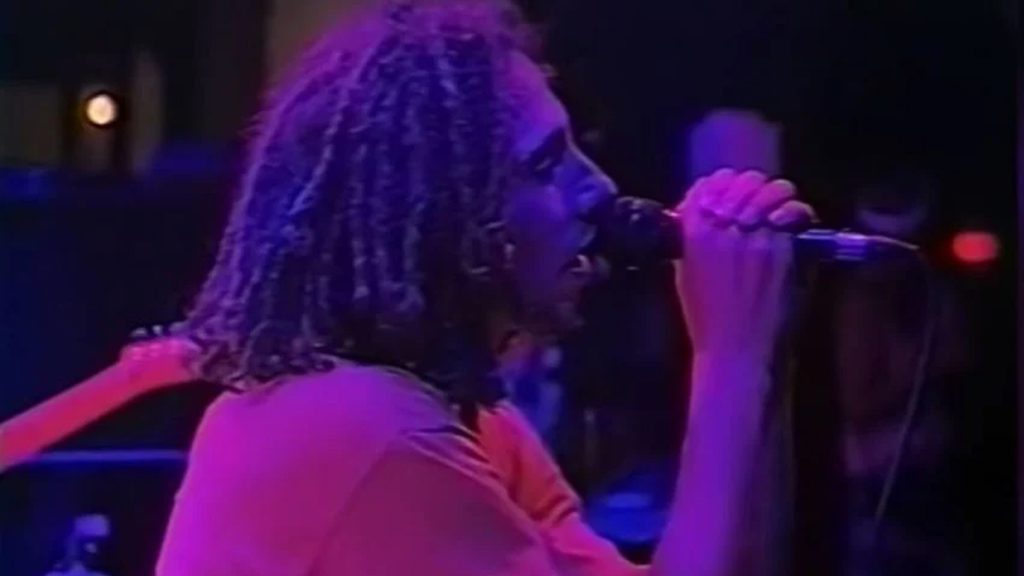
Despite the financial shortfall, Coachella 1999 earned strong reviews from those who attended.
Music critics praised the lineup’s adventurousness and the festival’s relaxed, spacious vibe – all qualities that stood in stark contrast to Woodstock ’99’s chaos. Publications like the Los Angeles Times and Spin highlighted the event’s potential as a West Coast answer to Glastonbury, noting how the desert setting amplified the music’s intimacy despite the open‑air scale.
Attendees echoed this sentiment, often describing a sense of discovery amid the half‑empty fields, where fans could roam freely between sets without the claustrophobia of overcrowded stages.
That positive word‑of‑mouth became Coachella’s real currency in 1999 and 2000. Without social media amplification or viral marketing budgets, the festival relied on scene credibility and earned media to build anticipation for its return.
Photos from photographer Gregg Felsen captured the raw energy of Rage’s set and Tool’s hypnotic visuals, circulating through music blogs and zines to create FOMO among those who missed it.
The critical goodwill also attracted artists for 2001. Jane’s Addiction, reuniting specifically for Coachella, signaled that the festival was a platform for career‑defining moments, not just a payday gig. Electronic acts like The Chemical Brothers returned, drawn by the growing reputation as a dance music haven. By treating performers as creative partners rather than line items, Goldenvoice built relationships that paid dividends when bigger headliners became available.
Event planners today can borrow this by over‑communicating with artists about vision and constraints, turning potential budget headaches into collaborative wins.
In essence, Coachella 1999’s reception proved that quality compounds over time. The festival did not need to be the biggest or most profitable out of the gate; it needed to be the one people talked about positively.
Operational Lessons: Scalability, Site Design, and Vendor Partnerships
Coachella 1999’s operations laid groundwork for a model that could scale from 25,000 to 250,000 attendees.
The Empire Polo Club’s open layout allowed stages to multiply without logistical nightmares, while early investments in power infrastructure and water systems prevented bottlenecks as capacity grew. For multi‑day festivals, this teaches modular site design: build core infrastructure (entry gates, medical tents, sanitation) to handle 1.5x target attendance from day one, then add modular elements like extra stages or camping zones as revenue allows.
Vendor partnerships evolved from basic food trucks in 1999 to the immersive brand experiences of today. Early years focused on reliable concessions with short lines, prioritizing attendee flow over revenue per head. As sponsorships matured, partners like Heineken and H&M built activations that enhanced the festival without cluttering sightlines.
Event managers can replicate this by starting with operational vendors who understand festivals, then layering experiential partners once your brand has equity. Avoid over‑commercializing before fans trust the core product.
Sustainability emerged as a quiet operational win. Coachella’s desert location forced water conservation and waste management from the start, practices that later became selling points. Modern festivals borrow this by embedding green infrastructure early: recycling stations, refillable water maps, and low‑waste F&B.
Crowd management offers the sharpest lesson. Coachella 1999’s under‑attendance ironically allowed spacious flow, preventing the crushes that plagued Woodstock. Scaling up required innovations like timed entry waves, multiple gate types, and RFID wristbands by 2004.
Coachella 1999 Legacy: Lessons for Today’s Musical Festivals and Promoters
Coachella 1999’s true genius was strategic patience. Goldenvoice could have chased quick profits with bigger capacity, cheaper tickets, or mainstream bookings. Instead, they bet on a long‑term vision: desert mystique, curatorial edge, operational polish. That patience turned a $850K loss into a festival generating $100M+ annually by the 2020s, with economic impact exceeding $600M for Indio alone.
For event planners, the takeaway is blueprint‑level: launch lean, prioritize experience, iterate based on data. Use ticketing analytics to measure true capacity before scaling stages. For venue managers, secure multi‑year site control. Empire Polo’s evolution from polo fields to festival city proves location locks in compounding advantages.
Promoters should book like Coachella did: mix headliners with rising genres and don’t be afraid to accept year‑one losses for brand equity.
Coachella also teaches brand transcendence. The festival outgrew its lineup, becoming a cultural signifier bigger than any single act. Modern creators achieve this through Instagram‑ready art, shareable moments, and non‑music programming. Finally, ticketing evolution mirrors brand maturity: start simple, layer complexity as demand proves sustainable.
The First Coachella with Its Enduring Festival Blueprint
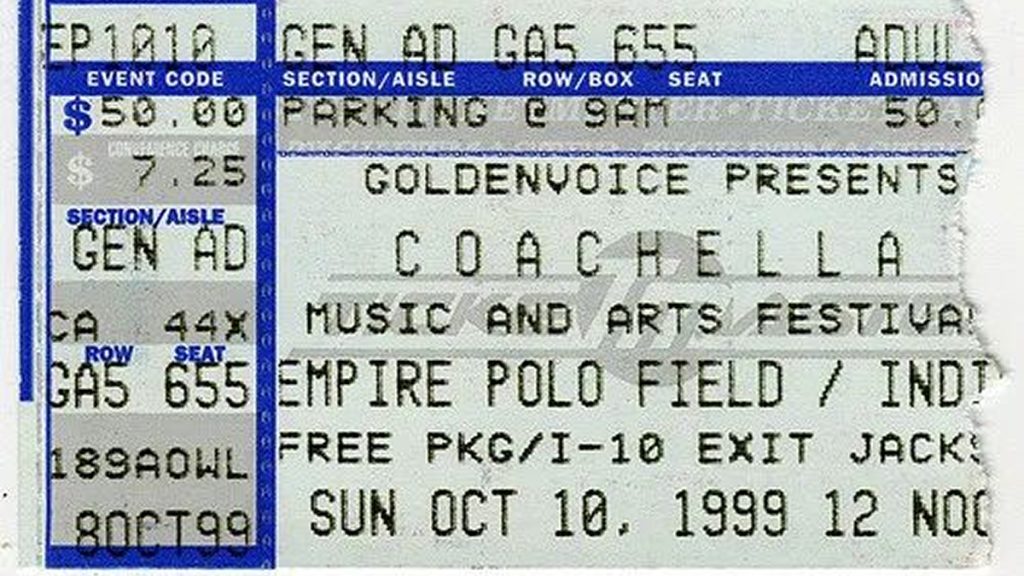
The first Coachella was a test. October 9‑10, 1999, proved a desert festival could blend European curation with American scale, even if the economics did not add up on day one.
From Beck, Rage Against the Machine, and Tool headlining sparse fields to 250,000 weekend warriors chasing cultural cachet, Coachella rewrote festival economics through patience, programming guts, and operational evolution.
For today’s creators, it is not about copying the spectacle but stealing the strategy: bet on vision over virality, experience over extraction, tomorrow over today.
Whether launching your first multi‑stage day or scaling an established venue series, Coachella 1999 whispers that the best festivals build empires one intentional choice at a time.