
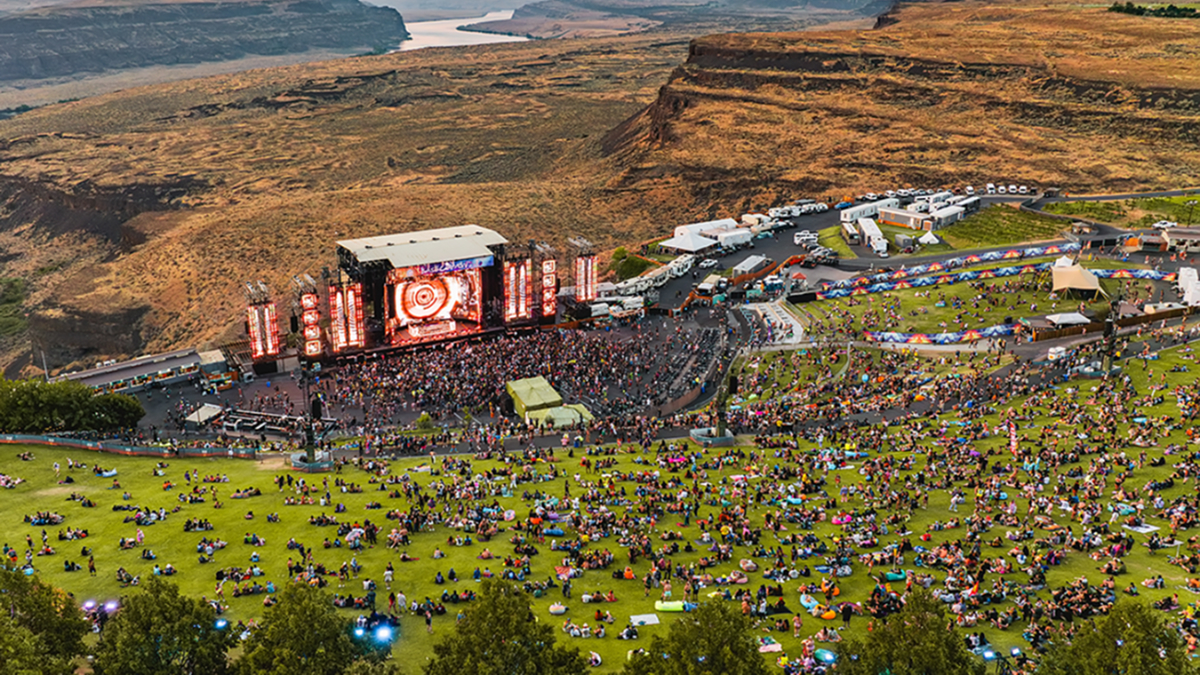
The rise of rural events and rural event venues demonstrate a growing trend of promoters and organizers choosing the countryside over the city.
Rural can offer an event promoter such a different experience than a city event can. A rural event can sprawl across fields under an endless sky, with attendees camping on‑site, wandering between stages framed by rolling hills, and discovering art installations amid wildflowers. No blaring horns, no parking nightmares, no noise complaints. Just a pure, secluded, immersive experience.
This is in part why rural event venues are surging in popularity and have been for a few decades, with festivals like Bonnaroo, Glastonbury, and smaller gems drawing crowds that once flocked only to urban arenas.
Event planners, venue managers, promoters, and artists are increasingly ditching concrete jungles for countryside escapes, driven by cost savings, creative freedom, and attendee demand for authentic, nature‑infused gatherings.
This shift is not hype. A study by Ticketscene shows rural and hybrid urban‑rural events grew 45% year‑over‑year in 2025, outpacing city‑only formats by 22%. Why? Cities offer convenience but cap scale and stifle imagination. Rural spaces unlock expansive layouts, lower costs, and community‑building immersion that urban venues simply cannot match. For event organizers, rural venues mean new opportunities in camping passes, shuttle bundles, and loyalty programs for destination events.
Whether you are launching a folk festival on a farm or a corporate retreat in the hills, these insights will help you harness the countryside’s power without the pitfalls.
The Urban Crunch: Why Cities Are Losing Events in Favor of Rural Settings
Urban venues have long dominated because of accessibility. You have public transit, hotels within walking distance, and built‑in audiences.
But post‑pandemic realities exposed cracks: skyrocketing rental rates (up 28% in major cities since 2020), noise ordinances capping late‑night programming, and parking shortages turning arrivals into ordeals.
Promoters in cities such as Toronto and Vancouver report approximately 40% higher venue minimums for rentals than pre-pandemic, squeezing margins on mid‑sized events that once fit perfectly in lofts or warehouses.
Crowd density regulations further constrain creativity. City parks often limit attendance to 5,000-10,000, forcing single‑stage formats that feel repetitive. Sound curfews at 10 or 11 PM kill after‑hours sets, while neighbor complaints halt bass‑heavy genres.
For artists, urban gigs mean rushed load‑ins amid traffic and union rules. For attendees, $30 parking and $15 Ubers erode perceived value.
The psychology plays in too. Urban events feel transactional a lot of the time. Rush in, enjoy, rush out. Attendees crave deeper immersion, with 62% of millennials and Gen Z preferring multi‑day, nature‑integrated experiences. Cities excel at convenience but falter on wonder, pushing organizers toward rural alternatives where events become destinations.
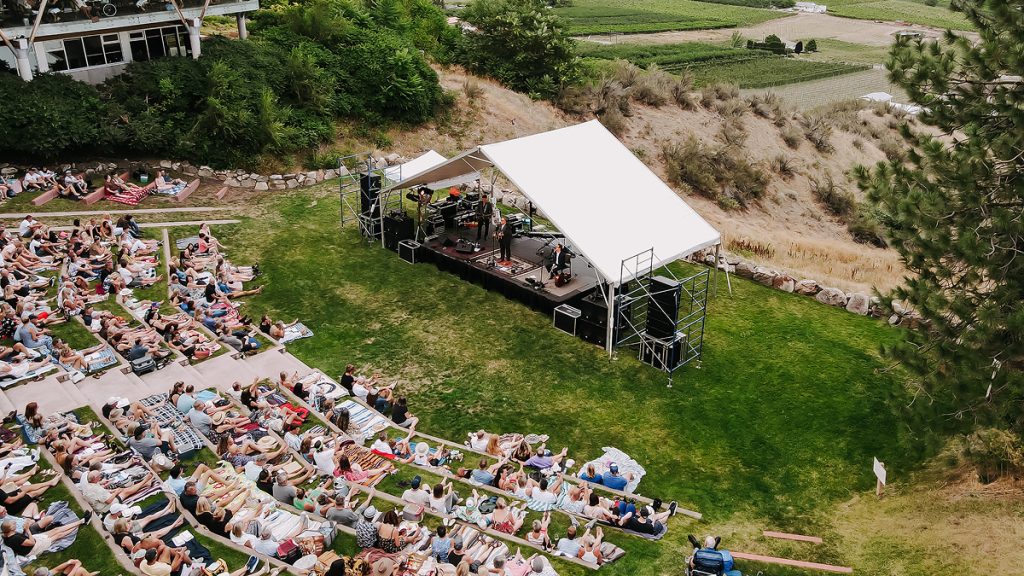
Are We Seeing a Rural Event Renaissance? Cost Savings That Scale Events
Rural venues often slash costs by 30-50% compared to urban equivalents, freeing capital for talent, production, and marketing.
A 5,000‑cap city park might run $25,000/day including permits and policing. The same footprint on private farmland costs $8,000-$12,000, often with owner equity stakes that align incentives. Venue managers in rural Ontario report average savings of $15,000 per weekend on a mid‑sized festival, redirected to artist guarantees or camping infrastructure.
Permitting flows faster too. Rural counties prioritize economic impact, sometimes waiving fees for events promising 500+ jobs or $1M local spend. Noise rules relax on private land. Sound can run until 2 AM or later without city backlash, enabling sunrise sets or 24‑hour programming impossible downtown. Power grids? Solar generators and diesel backups cost less long‑term than urban surcharges.
These savings compound for multi‑day formats. Camping turns one‑off tickets into $300-$600 packages (GA + tent site + shuttle), boosting per‑head revenue as much as two or three times.
Music festivals like Bonnaroo generate 40% of income from on‑site lodging. An urban venue cannot replicate without hotel partnerships that take 20-30% cuts. For promoters, rural economics also mean higher margins at scale, letting you invest in art, wellness tents, or food trucks that differentiate your event.
Case in point: Hinterland Music Festival in Iowa transformed a cornfield into a 30,000‑cap powerhouse, saving $200K annually on venue fees alone while drawing national acts. Promoters report 25% higher net after redirecting urban savings to talent.
Rural Events Offer Creative Freedom Unleashed: Space Without Limits
Rural venues offer blank‑canvas scale that sparks innovation. Cities box you into 10,000 sq. ft. rooms or fenced parks. Countryside sites span 100+ acres, letting you space stages 1 km apart to eliminate sound bleed and create “worlds within worlds.”
Organizers craft immersive journeys – forest paths to ambient stages, hilltop sunset views, riverside chill zones – that urban layouts cannot dream of.
This freedom elevates production. Build 40ft art installations, dig fire pits, or floodlight meadows for midnight raves without neighbor lawsuits. Festivals like Burning Man in the Nevada desert or Glastonbury at Somerset Farm prove rural scale enables transformational environments where attendees co‑create the vibe.
Venue managers gain flexibility too: rotate stage pads yearly, test camping villages, or host off‑season retreats on the same land.
Artists thrive here. Promoters report 20-30% higher artist satisfaction at rural gigs, leading to repeat bookings and referrals.
Take the Shambhala Festival in British Columbia’s Salmo Valley: 15,000 acres of forest and riverfront enabled seven themed stages, yoga retreats, and silent discos. These experiences would be impossible to reproduce in the City of Vancouver.
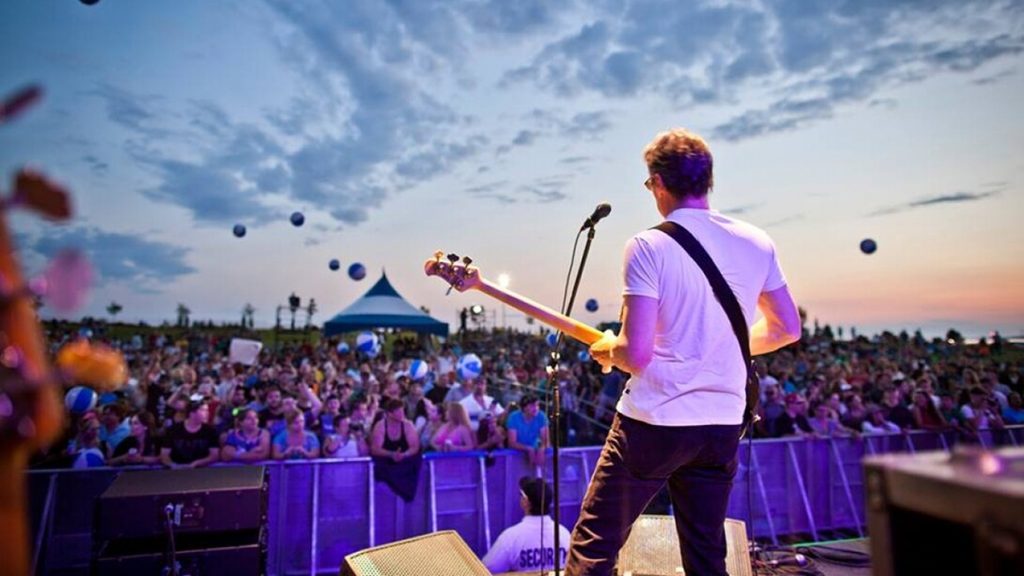
Immersive Experiences at Rural Events: Building Communities That Last
Rural venues excel at immersion, turning events into multi‑day lifestyles.
On‑site camping fosters round‑the‑clock community, where attendees cook, camp, and connect beyond headliner slots, something city day‑trippers miss. This builds loyalty: Bonnaroo campers form lifelong bonds, returning three times more often than non‑campers.
Nature amplifies emotional impact. Sunrises over stages, starlit dances, forest acoustics create sensory magic urban lights cannot match. This is where wellness programming thrives – such as yoga dawns, mushroom foraging walks, ice baths by lakes – drawing demographics tired of club grind.
For corporate events, rural retreats boost team cohesion 35% higher than city conferences, per a Harvard Business Review study on nature exposure.
Ticketing agencies love this. Bundle your general admission ticket + camping + shuttle for $400 packages, upselling glamping at $1,200. Event ticketing platforms can typically track occupancy, enabling dynamic pricing and loyalty perks.
Rural immersion drives 40% higher repeat attendance, turning one‑offs into annual pilgrimages.
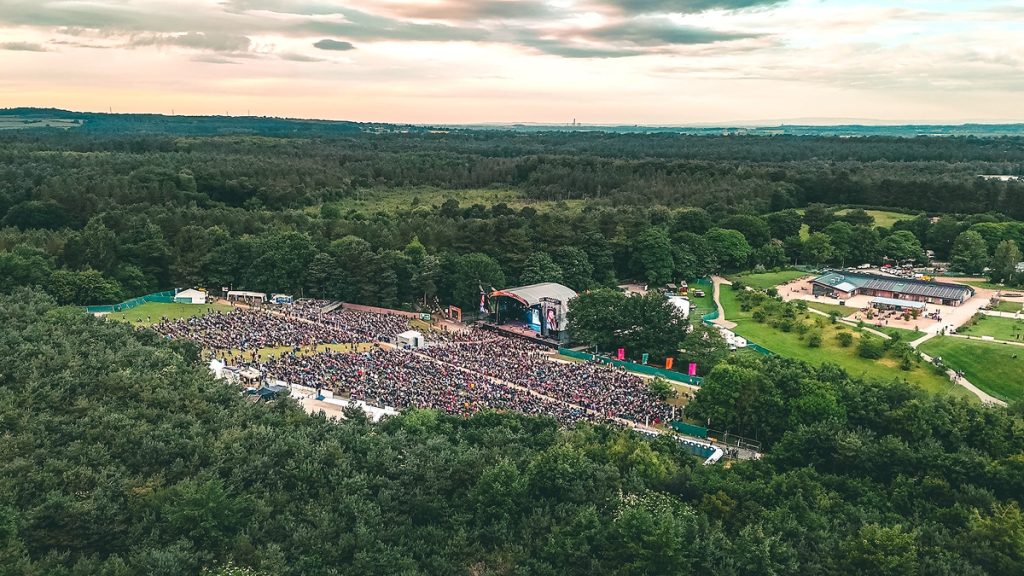
Rural Events Economic Ripple Effects: Boosting Local Economies
Major rural events inject lifeblood into small towns, generating $1M-5M impact per weekend through lodging, food, and jobs.
In Alberta, fairs and festivals create 2,500 seasonal roles annually, per government data, while Minnesota community events were shown in another study to stimulate 10% GDP growth in host counties.
Sponsorships flow easier too. Agribusinesses, craft breweries, and tourism boards fund rural events authentically, unlike generic urban logos. Festivals leverage placemaking: Hinterland’s Iowa farm boosted nearby hotel occupancy 300%, creating symbiotic growth.
For promoters, this means grant access, with rural development funds cover 10-20% budgets. Venue managers secure multi‑year leases with community buy‑in. Artists gain grassroots cred, playing fields that feel “real” versus corporate sheds.
The best example of this is Burning Man’s Black Rock City which generates $40 million annually for Nevada’s Pershing County yearly, proving rural scale creates outsized returns.
Case Studies: Rural Event Venues Across Different Event Types
1. Music Festivals
Music festivals lead the charge for the largest and most successful rural gatherings, with events like British Columbia’s Shambhala turning 400 acres of forest into a 12,000‑person electronic haven complete with riverside stages and treehouse bars. There, organizers report 85% repeat attendance, attributing success to natural amphitheaters that amplify bass without urban echo and camping that extends the party into dawn workshops. For promoters, Shambhala’s model shows how terrain becomes production: hills for viewing tiers, meadows for dance floors, creeks for chill zones, all at 60% lower build costs than Vancouver fields.
2. Weddings and Private Events
In rural venues, weddings and private events leverage intimacy. Ontario’s Bronte Creek Provincial Park hosts 200‑guest ceremonies under heritage barns, saving couples $20K versus city hotels while offering wildflower backdrops and farm dinners. Venue managers can bundle packages, such as offering the ceremony + reception + glamping at $15K flat, yielding 40% margins. Couples rave about “no distractions,” with reviews citing nature’s calming effect.
3. Corporate Retreats and Rural Corporate Events
Corporate retreats find gold in disconnection and setting up in rural settings. Companies report 27% higher engagement scores than urban offsites, per internal metrics, thanks to forced unplugged time and shared adversity like team trail builds. Promoters secure repeat business by offering scalable footprints, taking 50‑person board meetings to 500‑head conferences on the same property.
These are just a few of the case studies that prove rural’s universal appeal.
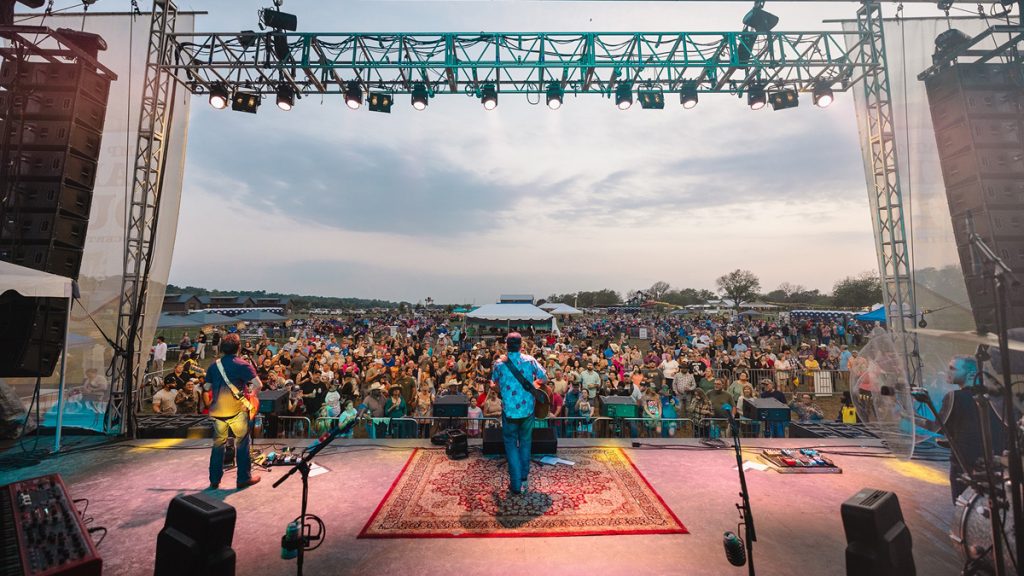
Rural Events Challenges: Weather, Talent Logistics, and Infrastructure
Rural events do not come without their challenges. Weather tops rural risks and preparation for the worst is important for any event.
Rain muddies fields. Heat demands hydration stations. Wind topples tents. These are all things one must consider as they are planning rural event logistics.
Here is how you can partially mitigate these risks and offer a contingency for weather: tarps for stages ($5K), gravel walkways ($10K/acre), and cooling domes ($2K each). Festivals budget 8‑12% for weather buffers, with insurance covering 70% cancellations.
Depending on the location of the venue, talent transport may require an airlift. For larger events, consider private charters for headliners ($15K roundtrip). Your green rooms in converted barns or similar spaces with craft services keep artists happy.
Also, keep in mind that load‑in windows for talent in a rural setting should stretch to 48 hours versus urban’s six.
Here are a few more notes on infrastructure to keep in mind. Solar microgrids may be able to power as much as 70% of stages for a modern rural music festival or similar event, with diesel backups. Porta‑potties should scale 1:75 daytime and 1:50 night. For water trucks, refill them every 2 hours. Cell boosters ($3K) enable cashless payments and Starlink ensures ticketing uptime no matter what.
Marketing Rural Events: Selling the Rural Destination Dream
Rural events often market themselves as an escape rather than convenience, positioning these sorts of events as “getaway weekends” blending music, nature, wellness.
When we look at how rural events are marketed, visual storytelling dominates. Think drone shots of stages amid mountains, time‑lapses of sunsets, and camper testimonials.
In terms of social media, aim for Facebook Stories and Instagram Reels which convert 3x higher than static posts. On top of that, if appropriate, consider engaging in post‑event user-generated content campaigns (“Share your sunrise set”) to seed next year’s hype.
Bundled ticketing drives higher revenues as well. Some example packages:
- GA + camping + shuttle ($450)
- VIP + glamping ($1,200)
- Group packs (10 tickets + tents)
Then, there is how you ticket events which can be its own marketing strategy. Dynamic pricing rewards early birds. Waitlists create scarcity. Email marketing messaging can be used to preview “secret stages” and “farm feasts,” boosting ticket revenues further.
When discussing rural event marketing, more than anything, understand that local amplification multiplies reach. Partner with rural influencers (such as farmers and outdoor guides) for authentic endorsements.
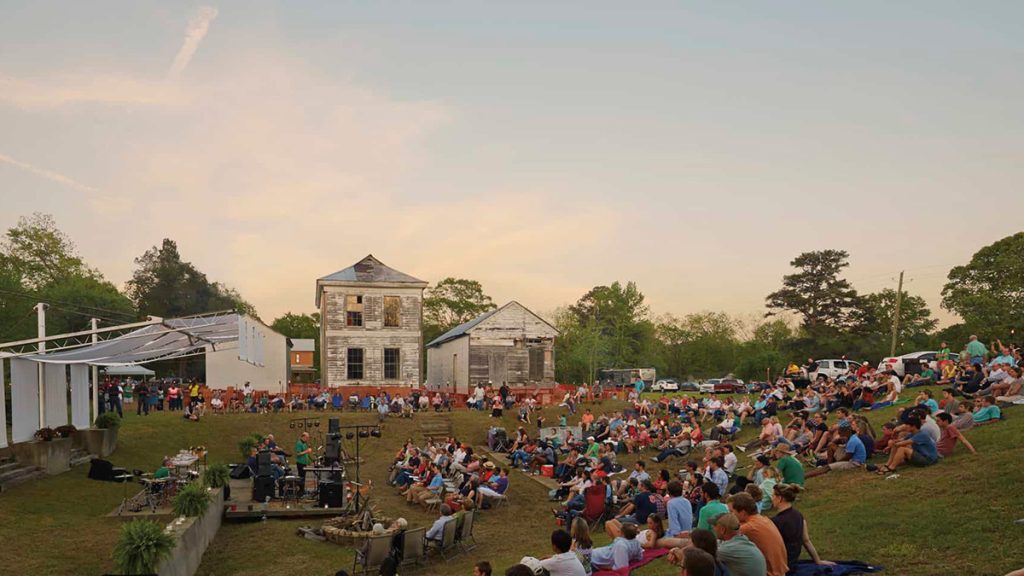
Rural Event Ticketing Strategies: From GA to Glamping Empires
Rural ticketing demands destination thinking. Your one‑and‑done GA ticket is more or less dead on arrival in a lot of cases. Ticket packages are what thrives.
Tiered camping unlocks 2-4x revenue. As an example, basic tent ($100), platform sites ($250), and glamping pods ($800). Add to that bundled transport (shuttle $50, VIP carpool $20/head).
Focus heavily on VIP tickets in rural‑style that sells exclusivity: hilltop viewing decks ($400), farm‑to‑table dinners ($150), artist farm tours ($75). Glamping villages can be built and structured to mimic boutique hotels – including private baths, concierge services, and more – for up to $1,500 and above.
Data fuels rural event growth now and in the future. Track zip codes and expect to see 80% of tickets sold within a 100‑200km radius. Note ticket buyers’ spend patterns, such as campers avg $600 vs $200 day‑trippers.
To experiment with scale, you can opt to add more days to a rural event or use a multi‑weekend model. Weekend 1/2 splits like Coachella double capacity without crowding; rural sites handle staggered camping seamlessly.
Scaling Rural Events is Easier Than the City: From Farm Fields to Festival Empires
Rural venues and rural events can scale exponentially. It’s not unheard of to start with a 1,000‑cap farm stage which is simple enough and then grow to 20,000 across ten or more stages on adjacent fields. As an example, the Bonnaroo Festival gradually expanded over time in its early days from 10K attendance to 80K on 700 acres, adding camping phases yearly.
If you are considering a long-term future, look at how you can reserve the land you want to build your rural events on.
Buy/lease 500+ acres upfront. Try to subdivide it for retreats or offer it up for weddings midweek. There are lots of revenue diversification strategies, such as off‑season yoga and corporate days, which can help cover fixed costs.
You may also want to be aware of exit strategies that maximize value. Mature rural events and rural festivals can sell for 8‑12x EBITDA, with up to $20M+ valuations. As the promoter and/or operators, you can retain the operations contracts post‑sale, such as what is often the case with Live Nation’s farm fest acquisitions.
The Rise of Rural Event Venues Answers the Call for Many Promoters
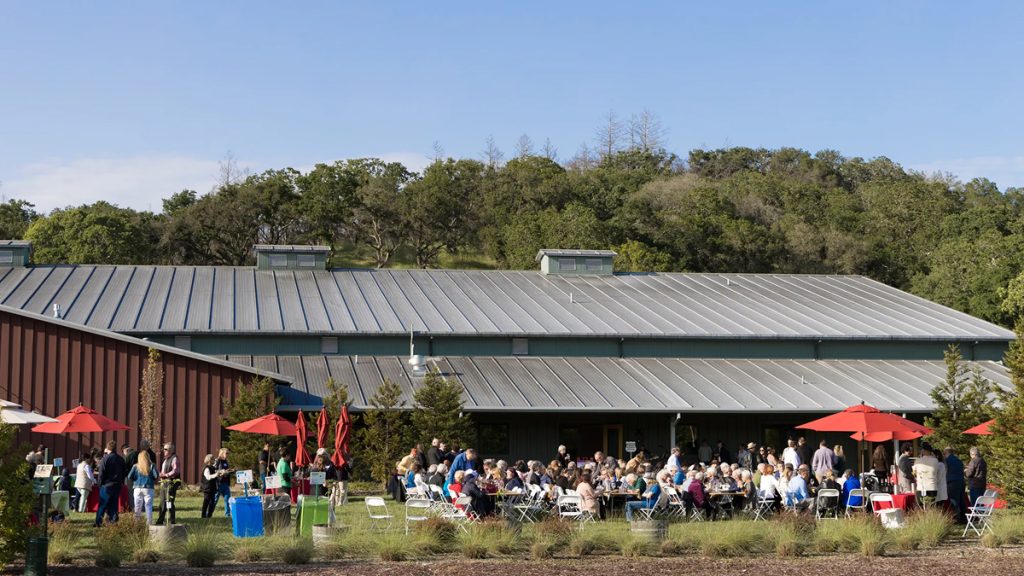
Rural event venues could very well be the future of live experiences.
Cities offer access, yes. Rural and countryside can deliver a transformative experience, with lower costs, boundless creativity, immersive communities, economic engines.
From Shambhala’s forest raves to Hinterland’s Iowa sunsets, rural proves scale meets soul when planned right.