
You will always be at risk of failure if you do not have a strong event revenue model and/or event management is not prioritizing profit.
This exact situation occurs all the time: An event sells out tickets in record time, but when the dust settles, the promoter is still scraping by on slim margins. When you rely solely on ticket sales to generate event revenue, you could be leaving a lot of money on the table.
As an event planner, venue manager, promoter, or artist, you know the real game-changer is diversifying revenue streams. From on-site upsells to sponsorship goldmines, smart event monetization may be able to boost your bottom line by 40-50% above the tickets you sell.
There is so much one can do to maximize event revenue and keep your event finances strong, from pre-event bundling to post-event extensions, backed by industry data that we can share. Whether you’re orchestrating a music festival, corporate conference, or intimate artist showcase in a small performance venue, these insights will help you maximize per-attendee spending while enhancing experiences, all the while without turning off your audience.
Understanding Event Revenue: Is There Room to Grow?
Many small events may not feel they need to grow their event revenue and do not have any trouble seeing profit from their ticket sales alone.
For other events, however, when factoring in the expenses involved in the logistics, traditional ticket sales often cover just 50-60% of costs, leaving a major profitability gap.
For these events, diversification is essential to make your event a success. Over-reliance on tickets can lead to required price hikes that deter fans. Compare that to more balanced event revenue models that maintain an affordable entry point for patrons and that nets you higher overall profits.
Organizers often report generating an average of $25-35 in additional revenue per attendee beyond tickets through diversified streams like food, merch, and sponsorships.
Where you can start when thinking about how to maximize event revenue is in tracking your metrics. Event data is key. Audit your last event. Analyze what money was generated from non-ticket sources. For most events, if their non-ticket revenue is under 40%, you have room to grow, no matter what category of event we are discussing.
Your Core Event Revenue Streams: Going Beyond the Ticket Sales

1. Should You Revise Your Ticket Pricing Strategy? Maybe but Probably Not
It’s tempting to think that tweaking your ticket prices is the easiest path to higher revenue.
Sometimes it is, but more often, it isn’t the root issue. In addition, there could be key benefits to keeping your tickets affordable.
Still, every organizer should revisit their pricing model periodically. Look at how your prices have evolved over the years, how your audience has responded, and where your competitors currently position themselves.
Data can reveal subtle shifts. Maybe certain tiers always sell out first, or perhaps early-bird sales have been tapering off. These patterns tell a story about audience behavior that’s far more useful than simply “raise or lower the price.”
If you do consider adjustments, anchor them in genuine insight. From a ticket buyer perspective, try to ensure any changes feel fair and intentional rather than reactionary. Often, attendees care less about the absolute price and more about whether the cost aligns with the experience you deliver.
2. Tiered Ticket Options Expands Who Attends Your Event
Gone are the days of one-size-fits-all pricing. To appeal to the maximum amount of people, a promoter should create tiered ticket options, such as general admission, VIP, platinum, each catering to different budgets and desires.
This is also a means of providing more value to your big spenders, offering them additional perks and comforts that the average ticket buyer may not be able to afford.
Tiered pricing, on average, works out to roughly 60% general admission tickets, 15% mid-tier tickets, and 15% in your most premium ticket category. It’s also not uncommon for premium tiers to sell out fast, significantly boosting average ticket revenue per attendee without alienating the core fanbase.
If tiers feel elitist in any way to you, try to balance out what you’re offering in upper tiers with strong amenities for your general admission crowd.

3. Securing Sponsorships and Partnerships to Increase Event Revenue
Consider how you can use other businesses, products, and people in your event, and secure their sponsorship or support.
Sponsorships can contribute 15-25% of revenue, especially in hybrid formats where you take advantage of their digital reach as well as ensuring they have some form of representation at the event itself.
When operating in a digital space, another source of possible partnerships is with social media influencers and brands you know will get the word out about your event to your target audience. Consider using affiliate marketing with influencers for referral commissions. A discount code campaign can drive ticket sales while sharing revenue.
Just ensure you do not over-commercialize and keep the number of corporate or non-corporate sponsors within a reasonable amount.
4. Selling Advertisements in Your Event and the Risk of Overt Commercialization
Selling ads throughout your event space comes at a risk of appearing too commercial and potentially interfering with the event experience.
That said, ads can strengthen your bottom line when the balancing act is done right. Done poorly, it risks cheapening your brand and distracting from what people came for in the first place.
Start by thinking strategically about where and how vendors fit into the overall experience. Identify high-traffic areas where booths or activations make sense and where they can integrate naturally into the attendee journey.
This leans on your approach to sponsorships and those ads extends your monetization potential even further, particularly when paired with digital exposure. Branded signage, sponsored installations, or logo placement on event materials can be packaged alongside online visibility such as social posts, newsletters, or app banners. Combined sponsorship bundles like “Official Partner” or “Presenting Sponsor” can command premium fees while creating unified branding moments.
Here’s the key: When ads reflect the identity and values of your crowd, they elevate the experience rather than overshadow it.

5. Food and Beverage Event Revenue Strategies to Increase Profit
After a ticket buyer is through your front door and in your venue, you have a chance to generate significant revenue off them with high margins on alcohol and a strong food and beverage revenue strategy.
Encourage spending by selling pre-paid vouchers or combos beforehand, such as when they are purchasing a ticket, i.e a $12 sandwich + drink deals. Upscale options like gourmet vendors or craft beers can appeal to premium tastes and be strategized in much the same way.
An important tip when collecting food and beverage purchases is to adopt cashless payments for frictionless buys. Make it quick. Mobile ordering cuts lines, increasing average order value and enhances convenience so long as there are no technology glitches. Test such a system thoroughly before your event.
Lastly, for event planners, price essentials fairly, such as $2 water, to foster goodwill. Free water stations prevent gouging complaints and encourage splurges on craft IPAs.
Food and beverage event spending is always a top alternative revenue source, with direct ties to attendee satisfaction even when there is a high margin or high markup on product involved. This is immediate revenue you receive and can assist with any post-event costs. This may be another opportunity to solicit sponsorships by partnering with local vendors and bolster community goodwill.
6. Merchandise and Add-Ons to Encourage Your Patrons to Support the Event
Merchandise remains one of the most profitable event revenue streams you can run, with strong margins and emotional ties.
Fans love limited-edition items that remind them of the experience. In this respect, see about offering exclusive drops, such as artist-signed items, festival-specific tees, hoodies, or bundles (e.g., ticket + merch package at checkout). Limited runs create urgency and FOMO.
Another key strategy when it comes to selling merchandise at an event is to place merch stands strategically, i.e. near entrances/exits for impulse buys, or in high-traffic areas. Use multiple points to reduce lines. Add-ons like parking passes, lockers, photo ops, or premium seating extend the same principle. Pre-sell where possible to lock in revenue.
With merchandise, you have high margins that are often 40% or higher, you build brand loyalty, and your only risk is related to inventory – having not enough merchandise and selling out or producing too high of a quantity and having that cut into your event profitability.
7. Leverage Your Event Technology to Save You Time and Money
Technology is another way to net more revenue from ticket buyers while saving you time.
Start with cashless payments. Events adopting RFID wristbands, mobile apps, or mobile ticketing tap-and-go systems see clear lifts in spending. Friction drops in staff-patron interactions, lines shorten, and people buy more impulsively.
Studies show cashless can boost per-attendee spend by 15-40% through faster transactions, and this payment method is up to 60% faster than both credit/debit cards and cash. That extra speed means more turns at bars, food trucks, and merch stands per hour.
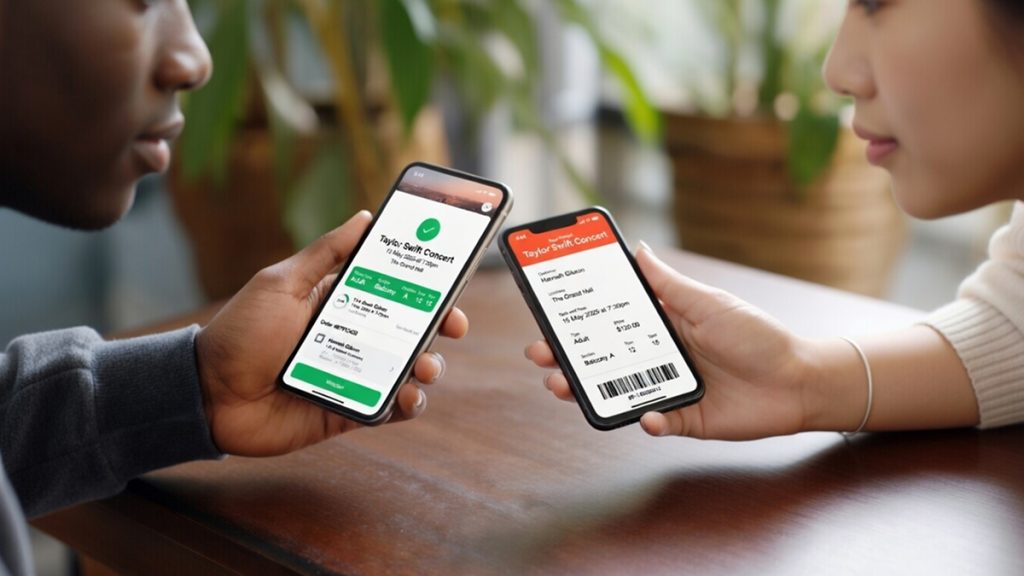
8. Pre-Event Bundling Can Lock in More Revenue Before Your Event Opens
Through your chosen event ticketing platform, offer some of these perks and options at the point of sale during the ticket purchasing processing.
Bundling is powerful, i.e. selling ticket + merch + parking + drink voucher packages at checkout. Fans commit upfront, you get cash flow potentially weeks or months ahead and/or at least a guarantee of revenue, and attachment rates soar because the “deal” feels more valuable.
This can look like many things.
- A fundraiser meal add-on: choose from a small menu of meals to pair with your event ticket.
- A music festival survival kit: t-shirt, water bottle, and tote, with a food and beverage voucher.
- A conference offering premium access: early entry, reserved seating, and access to a premium networking lounge.
- An indie musician: signed poster, vinyl record, and a meet-and-greet after the show.
Consider what your style of pre-event bundles could be and how you can offer more value to your ticket buyers.
9. Offer a 2nd Event for Premium Ticket Buyers Wanting More Value and Perks
Is there a way for you to offer a second premium event in addition to your main event to generate additional revenue?
Offering exclusive, premium ticketed experiences within your larger event is one of the most effective ways to capture additional revenue while elevating your brand. This strategy caters to attendees who crave more than general admission. They want intimacy, recognition, and access that others can’t buy.
Instead of limiting your VIP tier to preferred seating or skip-the-line privileges, think about creating truly immersive, high-value experiences.
- A private dinner with a speaker, performer, or sponsor.
- Sponsor-led tastings or experiences with a specific influencer or associated event partner.
- An exclusive Q&A session with a speaker or hands-on workshop featuring an industry-relevant expert.
- Backstage access, curated receptions, or limited-capacity after-parties.
This type of premium 2nd event builds prestige and deepens audience loyalty by giving your top supporters memorable, story-worthy interactions.
To this extent, package access, amenities, and even merchandise in a way that communicates value without cluttering the offer. Partnering with local high-end brands or venues can also expand what you can deliver while offsetting costs. Most importantly, keep attendance limited so each guest feels personally valued. Scarcity makes access feel more special and drives demand in future years.
Is There A Way to Continue Monetizing an Event After It’s Over? Possibly
Your event’s revenue potential does not have to end when the lights go down. A smart organizer may be able to extend earnings for weeks or months and use this current/past event to promote their next event.
Here are a few ideas that you may be able to put to use to derive more revenue from your event.
- Sell recordings of talks, performances, or behind-the-scenes.
- Many corporate or tech conferences now offer paid archives or membership portals with exclusive content.
- Merch sales doesn’t have stop either. Launch post-event drops with limited “I survived” tees, recap photo books, or artist-signed items via your online store.
Follow-up emails can work wonders at continuing to derive event revenue and to truly maximize your event’s opportunity.
You can opt to share highlights and then upsell, such as, “Missed the VIP lounge? Get the digital version + bonus tracks for $15.” You can focus on retention by building a fan club or offering newsletter with tiered perks (free updates, discounted future tickets, exclusive merch drops).
Many event promoters secure the details for another event (i.e. date, venue, and featured artists) to promote during and after their first, to keep the revenue going and maximize ticket sales for what’s to come.
How Do You Measure Event Revenue Success? The Key Metrics to Monitor
Event revenue can always be improved upon and in that, you must measure. Track these to know if your strategies are working.
- Non-ticket revenue %: Aim for 40%+ of total though many events hit 50-60% with strong diversification.
- Per-attendee on-site spend: Your category of event will dictate how much you can expect for a per-attendee on-site spend. For example, a music festival may target an average on-site spend of $50-80+ while a corporate conferences should target a little lower at $20-50 in add-ons.
- Attachment rates: This is your percentage of ticket buyers buying merch (target 15-30%), food and beverage (target 70-90%), and upsells with a premium ticket or other upper-tier perks you’re offering (target 10-25%).
- Sponsorship ROI for partners: Deliver metrics to your sponsors and partners to secure renewals. For most events, sponsorships may make up as much as 15-35% of revenue but possibly less depending on the category of event you run.
- Overall profit margin: Post-diversification, many events push for a profit of 20-40% net after covering talent/venue costs. Yes, it’s possible.
Do not forget to audit after every event. Compare your data to benchmarks, note what worked and what flopped.
Building Your Best Event Revenue Model: Why Getting More Money is a Must

The diversification of your revenue is not selfish. It is about creating a sustainable event model in a competitive space.
Start where you are: Audit last event’s numbers, pick 1-2 new tactics to experiment with, test rigorously, and measure obsessively. Prioritize attendee experience at all times as happy fans spend more and come back.
To maximize your event revenue, it should not be about increasing the price of tickets. This is precisely why diversification is important. It keeps ticket sales going, keeps ticket prices low, and helps you sell more tickets the more affordable those prices can be maintained.
Your next event can be the one where revenue feels effortless because you’ve built your revenue model right.