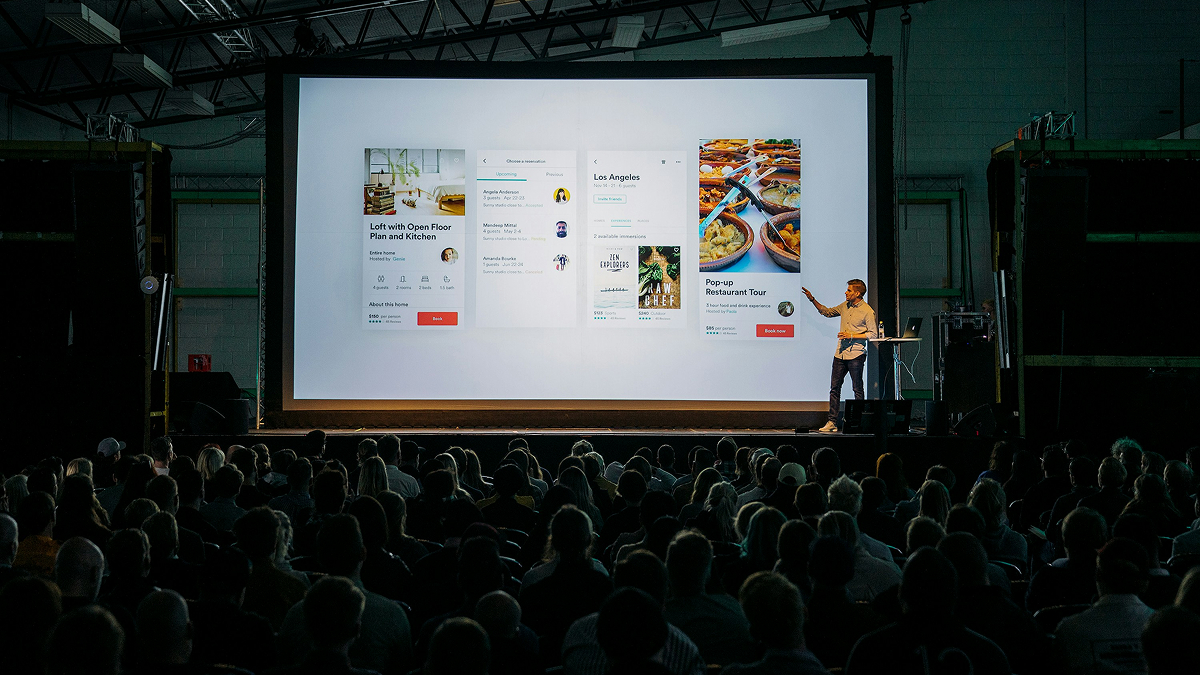
‘Target audience’ is a term often used in event marketing but few event promoters fully know the personas of theirs.
Getting your event in front of the right people is the difference between selling out and staring at empty seats. You can have a brilliant lineup, a beautiful venue, and a strong event ticketing partner, but if your message is aimed at “everyone,” it may end up resonating with almost no one. For event planners, venue managers, promoters, and artists, knowing exactly who you want in the room is one of the most powerful levers you have to grow attendance and revenue.
This guide will help you define who your event is really for, how to find them, and what to do with that knowledge across your marketing, ticketing, and programming decisions. Along the way, you will see how a clearer target audience directly shapes ticket types, price points, marketing channels, and even how you design the onsite experience.
Why Your Target Audience Matters More Than Ever
The events industry is competitive and more fragmented than ever, with audiences bombarded by entertainment options, on-demand content, and limited budgets.
That means you are no longer competing only with similar events, but with everything from streaming services to sports to staying home. Your marketing needs to feel specific, relevant, and valuable to cut through the noise, and specificity starts with a clearly defined audience.
When you understand your target audience, you can make smarter decisions at every stage of event planning and promotion.
Your choice of venue, date, lineup, ticket structure, and marketing message all become easier because you are no longer guessing. You are designing around the needs, habits, and expectations of a clearly defined group of people.
For example, a late‑night electronic show appealing to 18-25 year olds in a city core requires very different timing, transportation messaging, and social content than a Sunday afternoon family festival or a B2B industry summit.
Audience clarity also leads directly to more efficient marketing spend. Instead of boosting generic ads and hoping for the best, you can refine your targeting based on age, location, interests, and behaviors that match your ideal attendees. Tools like Google Analytics, social media insights, and email data make it easier than ever to see which groups are actually engaging with your content and buying tickets, and to double down on those segments.
Finally, a clearly defined audience strengthens your relationships with sponsors, partners, and vendors. When you can articulate exactly who comes to your events, what they care about, and how they spend, you become far more attractive to brands trying to reach that same group.
What is a Target Audience? Here’s What to Know

Your target audience is the specific group of people who are most likely to buy tickets, attend, and derive value from your event, simply put.
It is not just a demographic label like “millennials” or “business professionals.” Instead, it is a mix of demographics, psychographics, behaviors, and needs that together describe a coherent group.
At a basic level, this includes attributes such as age range, location, income level, and profession. A jazz festival might primarily target adults aged 35–65 within driving distance, with mid to higher disposable income, while a college indie night is more likely to center on 18–24‑year‑olds near specific campuses with student budgets.
But the most effective event marketers go beyond demographics into motivations, values, and behaviors.
Psychographic traits help you understand why someone attends. Are they there to discover new artists, to network for business, to support local culture, or to enjoy a premium VIP experience?
Then, there are behavioral traits that look at how they engage: do they buy early‑bird tickets, follow your social channels, or only attend when friends are going? When you combine these layers, you get audience profiles that are actually useful for creative, pricing, and promotional decisions.
For example, let’s say you are promoting a local metal festival. Instead of saying “our audience is rock fans,” you define a core profile: 22–40‑year‑old heavy music fans within 200 km of the venue, who actively attend live shows, follow bands on Instagram and TikTok, often travel for festivals, and value community and authenticity over polished production.
That level of detail immediately suggests which channels to prioritize, what kind of content to create, and which ticket options to offer.
Mine Your Ticket Sales Analytics and Existing Event Data
Before you dive into new research to try and carve out a precise and detailed definition of a target audience, one of the richest sources of insight is your existing attendee data.
Your past events are essentially a live test of who your current audience is and how they behave. If you are already using a platform like Ticketscene, you likely have access to buyer information, sales curves, and basic location data that can be turned into real insight with a bit of analysis.
Start by looking at where your attendees come from. Are most buyers local, or are people traveling from other cities or provinces to attend? This informs how heavily you focus on local street‑level promotion versus regional digital campaigns.
Then look at the timing and volume of sales: do you see strong early‑bird uptake, or do most sales come in the last week? That pattern says a lot about your audience’s risk tolerance, planning style, and responsiveness to urgency messaging.
If you have multiple ticket tiers, examine which ones sold fastest and which underperformed. Did VIP consistently sell out while regular tickets lagged, or vice versa? That helps you understand not only price sensitivity but also appetite for added value like preferred seating, meet‑and‑greets, or bundled merch.
You can also compare performance by event type or lineup to see which genres, formats, or themes draw the strongest response from your base.
Layer on qualitative insight whenever possible. Post‑event surveys, simple polls on social media, and email feedback can reveal why people chose your event, what they enjoyed most, and what nearly stopped them from buying.
When a significant portion of respondents mention discovery of new artists, for example, you know to highlight that aspect more in your marketing for similar events. Conversely, if many people say they only attended because friends were going, you might push referral codes or group discounts to amplify that behavior.
The goal is not to build a perfect picture overnight but to begin spotting patterns in who actually supports your events today. That becomes your foundation for deciding whether to double down on the same audience or deliberately evolve into a new one over time.
Demographics, Psychographics, and Behavior: Your Target Audience Pillars

The three main lenses through which a target audience definition is built are demographics, psychographics, and behavior. Together, these give you a multi‑dimensional view that is far more powerful than a simple age bracket.
Demographics
Demographics cover the basics: age, gender, location, income level, education, and profession.
For events, geography is especially important, because it affects everything from marketing channels to start times and transportation messaging. A suburban family audience has different parking, scheduling, and pricing expectations than downtown nightlife regulars or corporate professionals. Income is equally critical when you are setting ticket prices, VIP tiers, and on‑site spending opportunities.
Psychographics
Psychographics dig into values, interests, and lifestyle traits.
Are your ideal attendees highly career‑driven, community‑oriented, eco‑conscious, scene‑obsessed, or status‑motivated? A sustainability conference, for example, will resonate strongly with attendees who value environmental responsibility, so your messaging might emphasize low‑waste practices, green partners, and impact. A hip‑hop showcase built around emerging local talent might speak more to authenticity, cultural pride, and discovery.
Behavior
Behavioral data focuses on how your audience interacts with your brand and similar events. Do they usually buy early‑bird tickets, or are they last‑minute purchasers? Are they highly engaged
n social media, or do they respond better to email and SMS? Have they bought from you multiple times on Ticketscene, or are they new to your ecosystem?
Understanding these patterns lets you tailor not only your messaging but also your sales strategy, such as when to open presales, how aggressively to push scarcity, and whether to reward repeat buyers with loyalty perks.
As you build out these three pillars, your target audience definition should start to feel like a real person or small cluster of people you can picture clearly. That level of clarity is what makes your creative, your ad targeting, and even your ticket setup feel sharper and more consistent across the board.
Audience Personas for Your Event: Create Your Own

Audience personas are data‑informed profiles that represent key segments of your ideal attendees. They are widely used in event and marketing strategy because they force you to translate abstract data into something human and relatable.
Instead of marketing to “music fans,” you market to “Jordan, 29, lives in downtown Toronto, spends most weekends at shows, follows local venues on Instagram, and is always looking for new artists to discover.”
To build useful personas, start by grouping your existing data and observations into clusters that share similar traits. One persona might be young early‑adopters who buy tickets as soon as the lineup drops, while another might be older, higher‑income attendees who prioritize comfort and premium experiences. A third might be casual fans who only buy when a big headliner or strong social proof is present. Each persona should include basic demographics, key motivations, common objections, preferred channels, and what “success” looks like for them at your event.
For example, suppose you manage a mid‑size venue booking a mix of tribute acts, local bands, and touring artists.
- You might define one persona as “The Loyal Local”: 35–50, lives within 30 minutes, values supporting local talent, checks Facebook events regularly, and often brings friends along.
- Another persona could be “The Genre Purist”: 25–40, willing to travel for specific genres, follows bands and festivals on Instagram and TikTok, and buys tickets primarily based on lineup credibility.
- You may have a third and fourth persona prepared as well based on other target audience data you have accumulated.
Your content, timing, ticket bundles, and even bar offerings can be adjusted differently for each of these personas.
Over time, you can refine your personas, retire ones that no longer fit, and create new ones as your audience evolves. This is not a one‑time exercise. It is an ongoing part of how professional promoters and venues manage their event portfolios.
Why Segmenting Your Ticket Buyers is Better Than Marketing to Everyone
Even with clear personas, it is rare that a single event only has one type of attendee.
Most successful promoters and event organizers think in terms of segments: distinct groups within the overall audience who need slightly different messaging, offers, or experiences. Segmenting lets you stay focused while still accommodating the reality that your crowd is diverse and multifaceted.
You can segment by industry, interest, experience level, spending power, or engagement pattern.
A business conference, for example, might have segments for C‑suite executives, mid‑level managers, and vendors, each with a different reason for attending and a different ideal agenda. A festival might segment superfans who attend every year, casual locals who dip in for one day, and destination travelers who turn your event into a weekend trip.
For each segment, you can develop slightly tailored marketing angles and ticketing structures. For example, superfans might get first access to early‑bird pricing and exclusive merch bundles, while casual fans see messaging focused on headliners and social experiences.
When done well, segmentation does not create more work for its own sake; it helps you avoid the generic, watered‑down messaging that underperforms. Instead, each segment feels like you are speaking directly to their needs and motivations and that is what drives them from interest to ticket purchase.
How Research Can Identify and Validate a Target Audience for Your Event
Once you have a working idea of your event’s target audience, the next step is to validate that picture with real research.
Relying only on intuition or assumptions is risky; the most successful event planners and promoters pair gut feeling with data and feedback.
A simple but powerful approach is to blend primary research (asking your own audience directly) with secondary research (learning from the broader market and competitors). Together, these help you confirm whether your audience definition reflects reality and where you may be overlooking valuable segments.
Primary Research
Primary research starts with surveys, polls, and interviews.
Post‑event surveys are especially valuable because you are asking people who actually attended why they showed up and what mattered most. Include questions about how they heard about the event, what convinced them to buy a ticket, what nearly stopped them, and how they would describe the experience to a friend.
For digital‑first audiences, quick polls on Instagram Stories, TikTok, or email are an easy way to gauge interest in potential lineups, formats, or add‑ons. Longer‑form interviews with a handful of representative attendees – such as superfans, VIP buyers, or sponsors – can reveal deeper motivations and frustrations that a multiple‑choice form cannot capture.
Secondary Research
Secondary research focuses on the broader ecosystem your event operates in.
Look at similar events in your city or niche and study who attends, how they market themselves, and what language they use to describe their audience. Pay attention to reviews, comments, and user‑generated content to see which types of people talk about those events. Industry reports, venue stats, and tourism or city data can also offer insight into local demographics, spending patterns, and entertainment preferences.
If you are working in a niche like underground music, esports, food festivals, or professional conferences, there is often a wealth of published insight on audience behaviors and trends that you can apply to your own planning.
What Questions to Ask Your Target Audience to Learn More

To get meaningful insight from surveys and conversations, you need to ask the right questions. Focus on: value, barriers, discovery, and preferences.
Value
Ask attendees what they enjoyed most about the event and what made it worth the price of admission. Their answers might highlight specific elements such as the lineup, production quality, networking opportunities, food and drink, or the overall vibe.
When you see patterns – like repeated mentions of “discovered new artists,” “met new clients,” or “perfect for a night out with friends” – you know which benefits to emphasize in your marketing to similar audiences.
Barriers
Next, dig into barriers and objections. Ask what almost stopped them from attending or what would make them hesitate to come again. Common answers might include ticket price, travel distance, lack of information, safety concerns, inconvenient dates, or not having anyone to go with.
These barriers directly inform how you tailor messaging, adjust pricing, offer group deals or 2 for 1 tickets, improve event info pages, or tweak scheduling for future editions. When you understand the friction points for each segment, you can proactively reduce them in your marketing and planning.
Discovery
Discovery questions are about how they found you. Ask which channels they used to hear about the event—Instagram, Facebook, TikTok, email, search engines, word of mouth, local media, or venue calendars. This tells you where your current audience lives digitally and where your promotion is landing.
You may discover that a large portion of your attendees heard about the event from a specific artist’s social media, a local newsletter, or a particular platform. That knowledge can shape your future promotional partnerships and ad spend.
Preferences
Finally, ask about preferences and expectations. What type of events do they attend most often? What days and times do they prefer? Are they more interested in headliners or in curated lineups? Do they want more VIP options, more budget‑friendly tickets, or improved accessibility?
These answers help refine your event concept and experience for your target audience, while also revealing potential new segments you have not fully developed yet.
Common Target Audience Mistakes and How to Avoid Them
Even experienced event professionals fall into predictable traps when it comes to identifying target audiences.
One of the biggest mistakes is being too broad or vague. Add layers. The more specific you can be without losing relevance, the better your targeting and messaging will perform.
Another is outright copying another event’s audience strategy without considering your unique context. Just because a similar festival or venue appears to target a certain demographic does not mean that is the right fit for you. Their history, brand, location, and resources may be very different. Use competitor research as inspiration, not a blueprint. Always cross‑check audience ideas against your own goals, data, and feedback.
Many organizers also fall into the habit of ignoring data in favor of assumptions. If your data shows that a particular segment consistently buys tickets and engages with your content, but you keep aiming your main messaging at a different group, you are fighting against reality.
Finally, a big mistake is treating audience work as a one‑time exercise rather than an ongoing process. Cities change, scenes evolve, platforms rise and fall, and people’s habits shift. The audience that filled your venue five years ago may have aged out, moved, or shifted their interests. Build a habit of revisiting your event target audience annually or even per season.
Know Who You’re Inviting to Your Event with a Defined Target Audience

Identifying your event’s target audience is the foundation of everything you do as an event promoter. When you know who your event is for, you can design experiences that feel intentional, allocate budgets more efficiently, attract stronger sponsors, and sell more tickets with less guesswork. From defining demographics, psychographics, and behaviors to building personas, segmenting your audience, and aligning ticketing, pricing, and experience, each step helps you move from vague hope to focused strategy.
The core journey is straightforward: clarify your goals, study who is already showing up, deepen your understanding through research, and translate those insights into concrete decisions across marketing, ticketing, and production.
Avoid the trap of trying to please everyone. Instead, commit to serving the right someones incredibly well.
As you practice audience‑first planning over multiple events, your understanding of your crowd will sharpen, your offers will become more compelling, and your events will feel less like one‑off projects and more like essential moments for a clearly defined community.
The next time you sit down to plan an event, start with a simple question: Who is this really for?
Once you can answer that in detail, the path to selling tickets and delivering a memorable experience becomes much clearer.