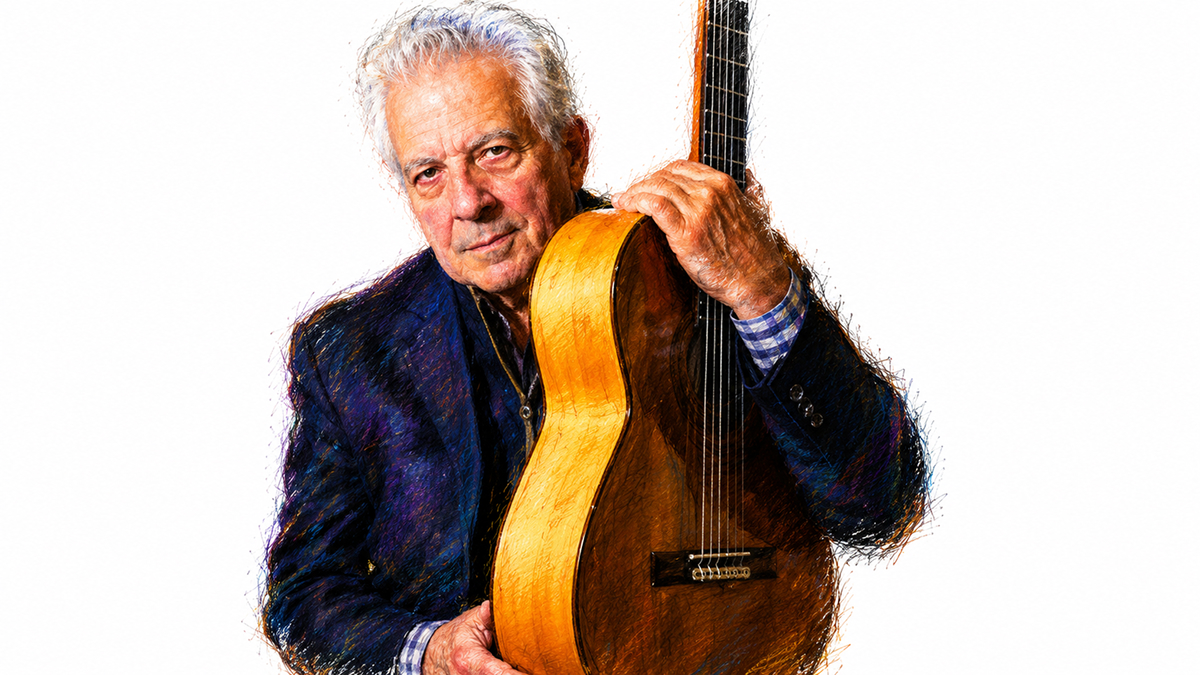
Gary Santucci is an Owen Sound, Ontario-based guitarist, composer, educator, and arts advocate whose career has spanned performance, teaching, and community building. Trained first at the Royal Hamilton College of Music and later in classical and flamenco guitar in Spain, Santucci has built a reputation for bringing those traditions into local music circles while developing an original voice of his own.
An Accomplished Guitarist and Composer
Born and raised in Hamilton, Ontario, Gary Santucci became hooked on music through his parents’ vinyl collection in the 1960s.
He learned his first chords on a Sears Silvertone electric guitar, a gift from his father. He attended Catholic boys’ school and worked part-time at the iconic Chicken Roost alongside his friend Cha (Charlie) Chiarelli. Reflecting on those early years, Gary often wonders how it all happened so quickly.
Trained at the Royal Hamilton College of Music and later in classical and flamenco guitar with maestros in Valencia, Spain, Gary Santucci discovered how to blend traditional techniques with his own distinctive original voice.
Upon returning to Hamilton, Ontario, he set out to share the styles and techniques he had studied abroad while helping to nurture a vibrant local music scene.
Santucci would go on to found the Levantine School of Music, which quickly grew beyond a simple teaching studio into a vital gathering place for musicians and a launching pad for young artists who would go on to professional careers.
He also taught on the Faculty of Music at Mohawk College, worked extensively in continuing education, served on the college’s Music Advisory Committee, and hosted a number of radio broadcasts, extending his influence far beyond the stage.
Santucci’s impact on Hamilton’s music culture is significant. He created initiatives such as the Musicians in the Schools Project for the Hamilton-Wentworth Separate School Board and co-founded Stardust on Duke, a pioneering restaurant and jazz club that became a beloved hub for musicians and jazz enthusiasts.
As an arts community activist, he played key roles in projects including “Vision 20/20,” “Urban Dwellers,” and “Arts Alive.”
His contributions have been recognized with the City of Hamilton Arts Award for Music and the Italian Cultural Award Lifetime Achievement (shared with Pearl Company co-founder Barbara Milne).
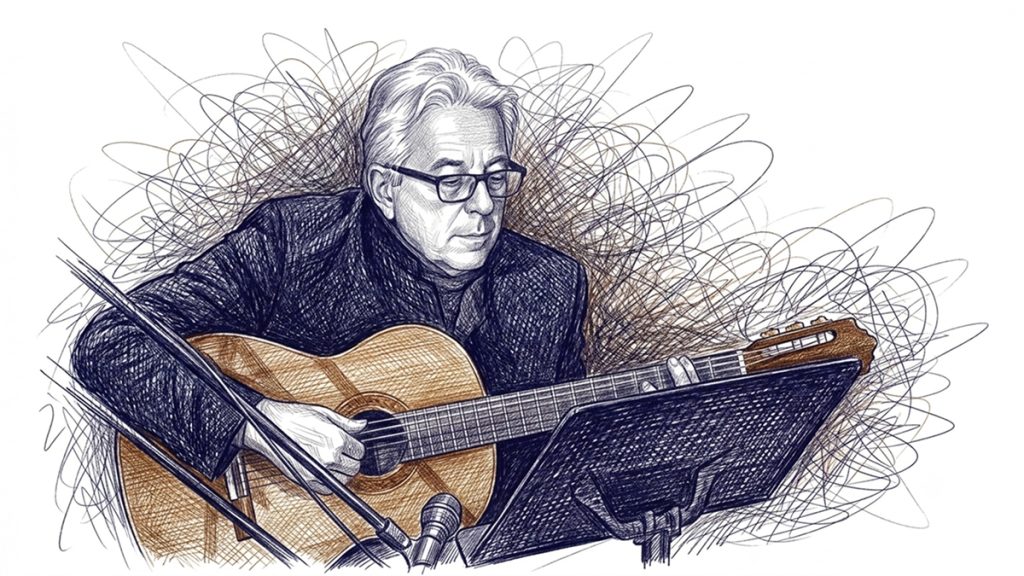
What Gary Santucci Has Been Up To Lately: A Move Away from Hamilton and to Owen Sound
As a guitarist and performer, Gary Santucci has collaborated with musicians from around the world, including artists from India, China, Spain, and South America.
Prior to the COVID-19 interruption, he formed Zarabanda, a euro-jazz sextet featuring his original compositions that reflected his wide range of musical passions. He plans to resurrect this world-beat ensemble in the near future.
Today, Gary continues to practice daily, compose, edit, perform, and record from his new home on the Bruce Peninsula. There, he has been warmly welcomed into a vibrant community of musicians and artists.
The move to Owen Sound has given him space to reassess and renew his deep love for classical guitar. Grateful for his health and the gifts of family, friends, community, good food, fresh air, and exercise, he is refocusing on personal goals: performing, composing, and collaborating on new and interesting projects.
These include revisiting the roots of classical guitar while incorporating new ideas with vocals, historical works (such as L’Ottocento and the World on a String concert currently in development), a new CD titled Santucci Solo II – ‘Sa’ (featuring Indian ragas), and teaching classical guitar techniques.
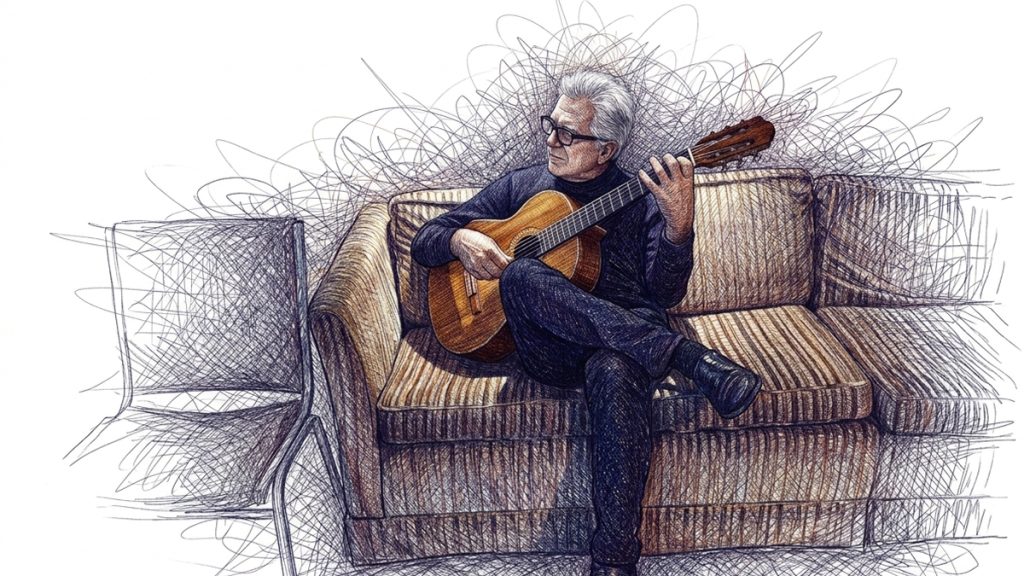
Ticketscene’s Interview with Gary Santucci
In early June of 2026, Ticketscene had the privilege of sitting down with Gary Santucci to discuss a wide variety of topics surrounding his style, experience, and career.
Q: What sparked your initial passion for guitar, and how did your time at the Royal Hamilton College of Music shape your early style?
GARY: My initial passion for guitar was sparked by my parents’ vinyl record collection. I would listen for hours to all kinds of music. My time at the Royal Hamilton College of Music was an important introduction to the possibilities of a career in music and helped shape my early style.
Q: You mentioned how your early experiences with your parents’ vinyls and time at the Royal Hamilton College of Music opened up career possibilities. Can you describe your transformative experiences studying classical and flamenco guitar in Spain?
GARY: Studying in Spain was truly transformative. I trained with two outstanding maestros: El Chufa for flamenco and Patricio Galindo for classical guitar. I immersed myself in Spanish culture, learned the language, and absorbed the rich musical traditions. I was also deeply influenced by great artists such as Andrés Segovia, Julian Bream, Nino Ricardo, Paco de Lucía, Baden Powell, and Django Reinhardt.
Q: You talked about training with maestros like El Chufa in flamenco and Patricio Galindo in classical, along with influences such as Andrés Segovia, Paco de Lucía, and Django Reinhardt. Who were the key musical influences, local or international, that guided your blend of traditions?
GARY: My key influences came from both local and international sources. Internationally, the masters I studied under in Spain and the great artists I mentioned earlier had a huge impact. Locally, the Hamilton music scene also played a role in helping me blend classical, flamenco, and other traditions into my own unique style.
Q: Building on those international influences, how did you first bring flamenco and classical elements into Hamilton’s music scene upon returning home?
GARY: Upon returning to Hamilton, I began teaching and performing anywhere and everywhere I could. I actively introduced flamenco and classical elements into the local music scene through concerts, workshops, and teaching opportunities.
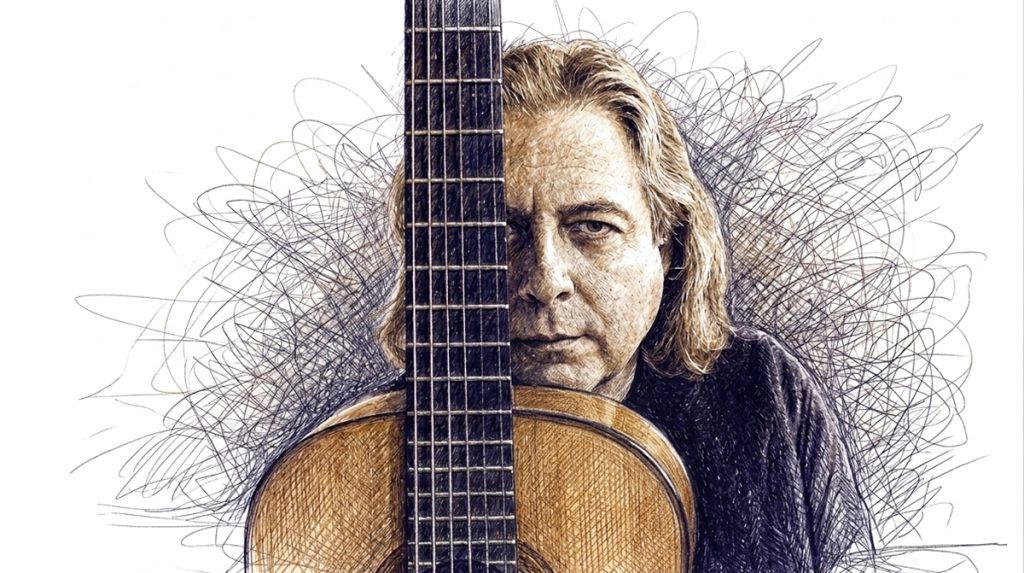
Q: You described teaching and performing anywhere and everywhere when you returned. What stands out about performing with international collaborators from India, China, Spain, and South America?
GARY: Performing with international collaborators from India, China, Spain, and South America has been incredibly rewarding. Working with artists like Rajkumar Rizvi and Mila Lee (with possible future collaborations) has enriched my music and created memorable cross-cultural experiences.
Q: You mentioned collaborations with artists like Rajkumar Rizvi and Mila Lee. With ensembles like Zarabanda, how do you craft original euro-jazz compositions that reflect your global influences?
GARY: With ensembles like Zarabanda, I craft original euro-jazz compositions by bringing in elements of classical and flamenco form, creating interesting harmonies, and developing strong melodies. The sound remains modern while keeping traditional elements and leaving plenty of room for improvisation.
Q: You explained how you bring elements of form, create harmonies, develop melodies, and leave room for improvisation. What’s your most memorable live performance, and what made it special?
GARY: My most memorable live performance was in 1980, playing the Heitor Villa-Lobos Guitar Concerto No. 1 with the McMaster University Symphony Orchestra at Convocation Hall. It was a bucket-list achievement that took two months of intense practice. Although I only made $200, it was a huge accomplishment and taught me valuable lessons about the music business. That performance changed my direction, leading me to focus more on creating and performing original music.
Q: That Heitor Villa-Lobos Guitar Concerto performance sounds like a major turning point. How did the Levantine School of Music Hamilton evolve from a teaching space into a hub for emerging talent?
GARY: The Levantine School of Music Hamilton started in 1978–81 as a guitar school open to all ages and interests. I also taught offsite at nine elementary schools. Over time, it evolved into a hub for emerging talent by providing consistent training and performance opportunities for students of all levels.
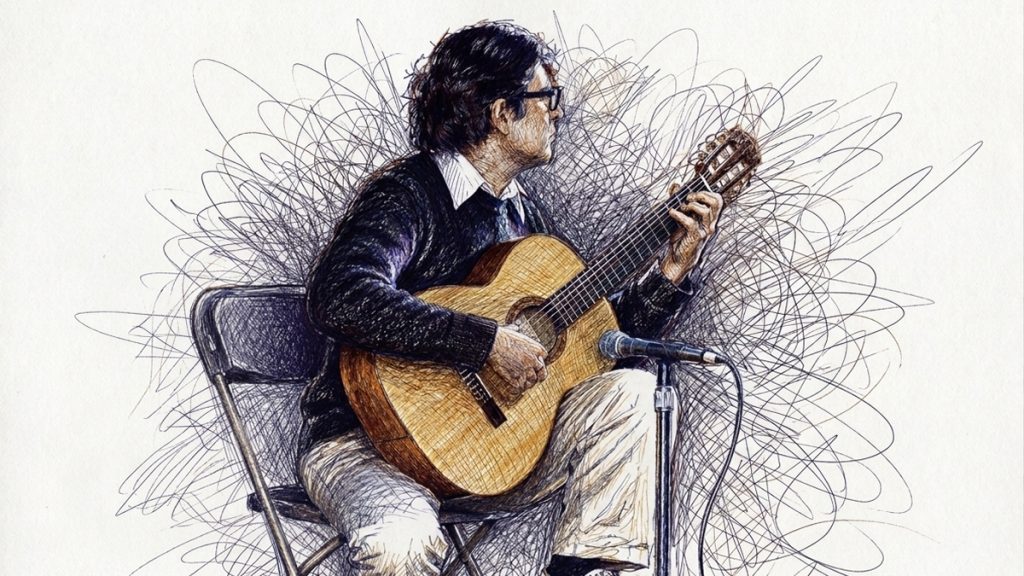
Q: You ran the guitar school from 1978–81 and taught at elementary schools. What changes have you seen in music education during your time at McMaster University and on Mohawk College’s Faculty of Music and Advisory Committee?
GARY: During my time at McMaster University and on Mohawk College’s Faculty of Music and Advisory Committee, I unfortunately witnessed government cuts that led to the discontinuation of several strong programs, even after they had produced many wonderful artists.
Q: You noted the unfortunate government cuts that discontinued programs. Through projects like Musicians in the Schools, how has mentoring young artists impacted your own creativity?
GARY: Mentoring young artists through projects like Musicians in the Schools has been very rewarding. It helped me distill my own philosophies and refine my skills while transferring knowledge to students, which in turn boosted my own creativity.
Q: You mentioned that mentoring helped distill your own philosophies. What inspired you and Barbara Milne to create The Pearl Company, and how did it grow despite challenges?
GARY: In 2006, Barbara Milne and I created The Pearl Company because we saw the need for a dedicated space for music, theatre, and fine art in downtown Hamilton. It was an artist-run venue with a unique, organic vibe. Despite never being a big money-maker, it grew through word of mouth and developed a strong reputation as a popular gathering place for artists.

Q: You described The Pearl Company as an artist-run space with organic growth. How does The Pearl Company support Hamilton’s interdisciplinary arts scene today?
GARY: Although The Pearl Company is now closed, its legacy continues to support Hamilton’s interdisciplinary arts scene by demonstrating what’s possible when artists create and run their own spaces.
Q: Despite its closure, Stardust on Duke became a jazz landmark. What role did it play in fostering local and regional musicians?
GARY: Stardust on Duke became a true landmark because it was the only bar in the area that operated seven days a week. It gave local and regional musicians a consistent place to perform, prove their chops, and build community, both on performance nights and during off nights.
Q: With initiatives like Vision 20/20 and Arts Alive, what drove your arts activism in Hamilton?
GARY: My arts activism in Hamilton through initiatives like Vision 20/20 and Arts Alive is driven by frustration with failed arts and culture politics and what I saw as corruption in how arts funding and support were handled in the city.
Q: You’ve spoken about failed arts and culture politics in the city. Winning Best Classical Musician, the City of Hamilton Arts Award, and a Lifetime Achievement honor. what do these mean to you?
GARY: Winning Best Classical Musician, the City of Hamilton Arts Award, and a Lifetime Achievement honor is nice recognition, but it feels bittersweet in my case. While being celebrated, I’ve also faced ongoing turmoil with city zoning issues.
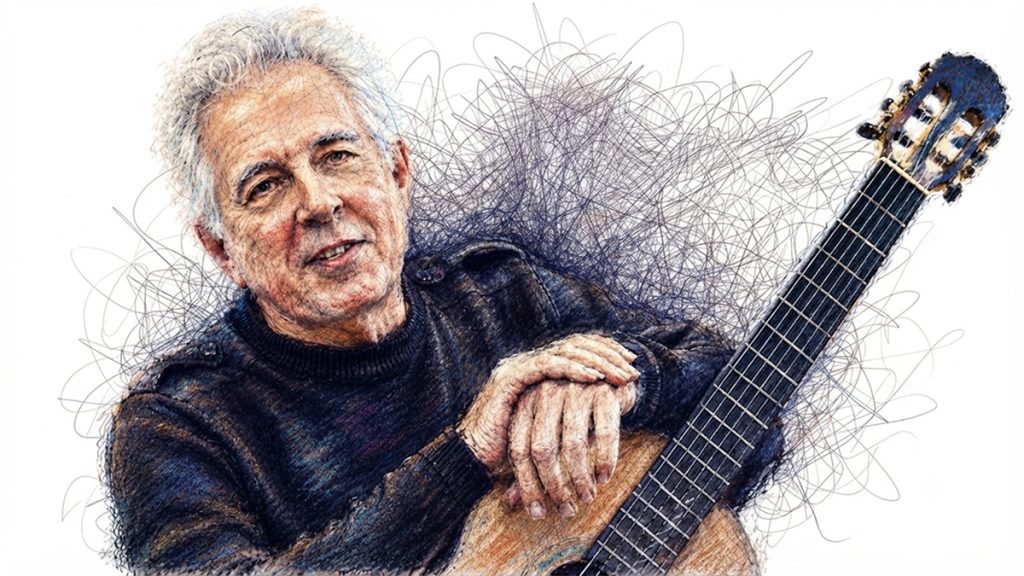
Q. You mentioned the recognition feels bittersweet due to ongoing issues with city zoning. Walk us through composing for Zarabanda. How do your flamenco roots meet jazz improvisation?
GARY: When composing for Zarabanda, my flamenco roots are central to the themes and content. I blend that foundation with jazz improvisation, allowing the technical precision of flamenco to inform the structure while giving space for spontaneous jazz expression.
Q: You explained that flamenco technique was key to your themes and content. What’s your approach to balancing performance, recording, and teaching in a busy career?
GARY: I balance performance, recording, and teaching by keeping a clear and specific focus for each area. This helps me stay organized and fully present in whatever I’m doing at the time.
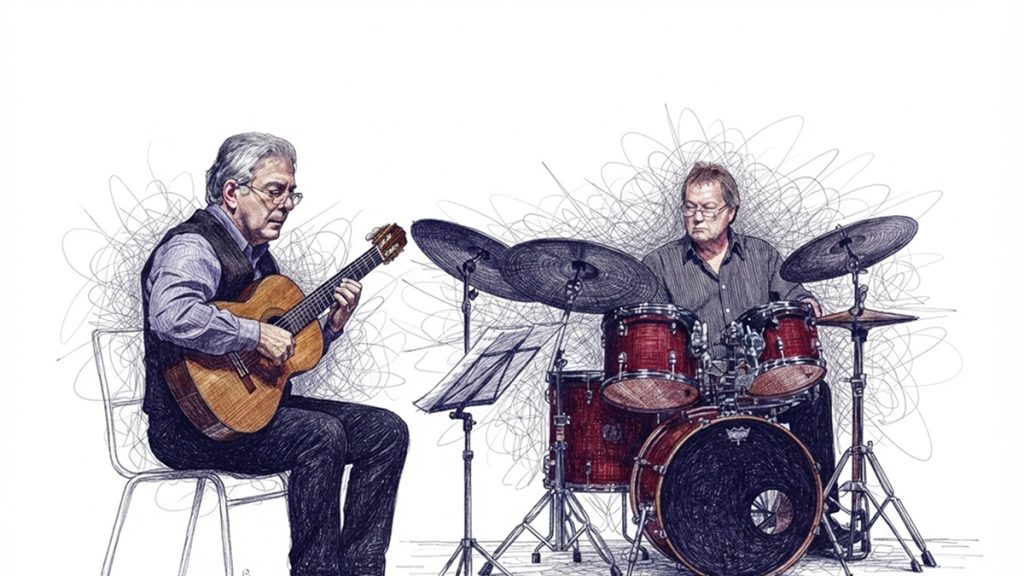
Q: You focus specifically on each area. Have recent global events shifted your songwriting themes, like in Seasonal Songs of Hope & Joy?
GARY: Yes, recent global events have influenced my songwriting. After leaving Hamilton, I had the opportunity to create seasonal music programming with a vocal artist for the first time. “Seasonal Songs of Hope & Joy” is a great show that works anywhere. In light of world conflicts and uncertainty, the music emphasizes building bridges, fostering hope, and creating sensitivity.
Q: You noted that leaving Hamilton gave you the chance to explore seasonal music programming. What were the biggest hurdles turning The Pearl Company into Hamilton’s voted-best theatre?
GARY: The biggest hurdles were politics and funding. Despite those challenges, The Pearl Company was voted best theatre through the dedication and organic support of the artistic community.
Q: You pointed to politics and funding as major challenges. How do you keep innovating after decades in music and arts leadership?
GARY: I keep innovating through perseverance, a lifelong pursuit of knowledge, and by remaining a passionate student of music myself and the possibilities of the guitar.
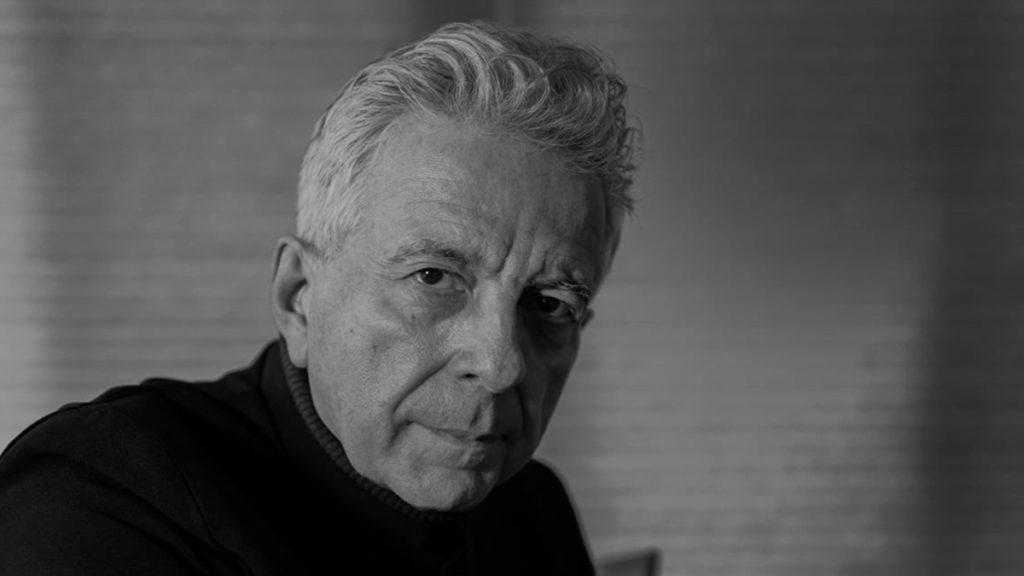
Q: You emphasized perseverance and remaining a passionate student. What’s next for you, is it new recordings?
GARY: Next, I’m focusing on developing my musical presence in the Grey Bruce area. I want to build relationships with audiences there and present my own original works that are interesting and unique. I have performed a few classical guitar concerts and a one-man drama here already. I have a new show coming up in June with guitar and voice called Santucci and Hollin where we will perform some classic favourites.
Q: You’re focusing on developing your musical presence in the Grey Bruce area. What advice would you give young musicians dreaming of a similar path?
GARY: My advice is to truly understand yourself and why you love making music. Be realistic about whether it will translate into a successful living. Be aware of the consequences of your decisions, because society’s values may often clash with an artist’s values.
The next time you can catch Gary Santucci is a free event at 10 am on Sunday, October 4th for Hiking in Harmony at Dufferin Hi-Land Club near Mono Cliffs Provincial Park. See more details here.