Choosing the right event date is one of the most important decisions in event planning. It shapes attendance, production risk, sponsor value, and overall guest experience before a single ticket is sold.
In practical terms, the best date for an event is not just the first open slot on the calendar. It is the date that aligns with audience availability, seasonal weather patterns, local competition, travel behavior, and the event’s commercial goals. A smart event timing strategy can lift registrations, reduce last-minute cancellations, and make the event easier to market because the date itself becomes part of the value proposition.
Choosing the right event date requires evaluating three key factors: weather, holidays, and day-of-week patterns. This means understanding how weather conditions can impact turnout, identifying which holidays to avoid or leverage, and using data on the best days of the week to host events.
By analyzing these variables together, you can make more informed scheduling decisions that improve attendance and overall event performance.
Need An Event Date? Start With Your Audience
The first step in how to choose an event date is to think about who must be able to attend, not just who you hope will attend.
A date that works for one audience can be a poor choice for another, which is why the same calendar day may produce very different results for a conference, concert, music festival, fundraiser, family-friendly event, and/or private celebration.
Event platforms and scheduling guides consistently emphasize reviewing prior turnout, audience habits, and calendar conflicts before locking in a date, because attendance often improves when the timing matches the real availability of the target group.
A useful way to narrow down when to host an event is to ask three questions:
- Who is the event for?
- What are they likely doing that week?
- How far will they travel?
Local events often do better on days that reduce friction, while destination or marquee events may benefit from a weekend or holiday period when travel is easier. This is where event scheduling best practices matter: the date should support the audience’s behavior, not fight against it.
When building a broader event planning framework, treat audience availability as your primary filter and all other factors – like weather, competition, and logistics – as secondary. For example, a weekday lunchtime seminar may suit professionals with structured schedules, while a Saturday evening event is often more effective for families or social crowds.
Aligning your event format with how your audience actually lives and plans their time is one of the most reliable ways to improve attendance and overall event success.

Weather Can Shape Demand Around An Event
Weather is one of the most underrated drivers of event date vs. attendance because it influences both the willingness to attend and the operational risk of delivering the experience.
Outdoor events, in particular, need outdoor event weather planning that considers historical conditions, forecast reliability, heat, precipitation, wind, lightning, and even evacuation logistics. For example, thunderstorms are common enough in the U.S. to require real-time monitoring, and it recommends using historical weather data plus forecast checks close to event day because forecasts more than three days out can be unreliable.
For many markets, the best months for events are not the hottest or coldest months, but the shoulder seasons when weather is more predictable and comfortable.
In Ontario, for example, climate summaries show May through September generally offers warmer conditions, with July and August among the highest-demand summer months, while late fall and winter bring colder temperatures that can limit outdoor activity and affect turnout. That pattern helps explain why many festivals, markets, and outdoor performances concentrate in late spring, summer, and early fall.
Weather also matters for indoor events because travel behavior changes when roads are poor, temperatures are extreme, or storm conditions threaten the journey.
If you are planning a ticketed event with significant travel distance, the date should be evaluated against seasonal weather risk in the same way you would evaluate venue capacity or budget. In other words, how weather affects events is not only about whether the event can happen but also about whether people can comfortably get there and feel good about committing in advance.

Hosting An Outdoor Event? Here is Your Event Date Timing Strategy
For outdoor events, the date should be selected with a risk profile, not a guess.
The strongest event scheduling tips for outdoor formats usually combine historical climate averages, venue-specific exposure, crowd evacuation options, and vendor contingency planning. A large park, for instance, may be easier to use than a tightly packed urban footprint in fair weather, but parking, shelter, and lightning protocols may be very different and can affect both safety and guest satisfaction.
One practical approach is to compare a few likely dates and score them by rainfall risk, temperature comfort, daylight, and backup-plan complexity. That makes choosing event day and time more systematic, especially when the event depends on outdoor seating, stage production, or food service. It also helps you make a better call on whether the best weekend for events is an early-summer Saturday, a fall Sunday, or an indoor shoulder-season date that carries less weather risk.
It’s also important to note that a date with better weather odds can support better photography, more pleasant dwell time, fewer refunds, and stronger social sharing because guests tend to stay longer when the environment feels comfortable.
That is why outdoor event weather planning belongs at the same level as ticket pricing and marketing timing, not after them.
How Do the Holidays Impact What Date You Choose For An Event?
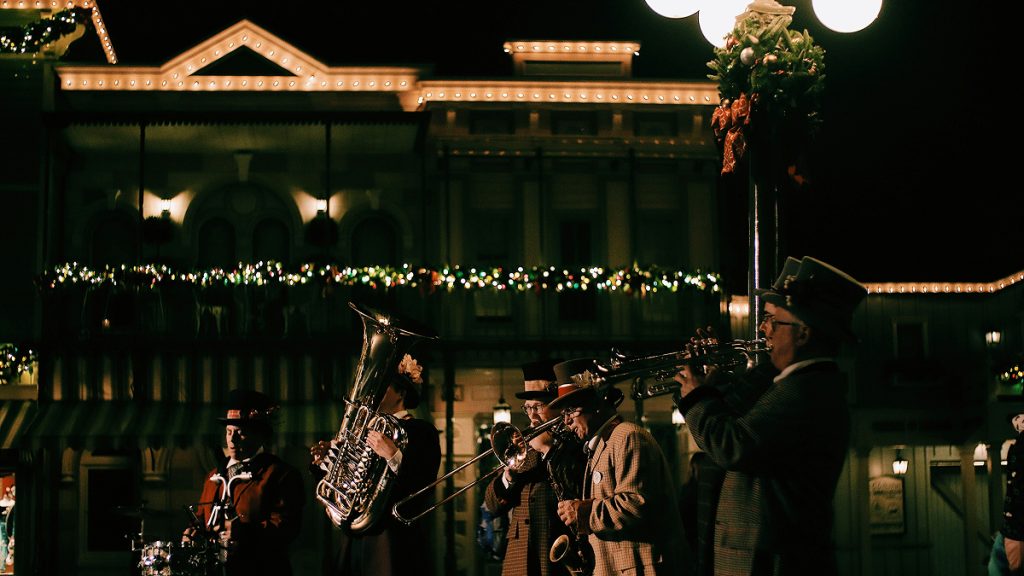
Holiday timing is a double-edged sword in event date planning. Certain holidays create built-in traffic for consumer events, retail activations, festivals, parades, light shows, and seasonal entertainment, while other holidays suppress attendance because people travel, spend time with family, or have competing obligations.
In many cases, public holidays and school holidays can sharply reduce attendance for many event types because audiences are often away from normal routines.
This is where the phrase event planning holidays calendar becomes especially important. You should not just check national holidays. You should also review school breaks, religious observances, long weekends, and local civic events that could create attendance conflicts or transportation strain.
Inclusive scheduling guidance recommends building a calendar that includes a broad range of religious observances, including floating holidays that move each year, because missing those dates can unintentionally exclude part of the audience.
Holidays can drive strong attendance when the event aligns with the season and audience mindset, but they can also underperform if they compete with travel plans, family commitments, or major celebrations.

When to Avoid Holidays When Picking An Event Date
The safest rule for how to pick event date decisions is to avoid major holidays unless the event concept is explicitly designed for that period.
For example, family-friendly seasonal attractions may benefit from school breaks, but business networking events, conferences, and training sessions often suffer when scheduled on or near major holiday windows because the audience is mentally and physically elsewhere. That is why many planners use a best date for an event test that starts with “What else is happening that week?” before asking “Is the venue available?”
A strong holiday filter should include the days immediately before and after a holiday, not just the holiday itself. A long weekend can pull attendees out of town, reduce lead time for marketing, and complicate vendor staffing, especially in markets where travel surges are common.
On the other hand, a carefully placed event early in a holiday season can benefit from higher mood, more social activity, and a stronger willingness to spend, which is why some holiday events are launched well before the peak dates.
The business lesson is simple: holiday timing is not inherently good or bad but it is contextual. If your event depends on predictable attendance, short travel distances, or a professional audience, avoid holidays for events unless the event is specifically holiday-themed. If your concept is seasonal entertainment, the holiday calendar may become a revenue engine instead of a risk factor.

What Day of the Week Do I Pick For My Event Date?
The best day of week for events depends on format, audience, and the level of commitment required, but data from attendance studies and venue behavior makes one point clear: day-of-week choice can materially affect turnout.
A 2026 attendance summary reported that midweek events, especially Wednesday and Thursday, often achieved the highest average attendance across event types, while Friday showed a notable drop due to fatigue and competing social plans.
Separately, a Doorkeeper study cited by Eventbrite found that events held on Monday filled 75 percent of seats, while Saturday events filled 66 percent, although that result was not broken down by event type.
This does not mean Wednesday is always the answer. It means that peak event days vary by audience and event purpose, and that weekday selection should be tied to behavioral patterns rather than assumptions.
For local leisure and entertainment venues, weekend traffic can still be very strong, with one industry report showing Saturday evening as the busiest window for a wide majority of venues. That kind of pattern reinforces why the best weekend for events is often a strong option for consumer-facing experiences even if midweek wins in some professional contexts.
For business events, the evidence is often more favorable to Tuesday through Thursday. Evenings and weekends may work better for audiences with full-time jobs, while lunch or after-work windows can increase convenience, and it emphasizes analyzing prior event data to identify the best pattern for a specific audience.
In practical terms, your event scheduling best practices should combine broad day-of-week data with your own historical registration and attendance reports.
Local Market Competition Can Cut Down on Ticket Sales
Once weather, holidays, and weekdays are narrowed down, the next layer in event date planning is market competition.
Even a strong concept can struggle if it lands on the same day as a major concert, sports playoff game, city festival, trade show, or local tradition that absorbs the same audience. This is why the best date for an event is often the date with the least meaningful competition, not simply the date with the most open inventory.
A practical way to improve how to choose an event date is to research what else is happening in the market during your target window. Check city calendars, venue calendars, tourism listings, school schedules, and industry event databases so you can avoid obvious clashes before marketing begins. If your audience is highly local, even smaller conflicts such as community races, university homecoming, or neighborhood festivals can matter more than a national headline event.
Competition analysis also helps with event date vs attendance because it reveals whether your audience is being pulled in several directions at once. If the event depends on discretionary time and discretionary spending, a crowded calendar can suppress sales even when the event itself is attractive.
That is why many planners treat competitive density as a direct input into event scheduling best practices.

Choosing An Event Date Requires You Having Enough Time to Sell Tickets
Your event date directly shapes your sales timeline.
The more complex the event, the more it benefits from a longer runway, since sponsors, media, vendors, and attendees all need time to plan and commit. That’s why strong event planning practices focus on working backward from the event date, rather than simply planning forward from today.
The ideal timeline varies by event type, but the core principle remains the same: your date should allow enough time to build awareness and demand without relying on heavy discounts, rushed production, or last-minute fixes.
Choosing a date too close to a major holiday or a busy seasonal window can compress your marketing timeline, making it harder to maintain steady ticket sales. This is where timing becomes a revenue decision.
Lead time is also closely tied to seasonality. For example, a summer outdoor event often requires earlier promotion because people plan vacations and travel well in advance, while a winter indoor event may have a shorter decision window. This makes timing especially important when evaluating the best months to host an event, since each season influences both audience demand and how long it takes to convert that interest into actual attendance.

How You Decide a Date For Your Event: Your Event Date Filter
A practical way to finalize your event date is to run each option through a simple checklist. This turns the process of choosing a date into something consistent and repeatable, rather than a one-time guess. It also makes it easier to justify your decision to stakeholders who expect a clear, business-driven rationale.
Ask yourself the following questions:
- Does the date avoid major holidays, school breaks, or peak travel periods?
- Does the expected weather align with the event format and overall guest experience?
- Does the day of the week match your audience’s availability and buying habits?
- Does the date steer clear of strong local or industry competition?
- Does your timeline allow enough room for effective promotion, production, and ticket sales?
If you answer “no” to two or more of these, the date may be weaker than it initially seems. If most answers are “yes,” you likely have a strong candidate for hosting a successful event.

Your Best Event Date is Built On Strategy and Smarts
The best dates usually come from alignment, not luck.
When weather risk is manageable, holiday conflicts are low, competition is light, and the weekday matches audience habits, the event has a much better chance of performing well. That is the core idea behind how to choose an event date in a business context.
It also explains why the same rulebook does not apply to every event. A festival may thrive in a holiday season, a business summit may prefer Tuesday through Thursday, and a consumer show may do best on a weekend with favorable weather.
The real goal is to match the date to the event’s purpose, which is the most reliable path toward event date vs attendance improvement.
Apply the framework, use the checklist, and refine your approach with each event you run. Over time, this process becomes a competitive advantage, helping you consistently select dates that drive stronger attendance, better engagement, and more predictable results.