Turning a passion for events, especially if you love live music, festivals, corporate conferences, or community gatherings, into a profitable business is more achievable than ever.
The events industry is expanding rapidly, fueled by rising demand across everything from concerts and local events to large-scale corporate experiences. If you’re exploring how to become an event promoter, this guide breaks down the essentials, from developing core event promoter skills to launching and growing your own promotion business.
Succeeding as an event promoter takes more than just enthusiasm. It requires strategy, persistence, and the ability to spot opportunities others miss. The most effective promoters sell more than tickets. They create experiences and stories that attract audiences and drive revenue. In this guide, we’ll cover how to start in event promotion, share practical tips, and provide data-backed insights to help you navigate the industry with confidence.

Understanding the Event Promoter Role
Event promoters are the driving force behind successful events, responsible for everything from booking talent and negotiating with venues to building marketing strategies that fill seats.
Unlike event planners, who focus on logistics and operations, promoters concentrate on generating demand, as in creating buzz, driving ticket sales, and maximizing revenue. They often work in partnership with venues or artists, sometimes on commission-based deals, and play a key role in turning an idea into a profitable, well-attended event across categories like music festivals, nightlife events, corporate expos, and cultural gatherings.
The role combines creativity with strong business instincts. A promoter might book an emerging indie band for a local venue, then use targeted social media campaigns and promotions to maximize ticket sales.
In practice, promoters take on multiple roles at once: negotiator, marketer, and risk manager, especially independent promoters who may cover upfront costs themselves. The work is dynamic and constantly evolving, particularly as many events now include hybrid or virtual components to expand audience reach.
There are clear advantages to the role, including flexibility and the potential for high earnings through multiple revenue streams. However, there are also challenges, such as irregular hours and financial risk if ticket sales fall short.
A well-known example is Bill Graham in San Francisco during the 1960s and up through the 1970s, who built a major legacy by promoting acts like the Grateful Dead, showing how a promoter’s strong vision combined with execution and commitment can lead to long-term success.
Considering the Event Industry Landscape and Event Promoter Opportunities
In 2026, event planning and event promotion spans everything from concerts to music festivals, live stream webinars, and trade shows, creating opportunities across a wide range of niches.
There is a surplus of revenue growth, driven by corporate investment and demand for experiential marketing.
From a business standpoint, there are strong opportunities in underserved areas such as regional music scenes or specialized corporate events. Many event promoter roles begin at the local level, where leveraging community connections can help fill venues without large advertising budgets. Data also shows that local promoters who collaborate with larger companies, in and out of the event industry, can build steady income by managing regional tour stops and smaller-scale productions.
A major trend in the events space right now that is applicable to this conversation is the rise of micro-events. Surveys conducted after 2025 indicate that around 60% of attendees prefer smaller, more intimate gatherings with fewer than 500 people, lowering the barrier to entry for new promoters.
To take advantage of these shifts, it’s important to analyze local demographics and tailor your event strategies accordingly, as well as one can.

What Are the Essential Event Promoter Skills You Need to Have?
Mastering core event promoter skills is essential for long-term success in a highly competitive industry.
- Strong marketing ability is at the top of the list, with many successful promoters crediting digital expertise as a key driver behind 30–50% higher ticket sales through targeted advertising and audience segmentation.
- Networking is just as critical, since relationships with venues, artists, and vendors often determine access to better deals and opportunities that aren’t available publicly.
- Equally important is business acumen. Understanding profit margins, where your ticket revenue will typically cover at least 60–70% of total event costs, helps promoters avoid costly mistakes like overpaying for talent or underpricing tickets.
- People skills also play a major role, especially in negotiations. For example, promoters have secured favorable door splits by confidently demonstrating their ability to bring in crowds. Free learning resources, such as Google’s Digital Marketing Fundamentals course, can help build these skills quickly.
The advantage of developing these capabilities is that they transfer across many types of events, from music shows to trade expos. The challenge, however, is that they require constant refinement as platforms, algorithms, and audience trends evolve.
A practical way to build experience is to volunteer at five to ten local events, where you can practice negotiation, observe what drives attendance, and learn what makes events succeed or fail in real time.

Event Promoter Salary and Business Models
Curious about event promoter earnings?
In the U.S., average salaries typically range from about $48,000 to $82,000 per year, depending on the niche. Nightclub promoters tend to earn closer to $48K, concert promoters around $50K, while those tied to established venues or larger operations can reach $80K+ annually.
Independent promoters often have higher upside through profit-sharing models, with top performers earning six figures by managing multiple events or series.
Income varies widely based on the business model. Some promoters earn flat fees for client work, while others are paid per attendee (often $5–$10 per ticket) or take a percentage of profits, commonly around 20% of net revenue.
For those learning how to start an event business, a common entry point is partnering with venues where promoters handle ticket sales and the venue keeps bar revenue. This structure reduces upfront risk and can generate margins of roughly 5–20% on smaller events, such as a $10,000 show. Data from ZipRecruiter also suggests hourly rates in the $25–$35 range, with bonuses tied to strong ticket sales or sellouts.
A real-world example is DJ Prashant of Bollywood Dreams Entertainment, who has produced 400+ events using Eventbrite, combining ticket sales with merchandise to build a sustainable business. The biggest advantage of this career path is scalability with relatively low overhead, but income can be inconsistent, with periods of strong earnings followed by slower cycles.
A practical tip is to track key metrics, like cost per ticket sold, using simple analytics tools so you can continuously refine your pricing and marketing strategy.
How to Start Promoting Events: Your First Steps to Finding Your Focus
When you are ready to promote your first event and to start as an event promoter, begin with building experience.
Consider seeking out mentorship opportunities by shadowing experienced promoters in your local area or by joining local event teams. Most promoters enter the industry this way, learning on the job rather than through formal education.
Next, choose a clear niche. Research platforms like Ticketscene to identify gaps in your local market, such as underserved student events or themed nights in college areas. Then focus on building connections. Join local creator communities, network with venues, and pitch simple value propositions like helping fill slower nights.
Starting small, such as promoting local artist showcases, lets you test and refine your approach without major risk.
As you start to create and/or promote events, market research will also play a key role throughout. Use demographic data and track metrics like ticket sell-through rates to understand what works. Following these steps helps reduce risk while steadily building a sustainable event promotion business.
Utilizing a Strong Event Marketing Strategy is Your Secret to Maximizing Ticket Sales
Developing strong event marketing strategies is essential for consistent sellouts and a sustainable career as a promoter.
Start by defining a clear value proposition, whether that’s exclusive lineups, themed experiences, or a unique atmosphere that resonates with your local audience. Events with strong, consistent branding tend to perform better, with data showing up to 23% higher attendance when audiences feel a clear emotional connection to the experience being offered.
From there, build a multi-channel approach, as roughly 65% of ticket sales this year will come from a mix of social media, email marketing, and websites.
For beginners, it’s smart to prioritize channels you control. Set up event pages on platforms like Ticketscene with detailed, keyword-rich descriptions such as “live jazz night Toronto” to capture local search traffic. Look at if/how you can support this with short-form video content. This can be extremely helpful especially on platforms like Instagram, where Reels and similar formats can drive significantly higher engagement than static posts.
To measure performance, use tools like Google Analytics with UTM tracking so you can see which channels are actually driving ticket sales. When you go to spend on ad campaigns be it on social media, search, or through offline channels, many experienced promoters aim for around a 5:1 return on ad spend as a benchmark.
The main advantage of this approach is cost-effective reach, especially when organic content performs well. The downside of event digital marketing is reliance on platform algorithms, which can shift unexpectedly. A practical tactic is to run a structured 30-day campaign leading up to your event, spreading content across multiple channels and testing different messaging styles to target improving your click-through rates and, in turn, refining what resonates with your audience.
Where and How to Promote Events Online
Social Media and Organic Reach is Your Go-To Event Promotion
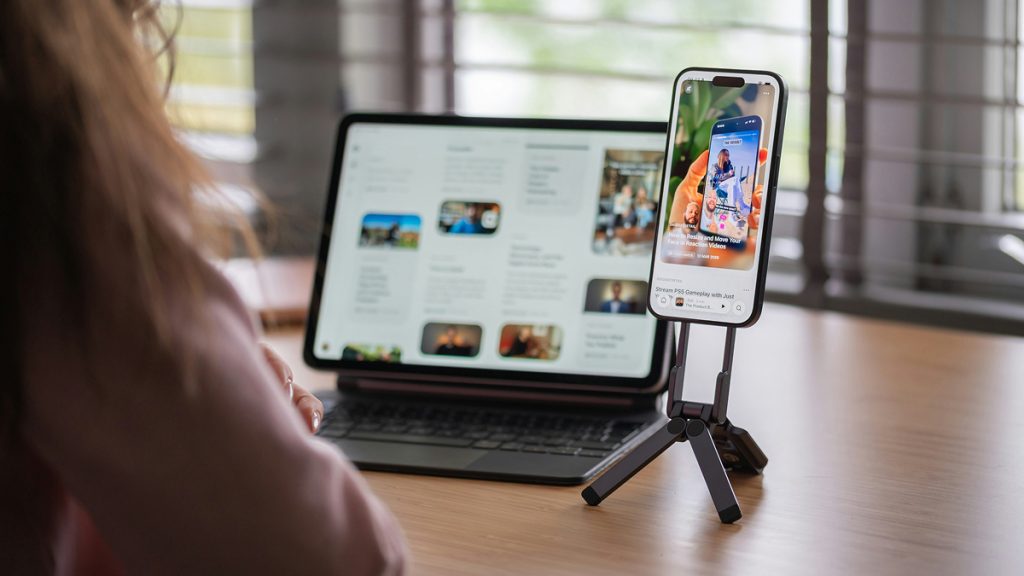
Social media digital tools now dominate how events are promoted, with so many event promoters relying on social platforms for the majority of their leads. Short-form video is especially powerful. Platforms like TikTok and Instagram can drive massive awareness. Pair this with email marketing by building a list through lead magnets like free playlists or early-access offers, which can convert on average up to 25% of subscribers into ticket buyers.
Paid Advertising and Targeting Provides Immediate Exposure
Paid ads help refine and scale your reach. Targeting your precise demographic audience, based on past attendees, can deliver up to 2.5x better results than broad demographic targeting. SEO, or search engine optimization, also plays a role in visibility. Claiming your Google Business Profile and optimizing for local search terms can improve discovery.
Influencers Broaden Your Reach Even Further
Influencer partnerships can significantly extend your event’s reach, especially when working with micro-influencers in the 10K–50K follower range, who often deliver higher engagement at a lower cost. The key is choosing influencers who align closely with your target audience, ensuring their followers are likely to convert into attendees.
Performance and Optimization With Every Strategy Execution
The biggest advantage of digital promotion is its scalability and precision, but it also comes with challenges like ad fatigue and shifting algorithms. To stay effective, monitor audience response and sentiment using analytics or trial tools like Brandwatch. Continuously refining your approach based on performance data ensures your campaigns stay effective and your events continue to sell.
Offline Event Promotion Ideas and Tactics
While digital marketing dominates, offline tactics still play a powerful role, especially when promoting concerts and events in community-driven markets.
Street teams handing out flyers in high-traffic areas can generate 15–20% of ticket sales for mid-sized shows, combining visibility with urgency through limited-time offers. Local radio partnerships are another effective channel, as stations often exchange airtime for complimentary tickets, helping promoters reach tens of thousands of potential attendees.
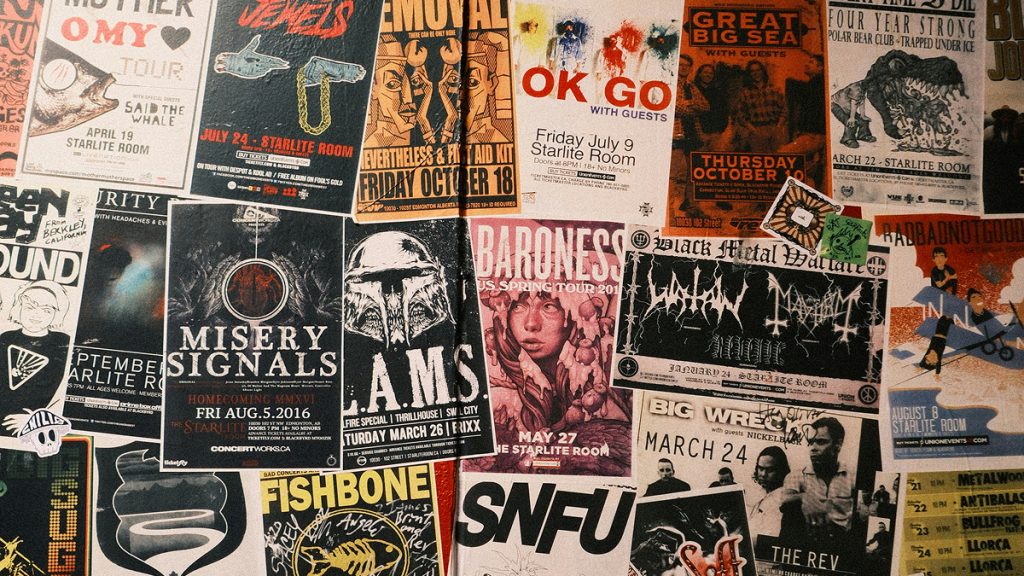
Print materials like posters placed in coffee shops, campuses, and local businesses can also drive results, particularly among last-minute buyers, who account for a significant share of ticket purchases. Hosting pre-event activations – such as pop-ups or listening parties – builds momentum and community buzz, with some campaigns reporting attendance increases of up to 35%.
The most effective approach blends offline and digital efforts, such as adding QR codes to flyers that link directly to mobile ticketing pages.
The advantage of offline promotion is the tangible trust and local visibility it creates, though it often comes with higher upfront costs. A classic example is, once again, Bill Graham, whose iconic concert posters became collectible items while strengthening event branding.
A practical tip is to design materials with clear, bold calls to action like “Scan to buy tickets now,” making it easy for people to take immediate action.

Legal and Financial Foundations for Your Event Promotion Business
Launching a formal event promotion business requires a strong legal and financial foundation to reduce risk in an industry where cancellations and liabilities are common.
In both Canada and the U.S., many promoters choose to register as an LLC (U.S.) or a corporation/sole proprietorship (Canada) to separate personal and business liability. Costs typically range from about $100 to $800+ depending on your province or state, but the key benefit is protecting personal assets if issues arise, such as event cancellations, disputes, or injuries.
Event insurance is also essential. General liability coverage usually costs between $500 and $2,000 annually and can cover claims up to $1 million or more, depending on the policy.
Contracts are equally critical. Agreements with artists, venues, and sponsors should always be documented. Many promoters use templates from services like Rocket Lawyer to structure artist riders, venue deals (often based on revenue splits), and sponsorship terms.
From a financial perspective, starting lean is key to running successful events. Many promoters aim for 20–30% margins by keeping talent costs around 30% of projected revenue. Early on, the goal is often to break even on your first few events, then move toward consistent profitability of 10–15% net as you scale.
Please note that tools like QuickBooks can help track expenses, revenue, and performance across events.
Lastly, of course, there are permits and regulations which vary by location. Liquor licenses for 19+ (Canada) or 21+ (U.S.) events can cost $1,000 or more, and public events often require municipal approvals, noise permits, or safety plans.
While these steps add complexity, they also build credibility and make it easier to secure partnerships.
Negotiating Deals As A Promoter: Key Event Promoter Skills in Action
Event promoter skills are often most visible and most valuable during negotiations, where strong deal-making can improve profit margins by 20–30% or more.
Whether you’re working with venues, artists, or sponsors, preparation is what separates average promoters from top performers. The most effective approach is to lead with data. For example, instead of making a vague pitch, you might say, “Our last event reached 85% capacity with strong bar sales. Let’s structure a 60/40 door split to scale that success.”
This kind of evidence-based positioning builds credibility and gives partners confidence in your ability to deliver results.
When negotiating with venues, flexibility and alignment are key. Many venues care just as much about bar revenue and repeat traffic as they do about ticket sales, so framing your proposal around total value – attendance, audience demographics, and promotional support – can unlock better terms.
In some cases, newer promoters may start with less favorable splits (like 50/50 or rental-based deals), but as your track record grows, you can negotiate toward more promoter-friendly structures such as reduced rental fees or higher revenue shares. Offering added value, like marketing support or bringing in a new audience segment, can also help you secure better deals without increasing financial risk.
Artist negotiations require a slightly different strategy. Most performers respond well to hybrid deals that combine a guaranteed fee with performance-based upside. For example, offering a $2,000 guarantee or 20% of revenue above a certain threshold (such as $10,000 gross) aligns incentives on both sides. This structure protects the artist while giving you room to profit if the event performs well.
Over time, building a portfolio of past events – highlighting attendance numbers, sell-through rates, and testimonials – becomes one of your strongest negotiation tools. It signals reliability and reduces perceived risk for both venues and talent.
One of the most common mistakes promoters make is overcommitting financially, especially when booking high-cost headliners without enough margin for error.
It’s easy to get caught up in the excitement of a big name, but without proper forecasting, a single misstep can erase profits. A more strategic approach is to build buffer into your deals, either through scalable artist payouts, tiered pricing, or diversified revenue streams like sponsorships and VIP packages.
Strong negotiators also focus on creating win-win outcomes. Instead of pushing for the lowest possible cost, they look for ways to align incentives. For example, offering additional promotional exposure to a venue in exchange for reduced rent, or bundling multiple event dates into a longer-term partnership, can create stability for both sides.
These types of relationships often lead to better terms over time, as trust and performance history reduce friction in future deals. The upside is long-term collaboration and improved margins; the downside is that power imbalances can still exist, especially when working with major venues or high-demand artists.
To improve your negotiation skills, practice consistently. Role-playing pitches, refining your value proposition, and reviewing past deals can help you identify what works and what doesn’t. A practical goal is to aim for a 60–70% success rate on proposals, while remembering that persistence matters. Many deals are only finalized after multiple follow-ups. In fact, industry guidance on how to become an event promoter often emphasizes that consistent, professional follow-up is one of the most underrated skills in the business. Over time, the combination of data, confidence, and relationship-building will turn negotiation into one of your strongest competitive advantages.
Risk Management in Event Promotion and Common Pitfalls to Know
Becoming an event promoter comes with real risks, and one of the most common mistakes is underestimating costs. Industry estimates suggest that up to 40% of first-time promoters lose money by overspending on talent or overestimating demand.
A practical way to manage this is by using a simple breakeven formula:
(fixed costs + variable costs) ÷ ticket price = minimum tickets needed to break even
For example, if your event budget is $10,000 and tickets are $30, you’ll need to sell at least 334 tickets to break even. But it’s wise to aim higher, around 400+, to account for no-shows, discounts, or last-minute fluctuations.
Legal oversights are another major pitfall. Failing to secure signed agreements, especially artist riders and venue contracts, can lead to disputes. Always include clear terms around payments, performance expectations, and force majeure clauses to protect against disruptions like extreme weather, public health issues, or labor strikes.
Weather alone causes billions in event-related losses annually, which is why many promoters invest in event insurance or cancel-for-any-reason coverage, typically costing 1–2% of projected revenue.
Market competition is another challenge, particularly in saturated cities or popular event categories. Standing out requires you to have clear value propositions such as flexible refund policies, unique themes, or guarantees like “rain or shine” experiences. Differentiation not only attracts attendees but also builds long-term brand trust.
The advantage of strong risk management is resilience. Promoters who plan for multiple scenarios are better equipped to handle setbacks and protect their margins. The downside is that focusing too heavily on risk can slow decision-making or limit creativity.
A balanced approach works best. One useful tactic is running simple scenario models – such as estimating outcomes at 50%, 75%, and 100% attendance – to understand your downside and plan accordingly. Tools like spreadsheets can help simulate these scenarios, giving you a clearer picture of potential risks before you commit.

Are You Ready to Launch Your Business as An Event Promoter?
Becoming an event promoter rewards those who combine passion with strong business instincts, turning ideas into successful, high-energy experiences within a rapidly growing events industry.
If you’re just starting out as an event promoter, the path is clear. Build your skills, develop smart marketing strategies, negotiate with confidence, and stay adaptable as trends evolve. Start small, track your results closely, and use data to guide your growth.
Your first sold-out event may be closer than you expect. So get ready, listen closely, and start building experience.