Canada’s blues festivals stand out as some incredibly beautiful and musical events that blend soulful rhythms with booming business opportunities, drawing massive crowds, and generating millions in economic impact annually.
From small-town intimate gatherings to massive outdoor spectacles, the best blues festivals in Canada showcase some truly top-tier talent. Looking at their scale, audience data, and operating strategies helps explain why they remain a cornerstone of the Canadian blues festival scene.
This guide explores the top blues festivals across Canada. Each feature highlights attendance, economic impact, ticket trends, and practical insights for ticket buyers and blues artists alike. As you’ll discover, this is why summer blues festivals in Canada continue to be a strong opportunity to enjoy live music countrywide.
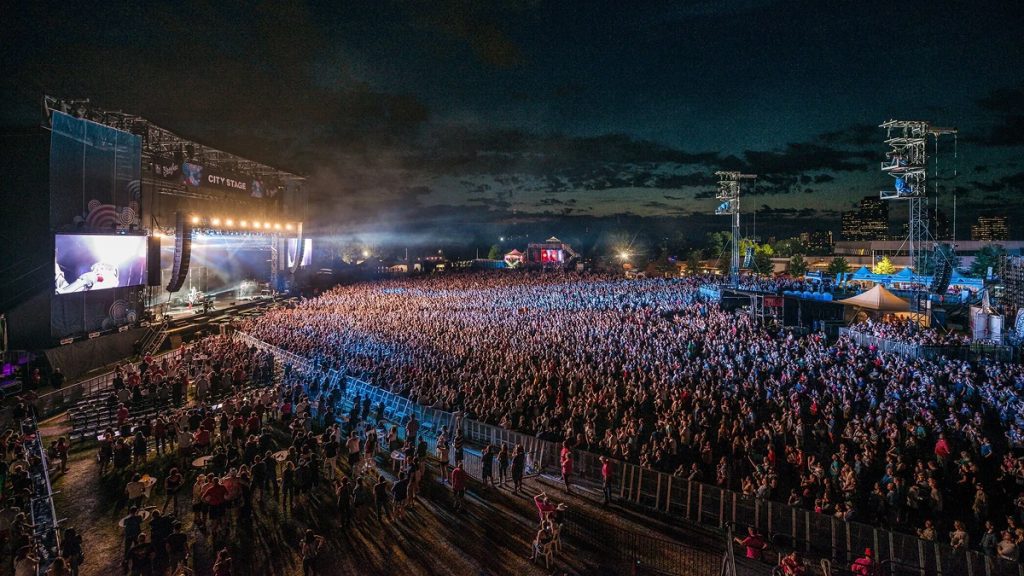
1. Ottawa Bluesfest: Canada’s Mega Blues Powerhouse
This Year’s Edition: July 9th – July 19th 2026
Ottawa Bluesfest stands out as one of the premier live events in North America, consistently ranking among the largest outdoor music festivals in Canada with annual attendance surpassing 250,000.
Hosted each July at LeBreton Flats Park, this 10-day festival delivers high-level production across multiple stages, blending blues with rock, reggae, and pop. Past lineups have featured major acts like Shania Twain, Foo Fighters, and Green Day, helping expand its appeal well beyond traditional blues audiences.
Its marketing reach is equally impressive, with campaigns valued at over $1 million and millions of annual digital interactions.
From a business perspective, the Ottawa Bluesfest generates an estimated $40 million in economic impact for the Ottawa Region. It supports community initiatives such as Blues in the Schools and relies on more than 2,300 volunteers.
Audience data shows a strong demographic profile, with half of attendees aged 18–34 and a significant portion earning over $100,000 annually. This contributes to high engagement levels, including repeat attendance above 75% and overall satisfaction rates exceeding 90%.
Looking ahead, this year’s edition of the Ottawa Bluesfest is expected to maintain similar momentum, with more than half of Ottawa’s population having attended at least once in recent years and strong sponsor performance metrics. The festival offers clear advantages, including massive exposure for artists and scalable opportunities for sponsors, though it also faces challenges such as weather variability and the complexity of operating in a large urban outdoor space.
For attendees, a practical strategy is to purchase ticket bundles early through official channels and consider mid-week dates, which often offer better value and smaller crowds.
Even during challenging conditions – such as the 2025 heatwaves – the Ottawa Bluesfest festival still drew over 250,000 attendees, highlighting its resilience and broad appeal. Today, it serves as a benchmark for large-scale Canadian music festivals, with tourism and local spending impacts that rival or exceed many comparable events.
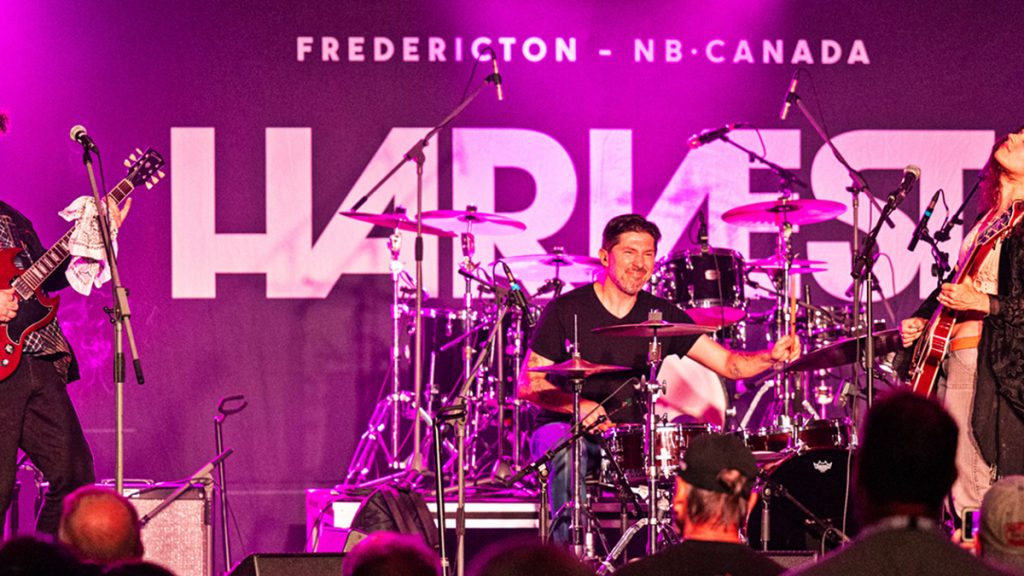
2. Harvest Music Festival: Atlantic Canada’s Economic Engine
This Year’s Edition: September 15th – 20th 2026
Harvest Jazz & Blues Festival, though now rebranded as the Harvest Music Festival in 2021, transforms downtown Fredericton into a major hub for live music every September, attracting blues, jazz, and roots music fans from across the country.
Since launching in 1991, the festival has grown into one of Canada’s most respected music events, combining large headline performances with intimate club shows and street-level experiences. It features more than 150 performances across nearly two dozen stages downtown.
Its multi-venue format creates a walkable, community-focused atmosphere that supports local restaurants, bars, hotels, and retailers throughout the festival week.
From a business and tourism perspective, the Harvest Jazz & Blues Festival plays a significant role in the regional economy. While smaller than some of the country’s largest outdoor events, it consistently draws tens of thousands of attendees and generates substantial visitor spending through accommodations, dining, and entertainment. Like many successful mid-sized Canadian festivals, its impact extends beyond ticket sales, helping support local employment, tourism visibility, and downtown business activity during a key seasonal period.
One of the festival’s biggest strengths is its authentic atmosphere and strong integration with the local community. The compact downtown layout encourages foot traffic between venues, reducing transportation barriers while increasing spending at nearby businesses.
The Harvest Jazz & Blues Festival also provides valuable exposure for emerging Canadian blues and roots artists through a mix of free and ticketed programming. This balance between accessibility and premium experiences helps broaden the audience while still driving revenue through upgraded passes and special performances. The festival is widely known in the Maritimes and beyond for its strong community engagement, a loyal returning audience, and a distinctive East Coast identity that sets it apart from larger commercial festivals.
Harvest Jazz & Blues Festival’s combination of volunteer support, accessible programming, and downtown integration continues to make it one of the standout live music events in Atlantic Canada.
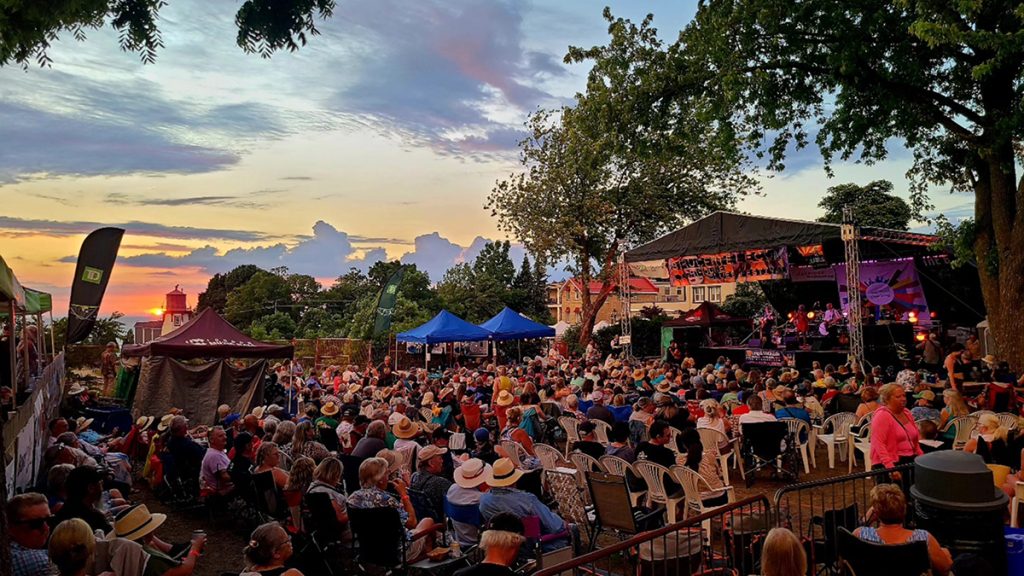
3. Lighthouse Blues Festival: Lakeside Intimacy with Big Impact
This Year’s Edition: July 9th – 12th 2026
Lighthouse Blues Festival has become one of the standout blues festivals in Ontario, drawing nearly 10,000 visitors to the shores of Lake Huron each July. Scheduled this year for July 9–12, 2026, the four-day event features more than 40 artists across seven stages, blending ticketed headline performances with free community programming.
Since launching in 2010 as a small two-night event, the festival has expanded into a multi-stage experience recognized as one of Ontario’s Top 100 Festivals for ten consecutive years.
Centered around The Bruce and the town’s iconic lighthouse and harbor, the festival combines scenic waterfront settings with intimate live music experiences. Main-stage venues accommodate roughly 1,000 attendees, creating a close artist-to-audience connection that distinguishes the event from larger commercial festivals.
The Lighthouse Blues Festival lineup regularly mixes established blues performers with Canadian talent, with past editions featuring artists such as Crystal Shawanda, Albert Cummings, and Samantha Martin. Additional programming – including free street performances, Indigenous showcases, and Music in the Park events – helps create a family-friendly atmosphere that broadens the festival’s appeal.
From a business perspective, the festival has had a measurable impact on the local economy. Operating as a not-for-profit organization, it has raised more than $81,000 for community partners such as the Kincardine District Lions Club while also driving tourism revenue through hotel stays, dining, retail activity, and vendor participation.
Its recognition by Festivals & Events Ontario since 2015 further reinforces its reputation as one of the province’s most successful mid-sized music festivals.
For attendees planning for the Lighthouse Blues Festival, securing Friday and Saturday main-stage passes early is often the best strategy, especially when paired with lakeside accommodations. Festival package trends show that bundled lodging-and-ticket offers can significantly increase perceived value while improving the overall visitor experience.
The Lighthouse Blues Festival demonstrates how a regional festival can successfully combine tourism, community engagement, and live music into a sustainable cultural event. Its mix of scenic location, intimate performances, and strong local support continues to make it one of Canada’s most respected summer blues festivals.
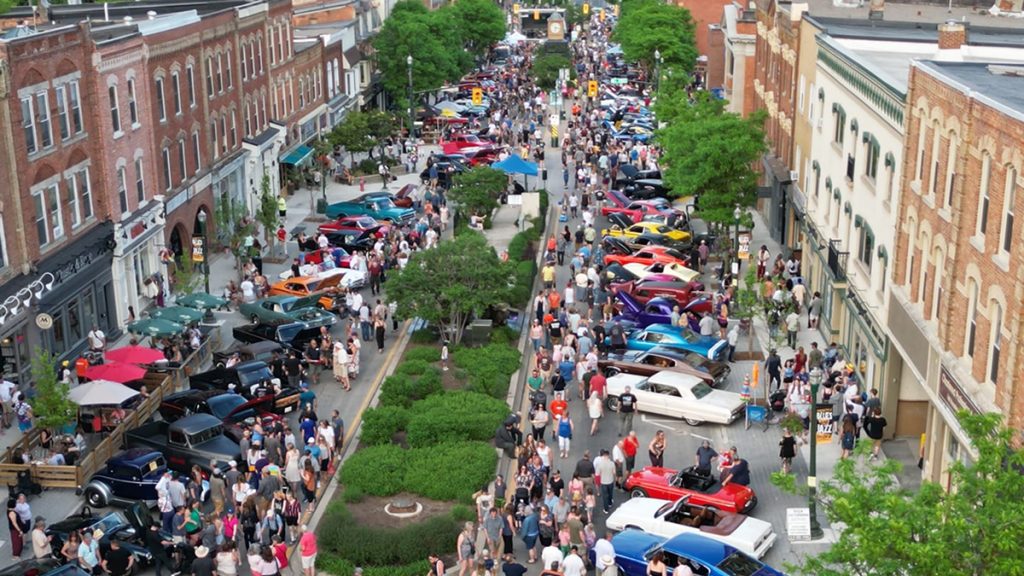
4. Orangeville Blues & Jazz Festival: Downtown Revival Catalyst
This Year’s Edition: June 5th – 7th 2026
Orangeville Blues & Jazz Festival transforms downtown Orangeville into a vibrant live music destination each spring, combining blues, jazz, classic cars, motorcycles, and community programming into one of the province’s most recognized cultural events.
Held over three days in late May and early June, the festival features more than 40 Canadian performers across parks, pubs, outdoor stages, and venues like the Orangeville Opera House. Past lineups have included artists such as Harry Manx, Robi Botos, Steve Strongman, and Kenny ‘Blues Boss’ Wayne.
Recognized as one of Ontario’s Top 100 Festivals for 12 consecutive years, the Orangeville Blues & Jazz Festival event has built a reputation for turning the town core into a fully immersive entertainment district.
Signature attractions like the Blues Cruise – featuring more than 250 classic cars – and the Blues & Bikes motorcycle rally help broaden the audience beyond music fans alone. Workshops, artisan markets, and multi-stage programming throughout Broadway and the TD Mainstage area create a festival atmosphere that keeps visitors engaged across the entire weekend.
One of the Orangeville Blues & Jazz Festival’s greatest strengths is its ability to activate the entire downtown core. Local venues often experience near-full occupancy during the event, and the blend of free and ticketed experiences encourages strong community participation.
The Orangeville Blues & Jazz Festival is an excellent example of how a community-centered festival can revitalize a downtown core while delivering meaningful cultural and economic impact. Its combination of music, lifestyle programming, and local business integration continues to make it one of Ontario’s most distinctive live music events.
5. Tremblant International Blues Festival: Quebec’s Scenic Draw
This Year’s Edition: July 8th – 12th 2026
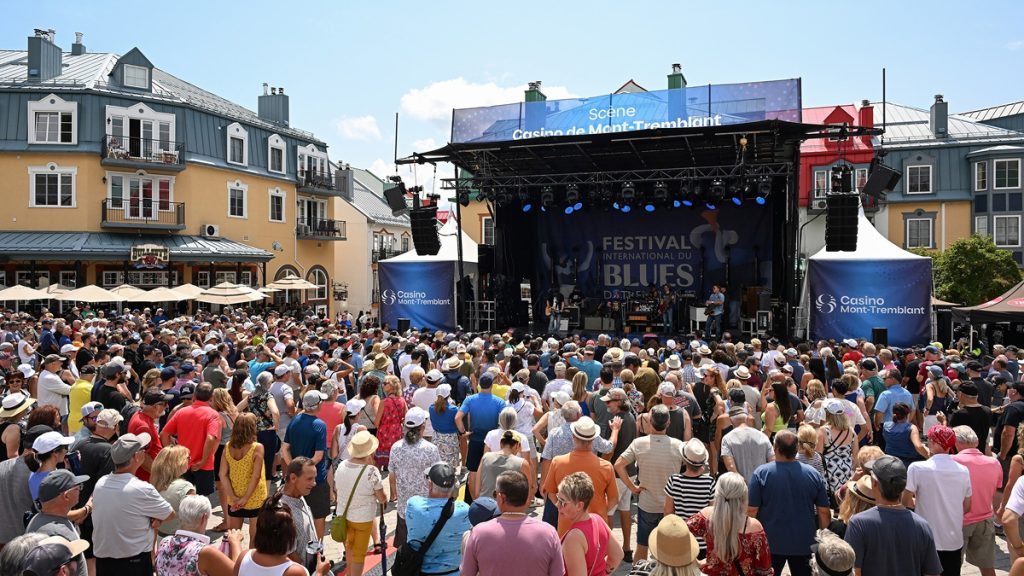
Tremblant International Blues Festival brings live blues music to the heart of Mont-Tremblant Pedestrian Village each summer, combining free outdoor performances with ticketed evening concerts in one of Canada’s most scenic resort settings.
Scheduled this year for July 8–12, 2026, the festival transforms the Laurentian Mountain destination into a lively entertainment hub, blending international blues acts with the atmosphere of a walkable alpine village. Cobblestone streets, outdoor patios, and mountain views create a unique setting that distinguishes it from more urban blues festivals across the country.
The festival attracts more than 20,000 visitors annually and plays a major role in extending tourism activity beyond the winter ski season. By pairing daytime street performances with nighttime headline shows, the event encourages guests to stay longer, dine locally, and explore the surrounding resort area.
This day-to-night programming model supports hotels, restaurants, bars, and retailers while creating multiple revenue opportunities throughout the festival experience.
One of the Tremblant International Blues Festival’s biggest strengths is accessibility. Free daytime concerts lower the barrier to entry and attract casual visitors. The scenic setting and relaxed atmosphere also help create a more immersive experience than traditional urban festivals.
The Tremblant International Blues Festival stands out as one of Canada’s most distinctive summer blues festivals, combining international music programming with resort-style tourism and strong regional economic impact. Its blend of free public performances, premium experiences, and mountain scenery continues to make it a major attraction within Quebec’s live music landscape.
6. Bluesfest International Windsor: Borderline Blues Boom
This Year’s Edition: July 16th – 19th 2026
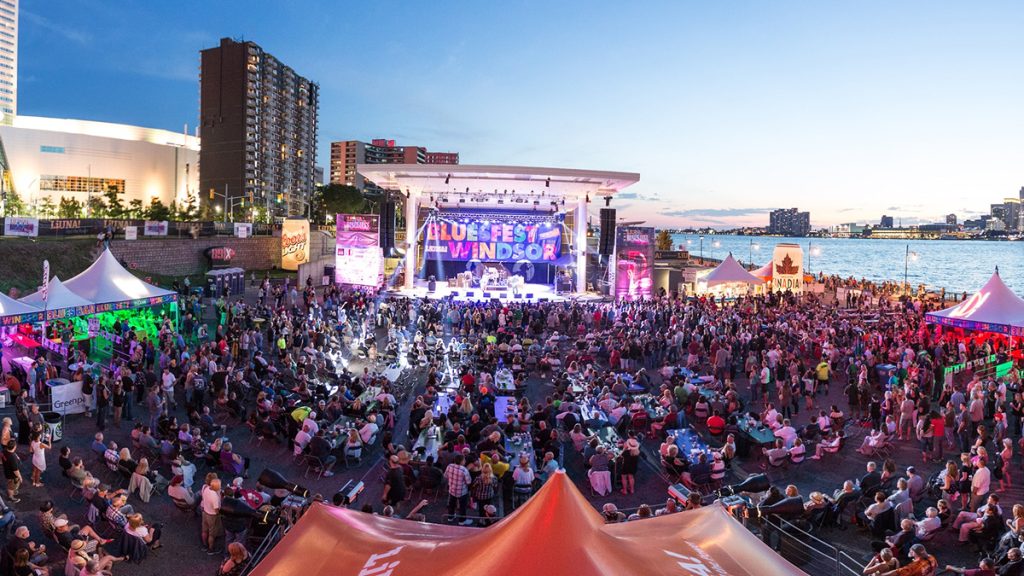
Bluesfest International Windsor has been a major part of the summer live music scene in Windsor since 1995, bringing roots and blues performances to the city’s waterfront along the Detroit River.
Held each July near Caesars Windsor, the festival benefits from its unique cross-border location, attracting both Canadian and American audiences through regional and binational marketing efforts. Its riverfront setting creates a visually striking backdrop that helps distinguish it from many other urban music festivals in Canada.
The festival’s proximity to Detroit gives it a broader audience reach than many similarly sized events. Easy cross-border access allows organizers to market to two major population centers at once, helping drive tourism spending, hotel occupancy, restaurant traffic, and ticket sales.
Like other successful Ontario music festivals, the economic benefits extend beyond the event grounds, supporting local businesses and reinforcing Windsor’s reputation as a destination for live entertainment.
One of the festival’s biggest strengths is its international appeal. The mix of waterfront scenery, casino-adjacent entertainment, and blues programming creates a strong draw for visitors looking for a weekend music experience. The setting also supports premium ticketing opportunities, VIP viewing areas, and hospitality partnerships tied to nearby hotels and tourism operators.
At the same time, the cross-border nature of the event can create logistical challenges, including travel documentation requirements, border wait times, and currency considerations for visitors traveling between Canada and the United States.
Bluesfest International Windsor highlights how Canadian blues festivals can successfully leverage geography and tourism to expand their reach. Its combination of waterfront staging, cross-border accessibility, and live music programming continues to make it one of Ontario’s notable summer blues events.
7. Salmon Arm Roots and Blues Festival: Interior BC’s $5M Generator
This Year’s Edition: July 24th – 26th 2026
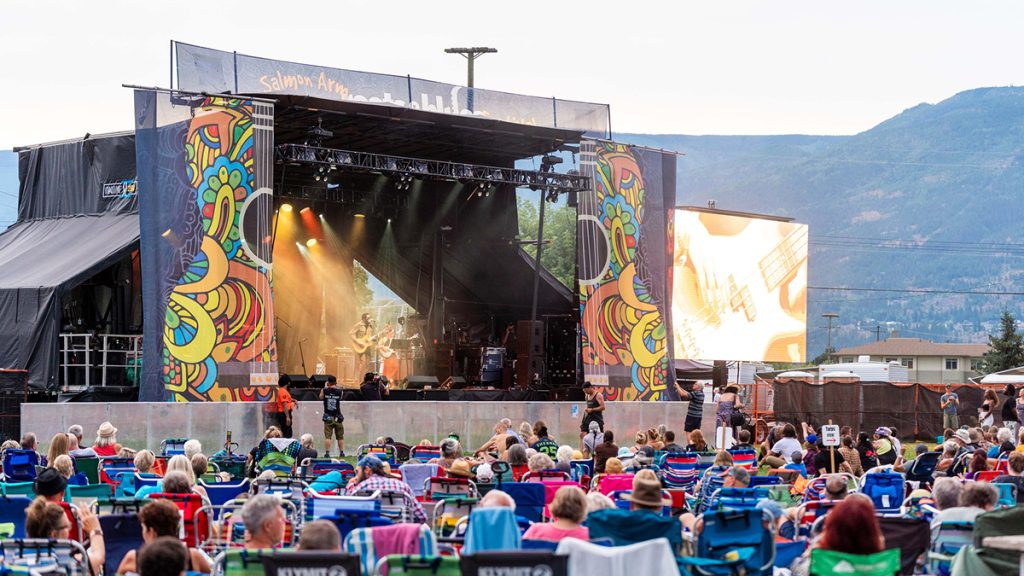
Salmon Arm Roots and Blues Festival has become one of Western Canada’s most influential roots and blues events, drawing more than 25,000 attendees each August to the Shuswap Region. Known for its mix of blues, folk, roots, and world music, the festival has evolved into a major tourism and economic driver for the region, attracting visitors from across Canada and beyond.
Economic studies estimate the festival generates between $4.9 million and $5.5 million annually in regional impact, with roughly 70% of attendees traveling from outside the area. That level of tourism activity creates substantial benefits for local hotels, restaurants, retailers, and service providers.
Financial reports from recent years show revenues exceeding $2.5 million, including approximately $1 million from ticket sales alone, highlighting the event’s strong commercial performance despite its relatively remote setting.
One of the Salmon Arm Roots and Blues Festival’s greatest strengths is its ability to encourage extended visitor stays. Attendees often treat the festival as a destination getaway, combining live music with outdoor recreation, local food experiences, and regional tourism. This creates higher average visitor spending than many urban festivals, supporting both seasonal employment and broader economic activity throughout the area.
The event’s scenic setting and community-driven atmosphere also help differentiate it from larger metropolitan music festivals.
Salmon Arm Roots and Blues Festival demonstrates how a regional music festival can generate major economic impact while maintaining a strong community identity. Its combination of tourism appeal, high out-of-town attendance, and diversified programming continues to make it one of Canada’s standout summer music events.
8. Kitchener Blues Festival: Ontario’s Free Access Magnet
This Year’s Edition: August 6th – 9th 2026
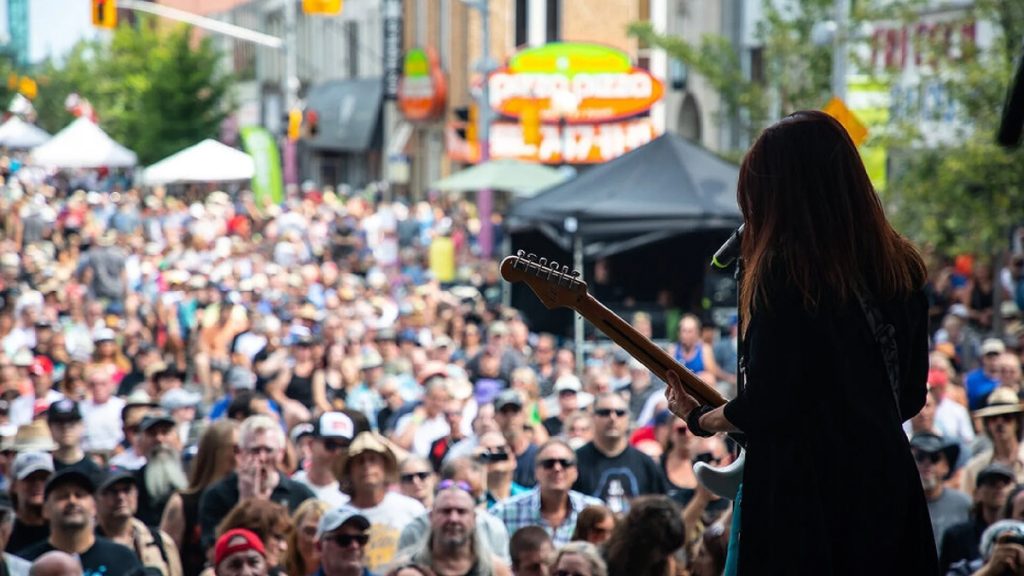
Kitchener Blues Festival has become one of the largest and most recognizable free blues festivals in Ontario, transforming downtown Kitchener into a major live music destination each August.
Spanning five days around Victoria Park, the festival combines large outdoor stages, street performances, and downtown activations with performances from acclaimed blues artists, including past appearances connected to performers like Colin James and tributes tied to the legacy of Jeff Healey.
One of the festival’s defining features is its free-admission model, which helps attract annual crowds exceeding 100,000 visitors.
Rather than relying heavily on ticket revenue, the Kitchener Blues Festival event is supported through sponsorships, vendor partnerships, and tourism-related spending. Major corporate backers alongside local businesses help fund production costs, while nearby restaurants, hotels, bars, and retailers benefit from the surge in downtown traffic throughout the festival weekend.
The festival’s biggest advantage is scale through accessibility. Removing the ticket barrier encourages spontaneous attendance, greater community participation, and increased social sharing, all of which help strengthen long-term audience loyalty.
Kitchener Blues Festival stands out as a leading example of how free-admission music festivals can drive large-scale attendance, community engagement, and economic impact. Its combination of accessibility, downtown integration, and strong artist programming continues to make it one of Canada’s premier summer blues events.
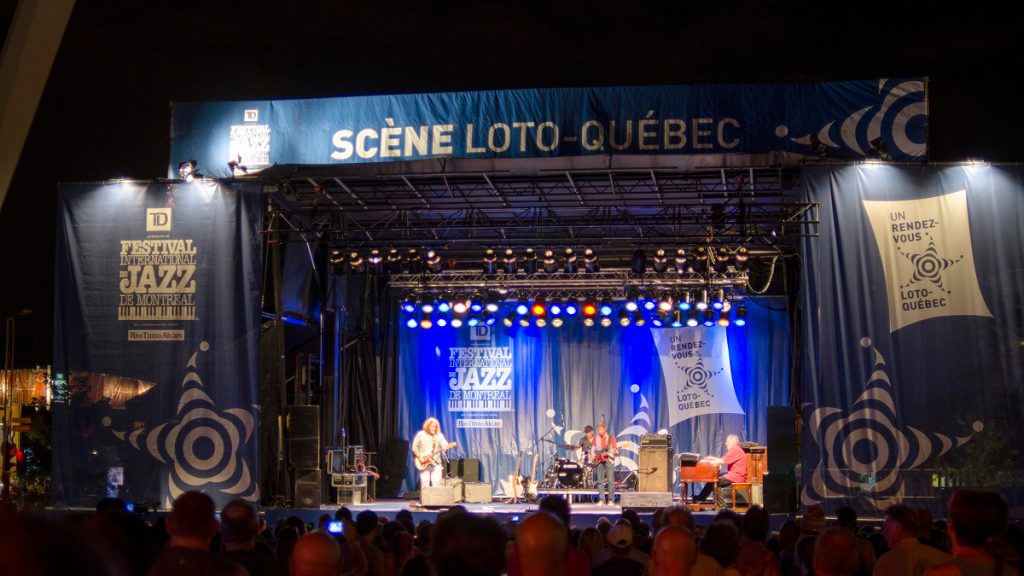
9. Montreal International Jazz Festival Blues Stages: Cross-Genre Powerhouse
This Year’s Edition: June 25 – July 4th 2026
Montreal International Jazz Festival is best known for jazz, but its extensive blues programming has also made it one of the most influential live music events connected to the Canadian blues scene.
Held each July in Montreal, the festival attracts more than two million visitors overall, making it one of the largest music festivals in the world. Within that scale, dedicated blues performances and themed nights regularly draw crowds in the tens of thousands, particularly during major outdoor concerts and free public programming.
The festival’s blues component blends large outdoor stages with intimate indoor venues, creating opportunities for both international performers and Canadian blues artists to reach massive audiences. Free concerts throughout the downtown festival district help increase accessibility, while ticketed theater and club shows generate premium revenue streams.
Acts connected to blues and roots traditions, including groups like Harlem Blues All-Stars, have contributed to the festival’s reputation for genre diversity and broad musical appeal.
From a business perspective, the festival delivers an economic impact exceeding $100 million annually through tourism, hospitality, transportation, and entertainment spending. Its international profile attracts visitors from around the world, benefiting hotels, restaurants, retailers, and sponsors throughout Montreal’s downtown core.
Compared to smaller standalone blues festivals, the event operates on a much larger commercial scale, giving blues programming exposure that would be difficult to achieve independently.
The Montreal International Jazz Festival demonstrates how blues programming can thrive inside a globally recognized cultural event. Its combination of free public concerts, international tourism, and large-scale production continues to make it one of the most important live music experiences in Canada.
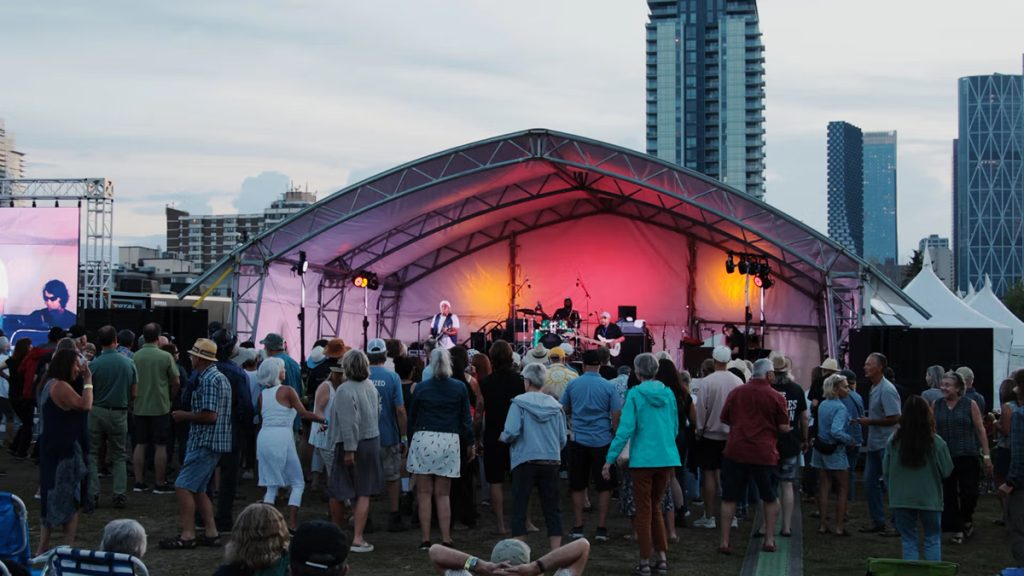
10. Calgary International Blues Festival: A Week-Long Celebration of Alberta Blues
This Year’s Edition: July 30th – August 2nd 2026
The Calgary International Blues Festival transforms Calgary into a week-long celebration of blues music each summer, blending international touring acts, Canadian talent, workshops, dance parties, and community programming into one of Western Canada’s premier blues events.
Founded in 2005 by the Calgary Blues Music Association (CBMA), the festival is now in its third decade as the 22nd annual edition approaches in 2026. It has grown from its early roots into a cornerstone event for blues enthusiasts across the region.
The Calgary International Blues Festival culminates in four days of outdoor MainStage performances at The Confluence (formerly Fort Calgary Historic Site), a scenic riverside venue that replaced the previous long-time home at Millennium Park.
The family-friendly event combines these MainStage concerts with a selection of artist workshops, food trucks, an artisan market, festival merchandise, and nightly Twilight Blues dance parties (adult-oriented) that keep the music going after the main shows conclude—often running until 1 a.m. at venues like the Ironwood Stage in recent editions.
Past and recent lineups have featured acclaimed blues performers such as Bobby Rush, Bob Margolin, Chicago Blues Reunion, Lil’ Ed & the Blues Imperials, Shemekia Copeland, Matt “Guitar” Murphy, Johnny Winter, Shakura S’Aida, Big Dave McLean, Kenny “Blues Boss” Wayne, Colin Linden, Colin James & the Little Big Band and Amos Garrett. This reflects the festival’s strong mix of Canadian blues veterans, emerging regional artists, and international headliners, often with tribute sets or collaborative revues honoring blues legends.
Often described as the largest blues festival west of Ottawa, the Calgary International Blues Festival has built a reputation for balancing high-caliber live performances with a relaxed, community-oriented atmosphere.
In addition to the ticketed MainStage shows, the full festival week regularly includes kickoff events across downtown, educational workshops, Blues at Noon concerts, the Walk Through Blues History initiative, and other year-round CBMA programming like Blues in the Schools.
The Calgary International Blues Festival offers a potent combination of world-class blues performances, educational depth, community engagement, and vibrant downtown activation continues to make it one of Alberta’s most distinctive and enduring live music traditions.
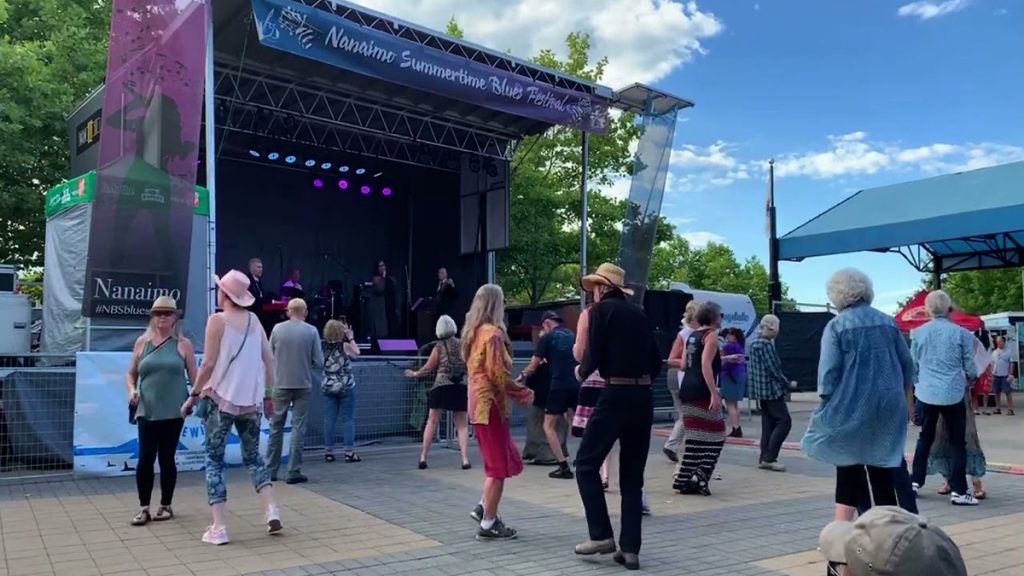
11. Nanaimo Blues Festival: An Oceanside Event Worth Your Ticket Purchase
This Year’s Edition: August 7th – August 9th 2026
The Nanaimo Blues Festival transforms downtown Nanaimo into a vibrant weekend celebration of blues music each summer, blending international headliners, national acts, and strong Vancouver Island and Canadian talent into one of British Columbia’s favourite blues events.
Founded in 2004 by the Nanaimo Blues Society, the festival is now in its 21st–22nd year. It has grown into a beloved annual tradition that enriches Nanaimo’s cultural scene while supporting year-round blues programming.
The festival takes place over three main days (with possible pre-events) at the scenic, harbourside Maffeo Sutton Park in Nanaimo’s Inner Harbour.
This family-friendly event features an open-air stage where attendees bring lawn chairs and blankets to enjoy dozens of acts across blues, R&B, and soul. Programming includes ticketed multi-day passes, food vendors, a relaxed picnic-style atmosphere, and additional evening or community events.
Gates typically open in the early afternoon on Friday and at noon on Saturday and Sunday, with music running into the evening.
Past and recent lineups have featured acclaimed performers such as Samantha Fish, Colin James, David Gogo, Crystal Shawanda, Sue Foley, Jim Byrnes, Downchild Blues Band, Rick Estrin & The Nightcats, Blue Moon Marquee, Shakura S’Aida, Layla Zoe, Annika Chambers, Angelique Francis, the Blackburn Brothers, Teeny Tucker, and many more.
The festival balances high-profile international and Canadian artists with strong support for local and regional Vancouver Island blues talent.
The Nanaimo Blues Festival proves that a tightly focused genre event can evolve into something far greater than a weekend of music. Through its unbeatable mix of world-class blues acts, stunning harbourfront backdrop, passionate local support, and genuine dedication to the genre’s legacy, it has become one of Vancouver Island’s most authentic and beloved cultural traditions, an event that continues to draw both dedicated blues fans and curious newcomers year after year.
There is Something Beautiful About the Underground Blues Scene in Canada
Across Canada, blues festivals function as reliable economic engines, particularly in provinces like Ontario where large-scale events generate significant measurable impact.
Major festivals in the region contribute an estimated $80 million in GDP activity, alongside roughly $30 million in tax revenue and thousands of jobs across hospitality, tourism, and event production. Large anchor events such as Ottawa Bluesfest regularly attract hundreds of thousands of attendees, with a high percentage of out-of-town visitors who increase hotel occupancy and local spending.
Sponsorship performance is also a major driver of profitability, with strong return-on-investment figures reported in large festival campaigns where brand visibility scales across millions of impressions. These events benefit from extensive digital reach, with millions of online engagements generated through ticketing platforms, social media promotion, and search-driven discovery tied to terms like blues festival tickets.
Audience demographics further support long-term sustainability. Attendance for a Canadian blues festivals surprisingly tends to skew younger and more affluent, with a large share of visitors in the 18–34 range and a significant portion earning above $100,000 annually.
High satisfaction rates also encourage repeat attendance, which strengthens year-over-year revenue stability and improves forecasting for promoters and sponsors.
Overall, whether at the scale of major urban festivals or smaller regional events, Canada’s blues festival ecosystem demonstrates a consistent pattern: strong tourism multipliers, dependable sponsorship value, and growing digital ticket demand that continues to shape the future of live music promotion.

Enjoy Some of the Best Blues in Canada This Summer
The best blues festivals in Canada deliver unmatched value through crowds, cash flow, and cultural cachet.
For ticket buyers searching for tickets on their favourite event ticketing platform, the best blues festivals in Canada are less about industry statistics and more about what you actually experience on the ground: live music in walkable cities, outdoor stages under summer skies, and access to multiple artists in a single day or weekend. Whether it’s a major destination event or a smaller regional festival, you’re typically getting far more live performances per dollar than a standard concert ticket.
One of the biggest advantages is that a single festival pass often unlocks dozens of performances across different stages, from established headliners to emerging Canadian blues artists. That means you can build your own schedule, jumping between high-energy outdoor sets, intimate indoor venues, and late-night jam sessions.
There’s also a strong “value beyond the music” factor. Many festivals are set in vibrant downtown districts or scenic outdoor parks, which turns the ticket into a broader summer experience rather than just a show.
Food vendors, local breweries, artisan markets, and community programming all add to the day-to-day atmosphere, especially at multi-day events.
For budget-conscious attendees, timing and ticket tier matter. Early-bird passes, multi-day bundles, and mid-week programming often provide the best pricing, while VIP upgrades can be worth it if you prioritize seating comfort, shorter lines, or shaded viewing areas.
However, general admission remains the most flexible option for most festival-goers, especially at events with strong walkable layouts.
At a Canadian blues festival near you, you can discover new artists, see major acts, and experience Canadian summer culture all in one place, making blues festivals one of the most efficient and enjoyable ways to spend a live music weekend in Canada.