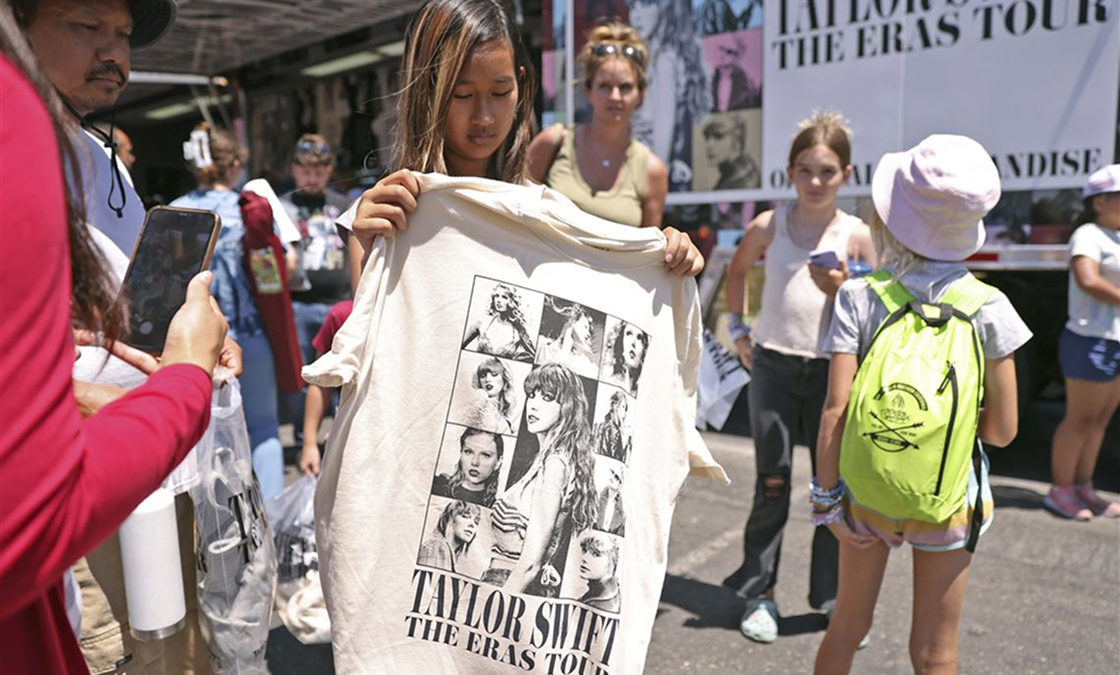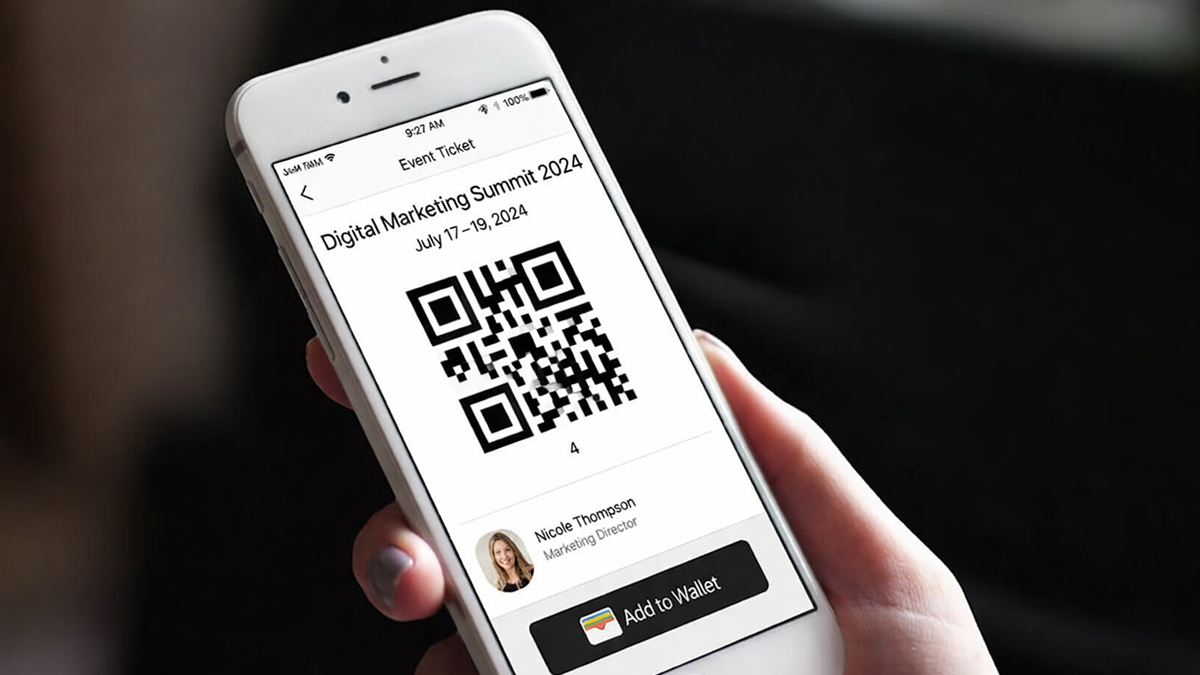
In how to plan a successful event, can you guarantee success by whichever definition you define it? No. However, by putting in the time to plan correctly, you can easily set up your event to maximize the opportunity for ticket sales and attendance.
Imagine standing in a venue you chose, watching attendees who bought tickets that you strategized and sold, and to see those people you brought in laugh, network, and leave with smiles on their faces, knowing you made it all happen. That’s the magic of a well-planned event. But pulling it off? It’s no small feat.
Whether you’re an event planner juggling a corporate conference, a venue manager hosting weddings, a promoter launching a music festival, or an artist organizing fan meetups, event planning can feel overwhelming.
The good news? With a solid event planning guide, you can turn chaos into triumph. In this comprehensive pillar post, we’ll walk you through everything from defining your goals to measuring success, packed with actionable tips, data-backed insights, pros and cons, and real-world examples from the events industry. Let’s make your next event unforgettable.
Step 1: What is Your Event’s Goal? Define It
Every successful event starts with a clear “why.” Without it, you’re just throwing a party without direction. Ask yourself what you want the goal of your event to be. Defining its purpose shapes every decision, from budget to attendee list. Without a clear goal, decisions become scattered, resources get wasted, and outcomes can feel disappointing. Target a specific number of tickets sold, attendees present, etc. Planning an event without goals is like navigating without a map. You might get somewhere, but it won’t be intentional.
Industry data shows that planners who set clear objectives see higher satisfaction and better ROI.
Actionable Tips You Can Use to Get Started
- Hold a focused brainstorming session with key stakeholders to ensure everyone involved in planning your event is aligned on priorities.
- Document your goals in a shared one-pager that all stakeholders can reference throughout planning and execution.
- Should you have prior events in to reference, review similar past events for benchmarks, i.e. what worked, what didn’t, and why.
Your Real-World Example
In the UK, there is Red Nose Day, a famous fundraising event since 1988 that raised £15 million in its debut by understanding its objective was offering the best British comedy for charity. To this day, this event combines entertainment with clear goals, inspiring billions in global donations.
Step 2: Understand Your Audience and Event Theme
Knowing exactly who you’re planning an event can transform a generic gathering into a personalized experience that resonates deeply.
Dive into demographics, psychographics, preferences, and pain points, including age groups, interests, location constraints, and even accessibility needs. Event planners targeting professionals might prioritize networking tools, while promoters appealing to music fans focus on immersive vibes and social media moments. Misjudging your audience leads to low engagement or empty seats, but getting it right boosts attendance and word-of-mouth.
Then, use this audience information to elevate your event set around clear themes. A strong event theme ties everything together, amplifying your purpose and making the event memorable. Themes should feel authentic, not forced. Research shows that themed events see higher engagement because they create emotional connections.
Actionable Tips to Best Understand Your Audience
- Avoid trendy themes and instead, opt to rely on your audience demographics to tie in to a theme.
- Do not over-customize or over-think an event theme as it can complicate logistics and execution. Keep it simple.
Your Real-World Example
In 2019, Fortnite‘s in-game concert with Marshmello drew 10.7 million attendees by targeting gamers with an immersive virtual theme, setting a benchmark for engaging young audiences. The event organizers at Fortnite understood precisely who they were marketing to.
Step 3: Set a Realistic Event Budget
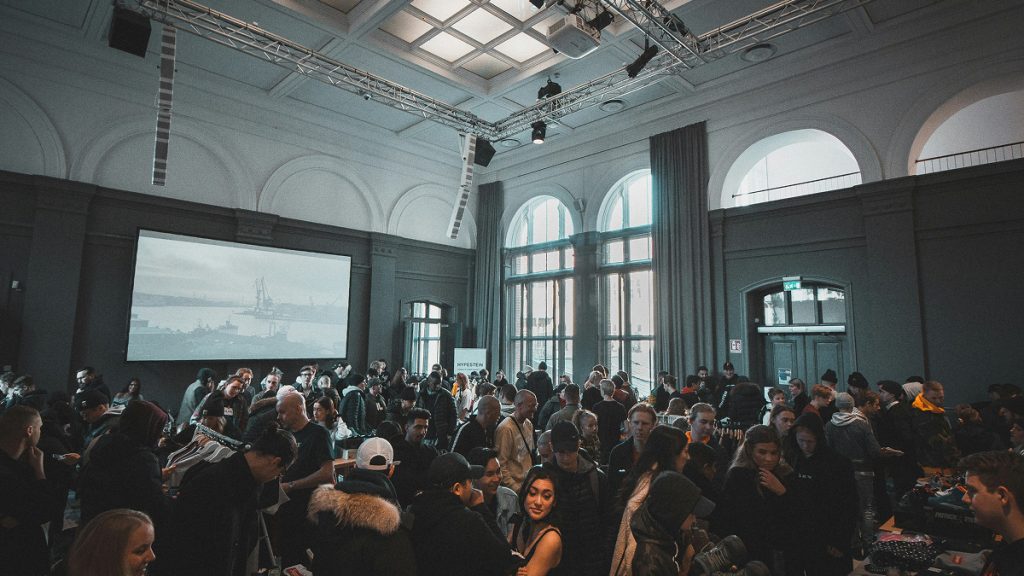
Budgeting might not be the most exciting part of event planning, but it’s often the make-or-break factor. Events cost money and, in many cases, expenses rise and budgets that have not been properly planned are threatened. Smart allocation keeps things sustainable and prevents overspending. Break it down by categorizing your expenses in a list. Typically, a budget will include ticket service fees, venue costs, event production, catering and food, marketing costs to promote your event, staffing and employee costs, permit expenses.
Factor in contingencies as well. Consider a 10–15% contingency fund for surprises, and track everything in real time using spreadsheets or dedicated software. Where appropriate, don’t hesitate to negotiate aggressively with vendors, arguing for early bookings and bundled services which can often yield savings. Data indicates that events with strong budgeting practices achieve better ROI, especially as 40% of event organizers and promoters anticipate flat or growing budgets amid cautious economic outlooks.
Actionable Tips You Can Use
- Use a spreadsheet to track ongoing expenses and stay on top of your costs.
- Understand that there may be unexpected costs and to prepare for additional spending, which is often things like overtime for staff.
- Use historical data from similar events as yours to accurately estimate a budget. Do not give arbitrary numbers.
- When your budget gets tight, prioritize your must-haves over your nice-to-haves. Be prepared to cut expenses and understand where you can without compromising the essentials of your event.
Your Real-World Example
Coca-Cola’s “Share a Coke” campaign extended to events and utilized personalized bottles produced at minimal cost. The result was massive engagement for the brand, proving smart budgeting amplifies impact. Put your creativity to work to ensure you keep your budget strong and confident.
Step 4: Choose the Right Date, Format, and Platform
Timing can elevate or sink your event. Be sure to pick a date that avoids major holidays, competing events, or seasonal challenges. Check industry calendars, local happenings, and audience availability early. For how to format your event, consider what works best for your target audience. Weigh in-person for deep connections, virtual for accessibility, or hybrid (in-person/virtual) for maximum reach. Recent trends show hybrid remaining popular, with many seeing it as becoming a new standard for major events.
Thoughtful decisions on date, format, and event ticketing platform has been shown to boost attendance when you consider the ticket buyers you are trying to attract.
Actionable Tips to Help With Event Planning
- Consider the cost of a hybrid event, such as utilizing Zoom or another platform to capture a video stream.
- Consider weather and other potential factors that could impact your event’s attendance.
Your Real-World Example
You can always make adjustments to your event to optimize based on date, format, and platform. Saturday Night Seder, a virtual fundraiser during COVID, raised $3 million via YouTube, showing virtual formats’ power for broad appeal.
Step 5: Select the Perfect Venue for Your Event
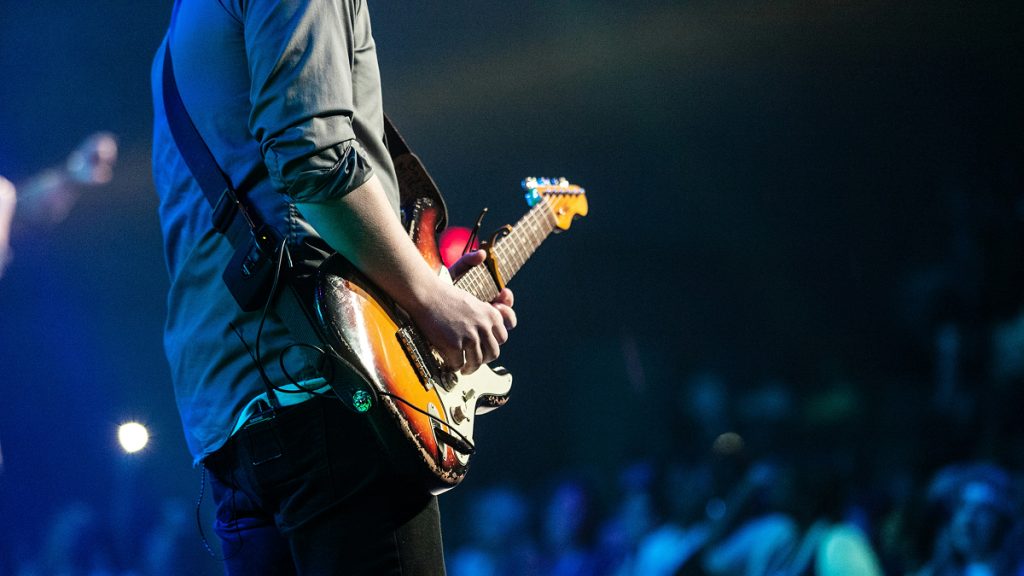
Your venue sets the tone for an event in the eyes of a ticket buyer. The venue you choose will shape attendee perception. Accordingly, prioritize factors like capacity, location accessibility, built-in AV capabilities, parking, and alignment with your theme. Site visits reveal details no photos can, where you can also test acoustics, lighting, and flow. Decisions relating to the venue you book for your event can affect budget heavily, so compare options carefully and negotiate terms. Many planners favor non-traditional spaces for unique experiences and better value.
Don’t know where to start in choosing a venue? Think of what a target audience member would most likely associate your event with.
Actionable Tips to Use With Choosing a Venue
- Do not skip a site visit if you have never been to a given venue before.
- Take into account whether a venue has native WiFi access, parking, and other rules.
- Consider what backup venues you may use should there be an issue with your first-choice venue.
- Plan ahead as prime spots at many venues can book fast so as soon as you know where you want to host from, make the call to reserve it.
Your Real-World Example
The Outside Lands Music Festival in San Francisco chose Golden Gate Park, a non-traditional public park venue, over hosting their event in a standard arena because of its accessibility, access to the outdoors, and because attendees instantly associate large-scale music events with an open-air setting.
Step 6: Build Your Event Team

You can’t do it alone. Assemble a “dream team” for event logistics, event marketing, and more. Define roles clearly, not dissimilar from how you might do if you were hiring for a company, with responsibilities outlined for a project manager, marketing lead, logistics coordinator, on-site staff, and volunteers. For larger events, don’t forget to include specialists like AV techs and/or event security services. Before, during, and after, regular communication keeps everyone aligned and reduces last-minute chaos.
Proper raining ensures smooth execution, especially for safety and guest service. Tools like shared docs or apps streamline collaboration.
Actionable Tips to Keep in Mind for Your Team
- Assign tasks and responsibilities from day 1, ensuring all team members are aware of their expectations.
- Schedule routine check-ins to verify that each person on your team has what they need to succeed in their role.
- Coordinating a team can take time so allot yourself what you need to ensure it’s done right.
Your Real-World Example
Nike’s large-scale running events, such as the Nike Run Club community runs and pop-up races (like the “After Dark Tour” or marathon lead-up events in cities like New York and Chicago were successfully completed as a result of a well-structured team: a central project manager overseeing timelines and budgets; marketing leads handling promotion via the Nike Run Club app, social media, and athlete partnerships; logistics coordinators managing venue setup, permits, hydration stations, timing tech (e.g., RFID tracking), and vendor coordination; and on-site staff and volunteers (often including Nike pacers and expert coaches) executing race-day flow, safety protocols, and participant engagement.
Step 7: Create a Detailed Timeline and Plan
A timeline is your roadmap. If you aren’t sure what timeline could work best for your event, work backward from your event date to build a comprehensive schedule. Consult with other stakeholders to understand and identify what they need within the context of a schedule or timeline. Include milestones for bookings, promotions, rehearsals, and vendor deliveries. Have clear deadlines. Build buffers for delays and include contingency plans for weather or tech failures.
Detailed planning reduces stress and catches oversights early.
Actionable Tips to Consider in Your Event Timeline Planning
- Map out pre-event, day-of, and post-event phases.
- Assign tasks to team members and ensure each stakeholder is equipped with what they need to complete their tasks.
- Include contingencies for delays.
Your Real-World Example
The TED Conference (the flagship annual event in Vancouver), which operates on a meticulous, multi-phase timeline starting 12–18 months in advance to deliver its signature high-impact, idea-driven experience for thousands of attendees. Planners always work backward to catch oversights early and prepare for the event dates.
Step 8: Secure Your Entertainment and Event Vendors
Entertainment is the center-point of so many events. In fact, who you get for your entertainment can make or break events. Your vendors also form a large part of the attendee experience which is why you don’t want to hire just any party to take those roles. Talent and partners elevate quality but they can also sink it. Carefully consider who you book and book early for top choices. Vet your entertainment for relevance and energy, and confirm your vendors are honest, reliable, and are not going to conflict with your event branding. Contracts should cover deliverables, payments, and cancellations.
Focus on alignment with goals and audience expectations, and rehearse key elements to iron out issues.
Actionable Tips to Remember for Event Entertainment
- Do not wait to secure entertainment and event vendors, and lock them in contracts quickly.
- Negotiate deals with entertainment and vendors smartly as these costs can add up.
- Prioritize local and/or sustainable options where possible.
- Consider what backups you may use in critical roles if a partnership falls through.
- Rehearse any and all technology involved beforehand as you do not want a technical issue ruining your event.
Your Real-World Example
Coachella Valley Music and Arts Festival organizers, led by Goldenvoice‘s Paul Tollett, begin securing top-tier entertainment and vendors as early as August (8+ months before the April event) to lock in headliners, supporting acts, and essential partners before competitors snag them. The booking process involves vetting artists through agent pitches, personal discoveries (e.g., via YouTube/social media), and the company’s year-round concert network, prioritizing relevance, energy, trendsetting appeal, and alignment with Coachella’s eclectic, immersive branding.
Step 9: Develop an Event Marketing and Promotion Strategy

No promotion, no attendees. When you are launching an event marketing and promotion strategy, always start early with teasers and build momentum. This, again, relies on you understanding your target audience. Use a multi-channel event marketing approach: email, social media, partnerships, paid ads, and influencer outreach. Track performance to optimize spend. Keep in mind that personalized messaging converts better. Many planners report strong ROI from targeted campaigns.
Evaluate marketing strategies that similar events have used to judge whether they could apply to your event.
Actionable Tips to Use When Planning Your Marketing
- Create a calendar for your marketing, to ensure campaigns are launched and kept up with on time.
- Offer early-bird incentives for ticket-buyers to nab their tickets early.
- Track every marketing campaign with your analytics, leveraging the data for targeting and retargeting.
- Adjust your budget as event marketing efforts progress, adding to strategies that are working and cutting strategies that are not.
Your Real-World Example
SXSW (South by Southwest) in Austin, Texas, masterfully builds anticipation and drives massive attendance (hundreds of thousands across film, music, interactive, and conference tracks) through a phased, multi-channel marketing strategy that kicks off 9-12 months early. They use targeted social media (Instagram, TikTok, X for real-time engagement and hashtag campaigns), influencer and partner outreach (seeding invites to creators, panels, and official activations), paid ads retargeting past attendees and lookalikes, email newsletters with early-bird incentives (tiered pricing that rewards quick buyers and sells out fast), and organic momentum from user-generated content/shared experiences.
Step 10: Handle Event Logistics and On-Site Execution
Your day-of execution demands precision. Develop detailed run sheets, arrival protocols, signage, and emergency plans. Staff briefings ensure everyone knows their role and are educated on what’s expected of them. No event is hands-off. Monitor in real time and be ready to adapt quickly as conditions change. Health and safety measures remain essential as well. Ensure you are fully prepared for almost anything the day of.
Actionable Tips to Keep in Your Back-Pocket
- If possible, conduct a full walk-through the day before to confirm your venue and logistics are ready.
- Ensure you know how to contact tech support and what to do if technology fails the day of.
- Make sure you are as calm as you can be as unpredictable issues are sure to arise and the ability to think fast and make decisions is important.
Your Real-World Example
The Super Bowl Halftime Show exemplifies precision in day-of logistics and on-site execution under extreme time pressure and high stakes, with a global audience of over 100 million watching live. Organizers develop ultra-detailed run sheets and protocols months in advance, including exact timelines for the 12-14 minute window: crews have just 7–8 minutes post-second quarter to install massive stages (built from 15–40 rolling carts/platforms, lighting rigs, audio gear, and props), position performers, and test tech—followed by a 6-minute teardown to clear the field before the third quarter starts.
Step 11: Focus on Attendee Experience and Engagement
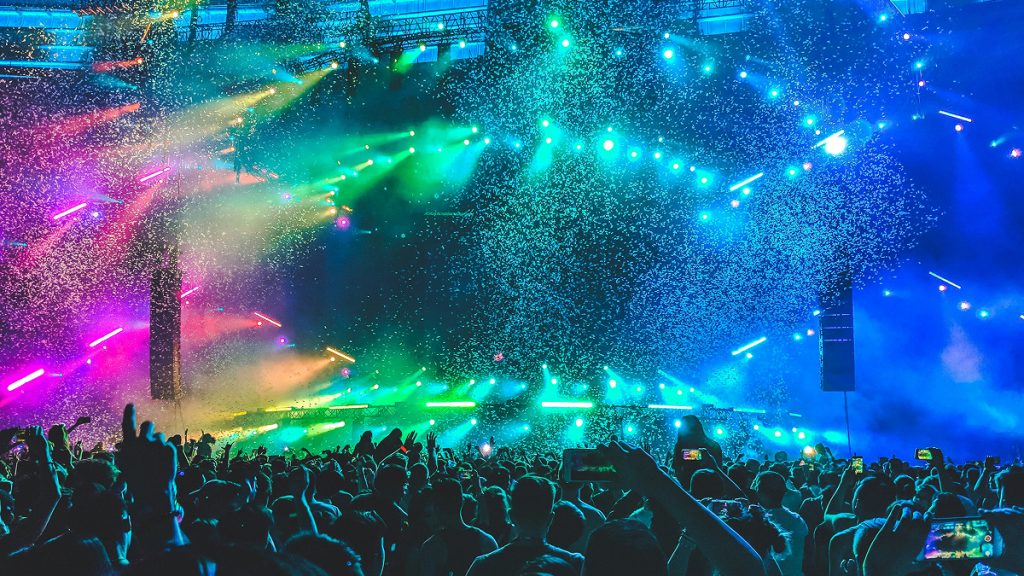
From check-in to farewell, prioritize the thoughts and feelings and experience of your attendee. From the most seamless check-in to the conditions inside the venue and the schedule over the course of an event, small touches matter. When done right, you can engage attendees, encourage them to stay longer, and ultimately achieve more satisfaction from ticket buyers.
How to plan a successful event has everything to do with what a ticket buyer is walking away from it feeling.
Actionable Tips that Relate to an Event Experience
- Train staff in how to personable and helpful.
- Consider how technology can help you to leverage your attendees to engage more and create memories.
- Research past event experiences from attendees and see what ticket buyers like or dislike about your style of event.
Your Real-World Example
Disney Meetings & Events at Walt Disney World Resort (or Disneyland Resort) obsesses over every touchpoint of the attendee journey, from check-in processes (often with character greetings, personalized welcome packets, or themed arrivals) to immersive venue conditions, thoughtful scheduling with built-in breaks for park access or wellness, and small, delightful surprises like hidden Mickeys, interactive photo-ops, or custom entertainment that make corporate conferences, incentive trips, or social gatherings feel extraordinarily special. Staff undergo rigorous “Disney service” training to be personable, proactive, and helpful (e.g., anticipating needs, using guest names, and creating “magical moments” like unexpected character appearances or personalized shout-outs), while technology enhances engagement through apps for customized itineraries, real-time feedback, mobile check-ins, and AR experiences that let attendees capture memories or interact with event elements.
Step 12: Measure Your Event Success and Gather Feedback
The true test of any event’s value happens after the last guest leaves and the venue lights dim. Was ita success? That is for you to decide based on your stated goal and what the data is telling you. Post-event evaluation is a critical step that proves your investment paid off, justifies future budgets, and turns one-time successes into repeatable wins. Without systematic measurement, you’re flying blind on what actually worked, what fell flat, and how to improve next time.
Track key KPIs, attendance and ticket sales, and ROI based on your costs and expenses to make a determination.
Actionable Tips You Can Use to Judge Event Success
- Consider sending out a post-event survey to ticket buyers to gather feedback direct from the source.
- Conduct a post-event meeting with stakeholders to get their input on how the event went for them.
Your Real-World Example
The CES (Consumer Electronics Show) in Las Vegas is the world’s largest tech trade show. Its organizers (aka the Consumer Technology Association) conduct a thorough post-event evaluation to measure success against goals like driving innovation visibility, generating business leads, media exposure, and attendee/sponsor satisfaction for future iterations. They send out detailed post-event surveys via email to registered attendees, exhibitors, and media shortly after the event closes, including Net Promoter Score (NPS) questions on overall satisfaction and likelihood to return/recommend, plus targeted ratings and open-ended feedback on key areas: session quality, keynote speakers, exhibit floor layout and booth experiences, networking opportunities, logistics (registration, shuttles, WiFi), and emerging tech relevance—capturing insights while memories are fresh to identify strengths (e.g., popular pavilions) and pain points (like crowds or scheduling conflicts).
Your Path to Event Success is Yours to Create and Execute On

Planning a successful event is about identifying the right goals, crafting a strategy, prioritizing teamwork, and maintaining adaptability before, during, and after your event.
It’s also important to recognize you can’t guarantee or even plan for perfection. No event planning checklist can control every variable, from unexpected weather to last-minute attendee no-shows. What a guide like this does guarantee is that you’ve given yourself the strongest possible foundation to maximize ticket sales, attendance, engagement, and lasting impact.
By methodically working through each step – from crystallizing your goals and deeply understanding your audience, to budgeting realistically, choosing the right venue and date, building a capable team, securing standout entertainment, promoting strategically, executing flawlessly on the day, obsessing over attendee experience, and closing the loop with rigorous measurement – you dramatically increase the odds that your event will deliver on its promise.
The events industry rewards preparation. Promoters, organizers, and event planners who follow structured processes consistently report higher satisfaction scores, better ROI, stronger repeat attendance, and more enthusiastic word-of-mouth.
The difference between an average gathering and an unforgettable experience almost always comes down to intentionality, discipline, and the willingness to learn from every outcome.