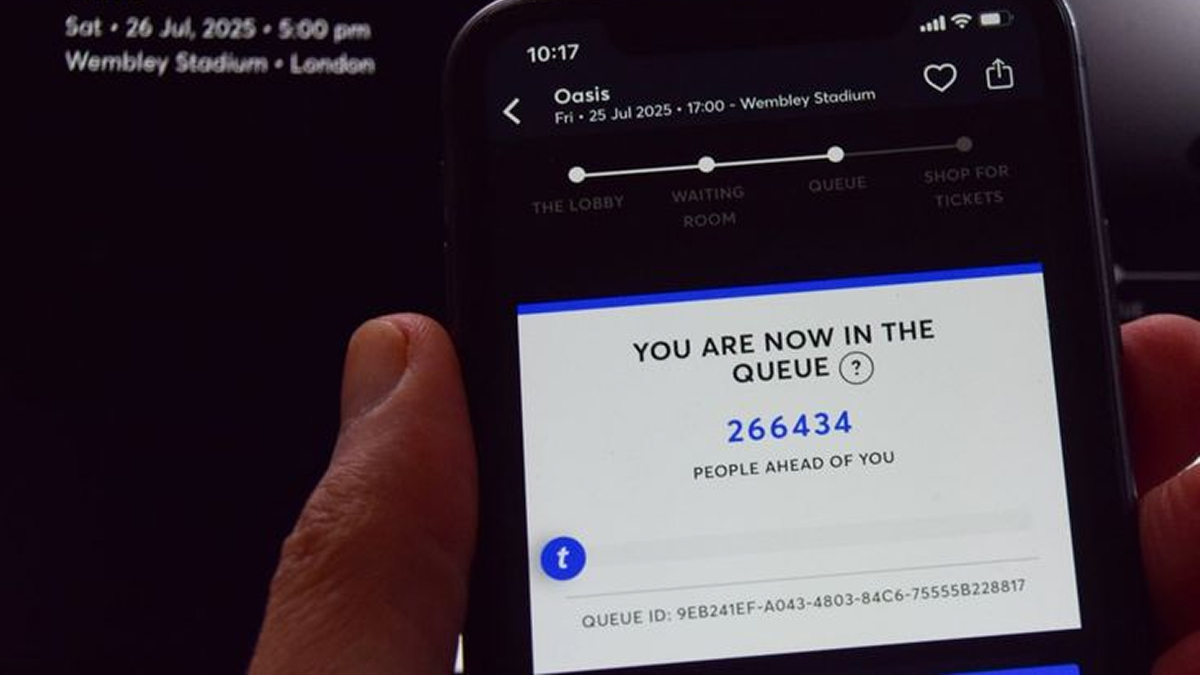
If you’ve ever launched a major ticket sale only to see seats vanish in seconds, followed closely by angry fans flooding social media, you’ve likely run into the real problem facing so many major events: ticket bots.
These automated ticket bot programs can purchase thousands of tickets faster than any human, resell them at inflated prices, and erode trust in your brand. For event planners, promoters, venue operators, and artists, mark this as a serious threat to both your reputation and revenue. The good news is that bots can be stopped, but it requires the right mix of strategy, technology, and ongoing vigilance. This guide explains how to prevent ticket bots from buying tickets, reduce scalping, and protect your fans. You’ll learn what fuels this underground market, how leading venues are responding, and which bot mitigation strategies are actually effective today.
Understanding the Ticket Bot Problem
Ticket bots, also known as scalper bots or ticket-purchasing bots, are automated scripts designed to mimic human behavior and buy tickets online.
They rely on advanced tactics such as proxy servers, fake accounts, and CAPTCHA-solving tools to bypass standard safeguards.
Under the Better Online Ticket Sales (BOTS) Act in the United States, it is illegal to use this type of software to purchase tickets in bulk or circumvent ticketing platform security. However, many countries including Canada do not have similar federal legislation in place. Add to that enforcement remains challenging, as many operations originate overseas or conceal their activity through botnets.
Just when you think the problem couldn’t possibly worsen, ticket-buying bots are actually getting smarter. Early bots were relatively simple, often just refreshing ticketing pages. But today’s more sophisticated versions:
- Distribute requests across thousands of IP addresses to avoid detection.
- Use machine learning to mimic human browsing and clicking behavior
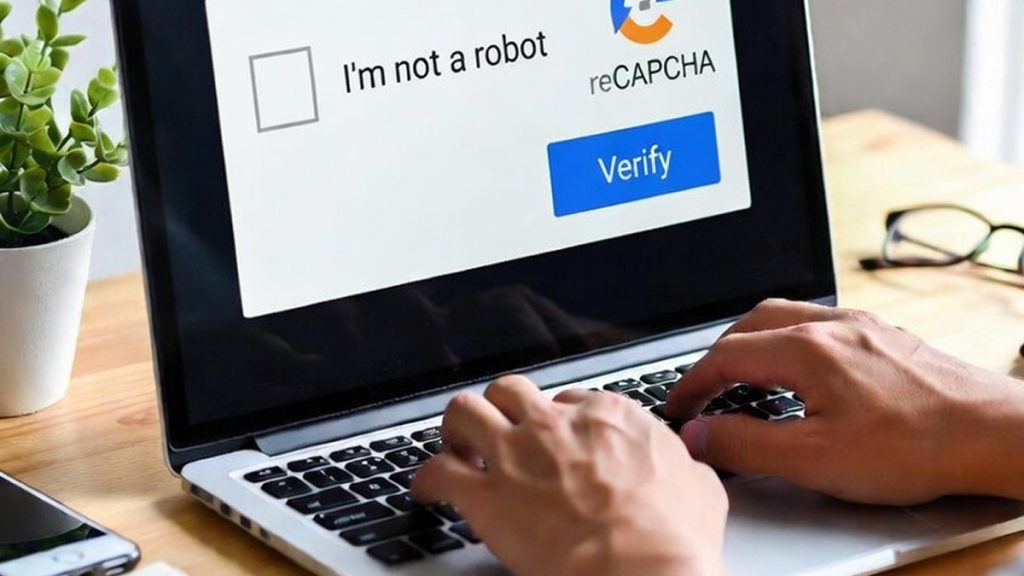
- Leverage CAPTCHA-solving APIs to bypass “I’m not a robot” challenges.
- Monitor ticketing APIs in real time to detect inventory changes before human users can.

Why Ticket Bots Are So Damaging to an Event
When you’re trying to sell out an arena or theater, ticket bots disrupt far more than sales metrics. They can distort the entire ticketing economy around your event.
1. Lost Revenue and Brand Credibility
A rapid sell-out might seem like a win, but when bots are involved, it often comes at a cost.
These programs can exploit pricing structures by buying large volumes of tickets at face value and quickly reselling them on secondary markets at significantly higher prices. While the tickets technically “sell,” the additional profit goes to resellers, and not to you or your partners.
This dynamic creates frustration among genuine fans, who feel priced out or taken advantage of. The backlash often plays out publicly on social media, where complaints about fairness and accessibility can quickly gain traction. Over time, this erodes trust in your brand and can discourage fans from participating in future sales, ultimately impacting long-term revenue and reputation.
2. Skewed Fan Access That You May not Even Realize
When bots hoard tickets, they prevent real fans from accessing events at the intended price. This is especially damaging for artists, teams, and venues that rely on a strong sense of community and fan loyalty. Instead of rewarding dedicated supporters, tickets are diverted to resellers who have no connection to the event itself.
The result is a breakdown in the relationship between you and your audience. Fans who repeatedly miss out may stop trying altogether, assuming the system is rigged. Over time, this weakens engagement, reduces attendance quality, and can even affect merchandise sales and overall fan enthusiasm.
3. Data Integrity Issues
Ticket bots pollute your sales data. Automated accounts often create fake profiles or use disposable credentials, flooding your systems with inaccurate or low-quality information. This makes it harder to distinguish real customers from bot activity.
As a result, your CRM and marketing tools become less effective. Campaign targeting, audience segmentation, and performance tracking all suffer when based on unreliable data. Teams may waste time and budget chasing leads that don’t exist, while missing opportunities to engage with genuine fans in meaningful ways.
4. Fraudulent Chargebacks
In some cases, bots are used in conjunction with stolen or compromised credit card information to make bulk purchases. These fraudulent transactions can initially appear legitimate, but often result in chargebacks once the true cardholders dispute the charges.
This creates operational and financial strain for event organizers. Handling disputes, processing refunds, and dealing with payment processors can be time-consuming and costly. In addition to direct financial losses, excessive chargebacks can damage your merchant reputation, potentially leading to higher processing fees or stricter payment restrictions in the future.
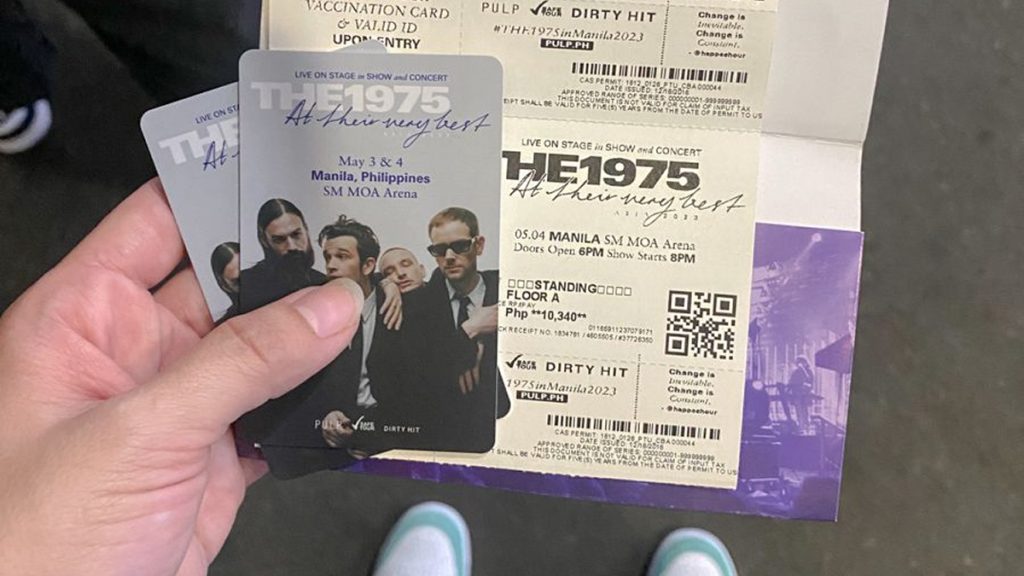
The Scale of the Ticket Bot Problem in the World of Events
Bot activity in live event ticketing is staggering.
According to data from Imperva and Queue-it, more than 40% of all online ticket traffic is now generated by automated bots. In high-demand on-sale events – such as global tours or major playoff games – it can spike dramatically, with as much as 90% of all traffic at launch time being non-human requests.
At the same time, the secondary ticket market in North America surpassed $15 billion in 2025, and a significant share of that resale activity is driven or accelerated by automated purchasing systems.
These figures highlight the scale of the problem and make it clear why basic protections like CAPTCHAs are no longer enough on their own.
To effectively reduce bot-driven abuse, event professionals need to move beyond single-layer defenses and adopt comprehensive, multi-layered ticket bot mitigation strategies that address the problem at multiple points in the buying process.

How Ticket Bots Work (and Why That Matters)
To build effective defenses, it’s important to understand the attacker’s playbook. A typical ticket-buying bot follows a step-by-step automated process from start to finish.
Step 1
The bot scans event websites or APIs to detect early inventory or upcoming ticket releases.
Step 2
It uses scripts or headless browsers to enter the checkout queue within milliseconds of tickets going live.
Step 3
It rapidly completes forms, bypasses CAPTCHA challenges using image recognition tools or third-party solving services, and finishes checkout at speeds no human user can match.
Step 4
Once tickets are purchased, they are transferred to secondary accounts and immediately listed on resale marketplaces.
Step 5
Profits are generated quickly, often before fans even realize they’ve been priced out of the event. In more advanced operations, attackers also offer “botting-as-a-service,” selling access to these tools so others can exploit ticketing platforms without technical expertise.
Understanding this full workflow is essential for effective prevention. It shows why defenses must be layered, combining behavioral monitoring, queue management systems, rate limiting, and post-purchase validation to disrupt bots at multiple stages of their operation.

Common Signs You’re Dealing with Ticket Bots
Before you can stop ticket bots, you first need to recognize the warning signs. Bot activity often leaves clear patterns in your traffic and purchase data that differ significantly from normal fan behavior.
One of the most common indicators is a sudden and extreme spike in website traffic within seconds of tickets going on sale. These surges typically occur far faster than any organic marketing or fan-driven interest could generate.
Another red flag is a large volume of purchases tied to similar or repeating billing information, IP addresses, or user profiles. This clustering often suggests automated systems cycling through multiple accounts to secure as many tickets as possible.
You may also notice unusually low checkout completion rates or a high number of abandoned sessions. This can happen when bots are testing different methods, encountering friction, or rapidly cycling through purchase attempts.
Disproportionate activity from unexpected geographic regions is another common signal. When demand suddenly appears concentrated in areas that don’t align with your typical audience, it may indicate proxy networks or distributed bot traffic.
Finally, some event ticketing security systems may detect unusually consistent interaction patterns, such as identical timing between clicks or unnatural mouse movement and keystroke behavior. These patterns are difficult for humans to replicate but common in automated scripts.
Modern analytics platforms and ticket bot detection tools can help quantify these signals, making it easier to confirm bot activity before deploying more aggressive mitigation measures.

The Legal and Regulatory Context of Ticket Bots
Many markets have introduced anti-bot legislation, such as the U.S. Better Online Ticket Sales (BOTS) Act and Ontario’s updated Ticket Sales Act, but enforcement often struggles to keep pace with rapidly evolving technology.
As a result, the responsibility frequently shifts to event stakeholders themselves to implement effective ticket bot protection measures. Some major event ticketing platforms, such as Ticketmaster, have developed integrated anti-bot ticketing systems and collaborate with cybersecurity partners to help detect and reduce automated abuse.
However, smaller promoters and independent venues often do not have access to the same level of infrastructure or resources, which can leave their ticketing systems more vulnerable to attacks.
This disparity makes proactive bot protection essential for all event organizers, regardless of size or platform.

Here is How to Stop Scalpers Buying Tickets Online
When building your bot protection model, think in layers, combining real-time detection, proactive deterrents, and human-centered policies.
1. Strengthen Access Control Before the Ticket Sale
One of the best ways to stop ticket bots buying tickets is to make unauthorized access harder long before launch.
- Pre-sale registration systems. Require fans to sign up early and verify identity (via email verification, payment pre-authorization, or SMS). Your legitimate fans will get unique access codes for ticket drops.
- Account-level purchase limits. Cap the number of tickets per verified account and enforce those limits through payment and identity matching.
- Geofencing and IP restrictions. Restrict sales to certain territories when necessary, reducing traffic from proxy networks abroad.
These pre-sale steps form part of an anti bot ticketing foundation that filters human interest before bots even attempt entry.
Example: Taylor Swift’s “Verified Fan” system through Ticketmaster uses identity-linked pre-registration and random lottery access. It drastically reduced automated hoarding for her 2023–2024 tours, though no method is foolproof.
2. Implement Queue Systems for Ticket Sales
A queue system for ticket sales can significantly reduce bot activity by slowing down automated purchasing and introducing a fair, controlled buying process. Instead of allowing all users to flood the site the moment tickets go live, virtual waiting rooms are used to manage demand. These systems can:
- Randomize entry order after a pre-queue period to reduce the advantage of early automated access.
- Limit the number of simultaneous connections to checkout pages to prevent mass checkout attacks.
- Continuously refresh queue positions and monitor behavior patterns to identify script-like activity.
Solutions like Queue-it and similar platforms analyze arrival timing, browser fingerprints, and interaction behavior to detect and block bots attempting to overwhelm ticketing systems. In addition to improving security, they also help maintain site stability during extreme traffic spikes, an often overlooked but critical benefit during high-demand on-sales.
3. Use Smarter CAPTCHA Systems for Ticket Bot Prevention
Traditional CAPTCHAs are becoming less effective because modern bots can now bypass them using low-cost AI-solving services or large-scale human “click farm” networks. However, adaptive CAPTCHA systems, when used as part of a broader strategy, can still help deter simpler automated attacks.
A more effective approach is to use user-friendly, risk-based verification tools that adjust friction based on behavior.
- Google’s reCAPTCHA v3, which runs invisibly in the background and assigns each user a risk score rather than presenting a visible challenge.
- Friendly Captcha, which uses privacy-first cryptographic puzzles instead of traditional image-based challenges.
- hCaptcha, which provides configurable challenges that can be tuned based on threat levels.
The most effective implementations combine these tools with risk-based triggers, meaning CAPTCHA challenges are only shown when user behavior appears suspicious rather than applied universally.
This approach reduces friction for legitimate fans while still strengthening ticketing fraud prevention and blocking automated abuse where it matters most.
4. Deploy Behavioral and AI-Driven Bot Detection
Bots can often mask their identity, but they rarely behave like genuine human users. This is where behavioral analytics and AI-driven detection models become especially important in identifying and blocking automated activity.
Modern bot detection systems used in ticketing platforms analyze a range of subtle behavioral signals, including mouse movement fluidity and the randomness of clicks, which are typically more erratic in humans but overly consistent in bots.
They also examine form completion times, since bots tend to fill out forms either instantly or in unnaturally uniform patterns, as well as session persistence across repeated attempts to secure tickets. In addition, device fingerprinting is used to assess whether user environments remain consistent or appear artificially generated or frequently changing.
Platforms such as Imperva Bot Defense, Cloudflare Bot Management, and DataDome specialize in detecting hidden automation and either flagging or blocking suspicious connections in real time.
When integrated directly into ticketing systems, these tools provide powerful bot traffic protection by identifying and removing fake users before they ever reach the checkout stage, helping ensure that legitimate fans have a fair chance to complete their purchases.

5. Protect Your Ticket APIs
API endpoints – used by mobile apps, third-party partners, and digital ticket wallets – are often prime targets for bots because they can provide direct or near-direct access to ticket inventory data.
To better secure online ticket sales, development and engineering teams should implement several key protections. This includes using authentication tokens and strict rate limiting across all ticketing APIs to prevent excessive or automated requests from a single source.
Where possible, public or unauthenticated endpoints should be disabled entirely to reduce exposure. Teams should also actively monitor for unusual request patterns or spikes in call frequency that may indicate automated scraping or coordinated bot activity.
Attackers frequently exploit weak or unprotected APIs to harvest inventory data, scout upcoming ticket drops in advance, or aggregate information for resale operations. Because of this, strong API management plays a critical but often overlooked role in preventing automated ticket purchases and protecting the integrity of ticket sales systems.
6. Post-Purchase Ticket Validation and Transparency
Even after tickets are sold, post-purchase verification can play a critical role in identifying fraudulent accounts and reducing large-scale resale activity.
Common approaches include requiring phone or ID verification before tickets are delivered, which helps confirm that purchases are tied to real individuals rather than automated or fake accounts.
Another widely used method is digital-only ticketing, where tickets are linked directly to a buyer’s mobile app, often using technologies like NFC entry, to reduce the risk of transfer abuse or mass redistribution.
Some organizers also use delayed ticket delivery, where digital tickets are only released 48–72 hours before the event. This limits the ability of resellers to immediately list or transfer tickets, making it harder for bots and scalpers to profit quickly from bulk purchases.
Together, these post-sale validation techniques significantly increase friction for bad actors while helping preserve fair access. They also tend to improve fan trust, especially when audiences understand that these measures are in place to protect them from scalping and automated abuse.
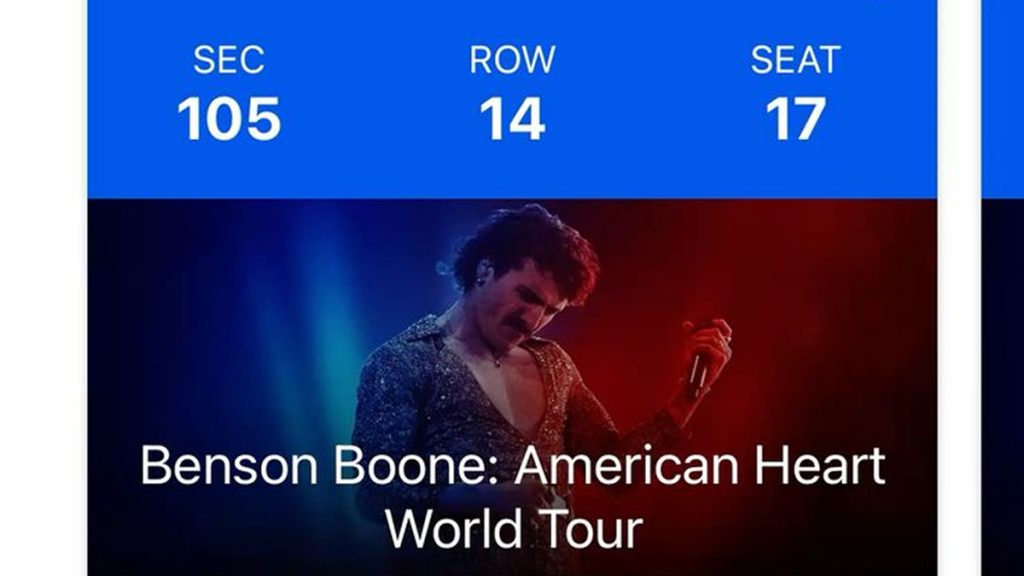
Advanced Event Security Technology Solutions for Ticket Bot Protection
In discussing how to stop ticket bots from buying tickets to an event, we also want to focus on next-generation anti-bot ticketing technologies shaping modern event security. These advanced tools combine machine learning, real-time analytics, and cloud infrastructure to detect and neutralize bots across billions of requests. For large-scale ticketing operations, these technologies are essential.
1. Smart Traffic Filtering and Behavioral Fingerprinting
Modern bot protection for event ticket sales increasingly relies on behavioral fingerprinting, which goes beyond simple IP-based checks to analyze how users move, interact, and engage with a page.
The core idea is that genuine users behave in naturally inconsistent ways, while bots tend to follow more rigid and predictable patterns.
These systems monitor a range of subtle behavioral signals, such as scroll speed and hover frequency, which vary widely among real users but often appear uniform in automated scripts. They also track micro-mouse movements during form completion, browser window focus changes, refresh timing, and repeated purchase attempts that originate from the same or highly similar browser signatures.
Platforms like PerimeterX Bot Defender and Cloudflare Bot Management use machine learning and deep neural networks to detect these micro-patterns in real time. Rather than relying only on static rule sets – which bots can eventually learn to evade – these systems continuously evaluate behavioral signals as they happen, improving the accuracy of ticket purchasing bot detection and strengthening overall protection for high-demand sales.
2. Using Encryption and Secure Payment Flows to Identify Bots
Payment systems are a critical layer of defense against bot-driven ticket abuse. Bots often target weaknesses in checkout forms, payment APIs, and delivery portals to complete fast or fraudulent transactions before real buyers can act.
To secure online ticket sales, organizations should use end-to-end encryption between the ticketing platform and payment processor so sensitive data cannot be intercepted. Payment details should also be tokenized to prevent reuse even if credentials are compromised.
Multi-factor authentication (MFA) at checkout can add a human verification step for high-risk or high-volume purchases. Monitoring transaction velocity is also essential, as rapid repeat purchases using identical or similar payment details are a strong signal of automation.
Together, these measures reduce exposure to both scalping and credit card fraud, strengthening overall ticketing fraud prevention and improving trust across the purchase process.
3. Leveraging Cloud-Based Anti‑Bot Services
Cloud providers are increasingly offering ticket bot protection as managed services. These plug directly into existing ticketing infrastructure with minimal setup.
- DataDome: Cloud-based AI detection focused on e‑commerce and ticket resale prevention.
- Imperva Bot Defense: Includes web application firewalls (WAFs) and automated mitigation logic.
- Akamai Bot Manager: Ideal for large enterprises or stadium-level venues requiring constant scalability.
- Queue‑it: Best known for queue system ticket sales anti-bot integration and virtual waiting rooms.
These platforms integrate analytics dashboards to visualize bot traffic protection for ticket websites, supporting decisions about adjusting rulesets, captcha triggers, and queue thresholds.
4. Honeypots and Deception Technology for Ticket Bots
For venues and promoters with strong technical teams, honeypot traps can provide an invisible layer of defense against bots. These are hidden form fields or fake URLs that are not visible or relevant to real users, but are often detected and interacted with by automated scripts.
When a bot triggers a honeypot, the system can immediately flag the activity or block the connection entirely, all without affecting the experience of legitimate ticket buyers. This makes honeypots a low-friction but highly effective detection method.
More advanced implementations take this concept further by using deceptive architectures that simulate vulnerable or attractive endpoints designed to lure bots in. By observing how these systems are interacted with, teams can gain valuable insight into bot behavior and refine longer-term ticket bot mitigation strategies based on real attack patterns.
For example, a festival ticketing site might include an invisible form field labeled “optional referring ID.” Human users never see or interact with it, but bots that automatically fill all available fields will expose themselves instantly, allowing the system to identify and block them without impacting the fan experience.
Combining Multiple Layers – The “Defense in Depth” Model
No single technology will ever stop bots completely. The strongest anti bot ticketing framework uses “defense in depth”, a model that stacks complementary defences into one seamless system. Each layer protects the next, reducing exposure even when one barrier is breached. It’s the same approach used in enterprise cybersecurity now applied to ticket scalping prevention.
Bot threats are constantly evolving, which means ticket bot mitigation strategies must evolve alongside them. A one-time setup is not enough. Ongoing monitoring and refinement are essential to stay ahead of new attack methods.
Recommended ongoing practices include regular quarterly bot audits to review system logs and identify emerging attack patterns before they scale. Penetration testing is also important, whether through ethical hackers or simulation tools, to replicate real-world bot behavior and expose vulnerabilities in advance.
Collaboration plays a key role as well. Sharing data with ticketing partners and other venues helps build collective intelligence, improving overall resilience across the industry. In addition, CAPTCHA and verification systems should be updated regularly to counter new solver services and evolving bypass techniques.
Finally, maintaining clear incident reporting documentation ensures responses are structured, consistent, and accountable when attacks do occur. Together, these continuous improvement practices shift bot protection from a reactive process into a proactive strategy, reducing long-term costs while strengthening overall system security.

Fighting Ticket Bots to Grant Fair Access to Fans and Real Ticket Buyers
Stopping ticket bots is not a single action, but an ongoing process that combines policy, technology, communication, and collaboration.
From small venues to global tours, every event organization faces the same core challenge: maintaining fairness and authenticity in digital ticket sales.
The most successful organizations treat ticket security as a core brand value rather than a purely technical issue. They implement layered defenses that combine queue systems, AI-driven detection tools, and other protective technologies to address threats at multiple points in the purchase journey. By adopting structured, data-driven anti-bot ticketing strategies, organizations do more than prevent scalpers from buying tickets. They also restore fairness and integrity to the entire event experience.
And it’s important to note that ticket bots are not going away, but neither is the ability to defend against them.
Fair access to tickets strengthens trust, deepens emotional connection, and ensures that real fans can experience the events they care about most.
By taking proactive steps to secure online ticket sales, organizations can stay ahead of evolving threats, rebuild confidence in ticketing systems, and keep live experiences accessible to the audiences they were created for.