If you want to know how to sell more hockey tickets, the answer has evolved far beyond billboards and box office promotions.
In today’s market, fans expect digital ticket-buying, personalized marketing engagement, and authentic experiences that make attending live games irresistible. The competition isn’t just another local team. It’s Netflix, a night out, and every other entertainment option fighting for the same share of wallet.
For hockey teams and venues, that means winning the attention game first, and the ticket sale second. To increase hockey game ticket sales, you must understand the full fan journey, from how fans discover your games to how they share their experience online afterward. The organizations that thrive build repeat rituals that anchor community identity, loyalty, and culture.
This in-depth guide explores the modern blueprint for teams and promoters who want to boost ticket sales for sports events, sell out hockey games fast, and strengthen fan relationships through smarter, story-driven marketing.
Before Ticket Sales: Rethinking the Hockey Fan Experience
The first step toward growth is recognizing that hockey fans behave very differently today than they did just a few years ago.
Today’s hockey team supporters are digital-first, experience-driven, and quick to abandon anything that feels slow or inconvenient. They expect seamless mobile purchasing, instant confirmation, and game-day experiences that feel engaging, inclusive, and interactive.
Despite this shift, many organizations still take a reactive approach to ticketing, focusing on volume and discounts instead of building meaningful connections. However, fan behavior shows that purchasing decisions are driven more by a sense of belonging and perceived value than by price alone.
Attending a live game is about being part of a shared, in-person experience that can’t be replicated at home.
This shift in mindset should influence every aspect of sales and marketing. The goal isn’t just to sell a ticket, but to sell the feeling of being there. That’s why emotional storytelling remains one of the most underutilized strategies in hockey ticket marketing. Teams that emphasize hometown pride, rivalries, and the human stories behind players create stronger emotional pull and organic excitement. Every campaign should go beyond explaining “what” and “when,” and clearly answer the more important question: “why now?”
Data Is Your Power Play When Learning How to Sell More Hockey Tickets
Behind every successful modern ticketing strategy is data – clean, centralized, and actionable. When fan information is scattered across spreadsheets or disconnected marketing tools, opportunities are lost by default, and every game is harder to sell than it should be.
The most effective organizations rely on integrated CRM systems to segment fans based on behavior, age, location, and motivation. Instead of sending generic offers to everyone, they tailor messaging to specific audiences.
This approach reveals when fans are most likely to buy, how early-season promotions perform, and which channels generate the strongest return on investment. With these insights, teams can make informed decisions to increase attendance strategically rather than relying on guesswork.
For instance, if data shows that first-time buyers who receive a limited-time upgrade offer within 48 hours are significantly more likely to attend another game, that single automated touchpoint can drive meaningful repeat revenue. When small insights like this are applied consistently at scale, they compound into substantial long-term growth.
Analytics should also guide broader sales strategies, including pricing tiers, seat availability, and retention planning. In this way, data transforms ticket sales from a reactive process into a precise, repeatable system for growing attendance season after season.
Mastering Your Offer for a Ticket to a Hockey Game
The most effective way to sell a hockey game ticket is to combine urgency, clear value, and a strong connection to the story of the event.
Align your offer with real audience needs. Packages built around families, local businesses, schools, and community partnerships create a sense of shared ownership. Instead of feeling like a simple transaction, attending the game becomes part of a broader, meaningful experience that fans want to be part of.
To sell out hockey games more quickly, teams can develop themed promotions tied to cultural moments, such as local festivals, holiday weekends, or major rivalry matchups. When executed authentically, these events can generate media attention and social buzz.
The impact comes down to positioning: rather than simply promoting ticket availability, frame the event as a unifying moment for the community. Fans are far more responsive to emotional connection than to traditional sales messaging.

Building Your Digital Sales Funnel to Sell Hockey Tickets Online
In the era of smartphones and streaming, how to sell hockey tickets online has become as much a science as an art. Every click should guide a fan closer to purchase without friction or distraction.
A good fan journey follows a pattern: discover → engage → convert → share.
- Discovery happens when fans encounter highlights or promotions on social media.
- Engagement builds when they subscribe or click through to learn more.
- Conversion happens when they complete a transaction quickly on a mobile-friendly event ticketing platform.
- Finally, sharing extends your marketing reach for free as fans post content from the live experience.
Your hockey game event landing page should clearly show seating maps, pricing options, and calls to action. The checkout experience must be simple, secure, and visually consistent with your brand. Every extra form field costs sales.
A fan who can check out in under 90 seconds is far more likely to commit than one navigating five slow-loading pages.
Social Media is Your Best Hockey Game Marketing Tool for Tickets
Your social channels may be the most underutilized driver of attendance you have.
The best hockey marketing ideas for teams treat social media not as an announcement board but as an energy source for fan communities. Every clip, caption, and captioned video should fuel emotion, humor, anticipation, or nostalgia.
When a fan feels like part of your story online, they’re more likely to want to be part of it in person. Behind-the-scenes footage, player personalities, locker-room rituals, and in-game highlights humanize the brand. Fans follow authenticity, not ads.
Timing is also critical. Posting immediately after a strong performance, exciting play, or rivalry victory captures peak attention. That is when your “next home game” content gains traction naturally, as momentum already exists. Blend in short, emotional captioning like “See this rivalry live Friday,” or “Bring that energy back home.” These micro-moments convert digital buzz into physical attendance.
Knowing how to promote hockey games effectively means balancing entertainment content with clear calls to action. The tone should invite, never pressure.
Whether it’s Instagram Reels, TikTok highlights, or short YouTube clips, every piece of content becomes part of your virtual sales staff.

Local Roots for a Hockey Team Can Drive Long-Term Revenue
While digital reach is essential, your most reliable ticket base will always come from your physical community. The strongest performing hockey organizations understand that local partnerships and grassroots visibility create ticket sale stability.
Engage other sports leagues in your locality, schools, and local charities. Organize coaching clinics, public skates, and meet-the-team nights. Appearances from players at community events build personal connection and nostalgia.
This local immersion is especially important for minor league or junior teams competing for attention in smaller markets. When your players show up at town events, wear local business logos, or volunteer with community programs, they naturally generate earned media coverage. That visibility leads directly into measurable attendance growth.
Understanding how to get more fans to hockey games often starts with leaving the arena. The more your team becomes part of civic identity, the more naturally people feel compelled to show up for it. Attendance, at its core, is emotional participation in a shared story of pride.
Whether at the NHL or junior level, hockey carries layers of emotion rooted in local identity.
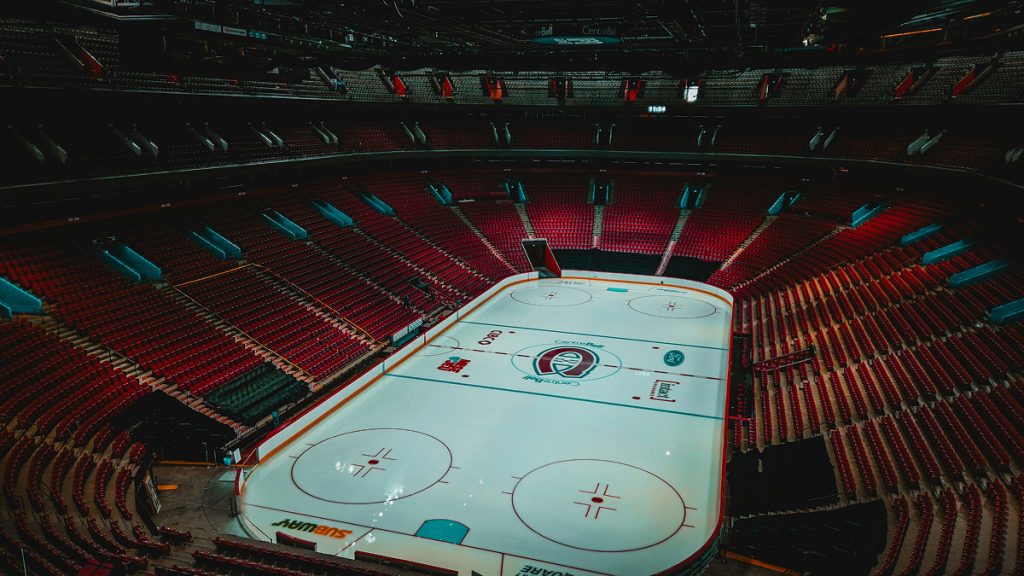
Take a moment to recall how certain NHL franchises capture their city’s essence: Winnipeg’s “Whiteout,” Calgary’s “C of Red,” or Montreal’s bilingual chants filling the Bell Centre. These are cultural storytelling devices translated into rituals.
Even smaller markets can achieve that level of connection. Feature local heroes in campaigns, spotlight rivalries dating back generations, and showcase youth programs that feed tomorrow’s players. Fans who understand how deeply the team belongs to the place they call home feel emotionally obligated to show up.
Smart Hockey Game Ticket Pricing and Packaging Strategies
Pricing strategy is another critical lever for maximizing sales.
Many organizations default to steep discounts or flash sales to move inventory, but that can erode perceived value over time. Effective pricing caters to both premium buyers seeking exclusivity and casual fans looking for affordability.
Consider structures that emphasize flexibility, such as ticket bundles, partial season memberships, or monthly subscriptions. Fans today prefer customizable experiences over rigid packages. Modern CRM systems make this easy to manage while maintaining predictable cash flow.
For marketers, loyalty-driven incentives can be more powerful than short-term discounts. Reward returning buyers with priority presales, special section upgrades, or exclusive meet-and-greet access. These small touches nurture emotional value far stronger than a coupon code.
Well‑built packages help increase attendance at hockey games because they simplify the purchase path and make commitment easier.
What Stories to Tell in Your Hockey Marketing Content
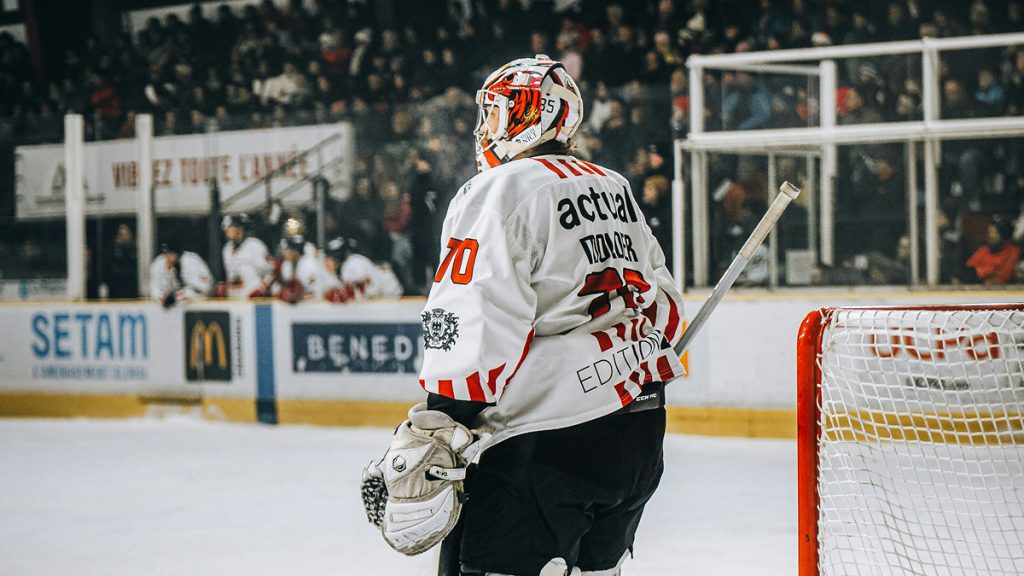
One of the most overlooked elements in how to market hockey events is using storytelling as a conversion tool.
Too many campaigns focus on showing game footage but fail to connect emotionally. The best content marketing for sports sells excitement and belonging simultaneously.
Tell fan-centric stories: the lifelong season‑ticket holder who never misses a game, the rivalry that spans decades, or the players mentoring local kids. Invest in micro‑documentary content that highlights heritage, community, and journey rather than just scores. Fans who see themselves reflected in your storytelling are more likely to share and attend. When marketing communicates “this is our story,” it transcends age, region, and income barriers.
Creating the Game Day Atmosphere Fans Crave
Marketing gets fans to the gate, but the game-day experience keeps them coming back.
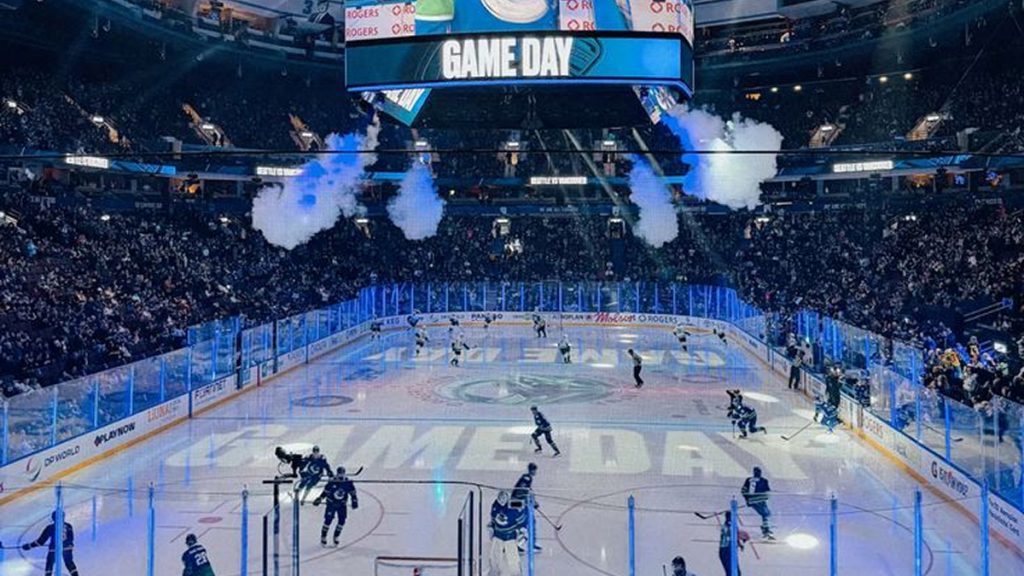
On the topic of how to fill hockey arenas sustainably, the in-venue experience must deliver beyond what streaming or TV can offer. That means more interactivity, personalization, and energy. From lighting design to in-game music, every detail contributes to emotional immersion. Promote your fan zones, pregame activities, and postgame autograph sessions as part of the total ticket value.
Remember this: fans should leave with a story to tell and share on social media.
Live game experiences should also evolve with audience feedback. Encourage fans to share ideas for theme nights, merchandise, or playlist requests. This kind of two-way communication nurtures community and reinforces that the organization listens.
Effective sports event promotion strategies tie the in-game experience directly back into digital marketing. Every great game is fresh content, producing highlights for reels, testimonials, and promotional clips for future sales. Your fans are often your best marketers.
Selling Hockey Season Tickets: The Power of Season Ticket Personalization
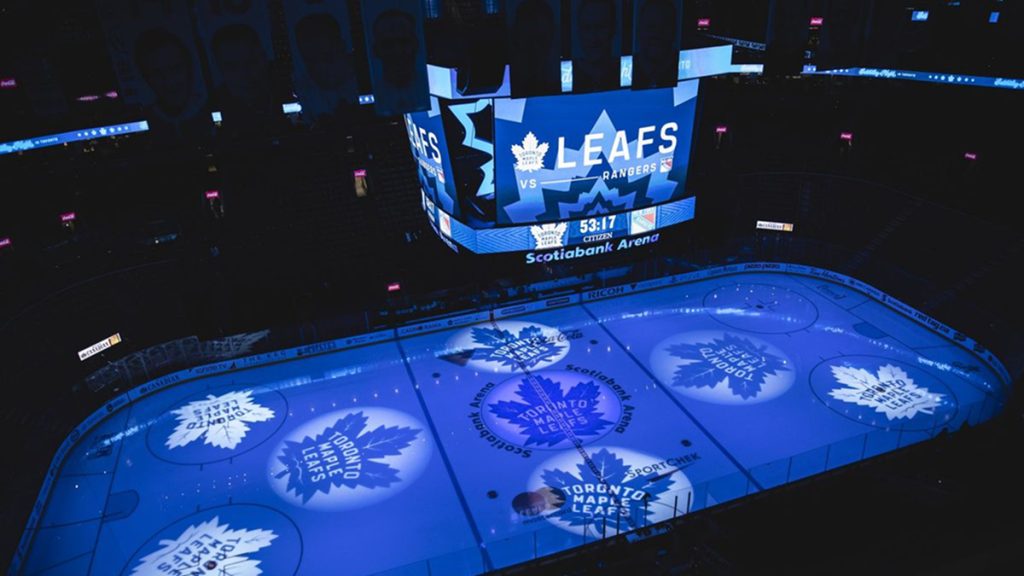
The lifeblood of any franchise remains its season ticket base. Yet too often, “season tickets” are treated as static products rather than customizable experiences. Successful organizations tailor their approach through personalization, accessibility, and ongoing communication.
Strong hockey season ticket sales tips begin with understanding that not all fans behave like diehards. Some want full-season access while others prefer flexible mini‑plans.
Offering tiers – such as 5‑game or 10‑game flex packs – invites casual fans into commitment while giving them control. Segmenting these buyers will then let you send precise messages, such as renewal reminders to loyal holders, conversion incentives to partial holders, and referral discounts for friends enrolling together.
Another key tactic to boost ticket sales for sports events is embedding experiential rewards into season packages.
Think of priority parking, meet‑and‑greet access, exclusive events, or even personalized jersey pickups. The perception of additional value strengthens retention and word‑of‑mouth.
Just as importantly, communicate with holders throughout the year and not only during renewal periods. Send thank‑you notes after milestone games, behind‑the‑scenes updates, or player interviews only available to members. This consistent attention reinforces belonging, transforming ticket ownership into identity.

Segmenting Fans for Smarter Campaigns and Higher Hockey Ticket Sales
Every arena hosts more than one audience segment. Families seek affordable memories, corporate clients entertain, and students look for energy and affordability. To increase attendance at hockey games, it’s vital to speak uniquely to each group rather than sending one message for all.
For example, a midweek campaign aimed at families might highlight convenience and value, emphasizing school‑night scheduling, meal deals, and time efficiency. Meanwhile, a weekend promotion could emphasize entertainment value, nightlife synergy, or rivalry intensity to draw social groups. Similarly, small business packages sold through chambers of commerce appeal to entrepreneurs treating staff or clients.
Understanding which channels each segment uses also matters. Families might convert better through email or school newsletters, while younger demographics respond faster to targeted Instagram or TikTok ads featuring emotion and humor. A fan who sees themselves reflected in your campaign is exponentially more likely to purchase.
Segmented marketing doesn’t require massive resources. It just requires curiosity. Talk to your fans, survey them, and monitor buying behavior. The more you listen, the easier it becomes to how to get more fans to hockey games consistently.
Converting Digital Hockey Fans & Followers into Ticket Sales
Many teams post daily on social media but fail to convert that visibility into ticketing outcomes. Converting a hockey fan into a ticket-buyer begins by connecting engagement touchpoints directly to purchase intent.
Every post should have a clear purpose which is typically either to entertain, inform, or drive action.
In hockey, video performs best. Highlights, reactions, mic’d‑up players, or locker room rituals all ignite fan emotion. To channel that emotion toward conversion, use subtle hooks anchored in time sensitivity. Lines like “Next chance to feel this energy: Friday night at home” can drive direct website ticket sales.
For promoters learning how to promote hockey games, real-time storytelling matters. If you can, post clips in the moment rather than as recaps hours later. Fans scrolling at that exact moment of excitement are more primed to act than they will be tomorrow morning.
Then, there is the impact of partnerships and sponsorships on hockey game ticketing.
Partnership integration remains one of the most underexplored areas of sports event promotion strategies. Community sponsors, restaurant partners, and corporate backers can all serve as secondary ticket distribution networks, if those relationships are structured strategically.
For instance, restaurants near your arena can offer “show your game ticket for discounts” while displaying ticket-buying QR codes at tables. Sponsors tied to specific players or events can bundle ticket giveaways with brand experiences. Every integration expands reach without heavy ad spend.
The more you weave sponsor participation into the fan journey, the more cohesive your brand feels to the community and the easier it becomes to sell out hockey games fast while providing sponsors measurable ROI.

Real-Time Promotions and Agile Campaigns Matter to Your Ticket Sales
A rigid, season-long marketing schedule no longer works in the digital age.
Algorithms, trends, and audience sentiment move too quickly. Modern ticketing promotion succeeds when teams adopt agility, launching limited campaigns in direct response to performance or timing shifts.
A winning streak is the best marketing opportunity you’ll ever have. Deploy flash sales pegged to momentum, such as “Three straight wins deserve a fourth, be there Sunday.”
Conversely, during tougher streaks, shift tone toward loyalty and unity: “We need you louder than ever this Friday. You make the difference.” The agility to pivot narratives instantly is a defining trait among major teams known for high conversion rates.
Incorporate weather, holidays, and pop culture events into your digital messaging calendar. A snowy weekend might deter travel to big entertainment venues but could boost local attendance for an indoor game if framed as “the perfect night for hockey.”
When fans see your messaging adapting to real-world context, they perceive your brand as active and relevant.
Gamification and Loyalty Programs to Keep Ticket Buyers Coming Back
Retaining attendees is far more cost-effective than convincing new ones.
Smart hockey organizations convert one‑time fans into frequent attendees through hockey marketing ideas for teams grounded in gamification and loyalty dynamics.
- Create reward systems where fans earn points for attending multiple games, sharing content, or referring friends.
- Offer prize tiers, such as exclusive merchandise, meet‑and‑greets, or VIP experiences.
The key is perceived momentum: each game they attend feels like progress toward a goal.
Data repeatedly confirms that loyalty incentives significantly increase game day attendance. Fans with point‑based systems show higher engagement and earlier purchase patterns. Their repeat behavior becomes predictable, giving sales teams reliable forecasting data.
Moreover, gamified engagement continues between events. Off‑season trivia competitions, augmented reality jersey try‑ons, or fantasy league challenges sustain connection so that when tickets go on sale, audiences are primed to buy immediately.
This perpetual interaction blurs the line between season and off‑season, keeping fans emotionally – and financially – invested all year long.
Measuring Success for Your Hockey Ticket Marketing and Optimizing the Playbook
Selling tickets without view of your analytics, ROI, or some measurement tool is playing blind. A robust analytics system captures each conversion source, allowing your marketing team to see what content or campaign truly drives attendance.
For this, focus less on metrics like social followers and more on tangible pipelines, such as conversion rate, email open-to-sale ratios, and average purchase timing. Know that 60% of ticket buyers respond within 48 hours of an email lets you calibrate reminder schedules and avoids flooding inboxes pointlessly.
After each season, conduct debriefs analyzing the spread of sales sources: direct, social, partner, or walk-up. Identify underperforming channels and redistribute budgets accordingly. Continuous optimization ensures your marketing remains efficient, nimble, and aligned with evolving fan behavior.
Over time, refined analytics turn into predictive insight. When modeled properly, you can forecast attendance weeks ahead and strategically decide when to launch promotions or flash sales.
This maturity level separates reactive hockey teams from sustainable, long-term marketing machines.
Next, you want to move beyond one-season success. To create sustainability in your hockey ticket sales, teams need retention strategies.
Keep detailed records of attendance frequency, preferred sections, and merchandise purchases to tailor renewal invitations. A personalized message that reflects actual customer history outperforms any generic sales blast. For instance, “You joined us for ten games last season. Ready to make every one count again?” speaks directly to pattern recognition and emotional reinforcement.
Transparent communication about renewal timelines, incentives, and payment flexibility fosters trust. Fans renew earlier when they feel informed and appreciated. Including messages from coaches, captains, or popular players adds authenticity to the ask.
For venues with multiple tenants or touring schedules, cross‑promotion can stabilize revenue. Offer hockey fans early or discounted access to concerts, expos, or non-hockey events hosted in the same building. This cross‑pollination keeps fans engaged year-round and maximizes facility utilization—key goals for every arena manager learning how to fill hockey arenas effectively.
What is the Future of Hockey Ticket Marketing and Hockey Ticket Sales?
When it comes to hockey, the intersection of technology and culture is sure to continue reshaping sports ticket sales strategies.
That said, innovation aside, the long-term differentiator will always remain the same: create belonging. Fans can stream games anywhere, but they choose live attendance when it feels meaningful. Every email, campaign, and event should reinforce community identity and emotional ownership.
As sustainability and accessibility take center stage in public consciousness, consider integrating eco-friendly transport incentives or family-forward packaging. A brand that listens to its community’s values wins both loyalty and reputation.
The best hockey game promotion ideas of the next decade won’t look like gimmicks. They’ll look like genuine dialogue with fans who want to be part of something unforgettable.
In this way, selling more tickets isn’t about selling harder. Instead it’s about the psychology of connecting deeper. Teams that blend storytelling, technology, personalization, and community impact are those that will sell more tickets.
Whether you manage a major league franchise or a community rink, the roadmap is the same. Focus on relevance, reduce friction, reward loyalty, and communicate with heart. When you align technology with identity, you naturally increase attendance at hockey games and sustain that energy year after year.
The crowd, after all, is hockey’s greatest soundtrack. Every empty seat is a missed opportunity to inspire someone’s story. With the right approach, your next hockey game or hockey season could be your loudest yet and the proof will go far past just numbers of tickets sold.