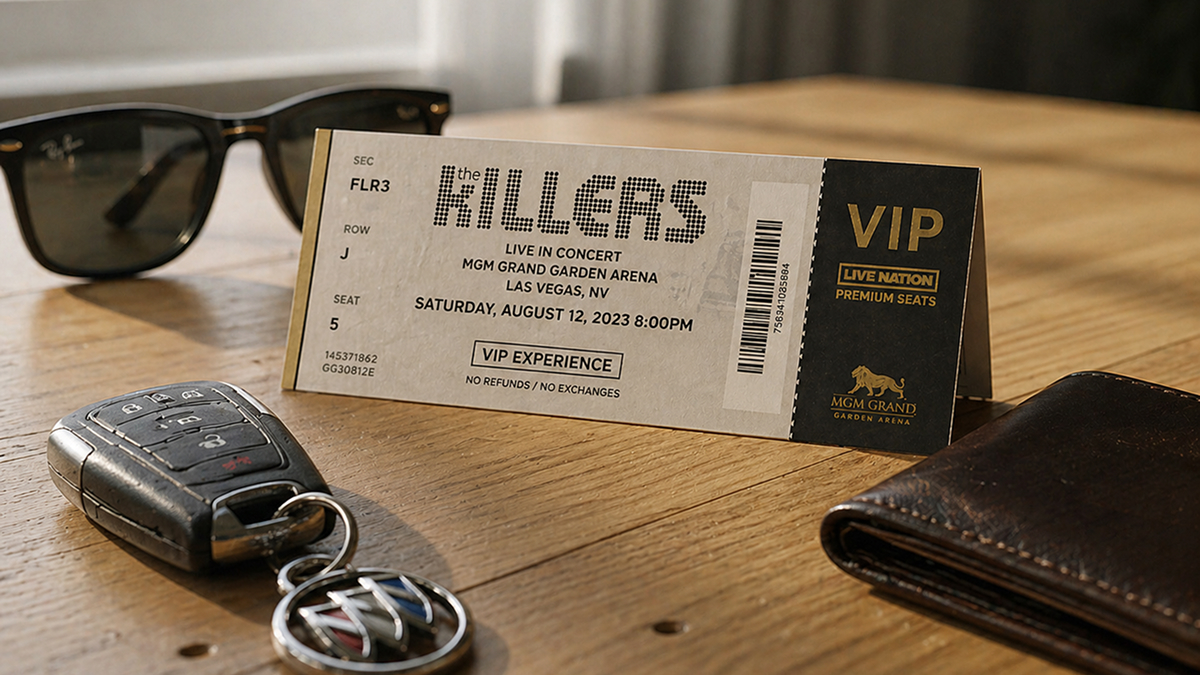
As a ticket buyer, it can be a passing thought or a serious consideration as to whether to buy VIP tickets to an event or not.
While VIP tickets can absolutely be worth the upgrade, their value depends on whether the added perks truly justify the higher price. In many cases, the best answer to the question of are VIP tickets worth it is yes, but only if the tickets are prioritizing comfort, exclusive access, and convenience.
However, the answer can just as easily be no if the package is largely based on branding or status, with few meaningful benefits that enhance your actual event experience.
Why VIP Tickets Exist in the First Place
VIP has become a serious revenue stream, not just a novelty add-on, for many venues, event organizers, and promoters.
Ticketmaster says VIP experiences now account for up to 18% of live music revenue in 2026, up from 9% in 2019, while 65% of fans say they are more likely to attend a live music event if a premium or VIP space is available.
That growth matters because it shows VIP is no longer just about superfans chasing a photo op. It is now part of the core pricing architecture for modern events.
From a business standpoint, VIP is a part of tiered monetization in live events. Instead of selling a single ticket at a flat price, organizers can segment audiences based on willingness to pay, demand for comfort, and interest in exclusive access. When used effectively, this approach allows events to capture higher-value demand that would otherwise be money left on the table if only general admission pricing is offered.
Strong VIP ticket packages improve the overall attendee experience by addressing real friction points such as long entry lines, limited visibility, lack of comfort, or absence of exclusivity. In contrast, weaker VIP offerings often rely on branding alone, bundling merchandise or labels without delivering a meaningful upgrade to the actual event experience.

What VIP Tickets Usually Include For Any Event
What do VIP tickets include varies widely by event category, but the most common VIP ticket perks are early entry, priority access, better views, private lounges, faster security, upgraded food and drink, dedicated restrooms, and occasional meet-and-greet access.
In live music especially, premium packages may also include soundcheck access, exclusive pre-show parties, or merchandise bundles that are not available with general admission.
That variety is exactly why VIP tickets benefits should always be read item by item rather than assumed from the label.
A “VIP” badge might mean a front-of-house lounge at one venue and a signed poster plus early entry at another. The practical value depends on whether the perks are something you would otherwise pay for separately, such as convenience, food, or a better viewing zone.
For ticket buyers asking, “should I buy VIP tickets,” the best first check is whether the upgrade gives you access to something materially different. The strongest packages change the event experience in visible ways, not just symbolic ones. That is the difference between a real premium offering and a decorative upsell.

VIP Tickets Vs. General Admission: Which Is Your Best Bet to Buy
The most useful way to think about VIP tickets vs general admission is that general admission only buys access.
General admission can be the better value if the venue is small, the sightlines are strong, or you are comfortable arriving early and navigating crowds. VIP is more compelling when line management, comfort, and controlled access materially improve the experience.
The phrase “VIP access” generally refers to entry that goes beyond standard admission.
This is why the question “are VIP seats better?” usually doesn’t have a universal answer. They are better for certain types of attendees, but not necessarily better for everyone. Some people prioritize proximity to the stage or best possible sightlines, while others value comfort, shorter lines, better restrooms, or a less crowded environment.
In many cases, especially for longer, outdoor, or physically demanding events, the value of premium access increases significantly because convenience and comfort become just as important as viewing position.

VIP Ticket Pricing: What You Can Expect As A Ticket Buyer
VIP tickets price comparisons are where many purchases are won or lost.
The premium cost of a VIP ticket is often substantial, and the price gap can range from modest to several hundred dollars depending on artist demand, venue scale, and scarcity.
Price alone does not tell the whole story, though. VIP package pricing can fluctuate based on venue, city, seat location, and timing, which means last-minute bargains do exist but are not predictable. This is why asking if premium event tickets are worth is a value question, not a status question: the same upgrade can be rational at one venue and poor value at another.
A useful rule is to compare the premium against the standalone cost of each included benefit.
If the package gives you early entry, a reserved area, a merch bundle, and lounge access, ask what each element would cost separately and whether you would actually use them. If the answer is yes, the ticket may be justified.
Weak Spots of a VIP Ticket That May Make General Admission A Better Purchase
The clearest takeaway in any discussion of VIP ticket pros and cons is that the perks can look impressive on paper but fall short in practice.
Meet-and-greet experiences may feel rushed, “exclusive” areas can still become crowded, and merch bundles often fail to justify their premium price when the items included are inexpensive or generic.
A second key issue is that a “VIP ticket” is not a standardized product across the event industry. One VIP ticket might include meaningful access benefits and genuine comfort upgrades, while another may simply repackage a standard seat with slightly enhanced branding.
This lack of consistency is why VIP ticket reviews often appear so divided. The quality varies significantly depending on the promoter, artist, venue, and how well the experience is executed on the ground.

Event-Type Comparisons: Where A VIP Ticket Will Either Shine or Fall Flat
Different event categories change the value equation of VIP tickets significantly, because the baseline experience varies so widely between concerts, sports, festivals, theater, and corporate events.
1. Concerts and Music
For example, whether VIP concert tickets are worth it often depends heavily on scale. For large stadium shows, VIP upgrades can make a major difference, especially when general admission involves navigating massive crowds or competing for standing room. In contrast, the same upgrade may offer limited added value at smaller club venues where proximity and sightlines are already strong by default. Live Nation data highlights this demand structure, noting that premium experiences accounted for 18% of its $25.2 billion in 2025 revenue, with arena and stadium events driving the highest VIP uptake, often exceeding 30% of sales in those formats.
2. Sports and Athletics
In sports, the idea of whether VIP seats are better usually translates into club-level access, private suites, in-seat service, and logistical perks like dedicated parking. These benefits can significantly improve the overall experience, especially when they reduce time spent in congestion or enhance comfort during long events. A 2024 Nielsen study found that 42% of MLB fans upgraded to premium seating primarily for comfort during day games, citing reduced stress for families and better food and beverage access as key motivators. This shows that in sports, VIP value is often about all-day convenience rather than a single viewing moment, making it particularly appealing for groups and frequent attendees.
3. Outdoor Festivals
Music festivals introduce a different set of considerations, where the question of whether VIP backstage passes are worth it is closely tied to endurance and environmental conditions. For example, Coachella’s 2025 VIP tiers, priced at $1,299 compared to $599 general admission, offered air-conditioned restrooms, shaded viewing areas, and priority bar access, all of which become highly valuable in extreme heat and long wait conditions. Industry reporting suggests VIP allocations at major festivals regularly sell out at 25–35% of inventory, generating up to 115% higher per-attendee revenue compared to standard tickets.

A Promoter’s Perspective: VIP Ticket Real-World Pricing Models and Benchmarks
VIP ticket price comparisons reveal clear patterns that can significantly impact both consumer decisions and event profitability.
At the high end of the market, pricing spreads can be extreme. For example, Taylor Swift’s Eras Tour VIP packages in 2025 reportedly ranged from approximately $349 for basic merchandise bundles to as high as $3,250 for “Ultimate VIP” experiences that included soundcheck access and photo opportunities, representing nearly a 9x premium over $199 general admission floor seats.
Secondary market data from SeatGeek also indicates strong retained demand, with VIP resale values holding around 120–150% of face value even after events, suggesting that premium appeal often persists beyond the initial hype cycle.
For mid-tier artists, the pricing gap is typically narrower but still meaningful. Billie Eilish’s 2026 tour listings, for instance, show VIP packages priced between $250 and $450 on top of roughly $120 general admission tickets, where added value is often anchored in perks like early merchandise access or exclusive entry timing.
In sports venues such as NHL and NBA arenas, VIP club seats commonly range from $150 to $500 compared to $75 for upper-bowl seating, with part of the premium justified through tangible inclusions like gourmet food credits that can be worth $50 or more.
Festival data suggests that optimal VIP pricing typically falls within a 2–3x multiple of general admission, which can yield up to 40% higher margins when the added benefits directly address attendee pain points such as shade, hydration access, or comfort.
At the corporate and esports level, VIP pricing can escalate further, often exceeding $1,000 for packages that include networking lounges, hospitality access, and branded experiences. A 2025 PwC report on live events notes that premium tiers average around 2.5x the price of general admission across categories and can account for 15–20% of total event revenue when positioned as “elevated access” rather than superficial luxury.
These benchmarks highlight an important insight: effective VIP pricing is not just about charging more, but about aligning cost with operational realities. While added staffing and lounge infrastructure can increase overhead by 10–15%, well-designed VIP offerings can still achieve strong performance, with top-tier packages often reaching 80% occupancy when the perceived value is clear and execution is strong.

Should You Buy VIP Tickets? It’s A Ticket Buyer’s Decision
When deciding whether VIP tickets are worth it, it helps to treat the choice as a simple value equation from the buyer’s perspective.
The key question is whether the listed VIP ticket perks – such as expedited entry, reserved viewing areas, private lounges with premium food and drink, or exclusive access elements – deliver real improvements in comfort, time savings, and overall enjoyment that justify the higher price compared to general admission.
For high-friction events like sold-out stadium concerts, multi-day festivals, or crowded sports games where long lines, limited space, and obstructed views are common, VIP concert tickets are often worth it. In these situations, the upgrade can meaningfully reduce stress, save hours of waiting, and create a smoother, more enjoyable experience that general admission simply cannot offer.
Industry trends also show that premium packages continue to drive strong revenue growth because many buyers prioritize convenience and experience quality over hype alone.
In contrast, many ticket buyers tend to favor general admission tickets for low-key events such as intimate theater performances or smaller seated venues where baseline comfort is already high. In those cases, the added benefits of VIP may be minimal.
However, for more intense or large-scale environments, VIP tickets pros and cons usually tilt more positively when the perks align with real needs. Families may benefit from easier restroom access and reduced crowding, photographers may gain better sightlines, and superfans may value rare experiences like VIP backstage passes or soundcheck access.
When the numbers and the experience fit together, a VIP ticket upgrade worth it can turn a standard night out into a significantly more seamless and memorable experience. In today’s landscape of higher prices and limited time, understanding VIP tickets value is about making a practical, informed decision that matches how you actually want to experience the event.