A series of events you host weekly, monthly, quarterly, or annually can build its audience of followers and ticket buyers over time utilizing proven strategies that others have employed at both local and international levels.
A well-executed event series, in this case, refers to recurring gatherings like monthly art workshops, annual music festivals, or bi-weekly comedy showcases that captivate and retain crowds over time. Growing your event audience should not be about one-off tricks and gimmicks. No, it’s about building a loyal fanbase through consistent, value-driven experiences that turn first-timers into repeat event attendees.
In this comprehensive guide, we’ll dive into proven audience growth strategies tailored for event series, drawing on data-backed insights from the events industry to help you increase event attendance sustainably.
Event series thrive on repetition, which creates natural momentum if handled right. Events with recurring formats play into audiences that crave the familiarity and escalating value. Whether your series spans live music gigs, corporate seminars, or community theater runs, mastering event marketing strategies ensures each edition builds on the last, fostering deeper connections and boosting ticket sales progressively.
Here’s what you need to know about how to grow your audience base exponentially over time for an event series.
1. Develop a Strong Event Brand for Recognition and Loyalty
A compelling brand identity serves as the foundation for any successful event series, making your gatherings instantly recognizable amid a sea of options.
For recurring events like quarterly tech meetups or seasonal food festivals, event branding tips focus on consistent visuals, messaging, and promises that resonate emotionally with your crowd. Think of how brands like Coachella have turned their festival series into cultural icons through signature aesthetics.
In this case, Coachella uses vibrant desert imagery, celebrity curation, and a vibe of exclusivity that fans anticipate yearly.
Start by defining your series’ unique value proposition: what makes your monthly poetry slams or annual craft beer tours unmissable? Use cohesive logos, color schemes, and taglines across posters, websites, and social channels to build instant recall. Data from event ticketing platforms shows that branded series enjoy 25% higher social shares, as audiences proudly associate themselves with an event’s identity. This also encourages word-of-mouth promotion, turning attendees into informal ambassadors.
When event branding is done poorly, however, it can dilute your efforts. Generic designs lead to forgettable experiences. Counter this risk, audit past events for feedback and refine iteratively. For instance, the recurring TEDx series refines its red-circle motif globally, ensuring each local chapter feels connected yet distinct.
A lot of promoters and organizers running an event series will create a brand style guide and apply it religiously, from email footers to stage backdrops, to solidify your series’ presence in the market. This approach not only helps grow your fanbase online but positions your series as a must-attend staple.
2. Leverage Social Media Event Marketing Efforts to Amplify Reach
Social media event marketing transforms your event series from local hidden gems into viral sensations, especially for formats like weekly open mics or bi-monthly dance parties.
Platforms like Instagram and TikTok excel at teasing upcoming installments, with live Stories countdowns building FOMO that drives registrations. In many cases, series using targeted social campaigns see engagement rates soar by as much as 50%, as short-form videos showcase past highlights and user-generated content keeps the buzz alive between events.
Craft content calendars aligned with your series rhythm.
A simple social media strategy: Post teaser reels two weeks out, ramp up with behind-the-scenes during the week of, and recap post-event to nurture event audience engagement. Hashtags like #YourSeriesNameNight foster community, turning attendees into co-creators. As an example, the recurring Burning Man leverages user posts to expand its reach exponentially. Social-driven events boost ticket sales by 28% on average, per Cvent data, with live polls increasing interaction by 60%.
Yet, there are pitfalls to using social media. Algorithm changes can bury posts, and over-posting fatigues followers.
Balance organic content with paid boosts that target lookalike audiences based on past RSVPs, ensuring that event promotion strategies, such as influencer takeovers, actually deliver measurable ROI. The advantage is scalable reach at a relatively low cost, while still supporting organic fan engagement. The main drawback is the time required to consistently create content, though this can be managed by batching video production in advance.
As a best practice, review performance insights and refine your approach over time. Most platforms reward consistent, authentic posting, which directly supports more effective event promotion.
3. Implement Email Marketing for Events to Drive Repeat Attendance
No event marketing plan is complete without email marketing for events, the powerhouse for nurturing repeat event attendees in a series context.
Segmented lists – identifying past attendees, waitlisters, and locals – allow personalized invites, like “Missed last month’s workshop? Secure your spot for edition #5 with 20% off.” In terms of measuring your email marketing success, Cvent highlights that email open rates for event series average 35%, with click-throughs leading to 22% conversion uplifts when timed pre-event.
Build your list ethically via sign-ups at events and website pop-ups, then automate drips: welcome sequences for new subs, reminders 48 hours out, and recaps with on-demand content.
For an annual conference series, post-event surveys embedded in follow-up emails are a powerful way to gather feedback while also building anticipation for the next year’s agenda. Simple personalization, such as using a recipient’s name or referencing past attendance, can increase open rates by around 15%. Email remains one of the most effective audience retention channels, with data showing that well-nurtured lists can generate up to 40% higher lifetime value per attendee.
That said, there are challenges. Spam filters and list fatigue can reduce performance over time, which is why it’s important to lead with value, offering exclusive previews, early access, or insider content rather than constant promotions. The upside is strong: email provides clear ROI tracking and reliable deliverability when managed properly, making it a key tool for driving ticket sales. The tradeoff is that it requires consistent data hygiene, including list cleaning and segmentation.
As a practical step, tools like Mailchimp can be used to run A/B tests on subject lines, with urgency-focused messaging often performing best for sell-out events.
4. Create Strategic Partnerships to Expand Your Event Series Reach
Forging alliances with complementary brands, influencers, and local businesses can exponentially grow your event audience for a series, whether it’s a quarterly wellness retreat or monthly networking mixers. Partnerships tap into established networks, introducing your events to fresh eyes while adding value through co-branded perks like bundled tickets or exclusive access.
To build event community effectively, identify partners whose audiences overlap with yours but don’t compete directly. For example, approach local breweries for a bi-weekly trivia night sponsorship or wellness apps for a yoga series, negotiating cross-promotions that benefit both sides. Data indicates that partnered events see a 35% lift in new attendees, as shared networks amplify reach without proportional marketing spend.
This tactic shines for audience growth strategies, turning one-off collaborations into ongoing synergies that sustain series momentum.
However, poorly aligned partnerships can dilute your brand, so it’s essential to vet potential collaborators based on audience demographics, brand fit, and proven performance. The advantages are clear: shared marketing costs and increased credibility through association. The downside is added coordination and complexity, which can be managed through clear agreements such as formal MOUs. A strong example is the Icebreakers Comedy Festival, which reportedly grew attendance by 25% through strategic partnerships with local venues and hotels, supported by regional tourism data.
5. Focus on Event Audience Engagement During and Post-Event
True event audience engagement extends beyond the ticket sale, weaving attendees into the fabric of your series through interactive elements that spark connection.
For weekly DJ nights or annual art fairs, incorporate live polls via apps like Slido, Q&A sessions, or gamified challenges that encourage participation, fostering a sense of belonging. Cvent data reveals that interactive events retain 45% more repeat event attendees, as participants feel invested and eager for the next installment.
Design each edition with escalating engagement: start with icebreakers for newcomers in a monthly book club series, evolve to fan-voted themes based on feedback. Post-event, share highlight reels and personalized thank-yous, prompting user-generated content shares.
Fan engagement strategies like these turned the recurring Vans Warped Tour into a fan-driven phenomenon, with attendance peaking at 600,000 per summer run before its hiatus, per Pollstar reports.
The risks and challenges involved can include technical glitches or low audience participation, especially with more interactive elements. These can be minimized through proper rehearsals and offering low-pressure ways for attendees to engage.
A practical strategy for growing an event series is to deploy post-event Net Promoter Score (NPS) surveys to measure engagement and satisfaction. Aim for scores above 70, then use that feedback to refine future experiences. Over time, this approach can strengthen emotional connections with your audience and directly supports long-term retention and repeat attendance.

6. Harness Data Analytics in Your Event Marketing Plan
A strong event marketing plan relies on data to continuously refine what works, whether you’re running weekly markets or large-scale expos. Key metrics like ticket velocity, audience demographics, and engagement rates should be tracked using tools such as Google Analytics or event ticketing platform dashboards.
These insights allow organizers to adjust themes, timing, and promotions based on real performance. Industry benchmarks suggest that data-driven event series can increase attendance by up to 28%, as noted in a 2025 Bizzabo report, largely because teams can quickly pivot away from underperforming strategies.
Start by defining clear baseline KPIs. For example, an annual film series might target 15% year-over-year growth in unique attendees, tracked through UTM-tagged links and campaign attribution.
Segmenting your data by acquisition channel is equally important. For example, if Instagram is responsible for 60% of traffic for a comedy series, it makes sense to allocate more budget and content toward that channel. A well-known example is, once again, Coachella. They use attendee data to shape lineups and experiences, helping sustain consistent sell-outs of roughly 125,000 daily attendees.
However, challenges like data silos can limit effectiveness, so integrating platforms into a unified view is essential. The benefits of this approach include more precise ROI tracking and the ability to forecast demand, while the main drawback is ensuring compliance with privacy regulations such as GDPR or CCPA.
A practical tip is to automate weekly reporting, allowing you to spot trends early and make timely adjustments. This kind of data-driven discipline helps ensure that each event in your series performs better than the last while supporting sustainable long-term audience growth.
7. Master Community Building for Events Long-Term
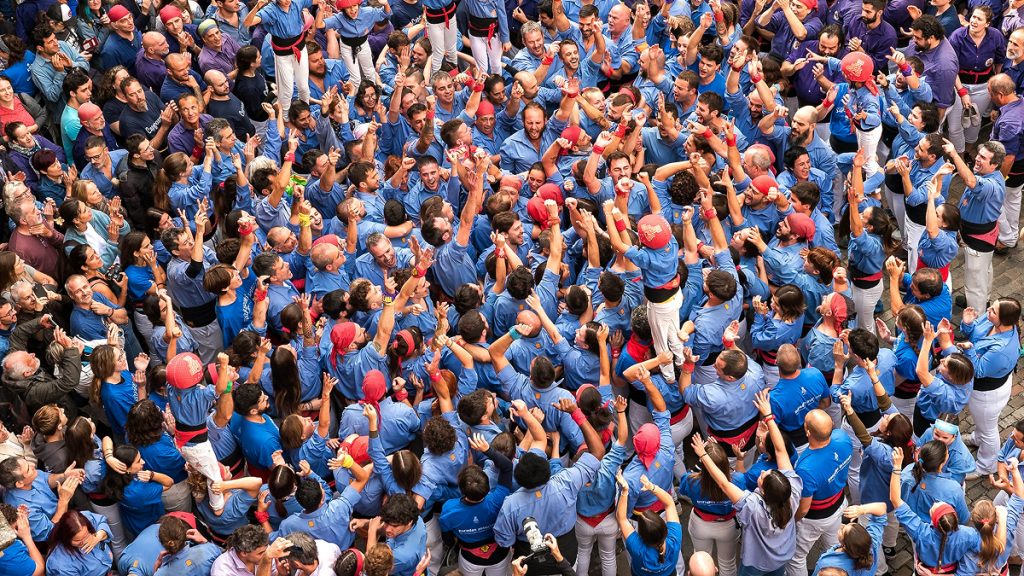
Community building turns an event series into a true cultural hub, creating superfans who actively promote and return again and again.
For formats like monthly maker fairs or seasonal sports leagues, consider launching private communities on platforms like Discord or Facebook Groups, where attendees can discuss past events and help shape future ones. This sense of ownership drives engagement, and according to EventsAir, community-focused event series can see up to 50% higher referral rates as members organically invite others.
To build momentum, maintain consistent touchpoints between events. Hosting AMAs with performers during a bi-monthly concert series or featuring member spotlights helps keep the community active and invested. A strong example is TwitchCon, which grew a community of over one million users through forums and ongoing engagement, helping drive attendance of around 40,000 per event.
Branding also plays a role, as shared identity elements like badges or insider perks can strengthen belonging and loyalty.
There are challenges, particularly around moderation and maintaining a healthy environment, which require clear guidelines and dedicated moderators. However, the upside is significant: organic, viral growth at relatively low cost.
A smart approach is to seed the community with VIP perks or early access incentives to spark initial participation, then scale engagement as momentum builds and your fanbase becomes more invested over time.
8. Utilize Event Promotion Ideas Through Influencer Collaborations
Influencers can significantly boost how you promote events by adding authenticity and targeted reach to your campaigns.
Partnering with micro-influencers – which are typically those with 10,000 to 50,000 followers – is especially effective for niche event series like quarterly food tours, where offering complimentary tickets in exchange for honest reviews can drive meaningful engagement. According to Influencer Marketing Hub, influencer collaborations can generate up to 6x higher engagement and a 22% increase in sales.
To grow your audience effectively, it’s important to align influencer partnerships with your event’s identity. For example, a fitness-focused series will perform best when promoted by wellness creators whose audiences already value that lifestyle. Tracking performance through unique discount codes or referral links helps measure ROI.
Events like the Ultra Music Festival have credited influencer campaigns with driving noticeable ticket sales spikes, reinforcing their impact.
The main advantage is credible, targeted exposure, while the biggest risk is losing authenticity if partnerships feel forced or misaligned, making careful vetting essential. A practical approach is to batch influencer outreach on a quarterly basis, aligning campaigns with your broader event marketing calendar to ensure consistency and sustained momentum.
9. Optimize SEO and Content for Recurring Event Discovery
SEO is a powerful driver of discoverability for event series, helping ensure searches like “monthly jazz nights near me” lead directly to your pages.
A strong approach is to build pillar pages for each series, then create unique H1 and H2 structures for every edition to avoid duplicate content issues. Supporting this with keyword-rich blog content can significantly boost rankings and generate up to 30% of traffic from organic search.
Additional event promotion strategies include implementing structured data (schema markup) so your listings appear as rich snippets in search results, improving visibility and click-through rates. A great example is TEDx events, which leverages localized SEO to dominate search results and attract millions of views across regions.
The main advantage of SEO is consistent, evergreen traffic that compounds over time. The tradeoff is that it requires ongoing effort and content creation. To maximize results, interlink each event edition and related content. This builds authority, improves indexing, and strengthens your overall search presence.
10. Build a Referral Engine Around Your Best Event Series Attendees
One of the most effective ways to grow your event audience over time is by turning your most satisfied attendees into active promoters.
A referral-focused strategy can include invite-a-friend incentives, loyalty rewards, ambassador programs, and post-event sharing prompts that encourage attendees to spread the word. This approach is especially powerful for recurring event series, since each new edition creates another opportunity for guests to bring someone new.
Rather than treating referrals as a short-term discount tactic, it’s better to frame them as a long-term audience growth strategy. People are significantly more likely to trust recommendations from friends than traditional advertising, which makes referrals particularly effective for niche or community-driven events. This also ties naturally into broader community building efforts, where participation feels rooted in belonging and shared identity rather than transactions.
Referrals also support both acquisition and retention at the same time. When attendees consistently bring guests, your audience base expands more quickly, and those new guests are more likely to return in the future as repeat attendees.
To support this, event organizers can use referral codes, track loyalty activity, and create shareable post-event assets, integrating these elements into a wider event marketing plan that compounds growth across every edition.
11. Use Variety in Your Event Series to Keep the Series Fresh
A recurring event series needs a clear and recognizable structure so audiences know what to expect, but it also requires enough variation to avoid fatigue, especially for weekly or monthly formats.
This balance is effective because audience engagement tends to increase when attendees feel they are stepping into something familiar, yet still discovering something new. The core format provides comfort and reliability, while rotating elements such as themes, featured guests, interactive segments, or content formats keep the experience fresh.
This makes this suggestion one of the most practical and sustainable event promotion strategies for a long-running series, since each iteration naturally creates new marketing opportunities and renewed reasons for audiences to attend. It also directly addresses a common challenge in event marketing: how to increase attendance once the initial launch excitement begins to decline.
Ultimately, this strategy also reinforces strong event branding principles. It demonstrates that a brand can remain consistent in identity while still evolving in experience. That combination of reliability and freshness is what keeps audiences engaged long-term and transforms a recurring event from a simple calendar item into an ongoing cultural experience.
12. Incorporate Live Streaming and Hybrid Formats for Broader Accessibility
Expanding your event series with a live stream – whether it’s a one-time stream, done sporadically, or offered at every event – opens the door to audiences who can’t always attend physically.
This hybrid model, still selling tickets for in-person attendance, is especially effective for recurring formats like weekly panels, seasonal performances, or quarterly expos, where consistency already exists but reach can still be expanded.
By streaming through platforms such as YouTube or Twitch, you can bring global viewers into local events like theater runs or dance series, complete with live chat interaction and digital ticketing or pay-per-view access. This approach not only grows your online fanbase but also captures valuable data from virtual attendees, which can be used to improve future targeting and programming.
Hybrid events have already proven their impact at scale. For example, the recurring TED Conference successfully integrated live streaming during periods of global disruption, reaching tens of millions of online viewers annually while maintaining its in-person prestige, according to its public impact reports.
Broader industry data also suggests that hybrid events can increase total attendance by roughly 40–60%, largely because virtual access removes geographic and capacity limitations while adding new revenue streams. In this model, to reference back to an earlier part of this article, social media becomes a key driver in promoting both in-person tickets and livestream access simultaneously, creating cross-format urgency and FOMO.
There are challenges to consider, particularly the added cost and complexity of producing high-quality streams, as well as the risk of dividing attention between in-person and virtual audiences. The advantages are significant: greater accessibility, expanded reach, and stronger audience engagement across multiple touchpoints.
A practical event promotion strategy is to offer hybrid bundles, combining physical tickets with streaming access, which encourages upgrades and increases overall revenue while supporting long-term growth. Ultimately, this approach positions your series as forward-thinking and inclusive, appealing to tech-savvy audiences and helping you grow an event series by embracing multiple participation formats.
Every Event in Your Event Series is A Chance To Get More Ticket Buyers and Build Audience
Mastering these core strategies, from branding to data, can turn your event series into a must-attend experience.
By implementing an integrated event marketing plan that prioritizes community building and audience retention, you set the foundation for consistent growth and stronger engagement over time. The key is to start small, measure everything, and continuously refine your approach. Event series that follow this model build lasting connections and long-term momentum. Ready to launch your next event series edition stronger? A bigger audience is waiting with the right marketing and consistency in communication at play.