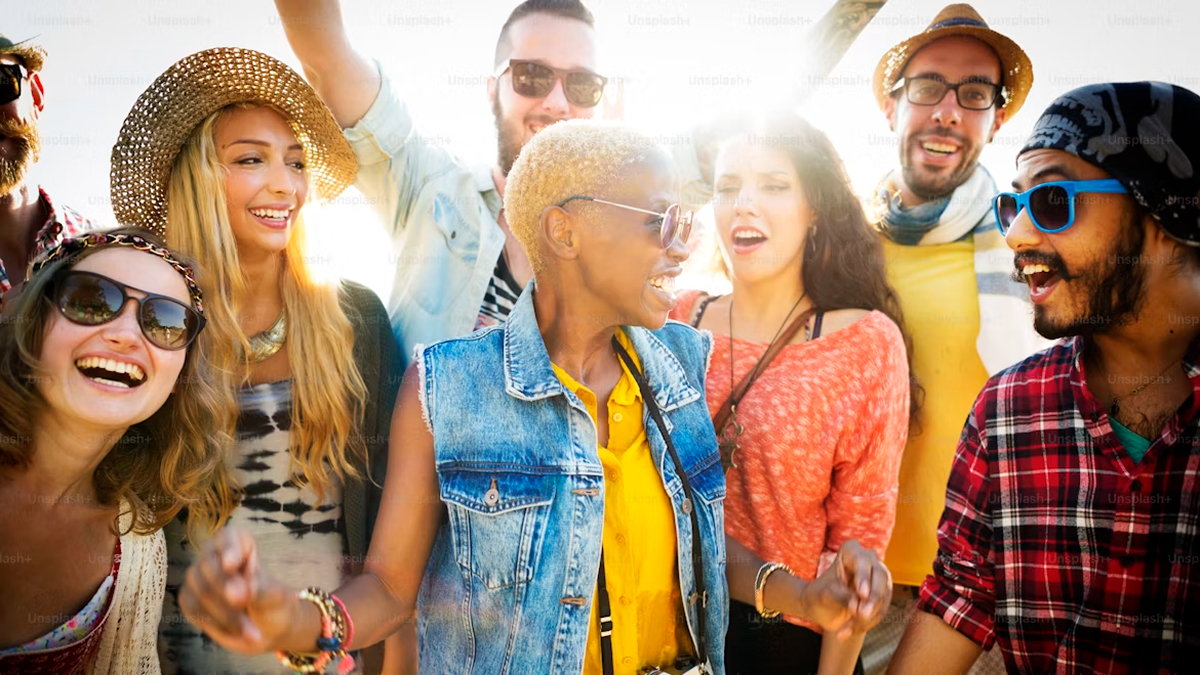
If you have ever stood in the middle of an outdoor music festival at 4 pm with sweat dripping, sunscreen stinging your eyes, and your “cute” shoes already destroying your feet, you already know this: what you wear to a music festival will absolutely shape your experience.
Festival fashion should be about far more than looking good on Instagram. In the world of music festival fashion, your outfit becomes a full-day – or even multi-day – performance test for your clothing, shoes, and accessories under heat, mud, crowds, dust, rain, and constant movement.
Major festivals regularly involve 10–12 hours on your feet, especially at camping festivals and multi-stage events, and experienced attendees consistently point to comfortable footwear, breathable fabrics, and weather-ready layers as the difference between lasting until the final headliner or leaving early exhausted.
This guide takes a practical approach to real-world festival style, exploring how to dress for different genres, climates, venues, and age groups while balancing aesthetics with comfort and function. It focuses on the realities people actually face on-site: muddy grounds, sudden weather changes, packed crowds, long walks, security bag checks, and limited personal space.
The goal is to help you avoid the common mistakes that ruin countless first-time festival outfits every summer while still building a look that feels expressive and memorable. Think of it as a mix between a festival fashion guide and a live-event survival strategy designed for people who want their outfit to survive over the weekend.

Why Music Festival Fashion Is Its Own Style Category
Festival fashion is often grouped together with “concert outfits,” but the reality is very different.
A normal indoor concert may last only a few hours, while a music festival can mean spending 30–40 hours on-site over an entire weekend, often walking distances that feel more like a small theme park than a venue.
Festival environments also introduce challenges that typical concerts do not: direct sun, dust, grass, gravel, mud, uneven terrain, and rapidly changing weather conditions in deserts, open fields, campgrounds, or fairgrounds rather than paved urban spaces.
That is why experienced attendees focus less on simply looking stylish and more on whether an outfit can actually survive the environment. Veteran festivalgoers regularly talk about ruined shoes stuck in mud, uncomfortable fabrics in extreme heat, or outfits that failed completely once rain arrived.
At the same time, festivals remain one of the few spaces where people feel encouraged to experiment with bolder colors, statement pieces, and more expressive styles than they would normally wear in everyday life. The result is a hybrid form of fashion that blends creativity and self-expression with practicality, comfort, durability, and weather preparedness.
The Three Pillars of Music Festival Clothing: Comfort, Climate, and Crowd‑Proofing
The foundation of any great festival outfit is practicality.
Before committing to a look, ask three simple questions: can you move comfortably in it, can it handle the weather, and can it survive hours in dense crowds.
1. Comfort
Comfort starts with fit and fabric choice. Lightweight materials, moisture-wicking blends, and relaxed cuts make a major difference over the course of a long festival day. Clothing should allow you to bend, sit, dance, climb hills, and move through packed spaces without constantly adjusting your outfit. Many longtime attendees recommend testing whether you could comfortably sit on gravel or grass before wearing ultra-short or restrictive pieces, since outfits that look great standing up can become uncomfortable very quickly. One of the most common festival style hacks is wearing biker shorts under skirts or dresses, helping reduce chafing, improve comfort, and prevent wardrobe issues in windy conditions.
2. Climate
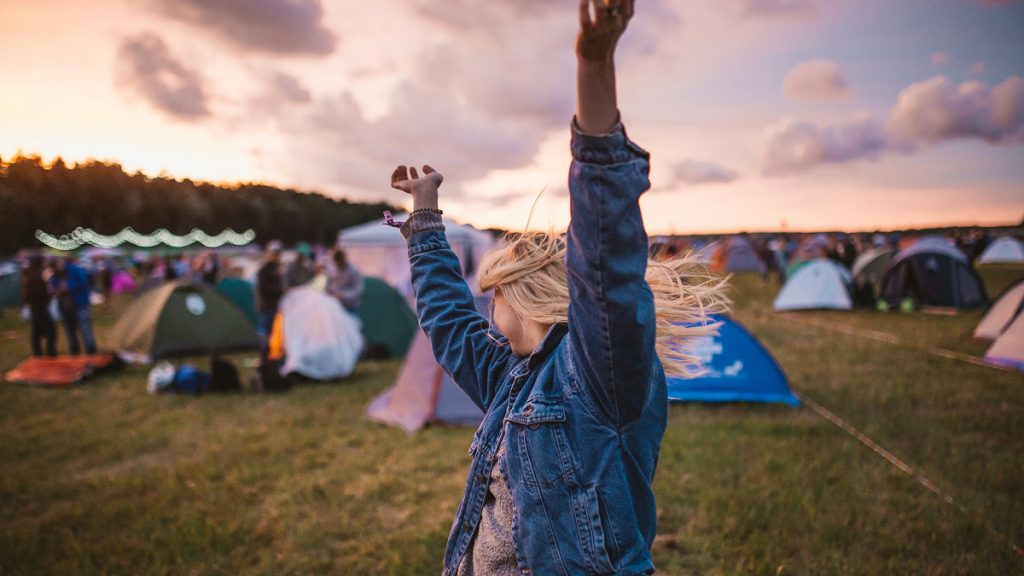
Weather preparation is equally important. Outdoor festivals often swing from intense daytime heat to surprisingly cold evenings, especially in open fields, waterfront venues, or camping environments. This is why layering remains one of the most repeated pieces of festival fashion advice. Breathable daytime clothing paired with a lightweight flannel, denim jacket, hoodie, or packable windbreaker gives you flexibility once temperatures drop after sunset. Sun protection matters too, particularly at events with little shade, making hats, sunglasses, and UV-protective fabrics practical necessities rather than just accessories.
3. Crowd-Proofing
Finally, durability and crowd-readiness matter more than many first-time attendees expect. Secure bags, zippered pockets, and comfortable crossbody or belt bags help protect essentials while keeping your hands free. Most experienced festival attendees also caution against wearing expensive jewelry, fragile accessories, or shoes you would be upset to ruin. Mud, spilled drinks, dust, and heavy crowd movement are part of the environment at nearly every large-scale music festival, so the smartest outfits are the ones that can handle the chaos without becoming stressful to wear.
What Is Your Choice of Footwear for a Music Festival: Your Most Important Decision
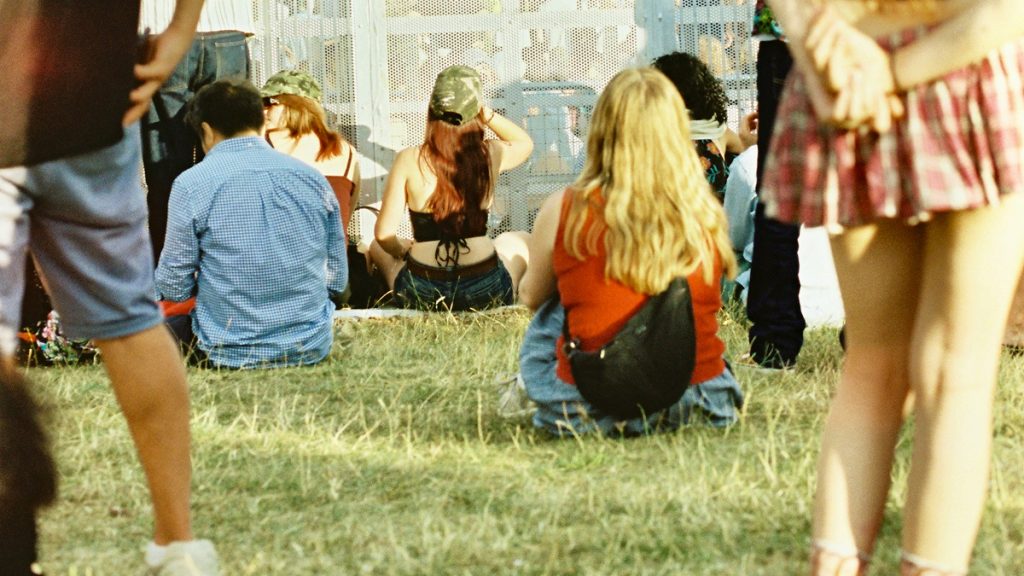
Ask almost any experienced festivalgoer for their number one piece of advice, and the answer is usually immediate: wear comfortable shoes.
Festival organizers, fan communities, and footwear experts consistently emphasize that spending 10–12 hours a day on your feet over a multi-day event will quickly expose any shoes that are not built for comfort and durability.
Between walking across festival grounds, standing through sets, visiting food vendors, returning to campsites, and navigating crowded pathways, it is easy to log 10,000-20,000 steps over a single weekend, often on grass, gravel, dirt, mud, or uneven terrain.
One of the biggest mistakes first-time attendees make is prioritizing appearance over practicality in their choice of footwear. Brand-new sneakers, thin sandals, or boots that have never been broken in regularly become painful after only a few hours.
It is recommended to wear shoes with cushioned insoles, reliable arch support, breathable materials, and enough durability to survive long days of movement and changing weather conditions. Breaking shoes in before the event is also essential.
One surprisingly effective festival comfort trick is also one of the simplest: bringing extra socks. Many festival packing guides recommend carrying a spare pair in your day bag and changing midway through the event. Swapping into dry socks after hours of heat, sweat, dust, or rain can dramatically improve comfort levels and help prevent blisters, making it one of those small but memorable strategies that experienced attendees swear by year after year.
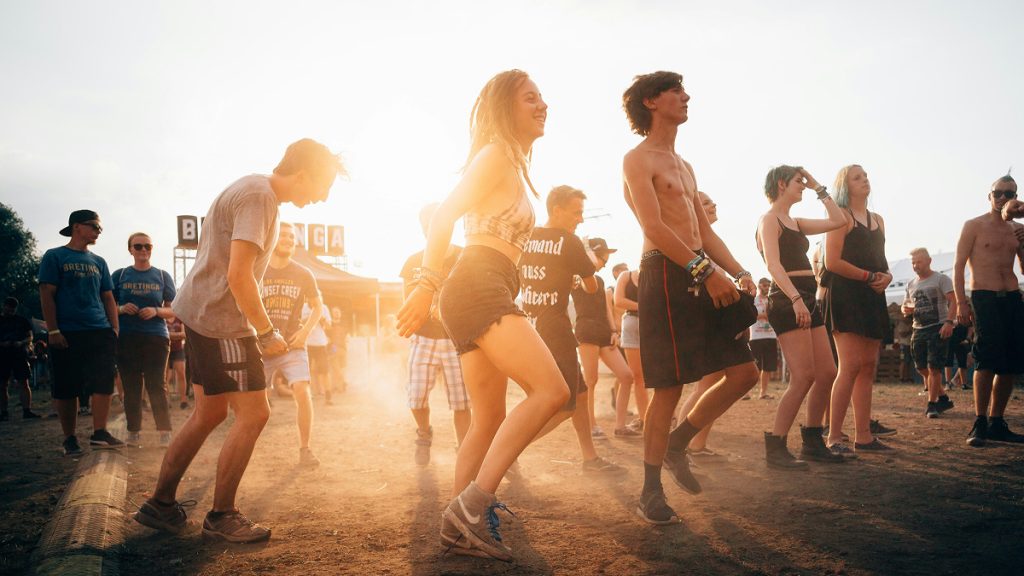
Fabric and Fit: The Science Behind Staying Comfortable and Looking Your Absolute Best
Once your feet are sorted, the next major lever is what your clothes are actually made of.
Many mainstream fashion images still show festival looks built on cotton tees, denim cutoffs, and crochet tops, but long‑form guides written by experienced festival‑goers and performance brands quietly repeat the same warning: cotton feels great at first, but it is a liability once it is wet. Cotton absorbs sweat and rain, dries slowly, and holds odor, which is not ideal when you are in the sun for hours or caught in a quick storm.
Performance-focused festival dressing starts with fabric choice, and experienced guides consistently point toward moisture-wicking synthetics and technical blends.
Materials like athletic jersey knits, mesh panels, and quick-dry fabrics are designed to pull sweat away from the body and release it quickly. In hot-weather conditions, lightweight long-sleeve UPF layers in lighter colors can sometimes outperform bare skin, since they reflect sunlight, reduce the risk of sunburn, and still allow airflow through breathable construction.
Fit plays an equally important role. Consider how clothing behaves in motion rather than just how it looks in photos.
Outfits should be tested against real movement: standing for long periods, sitting on grass or pavement, climbing stairs or bleachers, and navigating dense crowds. While bodycon silhouettes, rigid denim, and highly structured pieces may photograph well, they can quickly become restrictive and uncomfortable after several hours in a high-mobility environment. Slightly relaxed fits, stretch denim, and flexible waistbands offer far more comfort while still maintaining a put-together look.
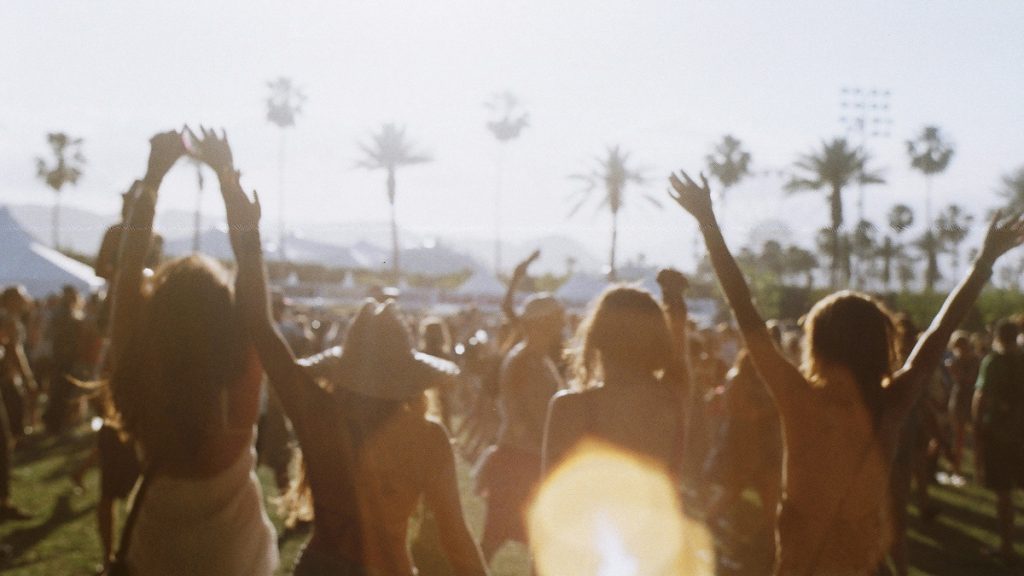
Weather, Seasons, and Micro‑Climates: Dressing for the Festival You Actually Have
Music festivals take place in nearly every climate imaginable, from spring desert weekends to summer coastal or lakeside events, and increasingly into fall and winter festivals where cooler temperatures and layered dressing become essential.
Each season changes what “smart festival fashion” actually means, with differing advice available depending on if you are searching for music festival outfit ideas, cold weather festival outfits, or what to wear to a rainy music festival.
Hot Weather Music Festival Styles
Hot-weather festivals are all about sun-smart dressing and heat management. Summer-focused festival guides consistently emphasize lightweight, breathable fabrics, strategic coverage, and consistent hydration.
Long-sleeve UPF tops, mesh ventilation panels, and loose silhouettes such as oversized jerseys or flowy button-down shirts appear repeatedly as practical choices that still maintain a stylish look.
Accessories also become functional tools: wide-brim hats protect the face and scalp, polarized sunglasses reduce eye strain in open-air venues, and compact handheld or folding fans are a surprisingly common festival essential among experienced attendees.
Cold Weather Music Festival Styles
Cool-weather and fall festivals shift the focus entirely toward thermal balance. Instead of managing overheating, the challenge becomes staying warm without over-layering to the point of discomfort in dense crowds.
The most effective approach starts with a moisture-wicking base layer, often merino wool or technical synthetics, followed by a mid-layer such as a fleece, hoodie, or insulated vest, and topped with a lightweight, packable shell that can handle wind or light rain.
Accessories like beanies, ear warmers, and insulated headbands become functional style pieces that help regulate temperature while still fitting the festival aesthetic.
When It Rains at a Music Festival, Here Comes the Wet
Rain introduces its own set of practical requirements and deserves a clear strategy.
Experienced festival guides consistently recommend waterproof or water-resistant shells, durable footwear that can handle mud or standing water, and quick-drying synthetic fabrics underneath to prevent discomfort from lingering moisture.
Small but high-impact details also matter here: clear ponchos that protect statement outfits, quick-dry bandanas that can double as face coverings when conditions get muddy, and waterproof dry bags or zip pouches for phones, tickets, and essentials.
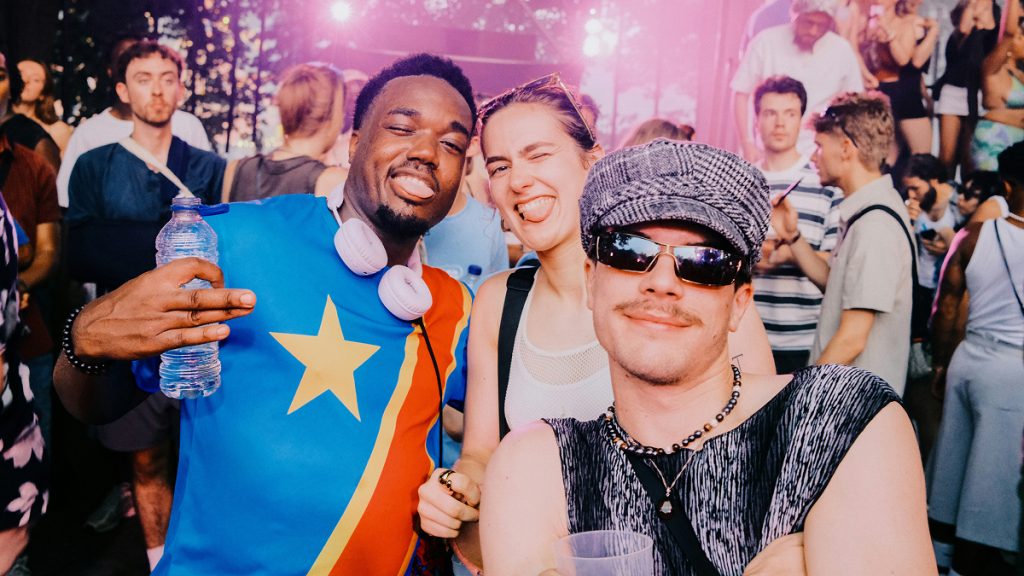
Music Festival Clothing Accessories That Do the Heavy Lifting
Accessories at music festivals function as part of your survival kit.
The best festival accessories serve multiple roles at once: they improve comfort and safety, help you manage logistics throughout the day, and still contribute to a cohesive, intentional look in photos and crowds. Many performance-focused festival guides treat items like hats, bags, headbands, and bandanas as essential gear and, for all intents and purposes, they certainly are at times.
Headbands and hair accessories are one of the most overlooked but practical categories. Performance and athletic brands have increasingly influenced festival fashion by introducing moisture-wicking, four-way stretch headbands designed to keep sweat out of your eyes, secure hair during wind or high-energy movement, and offer added sun protection.
Bags sit at the intersection of fashion, safety, and event policy. Many major festivals now enforce clear bag rules or strict size restrictions, making it important to check requirements before choosing your gear.
Crossbody bags and belt bags are consistently recommended in festival communities because they keep belongings secure, distribute weight comfortably, and allow hands-free movement through dense crowds. Features like water-resistant materials, secure zippers, and multiple compartments become especially important when carrying essentials like sunscreen, portable chargers, and tickets over long festival days.
Sun and airflow accessories complete the practical toolkit. Wide-brim hats and caps provide essential shade and help regulate body temperature, while polarized sunglasses reduce glare from stages, screens, and reflective surfaces.
Even simple items like foldable paper fans repeatedly show up in firsthand festival accounts as unexpectedly valuable on hot days. Lightweight, easy to carry, and far more reliable than battery-powered alternatives in crowded environments.
These small, functional details are often what separate a good festival experience from an exhausting one, while still adding personality to the overall outfit.
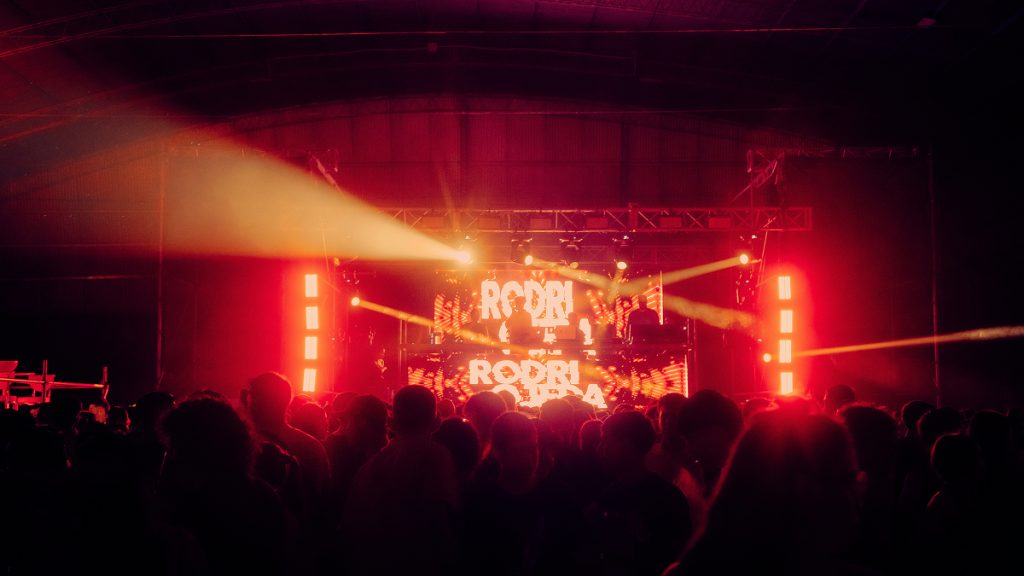
EDM, Rave, and Bass Festivals: High‑Energy Fits That Can Actually Keep Up
EDM festivals, raves, and bass-heavy events function less like traditional concerts and more like full-day, high-intensity environments. They can be closer to an athletic endurance experience inside a nightclub setting.
Attendees spend hours dancing in dense crowds under fast-moving visuals, with modern stage production increasingly including water effects, CO₂ blasts, pyro, and immersive lighting that can leave front-row sections soaked or physically overwhelmed.
Because of this, outfit trends lean heavily toward bold, expressive silhouettes. Think of things like holographic bodysuits, cut-out sets, mesh layering, and neon statement pieces. But it’s important to consider pairing these looks with performance-grade fabrics and secure construction that holds up through constant movement.
For women and non-binary attendees, rave and EDM styling often centers on athletic-inspired foundations: sports-bra-style tops, compression shorts or high-waisted bottoms, and lightweight mesh or sheer overlays that add visual impact without trapping heat.
These pieces are often treated like activewear rather than fashion-only garments, meaning they need to stretch, wick sweat, and stay stable during jumping, dancing, and long sets. Adjustable straps, reinforced bands, and secure closures are essential features because they prevent wardrobe failure during high-energy moments.
For men, EDM festival fashion has moved beyond simple tank tops and basketball shorts toward more intentional streetwear-inspired coordination. Tech shorts with functional pockets, breathable mesh tees, and matching set pieces are increasingly common, with styling advice emphasizing simplicity and structure over excess layering.
Most guidance converges on the same principle: prioritize comfort first, then add a single strong visual element – such as a graphic print, bold pattern, or standout accessory – rather than overloading the outfit with competing statement pieces.
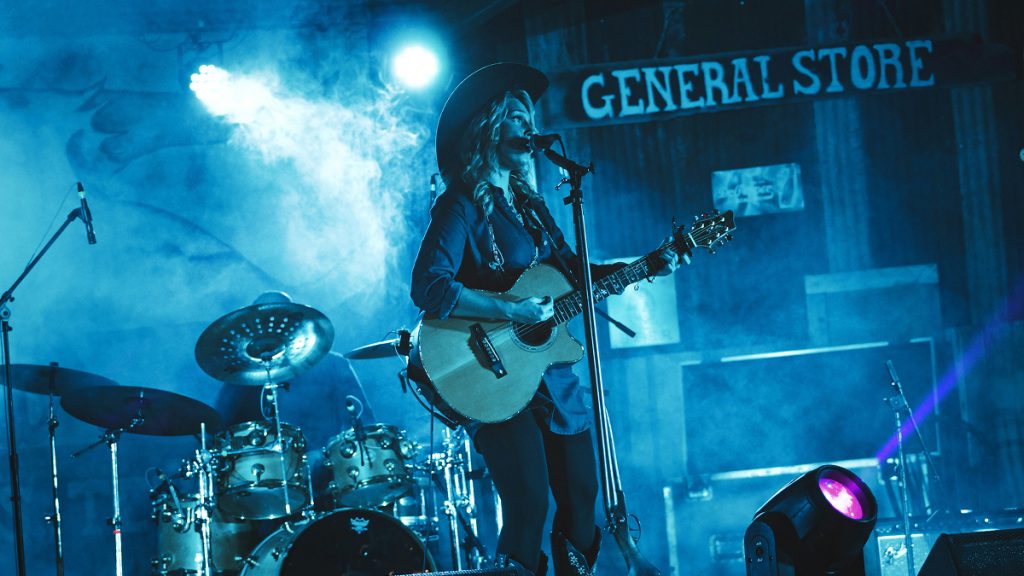
Country and “Cowboy‑Core” Festivals: Denim, Fringe, and Functional Boots
Country music festivals have a distinct visual language built around boots, hats, denim, fringe, and a blend of rugged and romantic Western influences.
Fashion and retail coverage for these events frequently reference “cowboy core” and “space cowgirl” aesthetics, where traditional materials like denim and faux suede are mixed with modern festival elements such as metallic accents, rhinestones, corsetry, and bold statement accessories.
The result is a look that photographs extremely well under stadium lighting or sunset backdrops, but the outfits that truly hold up for 8–12 hour days are grounded in comfort, breathability, and properly broken-in footwear.
Cowboy boots remain the foundation of nearly every country festival outfit. Style editors and retail guides consistently treat them as essential, but with an important caveat: they must be broken in well before the event and should not be pairs you are afraid to scuff, stain, or wear down.
Experienced attendees often recommend pairing boots with shorter hemlines – such as denim shorts, mini dresses, or side-slit skirts – to improve airflow and reduce overheating during long daytime sets. Comfort details also matter. Cushioned insoles and moisture-wicking socks can dramatically reduce blisters and fatigue, often making the difference between a great experience and an early exit.
Clothing choices in this category range from playful, high-style “festival looks” to more wearable country-inspired outfits. Trend coverage highlights fringe jackets, faux suede vests, studded belts, and embellished pieces, but equally popular are simpler, more practical combinations like bootcut jeans with a crisp button-down shirt or a floral dress layered under a denim jacket.
A key practical consideration for country festivals is the environment itself. Many take place in open fields, fairgrounds, or rural venues where dust, dry grass, and sudden weather changes are common. Choosing darker denim washes, textured fabrics, and patterns that disguise dirt helps outfits stay visually fresh throughout the day.
Lightweight layers that can be tied around the waist or removed as temperatures rise also add flexibility.
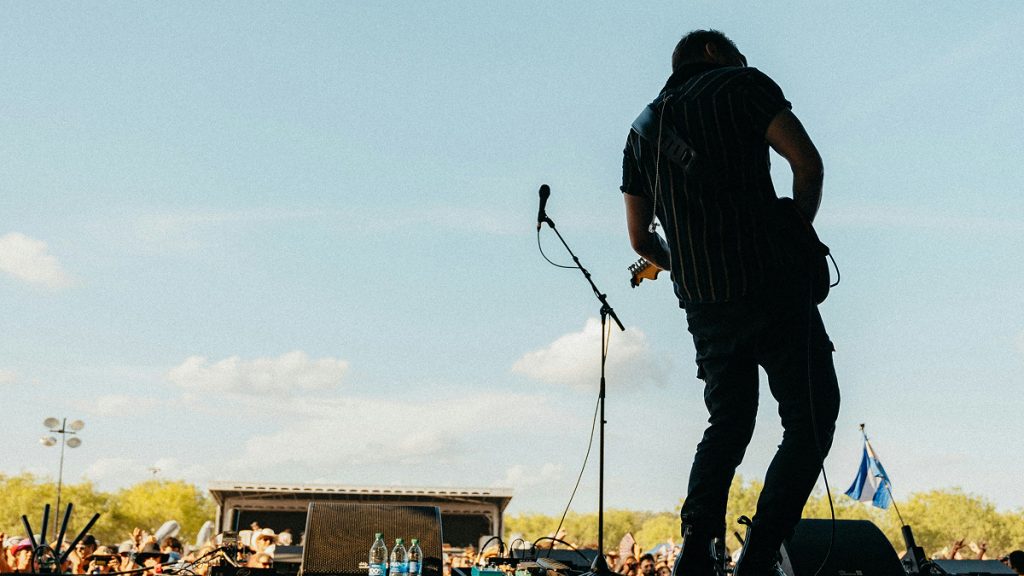
Indie, Folk, and Alternative Festivals: Boho, Vintage, and “Wearable” Cool
If EDM fashion leans toward high-energy spectacle and country festivals revolve around Western-inspired storytelling, indie festival style is built around effortlessness: outfits that appear casually assembled from vintage shops, thrift finds, and travel bags, even when the styling is intentionally curated.
Think relaxed boho silhouettes, soft denim, vintage-inspired band tees, and layered textures as the foundation of this aesthetic.
What has changed in recent years is that indie and boho festival fashion has become noticeably more practical. After seasons dominated by ultra-short shorts and highly restrictive tops, recent years’ festival style guidance increasingly favors longer denim shorts, slouchy jeans, wide-leg pants, and breathable maxi skirts or dresses that people can actually wear comfortably for an entire day.
Crochet remains a staple, but modern styling usually pairs it with supportive layers underneath – including bralettes, bodysuits, slip dresses, or fitted tanks – that provide structure, coverage, and mobility.
Vintage and graphic tees continue to anchor many indie festival outfits across genders and age groups. Oversized band shirts, faded retro graphics, and thrifted pieces are often styled through knotting, layering, or pairing with relaxed denim and lightweight outerwear.
For men in particular, indie festival fashion guidance frequently centers on breathable cotton or linen shirts, relaxed-fit trousers, light-wash denim, and one standout detail – such as a textured overshirt, patterned button-down, or vintage jacket – rather than highly coordinated “costume” dressing.
Because indie and folk festivals are commonly held in parks, forested areas, or milder outdoor climates, layering remains one of the most important practical considerations. Lightweight kimonos, open button-down shirts, loose cardigans, denim jackets, and soft overshirts provide sun protection during the day and warmth after sunset without adding excessive weight or heat.

Rock, Metal, and Alternative Heavy Events: Dark, Durable, and Crowd‑Ready
Rock and metal festivals combine the same long outdoor days found at other music events with a much more physically intense crowd environment. Between mosh pits, crowd surges, walls of death, and tightly packed front-row sections, attendees need outfits that can handle movement, heat, and physical contact without falling apart.
The visual identity of these festivals usually leans darker and heavier – such as black band tees, distressed denim, leather or faux leather, combat boots, chains, and oversized graphics – but experienced festivalgoers almost always balance that aesthetic with practical comfort adjustments like stretch fabrics, lighter materials, and secure fits that can survive hours in dense crowds.
Band tees remain the core foundation of most rock and metal festival outfits. Whether vintage, oversized, or newly purchased from the merch stand, they instantly connect attendees to the music and lineup culture surrounding the event. Practical festival advice within heavier music communities often recommends breathable cotton or cotton-blend shirts paired with broken-in black jeans, cargo shorts, or durable shorts depending on weather conditions.
Mobility is especially important in this environment. You need to be able to lift your arms quickly, move side-to-side in crowded spaces, and potentially brace or help other people in active pits without restrictive clothing becoming a problem.
Footwear at rock and metal festivals is as much about protection as comfort. While sneakers work for more relaxed sections of the crowd, many experienced attendees prefer combat boots or durable sneakers with reinforced soles and stronger toe protection near pits or heavy crowd zones.
The tradeoff, of course, is additional heat and weight over long days, which is why moisture-wicking socks, cushioned insoles, and properly broken-in footwear become essential.
Outerwear helps complete the look but also needs to remain functional throughout changing temperatures and crowd conditions. Denim vests, hoodies, flannels, and leather jackets are all staples within rock festival fashion, but experienced attendees usually recommend layers that can easily be tied around the waist or stored once the crowd heats up.
The strongest rock and metal festival outfits ultimately balance visual identity with endurance, allowing fans to fully participate in the atmosphere, movement, and intensity of the event without sacrificing comfort or mobility by the middle of the day.
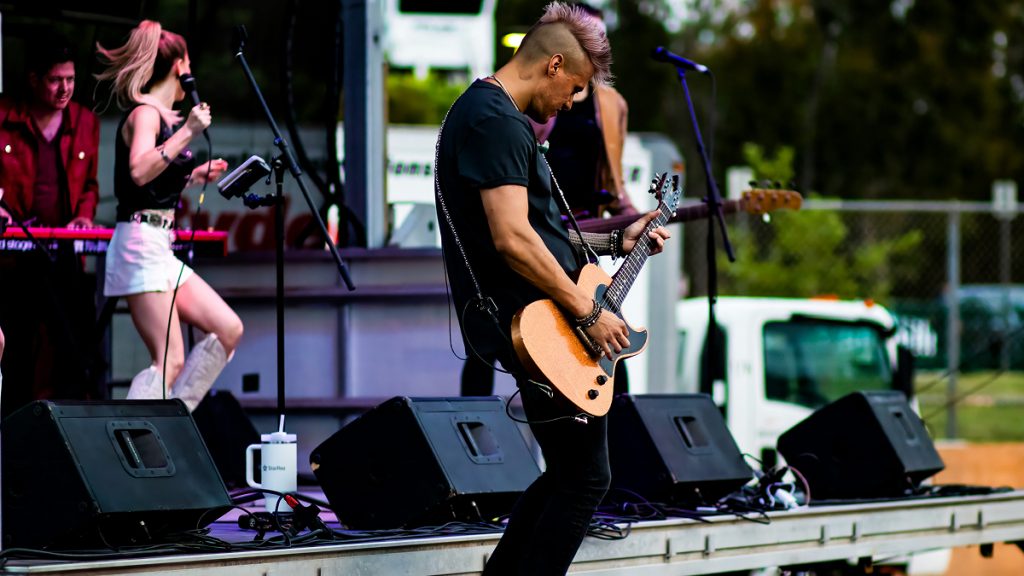
Inclusive Style: Outfits for Men, Women, and Non‑Binary Festival‑Goers
A major gap in many festival fashion articles is inclusivity. There is a desire to better understand topics such as what do you wear to a music festival men, festival outfits for guys, and non‑binary music festival outfit ideas, yet a lot of visual content still skews toward women in highly stylized looks.
For men, practical festival guides stress two golden rules: do not wear anything you would be heartbroken to ruin, and always choose comfort first.
Women’s festival content should push past the usual micro‑shorts and triangle tops to acknowledge different comfort levels and body types. Long‑line shorts, cargo skirts, supportive bralettes, and dresses with thicker straps are more inclusive, wearable options.
Try to balance coverage with coolness: choosing breathable fabrics, slits or cut‑outs placed strategically for airflow, and underlayers like bike shorts to prevent chafing. This is particularly important for readers in their 30s and 40s looking for “age‑appropriate” but still fun festival looks.
Non‑binary and gender‑fluid readers often pull from both menswear and womenswear categories, focusing more on silhouette and comfort than on labels. There are wide‑leg pants, mesh tops, structured vests, and unisex sneakers, all of which can feel affirming without being boxed in.
Ultimately if it stays put, keeps you comfortable, and makes you feel like yourself, it is festival‑ready.
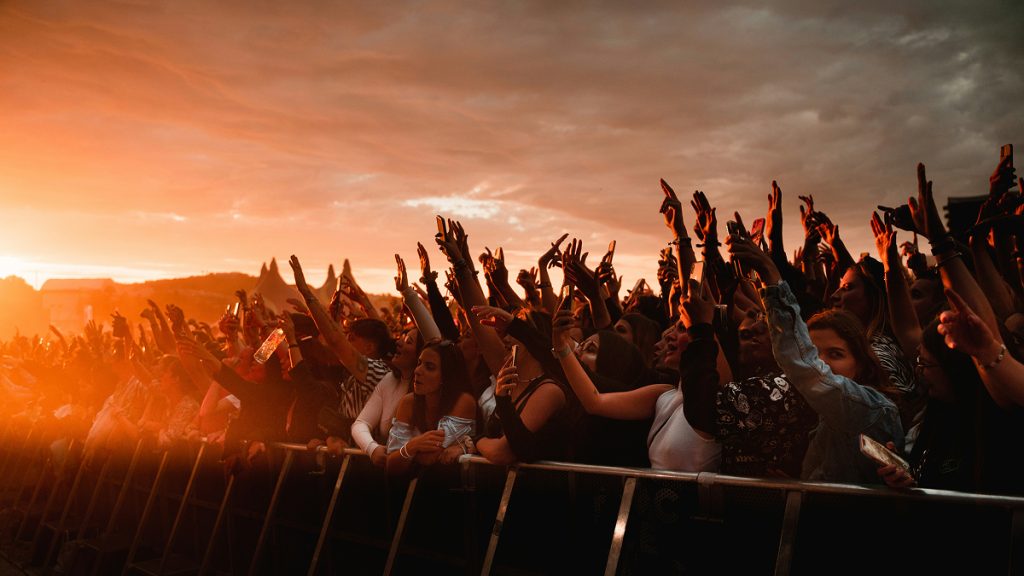
Choose A Music Festival Fashion Style that Can Last You All Day and All Weekend
The best music festival outfits are the ones that balance personality with practicality. Whether you are dressing for EDM, country, indie, rock, or a mixed-genre music festival weekend, the goal should be to stay comfortable, confident, and functional through long days of heat, crowds, weather shifts, and constant movement. Great festival fashion combines breathable fabrics, reliable footwear, smart layering, and accessories that genuinely help you survive the environment. The strongest outfits are the ones that let you enjoy every set, every stage, and every late-night moment without constantly adjusting, overheating, or regretting what you wore halfway through the day.