
Music festivals can be incredibly rewarding businesses, but they are also some of the most complex live events to produce successfully. Behind every profitable festival is a long list of decisions involving budgeting, booking, operations, safety, marketing, and risk management.
While great lineups and memorable experiences help attract audiences, profitability ultimately comes down to planning and execution. Whether you are launching a small community festival or building a larger destination event, understanding the fundamentals of festival organization can help you avoid costly mistakes, create a better attendee experience, and build an event that has the potential to grow year after year.
Centering Your Music Festival on Philosophy and Profitability
If you are organizing your first music festival, you are most likely doing it on the back of a perspective and philosophy regarding the types of acts you want to feature and the atmosphere you want to deliver.
But just as important as artistic authenticity and professional branding, there is profitability.
A profitable music festival starts long before the first ticket is sold. The real work is in building a clear concept, controlling costs, and designing a revenue model that does not depend on wishful thinking. What this looks like is simple:
- Define the vision
- Budget carefully
- Secure the right venue
- Book a cohesive lineup
- Build safety and operations systems early
Start With a Concept for Your Music Festival That is Well Defined
The first decision is not the headliner or the venue. It is the festival idea itself, because a strong concept shapes every decision that follows, from ticket pricing and sponsorship opportunities to audience expectations.
Festival organizers should clearly define the music style, target audience, event size, and overall experience before investing money in any other aspect of the event.
A profitable festival usually has a clear purpose and identity. That might be a genre-focused event, a showcase for a local music scene, a celebration of cultural heritage, or a one-day community festival designed for a specific audience.
Successful organizers prioritize thoughtful curation over sheer volume, building a lineup that feels intentional rather than overcrowded. This approach supports profitability because a stronger identity makes marketing more effective and helps convert interest into ticket sales.
If you are starting from scratch, keep the concept manageable enough to execute successfully and distinctive enough to stand out.
A one-day boutique festival for 500 to 1,500 attendees is often a more realistic starting point than trying to replicate a large destination festival on your first attempt. Smaller, focused events are easier to price accurately, staff efficiently, and sell to sponsors looking to reach a clearly defined audience rather than a broad, undefined crowd.

Build A Real Budget for a Music Festival That is Thoughtful
Budgeting is where many first-time festival plans begin to unravel because organizers often underestimate just how many moving parts are involved.
A realistic budget should account for artist fees, venue rental, sound and lighting, staging, fencing, security, permits, insurance, portable toilets, power, ticketing fees, marketing, medical services, cleanup, and contingency funds. The objective is not simply to cover costs, but to understand exactly how much revenue the festival needs to generate before any commitments are made.
One of the most important budgeting principles is separating fixed costs from variable costs. Fixed costs remain relatively stable regardless of attendance and typically include permits, core production expenses, and essential staffing. Variable costs increase as attendance grows and often include security, sanitation, staffing, waste management, and transaction fees. Understanding this distinction is critical because profitability depends on how effectively fixed costs are spread across paying attendees.
A smart approach is to build a conservative budget and then test it against different scenarios. Consider what happens if attendance reaches only 70 percent of your target, a supplier raises prices unexpectedly, or an artist cancels and requires a costly replacement.
Successful music festival organizers establish financial goals early, allocate marketing budgets strategically, and build realistic revenue projections around sponsorships and ticket tiers rather than assuming those opportunities will materialize later.

Choosing the Right Venue for a Music Festival
Venue choice is one of the most important profit levers in festival planning.
A lower-cost site can look appealing at first, but hidden expenses often outweigh the savings if the location lacks essentials like power supply, load-in access, parking, drainage, or effective crowd flow.
The strongest venue decisions prioritize accessibility, capacity, amenities, and safety. A site with existing infrastructure can eliminate or significantly reduce the need for generators, temporary fencing, portable sanitation, and complex transport logistics.
For first-time organizers, this often means selecting parks, fairgrounds, campuses, or established event spaces rather than undeveloped fields that require a full temporary buildout. More built-in infrastructure usually leads to greater predictability, which helps protect overall profit margins.
Audience experience should also be considered from the moment guests arrive. Parking availability, transit access, entry lanes, vendor placement, and restroom proximity all influence how long people stay and how likely they are to return.
A well-organized, easy-to-navigate festival encourages repeat attendance, and returning audiences are far more cost-effective to reach than new ones.
Booking a Lineup for a Music Festival Should Consider Ticket Sales
The lineup should support the concept rather than overwhelm it.
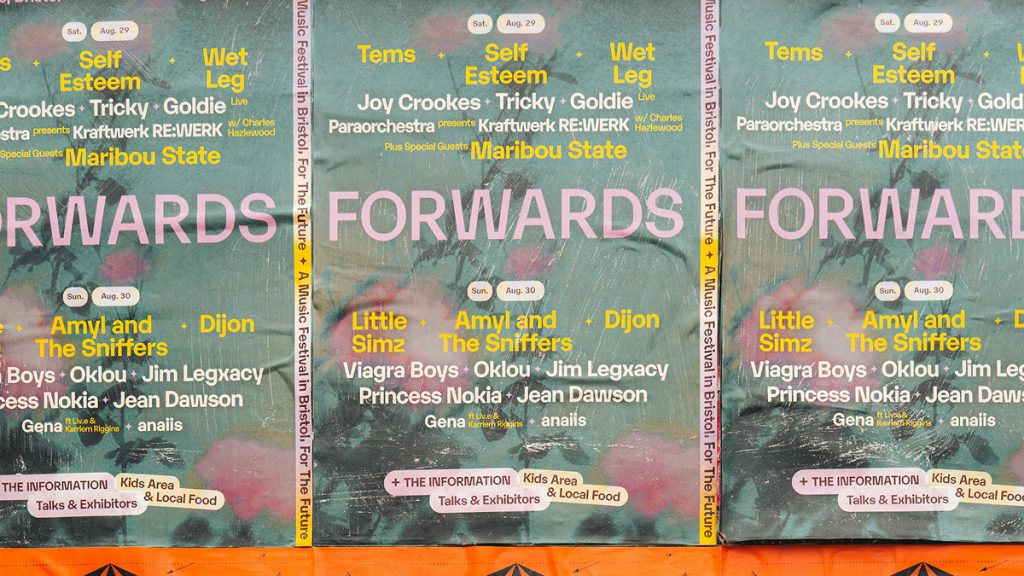
A profitable festival typically combines one or two recognizable names with local or emerging artists who fit the theme and are more cost-effective to book. The key is being selective and treating the lineup as an intentional creative choice rather than filling slots for the sake of availability.
This approach protects both budget and brand. Headliners may drive ticket sales, but they also take up a large portion of the artist budget, especially when travel, hospitality, and production requirements are included.
Overspending on a single act can reduce flexibility in other critical areas such as marketing, safety, and operations. A strong lineup is one that drives attendance while still preserving enough margin to run the event smoothly.
Timing is also important. Many organizers secure anchor acts early because availability shapes the entire structure of the festival. Once those key names are confirmed, the rest of the lineup can be built around them to add depth, local relevance, and discovery value. This often improves the overall audience experience and can increase dwell time, along with food, beverage, and merchandise sales.

Do Not Rely on Ticket Sales Only for Music Festival Profitability
A profitable festival needs multiple revenue streams, not just ticket sales. While ticketing is usually the core income source, profitability is strengthened by combining sponsors, vendor fees, beverage sales, merchandise, VIP upgrades, and in some cases grants or donations.
Relying on attendance alone is one of the most common mistakes in festival planning.
Ticket strategy plays a major role in early financial stability. Successful festivals often use tiered early-bird pricing and structured release windows to create urgency while rewarding early commitment. This approach generates cash flow before the event takes place and provides early demand signals that can inform marketing decisions or even scale adjustments.
For first-time festivals, early revenue is often more valuable than trying to maximize last-minute pricing.
Sponsorship can be the deciding factor between breaking even and turning a profit. The most effective sponsors are not simply those with budget, but those that align with the audience and benefit from meaningful visibility. Beverage companies, local hospitality groups, streaming platforms, apparel brands, and tourism partners are often stronger fits than generic advertisers.
When sponsorship packages are built around clear audience data, branding opportunities, and on-site activations, they become significantly easier to secure.
Marketing Your Music Festival Starts Early With Lots of Time Before You
Marketing should begin before the festival is fully finalized, because building demand early gives organizers more control over shaping the event itself.
Early promotion through social media, press outreach, email marketing, and ticket incentives like early-bird pricing or group discounts helps generate momentum and brings in advance revenue, reducing financial pressure closer to the event date.
Effective festival marketing is specific rather than generic. Instead of broad messaging like “come enjoy live music,” it works better to clearly communicate what makes the event distinct: the genre focus, setting, atmosphere, featured local talent, and the overall day-long experience. This level of clarity helps attract the right audience more quickly and makes it easier for media outlets to develop a clear story angle beyond a simple event listing.
The ticketing page should also be treated as a sales tool rather than a basic information form. Clear pricing tiers, strong artist imagery, concise value statements, and trust indicators such as sponsor logos or venue details all play a role in improving conversions.
Understanding the audience’s demographics, spending habits, and motivations allows for more effective messaging, and even small improvements in conversion rates can have a larger financial impact than minor reductions in marketing costs.
Music Festival: Permits, Insurance, and Legal Readiness
Once the concept, budget, venue, and lineup are in place, the next step is turning the festival into a legally and operationally viable event.
Missing permits or insurance is not a minor oversight; it can shut down the entire festival or create serious liability, making this stage a core part of protecting the event’s survival. In practice, organizers should expect to work with municipal authorities, venue teams, health and fire officials, and sometimes transportation or road-closure departments depending on scale and location.
For first-time organizers, the safest assumption is that more approvals will be required than initially expected. These can include event permits, noise permissions, alcohol licensing, temporary structure approvals, food vendor health clearances, and fire safety sign-offs. In many cities, large-scale events may also require substantial liability coverage, sometimes reaching multi-million-dollar thresholds, reflecting how seriously risk is treated.
Even when requirements vary by region, the key reality remains consistent: compliance planning must start early, since approval timelines often extend beyond marketing schedules.
Insurance should be built into the core budget rather than treated as an optional expense. General liability coverage is standard, and many vendors will also require proof of insurance before participating. This directly impacts financial safety, since a single incident can erase profit and create long-term legal consequences.
A festival that appears successful on paper but lacks adequate coverage is not truly secure or sustainable.
How to Set Up Staffing And Volunteers for a Music Festival Matters
A festival only functions properly when the people running it understand exactly what they are responsible for.
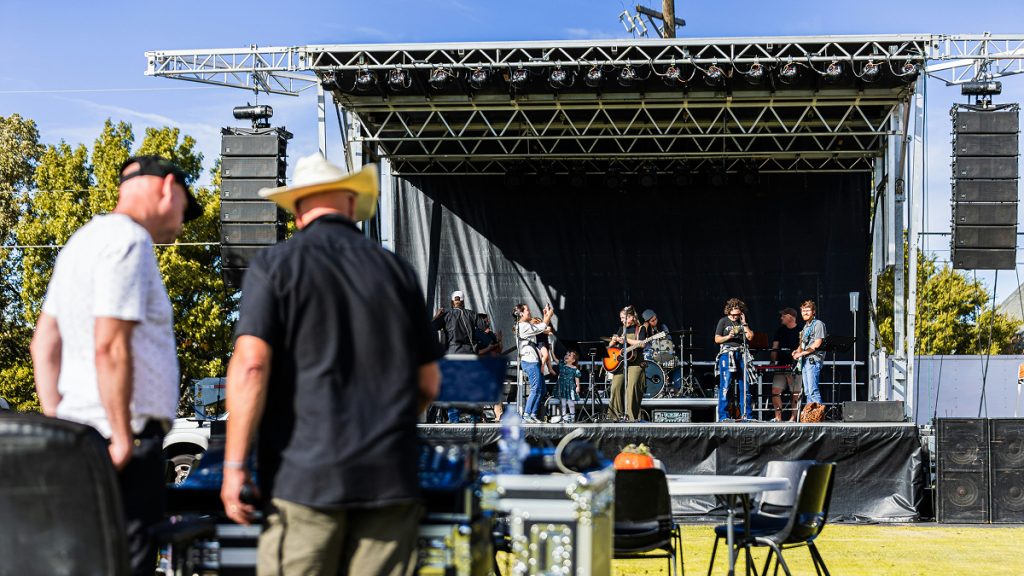
Clear operational planning and staff training are essential, with teams needing to know their reporting structure and follow a defined plan that covers parking, entry and exit flow, traffic management, utilities, vendor placement, and emergency response. Without this structure, even a well-planned event can quickly descend into confusion on the day.
From a profitability standpoint, staffing must be carefully balanced. Overstaffing reduces margins, while understaffing creates bottlenecks, safety concerns, and missed revenue opportunities at concessions and merchandise points.
The most effective approach is typically a layered structure: experienced managers overseeing key functions, supervisors handling day-to-day operations, and volunteers assigned to clearly defined support roles that do not require independent decision-making. Volunteer coordination, in particular, plays a major role in whether a mid-sized festival feels organized or chaotic.
In practice, the most efficient teams are structured around functions rather than individuals. Dedicated leads should oversee areas such as production, guest services, artist relations, sponsorship delivery, and safety response.
This clarity reduces duplication, speeds up decision-making, and ensures issues are handled efficiently. When roles are clearly defined and communication flows smoothly, festivals can accommodate larger crowds with fewer errors, directly supporting stronger financial outcomes.

Your Music Festival Production Should be Strategic in Its Technical Setup
Production is where a significant portion of a festival budget can quietly disappear, which is why this stage requires careful discipline.
The technical setup includes stage design, audio, lighting, power distribution, fencing, backstage access, signage, and water or utility supply, all of which must be fully integrated into a detailed site plan well before event day. A floor-plan approach that maps traffic flow, vendor placement, parking, and emergency routes helps ensure the event functions smoothly from both an operational and safety perspective.
That planning is not only about compliance or safety; it has a direct impact on revenue. When guests can easily locate food vendors, bars, restrooms, and merchandise areas, they tend to stay longer and spend more throughout the event.
When navigation is confusing or movement feels restricted, attendees are more likely to leave early, reducing both satisfaction and additional income. A well-designed site should therefore prioritize comfort, clarity, and flow, encouraging movement and spending without creating frustration or congestion.
Production teams also need strong contingency planning. Weather changes, equipment failures, artist delays, and power disruptions are all normal risks rather than rare events, which is why backup strategies are essential.
Planning for disruptions in advance helps protect both the guest experience and the financial stability of the event, since every hour of downtime can affect revenue and long-term audience trust.
The Potential of Food, Beverage, and Retail Sales to Generate Music Festival Profit
Food, beverage, and retail vendors can be a major profit center when structured effectively.
Vendor fees, percentage-based agreements, and curated marketplace areas all contribute to revenue beyond ticket sales, but the greater value often comes from how vendors enhance the overall experience. A strong vendor presence increases dwell time, improves atmosphere, and encourages attendees to stay engaged with the event for longer periods.
The key is aligning vendors with both the audience and the identity of the festival. A random mix of booths may still generate rental income, but a thoughtfully curated vendor village creates a more cohesive experience and can strengthen repeat attendance. If a festival is positioned around themes such as sustainability, family friendliness, or local culture, the vendor selection should reinforce those values. In that sense, vendor curation becomes part of the event itself rather than a separate logistical layer.
It is also important to make participation straightforward for vendors. Clear setup schedules, transparent fees, reliable power access, and well-defined insurance requirements reduce barriers and attract higher-quality applicants.
When vendors have a positive experience, they are more likely to return, recommend the festival to others, and actively support its growth, making them an integral part of both revenue generation and long-term marketing.

What to Expect With the Day-Of Operations For a Music Festival
Festival day is not the time to improvise the basics. The operational plan should already clearly define who is responsible for opening gates, checking credentials, handling medical situations, communicating with security, and making decisions when weather or crowd conditions shift.
All essential documents – including contracts, insurance paperwork, permits, supplier agreements, and emergency contact lists – should be organized and immediately accessible on site. This level of preparation reduces confusion and allows teams to respond quickly under pressure.
The most successful festivals often appear effortless to attendees precisely because the behind-the-scenes systems are so well structured. When signage and wayfinding are clear, guests move through the site without friction, reducing frustration and encouraging longer stays.
When medical, security, and production teams operate with a shared communication framework, small issues are contained before they escalate into costly disruptions. Smooth execution protects both the guest experience and the financial performance of the event.
A simple but critical example is readiness at gates and vendor areas. Vendors should be fully set up before attendees arrive, and all systems should be tested in advance of opening. While this may seem obvious, it is one of the most common points of failure due to underestimated setup time. A complete and early load-in helps prevent rushed operations and often saves more than reactive problem-solving ever can.

Risk And Contingency: What to do With the Unexpected At A Music Festival
A profitable music festival is not one that avoids problems entirely, but one that is structured to absorb them without collapsing.
Weather changes, supply delays, artist cancellations, and staffing gaps are all normal operational risks, and contingency planning for each should be treated as seriously as the creative concept itself. The success of an event ultimately depends less on ideal conditions and more on how effectively it functions when things do not go as planned.
Financial risk management is equally important. Cash reserves should be planned to handle unexpected costs such as emergency labor, overtime staffing, additional security, equipment replacement, or last-minute infrastructure needs.
Using vendor deposits, staged supplier payments, and phased spending strategies helps maintain liquidity leading up to festival day. This approach provides flexibility when issues arise, rather than forcing organizers to rely on perfect timing or optimistic assumptions.
This is also where controlled growth becomes essential. A smaller, well-executed festival can establish a repeatable model that scales over time, while rapid expansion increases exposure to unpredictable failures. One difficult weekend can undo margins if the structure is not stable.
In practice, long-term profitability is more often the result of measured, sustainable growth than aggressive scaling.
Your Music Festival is Profitable When You, the Event Organizer, Are Determined
Arguably, the most important mindset shift is that festival profit is driven by discipline rather than scale.
Many first-time organizers assume success depends on drawing a massive crowd, when in reality it comes from building a controlled event with predictable costs and a clear, realistic revenue plan. The consistent message across planning approaches is to define the event clearly, budget with accuracy, choose the right venue, and apply marketing and ticketing with intention.
It also requires avoiding over-optimism. A plan that depends on a perfect sell-out, an ideal sponsor appearing at the last minute, or a headliner that does not truly fit the audience is structurally fragile. Stronger festivals are built on balanced income, where tickets, sponsorships, and on-site revenue each carry part of the load. That balance creates resilience when one area underperforms.
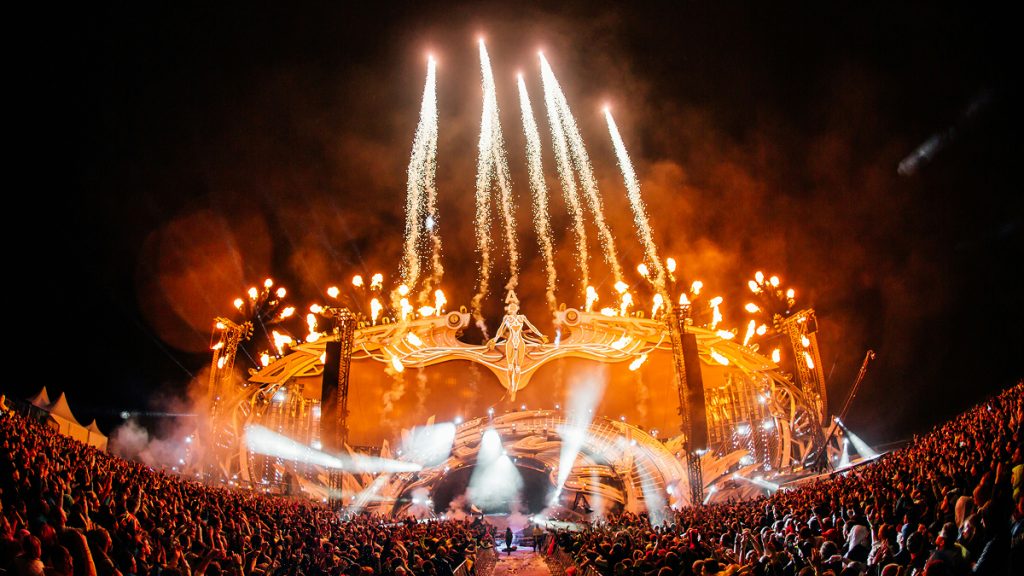
When structure, strategy, and consistency come together, the result is not just a successful music festival event, but a sustainable festival model that can potentially and likely grow, adapt, and endure year after year.