The live events industry has always operated on thin margins, but the past few years are proving to be a particularly unforgiving era for bars, clubs, and independent venues.
Across Canada and all over the world, small and mid-sized venues are closing at a pace that has alarmed artists, event promoters, and local communities alike. Reports highlight rising operational costs, shifting consumer behavior, and a fragile touring ecosystem as key pressures squeezing venues from all sides.
If you run a venue, these risks are no longer theoretical. Even if you run a successful bar, pub, community hall, or arena, the risks of failure are immediate, measurable, and in many cases preventable.
Here, we break down the most common reasons venues fail today and, more importantly, what you can do to overcome them.
1. Rising Operating Costs Are Outpacing Revenue
One of the most consistent themes across event industry reporting is the dramatic increase in operating costs.
Rent, utilities, insurance, and staffing have all surged in the past three years, while ticket prices and bar sales have not kept pace proportionally. In North America’s largest cities, commercial rent alone has forced long-standing venues to shut their doors, even when shows were selling reasonably well.
Energy costs are another often overlooked factor. Lighting, sound systems, refrigeration, and HVAC systems are energy-intensive, and fluctuating rates can quietly erode margins month after month. Insurance premiums for nightlife venues have also increased, particularly due to perceived risks around alcohol service and crowd management.
The challenge is that most venues cannot simply raise ticket prices without impacting attendance. Fans are already paying more for major concerts, and discretionary spending is tightening. Unfortunately, independent venues are often caught in a squeeze where costs rise faster than their ability to generate revenue.
To mitigate this, operators need to rethink revenue diversification.
This can include earlier programming like happy hour events, private bookings, branded partnerships, or ticketed daytime experiences. Energy audits, renegotiating supplier contracts, and exploring shared services with nearby businesses can also reduce overhead.
The venues that survive are increasingly those that treat cost control as a continuous strategy, not a one-time adjustment.

2. Declining Ticket Sales and Inconsistent Attendance
Even when programming is strong, many venues across cities like Toronto are experiencing unpredictable turnout.
A show that might have sold out pre-2020 now struggles to reach half capacity, while other nights unexpectedly overperform. This volatility makes staffing, inventory, and cash flow planning significantly harder.
In large part, this is because consumer behavior has shifted.
Audiences are more selective, often waiting until the last minute to buy tickets or opting out entirely if something more appealing emerges. The abundance of entertainment options, from streaming to festivals to pop-up events, means local venues are competing in a much broader attention economy.
Data from event ticketing platforms such as Ticketscene shows a noticeable increase in last-minute purchases and a decline in advance ticket sales for smaller shows. This trend puts pressure on venues that rely on early sales to cover upfront costs like artist deposits and marketing.
The solution is not simply “better marketing,” but smarter audience development.
Venues need to build direct relationships with their customers through email lists, SMS campaigns, and loyalty programs. Relying solely on social media algorithms is no longer sufficient.
Programming also plays a critical role. Successful venues are curating experiences, not just booking acts. This might mean themed nights, cross-genre lineups, or collaborations with local communities that create a sense of urgency and belonging.
When people feel like they are part of something, they are far more likely to show up consistently.

3. Overreliance on Alcohol Sales
For decades, alcohol has been the financial backbone of most bars and clubs. However, that model is becoming increasingly risky. Younger audiences are drinking less, and many patrons are more health-conscious or budget-aware when they go out.
At the same time, alcohol costs are rising, and margins are being squeezed by supplier pricing and regulations. If your business model depends heavily on bar sales to offset low ticket prices, you are exposed to significant volatility.
There is also a behavioral shift happening inside venues. Guests may attend a show but spend less at the bar, especially if they have already spent heavily on tickets or transportation. This reduces per-customer revenue and can turn a seemingly successful night into a financial disappointment.
To adapt, venues need to rethink their in-house experience.
Expanding into food offerings, premium experiences such as VIP tickets, or merchandise partnerships can create additional revenue streams. Some venues are also experimenting with non-alcoholic menus that appeal to a broader audience.
The key is to decouple your survival from a single revenue source. A balanced model that includes ticketing, food and beverage, partnerships, and rentals is far more resilient in today’s market.

4. Poor Artist Booking Strategy
Booking the wrong acts at the wrong time is one of the fastest ways to lose money.
Yet many venues still rely on outdated booking strategies or gut instinct rather than data. In a landscape where touring costs have increased significantly, artists are also more selective about where they perform, which can lead to weaker lineups for smaller venues.
A common mistake is chasing trends without understanding local demand. Just because an artist is popular globally does not mean they will draw in your specific market. Conversely, local or regional acts with strong followings can often outperform bigger names in smaller rooms.
Another issue is inconsistent programming. If your venue does not have a clear identity, audiences will struggle to understand what you offer. This makes it harder to build a loyal customer base and increases your reliance on one-off ticket sales.
Modern booking strategies rely heavily on data. Streaming numbers, social media engagement, past ticket sales, and geographic fan distribution all provide valuable insights into which artists are likely to perform well.
Collaboration is also becoming more important. Working with event promoters, collectives, and even other venues can help share risk and bring in stronger talent.
The goal is not just to fill dates, but to build a consistent, recognizable brand that audiences trust.

5. Weak Marketing and Lack of Audience Ownership
Many venues still depend heavily on third-party platforms to drive ticket sales, whether that is social media, event listings, or ticketing marketplaces.
While these tools are useful, they do not provide true ownership of your audience.
Algorithm changes can dramatically reduce your reach overnight, and paid advertising costs continue to rise. If you do not have a direct line to your customers, you are constantly paying to reacquire the same audience.
This is one of the most critical vulnerabilities in the current landscape.
Venues that fail to build their own audience databases are effectively renting their visibility, which is not sustainable long term.
Strong venues treat marketing as an ecosystem. Email newsletters, SMS alerts, loyalty programs, and community engagement all play a role in keeping audiences connected. These channels are not subject to algorithm changes and often deliver higher conversion rates.
Content also matters. Simply posting event flyers is no longer enough. Behind-the-scenes footage, artist interviews, and user-generated content can help create a deeper connection with your audience. When people feel engaged with your brand, they are more likely to attend events regularly.
Investing in marketing infrastructure may not deliver immediate returns, but it builds long-term resilience. In an environment where attention is fragmented and competition is intense, owning your audience is one of the most valuable assets you can have.

6. Insurance Costs Become Unmanageable
Insurance has become one of the most dangerous pressure points for bars, clubs, and live music venues.
CBC reported that some Toronto venue owners saw quotes rise by 300 to 400 percent compared with pre-pandemic levels, and in at least one case, an owner said they could not get liability coverage at any price.
When insurance becomes unaffordable or unavailable, even a healthy room can be forced to stop operating.
This problem is especially brutal because insurance is not optional. Without coverage, many landlords, lenders, and event partners will not continue working with a venue, which can trigger a fast cascade into shutdown.
The risk is not only the premium itself, but the uncertainty that comes with renewal season and the possibility of a last-minute denial.
The best defense is to treat insurance like a core operating system, not a yearly admin task.
Operators should document safety procedures, crowd control plans, maintenance logs, and incident reporting so they can prove lower risk to underwriters. Shopping the market early and working closely with brokers can also create more leverage than waiting until the policy is about to expire.
7. Regulatory Pressure and Licensing Problems
Rules around alcohol service, occupancy, noise, fire safety, security, and employment can turn into a serious threat when they are not managed proactively.
A venue that falls behind on licensing, permit renewals, or compliance inspections can suddenly face fines, forced closures, or a loss of operating privileges. In practice, regulation often does not kill a venue overnight, but it can make a weak business model impossible to sustain.
This is especially difficult for smaller operators because compliance costs are spread across fewer revenue dollars. A large entertainment company can absorb the cost of legal support, but an independent bar or club often cannot. Once you add building-code requirements, municipal permits, and alcohol regulations, the administrative burden can become overwhelming.
The smart move is to build a compliance calendar and review it as carefully as your booking calendar.
Venue owners should also keep records organized and assign one person responsibility for permits, inspections, and renewals. That kind of operational discipline reduces the risk of an avoidable shutdown and creates a stronger case with insurers, landlords, and city officials.
8. Staffing Shortages Weaken the Business
A venue can have a great room, a strong calendar, and good marketing, but still fail if it cannot staff the business properly.
The hospitality and live events sectors continue to struggle with hiring, retention, and burnout, and many small operators are competing with higher-paying industries for the same workers. When shifts go unfilled, service suffers, safety weakens, and customers notice.
This problem also creates hidden financial damage.
Overworked staff are more likely to quit, mistakes become more common, and managers end up doing jobs that should be delegated. In a nightlife environment, thin staffing can lead to slower bar service, longer lines, worse guest experiences, and lower per-head spending.
One reason this matters so much is that staffing affects both revenue and risk. Poorly trained employees can increase the odds of security incidents, alcohol-service violations, or guest disputes, all of which raise liability concerns.
Venues that want to survive need to invest in scheduling stability, training, and a workplace culture that reduces turnover.
Retention starts with respecting the job as a skilled role rather than a temporary one. Competitive wages help, but so do predictable schedules, clear responsibilities, and visible paths for advancement. In a year when labor remains tight, the venues that train and keep good people will have a meaningful edge.
9. Noise Complaints and Neighborhood Backlash
Many venues do not fail because the audience disappears. They fail because the neighborhood turns against them.
Noise complaints, parking frustration, late-night traffic, and patron behavior outside the building can create pressure from nearby residents and property owners. Once that tension builds, one complaint can turn into a formal restriction, a conditional permit review, or even a campaign to shut the venue down.
This issue is especially common when development creeps closer to long-established entertainment districts. A room that once felt naturally placed in a nightlife corridor may suddenly be surrounded by condos, offices, or mixed-use buildings with different expectations. That shift changes the political reality around the venue even if the business itself has not changed.
Prevention begins with being a better neighbor than your critics expect.
Venues that manage outdoor noise, train security staff to handle departures responsibly, and communicate with nearby residents before problems escalate are usually in a stronger position. It also helps to keep a record of complaints and responses, because that documentation can matter if the venue needs to defend itself later.
The broader lesson is that a venue’s survival depends on more than its customers. It also depends on the people who live and work nearby. Operators who ignore that reality often discover too late that local goodwill is as important as ticket sales.
10. Real Estate Pressure and Redevelopment
Real estate is one of the biggest long-term threats to independent nightlife and music spaces.
CBC’s reporting on Toronto venues shows how redevelopment and rising rents have already pushed some iconic rooms out of their original spaces. Once a landlord sees a more profitable use for the property, even a well-loved venue can become expendable.
This is a uniquely difficult problem because the venue may not be failing operationally at all. A room can be culturally important, consistently booked, and still lose its lease because the land underneath it has become more valuable than the business inside it.
For operators, that means survival depends not only on performance, but on lease terms and local property trends.
One way to reduce exposure is to negotiate longer leases with clearer renewal options whenever possible. Venues can also explore partnerships with developers, landlords, or community groups that recognize cultural value as part of the property’s identity.
In some cases, relocation is the only choice, but moving early and strategically is far better than being forced out at the last minute.
This is also where advocacy matters. The more a venue can prove its local economic and cultural contribution, the stronger its position becomes in conversations about zoning, heritage, and redevelopment. A venue that is seen as a community asset has a better chance of surviving land pressure than one that is treated as a disposable tenant.
11. Cash Flow Collapses Between Big Nights
Many venues look busy on paper but still fail because the cash does not arrive evenly enough to cover expenses.
One strong weekend can hide a weak month, especially when payroll, rent, artist deposits, and vendor bills all hit at different times. When the venue is living show to show, a single slow stretch can create a serious liquidity problem.
This is one of the most dangerous issues because it often feels manageable right up until it is not. Owners may assume a packed Friday night means the business is healthy, but if the venue cannot cover fixed costs during the rest of the week, the model is still broken. In nightlife and live events, profit is not the same thing as cash in the bank.
The best protection is tighter forecasting and better reserve planning.
Venues need to watch weekly cash flow, not just monthly revenue, and build a buffer for off weeks, weather disruptions, and underperforming events. A business that cannot survive a short dry spell is already vulnerable.
12. Unsafe Conditions Trigger a Serious Incident
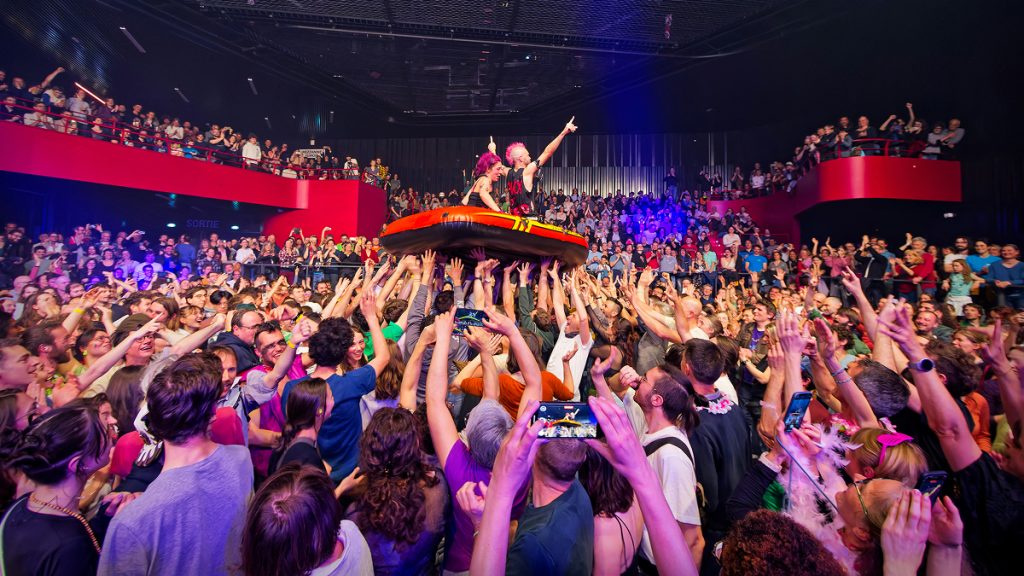
A venue does not need a major disaster to close. Sometimes one preventable safety failure is enough.
Fire hazards, overcrowding, poor exits, broken stairs, weak crowd control, or neglected maintenance can all turn into an emergency that forces a shutdown. Even when no one is badly injured, the reputational and legal fallout can be severe.
This risk is especially high in older buildings where infrastructure has not kept pace with the venue’s use. Small issues often get normalized because staff see them every day, but regulators, insurers, and guests will not treat them casually after an incident.
Once confidence is lost, reopening can become expensive and slow.
The strongest venues treat safety as a living system, not a one-time inspection. That means routine walk-throughs, staff training, maintenance logs, clear emergency procedures, and a culture where workers can flag problems without hesitation.
Preventing one serious incident is far cheaper than recovering from one.
13. Public Reputation Takes A Hit
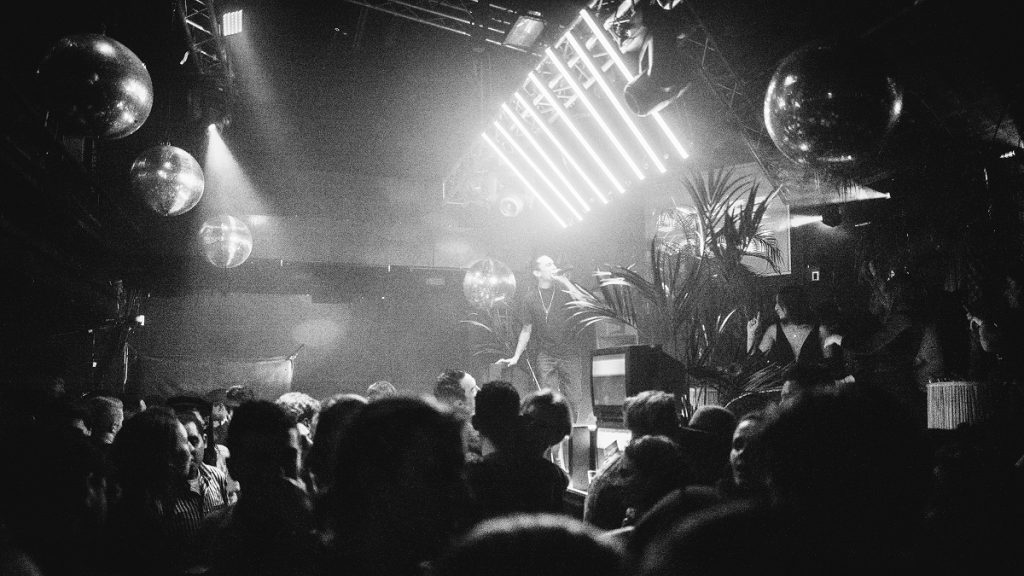
A venue’s reputation can unravel quickly in the age of online reviews, social media, and word-of-mouth backlash.
One bad incident, poor staff interaction, cancellation dispute, or artist complaint can spread fast and discourage both patrons and performers. Once the narrative turns negative, it becomes harder to sell tickets, recruit talent, and keep partners confident.
This risk is bigger than most owners realize because reputation affects nearly every part of the business.
Guests choose where to spend money based on trust, artists choose where to play based on professionalism, and landlords and insurers often take a venue’s public profile seriously. A damaged reputation can quietly erode the business even if the room itself is still operating.
The fix starts with responsiveness and consistency.
Venues need clear policies, respectful communication, and fast resolution when problems arise. In a crowded market, professionalism is not just good customer service; it is a survival tool.
14. The Audience Simply Stops Coming
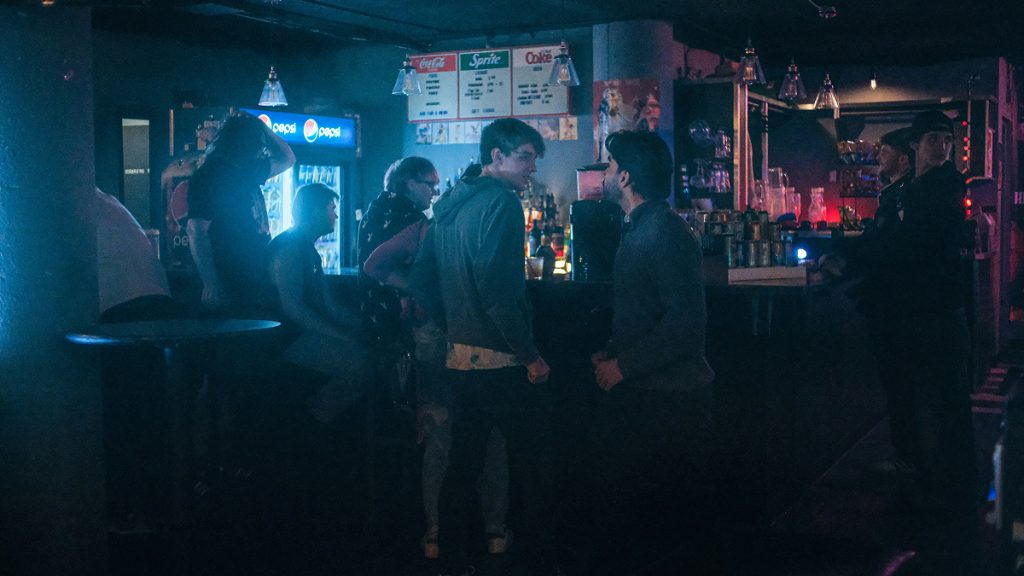
The final and most existential risk is not dramatic at all: the audience quietly disappears.
When customers stop treating your venue as part of their routine, the business can decline before anyone notices. Tickets sell slower, bar sales soften, and once-loyal regulars start finding other places to spend their nights.
This trend is partly a post-pandemic behavior shift, but it is also tied to changing entertainment habits. People are more selective about where they go out, and they expect more value for every dollar. If your venue feels interchangeable, the audience will choose a stronger alternative or stay home entirely.
This is why experience matters as much as programming. People do not just return for sound quality or drink prices; they return for atmosphere, hospitality, and a sense of belonging. Venues that invest in staff attitude, room design, and audience connection often outperform those that rely only on good bookings.
The answer is not to chase every trend. It is to give people a reason to care that is specific to your room.
Strong brand identity, consistent quality, and a recognizable community can turn occasional visitors into loyal regulars, which is often the difference between survival and closure.

A Live Event Venue Has to Be Smart and Strategic to Survive and Profit
The venues most at risk this year are usually not failing for one reason alone.
They are being squeezed by rising costs, weaker attendance, insurance pressure, staffing gaps, regulatory friction, and real estate forces that can overwhelm even a popular room.
Even strong rooms with loyal audiences can find themselves vulnerable when these pressures stack up.
What separates the venues that survive from those that close is not luck, but adaptability. The most resilient operators treat every part of the business as interconnected: programming, pricing, staffing, marketing, compliance, and community relationships all work together to determine long-term stability.
Small improvements across each area can be the difference between constant strain and sustainable operation.
Ultimately, survival in today’s live events landscape requires more than good shows. It demands disciplined strategy, tight operational awareness, and a willingness to evolve as the market shifts around it.
And inarguably, luck.