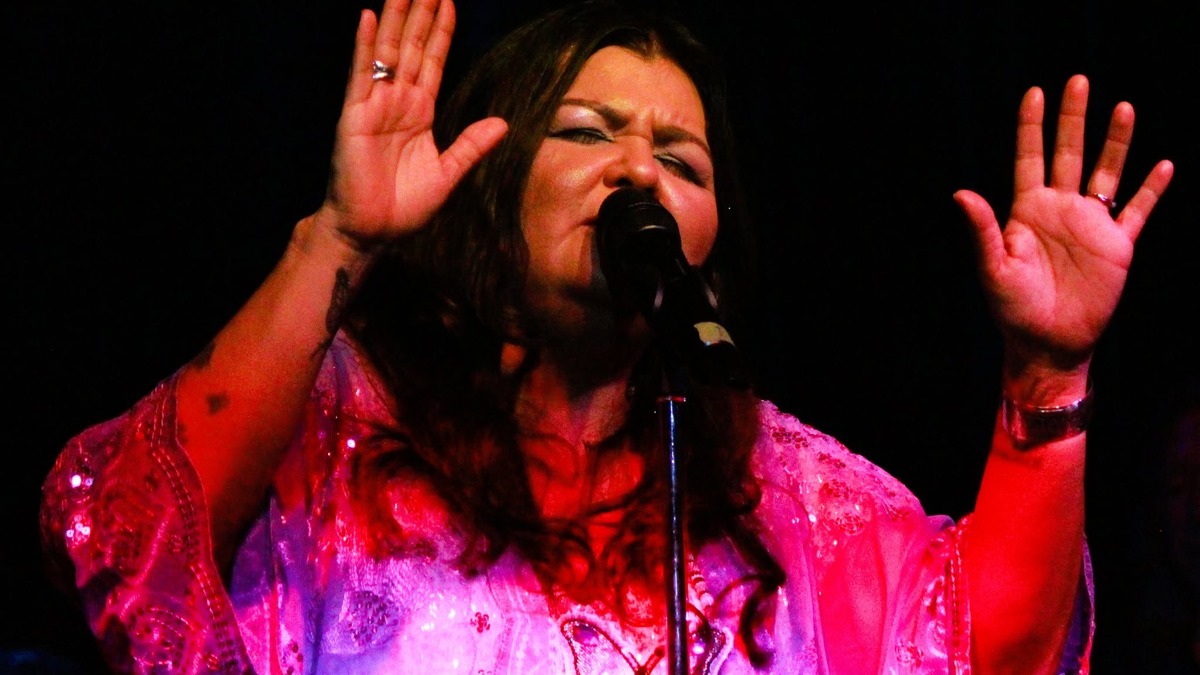
From Manitoulin Island and the back room of Tootsies Orchid Lounge to Billboard history and a fearless new chapter on Homesick Indian Blues, the Ojibwe–Potawatomi powerhouse refused to reel in her rasp.
In the early 2000s, the back room of Tootsies Orchid Lounge on Nashville’s Lower Broadway was known among local musicians as a dead zone.
Most tourists crowding the historic honky-tonk pressed toward the front stage for polished three-chord country standards, leaving the dim back room to a rotating cast of misfits who didn’t fit Music Row’s template.
Night after night, a young Ojibwe–Potawatomi singer from Manitoulin Island stepped onto that back-room stage and detonated the room. Crystal Shawanda sang Hank Williams Sr. with a bluesy growl and tore through Johnny Cash with punk-rock urgency, channeling Etta James, Muddy Waters, and Janis Joplin through a voice that shook the walls.
Among the regulars who slipped quietly into the back room to listen was Raul Malo, the baritone frontman of the Mavericks, alongside a young Nashville guitarist and producer named Dewayne Strobel.
What began in that back room carried Shawanda from unpaid busking sessions to the top of the North American country charts, making her the highest-charting full-blooded Canadian Indigenous country artist in the SoundScan era.
Yet the true measure of Shawanda’s career lies in what she did after reaching that peak. Told by major-label executives to smooth out her rasp and sand down her edges for commercial radio, she eventually walked away from country stardom, founded Canada’s first female- and Indigenous-owned record label, and reclaimed the raw blues voice that had sustained her since childhood.
Cheap Therapy on Manitoulin Island
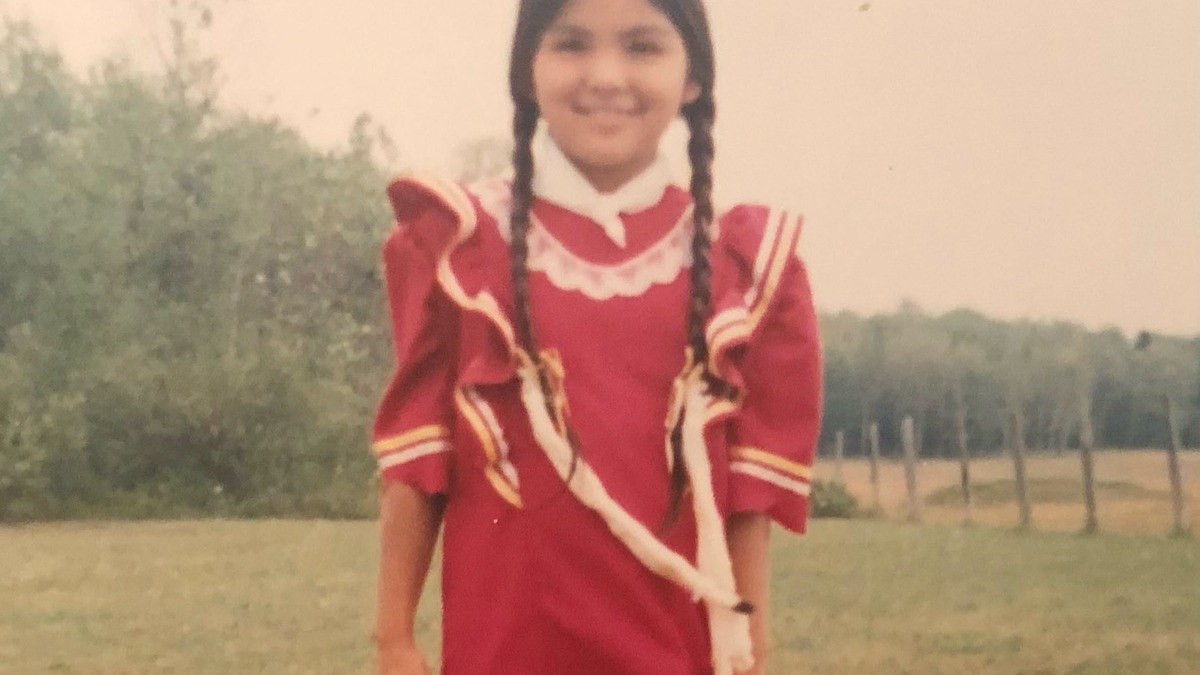
Born on July 26, 1983, Crystal Shawanda grew up on the Wiikwemkoong Unceded Territory on the eastern peninsula of Manitoulin Island, Ontario, along the shores of Lake Huron.
As the youngest child in a family with two older brothers, she entered a household where music functioned less as background entertainment than as daily emotional survival. Growing up in the thick of intergenerational trauma, as Shawanda later explained in a 2025 interview with Harlton Empire, music was not an extracurricular hobby—it was what healed her.
Her parents—a truck-driving father who picked guitar in private and a mother who taught special-needs children—gathered with her grandparents around the radio and the wood stove every week to listen to the Grand Ole Opry, filling the house with Johnny Cash, Loretta Lynn, Patsy Cline, Elvis Presley, The Beatles, and Cream.
Downstairs in the basement, however, Shawanda’s oldest brother was spinning an entirely different education: Muddy Waters, B.B. King, Etta James, Tom Petty, Prince, and Ozzy Osbourne.
Young Crystal would sit at the top of the basement stairs straining to hear those heavy, soulful grooves, and whenever the house emptied out, she practiced belting along with Etta James until she could summon the same grit from her own chest.
“I was taught very early on that there’s not one genre that’s better than the other,” Shawanda reflected in a 2026 interview with MONTECRISTO magazine, explaining that her family treated music like “cheap therapy”—leaning on records for comfort during hard days and dancing to them when joy broke through.
She also developed an obsessive curiosity about musical lineage, combing through album liner notes to trace modern hits back to what she called “the mothers of invention”—the blues and country originators who built North American music from lived struggle. Hearing Elvis Presley’s “Hound Dog” led her backward to Big Mama Thornton; hearing Hank Williams’s “Lovesick Blues” revealed how deeply country storytelling grew out of the blues.
By age six, Shawanda was singing onstage. At nine, she began acting and touring with Manitoulin Island’s Debajehmujig Theatre Group, and by ten, she was earning money at local gigs across northern Ontario.
When her father’s long-haul trucking routes began taking him down through Tennessee, twelve-year-old Crystal rode along in the cab, singing in Nashville clubs during school breaks and learning firsthand that the distance between a small northern island and Music City was just a stretch of highway.
At thirteen, she recorded her first demo album in Nashville with Canadian producer Gary Buck. After completing three years of high school at Korah Collegiate and Vocational School in Sault Ste. Marie, Ontario, a sixteen-year-old Shawanda packed her bags and moved to Nashville on her own, knowing almost nobody in town and sleeping wherever she could while busking on sidewalks and playing any stage that would hand her a microphone.
Surviving Nashville’s Gatekeepers and Making Chart History
Breaking into Nashville as a teenage Indigenous woman without industry connections was brutal. For years, Shawanda bounced between Manitoulin Island and Tennessee, working honky-tonk shifts on Lower Broadway and absorbing hard lessons about how the music business judged outsiders.
During one early Nashville stint, a music-industry gatekeeper told her bluntly that she didn’t have the right look to succeed in country music—a rejection that sent her into a dark, self-destructive spiral before she confronted what was actually happening.
“If I was out of tune, I could take voice lessons,” Shawanda later reflected on that turning point. “If my song was bad, I could write another. But I couldn’t change the colour of my skin.” Determined not to let prejudice dictate her future, she drove back to Nashville with a quiet mission to prove the doubters wrong.
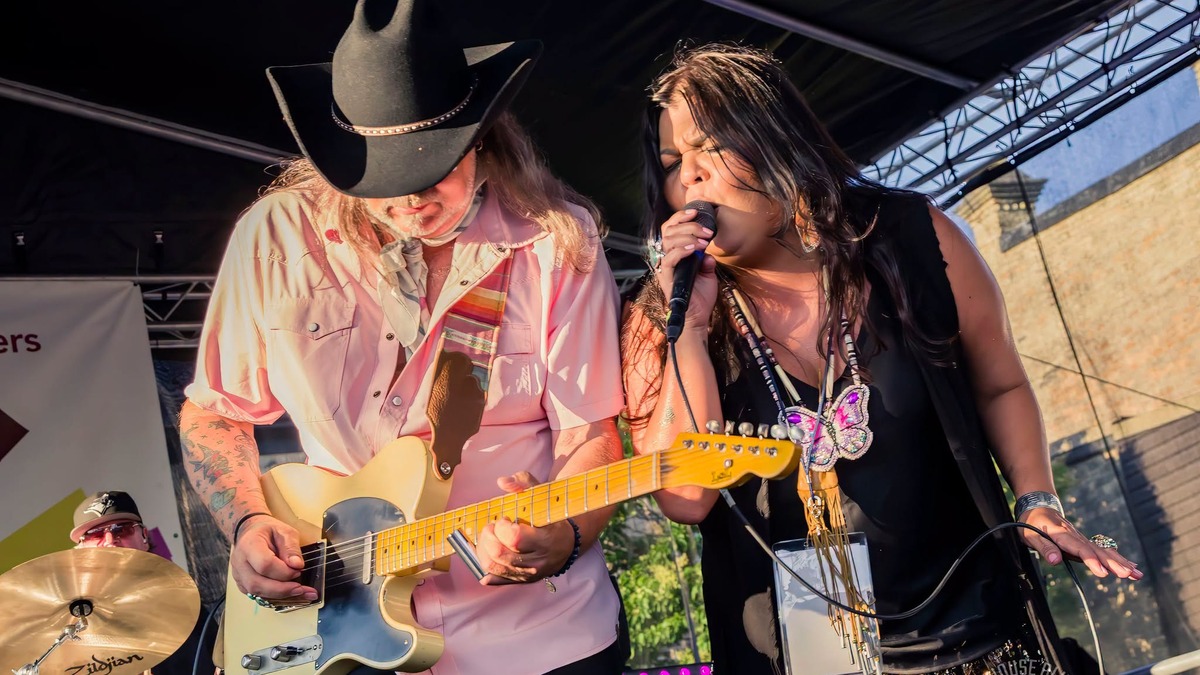
Everything shifted in the back room of Tootsies Orchid Lounge, where she met Dewayne Strobel, a Mississippi-born guitarist and producer who immediately recognized that Shawanda’s untamed vocal power was her greatest asset rather than a flaw to be corrected.
Strobel became her musical partner, producer, and eventually her husband. Together, they built a fiery live set that caught the attention of RCA Nashville chairman Joe Galante, who signed Shawanda after hearing her tear through covers of B.B. King and Janis Joplin.
In 2008, RCA released her major-label debut album, Dawn of a New Day, anchored by the tear-jerking ballad “You Can Let Go.”
The single became an immediate cultural phenomenon across Canada, climbing into the Top 10 on the Canadian Country Singles Chart within five weeks, peaking at number five in Canada and number twenty-one on the U.S. Billboard Hot Country Songs chart, and reaching number two on the U.S. Mediabase chart.
Dawn of a New Day debuted at number sixteen on the U.S. Billboard Top Country Albums chart and number eighty-one on the all-genre Billboard 200—establishing a historic milestone as the highest-charting album by a full-blooded Canadian Indigenous country artist in the SoundScan era.
Industry honours followed in rapid succession. Across 2008 and 2009, Shawanda swept five Canadian Aboriginal Music Awards and three Aboriginal Peoples Choice Awards, won Best New Country Artist at the Canadian Radio Music Awards, earned two Juno Award nominations, and became the first Indigenous woman to win Female Artist of the Year at the Canadian Country Music Association Awards—alongside making her debut on the stage of the Grand Ole Opry.
She shared arena and festival bills with Brad Paisley, Reba McEntire, Carrie Underwood, Keith Urban, Blake Shelton, Taylor Swift, Loretta Lynn, and The Eagles.
Behind the trophies and chart positions, however, a quiet creative conflict was building. Major-label country radio in the late 2000s was shifting toward sleek, pop-friendly polish, and executives repeatedly urged Shawanda to restrain the rawness that made her distinctive.
“I was told to tone it down, don’t get too crazy, reel in your rasp… We don’t want to scare away the country music fans,” Shawanda recalled in an October 2026 interview with The Sound Cafe.
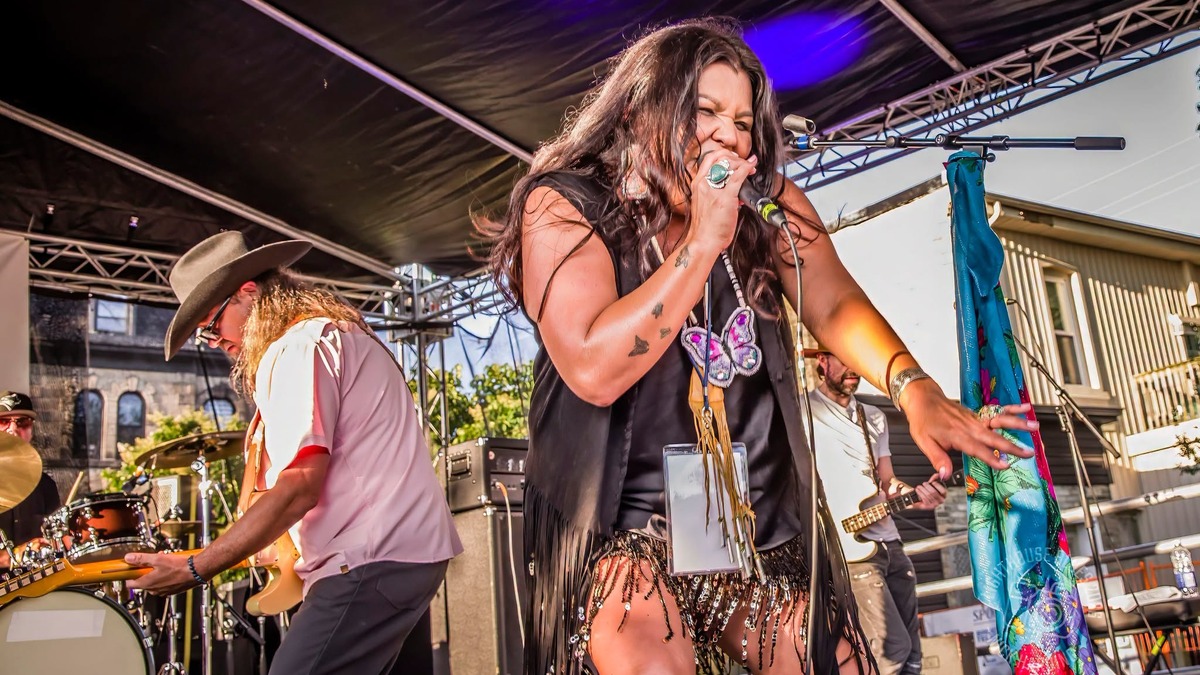
On festival stages, she found it impossible to suppress her instincts—unleashing full-throttle blues vocals in the middle of country sets that left mainstream programmers uncertain how to market her.
“Within country music, as much as I loved it, I had to restrain my voice a lot,” she later told FACTOR. “It’s very hard to hold back, and sometimes it was exhausting.” By the time she began working on follow-up material, Shawanda felt as though conforming to commercial expectations meant selling her soul.
Opening the Cage: New Sun Records and the Return to the Blues
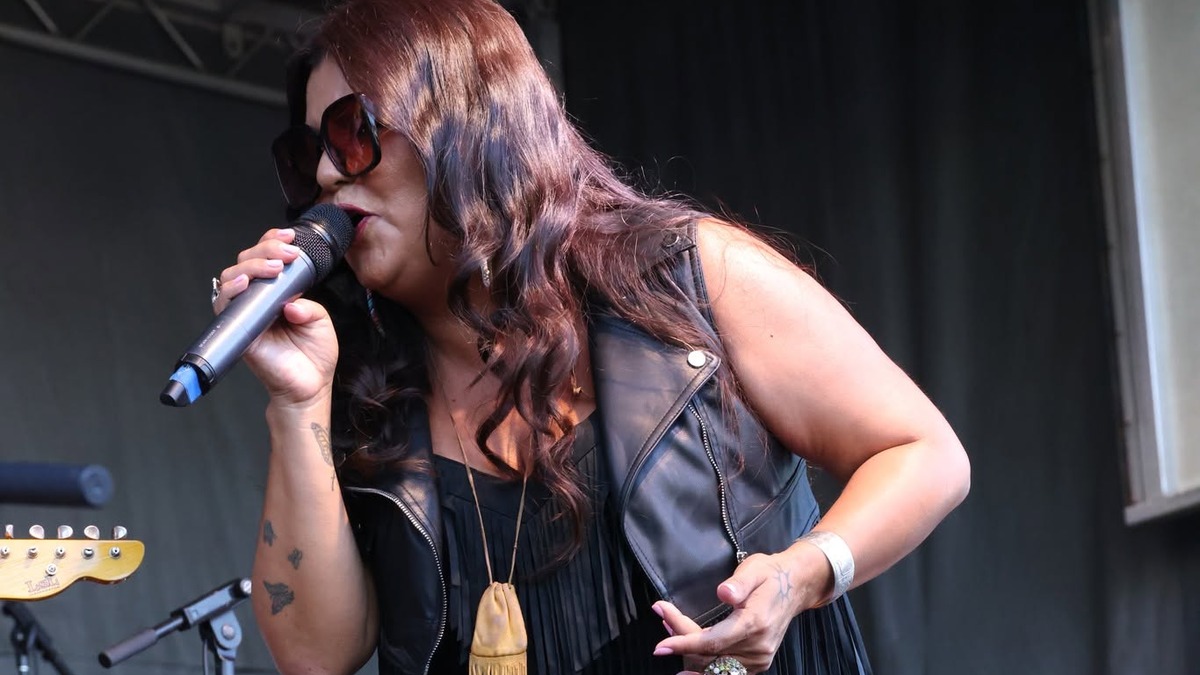
Rather than surrender her artistic identity to a corporate roster, Shawanda chose independence—driven in part by the painful memory of growing up without seeing Indigenous women represented on television or commercial radio.
In 2009 and 2010, after parting ways with RCA Nashville, she launched New Sun Records (also operating under New Sun Music), establishing the first female- and Indigenous-owned record label in Canada.
Debuting with her 2009 holiday collection I’ll Be Home for Christmas, the imprint became both an artistic sanctuary for Shawanda’s own recordings and an incubator for emerging Indigenous talent across Canada—earning her an Indigenous Music Award nomination as a producer and engineer for her studio work with artists such as Missy Knott.
Her 2012 album Just Like You—released through New Sun Records and Fontana North—bridged her roots-country storytelling with growing soul and blues grit, earning Shawanda her first Juno Award win in 2013 for Aboriginal Album of the Year.
The decisive turning point arrived when Shawanda and Strobel co-wrote “Whole World’s Got the Blues,” the title track to her 2014 studio album.
Stepping fully into the blues, Shawanda later said, “felt like letting a bird out of a cage.”
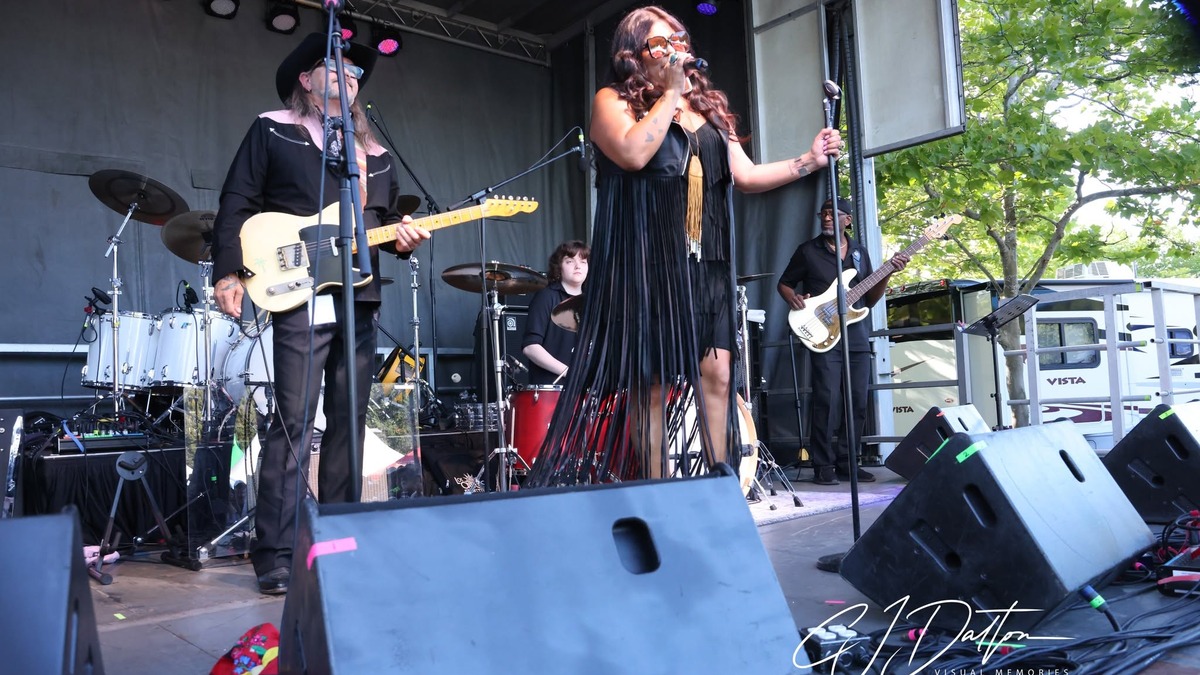
Over the next decade, she built one of the most acclaimed discographies in contemporary North American blues, releasing a relentless run of visceral, guitar-driven records that captured the unedited fire of her late-night sets at Nashville’s Bourbon Street Blues and Boogie Bar:
The Whole World’s Got the Blues (2014) and Fish Out of Water (2016)
Recorded partly back home at the Debajehmujig Creation Centre in Manitowaning on Manitoulin Island, these albums introduced international blues audiences to her unrestrained vocal power and earned consecutive Juno nominations.
Voodoo Woman (2017)
Cut largely with first-take live vocals to capture the sweat of her club shows, the album leaned into heavy electric grooves and southern soul—anchored by blistering readings of Willie Dixon’s “Wang Dang Doodle” and Etta James’s “I’d Rather Go Blind”—and celebrated the resilience of women who survived heartbreak and industry gatekeeping.
Church House Blues (2020)
Released via True North Records and featuring session heavyweights including Johnny Cash bassist Dave Roe, Lynyrd Skynyrd keyboardist Peter Keys, saxophonist Dana Robbins, and backing vocalists the McCrary Sisters, the album blended 1950s film-noir blues, Motown warmth, and gospel fervour, winning Shawanda the 2021 Juno Award for Blues Album of the Year.
Midnight Blues (2022)
Engineered by Strobel with their young daughter Zhaawande credited as assistant engineer, the record debuted at number eight on the Billboard Blues Albums chart—making Shawanda the first Indigenous woman to debut inside the Billboard Blues Top 10 and earning another Juno nomination.
Sing Pretty Blues (2025)
Returning to her own New Sun Records imprint, the album climbed to number five on the U.S. Big Blues Chart, reached number two on the Canadian Blues Radio Chart, topped the Indigenous Music Countdown, and garnered both Juno and Canadian Blues Music Award nominations—leading into her 2026 honours as Canadian Blues Vocalist of the Year and a Hollywood Independent Music Award winner.
Advocacy, Family, and the Road Home
As her blues career flourished, Shawanda increasingly used her platform to connect her personal story with broader conversations around Indigenous visibility, cultural survival, and community healing.
In July 2023, she joined Canadian world-music collective Sultans of String on “The Rez,” a moving single created for the Walking Through the Fire project in collaboration with First Nations, Métis, and Inuit artists and supported by Truth and Reconciliation initiatives.
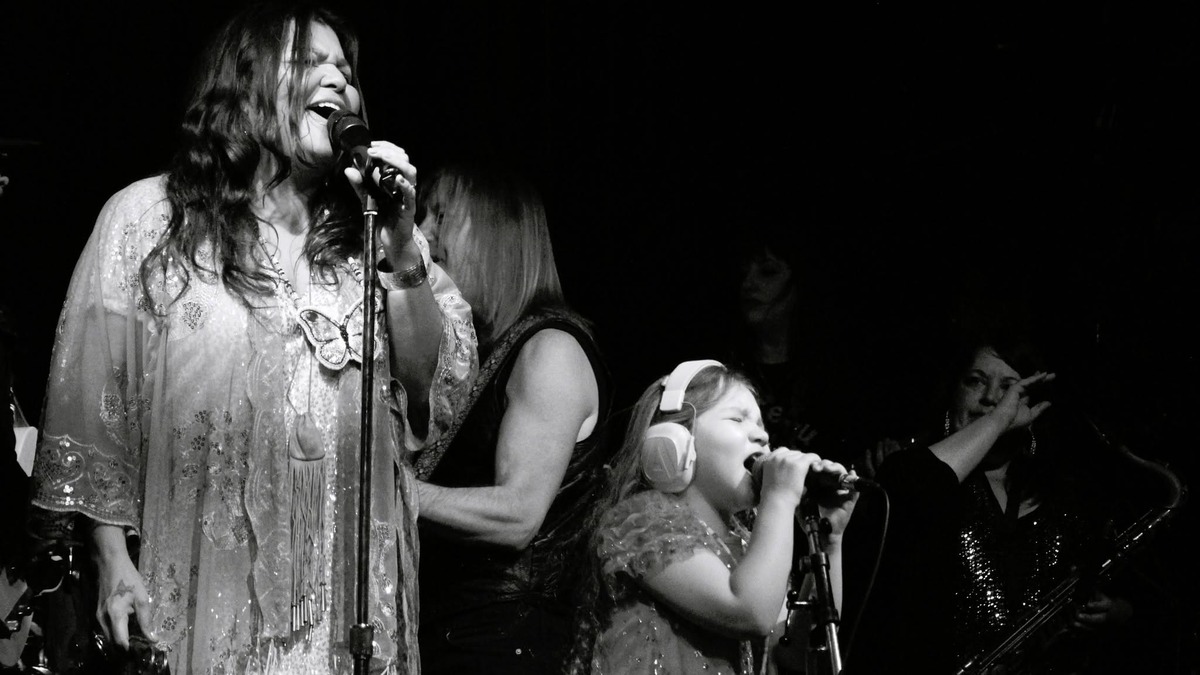
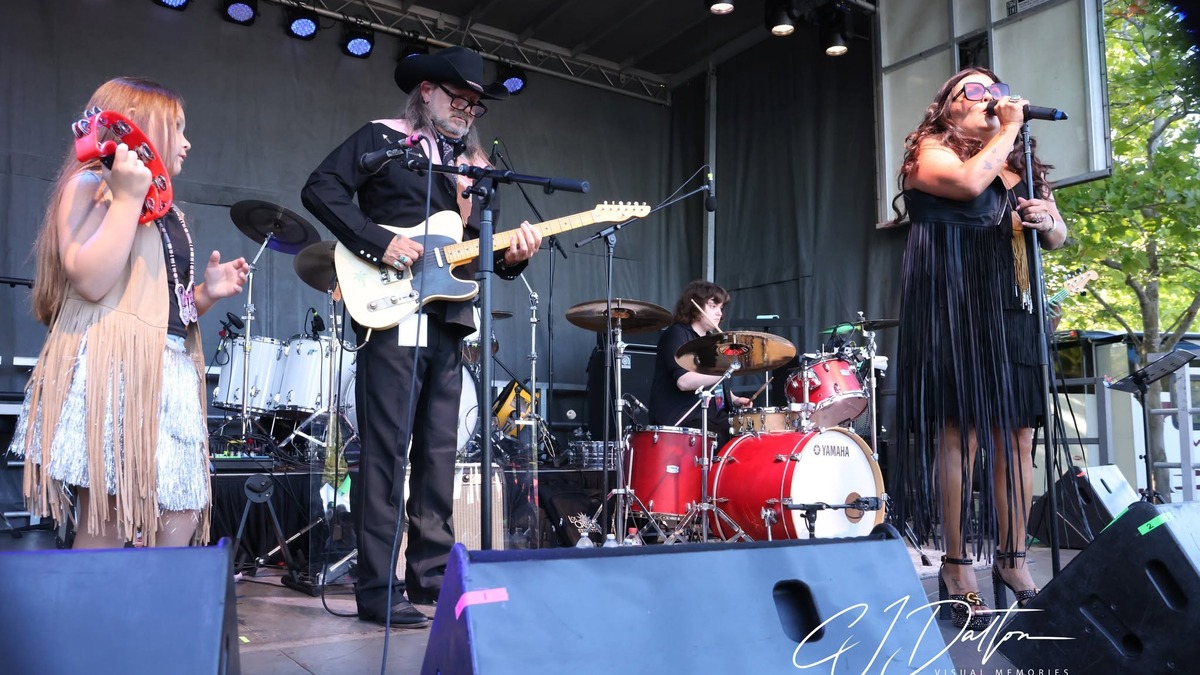
Throughout her touring schedule across Canada, the United States, and Europe, Shawanda has kept family at the centre of her work. Balancing life in Nashville with regular returns to Wiikwemkoong, she and Strobel have raised their daughter Zhaawande—affectionately known as Zhaa Zhaa—on the road, where she often watches from the side of the stage, sings background vocals in their home studio, and draws her own young cheering section at festivals.
That lifelong tension between leaving home to chase a dream and longing for the community that raised her became the emotional backbone of her tenth studio album, Homesick Indian Blues, released on August 27, 2026, via New Sun Records.
Produced, engineered, and mixed by Strobel in their home studio—with nine-year-old Zhaawande contributing background vocals alongside guest singers including Rissi Palmer and Quisha Wint—the ten-track album strips away every remaining layer of industry artifice.
As Shawanda explained to The Sound Cafe, Homesick Indian Blues is about “finding our way back to who we truly are… unbecoming all the things the world told us to be.”
The album’s title also confronts the shifting colonial terminology used to define Indigenous people across her lifetime—noting that while polite public vocabulary has evolved from Indian to Native American to Indigenous, her official federal status card still reads Indian Status and the sign welcoming visitors onto Manitoulin Island still reads Unceded Indian Reservation.
Musically, Homesick Indian Blues bridges every chapter of her musical education. Alongside raw originals like the title track, “Cut Through the Wind,” and a reimagined closing version of “The Whole World’s Got the Blues,” Shawanda revisits Hank Williams Sr.’s “You Win Again” and transforms Albert King’s “I’ll Play the Blues for You” with an intimate spoken-word passage reflecting on the bond she shares with her audience.
The album’s most poignant moment arrives on its lead single, a soaring rendition of the Mavericks’ “Come Unto Me,” recorded with longtime Mavericks guitarist Eddie Perez in tribute to frontman Raul Malo.
Decades earlier, Malo had been one of the few established stars in Nashville to slip quietly into the back room of Tootsies Orchid Lounge, encouraging a teenage Indigenous singer to lean into her differences rather than hide them. Working with Perez in the studio to honour Malo’s legacy brought Shawanda’s journey full circle.
Upon release, Homesick Indian Blues debuted at number two on Canada’s Big Blues Chart and broke into the American Billboard Top 10, proving that audiences hungry for emotional honesty respond most powerfully when an artist refuses to hold anything back.
Experience Crystal Shawanda Live in London, Ontario
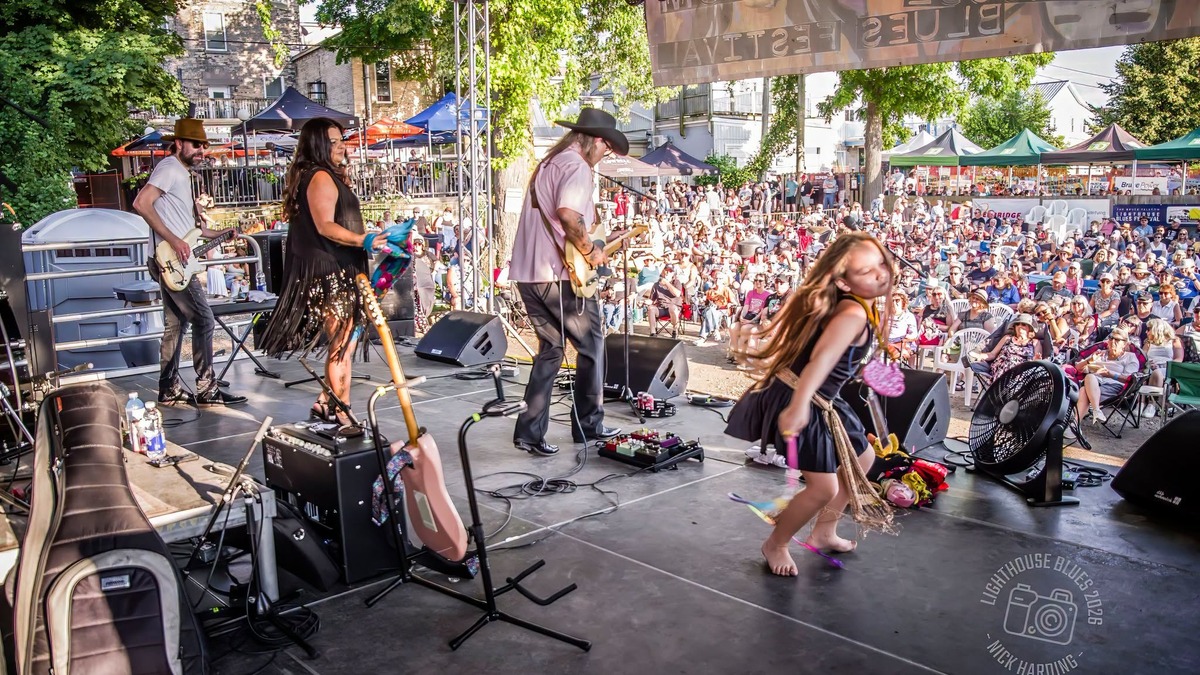
That raw, unvarnished energy has always belonged first and foremost to the live stage, where Shawanda’s voice—equal parts church-house testimony and Saturday-night roadhouse fire—turns every room into a shared catharsis.
Presented by the Great Lakes Blues Society, Crystal Shawanda brings her powerhouse live show—joined by special guests The Stanley Brown Blues Band—to the German Canadian Club in London, Ontario (1 Cove Road) on Saturday, November 28, 2026.
Doors open at 7:00 p.m. EST with music starting at 8:00 p.m. for an intimate 19+ evening featuring family-style table seating and optional traditional German schnitzel or bratwurst dinner packages alongside general admission.
Get your tickets here to catch one of Canada’s finest blues voices live in London.