Few Canadian rock bands have a résumé as strange as MOXY’s.
They made a debut album with a borrowed guitar hero, turned a San Antonio radio station into a second home, and shared a Texas bill with AC/DC on the night the Australians played their first American show.
At the center of it all is Earl Johnson, a guitarist and songwriter from the steel town of Hamilton, Ontario. He is the only original member still in the band, and he has led it through a breakthrough, a breakup, a long silence after singer Buzz Shearman’s death, and a revival that has now run for a quarter century.
This is how that band came together, lost control of its own debut, broke through anyway, and kept going for more than fifty years.
A Steel Town Kid Who Heard Zeppelin and Never Looked Back
Earl Johnson grew up in Hamilton, the Ontario steel city west of Toronto, where the expected path ran straight through the mill. He watched his father go through that life and wanted no part of it.
Guitar lessons at twelve did not take, mostly because his friends were out playing football. He found his old guitar in the attic around fourteen, and hearing Whole Lotta Love by Led Zeppelin settled the matter.
Chuck Berry was the first target, then Eric Clapton, whose tone on Fresh Cream hit him like a physical force. Johnson chased that sound with a Marshall 2×12 amp and sank into the blues, playing at home for hours every night.
By seventeen he had decided to quit school and play for a living. At eighteen he won an audition with King Biscuit Boy, a band being assembled to work the United States, and spent three years on the road.
By twenty-one he was a seasoned touring musician. He left King Biscuit Boy to write his own songs, and that decision put him in a room with a singer named Buzz Shearman.
Buzz Shearman and the Toronto Bar Circuit That Built MOXY
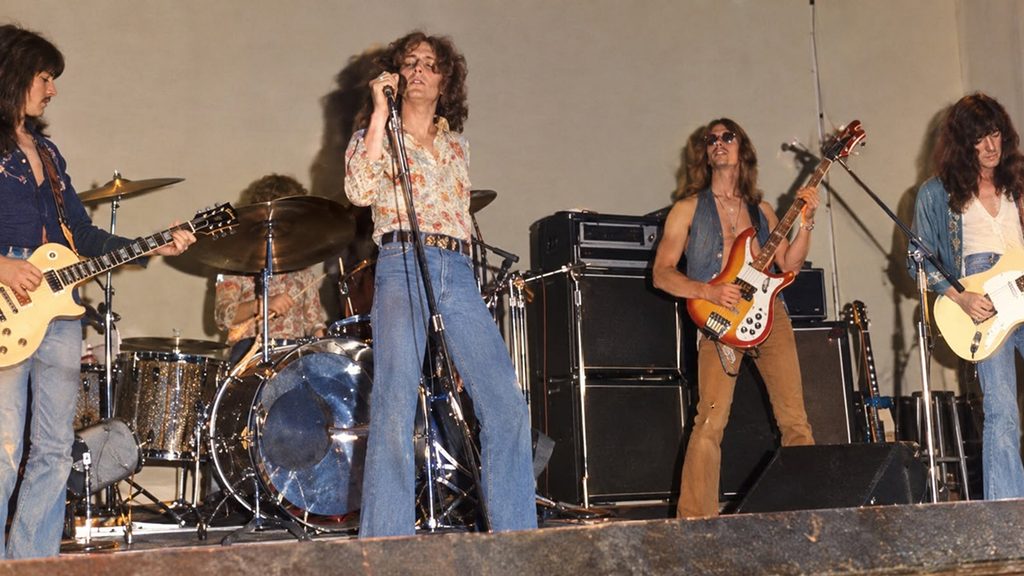
Douglas “Buzz” Shearman was already a known voice in Toronto. As a teenager he sang with Sherman & Peabody, a band renamed in his honour after he replaced Eddie Schwartz, and he later fronted the Hamilton group Flapping.
By 1971 he had joined Leigh Ashford, a Toronto band that spent close to a decade near the top of the city’s bar and dance circuit. An early single on the Revolver label reached number 27 in Canada.
Shearman’s piercing voice helped the group escape the thin, multi-part harmonies that weighed down many heavier Toronto bands of the era. When members drifted away in 1972, he was the one who kept the band alive.
Johnson joined in 1973, replacing guitarist Gord Waszek, and the two began writing original songs, including Moon Rider. Bar owners kept firing them for it because patrons wanted hits, and the band broke up for a year.
During that break Johnson went home to his parents’ basement in Hamilton and wrote Sail On Sail Away, Fantasy, and Can’t You See I’m a Star. He phoned Shearman and told him he had something.
From the Knob Hill Hotel to a Polydor Contract in Months
The rhythm section came from another Toronto band, Outlaw Music. Drummer Bill Wade and bassist Terry Juric completed what Johnson describes as a Led Zeppelin-style four-piece.
The group made its first appearance in October 1974 at the Knob Hill Hotel, a rough-edged rock club in Scarborough. Bassist Kim Fraser was soon replaced by Juric on Johnson’s recommendation, and the band took the name MOXY.
A trial single of Can’t You See I’m a Star came out on Yorkville Records and drew heavy airplay on Toronto’s CHUM. By December 1974 the band had signed with Polydor Records of Canada.
The deal owed a great deal to Leigh Ashford’s earlier reputation and to Shearman’s name on the scene. Only weeks after changing its name, the band had a major-label contract.
Sound City, Tommy Bolin, and the Black Album Sessions
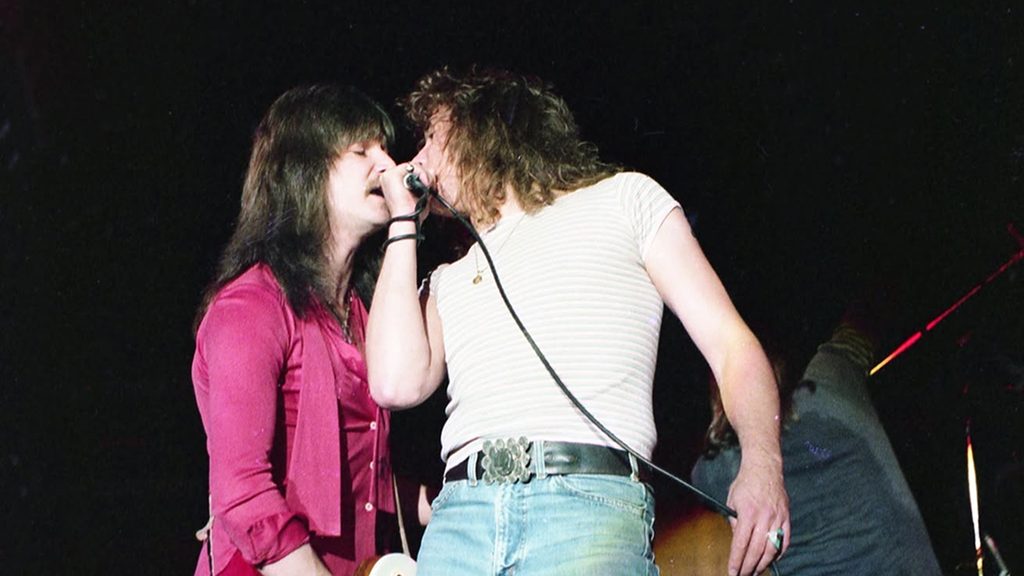
MOXY headed to Sound City Studios in Van Nuys, California, in early 1975 and recorded its debut over roughly two weeks.
Mark Smith, who had worked with Bachman-Turner Overdrive, co-produced with the band, and Richard Dashut engineered. Johnson had almost no studio experience, and he remembers the sessions as chaotic. He cut the first two songs, Sail On Sail Away and Can’t You See I’m a Star, playing every guitar part himself.
Then a dispute erupted over the solo for Moon Rider. Johnson says he was soon on a plane back to Toronto, too stunned to understand what had happened.
Tommy Bolin, the former James Gang guitarist, was recording next door, and MOXY’s manager, Roland Paquin, had once been the James Gang’s road manager. Bolin ended up playing solos on six of the eight songs, including a shared turn on Train.
Johnson calls it a compliment that cost him artistically, and he suspected a marketing play. He points out that reviews barely mentioned Bolin and that it was San Antonio DJs who sold the record.
The episode also separated him from Shearman and opened a rift over songs and direction. Bolin joined Deep Purple later in 1975 and died in December 1976 at twenty-five, and Johnson says he regrets never having met him.
Eight Songs, One Black Sleeve, and a Sound Between Zeppelin and Sabbath
Johnson’s own ideal was a heavy grind somewhere between Zeppelin and Sabbath, with off-time riffs and a raw Gibson SG tone pushed through a Marshall. The eight songs on the record, released in Canada in 1975 and reissued in the United States in 1976, mostly carry his name as writer.
The album opens with Fantasy, a five-and-a-half-minute slow burn, and moves through Sail On Sail Away and Can’t You See I’m a Star. Tom Stephenson, Bolin’s keyboardist, also contributed to the sessions.
Moon Rider and Time to Move On were co-written with Shearman, as was the closer Out of the Darkness. Still I Wonder and Train, the latter co-written with Robert Bonnell, round out the set.
Buddy Caine, an old friend of Johnson’s, became the second guitarist once the sessions ended so the band could reproduce Bolin’s twin-guitar parts on stage. He appears on the cover even though he arrived after the recording.
The band toured Ontario, Quebec, and the Maritimes, mostly in small rooms, and Can’t You See I’m a Star became a Canadian hit in late 1975. Johnson heard it on the radio for the first time while driving home from the Gasworks, a Toronto club.
Over the decades the record has built a cult following, and original vinyl copies are especially prized by Bolin collectors.
How San Antonio Radio Made a Toronto Band Into Texas Royalty
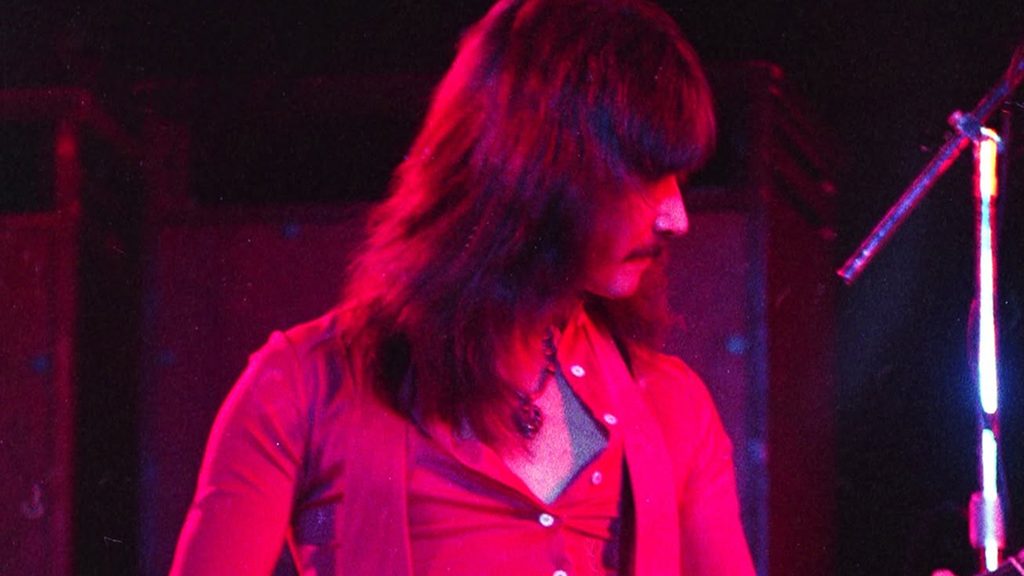
In the winter of 1975, Can’t You See I’m a Star and Moon Rider were in heavy rotation on KMAC and KISS in San Antonio. Their champion was Joe Anthony, the disc jockey known as the Godfather of Rock, who often played the album from start to finish.
Johnson once asked a Texas DJ which songs the station was spinning, and the answer was that they played side one and then side two. He says he nearly fell off his chair.
By the spring of 1976, Fantasy and Sail On Sail Away were top twenty records on KISS-FM. MOXY renegotiated its deal, and PolyGram, which owned both Polydor and Mercury, reissued the debut across North America and worldwide that year.
The connection outlived the hits. Midnight Flight, I’ll Set You on Fire, and Are You Ready have stayed in daily rotation on Texas rock stations for decades.
In 2004 a San Antonio station ranked MOXY number 87 on its list of the top 104 groups of all time, ahead of Quiet Riot, Mötley Crüe, and Iron Maiden. The band was still playing San Antonio rooms in 2018 and 2022.
Moxy II, Jack Douglas, and the Comparison That Stuck to the Band
Back in Toronto in April 1976, MOXY recorded Moxy II at Sound Stage Studios with Jack Douglas, the producer behind Aerosmith’s Toys in the Attic and Rocks. Edward Leonetti shares the production credit.
The album reached Canadian fans about a year after the debut but only three months after the debut reached American stores. Reviews compared the band to Aerosmith, Rush, and Deep Purple.
Geoff Barton of the British weekly Sounds championed the record and offered it to readers at a special price of £1.50. He later took to calling MOXY the Canadian Zeppelin.
Songwriting shifted on this record. Caine and Shearman are credited on songs such as Take It or Leave It and Change in My Life, while Johnson wrote Through the Storm, One More Heartbreak, and Midnight Flight on his own, and he has said the tension from the debut carried into these sessions.
Radio followed. Take It or Leave It reached number 14 on the CHUM chart on November 17, 1976, and Cause There’s Another peaked at number 16 on March 26, 1977.
Bolin did not play on this album, although many fans have assumed he did.
Opening for Black Sabbath and Boston While San Antonio Flipped the Billing
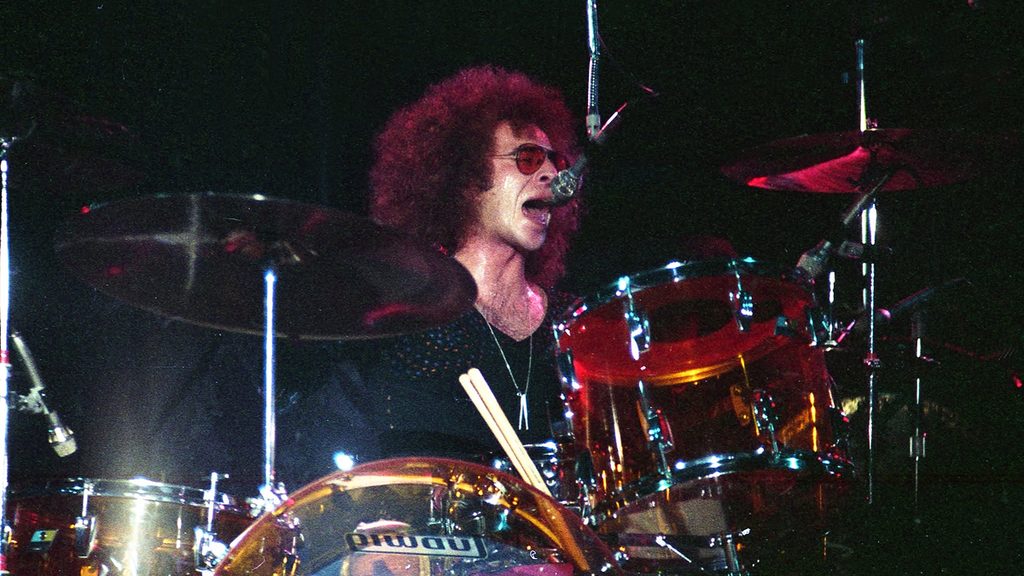
Through the fall of 1976, MOXY worked Ontario, Quebec, and the Maritimes, then headed to Texas as the opening act for Black Sabbath and Boston.
San Antonio was the exception. At the new Convention Center arena on October 24, 1976, the order was reversed and Boston opened for MOXY.
The band went on to tour California, Illinois, and Missouri, and Moxy II sold well on the strength of those live shows. Chicago, St. Louis, Detroit, and San Antonio became its strongest American markets.
Two years after the Knob Hill Hotel, a Toronto bar band was topping the bill at a Texas arena.
Ridin’ High and the Heaviest Record the Band Ever Made
After touring nonstop since Moxy II, MOXY returned to the studio in March 1977 with Jack Douglas producing again. The result, Ridin’ High, was all original material and harder than either record before it.
Johnson wrote the title track, Nothin’ Comes Easy, Rock Baby, and Another Time Another Place. The album earned good reviews and a 1977 Juno Award nomination for Most Promising Group of the Year.
Airplay was limited in Canada and the northern United States as FM radio drifted toward softer rock. In the American South and in Europe, though, Are You Ready, Ridin’ High, and I’ll Set You on Fire drew heavy support.
Johnson remembers radio stations where the title track pushed the needles into the red and made the engineers nervous. The record kept selling in Canada and the South on the back of live dates with AC/DC and Trooper.
The Summer of 1977 When AC/DC Opened for a Toronto Band in Texas
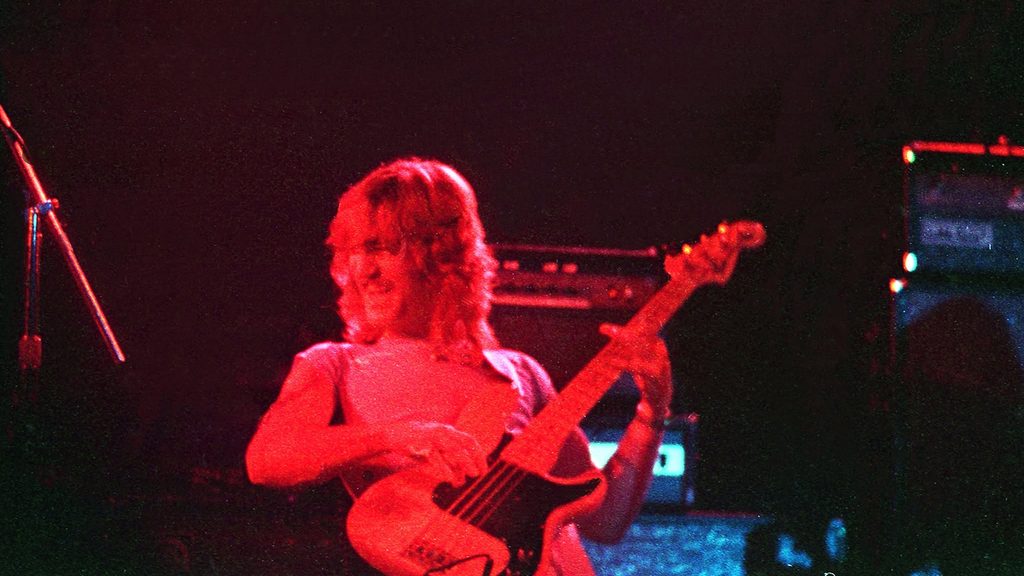
On July 27, 1977, Joe Anthony brought MOXY to Austin’s Armadillo World Headquarters for the band’s first headline show in the United States. Johnson says Ridin’ High airplay was strong enough to fill the hall on a Wednesday night.
The opener was AC/DC, then an Australian quintet with only two albums out in America, High Voltage and Let There Be Rock. The Armadillo gig was the band’s first American concert, and Johnson says he had never heard of them.
Jack Orbin of Stone City Attractions had booked AC/DC for four Texas shows at roughly $1,000 each after hearing the band on San Antonio’s KMAC-KISS. According to a retrospective in the Austin Chronicle, the Australians stole the show.
The next night was San Antonio’s Municipal Auditorium, followed by the Ritz Music Hall in Corpus Christi, with AC/DC opening all three dates. The run is recounted in books on the Australians, including Jesse Fink’s Bon: The Last Highway and Murray Engleheart and Arnaud Durieux’s AC/DC: Maximum Rock & Roll.
MOXY then toured California, Illinois, Missouri, and Michigan alongside Styx, the Ramones, Hall & Oates, Rainbow, the Runaways, and Trooper. The run ended with a headline night at Massey Hall in Toronto.
When Buzz Shearman’s Voice Failed and the Classic Lineup Came Apart
Most of the players had been working the road since the late 1960s in other bands, and by late 1977 the strain showed. Wade had left earlier in the year.
Shearman had developed vocal cord problems, and singer and soundman Brian Maxim was brought in to hit the highest notes from offstage. Johnson remembers Shearman lasting only about three songs a night, after which the band jammed to fill the time.
Shearman left in late 1977 after the Ridin’ High tour, citing personality conflicts and the need to treat both his voice and a drinking problem. The classic lineup had lasted barely three years from its first single.
Under the Lights, Mike Reno, and the Record Johnson Disowned
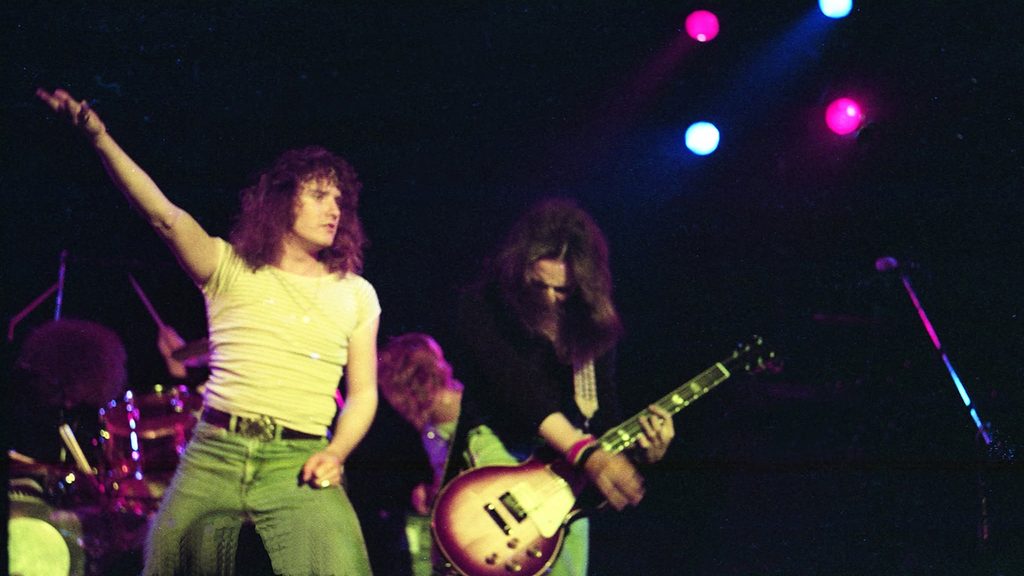
Michael Rynoski, who would soon rename himself Mike Reno, took over on vocals. Johnson says a woman handed him a tape of Reno singing, and the singer sounded like Paul Rodgers.
Under the Lights was recorded in February 1978 in Toronto with producer Jack Richardson and marked Reno’s recording debut. The title track and High School Queen made the Canadian charts, but the sound was softer and sales were poor.
Johnson, who co-wrote songs such as Maybe I’m a Dreamer with Reno, has said it was not really a MOXY album because Reno was a fine singer but not a hard-edged one. He left a couple of months after its release, in the summer of 1978, convinced the band was no longer what it set out to be.
Woody West, formerly of the Stampeders and Brutus, replaced him. The band played Canadian festivals, including the Canadian World Music Festival with Aerosmith, Johnny Winter, and Ted Nugent, but the crowds had cooled.
The album was repackaged in 1980 as Thinking About You (As Mike Reno and Moxy), by which point Reno’s name carried more weight through Loverboy.
Johnson, for his part, was finished. After ten years on the road, living on $150 a week and mostly Kraft Dinner, he took a summer off, worked in audio retail for about four years, and became a sales manager at Cerwin-Vega.
The Singer AC/DC Nearly Hired and the Last Years of Buzz Shearman
Shearman formed a band called Buzz Saw with guitarist Bob Bulger and drummer Frank Russell, then rejoined MOXY in late 1979. He toured Canada and Texas with Caine, Juric, Danny Bilan on drums, and new guitarist Doug MacAskill.
In March 1980, weeks after Bon Scott’s death, Shearman was a candidate to replace him in AC/DC. His recurring vocal cord problems ruled out the kind of touring AC/DC demanded, and the band chose Brian Johnson, formerly of Geordie.
In 1982, Shearman, Johnson, and Wade all played on The Lee Aaron Project, the debut by Canadian singer Lee Aaron. By 1983 Shearman had a day job at Shaw Industries and was shopping for a new record deal.
On June 16, 1983, he died in a motorcycle accident just north of Toronto. He was thirty-three.
Others kept working. Juric played on Thor’s Keep the Dogs Away and Stanley Frank’s Play It Til It Hurts, and Wade appeared on The Cry’s Wispear.
Johnson played Toronto rooms such as the El Mocambo, the Gasworks, and Larry’s Hideaway with a group that recorded songs like Heaven on Heels, Body Contact, and Killer on the Loose.
A Tribute to Buzz Shearman and the Long Silence That Followed
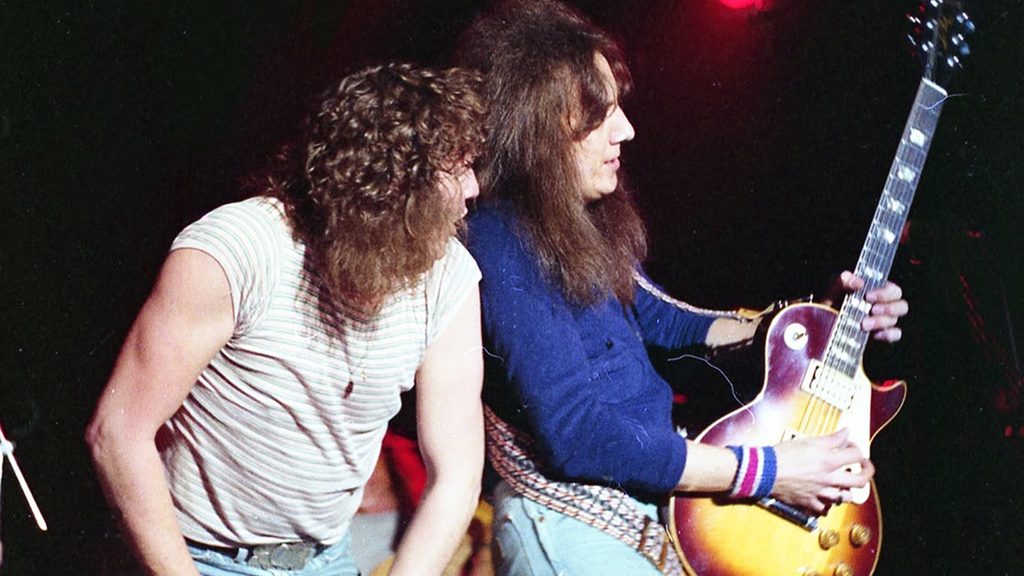
The surviving members reunited for a benefit concert, and in 1984 Ahed Records released A Tribute to Buzz Shearman. Shearman’s widow, Valerie, worked at the label, and the proceeds were meant for her and their son, Jesse.
Alongside the best-known songs, the package held three unreleased Shearman tracks: Highway, Eyeballs, and Trouble. For a quarter century they were the only new songs with Shearman singing, until a 1981 recording surfaced in 2009.
Valerie Shearman also oversaw the return of the whole catalogue on CD through Pacemaker Records in the mid-1990s. A compilation, Best Of Moxy: Self-Destruction, followed and included Feed the Fire, a song Caine wrote in Shearman’s memory.
Caine, Juric, Bilan, and Maxim spent the years afterward together in a band called Voodoo. Caine later led the Buddy Caine Band.
Bill Wade Brings the Band Back for Moxy V in 1999
The revival began in 1999 in Bill Wade’s home studio, when the drummer got Johnson and Caine back together after a gap of about twenty years.
The new singer was Brian Maxim, formerly of Stumbling Blind and the Passing Fancy. He had sung backup for Shearman in 1977, played with Caine and Juric in Voodoo, and later worked alongside Shearman at Shaw Industries.
Moxy V deliberately returned to the hard rock sound of the first three records. It reached back for unfinished business, including Walking on the Wild Side, a Johnson song from 1976, and Yuccatan Man, a Caine composition from the early days.
The album appeared in 2000 on Pacemaker Entertainment, then in Europe on Record Heaven in 2001, and finally on Bullseye in 2002 in remastered, re-sequenced form. Johnson supervised that version with engineer Glenn Belcher at Soho Studios in Toronto.
Wade was already ill when the album came out, and he died of cancer on July 27, 2001, at fifty-three. Kim Hunt of Zon took over on drums, and Jim Samson played bass.
Texas Return, European Tours, and Anniversary Shows in the Reunion Years
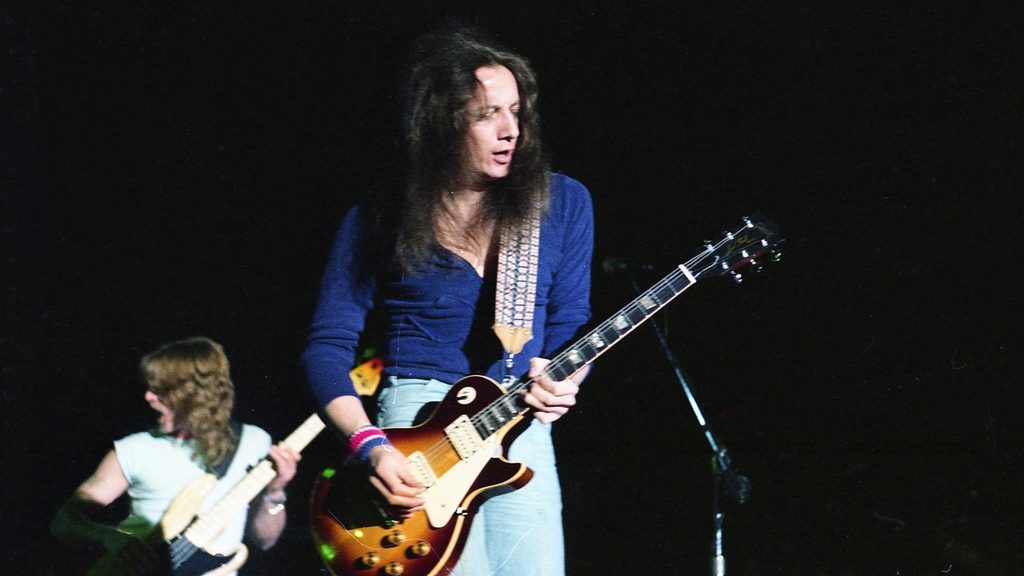
The reunited MOXY played Toronto’s El Mocambo on January 12, 2001, and later that year set out on its first tour outside North America. The trip was built on the band’s following in Europe.
In San Antonio, the band marked its twenty-fifth anniversary in 2000 on a bill with Saxon. It returned in 2004 for the Legs Diamond bash at the Sunken Garden Theater, sharing the stage with Budgie and Michael Schenker in front of about 6,000 fans.
Late in 2001 the band recorded a live album at a secret warehouse show in Pickering, Ontario, played to an invitation-only crowd. Raw, released in 2002 by Bullseye Records, collected live-off-the-floor versions of songs such as Midnight Flight, Time to Move On, Through the Storm, and Rock Baby.
Maxim left in 2003, after the band’s second European run at Sweden Rock Festival.
Anniversary Festivals, Rotating Singers, and a Lost Shearman Song Found
Alex Machin of A Foot in Coldwater took over vocals in 2003. For the debut album’s thirtieth anniversary in August 2005, the band played the Voyageur Days Festival in Mattawa, Ontario, alongside Chilliwack, Toronto, Trooper, Goddo, and the Killer Dwarfs.
Later that month, on August 26, MOXY played Can’t You See I’m a Star and Cause There’s Another, its two biggest Canadian hits, live on Citytv in Toronto.
Caine retired in December 2008 to spend more time with his family. Russell Graham of the Killer Dwarfs became the band’s singer.
In 2009 an unreleased Shearman track, You Can’t Stop the Music in Me, recorded in 1981 with Wade, was released on Shearman’s birthday, March 8. A retrospective DVD, You Can’t Stop the Music… The Buzz Shearman Years, followed in November.
Canadian musician Don Coleman also wrote a tribute song for Shearman, Loud Hard Fast & Wild, which the band and Valerie Shearman endorsed.
40 Years and Still Riding High and a Lineup Built for the Anniversary
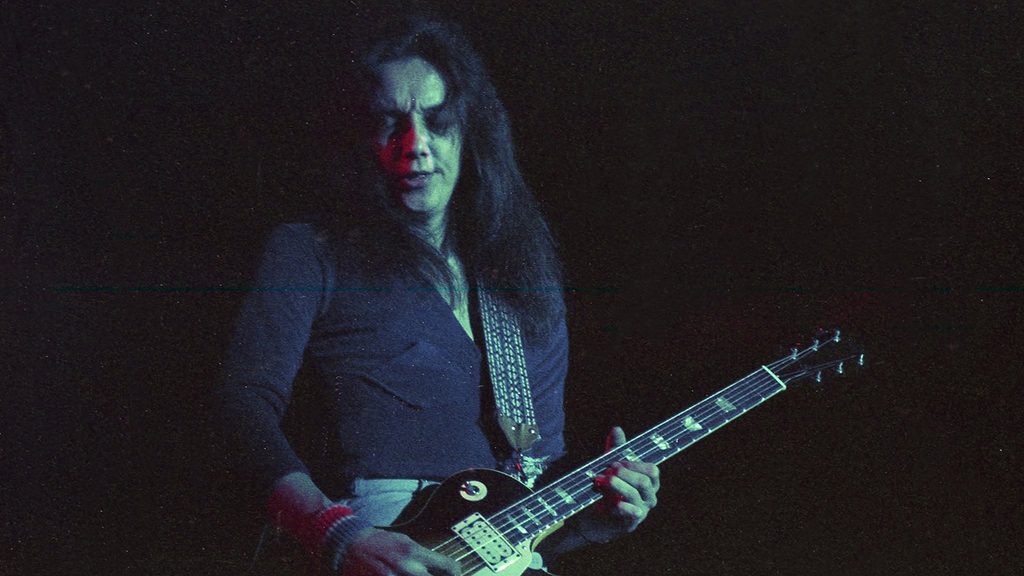
For the fortieth anniversary, Johnson assembled a new band. In 2013 Nick Walsh, the Juno Award-winning singer of Slik Toxik and Famous Underground, took over vocals, and guitarist Rob Robbins of Steel Lily and Rhett Forrester’s band joined.
40 Years and Still Riding High came out on Escape Music in the UK and Europe on May 22, 2015, and on Perris Records for the Americas. It paired newly recorded versions of the classics with a live CD and DVD from Toronto, and the first pressing was a limited edition of 2,000 triple-disc box sets.
Drummer Alexis Von Kraven and bassist Rod Albon, who played all the bass parts, rounded out the lineup. A Hamilton Spectator piece in 2016 framed the new recordings as a chance to redress the Bolin incident of 1975.
Later years brought more changes, with drummer Desche Sparboom serving from 2015 to 2024 and bassist Chaz Coats-Butcher, who had played with Lee Aaron, from 2018 to 2024. In between, the band kept returning to San Antonio, playing the Alamo City Music Hall and Vibes Event Center in 2018 and the Tech Port Center and Arena in September 2022.
The Reissues, Compilations, and Cult Following That Kept the Records Alive
The original albums have rarely been out of circulation. Valerie Shearman oversaw their return on CD through Pacemaker Records in the mid-1990s, and Unidisc Music reissued them again in 2003.
Bolin’s fans have helped keep the debut alive. Two songs from it, Train and Time to Move On, appear on the 1989 box set The Ultimate: The Best of Tommy Bolin, and Johnson has said he was surprised to see them there.
In 2004 Cause There’s Another turned up on the compilation When Cancon Rocked!, and in 2005 Can’t You See I’m a Star was used in a miniseries about Pierre Trudeau.
The tribute album, the Self-Destruction compilation, and Raw have also sold well over the years, especially in Texas.
A New Lineup Built Around Baz Littlerock and Johnson’s Songs
In 2024 the lineup around Johnson and Robbins was refreshed.
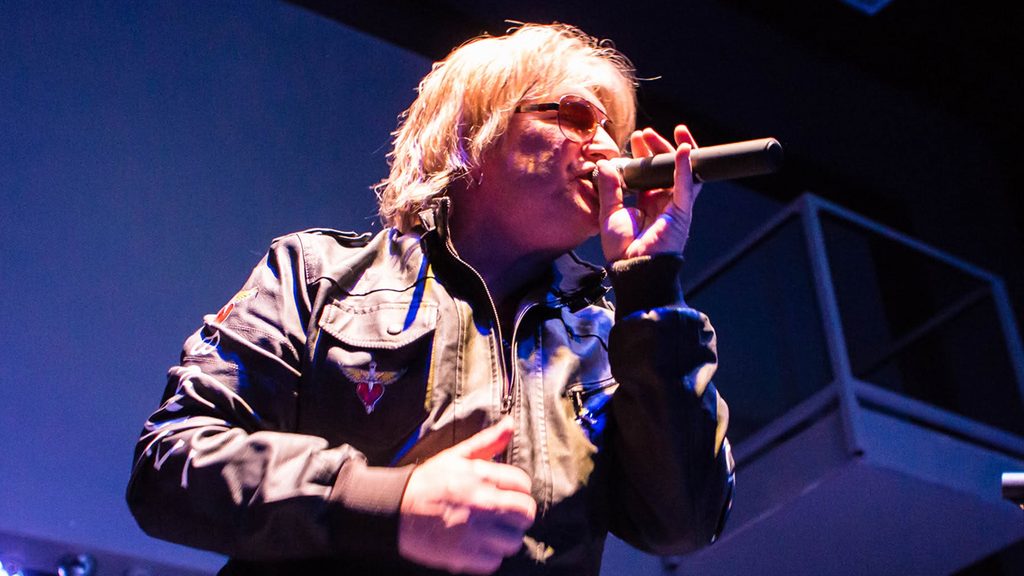
Baz Littlerock, who has fronted Bon Jovi Forever, took over vocals, with Gus Indovina on bass and drummer Ron McLeod, Littlerock’s bandmate in Bon Jovi Forever.
In a December 2025 Guitar World interview, Johnson said he was amazed by the strength of the new singer’s voice and that the group had been rehearsing for weeks, with a couple of songs planned for release in January. He compared the project to a lottery ticket and said the band would keep going until it can’t.
Johnson is also a full-time guitar teacher, and he describes this chapter of his life as a second childhood.
On May 9, 2026, the band played The Rockpile in Etobicoke, Ontario, opening with Midnight Flight and leaning on the first three albums. A LoudTO reviewer noted that former drummer Danny Bilan sat in for Maybe I’m a Dreamer from Under the Lights.
The set also included a new song, Freedom, which the reviewer said went over well with the crowd. Johnson told stories between songs, including how Fantasy came about.
Sweden Finally Gets Its MOXY Show After More Than Twenty Years
Sweden had waited a long time. The Time To Rock Festival in Knislinge booked MOXY for its 2025 edition, billing it as the band’s first visit since an early-2000s appearance at Sweden Rock Festival.
That date fell through when illness in the band forced a cancellation close to the festival, and Swedish singer Jay Smith filled the Sunday afternoon slot instead. Organizers promptly rebooked the band for 2026.
MOXY finally played Time To Rock on Sunday, July 5, 2026, at 3:00 pm, in what the festival called the band’s first Sweden show in more than twenty years. A fan-submitted setlist shows twelve songs, opening with Midnight Flight, moving through Moon Rider, Can’t You See I’m a Star, and Sail On Sail Away, including the new Freedom, and closing with Rock Baby.
Time To Rock runs four days in a small town in southern Sweden and tops out around 5,000 people.
MOXY at The Edge Lounge in Ajax: Date, Time, and Ticket Details
MOXY plays Thursday, November 5, 2026, at The Edge Lounge, 250 Bayly Street West in Ajax, Ontario, presented by the venue. The show starts at 8:30 pm, and the lounge’s doors open at 2:00 pm.
Expect a set built on the first three albums, Moxy, Moxy II, and Ridin’ High, plus newer material such as Freedom.
MOXY’s story could have ended in 1983 on a road north of Toronto. Instead it has been rebuilt around the same guitarist, the same catalogue, and a Texas audience that never stopped asking for it.
Johnson went from a Hamilton basement to a Texas stage with AC/DC, lost control of his own debut, and spent decades away. He still talks about the band as if the best chapter is the next one.