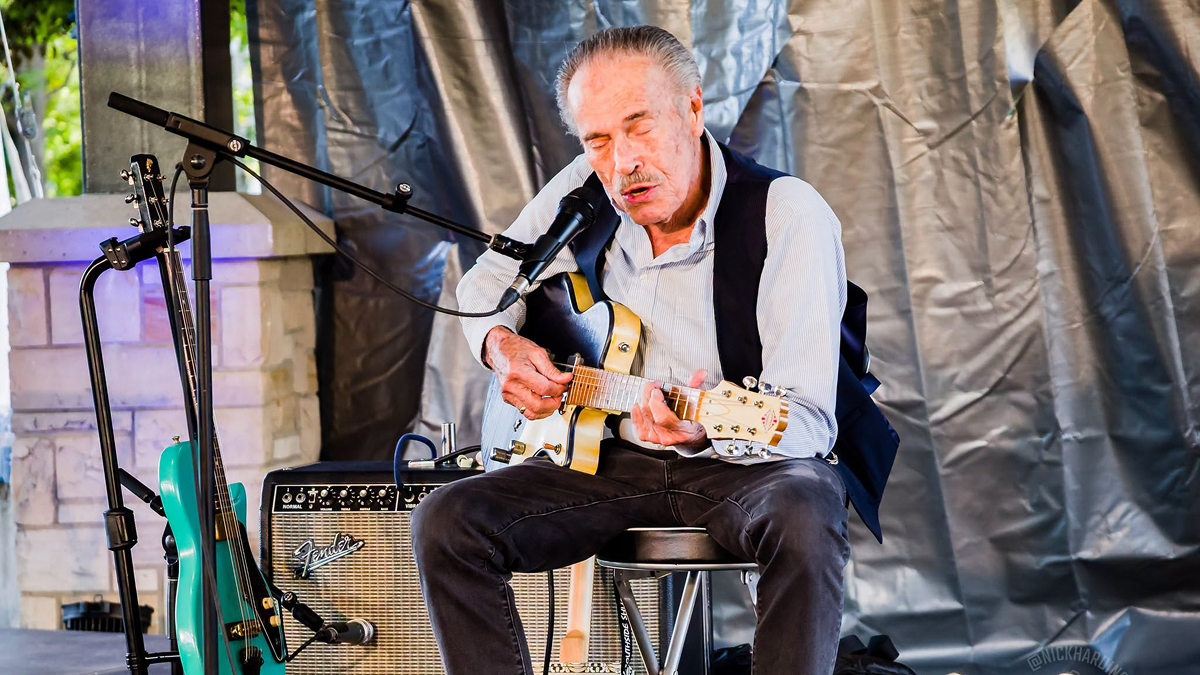
There are not many musicians left who learned the blues in a hotel room from Muddy Waters.
Morgan Davis is one of them: a JUNO Award winner, a songwriter other singers hunt for material, and a guitarist who has spent more than five decades reinterpreting the country blues of the 1920s and 1930s on electric instruments.
He is also, by his own description, simply a student of the music. “I know who the legends are; I’m just a lifelong student of the blues,” he once told the Toronto Blues Society, a line that explains both his repertoire and his reverence for the people who taught him.
What follows is the story of how a Detroit kid who refused the draft found his way into a Toronto counterculture tower, the hotel rooms of Chicago’s finest, and a career that has now run 55 years.
A Detroit Childhood, a California Detour, and the Records That Changed Everything
Morgan Davis was born and raised in Detroit, Michigan, where rhythm and blues was quite literally in the air. Jimmy Reed, Ike and Tina Turner, Chuck Berry and Fats Domino poured out of car radios and jukeboxes while the Motown sound was emerging all around him.
In 1962 his family relocated to southern California after his father’s job was transferred there. Davis found the surf music that dominated the coast unappealing, and the blues reached him by a more roundabout route.
Like many baby boomers, he first heard the music through the Rolling Stones. Noticing the songwriting credits on their early albums, he started tracking down records by Muddy Waters, Howlin’ Wolf and Willie Dixon, and the honesty and rawness of those records hooked him at once.
Bob Dylan opened another door, leading him back to Woody Guthrie, Lead Belly, Pete Seeger and Blind Lemon Jefferson. Following the music from Chicago back to the Delta, he soon knew the recordings of Robert Johnson, Charlie Patton, Tommy Johnson and a host of other Mississippi artists.
He began playing guitar at 16 and was playing in bands on the coast from that age on. The psychedelic era put him in the audience for the Doors, the Grateful Dead, Buffalo Springfield and the Mothers of Invention, but it was the older country blues that claimed him for good.
Refusing the Draft and Finding a Home Inside Rochdale College
After graduating from high school in 1965, Davis enrolled at Long Beach State College and became active in the campus anti-war movement and Students for a Democratic Society. Of draft age during the Vietnam War, he refused his 2-S student deferment and made the decision to leave the United States for Canada.
He settled in Toronto in 1968 and found a city sitting squarely on the circuit of the great Chicago blues bands. After a brief stint teaching junior high school, he took up residence at Rochdale College and began his musical life in earnest.
Rochdale was one of the largest counterculture experiments in North America, an 18-storey tower at Bloor and Huron that was self-governed and thick with musicians, artists and draft resisters. For a young American bluesman starting over in a new country, it was both home and rehearsal hall.
At Rochdale he met Oklahoma guitarist Slim Smith, another American who had come north to avoid the draft. The pair teamed up, Smith singing Hank Williams songs while Davis played slide guitar and worked through the Delta material of Robert Johnson.
Their first gig was at Wave’s Fish & Chips on Bloor Street, where the pay was small but the fish and chips were unlimited. It was a modest start to a working life that began in earnest in 1970 and has not stopped since.
The Westminster Hotel Classroom Where Toronto Taught Him the Blues
What Toronto gave Morgan Davis in those years was an education no school could offer. The Westminster Hotel on Jarvis Street was the unofficial home of the touring bluesmen, and its rooms became informal classrooms where the young guitarist took lessons from the masters themselves.
Muddy Waters’ bass player, Calvin “Fuzz” Jones, once brought Davis up to Muddy’s room so the bandleader could hear him play. Waters sat with him and taught him Can’t Be Satisfied, a generosity Davis has never forgotten.
The same hotel is where guitarist Al Lerman first met him in 1973. Both men had gone up to room 419 hoping to jam and pick up early lessons from Carey Bell, who was in town playing the Le Coq d’Or with Willie Dixon.
In the early 1970s, playing with the Rhythm Rockets, Davis sat in with piano legend Sunnyland Slim at a club in the basement of the Colonial Tavern. Slim asked him to stay for the whole week, and the elder pianist, who had played with Robert Johnson himself, became a teacher and an encouraging supporter.
That was no small compliment, because Slim was known to send players back to their seats if they were not up to it. Davis made the grade.
Johnny Shines, Robert Johnson’s own travelling companion, was kind enough to sit under a tree with Davis at a blues festival on Toronto Island and show him how to play one of his songs. At the Mariposa Folk Festival, mandolin pioneer Yank Rachell wandered into a workshop tent while Davis was playing a Brownsville blues, listened, and afterwards told him he had recorded that very song in 1929.
The Colonial Tavern hosted the greats for six-night stands, often with matinees where a lucky young player might sit in. Davis watched and met Muddy Waters, Howlin’ Wolf, Buddy Guy, Junior Wells and James Cotton there, and he has always stressed how approachable they were, humble musicians who had dedicated their lives to the music under difficult circumstances.
The parade of elders went well beyond the Chicago bands. Between 1969 and 1975, by his own account, he saw Booker White, Son House, Sonny Terry and Brownie McGhee, and Lightnin’ Hopkins in Toronto rooms, an eyewitness education in the first generations of recorded blues that almost no working musician today can match.
The Rhythm Rockets, the Knights of the Mystic Sea, and Toronto’s Club Circuit
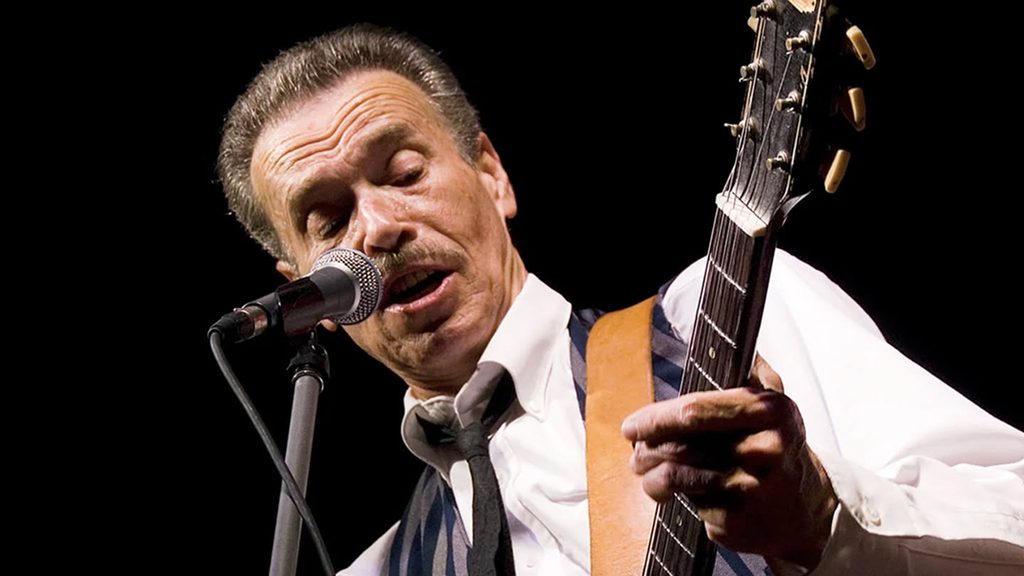
Opportunities to jam were frequent, and Davis immersed himself in the music until the occasional paying gig arrived. He soon found himself in a band called the Rhythm Rockets, which played a mix of vintage rock and roll, country and blues.
Through the 1970s he hit the road with the Rockets and then formed his own band, the Knights of the Mystic Sea. The Knights became one of Toronto’s busiest blues outfits, playing the El Mocambo, the Ports, the Midwich Cuckoo and the Isabella.
The first Knights lineup, formed in 1973, put Phil Strong’s guitar and “Gator” Jones’s harmonica behind Davis’s singing, with Paul Miller on drums. Later the band settled into a trio format that Davis would lead for years.
Around 1974 the group cut a privately pressed 45 for Gyp Records, a run of just 100 copies that is now prized Canadian blues ephemera. By then the personnel had shifted to Fraser Finlayson on harmonica, bassist Jimmy Reed (no relation to the Delta-to-Chicago great) and drummer Danny Haugh.
Velvet Tuxedos, Disco-Era Survival Tactics, and a Privately Pressed 45 Few Own
The Knights needed a survival strategy for the disco era. Calling yourself a blues band on the Ontario circuit was the kiss of death, and agents wanted dance music.
So the Knights of the Mystic Sea wore crushed velvet tuxedos and shot a colour promotional photo when everyone else’s was black and white. They told agents they played dance music, then played nothing but the blues.
The trick says something about Davis’s character. He has never chased a trend, and the Toronto Blues Society’s 1996 tribute put it plainly: blues becomes fashionable every seven years or so, and he was never on the bandwagon, but one of the guys down in the dirt pulling it along.
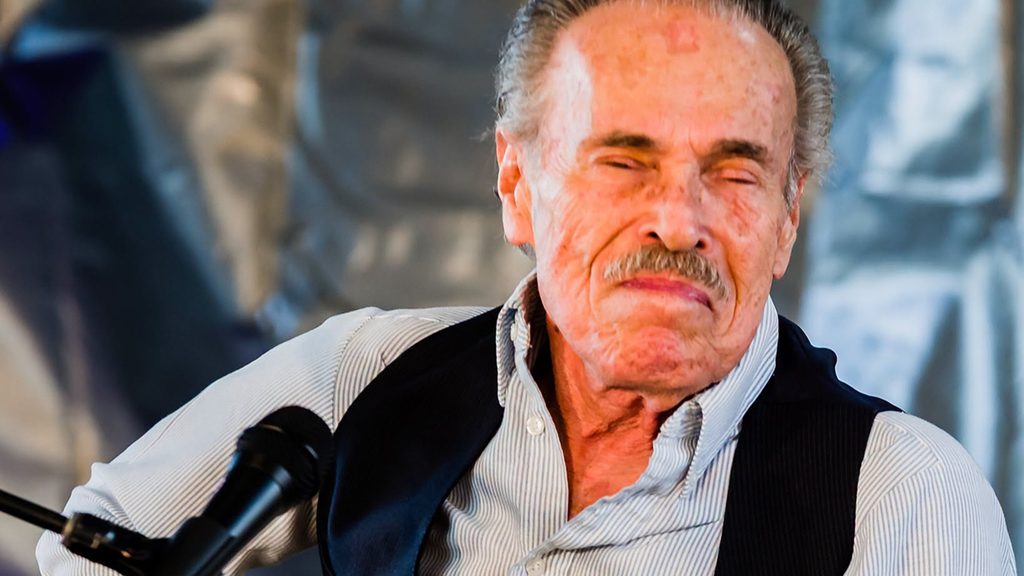
A Stint with David Wilcox and Two Years in Southern California
Davis also played in David Wilcox’s first band, an experience he still cites for the standard it set. Night after night he watched Wilcox’s tone and phrasing pour out, and it recalibrated his own sense of what a guitar could do.
After the Wilcox stint he moved back to California for two years. There he played in a band with Fabulous Thunderbirds pianist Gene Taylor and harmonica player James Harman, with future Blasters Phil and Dave Alvin sitting in regularly.
It was a different scene from Toronto’s, but the lessons carried across the border. Davis returned north with the Southern California roadhouse feel added to his Chicago and Delta foundations.
Backing the Masters and Opening for the Kings of the Blues
The list of blues legends Davis has worked beside reads like a hall of fame ballot. He opened shows for Willie Dixon, Albert King, John Lee Hooker, Albert Collins, John Hammond and Eric Bibb, jammed with Muddy Waters, James Cotton and Johnny Shines, and backed Sunnyland Slim, Snooky Pryor, Willie “Big Eyes” Smith and Dr. John.
Backing the late Dr. John is routinely cited as a highlight of his career. He also counts playing Got My Mojo Working with Muddy Waters’ longtime drummer, Willie “Big Eyes” Smith, among his career highs.
One Albert King date tells the story of his fandom and his humility at once. In December 1983, Davis and Colin Linden opened for King at Albert’s Hall in Toronto, then took front-row seats to study the great left-handed guitarist, hoping to steal something.
After about two songs, the two of them looked at each other, held out their palms and shrugged. Watching Albert King bend strings, they decided, was like watching a man from another planet.
His own favourite week may be 1984, when his band was chosen to back Hubert Sumlin for a week at Toronto’s Pine Tree Tavern after Howlin’ Wolf’s death. Davis calls Sumlin, Wolf’s guitarist of 25 years, his all-time favourite guitar player, a gentleman and a devastating musician, and that week everybody in Toronto’s blues community came down to listen or jam.
That same year, in the same room, his band backed harmonica pioneer Snooky Pryor on what Davis recalls as Pryor’s first Toronto engagement, a dynamo of a show. Over the decades he has also shared stages with Colin Linden, Dutch Mason, Sue Foley, Ray Bonneville and Carlos Del Junco.
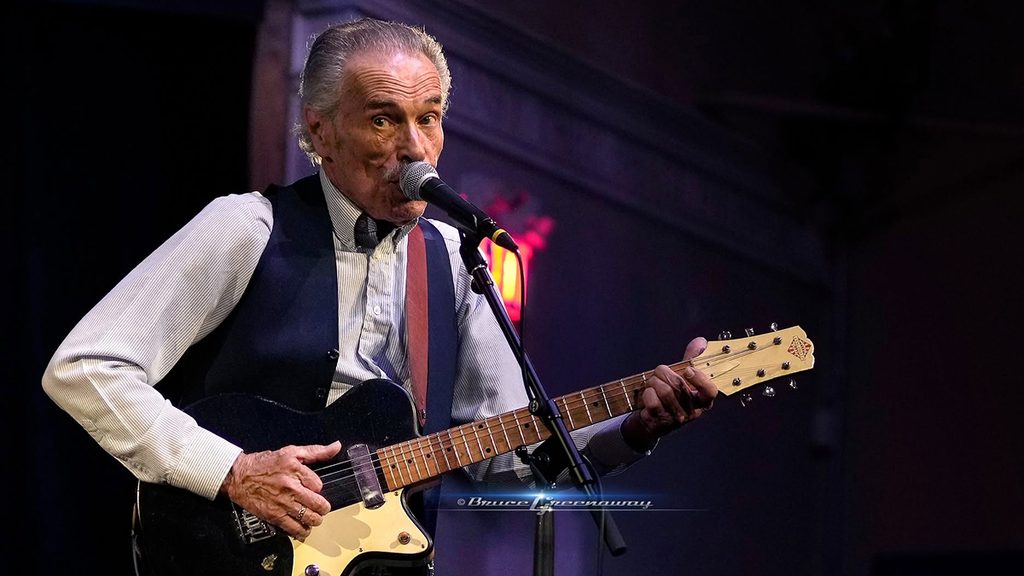
From I’m Ready to Play! to the Stony Plain Breakthrough Years
Davis’s first album, I’m Ready to Play!, arrived on Bullhead Records in 1982, drawn from the road-hardened band years. It carried a searing ballad, Why’d You Lie, that would change his national profile.
Colin James picked up Why’d You Lie and made it a hit on his 1988 debut album. The cover brought Davis’s songwriting to mainstream audiences across Canada and earned him international recognition as a writer.
His catalogue holds another cult favourite in Reefer Smokin’ Man, a number repeatedly described as a blues cult classic. Wit runs through everything he writes, and his original compositions are infused with humour as well as grit.
His principal major-label release followed in 1990, the self-titled Morgan Davis on Stony Plain Records. Produced by a young Colin Linden, it was nominated for a JUNO Award, and a live CD, Live, followed.
The Linden thread says a lot about the scene Davis helped raise. Linden had played with him as a teenager, full of an energy Davis still calls infectious, then produced the 1990 album and stood beside him opening for Albert King.
The Electro-Fi Years and the Making of Blues Medicine
The Electro-Fi years produced the heart of the catalogue. The Toronto label was founded in 1996 by Andrew Galloway with help from Gary Collver and Alec Fraser, and it quickly became one of Canada’s most awarded blues imprints.
Davis’s first release for the label, Blues Medicine (1999), was co-produced with Linden and Fraser. It earned Maple Blues Awards for Producer of the Year and SOCAN Songwriter of the Year.
Reviewing it for Exclaim!, Eric Thom described a ragged, soulful blend of Delta and Chicago styles, with lyrics as witty as they are often hilarious. He singled out Reefer Smokin’ Man as the quintessential Davis “good time blues” number, and pointed to My Blues and Easy Money (with Mumbo Jumbo) as proof he could move from gentle ballad to hard boogie.
Hogtown Years (2003), released independently, documented the Toronto era that made him. The mix of labels tells its own story about the kind of career this has been: Stony Plain, Electro-Fi and his own independent releases, the working life of a bluesman who told Kingston Live he was always happy to work with great independent labels that let him make his own music.
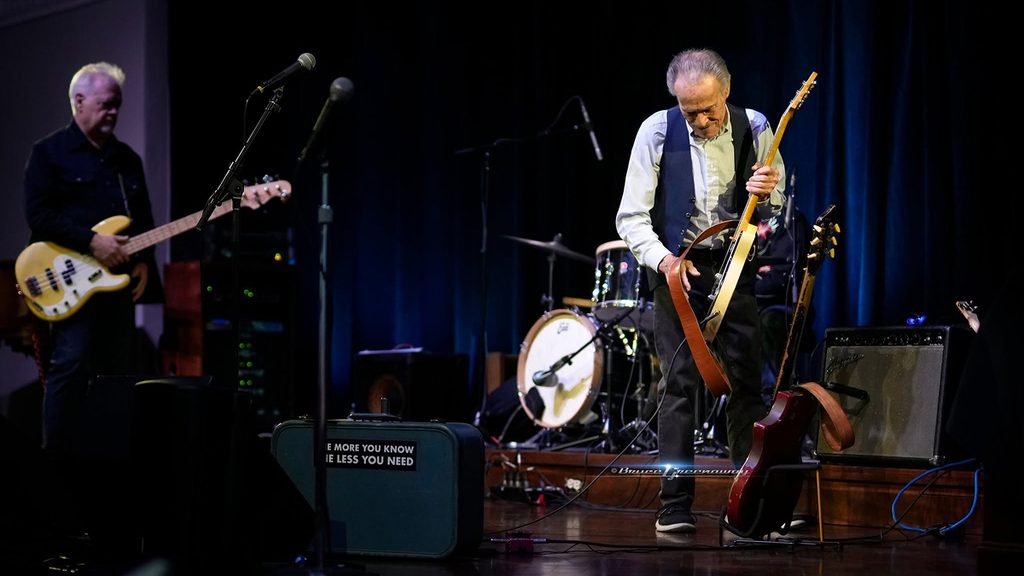
How Painkiller Swept the Maple Blues Awards and Won a JUNO
The 2004 Maple Blues Awards belonged to Morgan Davis. Painkiller, released in 2003, won Recording of the Year, and Davis personally took home Male Vocalist of the Year, SOCAN Songwriter of the Year and, with Alec Fraser, Producer of the Year, four awards on the strength of one album.
Weeks later came the biggest prize in Canadian music. Painkiller won the JUNO Award for Blues Album of the Year at the 2004 ceremony, in a field that included Harrison Kennedy, Harry Manx with Kevin Breit, Ray Bonneville and the Rockit 88 Band.
The honour put Davis in the company of the previous year’s winner, fellow guitar slinger Jack de Keyzer. It also gave Electro-Fi one of its several JUNO-winning blues records.
The rest of the honour roll fills out the picture of a career built on craft. He won the Jazz Report awards for Blues Artist of the Year in 1994 and Blues Band of the Year in 1995, and the Toronto Blues Society’s Blues With a Feeling Award in 1996.
The society followed with its Acoustic Artist of the Year award in 2000, and Davis added another Maple Blues songwriting award in 2005. Depending on who is counting, his Maple Blues tally has been cited at seven or eight.
A Quiet Move to Nova Scotia and the Turn Toward Solo Work
In 2001, Davis moved to Nova Scotia, and he has made his home in Lunenburg County for more than two decades. Halifax’s Bearly’s House of Blues became a home stage where he was a regular fixture for years, a residency durable enough that CBC Music once profiled what kept drawing him back to that room.
Atlantic Canada found its way into the music. At Home in Nova Scotia (2007) was a homage to his adopted home.
Drive My Blues Away (2011), on Electro-Fi, was his first fully solo disc, and I Got My Own followed in 2014. Though he had long performed as a trio and full band as well, the solo format became the centre of his working life.
Home Away from Home (2017) is a travelling bluesman’s record, its title track opening with just Davis and a guitar that sounds very much like his cigar box. It landed on DownBeat magazine’s Top 50 albums of 2018 list.
By his own count, the full tally now stands at two 45 RPM singles, two LPs and nine CDs.
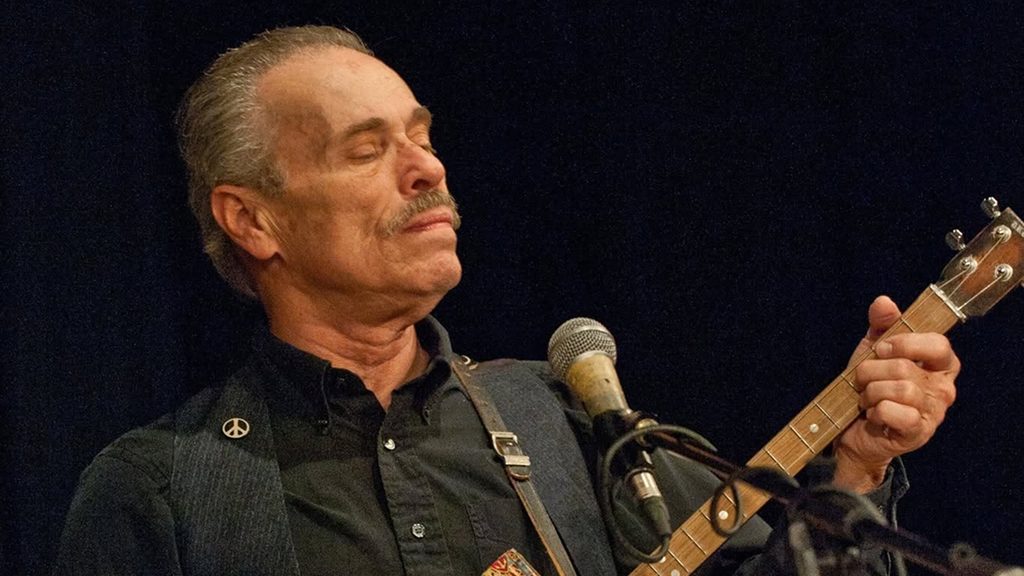
Cigar Boxes, Slide Guitar, a Yard-Sale Traynor, and the Less-Is-More Philosophy
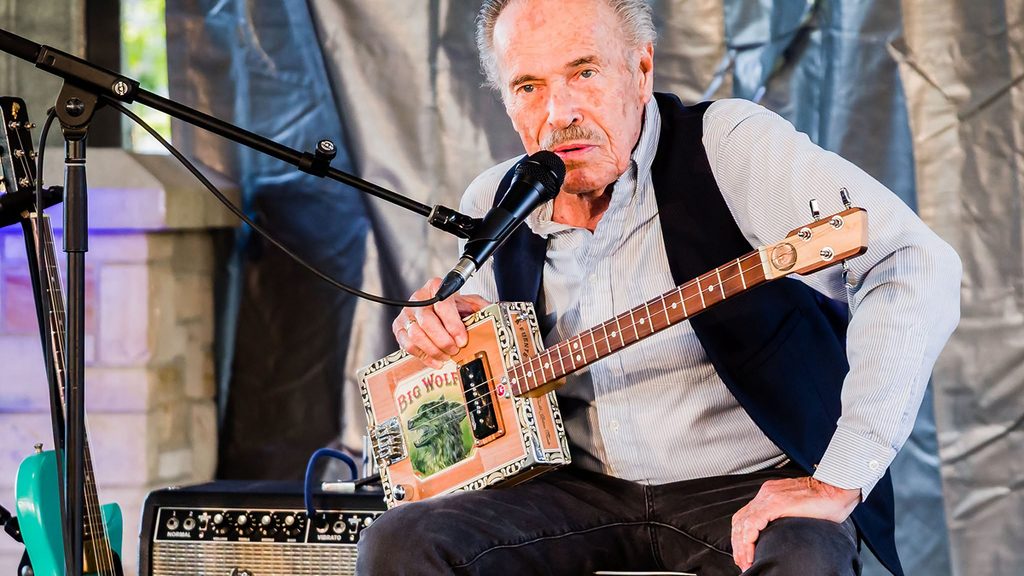
In recent years one of the most popular additions to the Davis sound has been the three-string cigar-box guitar, custom built for him by his friend Darren Brown. The gritty little instrument has become part of his signature, a direct line back to the homemade instruments of the Delta.
His whole approach honours the source material. He reinterprets songs of the 1920s and 1930s on electric instruments, plays a great deal of slide, and keeps the arrangements stripped down, the way the music was first made.
The gear philosophy matches the man. He still performs through a 1968 Traynor tube amplifier he found at a yard sale near Sudbury for $50 many years ago.
His instruments have stories of their own. In 1971, playing school gigs with Slim Smith, Davis used a National Steel guitar he had bought in a Toronto pawn shop for $90, with a hole punched in its back after the previous owner’s wife attacked it, and him, with an ice pick.
The damaged guitar still had the sound he wanted. That instinct helps explain why the Toronto Blues Society has called him a master of the less-is-more school of blues, where nothing is rushed and the notes left out carry as much weight as the ones bent.
A Teacher, Workshop Leader, and Living Historian of the Blues
Davis has spent as much of his career passing the music on as playing it. He leads blues workshops, including free sessions for guitar shops and festivals, walking younger players through the styles of the Delta and Chicago masters the way those masters once walked him through them.
The teaching started early, with those school gigs alongside Slim Smith in 1971. A damaged National Steel and a roomful of students was an early lesson in how much an audience will give a player who has a story to tell.
That impulse shapes his shows today. A Morgan Davis concert doubles as a living history lesson, with songs arriving alongside the stories of the people who wrote them, told by a man who met many of those people and can describe exactly how they played.
Two Hundred Nights a Year, VIA Rail Sleeper Cabins, and Fishing Rods
The road schedule was relentless for most of his career. Davis averaged roughly 200 shows a year, across North America and Europe, until the COVID-19 pandemic forced the first real pause of his professional life.
For 20 of those years he was part of VIA Rail’s On-Board Entertainer program, making 27 trips across the country playing three shows a day in exchange for a sleeper cabin, good meals and a ticket west. Once there, he would rent a car and tour.
On Ontario runs he travels with fishing rods on board, and old friends from Sudbury to Napanee know to expect him at the water on his days off. He tells a story of touring Ontario by car with a canoe strapped to the roof, paddling the lakes between gigs.
The image of the bluesman pulling into a small town with a canoe overhead has followed him through the scene ever since. The fishing is not a hobby bolted onto the touring; it is part of the same rhythm.
No Phone, No Social Media, and a Lifelong Student’s Humility
Davis does no social media, owns no cell phone and has never taken a selfie.
He uses a computer for email and to post his gigs on his website, and that is the whole of his promotion, a handicap he acknowledges cheerfully and accepts as the price of living the way he wants.
The humility is real, too. Al Lerman’s 1996 profile described a man who pays unusual attention to the nuances of the blues, the dragged snare or the strange bass slur that makes a record feel true.
Willie Dixon once defined the blues with three words: “The blues is truth.” Lerman’s verdict was that Davis has been true to it.
In a 2025 Kingston Live interview, Davis put it simply: he considers himself a very lucky man to be doing what he loves for this long.
Fifty-Five Years In: The 2025 and 2026 Seasons on the Road
In 2025, Davis marked 55 years as a professional bluesman, and 2026 has looked like any other year in his working life, which is to say a busy one. The spring brought an Alberta tour with fellow singer and guitarist Suzie Vinnick, the two playing solo sets and then a joint set to close the night.
In June he made his annual trip east to The Cove Inn in Westport, Ontario, for an evening of solo country blues. Back home in Lunenburg, he turned up as a surprise guest at the Folk Harbour Festival’s Sunday Blues session, the local elder joining the jam in his own backyard.
When photos from a September 2026 show circulated online, fans traded memories of catching him in the 1980s alongside regrets at having missed this one. He was also playing dates in Germany in 2025, the latest chapter in a road life that has carried his cigar-box guitar across Canada, the United States and Europe.
Morgan Davis Brings Solo Blues to the Colpoy’s Bay Women’s Institute Hall
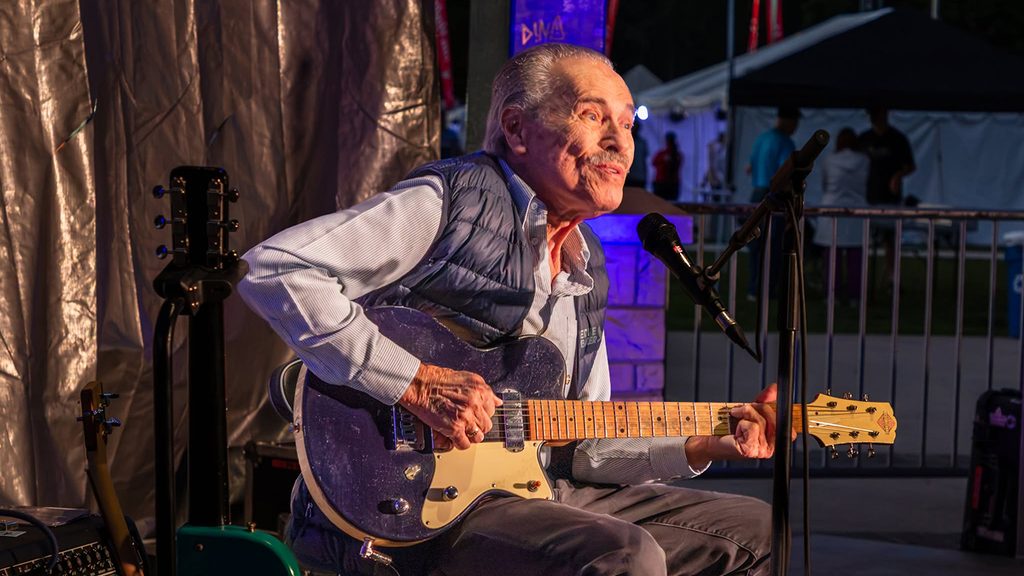
Davis performs solo on Wednesday, December 2, 2026, at 7:30 p.m. at the Colpoy’s Bay Women’s Institute Community Hall, 225 Bruce Road 9 in South Bruce Peninsula, near Wiarton. Expect one man with electric guitars and a three-string cigar-box guitar, five decades of songs, and the stories that come with them.
The room suits the artist. Davis has said in interviews that he prefers smaller venues to huge festival stages, because truly connecting with an audience is what makes a great night.
The hall has a history of its own. The Colpoy’s Bay Women’s Institute was organized in December 1910, the current hall opened in 1927, and the WI has hosted dinners, concerts and lectures there ever since.
The concert is open to all ages, and tickets are $25.
From Rochdale College to the Pine Tree Tavern to a VIA Rail lounge car, Morgan Davis has spent 55 years carrying the country blues from room to room. He has done it without a phone, a selfie or a social media account, and with a canoe on the roof more than once.
A musician who learned from Muddy Waters, backed Hubert Sumlin and won a JUNO does not pass through the Bruce Peninsula every week. He still hopes, in his own long-standing phrase, to be playing the blues until he drops.