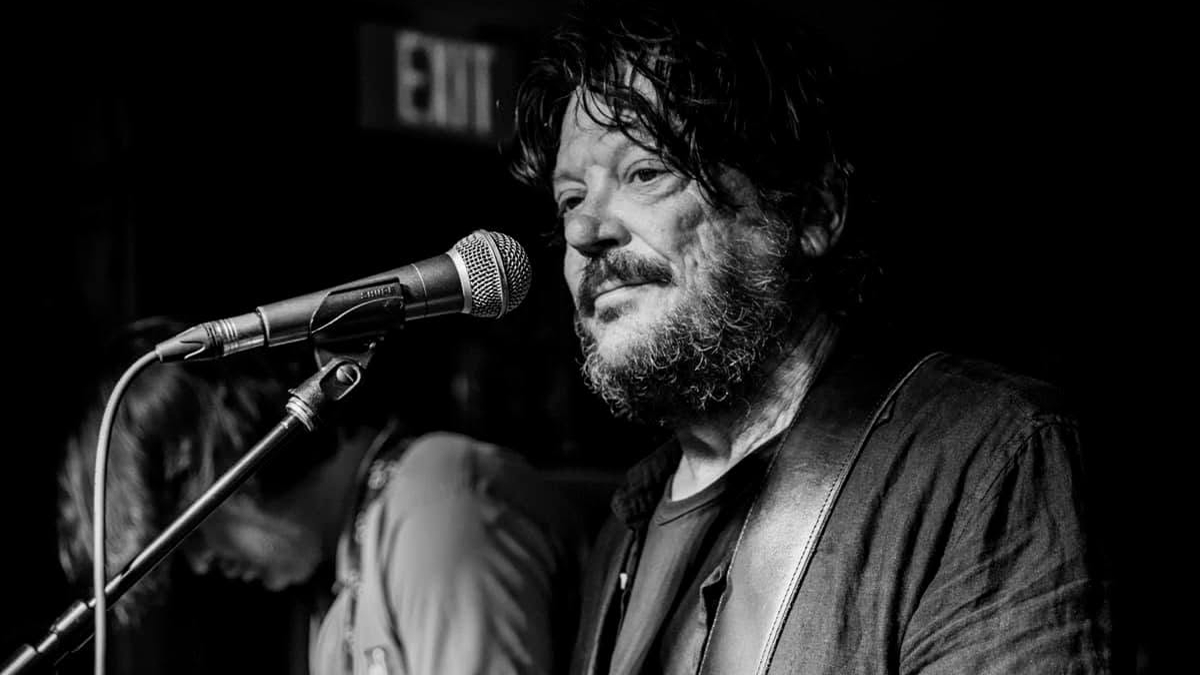
On December 10, 2026, Paul Langlois will plug in at Stages on Princess Street in Kingston, Ontario, a short walk from the bars where he first learned to play alongside Gord Downie, Rob Baker, Gord Sinclair, and Johnny Fay nearly four decades ago.
The 19+ show, presented by KPP Concerts and K-ROCK 105.7 with Kingston’s own Tiny Horse opening, is a homecoming in the most literal sense.
Langlois is touring behind Smooth Rock Falls, his fourth solo album and, by most accounts, his most personal one yet.
Most casual fans know him as one of two guitarists for the Tragically Hip who stood to Gord Downie’s right, strumming rhythm while Downie prowled the front of the stage. That description is accurate but incomplete. Langlois has been a songwriter, a lead vocalist, a solo artist with four records to his name, and, for the better part of forty years, one of the steadiest presences in Canadian rock.
In Paul Langlois, there are so many stories one can tell, such as the one of the Ottawa-born teenager who joined a Kingston bar band in 1986, the guitarist who helped write some of the most enduring songs in Canadian music, the bandmate who stood on stage through Gord Downie’s terminal cancer diagnosis, and the solo artist now processing grief of his own on record.
The Making of a Tragically Hip Guitarist
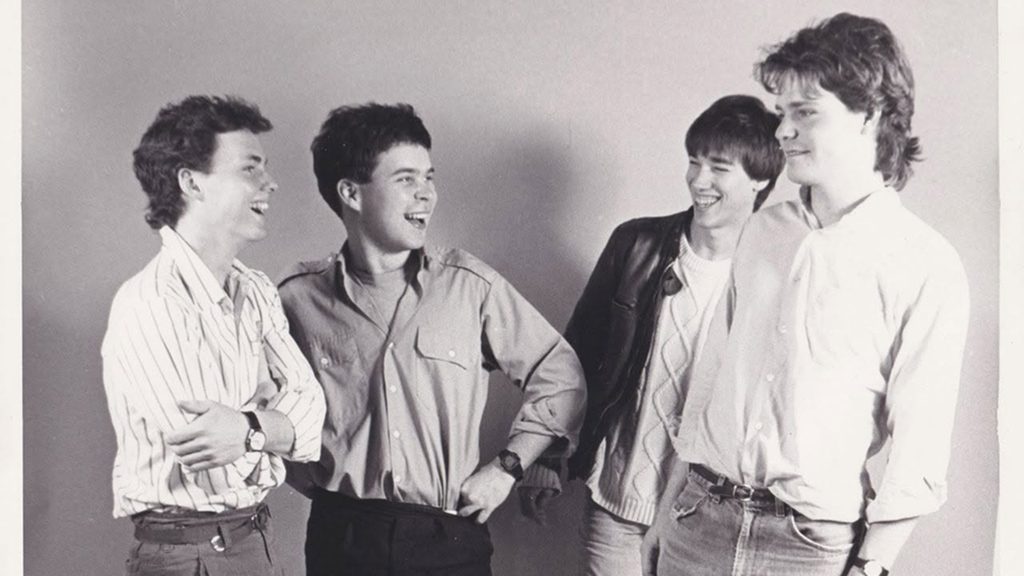
Paul Langlois was born on August 23, 1964, in Ottawa, before eventually joining the Tragically Hip on rhythm guitar as a replacement for an earlier member.
The band itself had formed two years earlier and a province away. The Tragically Hip came together in Kingston, Ontario, in 1984, built around vocalist Gord Downie, guitarist Rob Baker, bassist Gord Sinclair, and drummer Johnny Fay.
For its first two years, the group also included a saxophonist, and it was that lineup that played the Kingston bar circuit, sharpening its sound on cover songs at student pubs near Queen’s University. Langlois joined in 1986, the same year the band’s saxophonist departed.
The band had spent years playing local pubs before catching the attention of an MCA Records executive at Toronto’s Horseshoe Tavern. That discovery led to a major-label deal, and by the end of the decade the band had a proper studio debut.
The Tragically Hip’s 1989 album Up to Here, featuring “Blow at High Dough” and “New Orleans Is Sinking,” announced a group that sounded like nothing else on Canadian radio at the time: bar-band grit married to Downie’s increasingly literary, geography-obsessed lyrics.
The follow-up, Road Apples, reached number one on the Canadian charts in 1991, and the Hip’s rise from regional curiosity to national institution was underway, with Langlois’s rhythm playing and backing vocals forming a structural part of the sound from the very beginning.
Three Decades at the Heart of Canada’s Most Decorated Rock Band
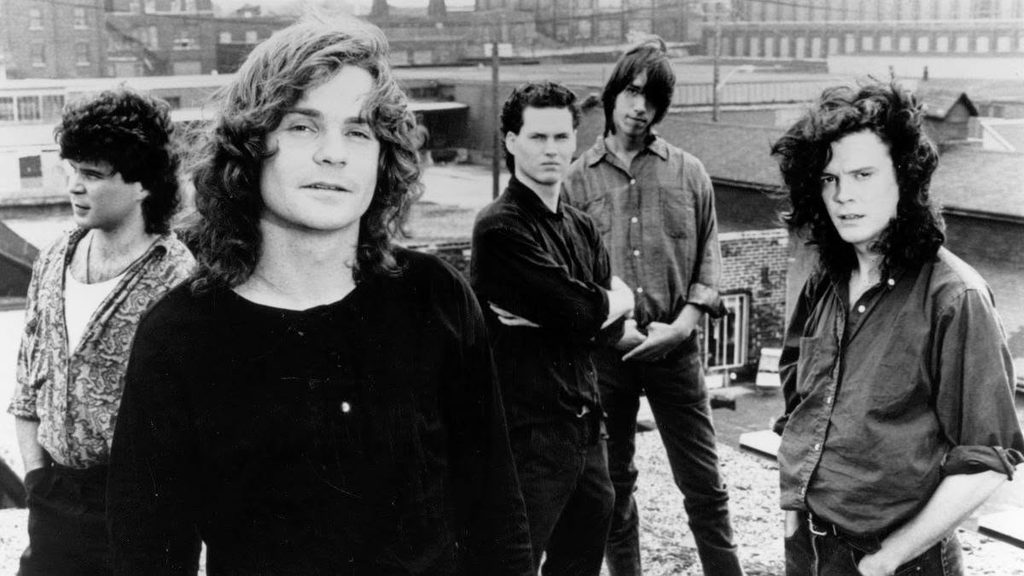
What followed was one of the most consistent runs in Canadian recording history.
Nine of the Tragically Hip’s albums eventually reached number one on the Canadian charts, a run that included Fully Completely in 1992, Day for Night in 1994, Trouble at the Henhouse in 1996, and Phantom Power in 1998.
Langlois wasn’t merely playing rhythm guitar and singing harmonies on these records. He was writing. “Wheat Kings,” the elegiac Fully Completely track about the wrongful conviction of David Milgaard, was composed musically by Langlois, and it remains one of the most quietly devastating pieces of songwriting in the band’s catalog, a song frequently cited alongside “Bobcaygeon,” “Ahead by a Century,” and “Fifty Mission Cap” as essential Hip material.
The Globe and Mail named “Ahead by a Century” the ninth greatest Canadian pop song of all time in a 2002 ranking, a reflection of how deeply the band’s catalog, co-written across all five members, had embedded itself in the national songbook.
Between 1996 and 2016, the Tragically Hip were the best-selling Canadian band in Canada and the fourth best-selling Canadian artist overall in the country. The band sold more than 14 million albums worldwide and won 17 JUNO Awards over the course of its career, including the Humanitarian Award at the 50th JUNO Awards.
The Tragically Hip were inducted into the Canadian Music Hall of Fame in 2005 and were honoured with the Order of Canada in 2017 in recognition of their sustained involvement with the Indigenous rights movement, an honour tied directly to Downie’s Secret Path project and the Gord Downie and Chanie Wenjack Fund, but one that reflected the band as a collective unit, Langlois included.
The group first received a star on Canada’s Walk of Fame in 2002 and was recognized there again in 2022 for its humanitarian work supporting social and environmental justice.
That legacy continues to accumulate honours even now, nearly a decade after the band stopped touring.
In 2026, the Tragically Hip, alongside Feist, Roch Voisine, and the songwriting duo behind Loverboy, were named inductees into the Canadian Songwriters Hall of Fame, with an induction ceremony held at Massey Hall in Toronto.
Gord Downie’s Diagnosis and the Man Machine Poem Farewell
No chapter of the Tragically Hip’s story, or Paul Langlois’s, is more emotionally charged than 2016.
In late May of that year, the band revealed that Downie, then 52, had been diagnosed with terminal brain cancer. Rather than retreat, the band chose to tour. Downie’s condition was disclosed on May 24, and the Hip’s farewell tour was announced the very next day, alongside the release of the band’s fourteenth studio album, Man Machine Poem.
Management described the decision as straightforward for the band even as it was clearly difficult, with Downie determined to give full performances rather than a diminished victory lap.
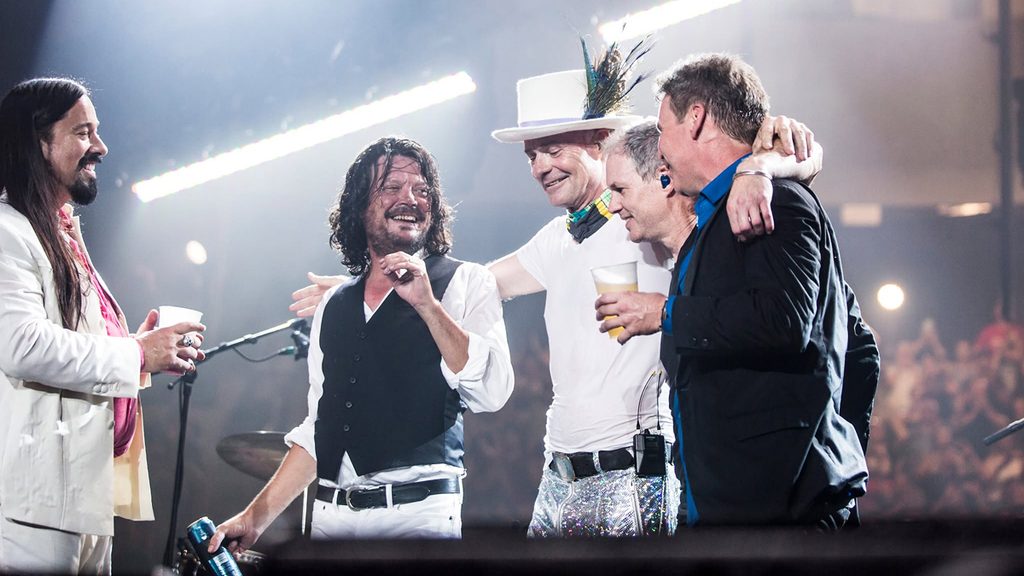
The tour that followed became a genuine national event. The Man Machine Poem tour launched July 22 in Victoria, British Columbia, and ran ten cities and fifteen shows before culminating in Kingston, the city where the band had started.
The final concert took place on August 20, 2016, in the band’s hometown, and it stands as the last performance by the Tragically Hip as a five-piece band. Prime Minister Justin Trudeau, a Hip fan since high school, attended the Kingston show, and outside the venue, crowds packed Kingston’s Springer Market Square to watch the concert on a large screen just blocks from where it was happening live.
The broadcast numbers remain almost unheard of for a Canadian television event.
CBC’s live broadcast and livestream of the concert, titled A National Celebration, reached 11.7 million people across television, radio, and digital platforms, and a follow-up report described the audience share as roughly one third of the entire Canadian population tuning in as the broadcast unfolded.
Gord Downie died on October 17, 2017, a little over a year after that Kingston show, and the surviving members of the band, Langlois among them, have spent the years since navigating what it means to carry that legacy forward without their frontman.
That work has taken several forms.
In 2024, filmmaker Mike Downie, Gord’s brother, released The Tragically Hip: No Dress Rehearsal, a four-part documentary series that premiered at the Toronto International Film Festival and drew on interviews with Langlois, Baker, Sinclair, and Fay to reconstruct the band’s internal history, including tensions over songwriting credit in the earliest years before Langlois joined.
In 2026, on the tenth anniversary of the final tour, Universal Music Canada released Live July 22 – August 20, 2016, a 29-song live collection drawn from the Man Machine Poem shows and mixed in Dolby Atmos by longtime engineer Mark Vreeken, and CBC rebroadcast the original Kingston concert commercial-free, preceded by a new mini-documentary featuring previously unseen footage.
These anniversary moments have kept the Hip’s story in the national conversation even as its individual members, Langlois most visibly, have quietly built lives and catalogs of their own.
Paul Langlois Building a Solo Catalog: The Journey to Smooth Rock Falls
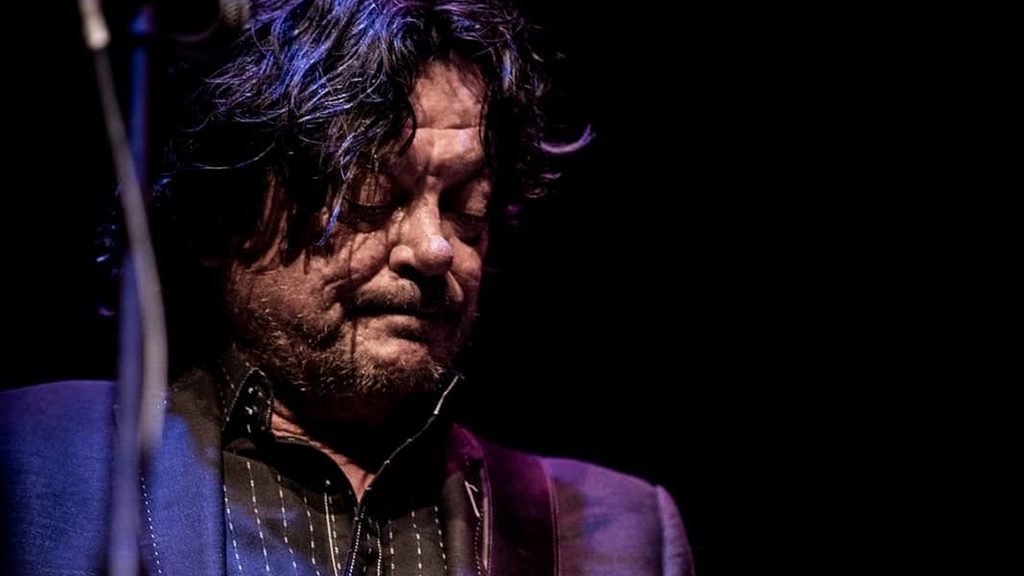
Langlois’s solo career actually began while the Hip was still an active touring band.
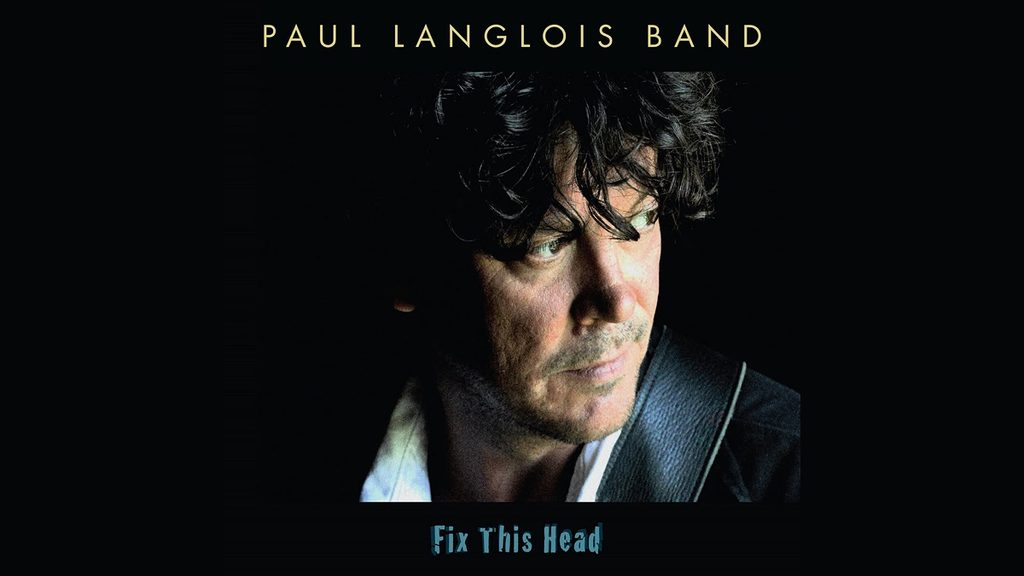
His debut solo record, Fix This Head, arrived in 2010 through Ching Music, a ten-song set running just under forty minutes that included tracks like “Broken Road,” the title cut, and “Homeless in Aspen.” Coverage at the time noted the album emerged alongside conversations about the Hip’s own studio plans, with Langlois testing some of the new material in shows that summer.
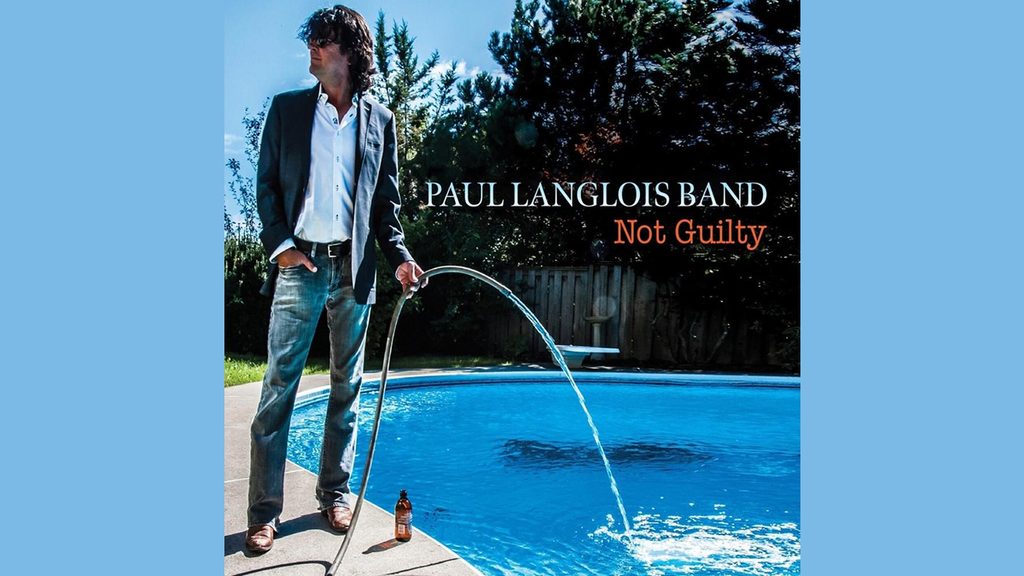
He followed it three years later with Not Guilty in 2013, a quieter, more reflective record that included songs such as “Waiting on My Train” and “Leading Me Down.”
The gap before his third solo effort was considerably longer, and the circumstances behind it say something about how Langlois approaches songwriting outside the Hip.
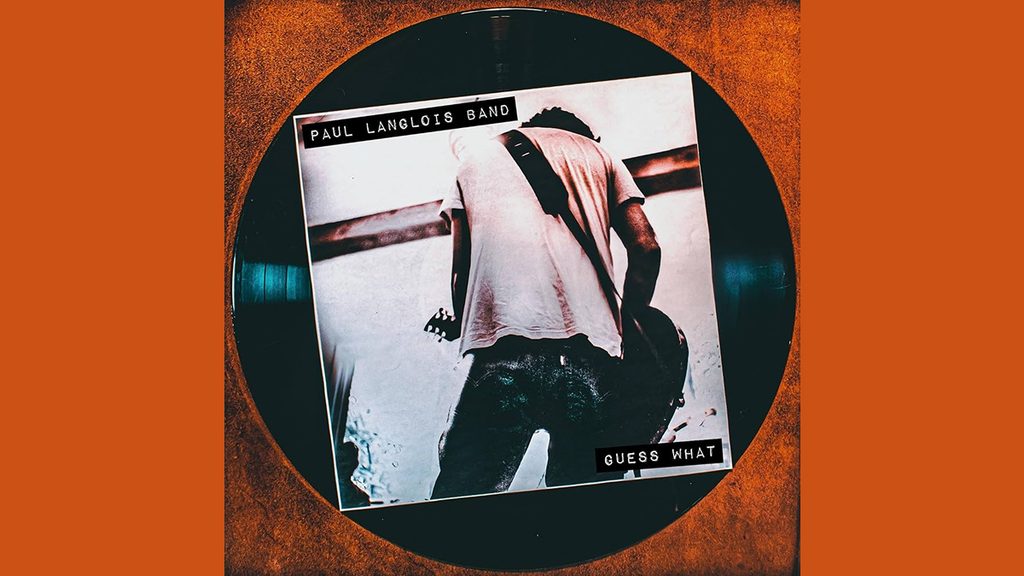
Guess What, released in July 2023 under the name Paul Langlois Band through Pheromone Recordings and Cadence Music Group, grew out of an invitation to close out a local festival show, which pushed Langlois back into writing after a long stretch away from it. He has been candid that songwriting hadn’t been top of mind for him in the years leading up to that offer, and that he wasn’t initially certain he could still do it after such a long layoff.
The resulting record featured Langlois on lead vocals and rhythm guitar alongside guitarist Greg Ball, lead guitarist Joe Carscallen, bassist Matt Mulvihill, and drummer Billy Anglin, delivering straightforward, thoughtful rock across ten tracks including “It Matters to Me” and “Don’t Leave Me Brother.” Reviewers described the album as fixated on time, both its passage and the moments that stand out within it.
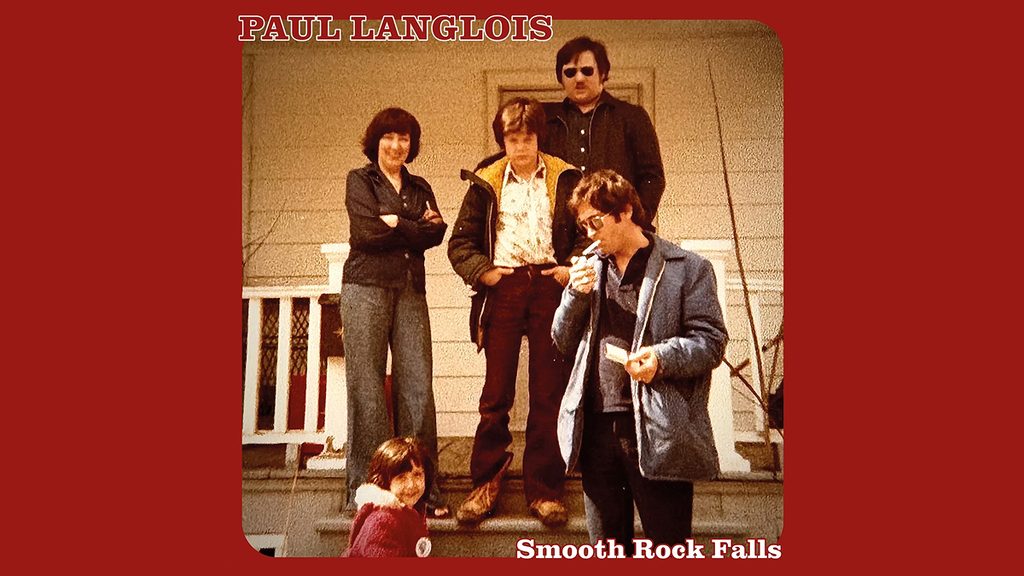
Smooth Rock Falls, released as a surprise in February 2026, is a different kind of record entirely.
Written following the deaths of his parents, Terry and Adrien, the album finds Langlois processing loss through songwriting while holding onto small, specific memories, a father’s particular way of saying hello, a mother’s habit of checking in constantly. Only a handful of the ten tracks address his parents directly, but those songs form the emotional core of a record otherwise concerned with memory, aging, and uncertainty, moving from the brooding opener “Hardly Holding On” to the reflective closer “MorningGuyNightGuy.”
The album was recorded live off the floor at the Tragically Hip’s own Bathouse studio, self-produced by Langlois across three focused sessions with longtime collaborators Greg Ball and Joe Carscallen on guitars, Bill Anglin on drums, Matt Mulvihill on bass, and engineer Nyles Spencer.
Critical response has been warm and specific. One review called Smooth Rock Falls Langlois’s most warm and quietly triumphant solo statement to date, a thirty-six-minute record that feels less like a departure from his Hip years than a natural extension of everything he absorbed during them, valuing feel over flash and atmosphere over excess.
Langlois has largely earned that distinction through sheer repetition: four solo albums across sixteen years, each one built around a full band and real production choices rather than a victory-lap covers set.
The Campfire Liars Club and Kingston’s Tight-Knit Music Scene
Alongside his formal solo discography, Langlois has spent well over a decade playing in a considerably looser project called the Campfire Liars Club.
The group pairs Langlois with fellow Kingston-area songwriters Greg Ball, Jim Tidman, and Joe Carscallen.
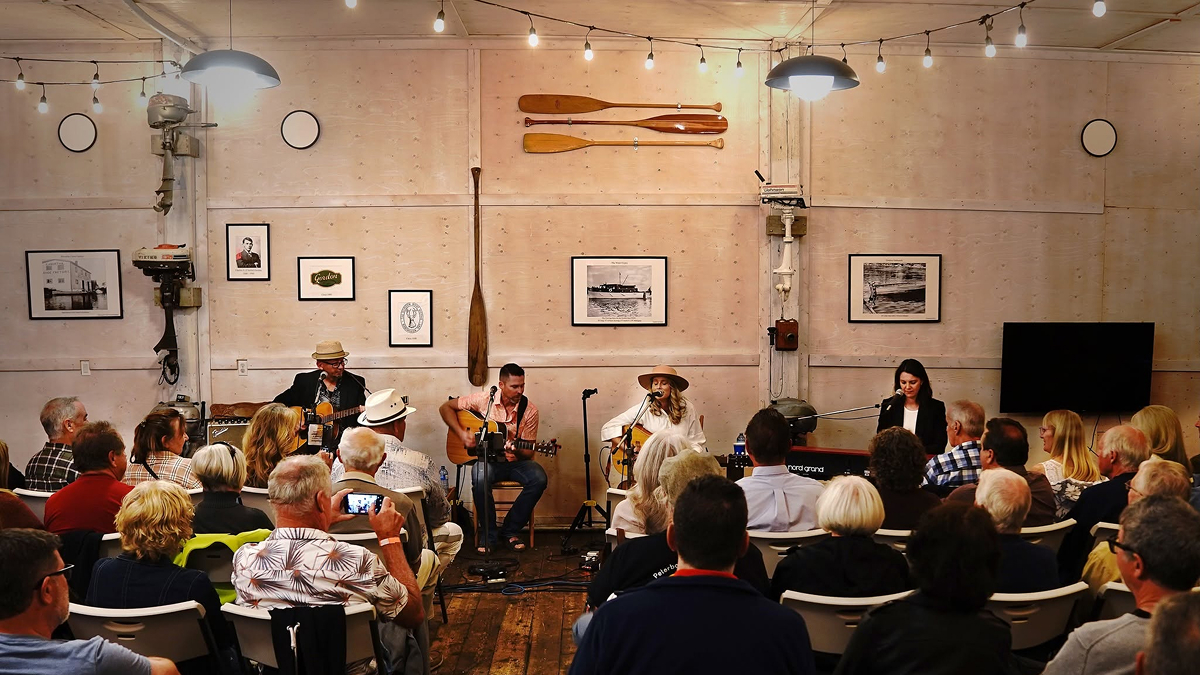
Officially formed in early 2010 after years of informal campfire jam sessions, the Campfire Liars Club has built a following around sold-out shows in the Kingston area and has increasingly ventured to other towns, offering an intimate, semi-interactive acoustic evening built around four distinct songwriting voices trading songs and stories.
It’s a useful reminder that Langlois never fully stepped away from the kind of small-room, community-rooted performing that defined the Hip’s earliest years at Kingston pubs like Clark Hall and Alfie’s, long before MCA Records and arena tours entered the picture.
That overlap of names is worth noting, because Greg Ball, Joe Carscallen, Matt Mulvihill, and Bill Anglin, the musicians backing Langlois on both Guess What and Smooth Rock Falls, are drawn from this same close-knit Kingston circle.
Langlois’s solo career is built on the same working relationships and the same city that shaped him in the 1980s, which helps explain why a stop at a mid-sized Kingston nightclub carries more significance than a typical tour date.
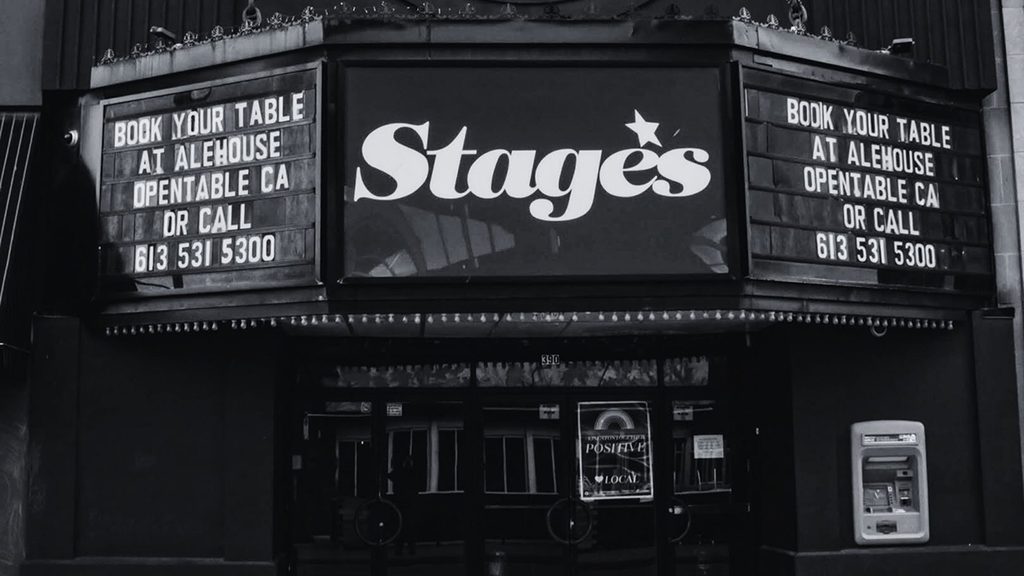
Inside ‘Stages’ and the December 10th Bill With Paul Langlois and Tiny Horse
Stages sits at 393 Princess Street in Kingston, Ontario, in the heart of the downtown strip that has anchored the city’s nightlife and live-music scene for decades.
The venue has built a reputation across Ontario, and beyond, for hosting high-quality live events, a considerably more intimate setting than the arenas and outdoor amphitheatres the Tragically Hip filled during their touring peak, and closer in spirit to the club-sized rooms Langlois has favoured throughout his solo career.
Opening the night is Tiny Horse, a band whose own story mirrors Langlois’s in miniature.
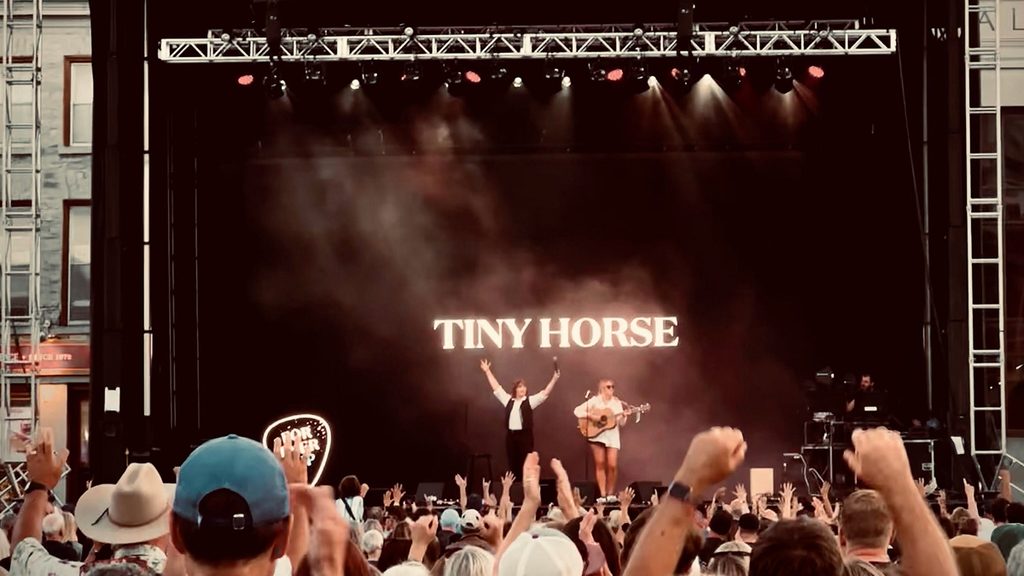
Tiny Horse is a Kingston-based indie-rock quartet that started as an acoustic duo in 2020, formed by songwriters Ciara Roberts and Rae Corcoran during the pandemic, before growing into a full four-piece and developing a self-described “giddy-up indie-pop” sound that blends pop, country, and folk influences.
The band has since played major Canadian rooms including the Horseshoe Tavern and El Mocambo in Toronto and Kee to Bala, and has appeared at festivals such as Hillside and Ottawa Bluesfest. The December date arrives during Tiny Horse’s 2026 touring cycle, which the band has branded “The Year of the Horse.”
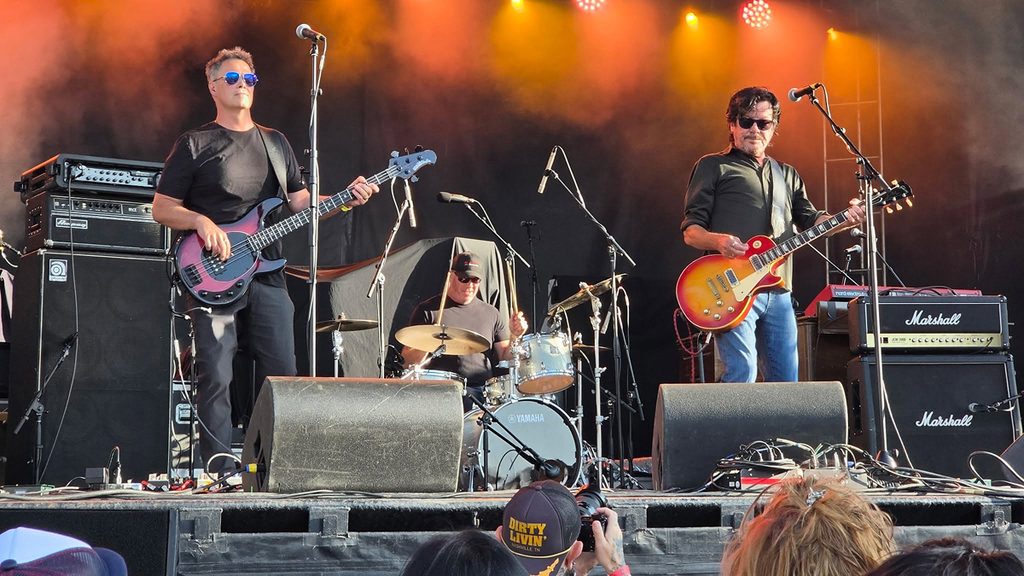
Paul Langlois: A Kingston Guitarist’s Long Second Act Has Only Just Begun
What makes Paul Langlois’s story distinct from many of his classic-rock peers is how little of it has been about looking backward.
He spent thirty-one years, from 1986 until the band’s final show, inside one of the most consistently successful and critically respected rock bands Canada has produced, contributing songwriting, guitar, and harmony vocals to a catalog that reshaped how the country’s radio stations and record buyers thought about homegrown rock. He stood on stage through his closest friend and bandmate’s terminal diagnosis and delivered fifteen shows that culminated in one of the most-watched broadcasts in Canadian television history.
And rather than treat that chapter as the peak of a career to be revisited indefinitely, he has spent the years since building an entirely separate body of work: four solo albums, a beloved local side project, and, with Smooth Rock Falls, a record shaped by the kind of loss that tends to sharpen rather than soften an artist’s voice.
Paul Langlois December 10th in Kingston, Ontario at Stages captures that second act at a particularly interesting moment.
Anyone walking into Stages that night expecting only a nostalgia act built around Tragically Hip deep cuts will find something more layered: a guitarist and singer, forty years into his professional life, still working through new songs in the same city where he first picked up a guitar in a bar band that would go on to help define what Canadian rock sounds like.