Ask anyone who has spent a Friday night in Waterloo Region’s live music scene where to catch a touring act, a tribute band blowout, or a wedding reception that can flip into a dance floor by 10 p.m., and the answer usually comes back the same way: Maxwell’s.
Tucked onto University Avenue East between the campuses of the University of Waterloo and Wilfrid Laurier University, Maxwell’s Concerts and Events has spent well over a decade building a reputation as the region’s most adaptable stage.
It is one that can host an intimate 200-person acoustic set in a side room on a Tuesday and a sold-out 700-person rock show on a Saturday without missing a beat.
Maxwell’s is a venue that resists easy categorization, and that flexibility is precisely what has made it a fixture of the Kitchener-Waterloo entertainment landscape.
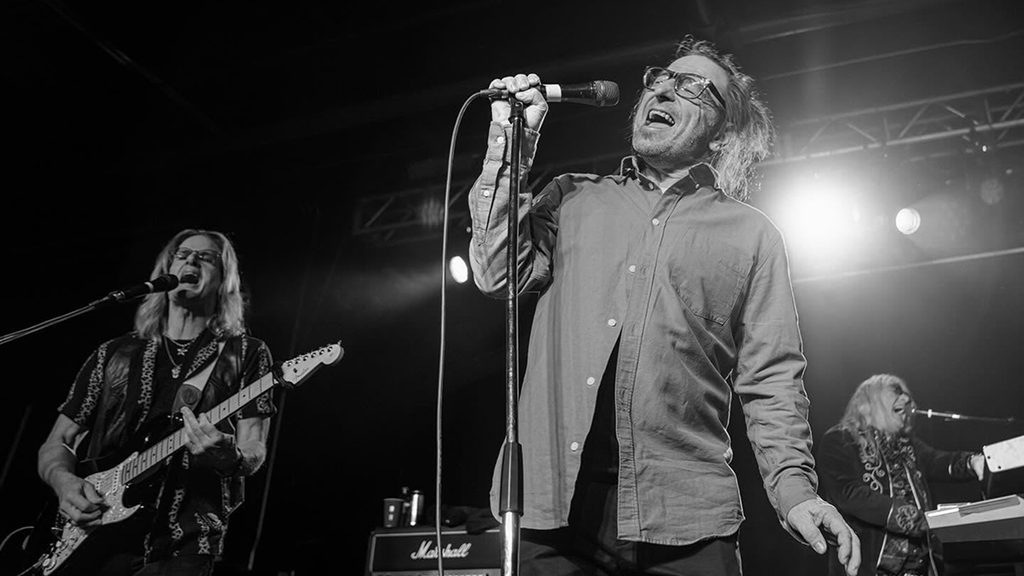
From King Street Bar to Regional Concert Hall
Maxwell’s traces its roots to 2008, when Paul Maxwell opened the doors of what was then known as Maxwell’s Music House on King Street North in Waterloo.
Maxwell won the young entrepreneur award from the Kitchener-Waterloo Chamber of Commerce not long after the venue opened, an early signal that the room was doing something right in a market that already had plenty of bars competing for the same late-night dollars.
In its King Street years, the venue built a following on a mix of local and touring acts, carving out just enough of a niche that when the building could no longer accommodate the demand, expansion became less a gamble than a necessity.
That expansion arrived in the form of a much bigger building a few blocks away, and it did not happen quickly. The King Street North location closed as Maxwell’s prepared to relocate, and what should have been a straightforward move turned into a longer process than anyone anticipated, with renovation delays pushing the reopening back by months.
The new building at 35 University Avenue East had a previous life as Dooley’s, a well-known local pool hall, and the team behind Maxwell’s put real money into converting it, later described in press coverage as a million-dollar makeover of the old space.
The wait ended on December 12, 2014, when Maxwell’s Concerts and Events threw open its doors at the new address with a grand opening night headlined by the venue’s own house band, drawing thousands of visitors through the doors in the weeks that followed.
Within a month, the new room had already hosted a New Year’s Eve party and launched its first weekly programming, including a Thursday country night that would go on to become one of the venue’s signature recurring events.
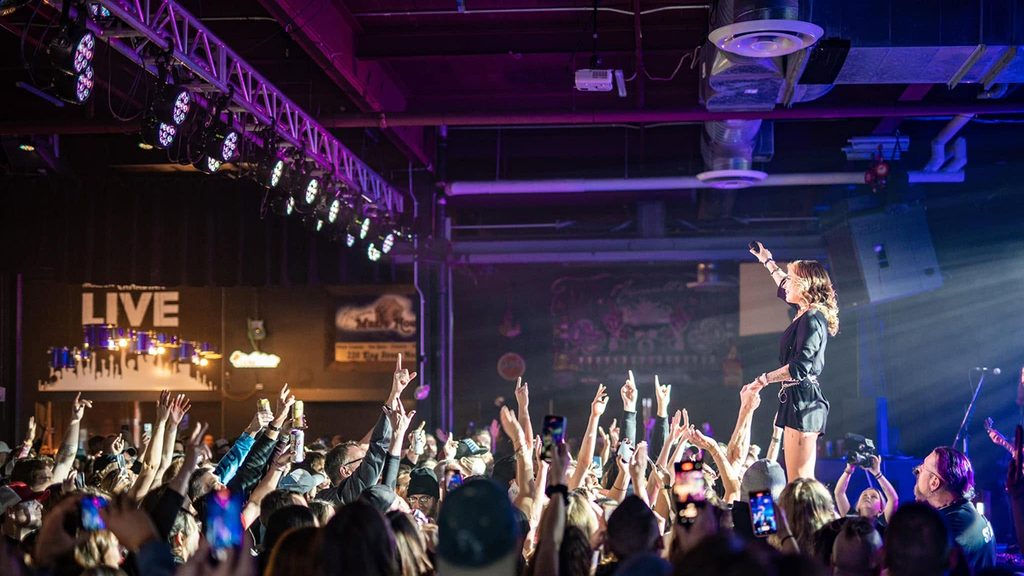
Inside the Room: Capacity, Stages, and the Numbers That Define the Space
What actually makes Maxwell’s function as both a concert hall and an event space comes down to how the building is laid out.
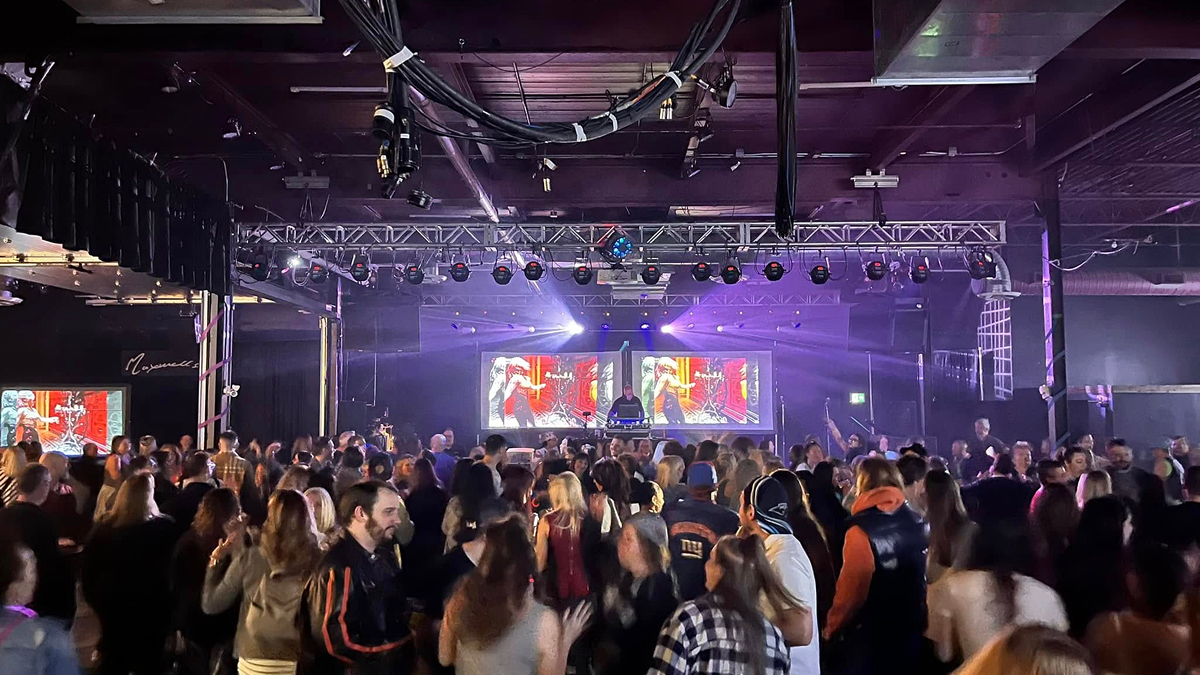
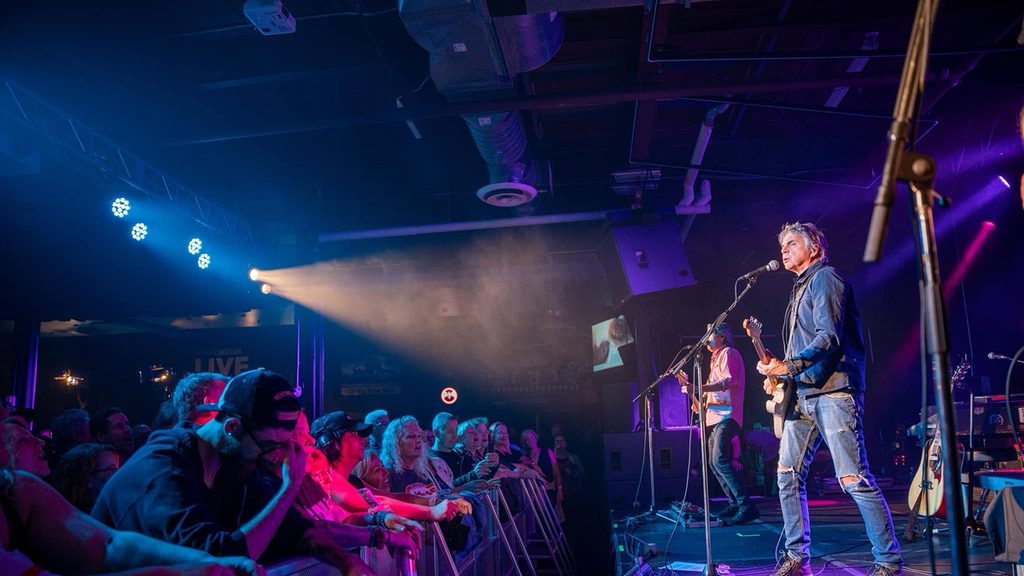
The venue is licensed for up to 700 patrons in a standing-room configuration across the full facility, a number that puts it squarely in the mid-market tier of Canadian concert venues, well above a bar stage but below a soft-seated theater.
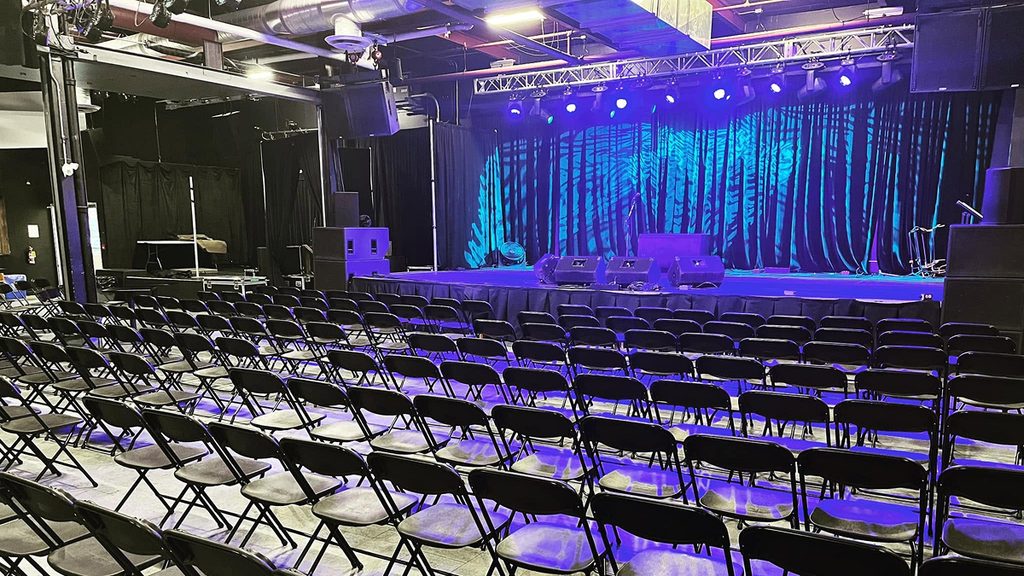
Three industrial garage doors, each 14 feet by 14 feet, run through the interior and can be lowered to physically divide the building into smaller rooms, which is how Maxwell’s manages to run a 200-person acoustic show and a corporate holiday party on the same night without either group feeling like an afterthought.
The medium-sized room holds up to 500 people standing, while the Tank Room, a side-stage space named for the industrial tank fixtures that give it its character, is licensed separately for 200 patrons.
The venue runs two stages.
The main stage measures 28 feet wide by 16 feet deep and stands 32 inches high, built to handle full touring productions with lighting rigs and multi-piece bands.
A second, smaller stage measures 16 feet by 16 feet and sits 23 inches off the floor, suited to acoustic sets, DJ setups, or overflow programming when the main room is booked for something else.
Two full bars serve draught beer, spirits, tall cans, and wine, and the building can be reconfigured for seated events as well, accommodating up to 350 guests in theater-style rows or 260 guests seated at tables, using an inventory that includes roughly 200 feet of pipe and drape and 350 folding chairs.
On the logistics side, the venue offers 250 free paved parking spaces on site, a ground-level loading bay for touring gear, and a private green room for performers stocked with couches, a fridge, and its own washroom with a shower, a detail touring musicians tend to notice and appreciate after a long drive. The building is fully wheelchair accessible throughout.
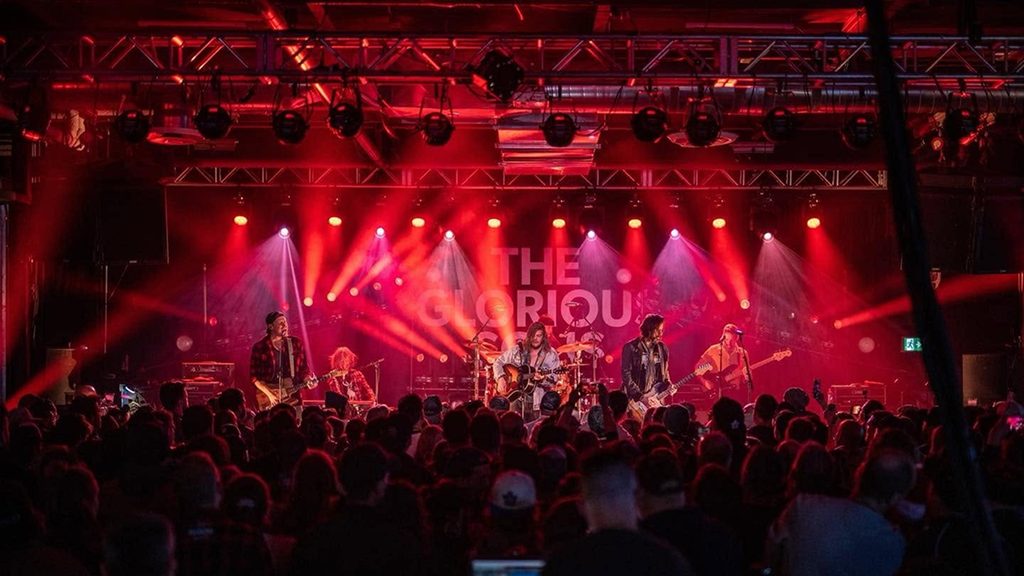
Maxwell’s Carries A Booking Calendar Built on Range, Not a Single Genre
The single most defining trait of Maxwell’s programming is that it refuses to specialize.
On any given month, the calendar might run from Canadian rock veterans like 54-40 and Big Wreck, both of whom have sold out shows at the venue, to a Metallica and Faith No More double tribute night, to a country bill featuring Gord Bamford or Tebey, to an indie rock lineup built around acts like Death From Above 1979 or Valley.
That range is not incidental.
Paul Maxwell and his booking partners have talked openly about deliberately courting nostalgia acts alongside current touring artists, pairing bands like Wang Chung and Cutting Crew on the same bill for an audience that grew up on 1980s and 1990s pop radio, while also giving newer acts like July Talk a stage to build a following in the region.
The tribute and cover circuit has become a particularly strong pillar of the calendar, with recurring theme nights built around specific eras or acts: an Aerosmith tribute through Aeroforce, a double bill saluting AC/DC and Guns N’ Roses, and metal-focused programming like Headbangers Ball and Heavy Metal Halloween.
These shows fill a real gap in the market.
A 700-person room in Waterloo will rarely land the original version of a stadium-filling act, but it can reliably sell out a night built around the songs everyone in the room already knows, and Maxwell’s has leaned into that reality rather than fighting it.
The venue has also landed acts that fall outside any conventional concert-venue category altogether.
In 2017, Maxwell’s hosted Kiefer Sutherland on the Waterloo stop of his first-ever music tour, a run that saw the “24” star performing songs from his debut country album, “Down in a Hole,” to a crowd that came out as much for the novelty as for the music itself.
That kind of booking, an actor turned musician on a genuine national tour, is not something a smaller room typically pulls off, and it says something about the venue’s standing with booking agents that it did.
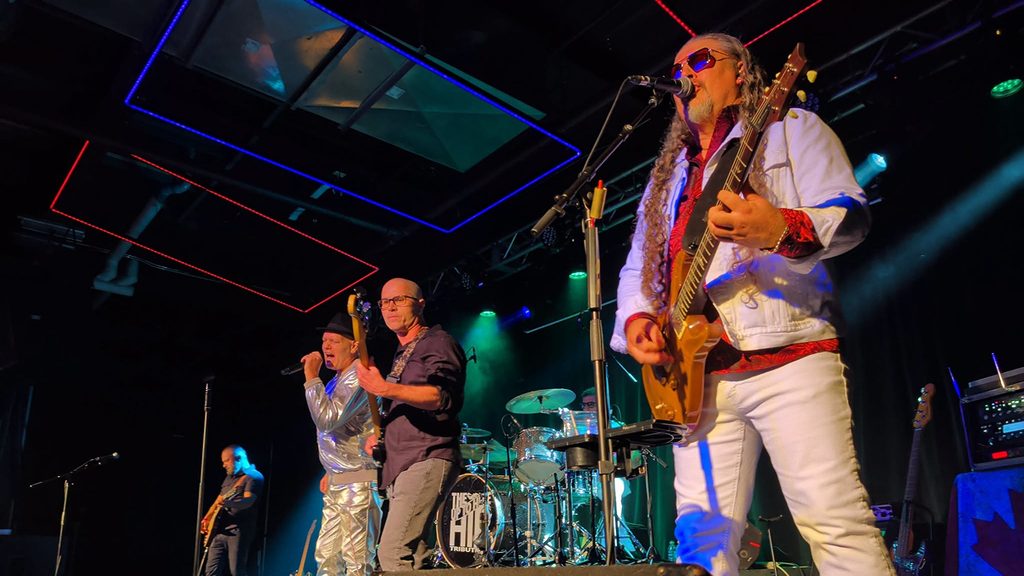
The Recurring Nights That Turned Casual Fans Into Regulars
Beyond the marquee touring shows, Maxwell’s has built a base of loyal, repeat attendees through a rotating slate of themed weekly and monthly nights.
Boots and Beers, the venue’s live country night, launched almost immediately after the University Avenue relocation and was framed from the start as filling a specific gap in the market: a dedicated, ongoing space in Waterloo for country music fans rather than a once-a-year booking.
Indie Music Night has run for well over twenty installments, giving local and regional indie acts a consistent stage and giving fans of that genre a predictable date to circle on the calendar.
Emo Night, including a recurring Halloween edition, taps into the resurgence of mid-2000s emo and pop-punk nostalgia that has proven durable across North American nightlife, while Headbangers Ball and Heavy Metal Halloween serve the same function for the region’s metal community.
What ties these recurring nights together is a bet that a mid-sized city with two large universities can sustain multiple, genre-specific weekly audiences rather than one generic “concert crowd.”
That bet has paid off consistently enough that these series have become some of the most dependable line items on the venue’s annual calendar, filling dates between the bigger, harder-to-book touring acts and keeping bar and door revenue steady in months when a headline show is not on the books.
A Regional Anchor for Touring Acts Passing Through Southern Ontario
Geography plays a bigger role in Maxwell’s success than a casual visitor might assume.
Waterloo sits along the natural touring corridor that connects Toronto to London, Windsor, and the rest of southwestern Ontario, and for years that corridor’s touring acts would simply pass through the region without stopping, since there was no venue built to capture them.
One of the venue’s operating partners has described the original vision explicitly in those terms: rather than watching bands drive past on their way to bigger stops, the goal was to become the kind of room touring acts would actually pull off the highway for.
That strategy shows up in the venue’s booking data in ways that go beyond a single sold-out night. Staff have pointed to fans of bands like the Headstones flying in from the United Kingdom specifically to catch multiple shows at the venue, and to acts like Big Wreck drawing a genuinely multigenerational crowd, with fans in their teens standing next to fans who have followed the band for two decades.
Steel Panther, the Los Angeles glam-metal parody act capable of filling 80,000-seat European festival crowds, played a 700-person Maxwell’s show as part of a North American run, a booking the venue’s operators have pointed to as proof that acts operating at a much larger scale internationally will still make time for an intimate stop in Waterloo when the room and the crowd are right.
Matthew Good, mid-tour with Our Lady Peace on a run that included arena dates, carved out time for a standalone Maxwell’s show between stops in London and Oshawa specifically because of the atmosphere the smaller room offered.
Ticketing for the vast majority of Maxwell’s shows runs through Ticketscene, a Canadian independent ticketing platform favored by mid-market and club-tier venues over larger corporate ticketing systems, which reflects the venue’s positioning: closer in spirit to the developing and legacy touring circuit than to the arena and amphitheater tier.
The booking calendar routinely stretches five to six months out, with shows already on sale into February 2027 as of this writing, a booking horizon that signals a steady, well-established relationship with agents and a level of confidence in forward ticket sales that newer or less established rooms typically cannot match.
More Than a Concert Hall: Weddings, Corporate Events, and Community Nights
Concerts are the most visible part of what happens at 35 University Avenue East, but they are not the whole business.
The same physical flexibility that lets Maxwell’s run two shows in one night, using its garage doors to divide the space, also makes it a genuine option for weddings, corporate functions, and private parties. The venue’s seated capacity of up to 260 guests at tables, combined with its in-house pipe and drape inventory and relationships with local catering companies, positions it as a full-service events space rather than a bar that occasionally rents itself out.
For a corporate client or a wedding party, that means access to a professional sound system, two working bars, and a room that can be dressed up or stripped down depending on the occasion, without the premium pricing that comes with a dedicated banquet hall.
The venue has also made room for community and charitable programming alongside its commercial bookings.
In 2017, Maxwell’s hosted Heart Beats Hate, a community rally organized in response to hate-motivated incidents in the region, turning the stage over to a cause rather than a ticketed show.
The venue has also had a long-running relationship with the Kitchener Ontario Independent Music Festival, known locally as KOI, hosting the grassroots festival after it scaled back from a three-day outdoor event to a more focused indoor format built around metal, hardcore, and punk acts, including bookings like Cancer Bats, Silverstein, and Comeback Kid.
That partnership matters beyond a single festival weekend: it ties Maxwell’s directly into the DNA of the region’s independent and heavier music scenes, communities that do not always get served by venues chasing mainstream touring acts.
Maxwell’s Is Why University Avenue Became Waterloo’s Default Answer for Live Music
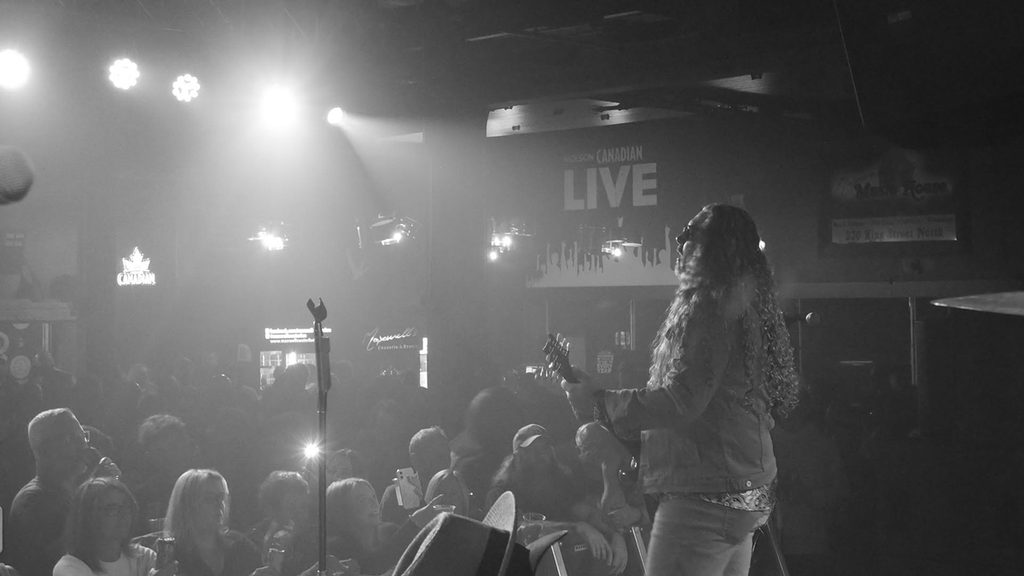
Every mid-sized city eventually settles on one or two venues that become the automatic answer when someone asks where to see a show, and in Waterloo, that answer has been Maxwell’s for over a decade.
It got there not by specializing in one genre or one type of event, but by building a room, quite literally with movable garage doors, that could say yes to almost anything: a sold-out reunion tour, a Tuesday night acoustic set, a wedding reception, a hardcore festival, or a rally against hate in the community.
That flexibility, paired with a location that puts sixty thousand university students and the region’s biggest annual festival crowd within walking distance, is the actual engine behind the venue’s staying power.
The touring acts who keep coming back, the fans who fly in from overseas for a single show, and the booking calendar that already stretches far int the future all point to the same conclusion. Maxwell’s did not just find a gap in the Waterloo Region market and fill it. It built the kind of room that made touring bands stop looking at the city as something to drive past on the way to somewhere bigger.