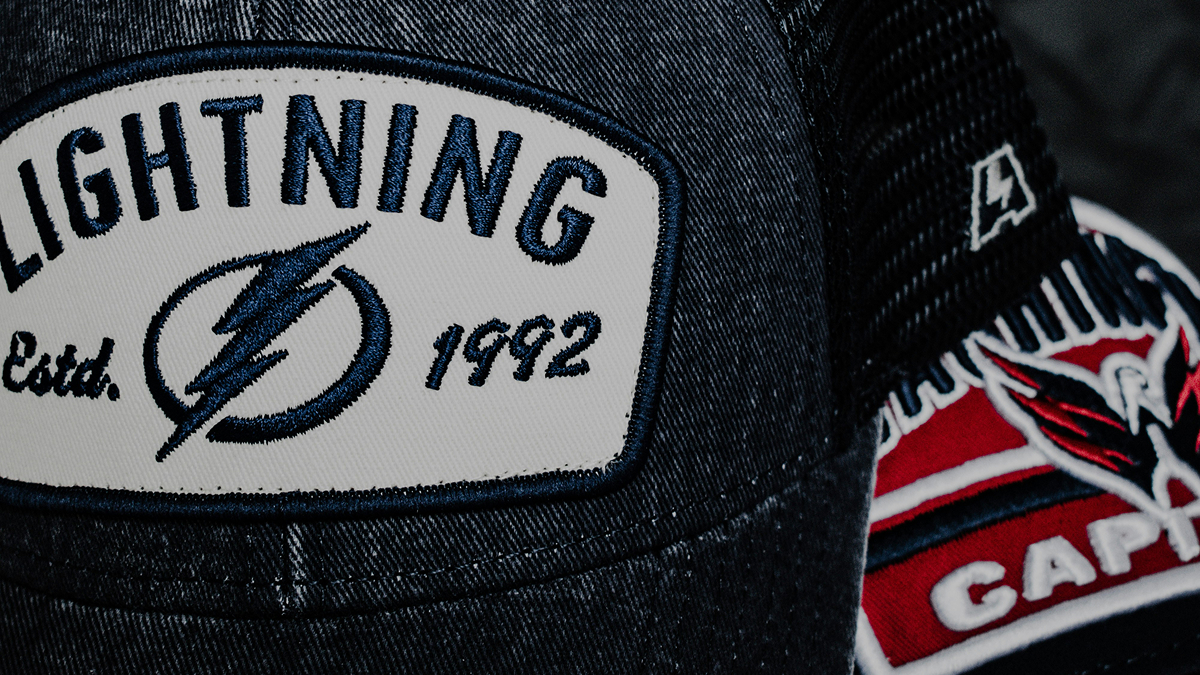
The first Cardinals got their name from a batch of old jerseys. Chris O’Brien, whose football club played on the South Side of Chicago, acquired used University of Chicago tops that had faded from maroon. He saw cardinal red in the cloth, and the name followed the team long after those jerseys wore out.
NFL team names come from local industries, earlier sports teams, public contests, regional history and the occasional word somebody happened to see at home.
That word might have been on a stove in Cincinnati or on the side of a packing plant in Green Bay. These are the naming stories of all 32 current NFL teams from the people who made the original choices to the cities that gave old names a second meaning.
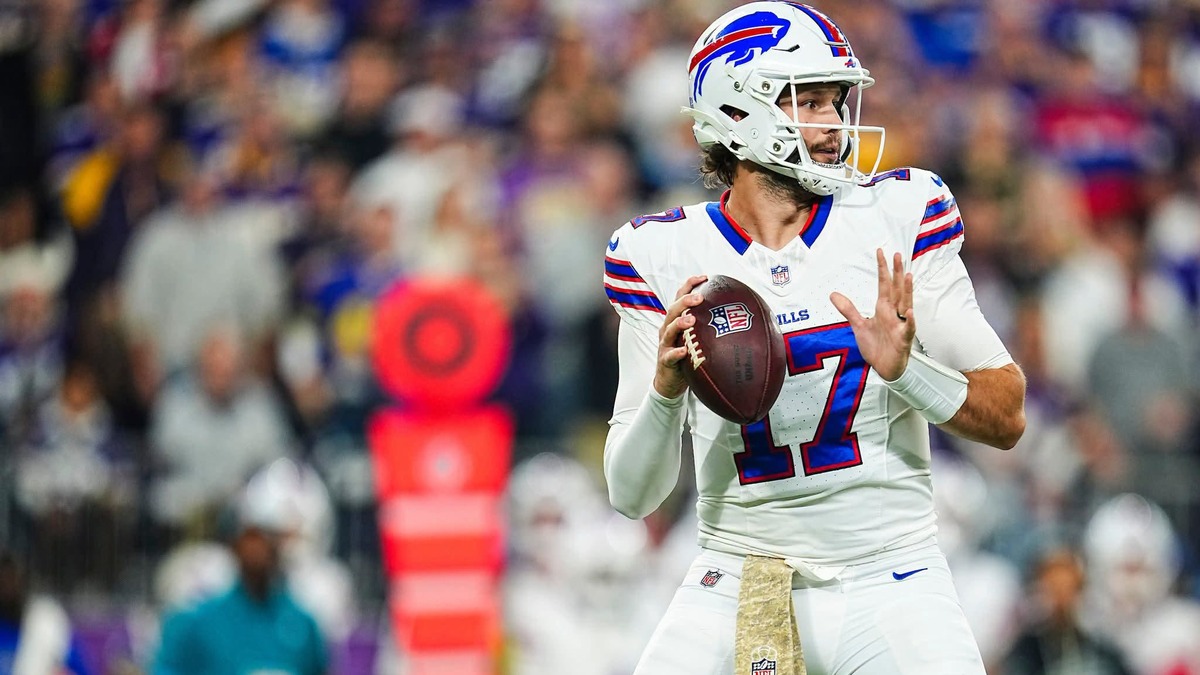
Buffalo Bills: A Frontier Oil Company Contest Borrowed Buffalo Bill Cody’s Name
Ralph Wilson chose Buffalo Bills for his new American Football League club in 1959, but the word had already been on a football schedule in the city.
Buffalo’s team in the All-America Football Conference began as the Bisons in 1946. Its owner, James Breuil of the Frontier Oil Company, ran a contest the following year and adopted a name drawn from the frontier associations of Buffalo Bill Cody.
Cody had worked as a scout and became famous far beyond the West through his touring Wild West show. The nickname Buffalo Bill was already a familiar expression, which made it easy to turn around and use for a team in Buffalo. Breuil also had a business whose name made the frontier connection especially convenient for him.
The Bills’ own account distinguishes Breuil’s decision from Wilson’s. The first Bills disappeared with the AAFC after the 1949 season.
Wilson brought back the name for a new club that began play in 1960. A person who had watched football in Buffalo in the late 1940s could therefore recognise the name even though the organization behind it had changed.
The familiar bison on the helmet adds another turn to the story. It directs the eye back to the city and the animal that had figured in the first team’s original name. Bills remembers the showman and the team that borrowed from him.
The bison makes the geography readable again. The current identity contains pieces of both decisions Breuil made before Ralph Wilson had a franchise of his own.
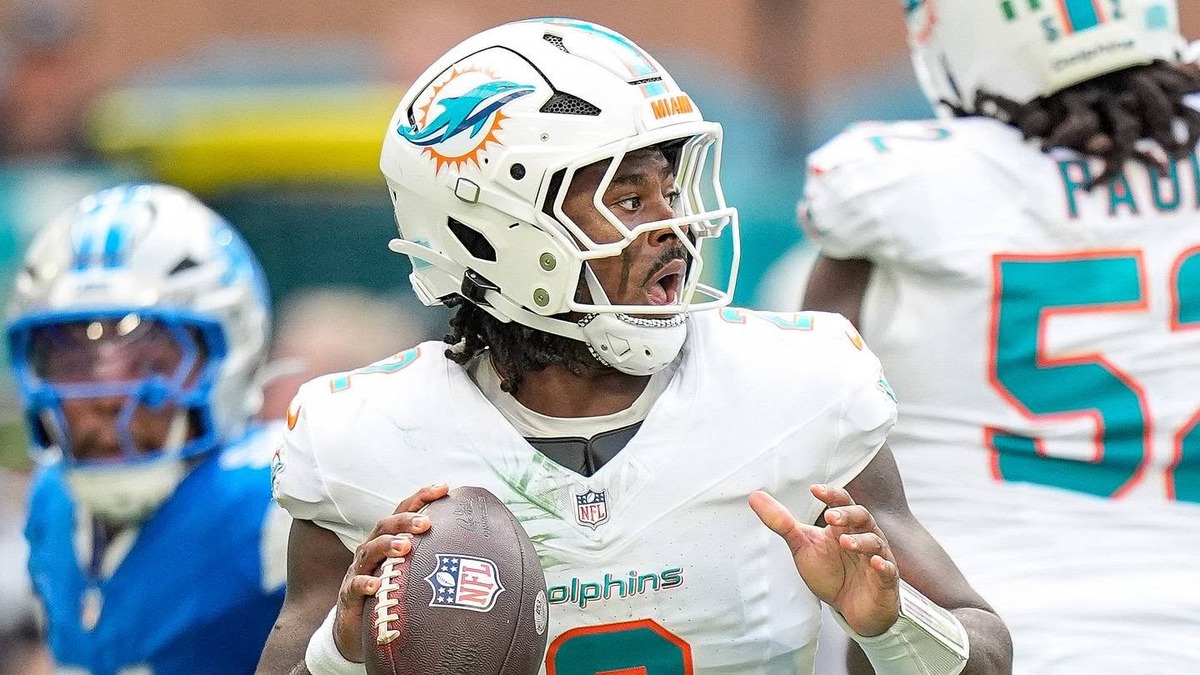
Miami Dolphins: Dolphins Appeared on 622 of 19,000 Entries in Miami’s Naming Contest
When Miami put out the call for a name for its new AFL team, more than 19,000 entries came in. Dolphins appeared on 622 of them. The name fit South Florida’s waters, and owner Joe Robbie liked the combination of quickness and intelligence he associated with the animal.
Miami announced the decision on October 8, 1965, ahead of the team’s first season the following year. The club’s media guide records the contest, including the lifetime passes awarded to the winning entrant.
The number of people who offered Dolphins helps explain how readily the word made sense in the city. Fans and ownership could arrive at the same answer through slightly different reasoning.
The design turned that connection into a picture. A dolphin in motion could look natural against a sunburst, and the early addition of a football helmet made the animal part of the game rather than just a sign of life offshore. The sun and the animal did almost as much geographical work as the word Miami.
The contest had found a name that could explain itself at a glance.
The AFL was putting clubs in places that had little established major-league football identity. Miami could have borrowed a name from an older local team or followed the more general fashion for fast animals.
Its contest supplied a creature people associated with the coast, and Robbie supplied a reason it belonged to an athletic team. The club has redesigned the dolphin over the years, but the most recognisable pieces of the idea were in place before it played a down.
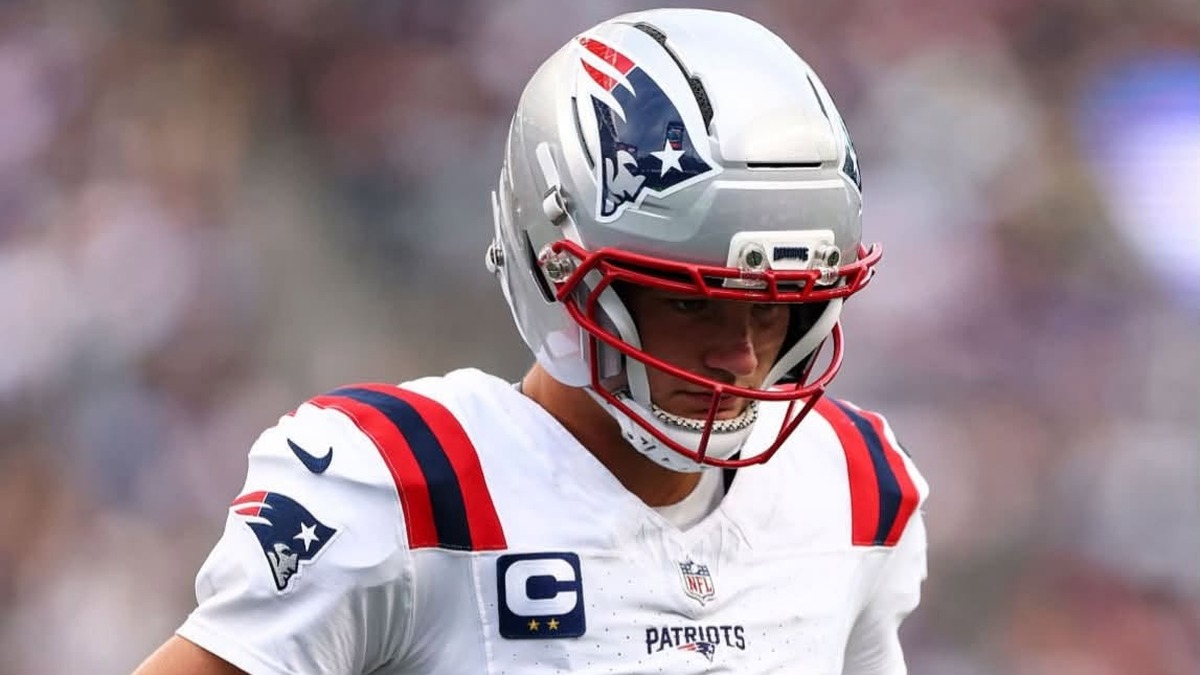
New England Patriots: Fans Picked Patriots in Boston; Foxborough’s Move Added New England
The Patriots began as a Boston team. William H. Sullivan Jr., generally known as Billy, led the group that received the last of the AFL’s original franchises in 1959.
Fans were invited to send in names, and dozens of them independently proposed Patriots. Boston had plenty of associations with the American Revolution, and the name made that history available to the football team without requiring a longer explanation.
The club’s uniform history preserves the contest and the next important step in the name’s development. Boston Globe cartoonist Phil Bissell drew a Revolutionary War figure in game programmes. The character acquired the name Pat Patriot, and Sullivan adopted an image of him bent over the football as the club’s logo in 1961.
The geographical part changed when the team prepared to move to Foxborough in 1971. It briefly pursued Bay State Patriots, then settled on New England Patriots.
That widened the territory the club claimed and kept the word that had already accumulated a decade’s worth of associations. A patriot in a Revolutionary War uniform could belong just as easily to a wider regional identity.
The adjustment is a useful reminder that the name people remember has two parts of different ages. Patriots is the contest choice from the first years of the AFL.
New England came from a practical change in where the team would play and whom it could represent. Pat Patriot, a character drawn to fill space in a Boston game programme, gave those two versions a face they could share.
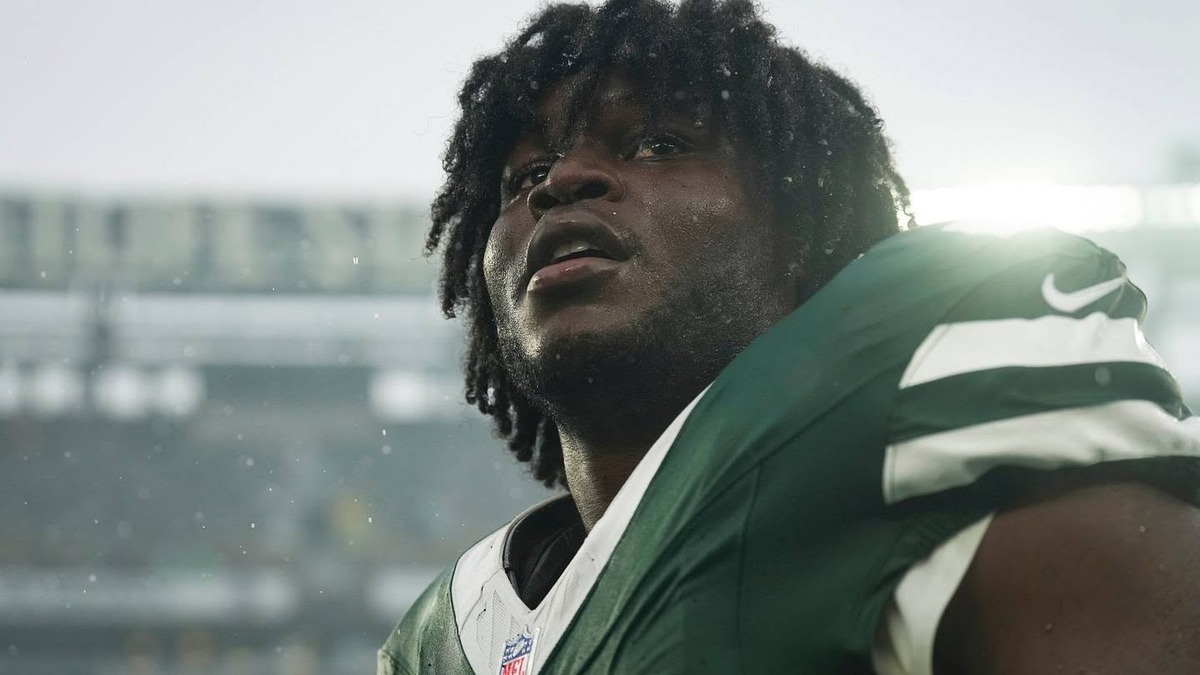
New York Jets: Sonny Werblin Swaps the Titans for a Jet-Age Name Near LaGuardia
Before the Jets, there were the Titans of New York. Harry Wismer’s AFL club played at the Polo Grounds, and the large name suited a team presenting itself alongside the established New York Giants. In 1963, a group led by David “Sonny” Werblin took over the struggling franchise and chose a new identity.
Jets sounded contemporary in a period when commercial jet travel was changing how people moved around the country. The team was also preparing to play at Shea Stadium in Queens, close to LaGuardia Airport. The new name therefore had an association with both a specific location and the forward-looking image Werblin wanted for the club.
The Pro Football Hall of Fame’s team history puts the name change alongside other decisions made by the new owners, including hiring Weeb Ewbank. It was a genuine break with the way the Titans had been presented, with a change from the original navy and gold to green and white as well as the shorter name.
Jets had a bonus when spoken alongside New York’s baseball team, the Mets, which would share Shea. The two names were easy to distinguish and easy to place together. The football club carried the word after leaving Queens, and it survives without a stadium beside an airport.
The immediate landscape helped make the decision intelligible in 1963. Werblin’s group had also found a name with a general sense of speed that stayed useful long after the first reason for it changed.
The syllable the two teams shared was one more small convenience of the new setting.
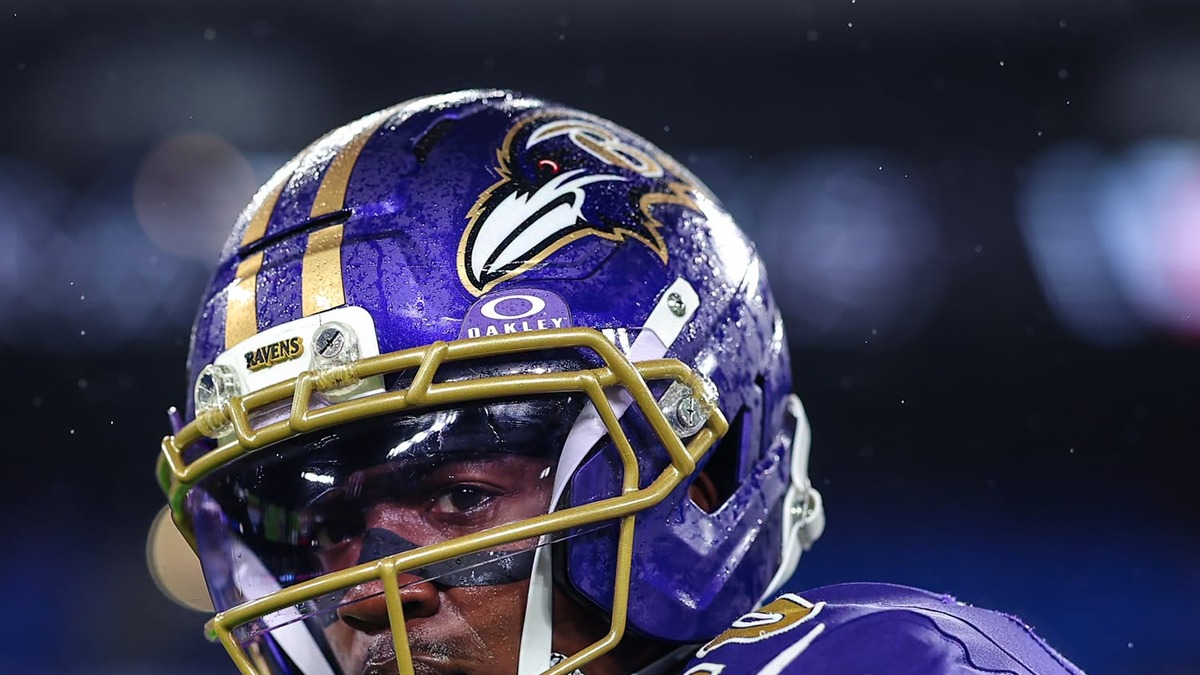
Baltimore Ravens: Fans Vote for Poe’s Raven After Baltimore Loses the Colts Name
Baltimore had been without an NFL club for more than a decade when football returned in 1996. Colts already belonged to the team that had moved to Indianapolis. The new Baltimore organization needed a name, and it found one through a public process that drew on one of the city’s best-known literary associations.
A telephone survey helped narrow the field to Ravens, Marauders and Americans. In a subsequent poll run by the Baltimore Sun, Ravens prevailed by a wide margin. The club’s account of the naming dates the announcement to March 29, 1996, and gives the fans a direct part in the result.
Edgar Allan Poe’s The Raven supplies the bird. Poe lived in Baltimore for a period, died in the city and is buried there.
His connection to Baltimore gave the poem a civic meaning even among readers who had encountered it elsewhere. The team could take a word from a work already widely known and let the city’s connection to its author explain why this particular bird belonged there.
The name gave the team a dark, recognisable animal and a reference unusually specific for professional football. It also provided a way for Baltimore’s new club to develop its own history at the same time the Browns’ name and past stayed with Cleveland.
The Ravens began with a deliberate vote about what people in Baltimore wanted to call their team. The answer was a bird most of them could have named long before it appeared on an NFL helmet.
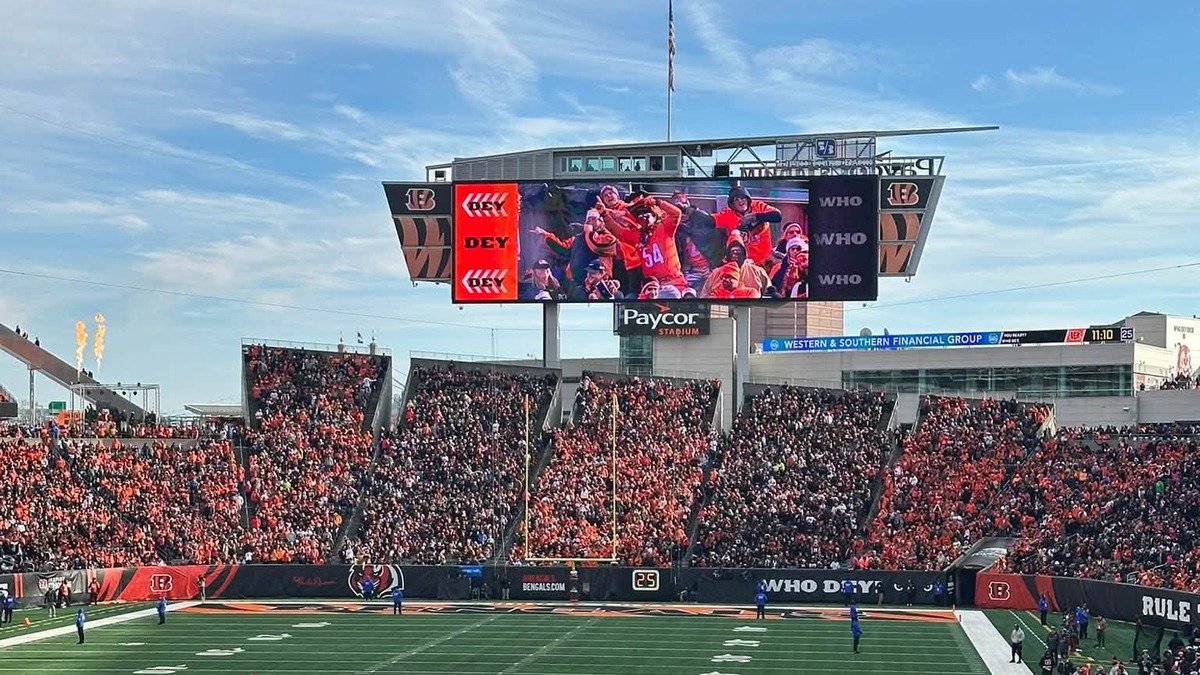
Cincinnati Bengals: Paul Brown Revives a 1937 Team’s Name Inspired by a Stove
Paul Brown wanted his Cincinnati expansion team to have a connection to the city’s earlier professional football. He chose Bengals, the name used by a club Hal Pennington formed in 1937.
Brown’s Bengals began AFL play in 1968. Those two decisions, three decades apart, are what link the current team to a much smaller operation.
Pennington gave a wonderfully ordinary account of where the earlier name came from. He remembered seeing Bengal on his mother’s stove and thinking the name would work for his team. WCPO’s archival account preserves his recollection. The story comes from Pennington himself, and Brown’s reason for choosing the name is separately recorded in the Pro Football Hall of Fame’s history of franchise nicknames.
That makes this a name about local continuity before it is a name about a tiger. Brown did find an animal the team could use.
The stripes eventually gave Cincinnati an unmistakable helmet. His immediate reason for taking the word, though, was that people had already watched a professional football team called the Bengals in the same city.
The tiger gave the borrowed name a shape the newer club could use independently.
The name acquired a new weight with Brown, who had previously helped create the Cleveland Browns. In Cincinnati he used a word with a history that preceded him.
A stove gave Pennington a possible name in the 1930s, Pennington gave Cincinnati its first Bengals and Brown gave the word a second life in the AFL and then the NFL. The most familiar stripes in the story came later.
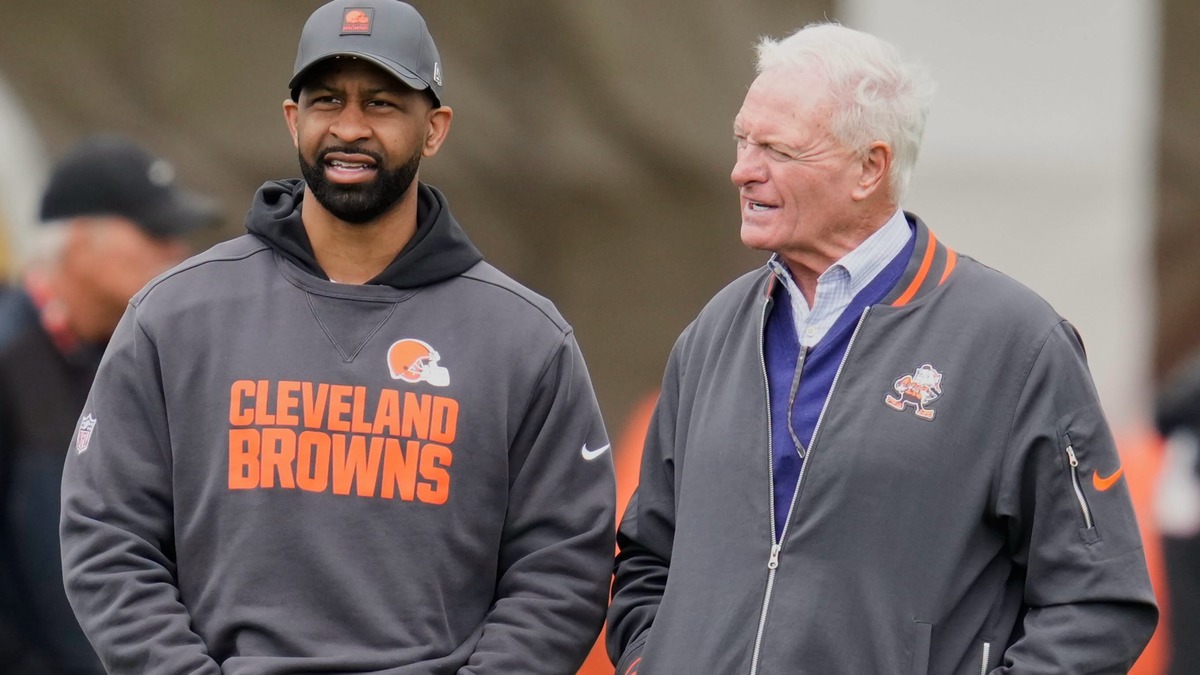
Cleveland Browns: Fans Named the Team for Coach Paul Brown After a 1945 Contest
Arthur McBride invited Cleveland fans to name his All-America Football Conference team in 1945. The result pointed toward a person they already knew.
Paul Brown had coached successful teams in Ohio, including at Massillon and Ohio State, and was to be the new club’s coach and general manager. Browns was the most popular entry.
There was a detour. Brown was reluctant to have the team named for him, and Panthers was briefly considered.
It had been used for earlier professional football in Cleveland, and the name carried complications of its own. The club went back to Browns and began play under that name in 1946.
The temporary alternative makes the result look less settled than it does in hindsight.
The Browns’ media guide addresses a second account connecting the name to heavyweight boxer Joe Louis, known as the Brown Bomber. The team records the fan contest and Paul Brown’s local reputation as the basis for the name. The boxer story is worth distinguishing because the club’s reluctance to use the coach’s name helped create room for another explanation.
Cleveland eventually kept the Browns name through an unusually consequential separation. When Art Modell’s football operation went to Baltimore in the 1990s, the Browns name, colours and records stayed in Cleveland for the return of the team in 1999.
The founder who sought suggestions in 1945 could have selected an animal or a local landmark. The fans offered him a coach’s surname, and it came to stand for a club even when the club itself had to be put back together.
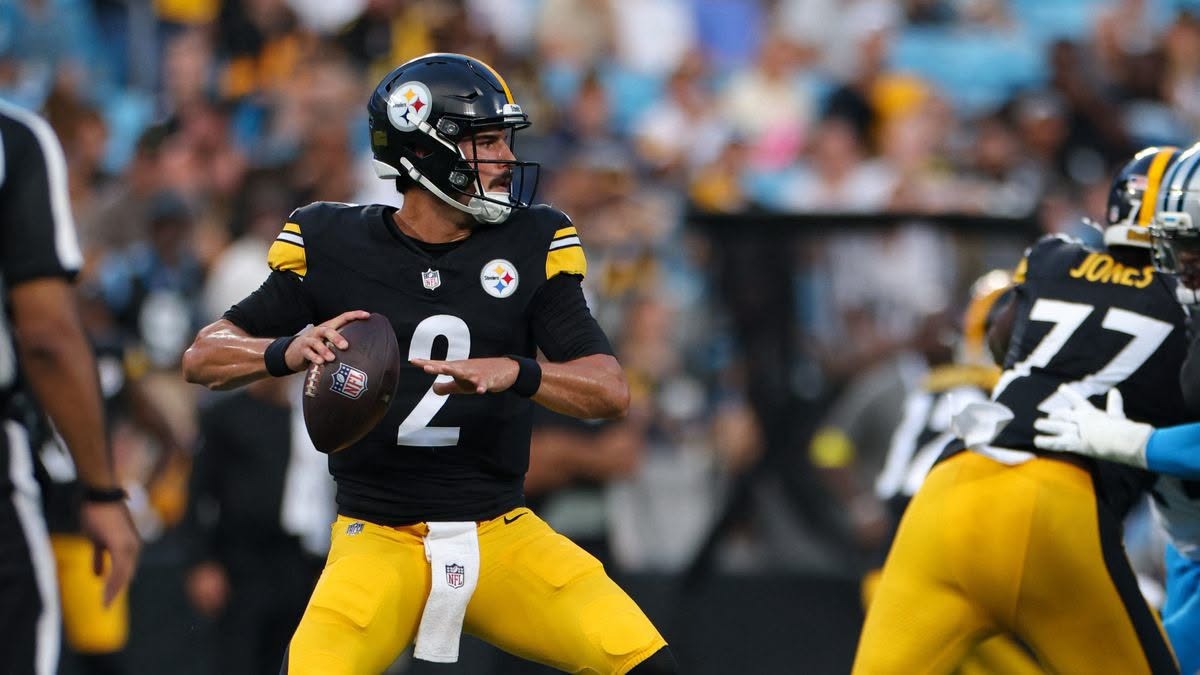
Pittsburgh Steelers: Art Rooney Drops the Pirates Name for One Built on Steelmaking
For its first seven seasons, Art Rooney’s football club borrowed from the Pittsburgh Pirates. Sharing a name with the established baseball team was common in the early NFL, and it gave Rooney’s franchise a word people already associated with Pittsburgh. In 1940 he gave the football team a name of its own.
A contest produced thousands of suggestions. Steelers was proposed by more than one entrant, and Rooney made it the final choice.
The people who suggested it had found a direct connection to the mills and to the work that made Pittsburgh famous. Steelers could stand for the people who made steel as well as the team taking the field on their behalf.
The Steelers’ museum account traces how the industry remained part of the club’s identity beyond the initial change. Years later the team adopted a version of the steel industry’s Steelmark, using the three coloured shapes that now appear on the helmet.
That symbol came later than the contest. The name had already established the relationship that made the mark a reasonable thing to borrow.
Pittsburgh still has a team called the Pirates, which makes the distinction Rooney created especially easy to see. The baseball name remained where he had found it, and the football team got a word that could describe a worker as readily as a player.
The club’s identity has outlasted much of the industrial landscape that made the contest answer so obvious in 1940. It still carries that history in a word people use without having to think about how the steel was made.
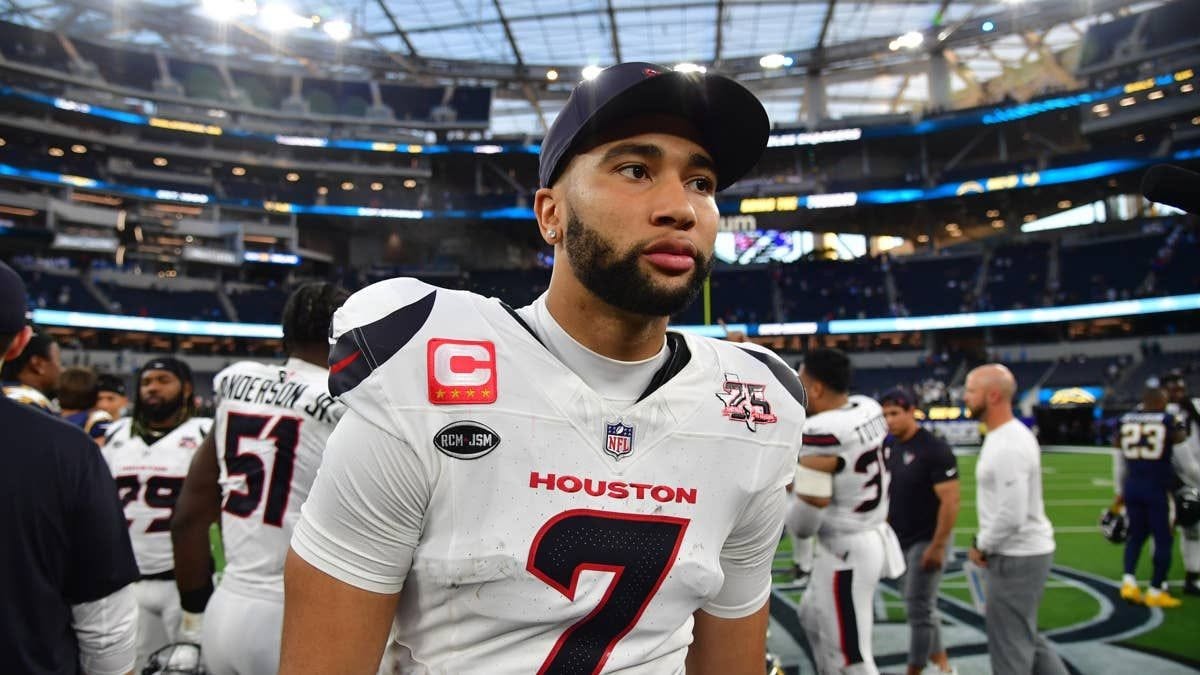
Houston Texans: Bob McNair Picks Texans From a Shortlist After the Oilers Leave
Bob McNair had a new team for Houston and a state full of possible names. The NFL awarded the city an expansion franchise in 1999, after the departure of the Oilers. Research with NFL Properties and feedback from focus groups put Apollos, Bobcats, Stallions, Texans and Wildcatters on the public shortlist.
That list contained several different answers to the same question. Apollos would point to the space programme, Wildcatters toward the oil business, and Texans to a much larger geographical identity.
The group narrowed the field to Apollos, Stallions and Texans. On September 6, 2000, McNair announced Houston Texans at a rally in the city.
The team’s account of the selection shows that Texans emerged from research and deliberation, with the final decision made by the club. The word also had a prior life in professional football.
Lamar Hunt’s Dallas Texans had started in the AFL in 1960 and changed names when they moved to Kansas City. Houston gave the name a permanent place in a different part of the state.
The horned logo worked the state’s colours and lone star into an outline that could sit on a football helmet. It made Texas visible even where the full team name did not appear.
A club looking for a name after the Oilers had gone could have chosen another expression from the same industry. Texans offered a wider identity, with Houston in the first half of the name and the rest of the state in the second.
The two words let the city and state share the same introduction.
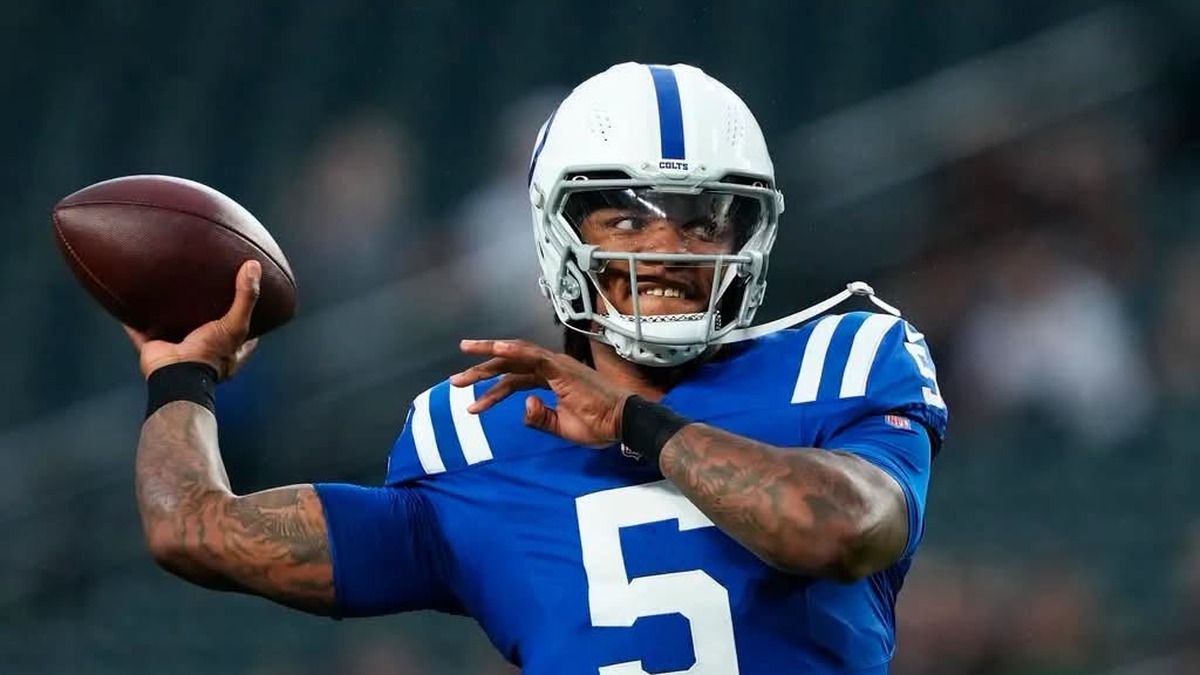
Indianapolis Colts: Charles Evans’s 1947 Baltimore Contest Entry Followed the Team to Indiana
Colts is an Indianapolis name with a Baltimore reason. In 1947 a group led by Bob Rodenberg brought the Miami Seahawks of the All-America Football Conference to Baltimore. A contest chose Colts for the relocated club, and Charles Evans of Middle River, Maryland, was the winning entrant.
A colt is a young male horse, and Baltimore had a ready connection to horse breeding and racing. The city’s Pimlico Race Course is the longtime home of the Preakness Stakes. That background gave the name a reason to be used in Baltimore in particular and a natural image to put on a football uniform.
The first Baltimore Colts survived through the 1950 season and folded. A new NFL franchise began play in Baltimore in 1953 and revived the name.
The Colts’ team history distinguishes the two clubs and records the original contest. When Robert Irsay moved the later team to Indianapolis in 1984, he brought the Colts name with it.
Indianapolis inherited a name that had already survived the disappearance of the team that first wore it. The horseshoe on the helmet made the animal clear in the new city without requiring a viewer to know anything about racing in Maryland. The word had been a local choice when Charles Evans proposed it.
By the time it reached Indiana, the franchise’s football history was as much a part of its meaning as the regional tradition that inspired the suggestion. That is why the oldest explanation of the Indianapolis name begins with a Baltimore contest.
Jacksonville Jaguars: Jacksonville Picked Jaguars in 1991, Before It Even Had a Team
Jacksonville was choosing a team name before it knew it had an NFL team. Touchdown Jacksonville, the group promoting the city’s expansion bid, held a contest in 1991.
A panel drawn from the organization, local media and the mayor’s office selected Jaguars. The league awarded Jacksonville a franchise in 1993, and the team began play in 1995.
The name had a specific local connection. The Jacksonville Zoo housed a jaguar described at the time as the oldest in North America.
The animal also supplied the strength and speed the organizers wanted a football team to suggest. Both reasons are recorded in a federal court opinion on an early logo dispute, which drew on declarations about the original decision.
That lawsuit arose after the automaker Jaguar objected to aspects of the club’s proposed branding. It left an unusually detailed public record of how a team decided what to call itself. The organizers were already using the words Jacksonville Jaguars during the expansion bid and had applied for a trademark in December 1991, while the team still existed as a proposal.
Other possibilities included Sharks and Stingrays, names that would have tied Jacksonville more directly to the water. Jaguars could use a local animal in a different way. The animal itself came from outside Florida, and the particular one people could associate with the city lived at its zoo.
The expansion bid gave that connection an audience before there was an NFL game to attend. The name was already waiting when the team finally arrived.
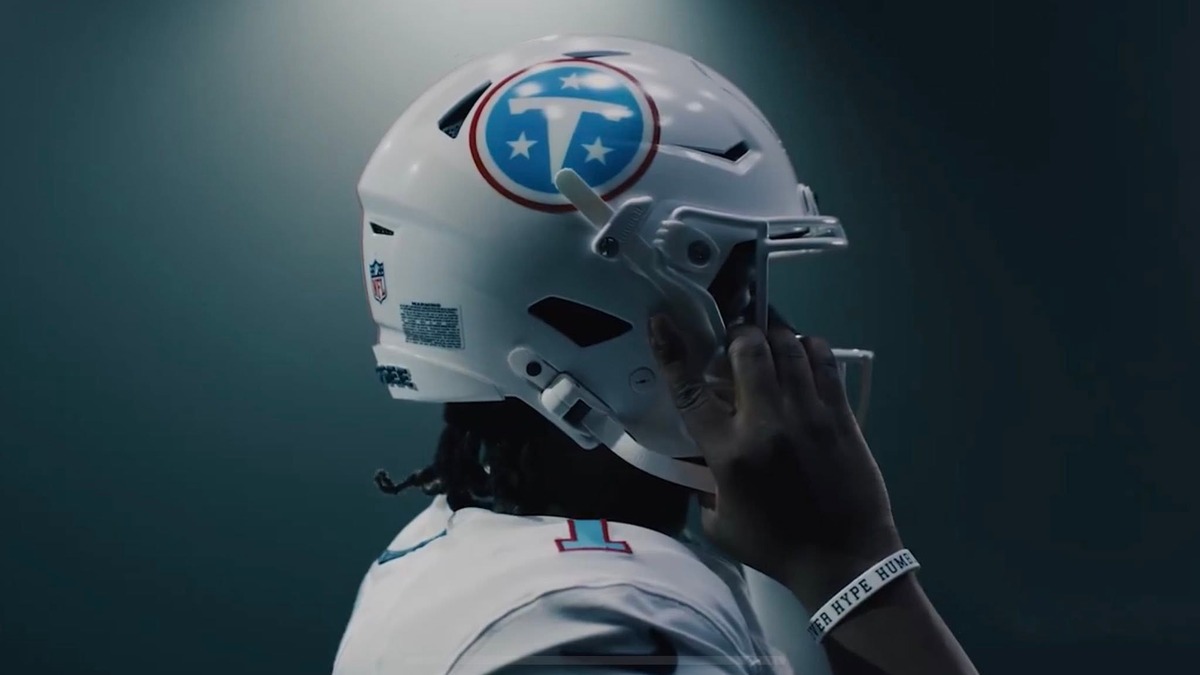
Tennessee Titans: The Oilers Became Titans Through Nashville’s Athens of the South Image
The Houston Oilers kept their name for two seasons after moving to Tennessee. They played in Memphis in 1997 and in Nashville in 1998. The name had been right for an AFL team in Houston, and it carried a great deal of football history, but Bud Adams wanted an identity that made sense for the franchise’s new home.
Adams formed an advisory committee of Tennesseans in 1998, and the club also solicited input through a contest asking fans to guess the next name. Titans was announced that December and became official for the 1999 season. The franchise history records the stages of the change, from Adams’s decision to the announcement.
Titans had two advantages. The figures of Greek mythology supplied an image of power, and Nashville’s longstanding description as the Athens of the South gave the word a local route into that mythology. The statewide Tennessee label remained in place, even though the particular cultural association came from Nashville.
The new identity could carry signs of continuity and separation at the same time. The team retained a version of the lighter blue familiar from the Oilers, but its name and emblem pointed somewhere else.
The Oilers had been named for a kind of work people associated with Houston. Titans came out of a decision to look at what a different city already called itself and follow that description to its source.
Tennessee was home before the word Titans arrived. After the change, both halves of the name could be explained from there.
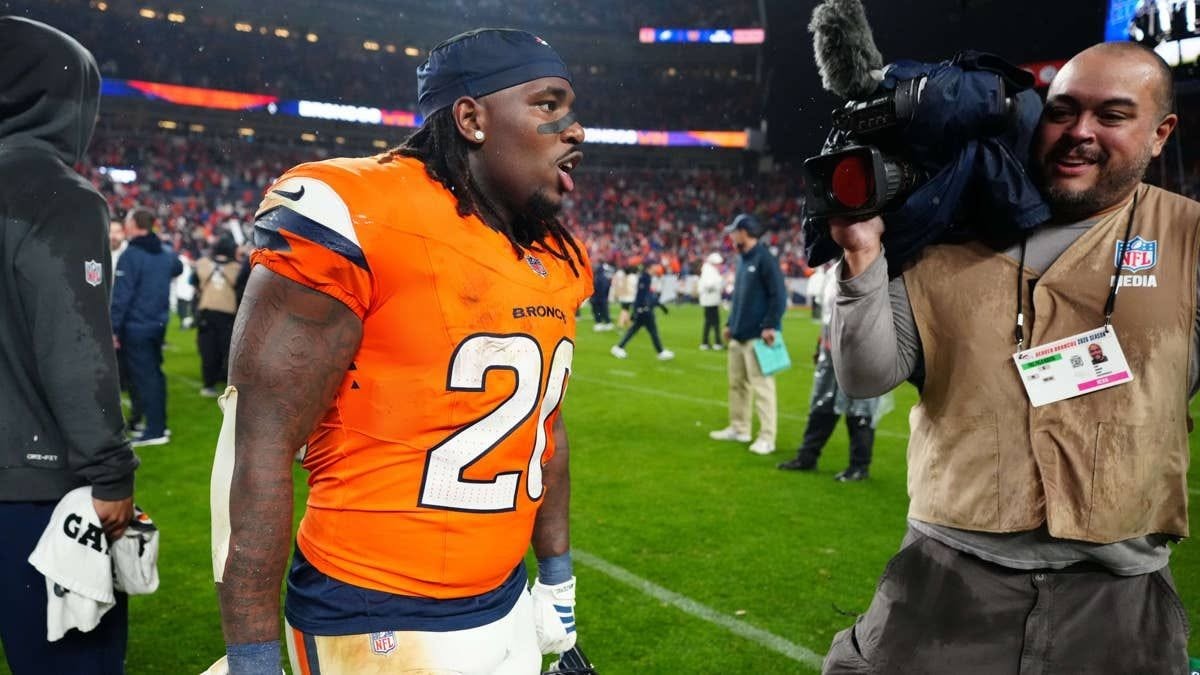
Denver Broncos: Ward Vining Suggested Broncos in January 1960 Out of 500 Entries
Ward M. Vining of Lakewood, Colorado, suggested Broncos in a contest for Denver’s AFL team in January 1960.
The new franchise considered about 500 entries. The word evoked the horses and rodeo culture of the American West and could be put beside Denver without asking a new football audience to learn a story first.
The Broncos’ media guide also points out a local precedent. A Denver baseball team in the Midwest Baseball League had used Broncos in 1921.
Vining’s suggestion brought the word back into a Denver lineup almost four decades later. The available record establishes that both teams used it, while the entry itself is enough to explain the football club’s immediate source.
A bronco suggests an untamed or bucking horse, a more specific image than the word horse on its own. That gave the team plenty of room to show the animal in motion. Early Denver uniforms looked quite different from the orange and blue that followed, but the word had already given the club a figure its designers could return to.
The horse gave the new team a subject for a crest as well as a name.
The Broncos were one of several AFL teams that turned to a public contest in the league’s first years. Denver’s choice is a good example of how that process could recover a useful old name as easily as it invented a new one. A name that had once applied to baseball came to stand for a football team, and the geographical association was broad enough to survive the change in sport.
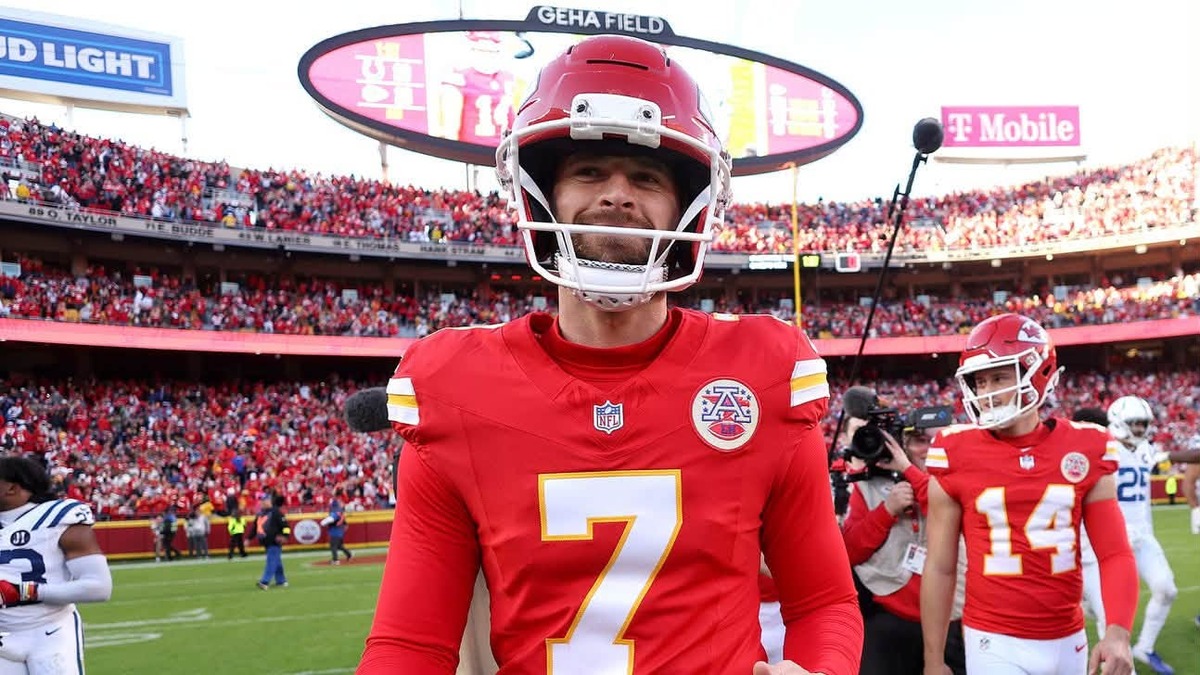
Kansas City Chiefs: Mayor H. Roe Bartle’s Nickname Named Lamar Hunt’s Team After the Move
Lamar Hunt had a team named for Texas when he moved his Dallas Texans to Missouri in 1963. Kansas City mayor H. Roe Bartle had helped persuade him to make the move. Bartle was widely known as Chief, and the nickname was behind the new name Hunt’s franchise adopted in Kansas City.
The Chiefs’ account of the origin connects Bartle’s nickname to his work in Scouting. The team also solicited public suggestions after the move. The mayor’s role in bringing the club to town made Chiefs a way of recognising a specific person even as the word brought a broader set of associations along with it.
That distinction matters when you look at the team’s visual identity. The arrowhead made Indigenous references a visible part of the brand, although the naming decision itself came through Bartle.
His Scouting activities had already borrowed Indigenous imagery and language. The story leads from the name on the helmet to the civic nickname and then to the setting in which Bartle had acquired it.
Hunt’s team carried some pieces of its earlier identity over from Dallas, including its red colours, while the new name marked a clear departure from the place it had left. Texans would have put the previous home in every reference to the club.
Chiefs gave it a local story almost as soon as it arrived. The mayor had helped bring a football team to Kansas City, and his own nickname became the part of the new identity people could carry into any stadium.
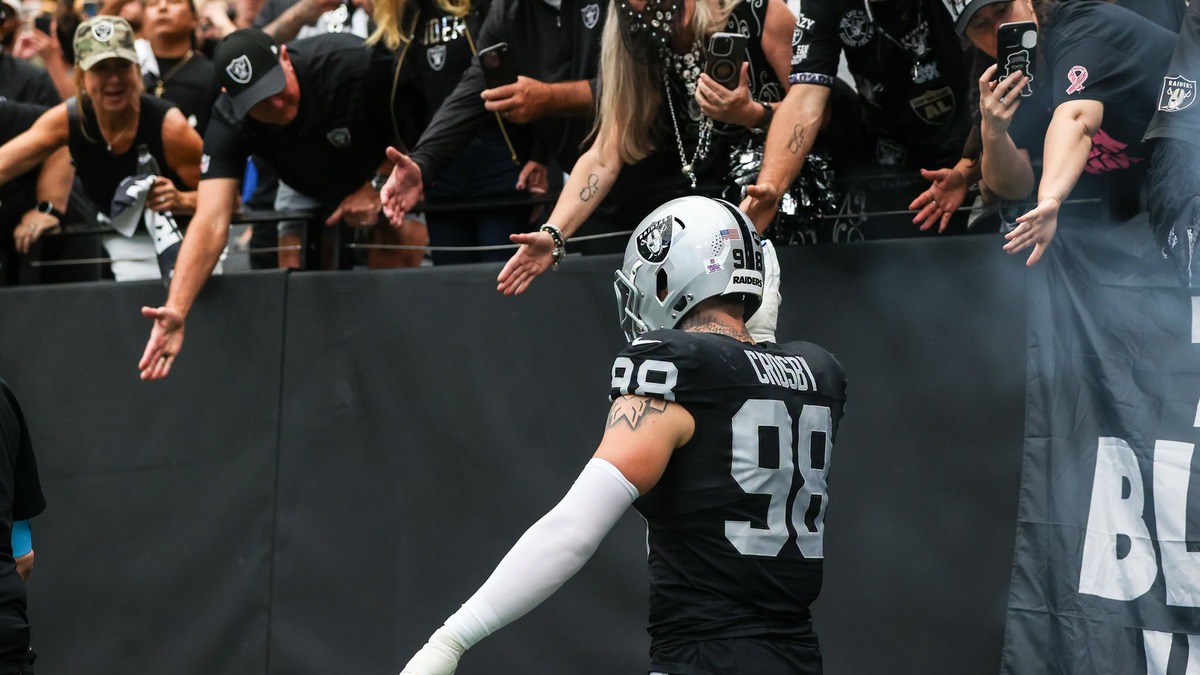
Las Vegas Raiders: Oakland Dropped the Señors Name Before Its First Season, Choosing Raiders
For a short time in 1960, the new Oakland AFL club was called the Señors, also printed without the accent. The decision drew ridicule, and it was reversed before the first season. Raiders became the official name, with co-owner and general manager Chet Soda and his partners responsible for the new team at the time.
The Pro Football Hall of Fame’s account leaves some uncertainty about precisely who first proposed Raiders. It credits the probable decision to the ownership group.
What can be traced clearly is the sequence. A short-lived name was announced, the team quickly changed course, and Oakland went into its first AFL season with a word that had more readily understood possibilities for a football team.
The later shield and helmet put a face to the name, with an eye patch and crossed swords providing the suggestion of a raider. Those details were easy to recognise even without a reference to the city. The silver-and-black colours that became familiar under Al Davis strengthened the visual identity that could travel with the word.
The club eventually went from Oakland to Los Angeles, back to Oakland and on to Las Vegas. In each move the city name changed and Raiders stayed in place. That is a long life for a word selected in the rush to replace a short-lived first choice.
The evidence for the first proposer is thinner than the history of the logo and the relocations. The speed of the correction is still part of what makes the name’s endurance striking.
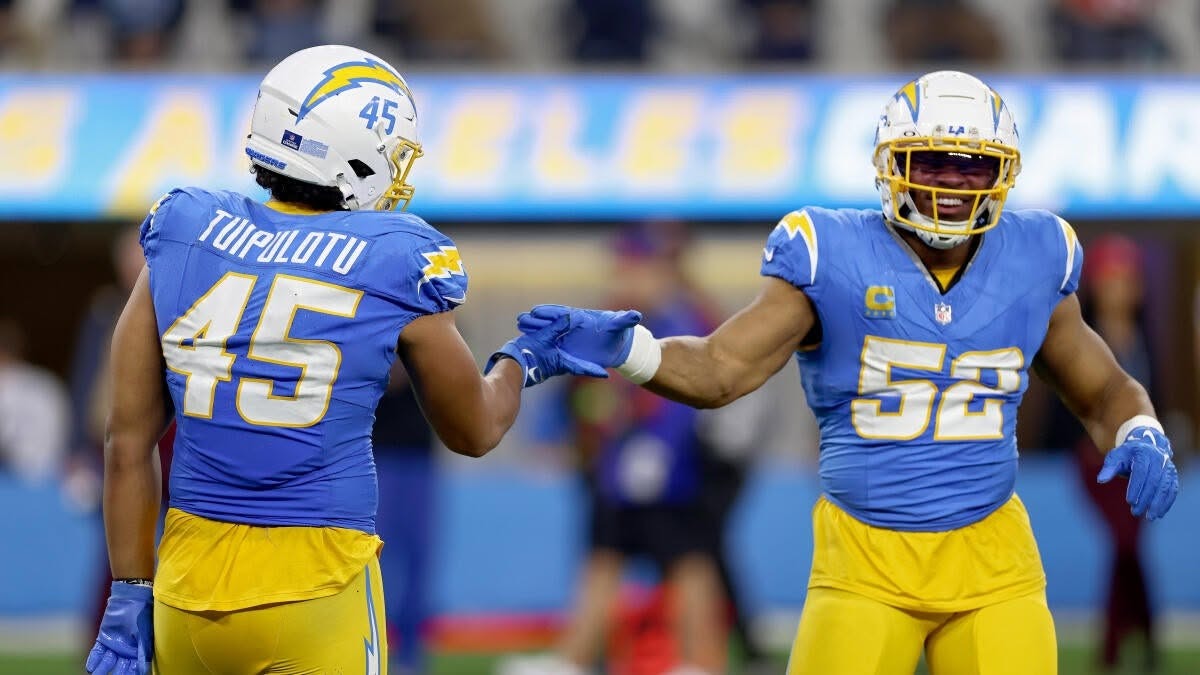
Los Angeles Chargers: Barron Hilton Chose a Contest Name With a Stadium Bugle Call
Barron Hilton’s new AFL team needed a name for Los Angeles in 1959. A public contest supplied Chargers, and the club recognised a Hollywood entrant surnamed Courtney for submitting it. The name worked especially well for Hilton because he associated it with the call of Charge at sporting events, followed or prompted by the sound of a bugle.
The Chargers’ historical chronology connects the choice to football at the Los Angeles Coliseum. It also records the trip that went to the winning entrant.
This was an unusual contest answer because it came with a sound already built in. People in a stadium knew what the call was asking them to do.
The word had other visual possibilities too. Early Chargers imagery included a horse, which makes sense for the older meaning of charger as a horse ridden in battle.
The lightning bolt gave the team another way to show force and speed. That is the interpretation that endured on the helmet, even though the naming story is usually told with a bugle rather than a bolt.
Los Angeles had the Chargers for their first season, San Diego had them for more than half a century and Los Angeles got them back in 2017. The word could move between the two cities because the original association was with action in a stadium, something either place could use. The bolt now makes the name instantly readable, and the contest explains why a football crowd’s own sound was part of its appeal from the beginning.
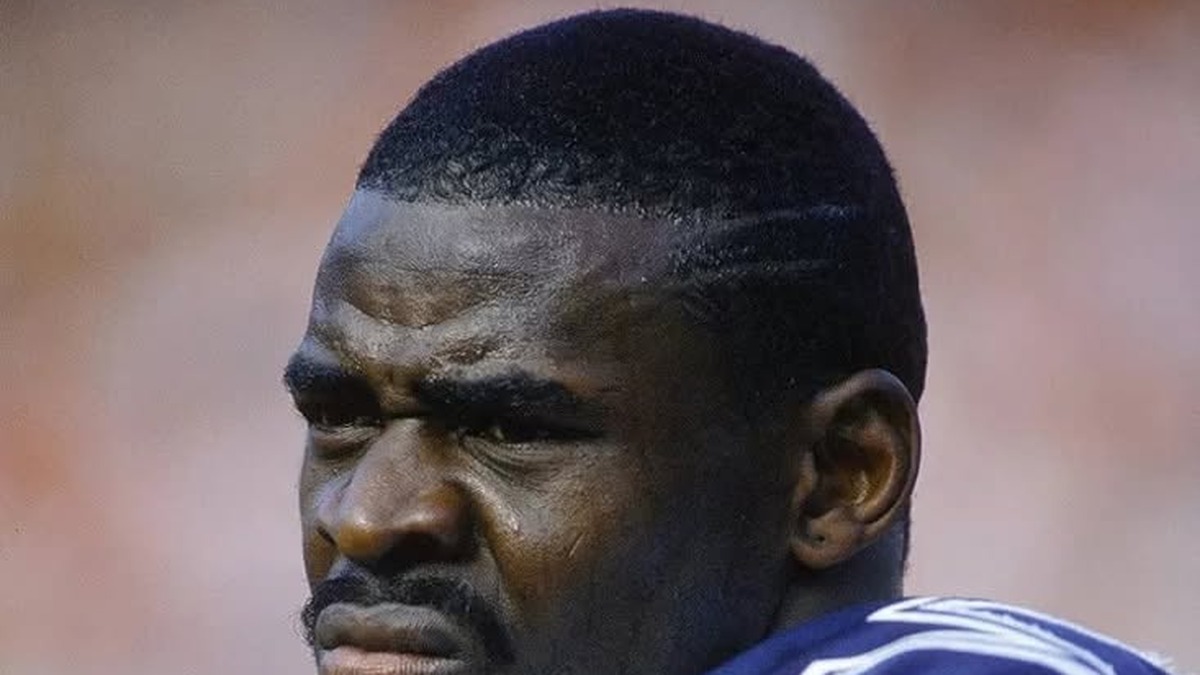
Dallas Cowboys: Steers and Rangers Fell Away Before Owners Settled on Cowboys
Dallas went through two names before its NFL team played a regular-season game. The project was first known as the Steers.
It then became the Rangers, which sounded at home in Texas until a more immediate problem presented itself. A baseball team in Dallas was already using the name Rangers and decided to play another season.
Owners Clint Murchison Jr. and Bedford Wynne settled on Cowboys. The Pro Football Hall of Fame’s account connects their decision to the need to distinguish the new football team from the baseball club. Cowboys kept the western association the earlier choices had suggested and could be used on its own without causing people to ask which Dallas Rangers they meant.
The new name also shifted the subject. A steer is an animal, a ranger is a figure with a Texas law-enforcement association, and a cowboy evokes the people who handled cattle and the western stories built around them.
Each choice could have made geographical sense. The one that survived gave the team an identity with room for both a regional history and a widely understood character.
The star on the helmet supplies the Texas connection in a more economical way. It can be read without a drawing of a cowboy, which made the word and symbol useful separately. The team entered the league in 1960 with a name it could make its own, after sharing a draft version with baseball had proved too awkward.
There would eventually be a much more famous baseball team called the Texas Rangers. By then the football name was firmly settled.
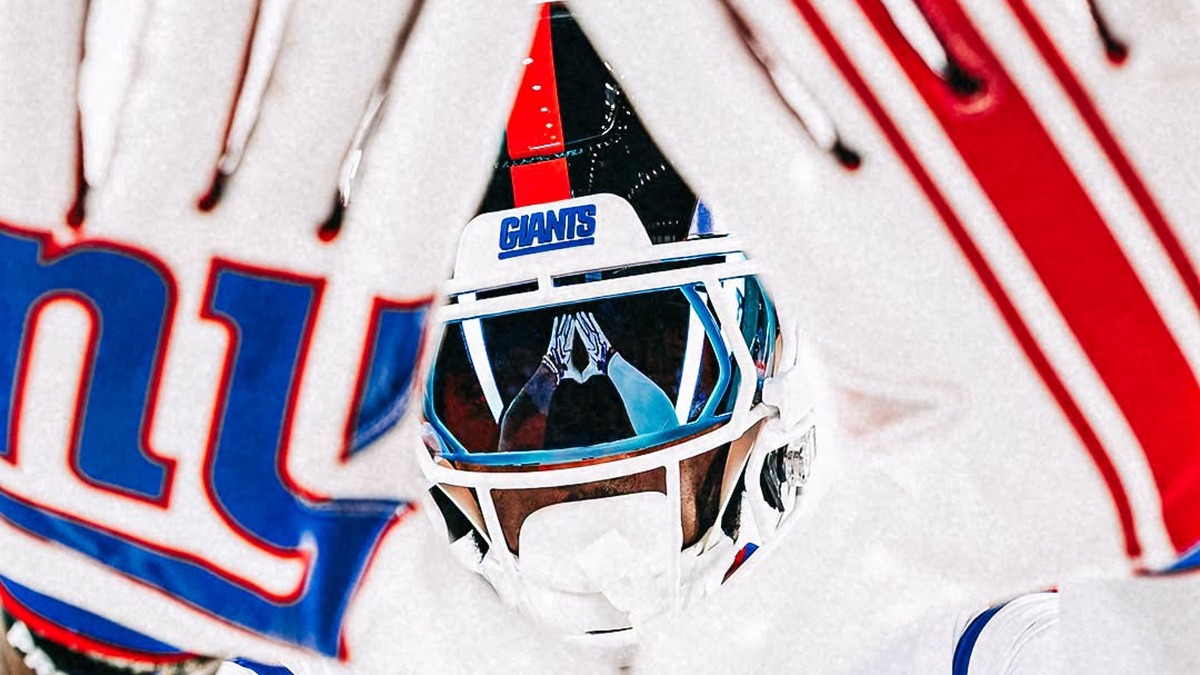
New York Giants: Tim Mara Paid $500 and Borrowed the Baseball Giants’ Name
Tim Mara paid $500 for a New York NFL franchise in 1925 and borrowed its name from the city’s National League baseball team. The Giants had been associated with New York baseball for decades. Putting the same word on a football schedule gave Mara’s young club a name that people in the city already knew how to use.
The practice was familiar in early professional football. A baseball identity could confer some immediate recognition on a team starting out in a sport with a less established professional following.
The connection here had a particularly visible home. The football Giants also played at the Polo Grounds, which baseball fans already knew as the home of the other Giants.
The football team’s chronology credits Mara with borrowing the name. New York Football Giants became a useful way to specify which team a speaker meant. The expression has survived as part of the club’s vocabulary even after the baseball Giants moved to San Francisco and the football team began playing home games in New Jersey.
The two teams gave Giants completely different histories after the original loan. The word had initially done its job because the baseball club was already famous. A century later, an NFL fan can use it without thinking of a ballpark or an owner borrowing from another sport.
The old qualifier Football is still a clue to how close the two identities once sat. It is a trace of the distinction New Yorkers had to make when both teams belonged to the same city.
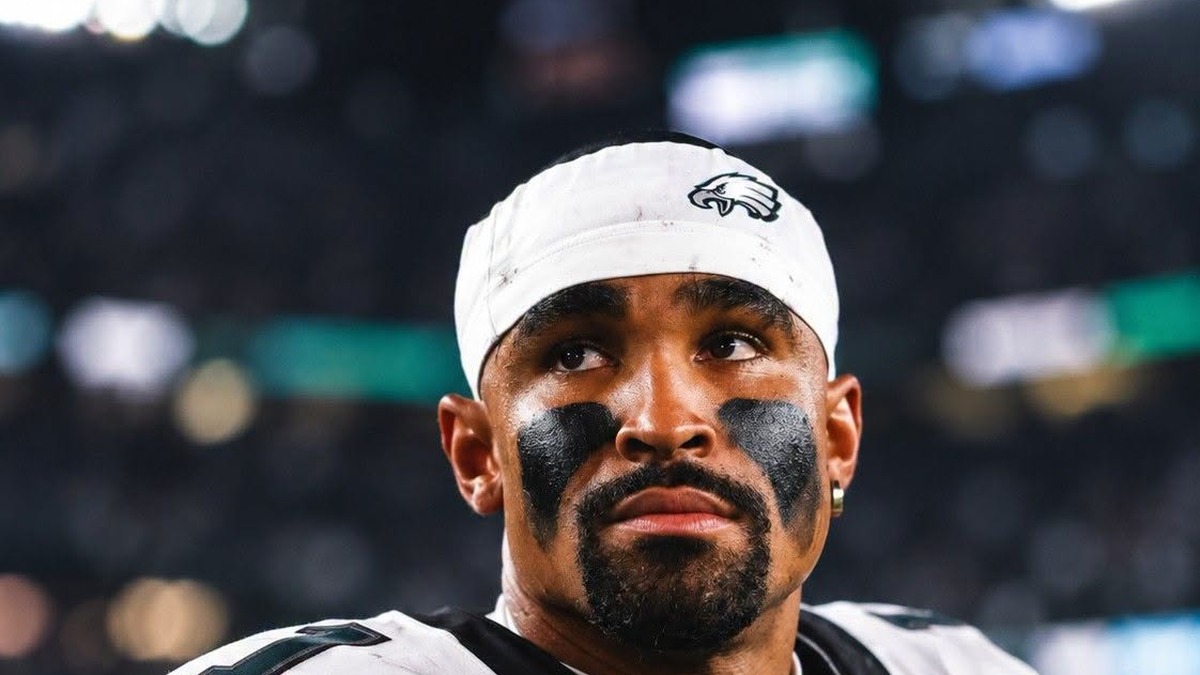
Philadelphia Eagles: Bert Bell Took the New Deal’s Blue Eagle for 1933
Bert Bell and Lud Wray brought a new NFL team to Philadelphia in 1933, when the country was in the midst of the Great Depression. One of the most visible images of Franklin D.
Roosevelt’s New Deal was the blue eagle of the National Recovery Administration. The bird was displayed by businesses participating in the programme, and Bell took it as the basis for a football name.
The Eagles’ early chronology records the association. Bell wanted a fresh start for professional football in Philadelphia. The New Deal emblem gave him an animal with an existing public meaning and an image that could readily be used by a sports club.
There had already been NFL football in the city through the Frankford Yellow Jackets. The Eagles’ arrival gave Philadelphia a separate name for a new era of the sport. Eagles could stand on its own in a league full of birds and other animals, but the timing of the choice is what explains why this particular bird appealed to Bell in 1933.
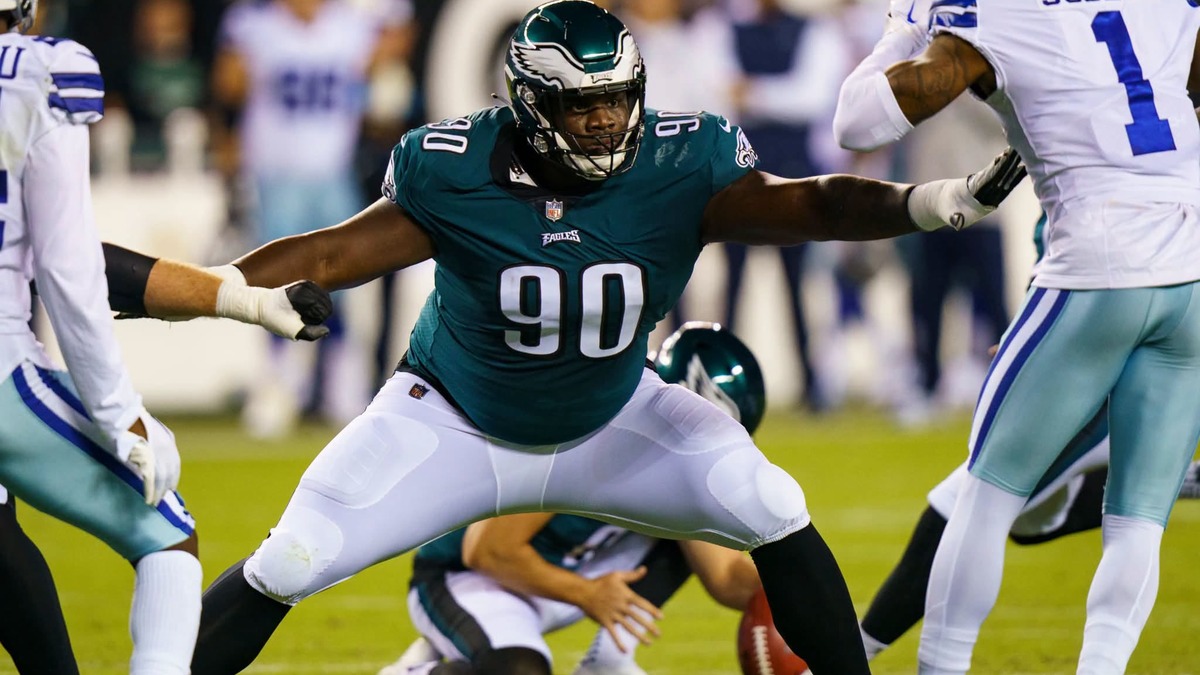
The team eventually made the eagle part of its own imagery through the bird’s head and the wings on its helmets. The colours and visual treatment followed football needs and changed with time. That left the name as the durable link to the original emblem.
Someone buying groceries in 1933 could encounter a blue eagle in a shop window without thinking about football. The football team is now one of the places that keeps the association available to anyone curious enough to follow the name back.
Washington Commanders: Two Seasons as Washington Football Team Ended With a Military-Themed Name
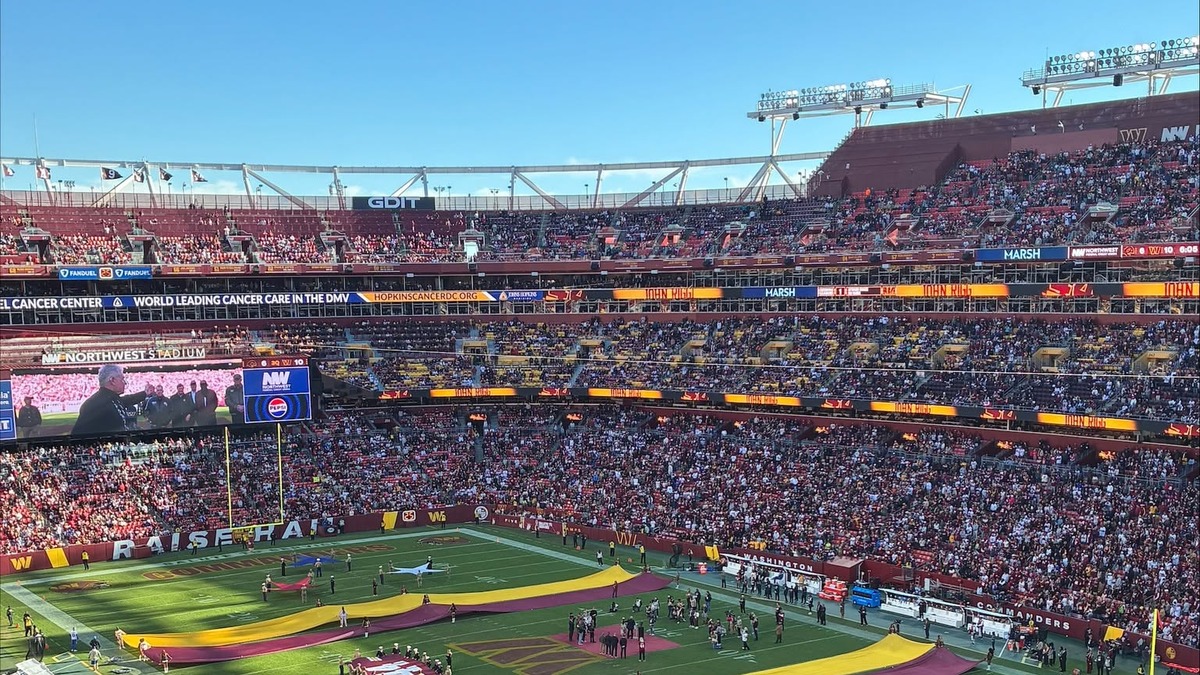
Washington’s current name was announced on February 2, 2022, after the club had spent two seasons using Washington Football Team. The temporary name followed the 2020 retirement of its previous nickname, a term long opposed by many Indigenous people and organizations. The club had used that word in Washington since moving from Boston in 1937.
The team used surveys, conversations with fans and other forms of research to consider an identity. Wolves and RedWolves had support, but then team president Jason Wright said trademark obstacles made those choices impractical. The organization settled on Commanders, drawing on military leadership and the Washington region’s associations with the armed forces.
The team’s announcement made that intent visible in the uniform details as well as in the word itself. The lines around its W were designed to suggest rank insignia. The organization retained burgundy and gold, which gave the new identity a visible connection to the history of football in Washington across a change in name.
The letter itself also carried over from the club’s period as Washington Football Team.
There are several distinct periods behind the current title. The franchise began as the Boston Braves in 1932, took another name there in 1933 and later moved to Washington.
Commanders came after a period when the club used its geographical name and the name of the sport to identify itself. Its adoption in 2022 put a nickname back into that familiar structure, while the choice of a military word gave the club a new story about why that nickname belonged in Washington.
Chicago Bears: George Halas Moved From Staleys to Bears Beside the Cubs
The first name on George Halas’s team belonged to an employer. The Decatur Staleys took their name from the A.E. Staley company, which sponsored the Illinois football club that joined the American Professional Football Association in 1920. The next year, the company allowed Halas to move the team to Chicago and asked him to keep Staleys for one season.
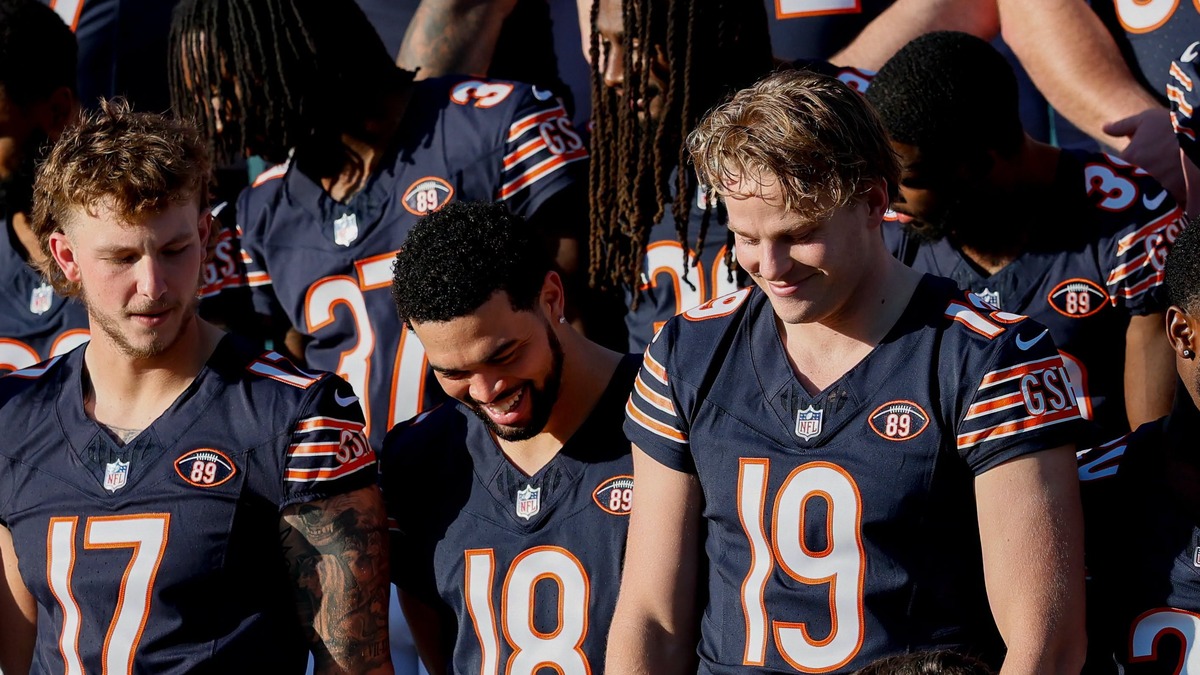
In 1922, with that arrangement fulfilled, Halas chose Bears. The football team was playing at the same ballpark as the Chicago Cubs. In the explanation preserved by the Pro Football Hall of Fame, Halas reasoned that football players were bigger than baseball players, and that the football team could be the adult bear to the baseball team’s cub.
It was a variation on a practice that several early NFL owners found useful. A team could use a name from baseball and arrive in a city with something the public already recognised.
Halas made the connection legible while leaving the football club a word of its own. The joke was understandable even if you had no idea where the Staley company had entered the story.
The relationship to the Cubs eventually mattered less than the football history Chicago accumulated under the name Bears. The club left the shared ballpark and the word travelled with it.
Yet the early sequence explains why the two Chicago teams belong to the same animal family. Halas had gone from honouring the business that first backed the club to acknowledging the baseball team whose park it used, while making a small change that gave his own team room to become something else.
Detroit Lions: George Richards Gave Detroit’s Tigers a Big-Cat Partner in 1934
The Detroit Lions began in Portsmouth, Ohio, as the Spartans. Detroit radio executive George A. Richards bought the franchise and moved it to Michigan in 1934.
With the move came a name that fit the city’s existing sports vocabulary. Detroit already had baseball’s Tigers, and the football club would have a big cat of its own.
The Lions’ media guide describes the selection as a way of keeping a connection to the Tigers’ image. The lion also carried an association with being foremost among animals. Richards’s group could use the animal to express how it wanted the team to be thought of in the league, alongside the simpler idea of having a name that belonged in Detroit.
The city made the choice tangible. The team received lion cubs from the Detroit Zoo after settling on the name.
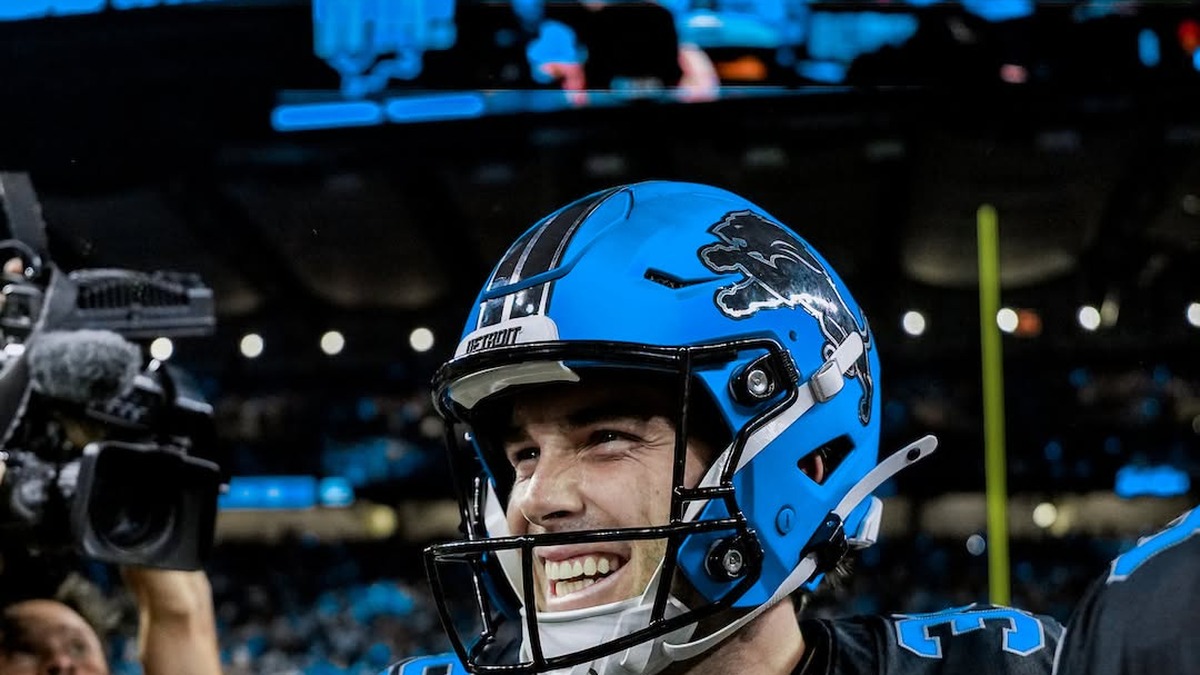
The long-lasting visual image proved to be the leaping lion in the team’s crest, a much easier way to put the animal on the field. A person looking at the silhouette can understand the name without being told how the team came from Ohio.
The animal was specific enough to give Detroit’s new team its own image.
Richards’s decision helped separate the new Detroit identity from the Portsmouth one. Spartans could have travelled as readily as many other franchise names did.
The choice to replace it had a precise local logic. In a city where the baseball team already belonged to a family of big cats, Lions offered a close enough relative to feel familiar and a different enough animal for football to own.
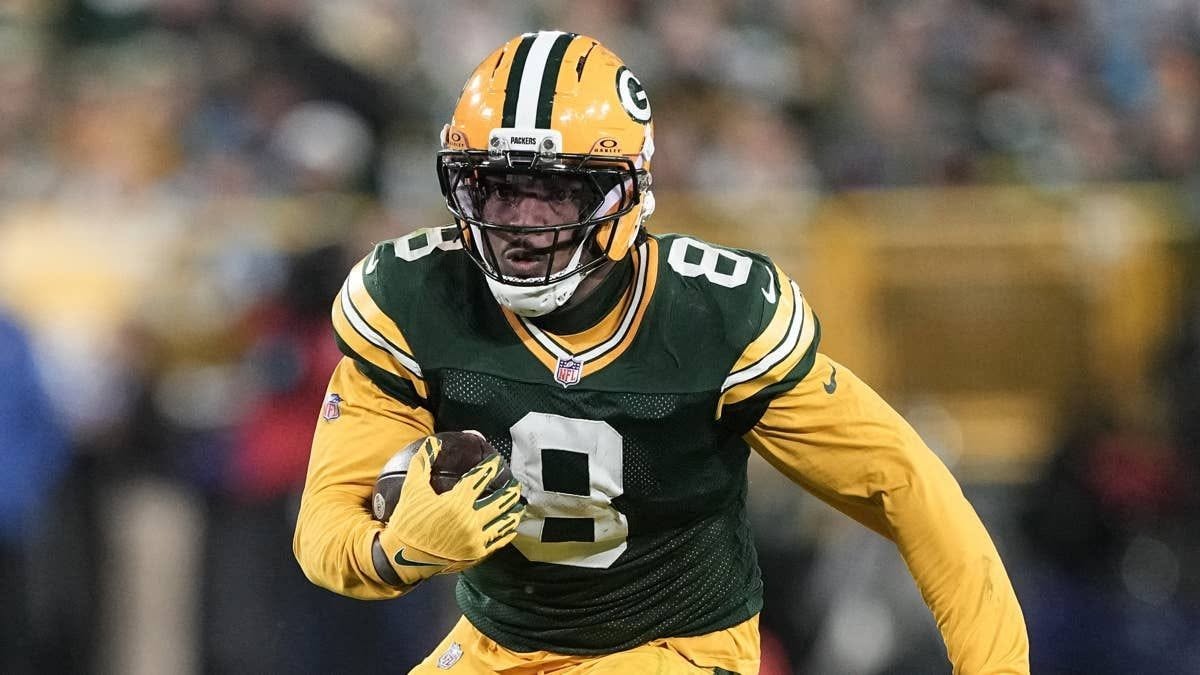
Green Bay Packers: A Packing Company Paid for the Uniforms and Supplied the Name
Curly Lambeau was working at the Indian Packing Company when he and newspaper sportswriter George Whitney Calhoun organized a football team in Green Bay in 1919. The company helped with uniforms and equipment. Lambeau later recalled receiving $500 from company president Frank Peck, an amount that explains how consequential a local employer could be to a new football club.
The nickname came from the work the company did. People playing for a team backed by a packing company could be called the Packers.
When Acme Packing acquired Indian Packing, the team continued to use the word. It still made sense after the particular firm named on the uniforms changed.
The Packers’ biography of Lambeau puts the sponsorship alongside the two men’s effort to get a team playing. The name was a practical consequence of that arrangement, and it stood out in a sport that would later fill with animals and warriors. A person could explain Packers by walking someone through who paid for the shirts.
Green Bay kept the word long after the original packing companies stopped being part of the story. Its use says something about the time the club began, when the connection between a team and a local employer could be direct enough for the company’s work to appear in the team’s name.
A modern Packers helmet can carry a G and leave the name to stand for itself. The word still remembers the business that supplied what Lambeau and Calhoun needed before there was any reason to put Green Bay football on a national schedule.
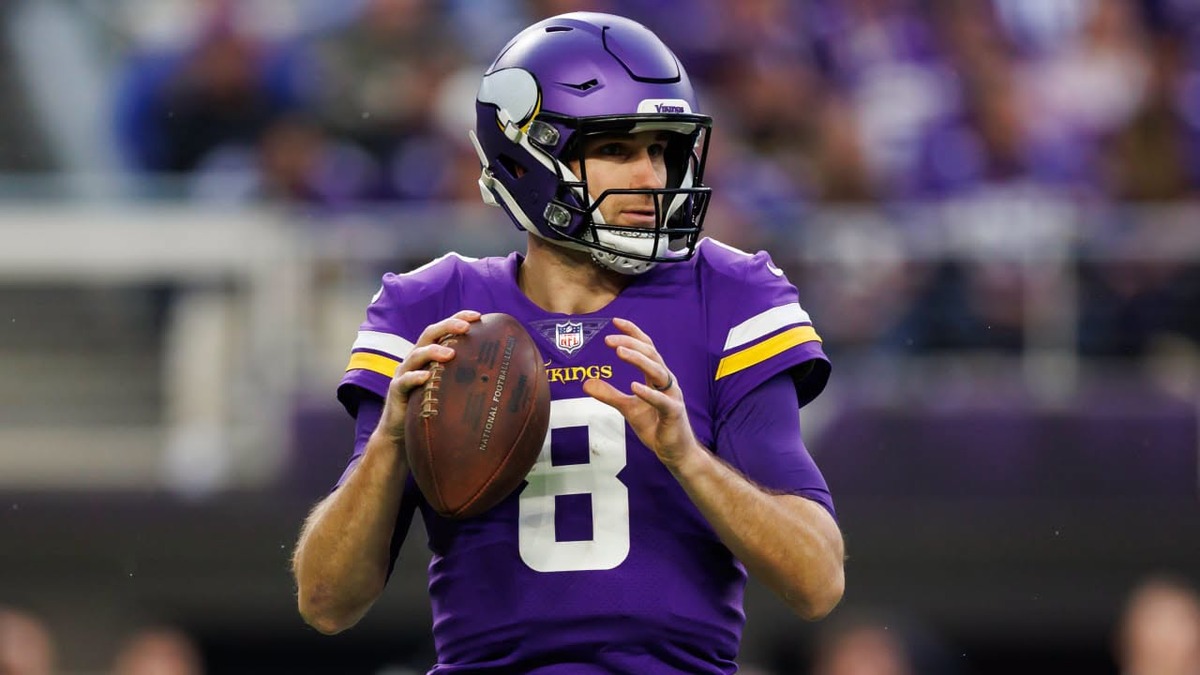
Minnesota Vikings: Bert Rose Picked Vikings Over Miners and Voyageurs in 1960
Bert Rose arrived as Minnesota’s first general manager in 1960. The franchise wanted to be known by the state name, and among the early suggestions for the other half were Miners, Voyageurs and Vikings. Rose chose Vikings, drawing on the Scandinavian ancestry of many people in Minnesota and the surrounding Upper Midwest.
The club’s franchise timeline records the formal announcement at a luncheon in September 1960. Vikings suggested a type of figure the football team could make into a recognisable emblem, while the Nordic connection gave the choice a reason to belong in Minnesota. It worked for a statewide franchise rather than requiring the name of Minneapolis or St. Paul.
The team gave the word a face and placed a stylised horn on its helmets. Those elements belong to the popular visual vocabulary of Vikings, which is how the designers could make the name recognisable at a glance.
The meaning Rose had started with was broader than any individual picture. He wanted a historical reference the area could claim through the backgrounds of people who had settled there.
Several proposals could have put Minnesota’s history to work. Miners would have pointed to a particular industry, and Voyageurs could have represented travel and trade through the region.
Vikings located the association on the other side of an ocean and brought it back through migration. The word made it possible for a team representing an American state to use a figure whose connection to the place came through the people who already lived there.
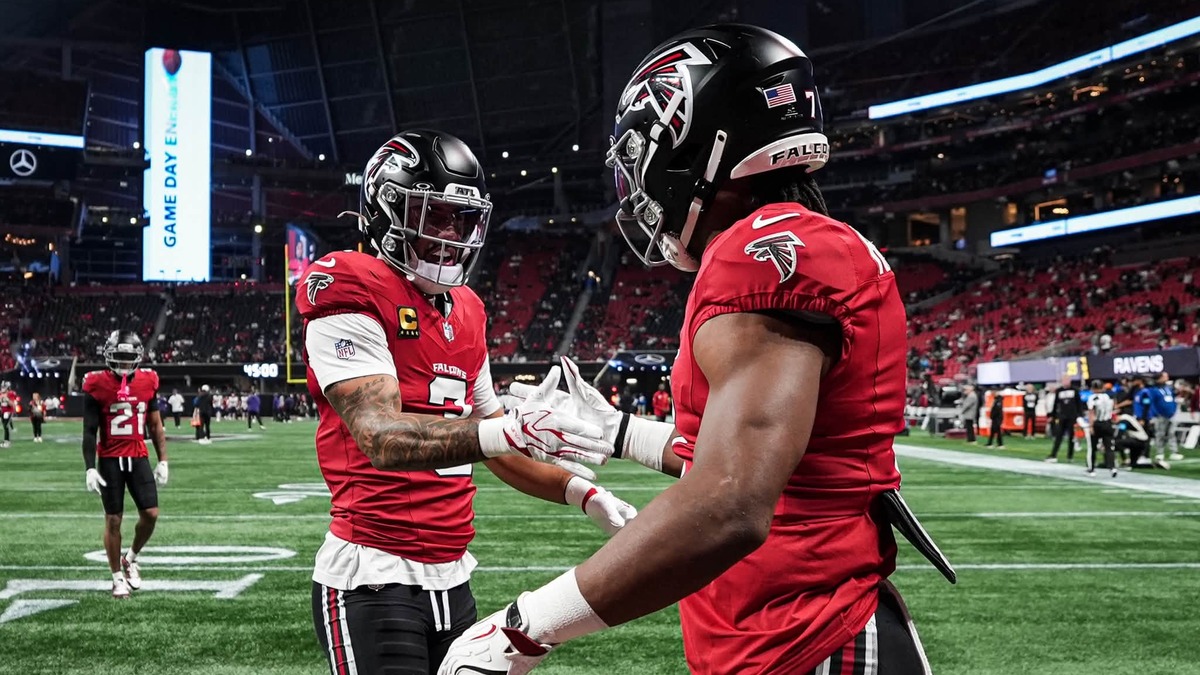
Atlanta Falcons: Schoolteacher Julia Elliott’s Contest Entry Gave Atlanta Its Falcon in 1965
Rankin Smith had an expansion franchise for Atlanta in 1965, and a contest gave people across Georgia a chance to name it. The entries produced hundreds of different suggestions. Several people proposed Falcons, but the winner was Julia Elliott, a schoolteacher from Griffin, Georgia, whose explanation gave the judges a reason to remember her entry.
Elliott described the bird in terms of its dignity, courage and ability to fight. The Hall of Fame’s Atlanta history preserves part of the description.
A falcon was an animal people knew for speed, but Elliott also wrote about the character she thought it could bring to a team. The contest involved deciding which explanation made the proposed word work as much as it involved counting how often the word turned up.
The design gave the bird an Atlanta identity of its own. A falcon in profile forms a shape that reads as the letter F, making the first sound of the name part of its silhouette. The team had a word that could be spoken quickly and a mark that could carry the same idea at a distance.
Atlanta began play in 1966. The choices Elliott set out in her entry tell you more about the name than a generic reference to birds of prey would.
She had been asked to imagine what kind of team could belong in the new league city and offered an animal with the qualities she thought it should have. Her letter left a record of why Falcons was more than a word that happened to show up repeatedly in the contest.
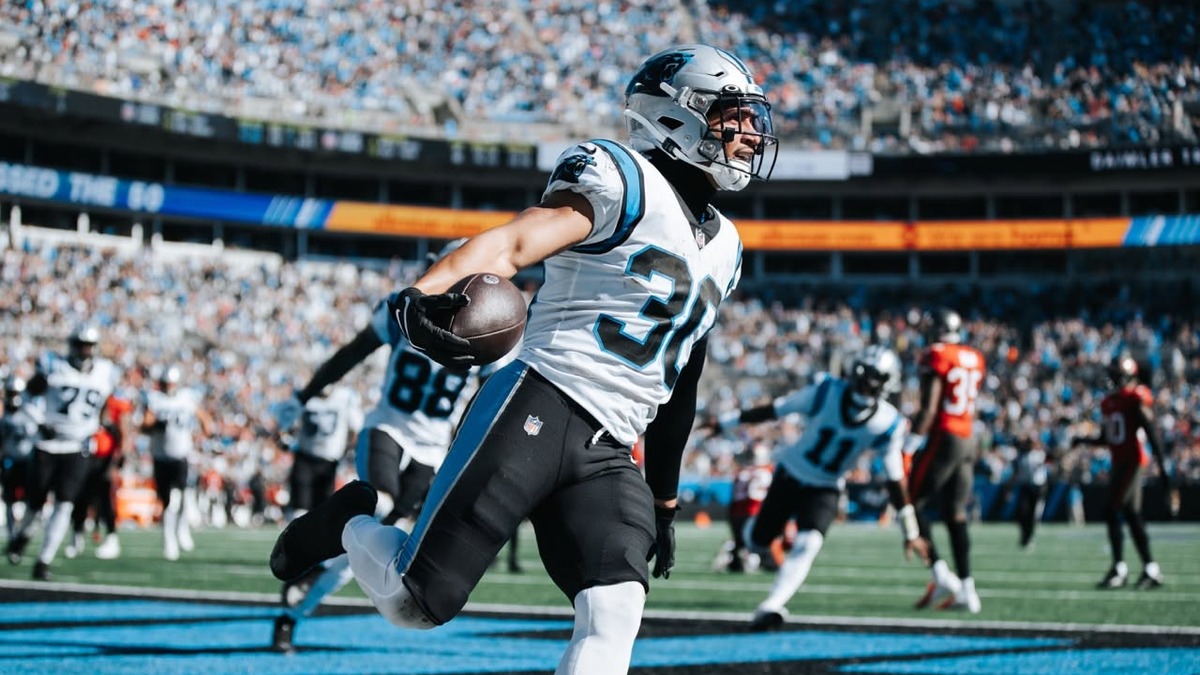
Carolina Panthers: Mark Richardson Chose the Name and Colours Together for Carolina
Jerry Richardson led the campaign to bring the NFL to the Carolinas, and his son Mark supplied the name. Mark Richardson chose Panthers and proposed black, blue and silver as the colours that should go with it. The Pro Football Hall of Fame’s naming history credits him with thinking of the name and colours together.
That order is worth keeping in mind when looking at the helmet. A dark cat and cool colours fit into the same design with very little work left for the eye to do.
The snarl on the crest supplies a more specific image than the word panther on its own. The design and name were conceived as parts of the same football identity.
The place name was deliberately broad. The franchise sought support in North and South Carolina, and Charlotte had been selected for the permanent home.
The Panthers played their first regular season in 1995 at Clemson in South Carolina while their stadium in Charlotte was being completed. The word Carolina made sense from either location and gave the club a way to belong to both states.
Carolina and Florida’s NHL team each ended up with Panthers, through separate decisions. The Carolina name came through a family putting together a football bid and thinking about how its animal and colours would look.
Carolina supplied the regional reach. Panthers supplied an image the Richardsons could carry from an expansion application into a season played on one side of the state line and then into a permanent home on the other.
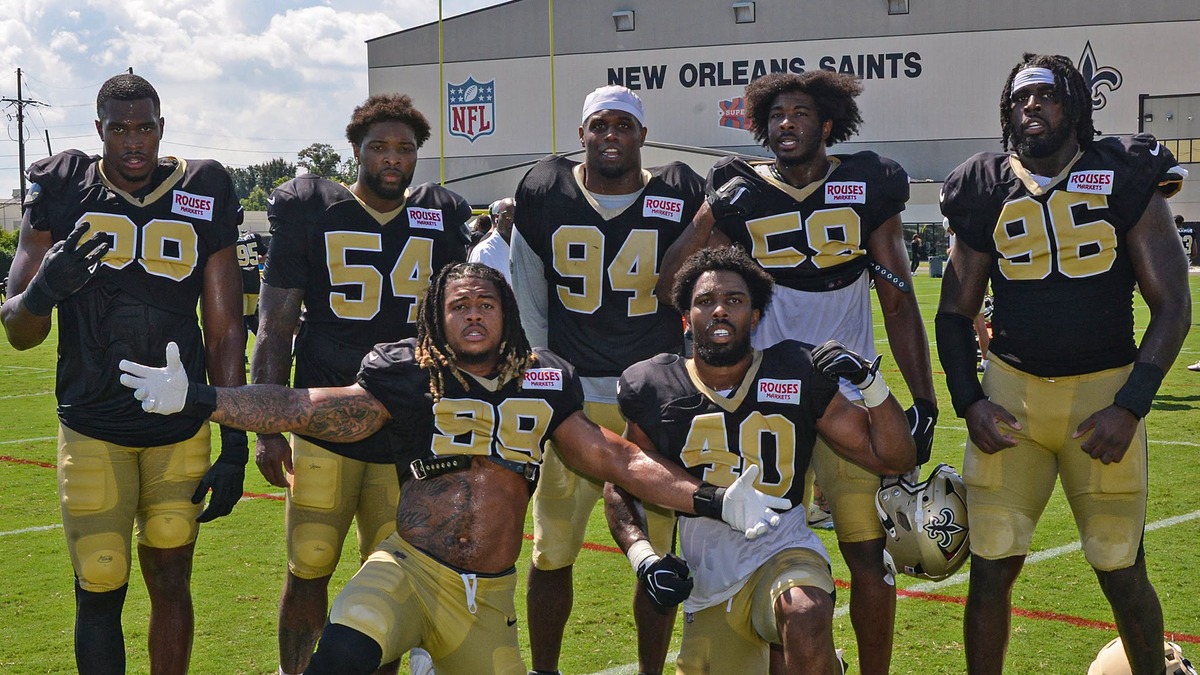
New Orleans Saints: An All Saints’ Day Award and a Jazz Standard Shaped the Name
The NFL awarded New Orleans a franchise on November 1, 1966. That was All Saints’ Day, which gave the expansion club an unusually convenient piece of timing.
There was a second, older reason the word Saints made sense in the city. It already belonged to When the Saints Go Marching In, a song closely identified with New Orleans jazz.
The New Orleans States-Item ran a fan contest, and Saints was the popular choice. The Pro Football Hall of Fame’s account records the contest, the date of the award and the musical association as parts of the same story. John Mecom Jr. became the majority owner later that year, and the club began NFL play in 1967.
The song gave the nickname a form people could use in a stadium. Saying Saints also gives you a route to the refrain, and it takes very little imagination to hear how a marching song might work for a football crowd. The calendar gave the announcement its own explanation, while the music let the idea repeat itself long after November 1 had passed.
It also made the name immediately recognisable to people who knew New Orleans through its music.
The fleur-de-lis on the helmet contributes a different part of the city’s identity through a symbol with longstanding French associations. The word and emblem therefore point toward New Orleans from different directions.
A club could have made either one the centre of its story. The name that survived was the one fans had put forward and that people outside football already had a reason to sing.
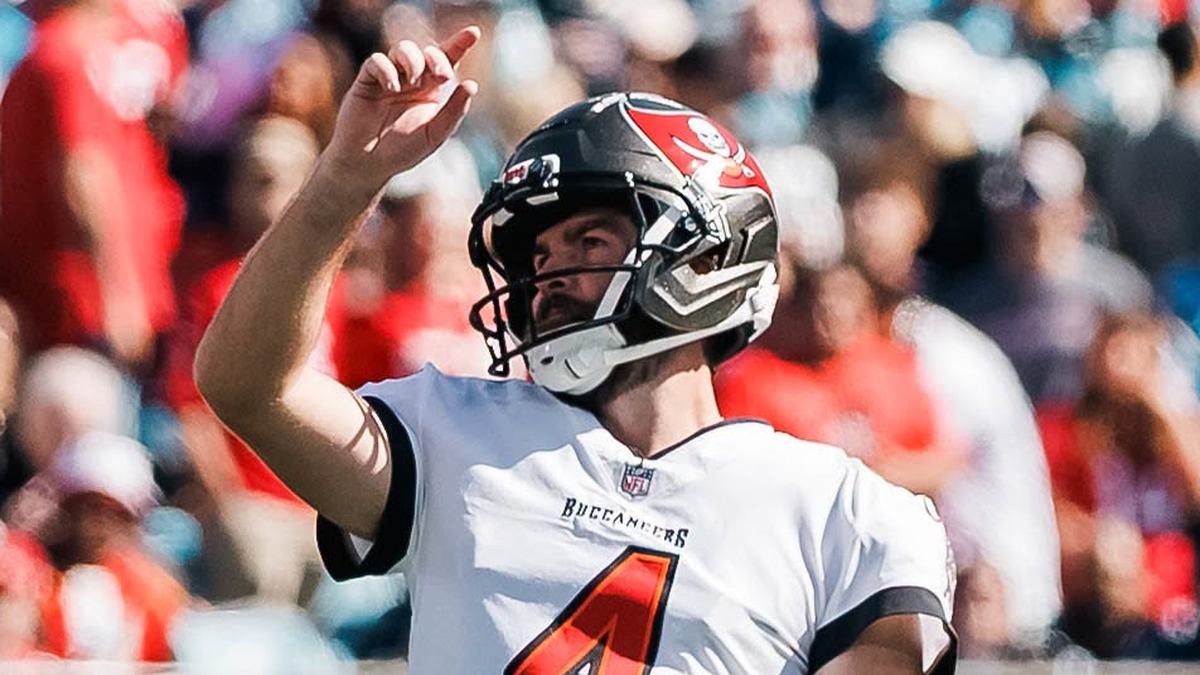
Tampa Bay Buccaneers: Gasparilla’s Pirate Legend Inspired a Contest Name Announced in 1975
Tampa Bay got an NFL expansion franchise in the 1970s, and a contest put Buccaneers among the names the organizers could consider. A team advisory board examined hundreds of possibilities. The club announced the choice in February 1975, ahead of its first season in 1976 under owner Hugh Culverhouse.
Buccaneers drew on the pirate imagery that was already part of Tampa’s civic life. The city had long staged Gasparilla, a celebration built around the legend of the pirate José Gaspar.
The football name made use of that recognisable local tradition. Gaspar’s legend can be part of the explanation without having to establish that every part of it happened as told.
The early team chronology describes Buccaneers as the choice of a local naming contest. It gave designers a figure with familiar clothing, weapons and ship imagery to work with. The original buccaneer portrait and the pirate flag adopted later look very different, but both are easy to connect to the word chosen before the team played its first game.
Tampa Bay also mattered as a place name. Like the hockey team that would arrive years later, the football club claimed a region around a body of water rather than just the city at the centre of it. A pirate name could make sense wherever the people around that bay encountered it.
The organizers got a word that already had a civic celebration behind it and could also be shortened without losing the association. Bucs is still enough to tell you which crew is taking the field.
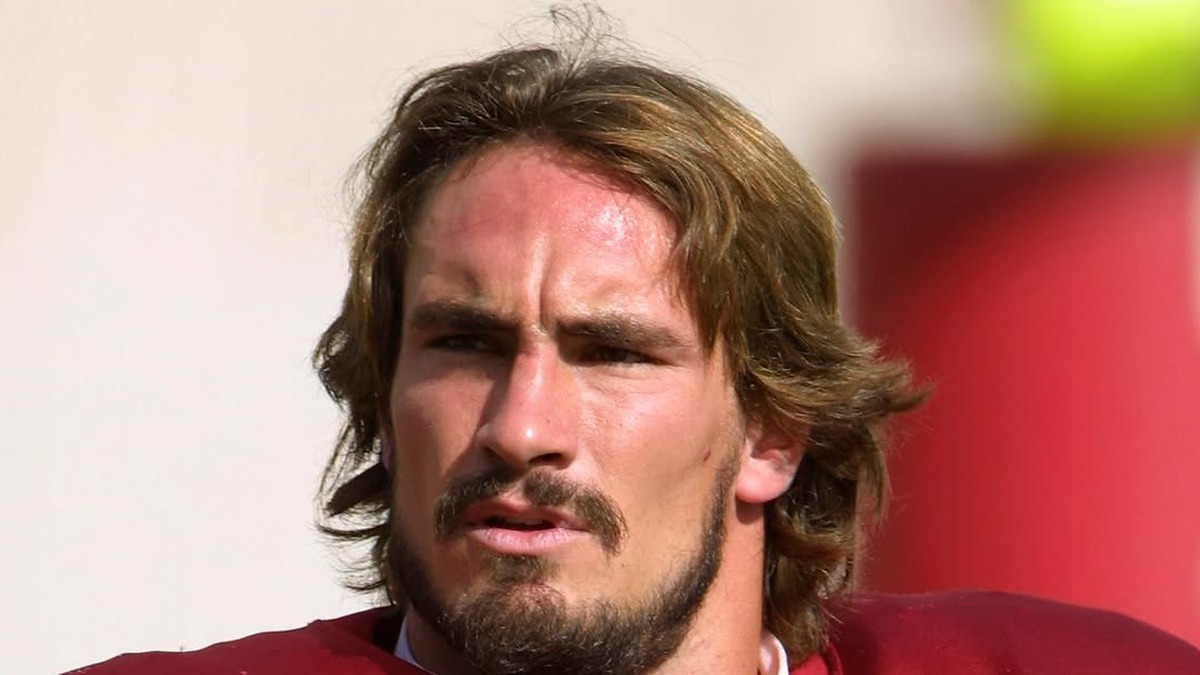
Arizona Cardinals: Faded University of Chicago Jerseys Gave the Team Its Colour and Name
Chris O’Brien’s football club played in Chicago long before it played anywhere near Arizona. The early team was associated with Racine Avenue on the city’s South Side.
In 1901, O’Brien acquired used University of Chicago jerseys whose maroon had faded. He described the colour as cardinal red, and Cardinals grew out of what he saw in those shirts.
The Cardinals’ own history puts the colour first. A cardinal is also a bird, which gave the name an obvious second meaning.
Over time the club took advantage of that connection and used the bird’s head as its emblem. A colour could be worn by the players, and a bird gave people a way to recognise it when the colour alone was insufficient.
The Chicago club became a charter member of the league that became the NFL in 1920. It moved to St. Louis in 1960 and to Arizona in 1988, initially using Phoenix before taking the statewide Arizona label. The name O’Brien had found in a second-hand uniform could survive all of that because the word carried no address.
St. Louis also had a baseball team called the Cardinals, so the two sports shared the word for years. The football club had brought it from Chicago. That detail makes the case for following the name all the way back instead of stopping at the first familiar bird.
The Arizona Cardinals have a clear reason to use the animal on the helmet today. The first reason to use the word at all was the colour of an old jersey.
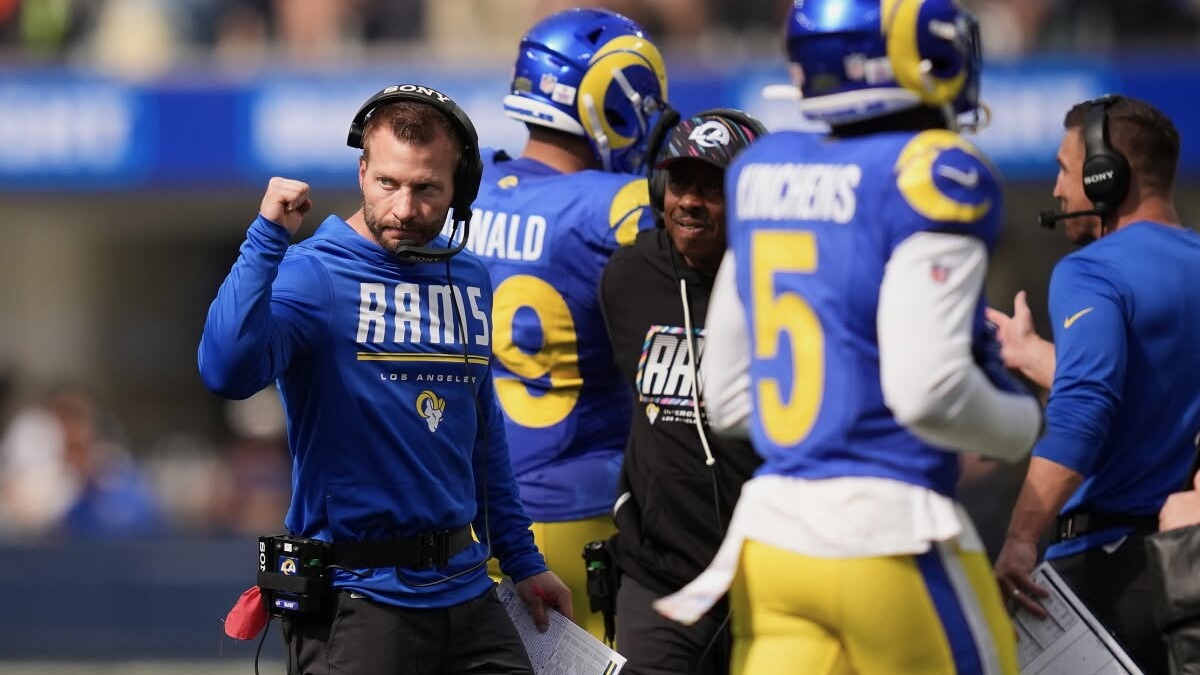
Los Angeles Rams: Buzz Wetzel and Homer Marshman Borrowed Fordham’s Rams for Cleveland in 1936
Damon “Buzz” Wetzel liked the Fordham Rams. When Cleveland’s new professional team needed a name in 1936, Wetzel and principal owner Homer Marshman took Rams from the college football team Wetzel admired. The Hall of Fame’s history of the nicknames credits Wetzel with the idea and Marshman with liking the sound of it.
The Cleveland Rams started in the American Football League of the 1930s and joined the NFL in 1937. Their name was short, easy to picture and unrelated to any one city. It could belong to Fordham and Cleveland at the same time without asking either one to change the animal it meant.
After the franchise moved to Los Angeles in 1946, a player found a way to make the ram part of the helmet. Fred Gehrke painted curling horns on the headgear in 1948.
The Rams’ franchise history records the moves that followed, including a period in St. Louis and a return to Los Angeles. The horns gave the word a visual identity that travelled as easily as the nickname.
It is easy to read the horns now as a Los Angeles symbol, especially after two separate periods with the team in the city. The name itself came from a Cleveland football operation borrowing from a college in New York.
The people who chose it had found something that could be imagined on a uniform before anyone thought of painting a helmet. A player eventually gave them the image that would make it possible to read the name without seeing the letters.
San Francisco 49ers: Allen Sorrell Named the Team After the 1849 Gold Rush
Tony Morabito’s group was putting together a San Francisco club for the All-America Football Conference when partner Allen Sorrell suggested 49ers. The name referred to the people who went west in search of gold after the discovery in California in 1848. The year 1849 became the one associated with the rush and the name used for many of the people who made the journey.
The franchise’s account of its founder credits Sorrell with proposing the name. It put a chapter of California history into the new football club’s identity and did so without needing an animal. San Francisco’s connection to the rush made sense even though people travelled well beyond the city to reach the goldfields.
The team began play in 1946 and entered the NFL in 1950. The name brought a visual vocabulary with it, from gold in the uniforms to the prospector that has been used in different forms in the club’s imagery. Those details can communicate a great deal even to somebody who has never thought about which century the number in the name refers to.
The use of digits makes the word look like an unusual piece of sports branding, but the story starts with a term people already knew. The original 49ers were people identified by the year they went looking for something.
Sorrell borrowed that designation for a group that would represent the same part of the country. As a result, the date the team carries in its name is almost a century older than the team itself.
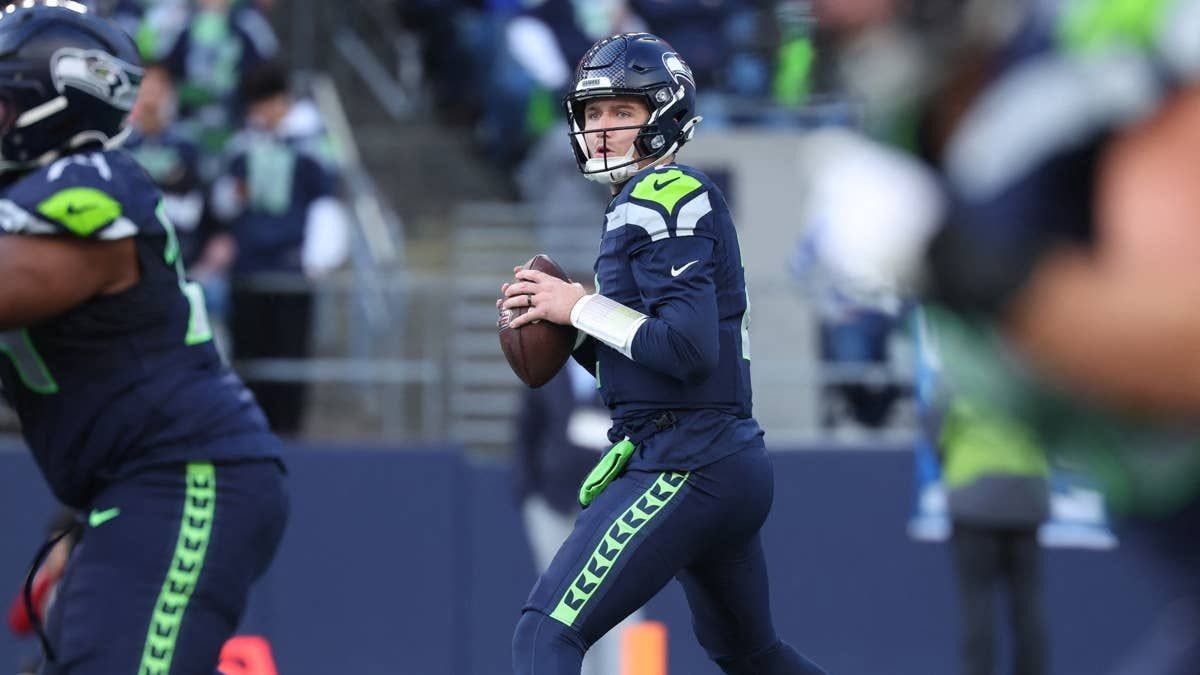
Seattle Seahawks: A 20,000-Entry Contest Produced a Coastal Bird With Northwest Art Roots
Seattle had a franchise in 1975 and invited the public to find a name for it. More than 20,000 entries arrived, containing over 1,700 different suggestions. Seahawks appeared on 151 entries, and ownership chose it for the team that would play its first season in 1976.
The Seahawks’ account of the contest makes clear how large the field was. The club could have represented the region through its mountains, rain or relationship to the sea.
A sea hawk suggested a bird hunting over the water, which could fit a football team and the coastal setting at once. Sea hawk is a common descriptive name associated with birds such as the osprey.
The team’s crest gave that bird a distinctly regional visual form. Its profile draws on Northwest Coast Indigenous art, and researchers have identified a Kwakwaka’wakw transformation mask as a likely source for the original design.
That research explains a different part of the identity from the fan contest. The contest produced the word, and the designers found a way to make the bird look as though it belonged to the Pacific Northwest.
Seattle kept the creature as the rest of the design evolved. The word has become familiar enough that the maritime connection can go unspoken on a football broadcast.
Put the contest and the logo side by side, though, and the original decision becomes easier to see. The public offered the club a coastal bird, and the team put it in a form that carried an additional history of the region.
The Local Stories That Survived in the League Standings
A team name can preserve a choice made in a very ordinary place.
A schoolteacher wrote a few lines about a falcon, a team founder looked at the colour of a shirt, and another saw a word on a stove.
Dallas needed a word baseball was free to let it use, Baltimore chose a bird because Colts already belonged to Indianapolis, and two teams found different ways to belong to New Orleans and Tennessee through words their cities already knew.
A name can go to a new home or stay behind after the team goes. Its origin is usually in the decision about which part of a place, or its history, to take along.