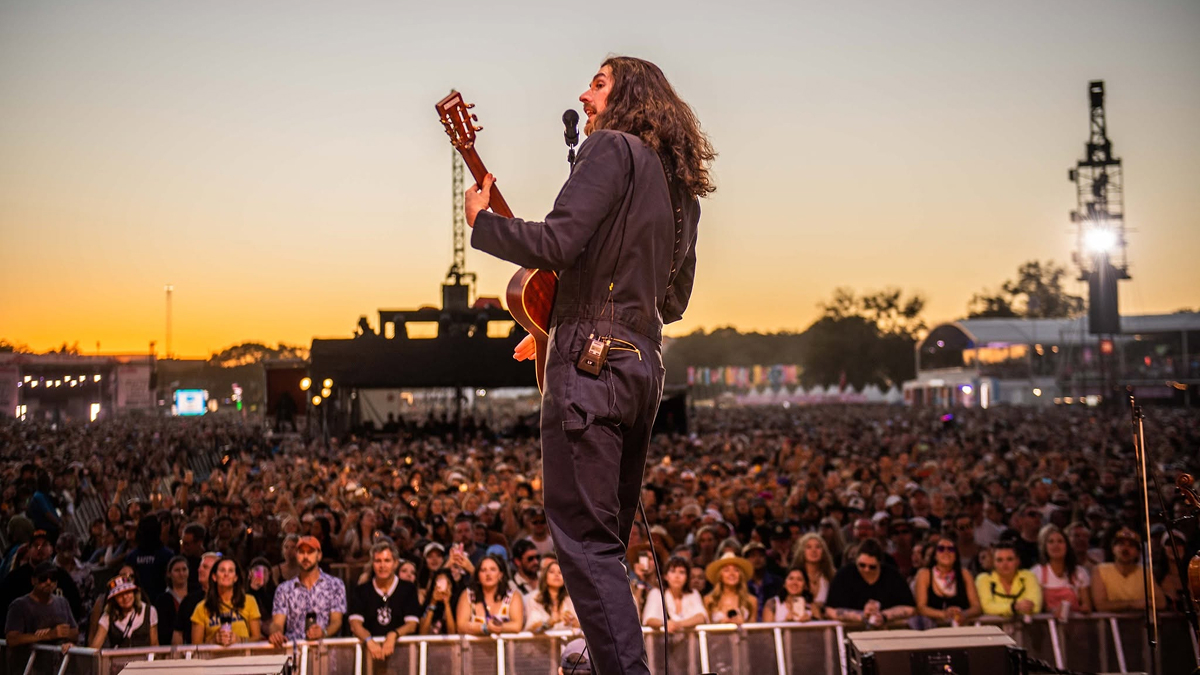
Twenty-five years, one park, and a case study in how festivals scale, weather storms, and change hands.
The Austin City Limits Music Festival is a two-weekend, nine-stage event held each October at Zilker Park in Austin, Texas.
Named for and inspired by the long-running KLRU/PBS music series, it now draws about 75,000 people a day and roughly 450,000 across its six days, with more than 130 artists spread across nine stages. It stands as one of the clearest examples of how a local festival can become a major economic asset without leaving the park where it began.
It started as a five-month sprint by two Austin promoters, Charlie Jones and Charles Attal, who staged a two-day event in September 2002 with 67 bands and a $25 day pass. It drew 42,000 people on opening day, well beyond what organizers had planned for, and the festival has grown steadily ever since.
The date moved from September to October in 2012, and in August of that year the Austin City Council voted unanimously to allow a second consecutive weekend starting in 2013. By 2025 the festival was generating $557.8 million for the local economy.
The growth was never smooth. The hottest day in the festival’s history came on September 25, 2005, when temperatures reached 107 degrees, and the heavily trampled lawn turned into a dust bowl. By 2006, organizers were working with the City of Austin on a large irrigation system to keep dust down. In 2013, near-downtown Austin received 10.6 inches of rain in 12 hours, and organizers canceled the final day over heavy rain and flash flooding. That was the Sunday of the second weekend, and ticket buyers were refunded one-third of the ticket price. The 2020 festival was called off because of COVID-19 and replaced with a virtual edition. In 2014, Live Nation bought a majority stake in C3 Presents, the Austin promoter behind the festival, which put a homegrown event under the control of the world’s largest live entertainment company.
That tension between commercial ambition and a public park with finite space has defined the festival for a quarter century.
The event is presented in partnership with the Austin Parks Foundation, and each expansion, from a later date to a second weekend, has had to be weighed against the wear on Zilker and the city’s willingness to lend it out.
This analysis walks through the festival year by year to show how those pressures shaped its growth, its lineups, and its biggest decisions.
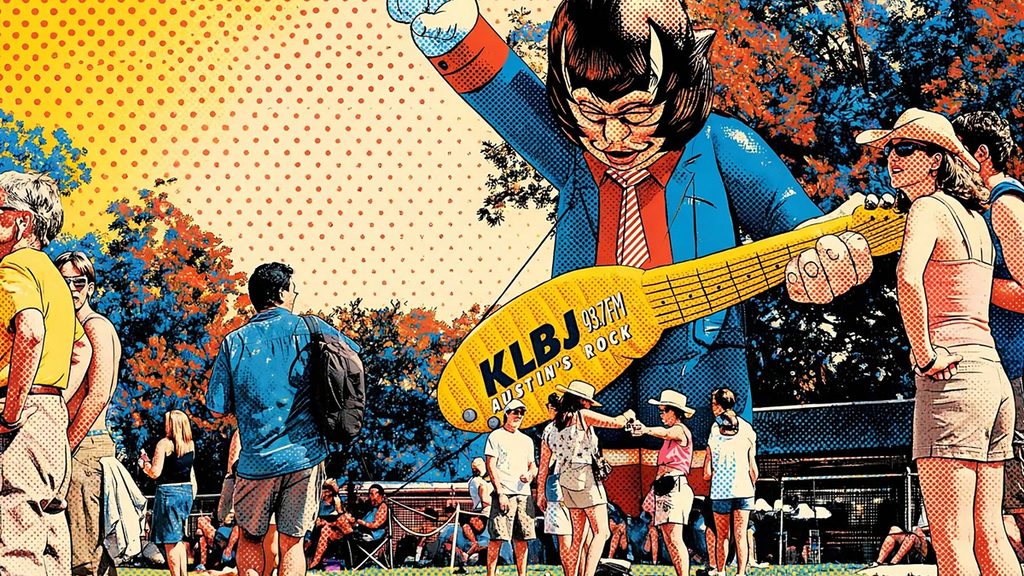
Austin City Limits Music Festival 2002: A Million-Dollar Gamble That Drew 42,000 Fans
- Headliners: Emmylou Harris, Ryan Adams, Wilco, Los Lobos, Gillian Welch, The String Cheese Incident, Pat Green, and the Arc Angels
The first Austin City Limits Music Festival opened September 28, 2002, at Zilker Park with two days, five stages, and 67 bands. Capital Sports & Entertainment, the firm behind cyclist Lance Armstrong, produced it. Promoter Charlie Jones ran the show while Stubb’s promoter Charles Attal booked talent in about three weeks. Their model was New Orleans Jazz Fest, and the vanished Austin Aqua Festival had left an opening in the city’s fall calendar. String Cheese Incident signed on first, then Pat Green, then Austin City Limits TV veterans Emmylou Harris, Los Lobos, Nickel Creek, Wilco, Ryan Adams, and Gillian Welch. A reunited Arc Angels closed Sunday night, introduced by Armstrong. Bob Dylan, Willie Nelson, Lauryn Hill, and Norah Jones stayed on the wish list; Nelson and Dylan would headline later. The operating budget topped $1 million, and per Asleep at the Wheel’s Ray Benson, organizers worried about losing that much. Nearly a dozen sponsors, led by title sponsor Chevrolet, kept most weekend tickets near $40, with one-day tickets at $25. KLRU took a share of the gross off the top, and the city shared in a $1-per-ticket park fee. Sales started slowly: 1,350 fans bought discounted passes before the lineup was announced and 12,000 more followed. Then the final week exploded. Marketing was scrappy: a 22-year-old marketing lead handed out fliers at out-of-state shows, while Austin’s tourism bureau pitched the “Live Music Capital” nationally and some 200 journalists were expected. Then 42,000 turned up Saturday and roughly 35,000 Sunday, against hopes of 30,000. Wristband lines stretched half a mile as the gates opened to the Star Wars theme, and vendors ran out of food. Buses backed up too. Still, ACL joined Coachella and Bonnaroo as one of few American destination festivals, built on a roots-heavy bill of Texas music.
Business lesson takeaway: Rent credibility you can’t yet earn. The TV series’ name and a dozen sponsors let an untested festival sell thousands of passes before opening day and hold tickets at $25. The catch is that borrowed credibility isn’t free, since KLRU took its cut from the first dollar.
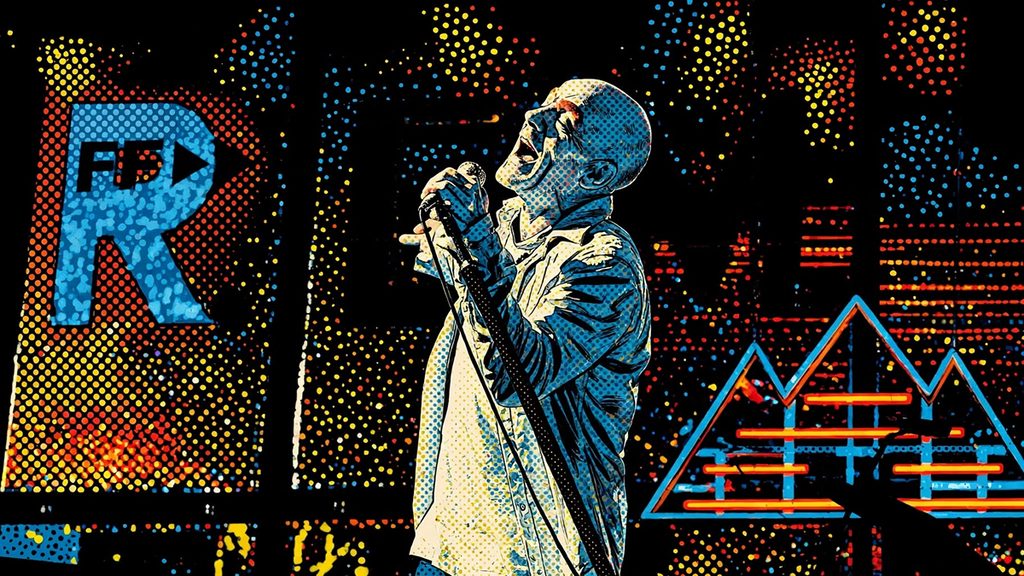
Austin City Limits Music Festival 2003: Year Two Adds a Third Day and R.E.M.
- Headliners: R.E.M. (Sunday closer), Ben Harper & the Innocent Criminals, Jack Johnson, Steve Winwood, Al Green, Dwight Yoakam, The String Cheese Incident
The second Austin City Limits Music Festival ran September 19–21, 2003, stretching to about 130 acts on eight stages and adding a Friday that Charlie Jones argued turned a local outing into a destination weekend. Organizers used the off-season to debrief the city and neighbors, winning written support from the Zilker neighborhood association, and took their entire staff to New Orleans Jazz Fest to study lines, layouts, hospitality, sound, and portable toilets. More than 1,000 paid and volunteer workers ran the event, with Cingular, Heineken, H.E.B., and Capital Metro among the brands on stages. A three-day pass cost $65, about $22 a day. Friday belonged to Steve Winwood, Al Green, and Dwight Yoakam, the String Cheese Incident played two sets Saturday, and R.E.M. closed Sunday after Ben Harper and Jack Johnson. Memorable details included the String Cheese Incident relaunching the Pink Floyd pig during The Wall and crew members stripping thorns from two dozen roses for Al Green. Johnny Cash died a week before the festival, so Rosanne Cash withdrew and her slot became a tribute hosted by Ray Benson, with Tift Merritt singing one of Rosanne’s songs. Robert Randolph and the Polyphonic Spree drew raves, and Austin Kiddie Limits debuted. About 150,000 attended overall, with police estimating 45,000 to 55,000 daily and organizers claiming 60,000 on Sunday. Fans traveled from Iowa, New York, and Japan, yet the atmosphere felt distinctly local, unlike SXSW’s industry scenemaking. Food vendors grew from about a dozen to nearly four dozen, though glitches lingered: a long Friday-night shuttle wait, roughly 20 confusing security-pass types, and too few portable toilets. Organizers landed nearly every act they chased except Willie Nelson, who would headline in 2006. Attal later admitted that booking bigger names like R.E.M. was bittersweet, since it raised expectations for the next year.
Business lesson takeaway: Do your operational homework before you scale: ACL’s crew studied Jazz Fest’s lines, layouts, and toilets and secured neighborhood backing before adding a day. Growth in a shared public space is earned in the debrief meetings, not on festival weekend.
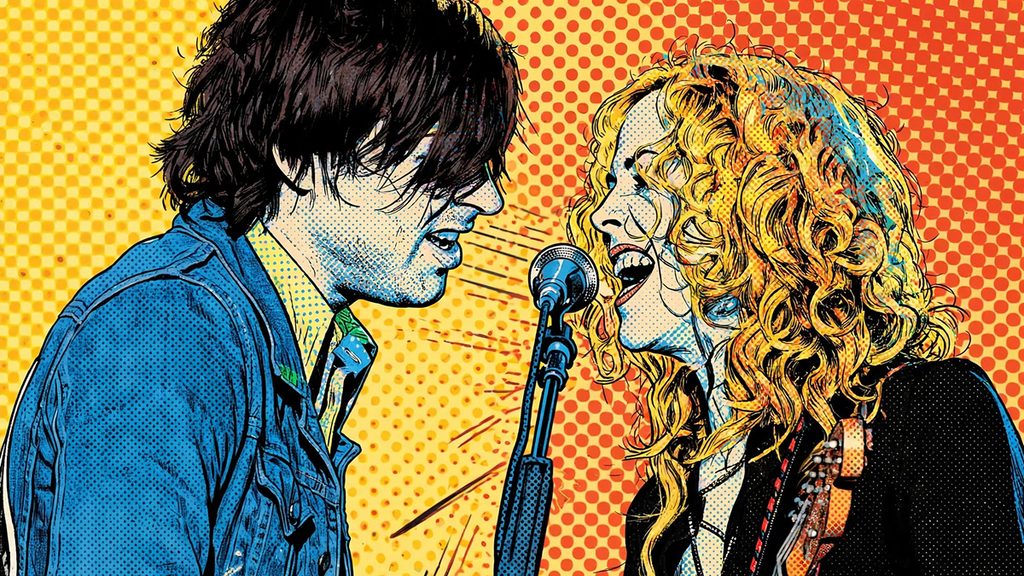
Austin City Limits Music Festival 2004: Sold-Out Growth Collides With a Brutal Heat Wave
- Headliners: The Pixies, Sheryl Crow, Elvis Costello & the Imposters, Ben Harper & the Innocent Criminals, Jack Johnson, and Solomon Burke
In its third year, ACL locked in the three-day, Zilker Park format (Sept 17–19) and swelled to roughly 118–130 acts spread across eight stages, with over 130 acts performing across eight stages, more than doubling in scale from its earlier years. Promoters sold 75,000 tickets in a single day of the festival, and weekend-wide attendance is estimated at roughly 200,000, as crowds swelled dramatically and ticket prices rose along with them. That kind of demand was proof the festival had outgrown its scrappy 2002 origins and could now compete with the likes of Coachella and Bonnaroo for top-tier touring acts. Growth outpaced the park’s infrastructure, though. Festival highs hit 96, 96, and 93 degrees against a typical late-September average of 88, and Zilker Park’s lack of shade left the grounds dusty and exposed. Sun-stroked fans collapsed during an otherwise low-key Dashboard Confessional set, and sound problems dogged several marquee shows, most notably a widely criticized Elvis Costello performance. Locals and press dubbed it a “growing pains” year — a festival still working out the kinks of its own success. Critically, reception stayed warm despite the discomfort. Reviewers noted the 2004 bill lacked a single dominant headliner in the R.E.M. mold, yet argued ACL had become rare among festivals in not depending on one — depth of lineup, not marquee names, was the sell. The year also marked ACL’s first step into media licensing: the festival’s inaugural official compilation release, Live From Austin, packaged a two-disc DVD with 24 songs and a companion 16-track CD, extending the brand beyond the park gates for the first time. The heat and crowding directly shaped what came next: after Saturday sold out at 75,000, organizers capped 2005 attendance at 65,000 rather than keep pushing single-day sales higher.
Business lesson takeaway: A sold-out day isn’t automatically a win — when demand outpaces fixed infrastructure like shade, sound, and crowd flow, it degrades the experience and threatens the brand, so C3 Presents chose to cap attendance the very next year instead of chasing bigger numbers.
Austin City Limits Music Festival 2005: Hurricane Rita Turns Zilker Into a Dust Bowl
- Headliners: Coldplay, Oasis, Widespread Panic, The Allman Brothers Band, and The Black Crowes
Held September 23–25 in its fourth year, ACL entered 2005 having just capped ticket sales at 65,000 per day following 2004’s overcrowding — a limit that sold out on both Saturday and Sunday, pushing total weekend attendance to a reported 210,000-plus across more than 100 acts on eight stages, with three-day passes now priced at $105, more than four times the 2002 debut rate. Then Hurricane Rita, which had threatened to strike Austin directly, veered east but still stranded touring musicians and towed a heat wave behind it, driving Sunday’s high to a scorching 108 degrees. Zilker Park, already stripped of grass from three straight years of trampling, turned into what fans and press nicknamed the “Dust Bowl”: the kicked-up dirt got so thick that many festivalgoers covered their faces with bandanas just to breathe. Despite the conditions, the bill delivered — Coldplay closed the weekend to an estimated 60,000 fans, with Chris Martin thanking the crowd in song, while headline sets from Oasis, Widespread Panic, the Allman Brothers Band, and the Black Crowes shared the park with rising acts like Arcade Fire, Franz Ferdinand, and the Black Keys. Reception held up remarkably well given the ordeal — the festival went on to win Pollstar’s Festival of the Year award, cementing ACL’s arrival as a top-tier national event rather than a regional curiosity. But the dust bowl left a permanent mark on operations: it was the moment organizers realized that capping crowd size solved a demand problem but not an infrastructure one, and the festival subsequently covered half the cost of installing a permanent irrigation system in Zilker Park to keep the grounds from disintegrating in future years.
Business lesson takeaway: Managing one risk doesn’t manage them all — capping attendance fixed 2004’s overcrowding problem, but 2005 showed that environmental and infrastructure risk needs its own solution (capital investment in irrigation), not just a ticket policy.
Austin City Limits Music Festival 2006: Infrastructure Investment Turns Dust Into Dollars
- Headliners: Tom Petty and the Heartbreakers, Van Morrison, Willie Nelson, Massive Attack, and Ben Harper & the Innocent Criminals
Returning for its fifth year on September 15–17, ACL responded directly to the previous year’s “Dust Bowl” disaster by replanting 42 acres of Zilker Park with new turf and installing a state-of-the-art irrigation system, funded by producer C3 Presents. Ironically, the investment proved almost unnecessary — instead of blistering heat, the weekend brought cloud cover, wind, and even a little rain that fell mid-set during Tom Petty and the Heartbreakers’ headlining performance, the kind of relief the festival hadn’t seen in two years. The bill delivered another marquee lineup topped by Petty, Van Morrison, Willie Nelson, Massive Attack, and Ben Harper & the Innocent Criminals, spread across 130 total acts on eight stages, with three-day passes now priced around $115. Sets from Gnarls Barkley, John Mayer, the Raconteurs, and the Flaming Lips pulled in a younger, more genre-diverse crowd, stretching ACL’s audience beyond the roots-rock base it had built in its first three years. More than 50,000 fans packed the park each day, and organizers added extra water stations plus a dedicated “Good for Austin” charity tent hosting groups like the Austin Parks Foundation and the Surfrider Foundation, tying growth to visible local goodwill rather than just bigger headliners. The payoff showed up on the balance sheet: according to the Austin American-Statesman, the 2006 festival grossed roughly $8 million, making it the second-highest-grossing music festival in the country that year, trailing only Bonnaroo. After two straight years defined by weather crises and reactive fixes, 2006 was the first ACL that felt fully in control of its own production — proof the festival had matured from a scrappy regional event into a professionally run, revenue-generating institution.
Business lesson takeaway: Capital investment in infrastructure isn’t just risk mitigation — it’s revenue strategy; fixing the dust bowl with permanent turf and irrigation didn’t just prevent a repeat disaster, it helped turn ACL into the country’s second-highest-grossing festival that same year.
Austin City Limits Music Festival 2007: Fire, Cancellations, and a Record Gross
- Headliners: Bob Dylan, Björk, and Muse
The sixth annual ACL, held September 14–16, delivered its best financial results yet despite a run of bad luck that could have derailed the whole weekend. Three headline-caliber acts pulled out before the gates even opened — Rodrigo y Gabriela, Amy Winehouse, and Saturday headliner the White Stripes — forcing organizers to promote already-booked Muse into the top slot alongside Bob Dylan and Björk. Then, on opening day, a water main broke near the grounds, briefly cutting off water just as fans arrived, and hours later a propane tank inside a beverage distributor’s RV exploded behind the vendor tents, setting two 18-wheelers and a bank of portable toilets ablaze. Four workers were injured, two critically enough to be airlifted to a burn hospital in San Antonio; all recovered, and the music resumed within about 40 minutes. None of it derailed the weekend. Beyond the marquee names, the festival’s musical range kept expanding — Friday’s M.I.A. set drew a crowd that rivaled the traditional rock and roots acts, an early sign that dance and electronic music were becoming a real draw rather than a sideshow. Dylan closed out Sunday leaning on his backing band rather than his voice, capping the night with “Like a Rolling Stone” and “I Shall Be Released” to send the crowd home happy. When the numbers came in, ACL had sold out all three days for total attendance of roughly 225,000 and a festival gross of $11.3 million — its best year yet by a wide margin, cancellations, water outage, and fire notwithstanding. What could have been remembered as “the disaster year” instead became proof that the festival’s operations, contingency booking, and emergency response had matured enough to absorb real shocks without losing the crowd or the money.
Business lesson takeaway: Deep contingency planning pays for itself — a backup headliner ready to step up, a fast emergency response, and a quick return to programming let ACL absorb three cancellations, a burst water main, and an injury-causing fire in the same weekend and still post a record $11.3 million gross.
Austin City Limits Music Festival 2008: Record Numbers as the Recession Hits
- Headliners: Foo Fighters, Robert Plant & Alison Krauss, and Beck
Held September 26–28 — just eleven days after Lehman Brothers collapsed and Wall Street entered free fall — the seventh annual ACL turned in its best numbers yet, drawing 218,000 fans across three sold-out days and grossing $11.8 million, edging out 2007’s record. The lineup leaned harder into rock and alt-radio staples than in years past, spreading more than 125 acts across eight stages, with NER*D, Gogol Bordello, Tegan and Sara, and Hot Chip rounding things out. Three-day passes climbed to $170, and a $135 early-bird tier plus a $150 advance tier both sold out within 48 hours of going on sale back in April — months before the financial system nearly seized up. That timing mattered: because the vast majority of tickets were locked in well before September’s market panic, the festival’s revenue was effectively insulated from the very downturn that was, at that exact moment, gutting consumer discretionary spending elsewhere in the economy. A widening sponsor roster — AT&T, AMD, Dell, Austin Ventures, WaMu, BMI, H-E-B, Heineken, and Sweet Leaf Tea among them — further cushioned the business, spreading revenue across corporate partnerships rather than resting on gate receipts alone. On the ground, the weather finally cooperated after three straight years of heat waves, dust bowls, and fires, giving fans and press a relatively drama-free festival to simply enjoy. Landing right as the broader economy cratered, 2008 became an unlikely case study in how a live-event business with advance ticketing and diversified sponsorship revenue can keep growing even while the wider consumer economy starts to break.
Business lesson takeaway: Locking in ticket sales and sponsorship revenue months ahead of an event builds a buffer against short-term economic shocks — ACL’s 2008 finances were largely secured before the September crash hit, letting it post record attendance and revenue even as the broader economy collapsed around it.
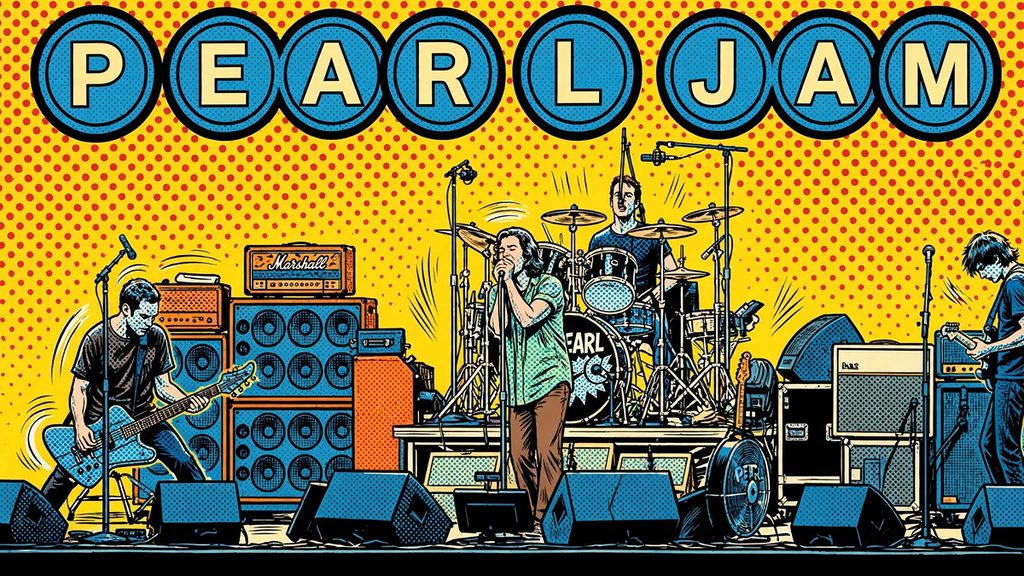
Austin City Limits Music Festival 2009: A $2.5 Million Fix Becomes a Mud Bowl
- Headliners: Pearl Jam, Dave Matthews Band, and Kings of Leon
The eighth annual ACL moved to October 2–4 and arrived with the deepest infrastructure bet yet: the city had just spent $2.5 million on a months-long resodding of Zilker Park, laying fresh turf over a special compost base called Dillo Dirt to finally solve the dust problems that had dogged the festival since 2004. It didn’t survive contact with the weather. Saturday’s downpour turned the brand-new lawn into a thick, stinking mud pit — festivalgoers later learned Dillo Dirt was a blend of city yard clippings and treated sewage sludge — and the grounds stayed closed for repairs until mid-October. The lineup absorbed its own hit before a single drop fell: scheduled headliners the Beastie Boys pulled out after Yauch’s diagnosis, with Yeah Yeah Yeahs stepping into the slot and Pearl Jam, Dave Matthews Band, and Kings of Leon carrying the top of the bill across 130 acts on eight stages. None of it kept people away. Three-day passes at $185 sold out roughly two weeks before gates opened, and fans who couldn’t get tickets were reportedly still hunting for them outside the park on show days. Sunday closed with Pearl Jam, the Dead Weather, and Ben Harper playing to a crowd still caked in mud from the day before, undeterred by the mess or the smell. With the broader economy still deep in recession a full year after the 2008 crash, the fact that ACL sold out anyway — and that scalpers were still finding buyers — suggested the festival business, unlike much of discretionary retail, was holding its ground. The mud, though, became the year’s defining image and the costliest lesson yet.
Business lesson takeaway: Infrastructure spending has to be stress-tested against every likely failure mode, not just the last one — the $2.5 million turf fix solved 2004’s dust problem but turned into a smelly, sewage-laced mud pit the first time it rained hard, showing that a good fix for yesterday’s crisis can quietly create tomorrow’s.
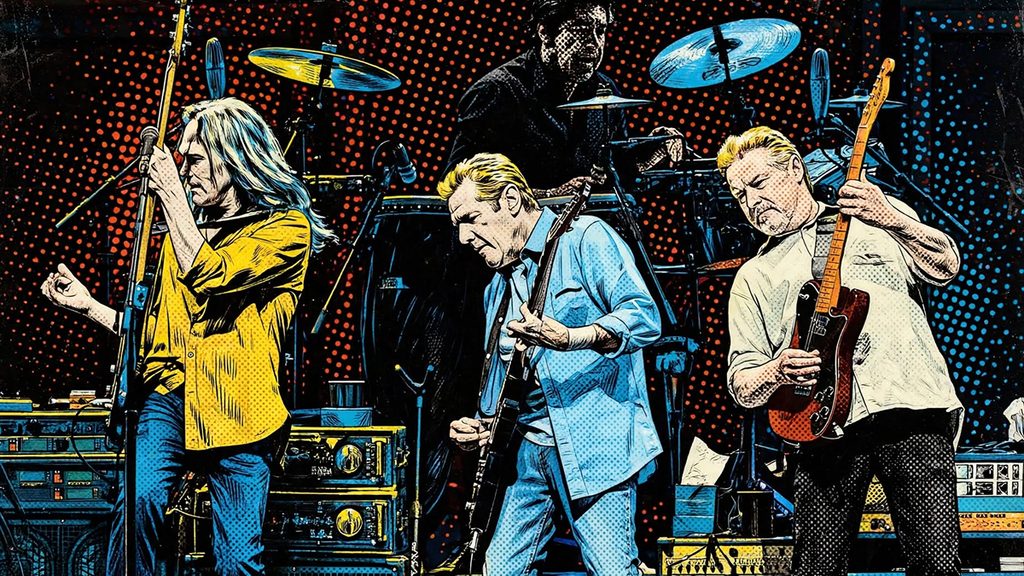
Austin City Limits Music Festival 2010: Sold Out Before a Single Act Was Named
- Headliners: The Eagles, Muse, Phish, The Strokes, and M.I.A.
The ninth annual ACL, held October 8–10, delivered the clearest proof yet that the festival had become a trusted brand in its own right: three-day passes, priced at $145 and put on sale back in October 2009, sold out in a record 14 hours — before a single 2010 act had even been announced. When the lineup finally landed, it spread The Eagles, Muse, Phish, The Strokes, and M.I.A. across headline slots on different nights, backed by 130 total acts on eight stages, with single-day GA tickets running $85 and VIP three-day packages at $850. Roughly 65,000 fans turned out each day, and for once the festival had no disaster to recover from — no heat wave, no fire, no mud — just clean, well-run days after a stretch of years defined by crisis management. With the operational chaos behind it, critics noticed a new theme emerging instead: production value. M.I.A. leaned on elaborate visuals, Deadmau5 brought a towering LED stage rig, Muse doubled down on arena-scale bombast, and the Flaming Lips closed with a confetti-drenched finale — prompting the Austin Chronicle to call it “the Gaga effect,” where the line between the music and the spectacle around it had started to blur. Sponsors like Budweiser and American Express replaced the fading brands of the recession years (WaMu had collapsed the year before), signaling that corporate money was flowing back into live events as the economy stabilized. By the time the weekend ended, ACL had already opened ticket sales for 2011 to its e-mail list — proof the festival no longer needed to sell a lineup to sell a ticket.
Business lesson takeaway: When passes sell out before the lineup is even announced, the product being sold has shifted from “this year’s acts” to trust in the event itself — a far more durable, higher-margin revenue source than any single headliner.
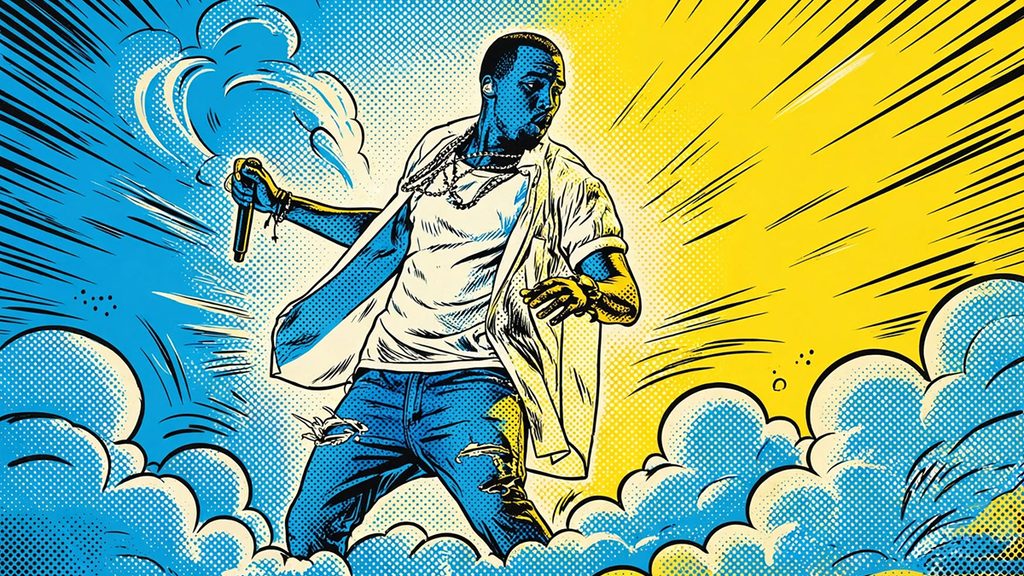
Austin City Limits Music Festival 2011: A Milestone Year Draws Mixed Reviews
- Headliners: Kanye West, Stevie Wonder, Coldplay, Arcade Fire, and My Morning Jacket.
For its 10th anniversary, held September 16–18, ACL leaned on its now-familiar playbook: three-day passes, priced around $185, went on sale before a single act was confirmed and still sold out within hours, while organizers built anticipation with a week of “scratch-off” lottery reveals that doled out the 130-act lineup piece by piece. A new contract with the City of Austin let C3 Presents raise the daily cap from 65,000 to 75,000, with attendance the year before already running around 70,000 a day. With the new ceiling, the festival could now theoretically host well over 225,000 fans across the weekend — matching the scale of its most crowded, chaotic years, but without the disasters that used to come with that kind of growth. When the full bill landed, headliners Kanye West, Stevie Wonder, Coldplay, Arcade Fire, and My Morning Jacket drew some griping that a milestone lineup should have carried more “wow factor,” even as single-day tickets at $90 stayed the cheapest entry point among the country’s four major festivals — Coachella, Bonnaroo, Lollapalooza, and ACL. The prior year’s edition had grossed just over $15 million in ticket sales, and 2011’s blind pre-sale suggested the number would climb again regardless of critical reception. That gap — strong sales despite lukewarm reviews of the bill — was the real story of the year: ACL’s brand had grown powerful enough to sell out on trust alone, but that same trust meant it could coast on reputation even when the curation underwhelmed some of its most loyal fans. Ten years in, the festival no longer needed a knockout lineup to hit a record gross, but the anniversary grumbling was an early signal that growth in capacity and price discipline isn’t the same thing as growth in audience satisfaction.
Business lesson takeaway: A brand strong enough to sell out blind can coast on trust for a while, but capacity and pricing power aren’t a substitute for lineup quality — audience goodwill, unlike a ticket cap, doesn’t renew itself automatically every year.
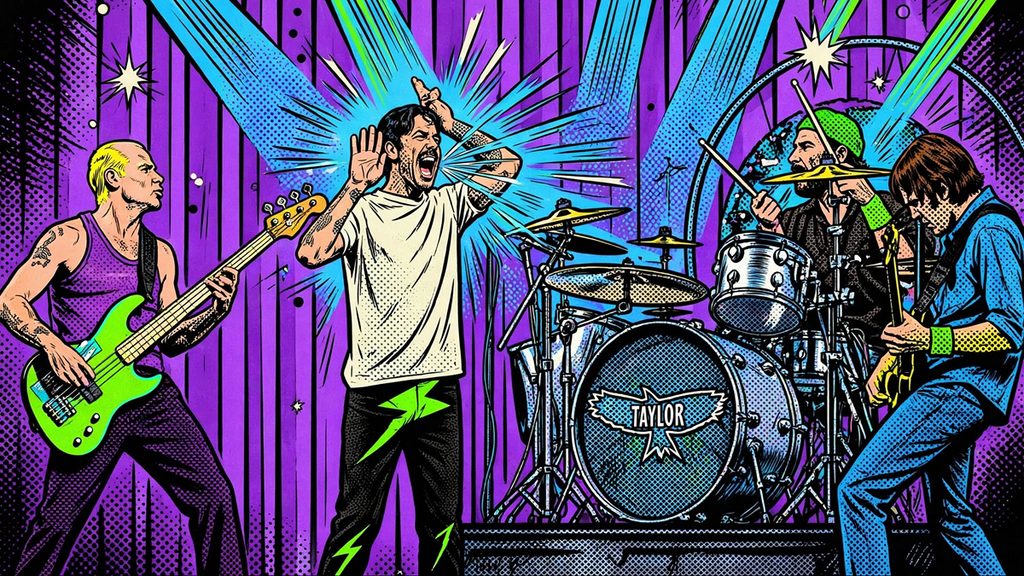
Austin City Limits Music Festival 2012: The Last Single Weekend Before Doubling Down
- Headliners: Red Hot Chili Peppers, Neil Young and Crazy Horse, The Black Keys, Jack White, Florence + the Machine, and The Avett Brothers.
Held October 12–14, the 2012 edition was, on its surface, business as usual: headliners Red Hot Chili Peppers, Neil Young and Crazy Horse, The Black Keys, Jack White, Florence + the Machine, and the Avett Brothers topped a bill of more than 130 acts across eight stages, teased through the same scratch-ticket reveal gimmick the festival had used for years, with three-day passes running around $200 in later on-sale rounds. Attendance held at capacity — roughly 75,000 fans a day, more than 225,000 for the weekend — a ceiling the festival had been bumping against since 2011’s cap increase. But the real story of 2012 happened off the field, days before the gates even opened: on August 16, the Austin City Council voted unanimously to let C3 Presents expand the festival to two consecutive weekends starting in 2013, mirroring the playbook Coachella had used to double its own attendance that same spring. For a festival that had spent a decade squeezing more people, more stages, and more revenue out of a single fixed weekend in a single fixed park, the vote solved the growth ceiling in one move — instead of fighting for a bigger crowd on the same three days, C3 could simply run the identical show twice and roughly double annual ticket revenue without booking a single additional headliner. It was a quiet approval buried in city council minutes, but it marked the moment ACL stopped being a music festival that happened to be profitable and became, deliberately, a scalable business built around repeatable production rather than one-off scarcity.
Business lesson takeaway: When a business hits a hard capacity ceiling, the fix isn’t always squeezing more revenue from the same fixed event — running the identical show a second time, as ACL’s council-approved move to two weekends did in 2012, can double revenue without diluting the product or straining the infrastructure any further.
Austin City Limits Music Festival 2013: Doubling Down Meets a Flash Flood
- Headliners: Depeche Mode, Muse, The Cure, Kings of Leon, Atoms for Peace and Lionel Richie
In its first two-weekend edition — October 4–6 and 11–13, borrowing the Coachella model the City Council had approved a year earlier — ACL ran the identical lineup twice, topped by Depeche Mode and Muse on Fridays, The Cure and Kings of Leon on Saturdays, and Atoms for Peace and Lionel Richie on Sundays, all for the same $225 three-day pass. The strategy hit trouble almost immediately: rather than the clean doubling of demand organizers had projected, weekend-one passes were reselling on StubHub and Craigslist for around $120 before the gates even opened, well under face value, as supply from a doubled annual capacity outran what the market could actually absorb. Then came the bigger blow. On the final day of weekend two, over ten inches of rain fell on parts of Travis County in twelve hours, triggering flash flood warnings that forced organizers to cancel the entire Sunday — the first full-day cancellation in the festival’s 12-year history — wiping out headline sets from Atoms for Peace, Lionel Richie, Phoenix, and dozens of other acts. C3 Presents refunded ticketholders one-third of their pass price by mail, a costly and reputationally awkward first for a festival that had built its brand on reliability. Despite the chaos, the overall numbers still grew: across the five days that did happen, ACL drew roughly 375,000 fans and grossed $32.1 million, both records, while the broader festival was estimated to be pumping well over $100 million a year into the local economy. But the math behind the two-weekend bet had gotten more complicated in year one — doubling the event hadn’t cleanly doubled demand, and it had doubled exposure to the one risk no infrastructure spending could fully engineer away: Texas weather.
Business lesson takeaway: Scaling a sold-out event by simply running it twice doesn’t guarantee demand doubles with it — 2013’s resale prices collapsed on weekend one even as a historic flood wiped out an entire day of weekend two, proof that doubling capacity also doubles exposure to the risks a single, tightly scarce event used to absorb more easily.
Austin City Limits Music Festival 2014: Second Year Proves the Two-Weekend Bet Works
- Headliners: Eminem, Pearl Jam, Outkast, Skrillex, Beck, Calvin Harris, Lana Del Rey, and Lorde
Back for a second consecutive two-weekend run — October 3–5 and October 10–12 — the 13th annual ACL was really a referendum on whether 2013’s flood-and-fire-sale debut had been a fluke or a warning. This time the model held. Roughly 75,000 fans turned out each day, adding up to about 450,000 across both weekends at the same $225 three-day price point, and unlike the year before, weekend one sold out cleanly and most fans picked just one weekend rather than both — a sign the market had settled into buying the two-weekend format on its own terms instead of flooding the resale market the way it had in 2013. The weather cooperated for most of it: sunny, comfortable days opened weekend one after 2013’s disastrous flooding, though weekend two brought enough rain to turn parts of the Great Lawn muddy again — this time without forcing a cancellation. Headliners Eminem, Pearl Jam, and Outkast anchored a bill that also leaned hard into Skrillex, Calvin Harris, and Zedd’s EDM boom, while Lorde’s weekend-two-only slot (with Jhené Aiko filling the gap on weekend one) reflected a deliberate push toward a more international, more female-fronted lineup after critics had knocked 2013’s bill for skewing male and guitar-heavy. City officials had floated that the two-weekend format could eventually double the roughly $102 million in annual economic impact the single-weekend 2012 festival generated, and while full 2014 numbers weren’t in hand yet, the operational proof was clear: a full six days had gone off with no cancellations, no glut of discount tickets on StubHub, and no repeat of the prior year’s headlines.
Business lesson takeaway: A scaled-up format doesn’t get judged fairly on its first attempt — 2014 showed the two-weekend model only became a real success once C3 fixed the specific failure points from year one (a narrow lineup, demand oversupplying the resale market), proving that scaling a business is an iterative process, not a one-time decision.
Austin City Limits Music Festival 2015: Live Nation Buys Into the Brand
- Headliners: Foo Fighters, Drake, The Strokes, Modest Mouse, and Florence + the Machine
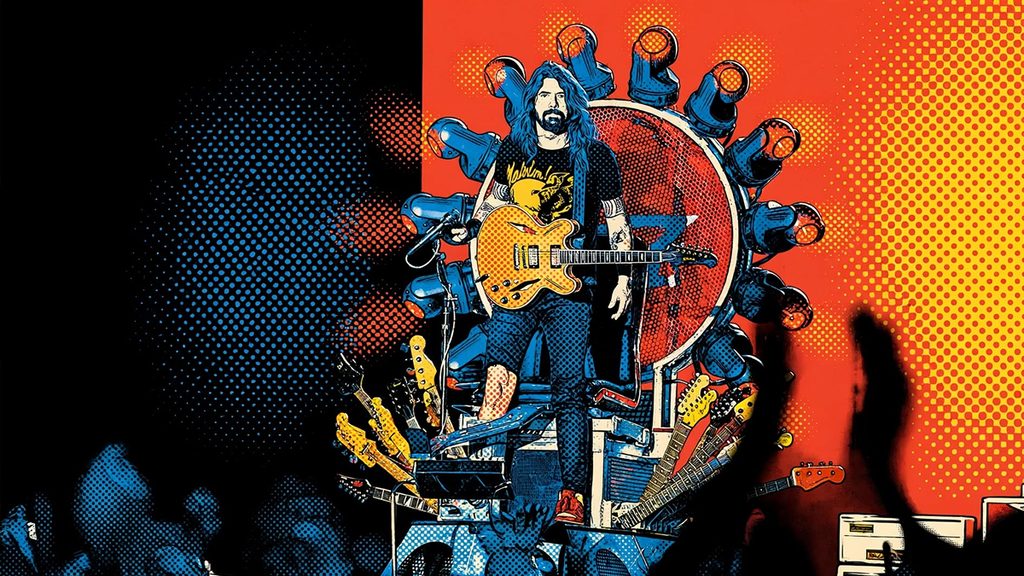
Held October 2–4 and 9–11, this was the first ACL staged under new ownership: three months earlier, Live Nation had closed a deal to buy a 51% controlling stake in C3 Presents for roughly $125 million, valuing the independent Austin promoter at around $250 million — proof that the growth story built since 2002 had turned ACL into one of the most valuable festival brands in North America. The timing made sense on paper: C3’s flagship event had doubled its annual attendance to more than 450,000 since the two-weekend expansion in 2012, and the world’s largest concert company wanted that scale, plus Lollapalooza’s international footprint, folded into its own global portfolio. On stage, the 138-act bill was headlined by Foo Fighters, Drake, The Strokes, and Florence + the Machine, at a three-day price of $250. The most memorable image of the year had nothing to do with the acquisition: Dave Grohl, having broken his leg falling off a stage in Sweden that June, performed the entire tour — ACL included — from an elaborate, throne-like guitar rig built to let him play while seated, turning a potential cancellation into one of the festival’s most talked-about moments. Critics also noticed a quieter shift: this year’s headliners cost noticeably less than 2014’s Eminem-and-Pearl-Jam pairing, and the bill leaned harder on acts also playing Coachella that spring, raising early questions about whether major festivals were starting to book from the same shrinking pool of stars rather than competing to outbid each other for them. Fifteen years after C3’s founders threw together a two-day event on a few months’ notice, their creation was now a line item in a publicly traded company’s balance sheet.
Business lesson takeaway: A festival’s ultimate proof of business success can be getting acquired — ACL’s growth from a scrappy 42,000-person debut to a 450,000-attendee, twice-yearly event made it valuable enough for Live Nation to pay roughly $125 million for control, showing how sustained operational execution eventually turns into acquisition value, not just annual profit.
Austin City Limits Music Festival 2016: Live Nation’s Money Buys Bigger Names
- Headliners: Radiohead, Mumford & Sons, Kendrick Lamar, LCD Soundsystem, Kygo, and Major Lazer
Celebrating its 15th anniversary across two weekends — September 30–October 2 and October 7–9 — ACL’s 2016 bill marked a clear reversal from the year before. After 2015’s comparatively modest Foo Fighters-and-Drake pairing led some to wonder if C3 was pulling back from big-ticket headliners to save money, the festival’s first full cycle under Live Nation ownership showed the opposite: Radiohead and Mumford & Sons made their ACL debuts alongside Kendrick Lamar, LCD Soundsystem, Kygo, Major Lazer, and a rare Willie Nelson set, none of them cheap bookings, at a moment when Live Nation’s capital gave C3 more room to spend on the acts fans actually wanted. Three-day general admission climbed to $255, but the bigger shift was in how finely the festival now sliced its pricing: alongside the standard GA tier sat a $1,100 three-day VIP pass, a newly introduced single-day VIP option, and a $3,600-per-weekend Platinum tier offering exclusive access and amenities — a level of ticket segmentation that let the festival capture far more revenue from its highest-spending fans without simply raising the base price for everyone else. The lineup also underscored a trend critics had flagged the year before: Radiohead, Kendrick Lamar, and LCD Soundsystem all turned up at multiple major festivals that season, evidence that the industry’s small pool of bankable headliners was being shared, and bid up, across an increasingly consolidated handful of promoters — Live Nation chief among them. Fifteen years after 67 bands played to 42,000 people on a shoestring budget, ACL was now spending real money to book its acts and building an entire pricing ladder to capture demand at every level.
Business lesson takeaway: Rather than just raising the base ticket price, 2016 showed ACL monetizing demand more precisely — spending more on marquee headliners while adding VIP and Platinum tiers to capture the full range of what different fans were willing to pay, a more sophisticated strategy than a blanket price hike.
Austin City Limits Music Festival 2017: Rebuilding Trust After a Shadow From Las Vegas
- Headliners: Jay-Z, Red Hot Chili Peppers, Chance the Rapper, The Killers, and Gorillaz.
Held October 6–8 and 13–15, the 16th annual ACL opened just five days after a gunman killed 58 people and wounded nearly 500 at the Route 91 Harvest Festival in Las Vegas — the deadliest mass shooting at a U.S. music event, and one that cast a shadow over every outdoor festival scheduled that fall. C3 Presents responded by visibly overhauling security rather than quietly hoping the moment would pass: more uniformed and undercover police, Texas Department of Public Safety troopers, and a security plan months in the making that added surveillance of “high ground” around the perimeter, all before headliners Jay-Z (added to the bill just hours after the initial lineup dropped), Red Hot Chili Peppers, Chance the Rapper, The Killers, and Gorillaz took the stage for roughly 75,000 fans a day. More unusually, organizers offered refunds to any ticketholder who no longer felt comfortable attending, effectively leaving revenue on the table to protect trust in the brand rather than push everyone through the gates regardless of how they felt. The grounds themselves were redesigned with more entrances and exits for faster, calmer crowd flow, plus a second food court and expanded wine lounge, while Verizon and AT&T boosted cell coverage across Zilker Park — infrastructure choices that doubled as both convenience and safety measures. Nearly half a million fans still came out across both weekends for the $255 three-day pass, proof the festival’s response had worked: the industry-wide fear the shooting generated didn’t translate into an ACL-specific attendance drop. The lesson of the year wasn’t about weather, capacity, or ownership — it was that when a crisis hits an entire industry rather than a single event, the businesses that recover fastest are the ones that visibly over-invest in the audience’s sense of safety before being asked to.
Business lesson takeaway: When a crisis hits an entire industry rather than a single business, the fastest way to protect revenue long-term is to spend on visible trust-building immediately — ACL’s refund offer and security overhaul cost money and ticket sales in the short term, but kept industry-wide fear from becoming an ACL-specific attendance drop.
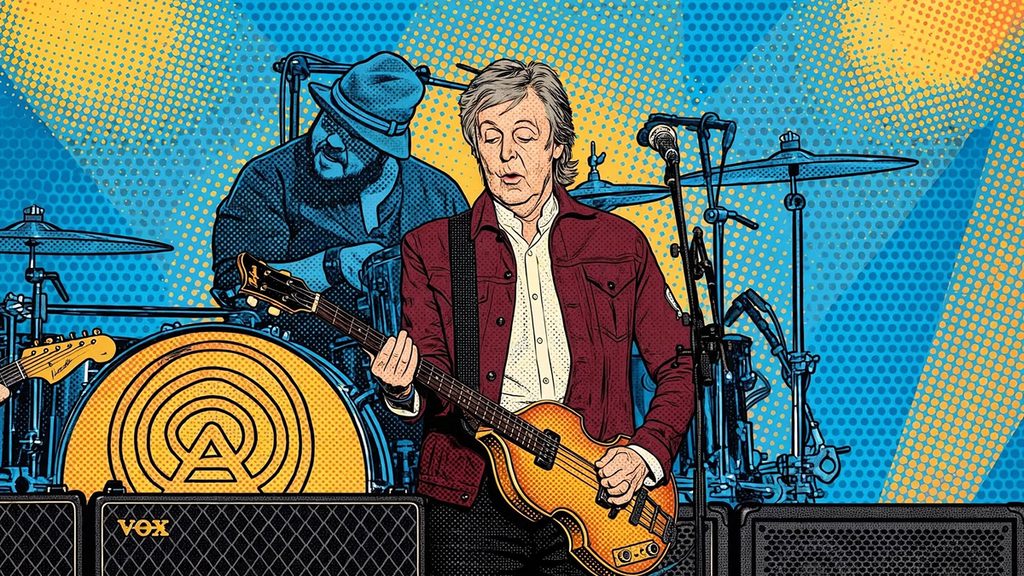
Austin City Limits Music Festival 2018: Paying for Exclusivity, Not Just Names
- Headliners: Paul McCartney, Metallica, Childish Gambino, Arctic Monkeys, Travis Scott, and Odesza
Held October 5–7 and 12–14, the 17th annual ACL’s headline strategy was a direct answer to a problem the festival itself had been flagging for three straight years: major festivals increasingly booking from the same shrinking pool of touring headliners. Instead, C3 locked down Paul McCartney and Metallica for their only North American festival appearances of 2018, alongside Childish Gambino, Arctic Monkeys, Travis Scott, and Odesza, across 125-plus acts on eight stages — a lineup no other U.S. festival that year could claim, turning exclusivity itself into the marketing pitch rather than just raw star power. That bench strength got tested almost immediately when Childish Gambino withdrew from his headlining slot with a foot injury; rather than leave a hole in the schedule, organizers simply promoted Travis Scott into the top slot and slid Justice, Phoenix, and Lil Wayne into the newly open time, a reshuffle smooth enough that most fans barely noticed the change. Ticket prices held at $255 for a three-day general-admission pass, with VIP at $1,100 and the Platinum tier — now including a shaded viewing deck, golf-cart rides, and spa services — still commanding $3,600 per weekend, but the festival also rolled out a new layaway option requiring just $50 down, a small but telling concession to how expensive attending had become for its more price-sensitive fans. Attendance held around 225,000 per weekend, roughly 450,000 for the year, and the exclusive bookings paid off in coverage: press repeatedly framed McCartney’s and Metallica’s ACL sets as must-see events precisely because they couldn’t be seen anywhere else on the continent that year.
Business lesson takeaway: In a festival market where headliners increasingly overlap across events, paying a premium to lock in an artist’s only North American appearance — as ACL did with McCartney and Metallica in 2018 — turns scarcity itself into the marketing differentiator, worth more than simply outbidding rivals for the same interchangeable names.
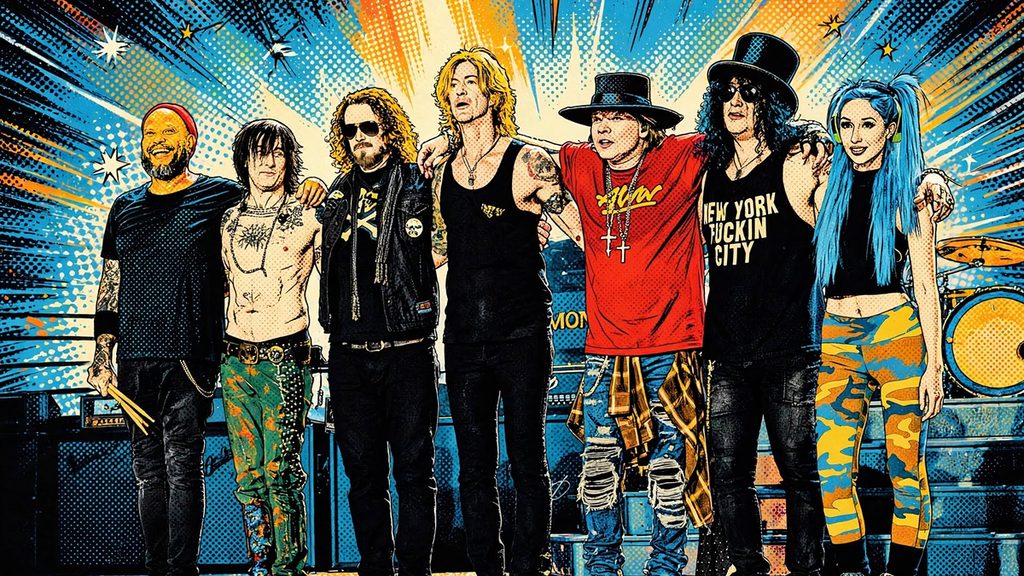
Austin City Limits Music Festival 2019: Record Impact, More Ways to Pay
- Headliners: Guns N’ Roses, Mumford & Sons, Childish Gambino, The Cure, Cardi B, Billie Eilish, Tame Impala, and Robyn
Held October 4–6 and 11–13, the 18th annual ACL leaned into two business trends at once: finer ticket segmentation and louder economic-impact PR. On the pricing side, the festival added a new “GA+” tier between standard general admission and VIP, splitting what used to be a simple three-rung ladder into four: $260 for three-day GA, $500 for GA+, $1,200 for VIP, and $3,600 for Platinum, with matching single-day options running from $105 up to $2,000 — a pricing structure fine enough to capture meaningfully more revenue from fans willing to pay just a little extra for shade, air-conditioned restrooms, or faster entry, without pushing them all the way to a four-figure VIP purchase. The lineup, topped by Guns N’ Roses (playing their first Austin show in over 25 years), Childish Gambino (back after withdrawing injured in 2018), Cardi B, Billie Eilish, and The Cure across 130 acts and eight stages, drew roughly 75,000 fans a day. But the number that got the most attention wasn’t a ticket price — it was the festival’s economic-impact study, publicly announced by Austin’s mayor alongside an oversized ceremonial check: $291 million pumped into the local economy that year, up from $265 million in 2018, along with more than 3,100 jobs supported and $119 million in labor income. That figure, produced annually by an outside economics firm and touted at a City Hall press conference, had become as central to ACL’s business case as its own ticket sales — the festival’s leverage with the city, from park access to expanded capacity, increasingly ran through proving its civic value in dollars, not just delivering a good weekend of music.
Business lesson takeaway: A festival’s public economic-impact report can become a business asset in its own right — by quantifying and publicizing its civic value ($291 million and 3,100-plus jobs in 2019 alone), ACL built political goodwill with the city that helped justify its continued growth, not just its ticket revenue.
Austin City Limits Music Festival 2020: The Year the Festival Didn’t Happen At All
- Headliners: None — the festival was canceled before any 2020 lineup was ever announced.
For the first time in its 19-year history, Austin City Limits simply didn’t happen. Organizers held out longer than most of the industry, never releasing a 2020 lineup and waiting until July 1 — well after Coachella and Bonnaroo had already scrapped their own rescheduled fall dates — before officially canceling the festival that had been set for October 2–4 and 9–11, citing “the uncertainty surrounding the current situation in Texas” without ever naming COVID-19 directly. The financial hit to Austin was severe: an event that had generated $291 million for the local economy the year before, and was projected to draw roughly 500,000 fans across six days, simply vanished from the calendar, and combined with the earlier cancellation of SXSW that March, the two anchor events together cost the city more than $600 million. What set ACL apart from some peers was how it handled the tickets already sold. Rather than forcing a strict no-refund policy — the approach SXSW had taken, which drew a class-action lawsuit within weeks — C3 Presents gave ticketholders an actual choice: hold onto a 2020 pass and use it for the rescheduled 20th-anniversary festival in October 2021 at locked-in 2019 prices, or request a full refund if they couldn’t make the new dates. It was a small policy decision with outsized consequences for trust: it cost the festival some upfront cash flow it might have kept by forcing deferrals, but it avoided the reputational and legal blowback that hit organizers who tried to hold onto customers’ money by force. With its parent company, Live Nation, grounding every tour it had worldwide that year and facing its own refund-related lawsuits, ACL’s comparatively generous approach to its canceled year quietly protected the one asset a total shutdown couldn’t touch: the audience’s willingness to come back.
Business lesson takeaway: When a total cancellation is unavoidable, how a business treats the money already collected matters more than the cancellation itself — ACL’s flexible refund-or-hold policy cost some short-term cash flow but preserved customer trust, while competitors who forced deferrals instead faced lawsuits and lasting reputational damage.
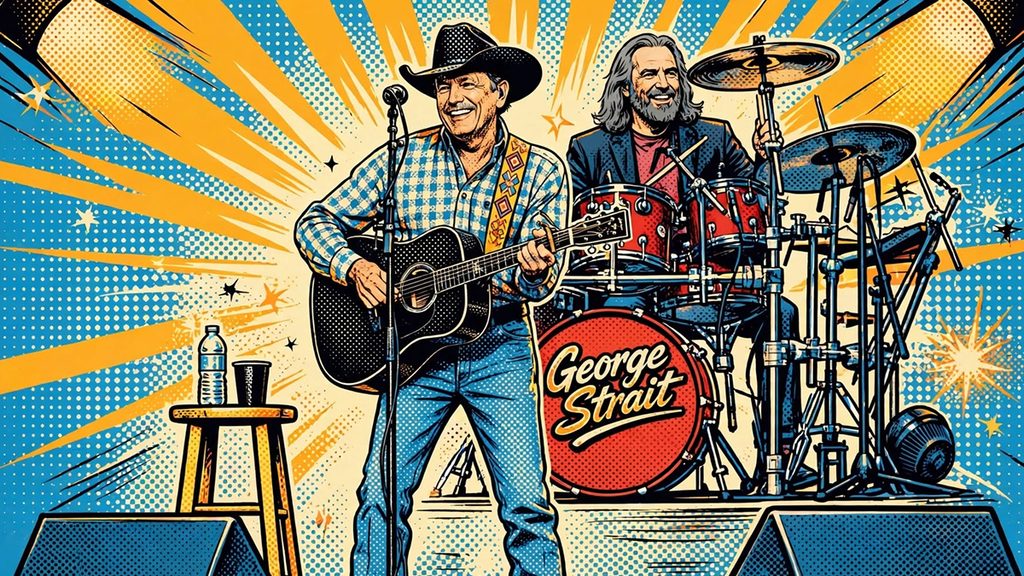
Austin City Limits Music Festival 2021: Sold Out in Three Hours, Then Left Guessing
- Headliners: George Strait, Billie Eilish, Stevie Nicks, Miley Cyrus, RÜFÜS DU SOL, and Duran Duran
Marking its 20th anniversary and its first festival in two years, ACL returned October 1–3 and 8–10 to a level of pent-up demand the festival had never seen: three-day passes for both weekends, priced at $275 for GA up through $3,800 for Platinum, sold out in a record three hours, even faster than the blind pre-sales of 2010 and 2011. Austin’s mayor tied the comeback directly to the city’s vaccination campaign, framing a full-capacity festival as proof the community’s public-health effort had worked, while headliners George Strait, Billie Eilish, Stevie Nicks, Miley Cyrus, and RÜFÜS DU SOL anchored a leaner-than-usual bill of just over 90 acts, still rebuilding from a year in which almost no one toured. But the demand side of the business was the easy part. With tickets already sold out weeks in advance, organizers still hadn’t finalized COVID-19 safety protocols with just two weeks to go, leaving ticketholders publicly frustrated and confused about whether masks, vaccination proof, or negative tests would be required to get in — a sharp contrast with sister festival Lollapalooza, which had announced its vaccine-or-test policy up front, at the same time it revealed its lineup. ACL eventually settled on requiring a printed negative test within 72 hours or proof of vaccination, but the late, shifting guidance left fans genuinely anxious in the run-up to the event, some publicly questioning whether it should be postponed. The lesson of the comeback year wasn’t about selling tickets — that had never been in doubt — it was that a festival can nail the demand side completely and still damage trust if it treats health and safety communication as an afterthought rather than part of the product being sold.
Business lesson takeaway: Selling out in record time doesn’t mean the operational work is done — 2021 showed that when a business is handling something as sensitive as public health protocols, slow or vague communication can erode customer trust even during a guaranteed sell-out, because clarity itself is part of what’s being sold.
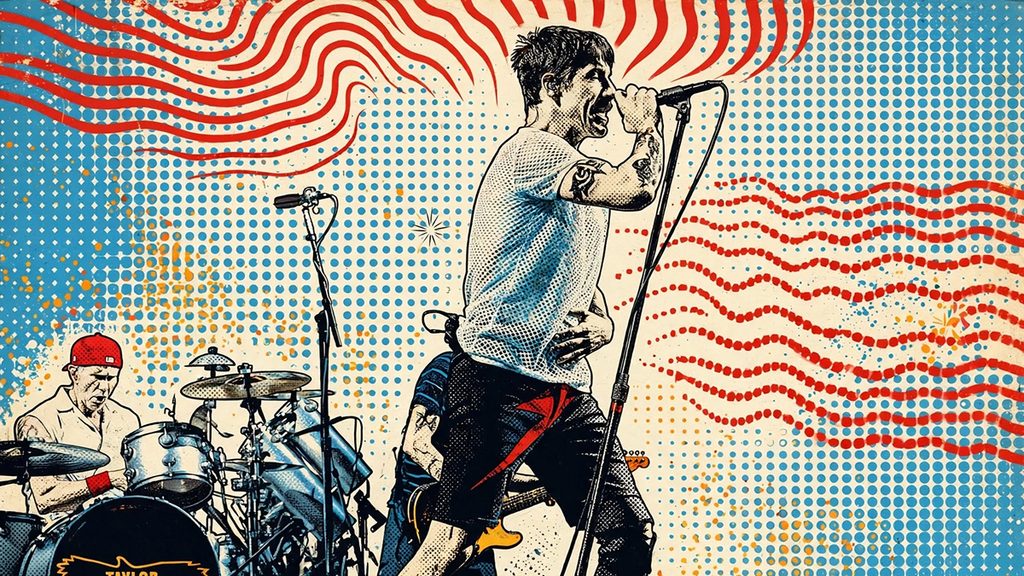
Austin City Limits Music Festival 2022: Proof the Pandemic Recovery Wasn’t a Fluke
- Headliners: Red Hot Chili Peppers, P!nk, The Chicks, Kacey Musgraves, SZA, Flume, Paramore, and Lil Nas X
Held October 7–9 and 14–16, the 21st annual ACL was the first fully “normal” edition since the pandemic — no vaccine or test requirements, no last-minute protocol scrambles like 2021 — and the results made clear the comeback wasn’t a one-time bounce. Headliners Red Hot Chili Peppers, P!nk, The Chicks, Kacey Musgraves, SZA, Flume, Paramore, and Lil Nas X anchored the bill, with three-day general admission starting at $295, GA+ at $600, and VIP at $1,400, while the festival lowered its layaway down payment to just $25 to keep the event within reach as prices kept climbing. Weekend one sold out almost as soon as tickets went on sale, and when the year’s economic-impact report landed, it showed just how far the recovery had run: ACL generated $447.9 million for Austin’s economy in 2022, up from $369 million the year before and well past the $291 million the festival had produced in 2019, its last pre-pandemic year. That trajectory mattered more than any single ticket price or headliner. A one-year jump after a canceled 2020 could have just been pent-up demand working itself out; a second consecutive year of accelerating growth, now comfortably ahead of pre-pandemic levels, was evidence that the audience and the local economy built around ACL had not just recovered but expanded past where they’d been before COVID hit. C3’s annual gift to the Austin Parks Foundation grew alongside it, reinforcing the now well-worn playbook of pairing festival growth with visible civic reinvestment. Three years after a canceled festival cost the city hundreds of millions, ACL wasn’t just back — it had become a meaningfully bigger business than the one the pandemic had shut down.
Business lesson takeaway: A single strong comeback year can just be pent-up demand catching up; 2022 showed the real test of a recovery is the second year — ACL’s economic impact kept climbing past its pre-pandemic peak, proving the growth was durable rather than a one-time rebound.
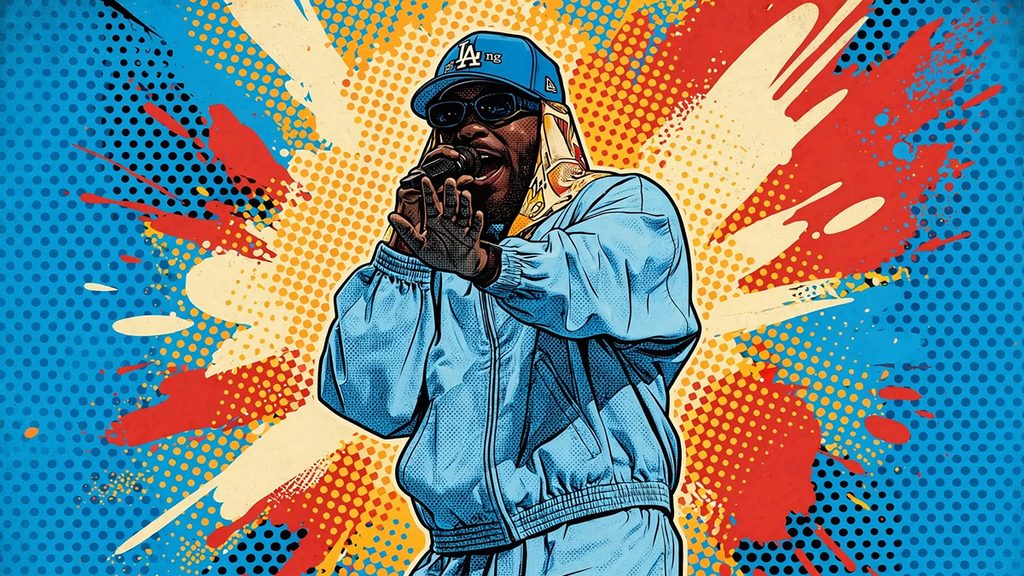
Austin City Limits Music Festival 2023: Promising No Surprises Amid an Industry Fee Backlash
- Headliners: Kendrick Lamar, Foo Fighters, Mumford & Sons, Odesza, The Lumineers, Shania Twain, Alanis Morissette, and The 1975
Held October 6–8 and 13–15, the 22nd annual ACL expanded to nine stages and headlined Kendrick Lamar, Foo Fighters, Mumford & Sons, Odesza, The Lumineers, Shania Twain, Alanis Morissette, and The 1975, with three-day general admission climbing to $335 and the Platinum tier reaching $5,705 — nearly $2,000 more than the same tier had cost just two years earlier. But the year’s real business story wasn’t a price, it was a promise: for the first time, ACL marketed its tickets with “no surprises at checkout,” pledging that every fee and shipping cost would be baked into the listed price rather than tacked on during purchase. The timing was pointed. Just months earlier, Ticketmaster’s chaotic Taylor Swift Eras Tour presale had triggered a Senate Judiciary hearing into Live Nation’s market power over live events, putting hidden fees and ticketing dominance under a level of national scrutiny the industry hadn’t faced in years — and Live Nation happened to own the majority stake in ACL’s own promoter, C3 Presents. Leading with transparent, all-in pricing let ACL position itself on the right side of a controversy its own corporate parent was absorbing elsewhere, turning a basic pricing-disclosure choice into a small but deliberate act of reputation management. The festival paired that pledge with a public booking commitment too, touting a lineup that was 45% female performers alongside LGBTQ+ and Latin artists, another metric-driven signal that programming decisions were now tracked and publicized rather than left to chance. None of it slowed ticket demand, which held strong even as the top-end Platinum price kept climbing well past where it had started.
Business lesson takeaway: When an industry-wide controversy — like the Ticketmaster fee and market-power backlash — threatens to tarnish a brand by association, getting ahead of it with a visible, simple commitment like all-in pricing can protect trust even while the underlying prices themselves keep rising.

Austin City Limits Music Festival 2024: A New $30,000 Tier Tops the Ticket Ladder
- Headliners: Dua Lipa, Tyler, the Creator, Chris Stapleton, Blink-182, Sturgill Simpson, and Leon Bridges
Held October 4–6 and 11–13, the 23rd annual ACL spread more than 140 acts across nine stages, headlined by Dua Lipa, Tyler the Creator, Chris Stapleton, Blink-182, Sturgill Simpson, and Leon Bridges, with three-day general admission starting around $360–$380. The real news in ticketing, though, was at the very top of the ladder: alongside the familiar GA, GA+, VIP, and Platinum tiers, the festival introduced an ultra-luxury “Bungalow” package priced at roughly $30,000 — nearly six times the cost of 2023’s top Platinum tier, and a clear signal that organizers had found an entirely new customer segment willing to pay hospitality-suite money for a music festival. That pricing ambition matched the festival’s underlying growth: an economic-impact study released the following spring found ACL had generated $534.8 million for Austin’s economy in 2024, its highest figure yet, supporting roughly 3,600 jobs and pushing the festival’s cumulative economic impact since 2006 past $4.1 billion. C3 Presents also handed the Austin Parks Foundation $8.4 million for the year, its largest annual gift to date, bringing total parks contributions since 2006 to nearly $71 million. Each of those numbers extended a trend line that had been climbing steadily since the pandemic wiped out 2020 — $291 million in 2019, $369 million in the comeback year of 2021, $447.9 million in 2022, and now well past half a billion. The Bungalow tier fit the same pattern in miniature: rather than simply raising prices across the board, the festival kept finding new, higher rungs to add above whatever the previous ceiling had been, letting its highest-spending fans set a new benchmark without changing what everyone else paid.
Business lesson takeaway: A pricing ladder is never really finished — 2024’s $30,000 Bungalow tier showed that as a festival’s brand grows, there’s almost always room to add a new rung above the old ceiling and capture revenue from the highest-spending segment, without touching the price everyone else pays.
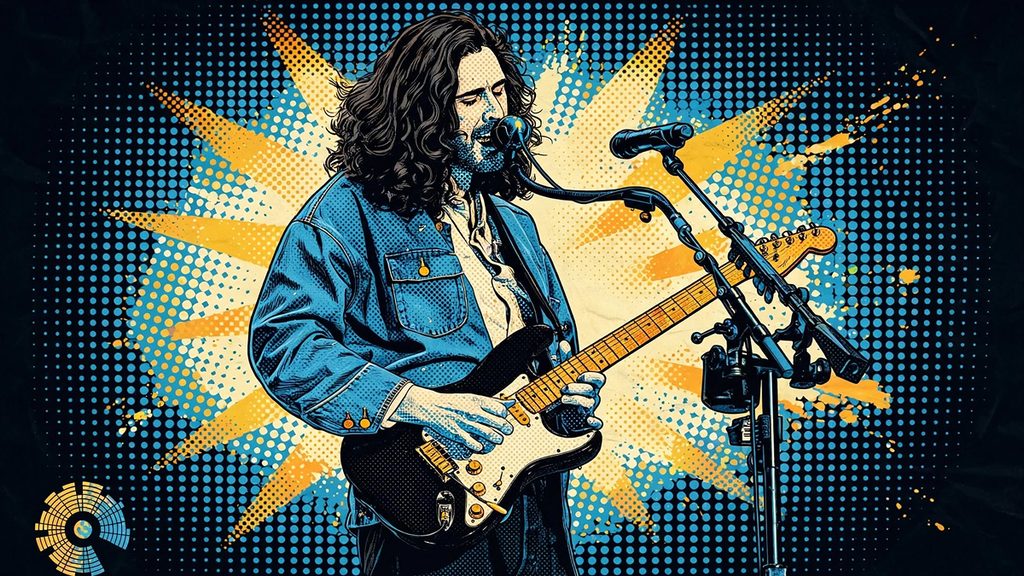
Austin City Limits Music Festival 2025: $558 Million Made, Just $103,000 Paid to the City
- Headliners: Hozier, Luke Combs, Cage the Elephant, Sabrina Carpenter, The Strokes, and The Killers
Held October 3–5 and 10–12, the 24th annual ACL weathered that late lineup shake-up while Hozier, Luke Combs, Cage the Elephant, Sabrina Carpenter, and The Strokes carried the rest of the bill for roughly 450,000 fans across the two weekends, with three-day GA passes starting at $345. When the annual economic-impact study landed the following spring, it showed the festival had generated $557.8 million for Austin’s economy, a 4% jump over 2024 and more than double what the same festival produced back in 2015, with food and beverage, hotels, and air travel leading the sectors that benefited. But the number that generated the most local scrutiny wasn’t the impact figure — it was the fee. Reporting later that year revealed that C3 Presents, the company that captures hundreds of millions in ticket and sponsorship revenue from a festival held entirely on city-owned land, pays Austin just $103,000 for the right to use Zilker Park. Set against $557.8 million in economic activity and the $8.5 million the company voluntarily donated to the Austin Parks Foundation that year, the contrast raised an obvious question the city hadn’t had to answer in earlier, smaller years of the festival’s history: whether a token usage fee still made sense for an event that had grown into one of the largest annual economic engines in Austin. The parks donation and the glowing impact reports had, for two decades, been enough to keep that question quiet — 2025 was the year it started getting asked out loud.
Business lesson takeaway: A voluntary donation and a favorable economic-impact report can smooth over a lopsided deal for years, but as a business built on public assets keeps growing, the gap between what it captures and what it pays eventually draws scrutiny — goodwill gestures aren’t a permanent substitute for a fee that reflects the actual value being generated.
Austin City Limits Endures As a Business That Never Stopped Reinvesting In Its Own Growth
Across more than two decades, ACL’s real achievement isn’t any single headliner or record-setting economic-impact figure — it’s a habit of treating every crisis as an invitation to build something more durable than what broke. A festival that started as a scrappy two-day event on a shoestring budget learned early that the fastest way to protect its own future was to spend on the problem directly in front of it: irrigation and turf after the dust bowl, refunds and visible security after Las Vegas, a flexible hold-or-refund policy after a pandemic wiped out an entire year, a deep bench of contingency headliners whenever a marquee act dropped out days before the gates opened. Each fix became the floor the next round of growth was built on, and that pattern of reinvestment is what turned a regional curiosity into a business valuable enough for the world’s largest concert promoter to buy a controlling stake in outright. The same instinct that fixed the dust bowl also kept finding new ways to monetize what it had built — splitting a single ticket price into GA, GA+, VIP, Platinum, and eventually a $30,000 bungalow tier, doubling the calendar from one weekend to two, and leaning on its own economic-impact numbers as leverage with the city that hosts it. That instinct hasn’t stopped paying off, but it hasn’t been free of friction either: the same growth machine that now generates more than half a billion dollars a year for Austin has also, by 2025, drawn public scrutiny over just how little of that value flows back to the public park it depends on. A festival that can survive fire, flood, a pandemic, and a corporate buyout, and still be finding new problems worth solving, has built something more durable than any one year’s lineup: a business that has never really finished growing.