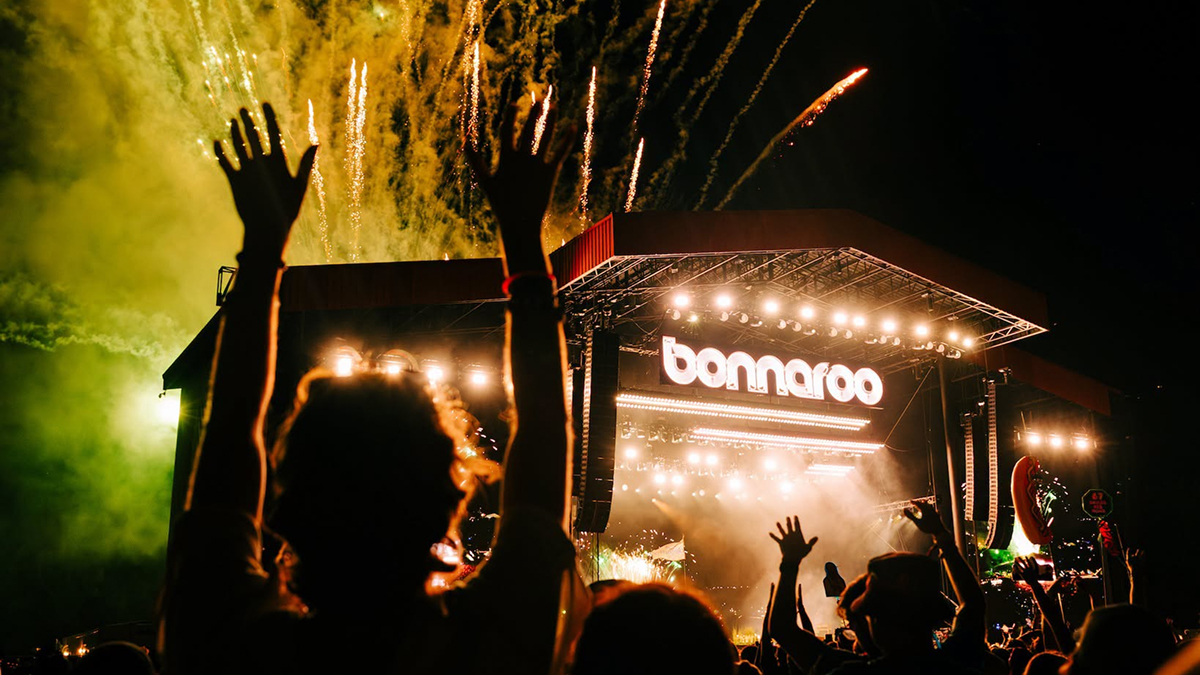
Jonathan Mayers was in his New Orleans apartment, looking through old records online, when he found a word that would end up on signs in a Tennessee field. He wanted a name that carried something of the city where he and his partners were working. He found it at the end of a Dr. John album title from 1974, and the word was Bonnaroo.
A music festival’s name can come from its first location, a person it was created to honour, or a piece of music or language its organizers wanted to carry into the event.
Across these 17 festivals, a late-night phone call, a sign on a Texas highway and a fundraiser for a garden all leave their mark on the words that go on the poster.
The Records and Screens That Gave Festivals Their Names
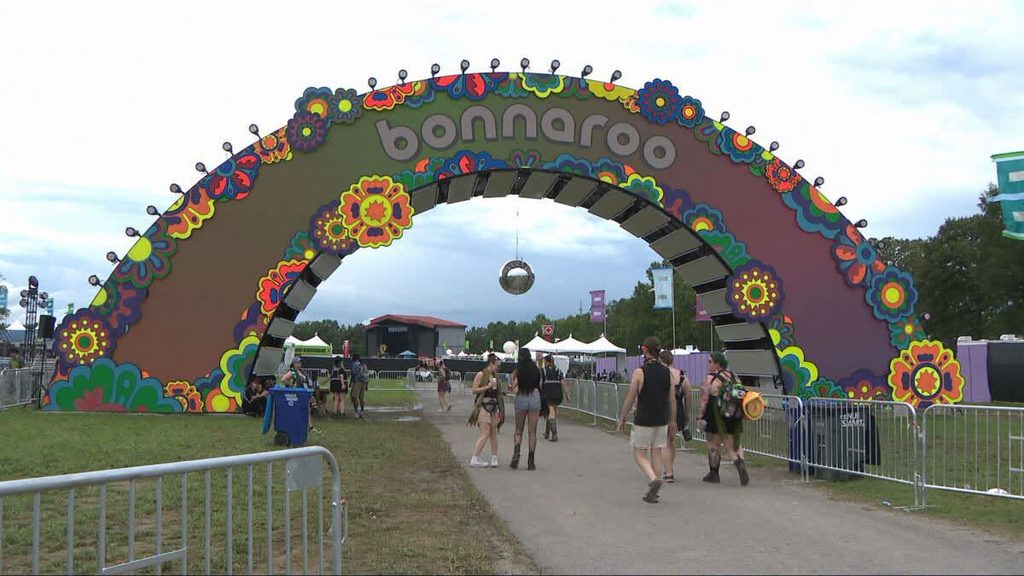
Bonnaroo, Manchester, Tennessee
Before the organizers settled on Bonnaroo, one name under consideration was Axis. Jonathan Mayers remembered that one falling out of favour after U.S. President George W. Bush used the phrase “axis of evil.” The team needed a word it could make its own, and Mayers had a record in mind.
Dr. John’s Desitively Bonnaroo gave him something that fit. Mayers understood bonnaroo to be New Orleans Creole slang for “good stuff,” and an online search turned up few other uses. His recollection explains the sense in which the organizers took the word, without requiring a single settled account of how Dr. John got it.
Mayers was one of the founders of Superfly, the New Orleans company that worked with Tennessee concert promoter Ashley Capps and AC Entertainment on the festival.
By the time the first Bonnaroo took place in 2002, the people putting it together had crossed state lines, and so had the name. Manchester gave the festival its home while New Orleans gave it the word on the ticket.
There’s a small joke embedded in the transfer. The title of Dr. John’s album already sounds like a verdict on the music inside. Mayers kept the part that could do the same job for a weekend of music, and a record title became something you could say when someone asked where you were going in June.
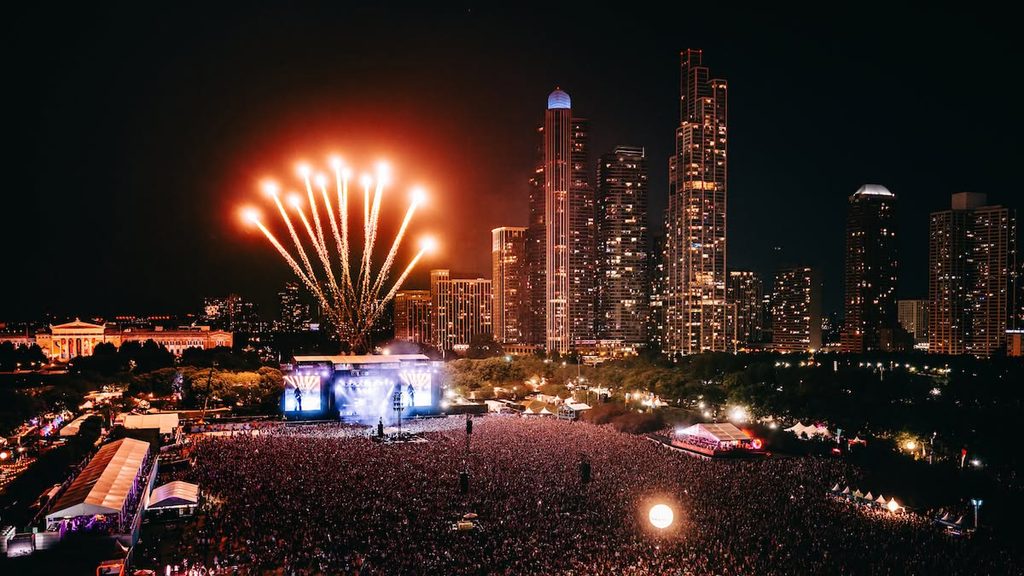
Lollapalooza, United States
The call came at one in the morning, as Marc Geiger remembered it. Perry Farrell, the singer of Jane’s Addiction, had a name for the festival they were putting together and wanted to tell him before morning. When Geiger asked where he’d got it, Farrell said he’d just heard it in a Three Stooges short.
The late-night call is in the oral history of the first Lollapalooza.
The word Farrell chose already meant an extraordinary example of something. It had the advantage of making a big claim in a word that sounded playful when you said it aloud.
In 1991 the name had to work for a travelling show built around Jane’s Addiction’s farewell. The bill also brought together acts including Living Colour, Ice-T and Nine Inch Nails, which made a name tied to one band or style a poor description of what the day contained. Lollapalooza could go on the poster above all of them.
It could also go on a poster in a different city the following day. That was part of its usefulness as a name for a tour, and it still made sense when the festival settled into Chicago’s Grant Park in 2005. The term Farrell picked up from a comedy short had no home city to leave behind.
South by Southwest, Austin, Texas
Roland Swenson had been to New York’s New Music Seminar and seen how much a single encounter could do for a working musician.
He met a booker in an elevator and landed a gig. He wanted to bring that kind of encounter to Austin, where the music was already there for people to hear if they made the trip.
When a plan to bring the New York event to Texas fell through, Swenson worked with Austin Chronicle colleagues Louis Black and Nick Barbaro and musician and booking agent Louis Meyers to create one of their own. Black named it South by Southwest, a play on Alfred Hitchcock’s North by Northwest. The film supplied the phrasing and Austin supplied the new direction.
The first South by Southwest Music and Media Conference and Festival took place in March 1987. The music showcases and the conference shared a name that pointed away from New York and toward Texas.
Film programming came later. That makes the name slightly out of step with the order in which people might now encounter SXSW. Hitchcock was present in the title years before a film festival was part of the event.
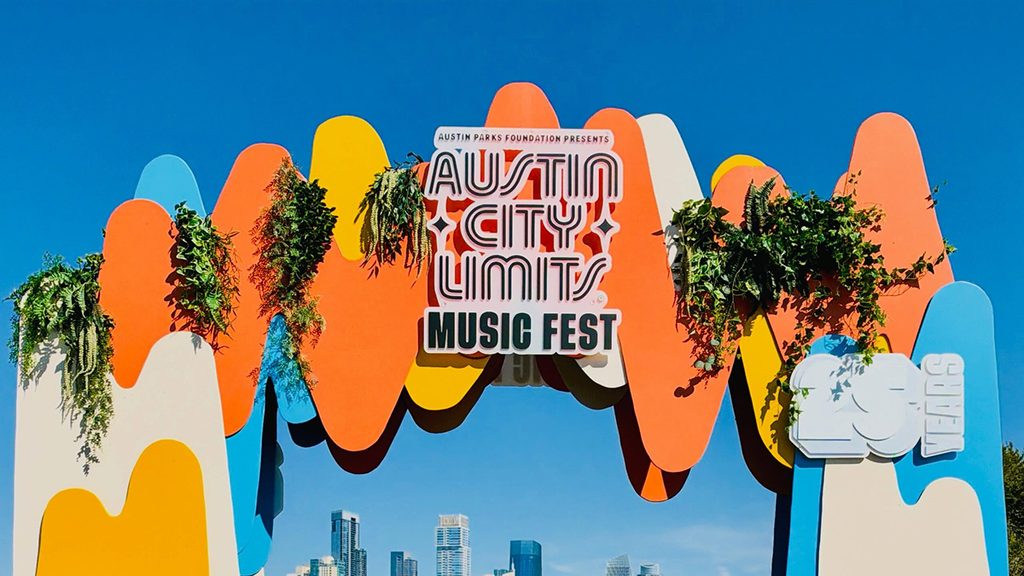
Austin City Limits Music Festival, Austin, Texas
Paul Bosner saw the words “Austin City Limits” on a sign as he drove from Dallas to Austin.
He was a television producer who followed the city’s progressive country scene, and the sign gave him a title for the music program he was developing with station program director Bill Arhos and director Bruce Scafe.
The three were responding to a call for original programming from PBS. They wanted a show with enough range for the country, blues, folk and other music they were hearing in Austin, and the name put the city in the foreground. The program’s own history credits Bosner with the title.
Willie Nelson recorded the pilot in 1974. For viewers watching from outside Texas, the city on Bosner’s sign became a place they could get to through a television set, one performance at a time.
In 2002 the Austin City Limits Music Festival took the program’s name outdoors to Zilker Park. The festival organizers inherited a title with nearly three decades of associations, and adding “Music Festival” told people what they would now get to see in person.
Bosner took three words from a road sign, and the festival took those words from the show.
Big Day Out, Sydney, Australia
Ken West knew the name he had almost used. As he recalled while writing his account of Big Day Out, the event was going to be called Kenfest.
He and Vivian Lees were putting together a Sydney show with Violent Femmes, and the day would grow to include Nirvana, local bands and a much fuller program than an ordinary concert bill.
The three words West settled on described the scope of the plan. He wanted people to arrive early and see the local acts, then go home when the show ended. An urban festival that took the better part of a day could make that promise right in its title.
West was less sure where the words first came from.
In his account of the naming, he wondered whether he’d simply reached for a common expression or remembered a British event that the Wonder Stuff had staged in 1991 under the same name. He’d also worked on the band’s Australian tour, which put the possible reference close at hand.
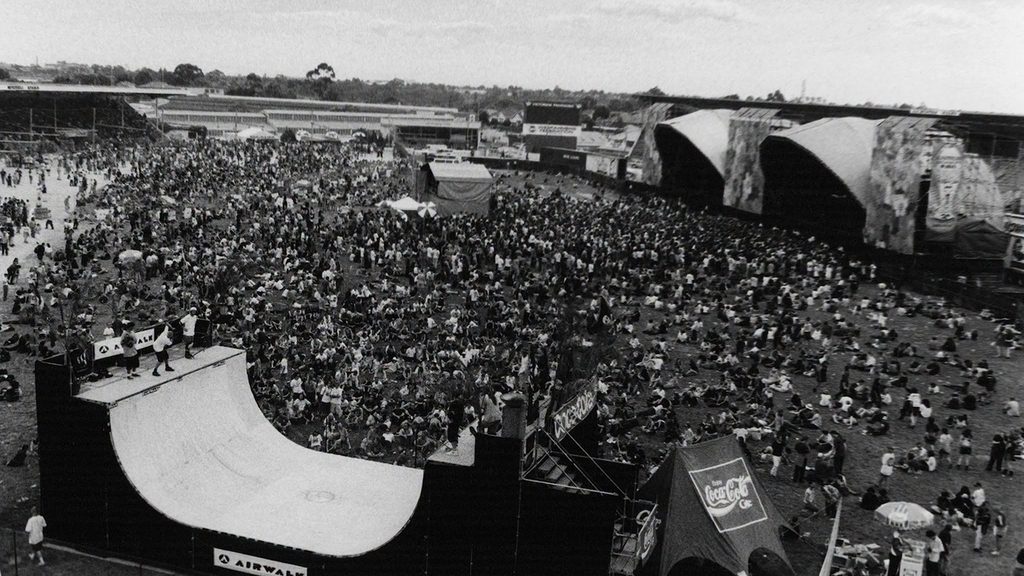
The first Big Day Out took place at Sydney’s Hordern Pavilion on January 25, 1992. The name followed the festival when it grew into a touring event in Australia and New Zealand.
West could remember what he wanted the day to feel like. The question of where he first heard those three words stayed open.
The Place Names That Tell You Where It All Began
Woodstock, Bethel, New York
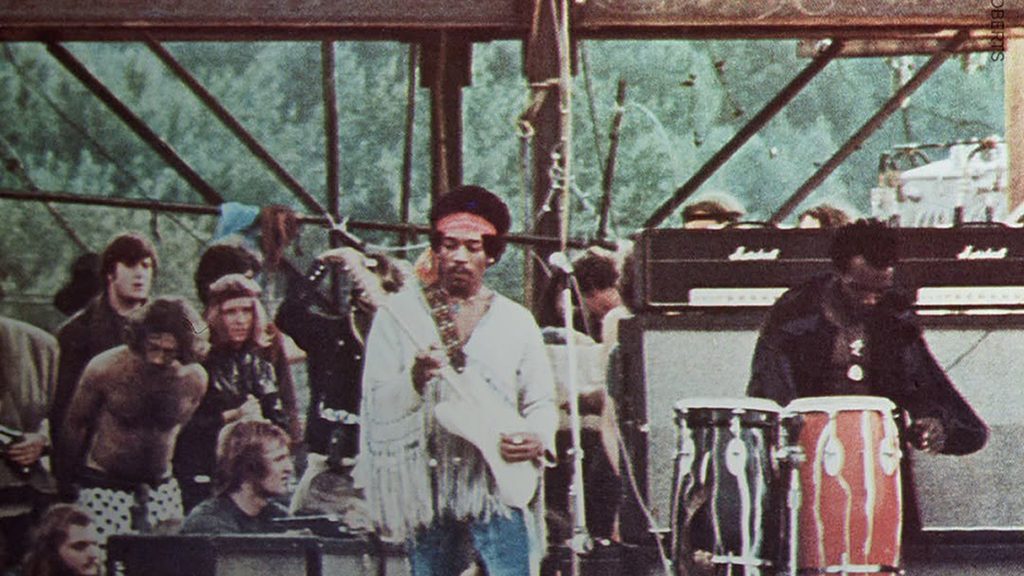
By August 1969, the Woodstock Music and Art Fair was going to take place on Max Yasgur’s dairy farm in Bethel.
The four producers, Michael Lang, Artie Kornfeld, John Roberts and Joel Rosenman, were already working as Woodstock Ventures. The town on the poster and the town where people needed to go had become two different places.
Woodstock was a town with an artists’ colony and a music scene, and a recording studio there was among the early ideas Lang and Kornfeld brought to the venture. Zoning difficulties sent the organizers to Wallkill, New York, and then another setback sent them to Bethel.
They kept the name they’d chosen for the original plan.
Lang explained in his memoir The Road to Woodstock that the town’s name conveyed the rural setting he wanted for the fair. The full title also promised art, and the words “An Aquarian Exposition” appeared in the billing. The place name did the shortest version of that work by giving the whole undertaking a setting in people’s minds before they got there.
When the fair moved, the actual field changed and that setting held. If you go looking for the site of the 1969 festival, you go to Bethel. If you want to know why the fair was called Woodstock, you have to start with the project that the producers brought to the farm.
Coachella, Indio, California
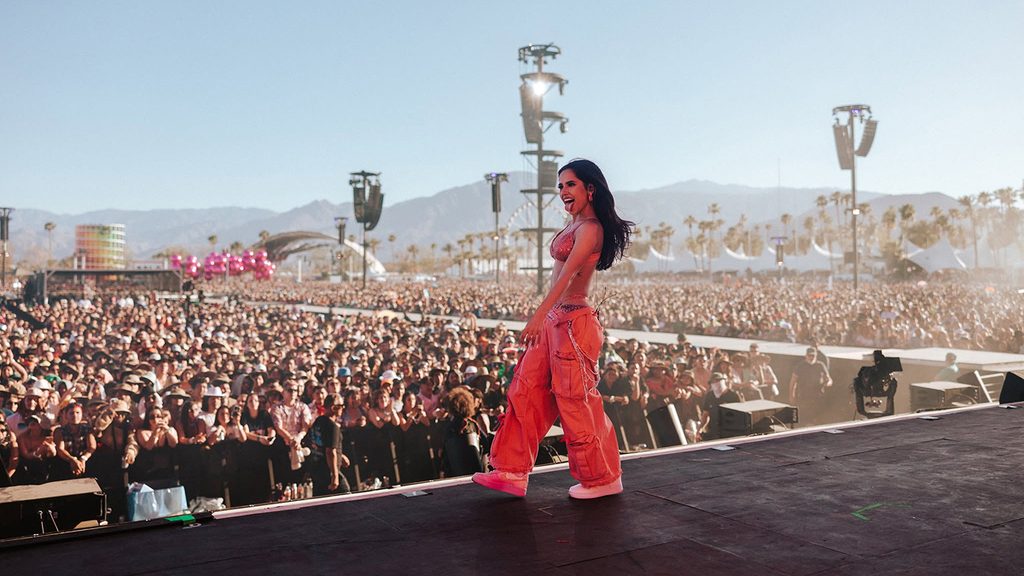
In 1997, Paul Tollett took pamphlets for a proposed California festival to Glastonbury. The photographs showed the sunny grounds of the Empire Polo Club in Indio. Glastonbury had turned muddy, and Tollett remembered people laughing at the contrast when he showed them the pamphlet.
Tollett and Rick Van Santen’s company, Goldenvoice, had used the polo grounds for a Pearl Jam show in 1993. When it launched the festival there in 1999, the title reached beyond the city of Indio to the wider Coachella Valley.
In the festival company’s account of the naming, the organizers followed the practice of large European festivals that took their names from their location or a nearby place.
The valley’s name comes with a much older printing story. Local accounts trace “Coachella” to an early town prospectus in which “Conchilla,” Spanish for “little shell,” appeared with a different spelling. The town’s developers kept the version that came back from the printer, and the spelling went on to name the city and the valley.
That leaves two different origin stories in the same word. The town inherited a spelling that stuck. Goldenvoice deliberately chose the valley’s name for its music and arts festival, which is why a festival held in Indio is known around the world as Coachella.
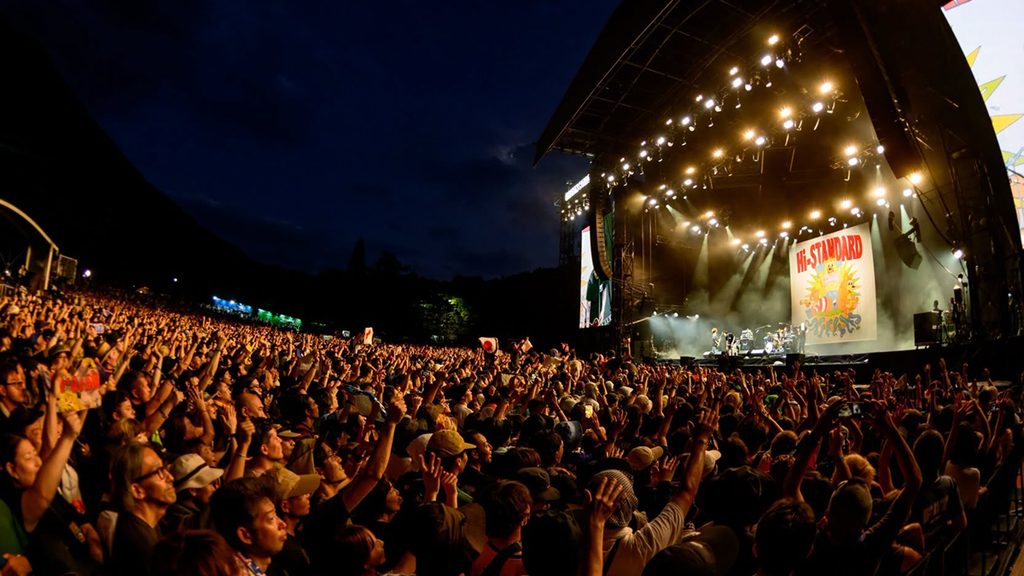
Fuji Rock Festival, Japan
The first Fuji Rock was held on the slopes of Mount Fuji at the Fuji Tenjinyama Ski Resort in July 1997. For Masahiro “Masa” Hidaka and his concert company Smash, the mountain gave the outdoor festival a place to start and a name that made sense the moment you looked at a map.
A typhoon took away the second day of that first edition. The Red Hot Chili Peppers played on the first day in the storm, and the festival’s archive records the cancellation that followed.
The next time organizers staged Fuji Rock, they took the name to Tokyo’s waterfront in Toyosu.
The Tokyo stop lasted one edition. In 1999, Smash moved the festival to Naeba Ski Resort in Niigata Prefecture, where there was room to set up stages across a mountain site again.
Hidaka, who had taken inspiration from British outdoor festivals, had found a more durable setting for the kind of gathering he wanted to hold.
The name remained Fuji Rock through both moves. Someone seeing it for the first time might read “Fuji” as a destination, but the word now tells you where the festival began. The mountain near the first stage kept its place on the poster long after the equipment had been packed up and taken elsewhere.
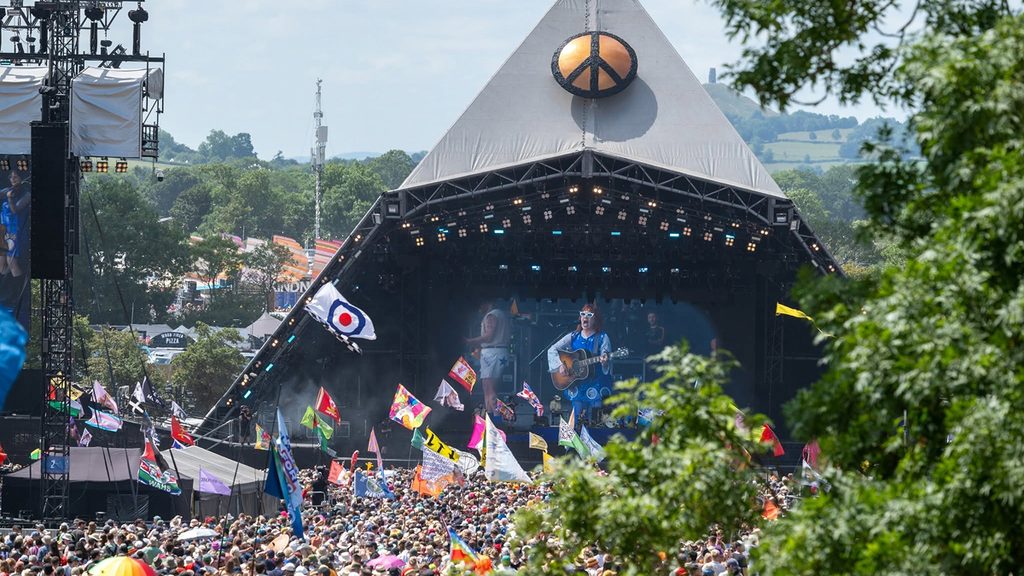
Glastonbury Festival, Pilton, England
The ticket for the first festival at Worthy Farm in 1970 called it the Pilton Pop, Folk and Blues Festival. Michael and Jean Eavis had put on a music festival at their Somerset dairy farm. The name gave the village and the styles of music the organizers expected to hear there.
The following summer, Andrew Kerr and Arabella Churchill helped put together a different kind of gathering on the same farm.
Admission was free, the date moved to the summer solstice, and the event took the name Glastonbury Fair, also rendered Glastonbury Fayre in archival material. The festival’s 1971 account connects the idea to a medieval fair, with theatre, poetry and dancing alongside the music.
That explains the change from a string of music genres to “Fair.” The choice of Glastonbury also fit a program with spiritual interests that reached beyond the farm. The organizers drew on the area’s associations with Glastonbury Abbey and Stonehenge, and the first Pyramid Stage was positioned with reference to a supposed ley line between them.
Later editions kept Glastonbury in the title as the event grew into a festival of contemporary performing arts. The farm stayed where it was, in Pilton.
The new name let the organizers describe a gathering whose idea of place was wider than the village listed on the first ticket.
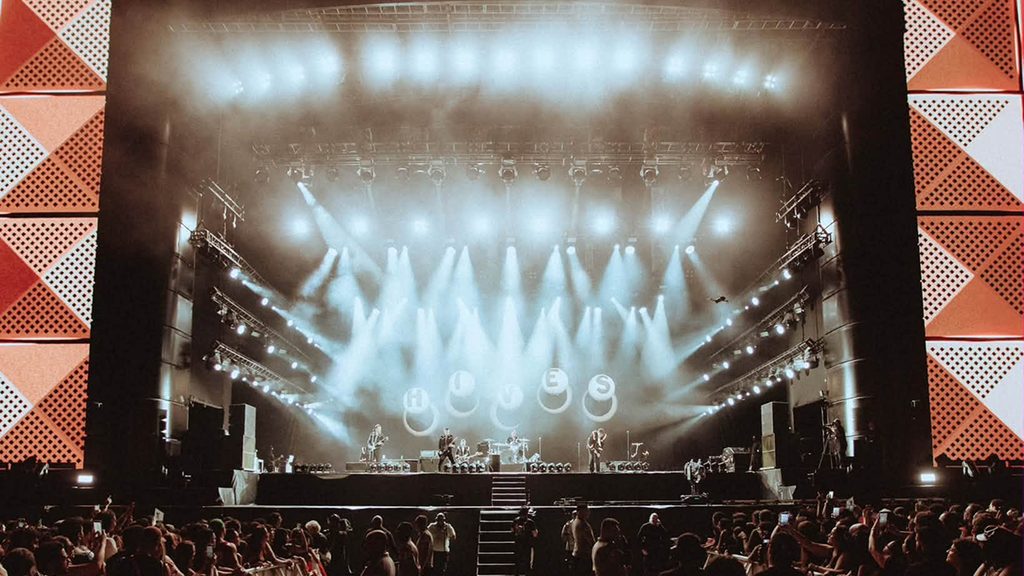
Rock in Rio, Rio de Janeiro, Brazil
Roberto Medina’s first Rock in Rio opened in January 1985 in a space built for the festival and called Cidade do Rock, or City of Rock.
The two names made the same connection at different scales. One put the city in the festival title, and the other gave the festival a city of its own for the duration.
Medina came from advertising, and the title he launched the festival under paired the style of music with the host city. International acts such as Queen played alongside Brazilian artists including Os Paralamas do Sucesso and Rita Lee. Rock gave the original bill its frame, while Rio de Janeiro put Brazil’s role right in the name of an event that brought musicians from elsewhere into the city.
The name had an unexpected test when the festival went to Portugal. In 2004, the organizers staged the first Rock in Rio Lisboa, keeping Rio in the name and adding Lisbon alongside it. Later editions in Madrid used the same construction, and the official festival history tracks those versions separately.
In Portugal, “Rio” became a way to name the festival’s point of origin in a city across the Atlantic. “Lisboa” supplied the information that the three words on the first Brazilian poster had once supplied on their own.
The Names That Kept a Person or Project in View
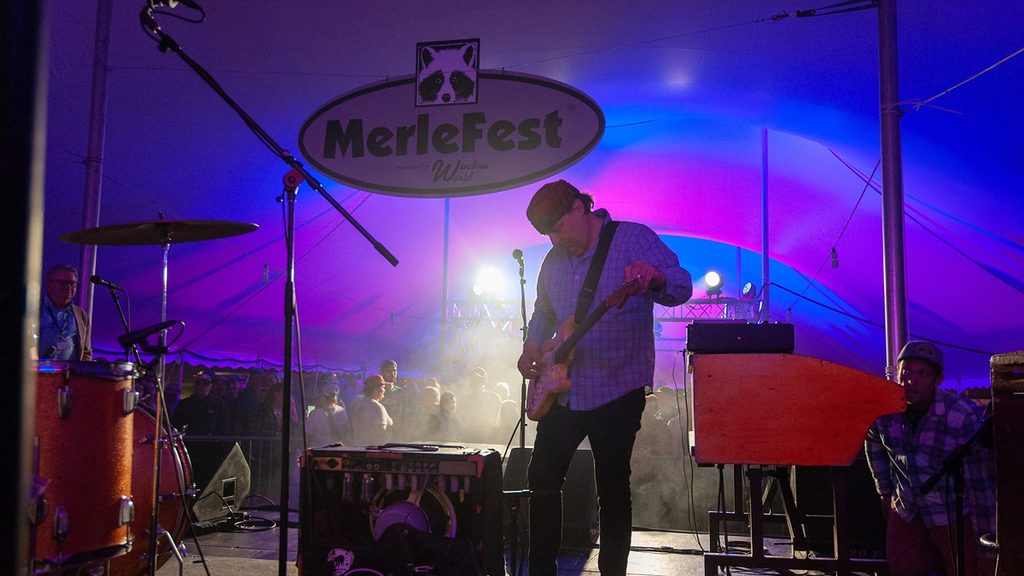
MerleFest, Wilkesboro, North Carolina
B Townes was trying to build a garden. A horticulture instructor at Wilkes Community College, he wanted a place where students could learn and where visitors could experience plants through more than sight.
When he approached Doc Watson about playing a benefit, Watson agreed on the condition that there be a way to remember his son, Eddy Merle Watson, who had died in 1985.
Merle had been his father’s musical partner. They had played and recorded together, and Doc used the term “traditional plus” for the way they moved between the music of Appalachia and whatever else they wanted to play. A memorial concert could honour that work by leaving room for the same musical range.
The college held the first Merle Watson Memorial Festival in 1988, with the proceeds going toward the memorial Garden of the Senses. Then a second naming moment arrived in the form of a letter. As Townes’s account of the festival’s early years relates it, North Carolina singer-songwriter Kay Crouch wrote to ask when the next “MerleFest” would take place.
Doc and his wife, RosaLee, approved the shorter name. Crouch had condensed the title in a way that kept the essential part. The festival still puts Merle’s name on the bill, just as Doc had asked Townes to do when the whole idea was a benefit for a garden.
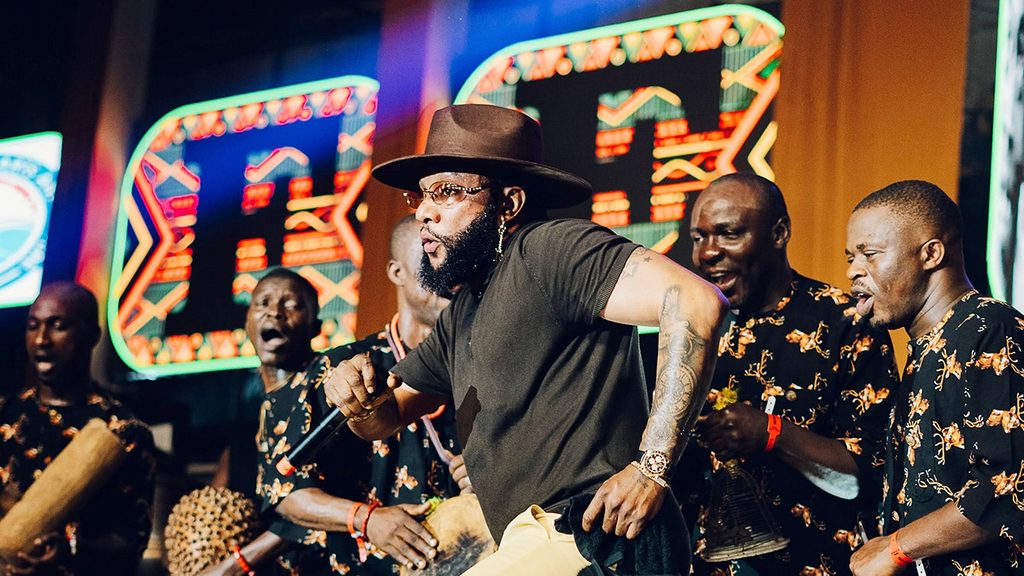
Felabration, Lagos, Nigeria
Yeni Kuti had already been part of her father’s music before she conceived a festival around it.
She danced and sang with his band Egypt 80, and later performed with her brother Femi’s Positive Force. When Fela died in 1997, the question of how to keep his work in public had a personal as well as a musical answer for his eldest child.
Yeni launched Felabration in 1998 as a celebration of Fela’s life and music. The name joins “Fela” and “celebration” so tightly that the purpose fits in one word. The festival takes place around his October birthday, giving the tribute an occasion to return to each year.
Fela’s Afrobeat brought together styles including highlife and jazz, and his music was closely tied to his political work. Over time, the tribute grew to include debates, dance and art as well as performances. The name could encompass those additions because the person it described had given Yeni and the organising team more than a set of songs to work with.
Yeni helped establish the New Afrika Shrine with Femi, and the venue became a home for the festival in Lagos. Felabration’s wording has room for other performers to bring their own music into the program. Fela remains the person who explains why they’re there.
Sappyfest, Sackville, New Brunswick
Julie Doiron and Jon Claytor had moved back to Sackville in 2004 and wanted an excuse for their friends in music and art to come and visit.
They already had a name they could give to something that brought those people together. Doiron had started Sappy Records in the 1990s, and Claytor had helped as the label began releasing music by other artists.
Then Paul Henderson was looking for a label to put out an album by Shotgun & Jaybird. Henderson was working with Struts Gallery and the Ok Quoi?! Contemporary Arts Festival, and Doiron and Claytor offered him the chance to take on Sappy Records.
That made a weekend of music and art in Sackville a way to relaunch the label as well as see their friends.
The three founded Sappyfest in 2006. In Doiron’s recollection of the first edition, the idea came together quickly and an annual festival was hardly a given. Using Sappy made sense because the weekend grew directly out of work they’d already done together under that name.
The label’s name remained visible as the festival developed its own identity. Drop “Records” and add “fest,” and you can follow the same circle from a release to a weekend in Sackville.
The Names That Described the Gathering Before It Existed
Vive Latino, Mexico City, Mexico
Jordi Puig Soberón had seen a music festival in the Pyrenees while living in Spain.
Back in Mexico, he put on parties in a workshop his family had in Mexico City before joining the concert company OCESA. There he was putting on rock shows when his boss, Alejandro Soberón, suggested that he bring several of the bands together for one event.
Puig and the OCESA team chose Vive Latino to make a point about the music they were booking. In Puig’s account of the naming, they wanted to say that Latin music occupied a space of its own.
The longer name, Festival Iberoamericano de Cultura Musical Vive Latino, made the geographical and cultural reach of that idea explicit.
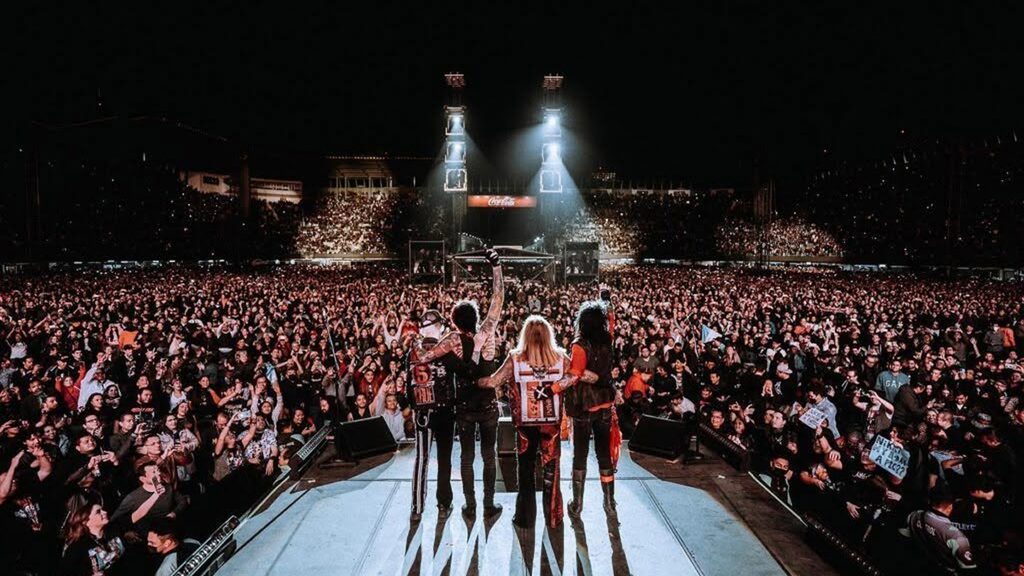
The first edition took place in Mexico City in November 1998. Established and underground acts shared the bill, and Puig’s team set up two stages so people could move between them over the course of the day.
The short name was broad enough to hold that mix and to stay in use as the festival’s genres widened. The job of “Latino” was clear from the beginning. It said whose music was being given the space, and “Vive” made the name sound like an invitation.
Osheaga, Montréal, Québec
In the weeks they spent trying to find a name, the team developing Montréal’s new music and arts festival considered Hochelaga.
It had an older connection to the city, which was what they wanted, but people could also take it as a reference to the present-day neighbourhood. The festival would take place across the river in Parc Jean-Drapeau.
Concert booker Nick Farkas told the story of that search in 2006, just before the first edition. While looking up Hochelaga, the team came across Osheaga. The organizers liked the sound and the associations, and it gave their festival the Montréal connection they’d been looking for without pointing people to the wrong part of town.
The 2006 interview introduced the word as a reference to rapids, while another version shared by the festival connects it to a story about Jacques Cartier, an encounter with St. Lawrence Iroquoians and people gesturing with their hands. Those are origin accounts with different interpretations, and Farkas’s interview is more direct evidence for how the festival team found and chose the word.
Osheaga also let the organizers describe the event without a genre in the title.
Their full billing added music and arts, leaving the name itself to do the work they had spent weeks trying to get right. The search for a name ended with the Montréal connection that had started it.
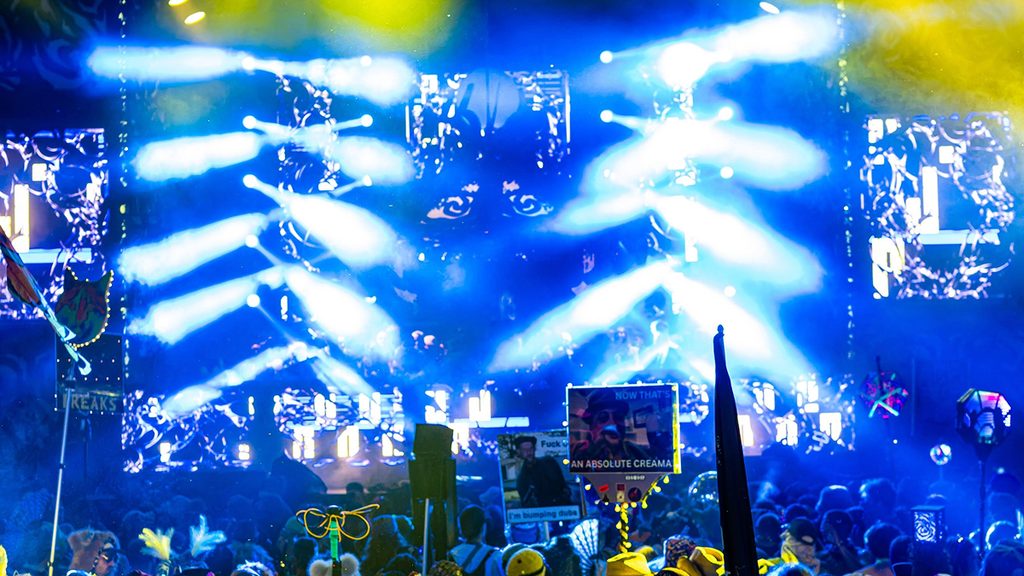
Shambhala Music Festival, Salmo, British Columbia
On Labour Day weekend in 1998, Jimmy Bundschuh and a small team put on a party for local art and music at his family’s Salmo River Ranch. Two stages went up on the working farm. One was called the Jungle Pit and the other was the Main Stage.
The festival’s name looked much farther away. In the Kalachakra tradition of Tibetan Buddhism, Shambhala is a hidden kingdom associated with the preservation of Buddhist teachings. The word came into use for the festival in British Columbia as a reference to that sacred place.
Bundschuh led the founding of the gathering that used the name, and the public accounts identify the tradition behind the word more clearly than the person who first suggested it. The distinction matters here because the name already carried a meaning long before electronic music began playing on the ranch.
In the festival’s telling, the Salmo River Ranch returns to being a working farm after the event, with the stages and their names belonging to the other life of the property. “Shambhala” gives that temporary gathering a name of its own. It has the shape of a place name, and the place it describes on a festival poster exists for the time the event is there.
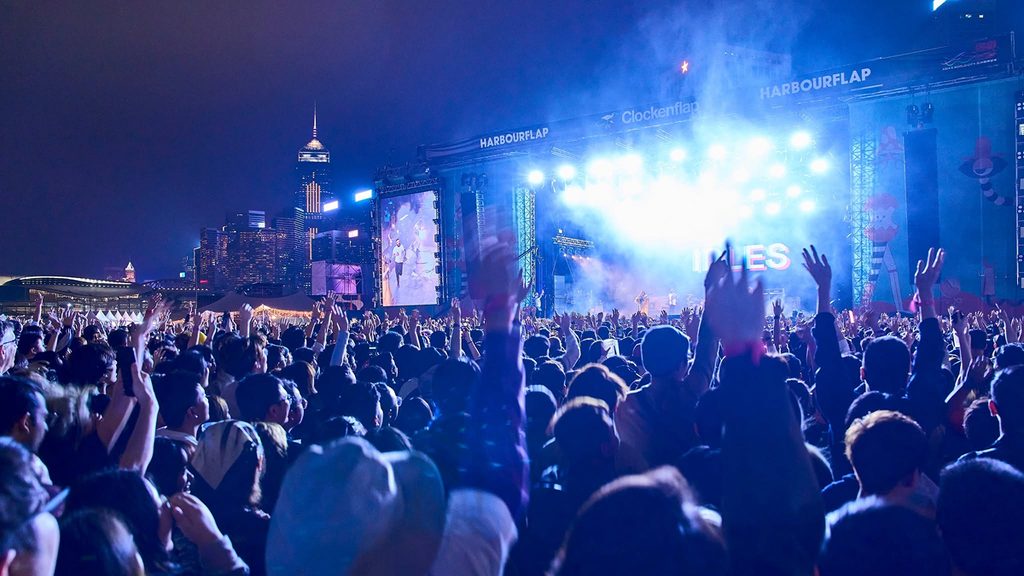
Clockenflap, Hong Kong
Jay Forster had a word before he had a festival. In 2005 he wrote “Clockenflap” on a piece of paper because he liked it, even though he hadn’t figured out what it was for. That was three years before he, Mike Hill and Justin Sweeting held their first music and arts festival under the name.
Forster and Hill had DJed together as Robot, and Sweeting had grown up in Hong Kong before studying in the United Kingdom, where the number and variety of music festivals made an impression on him.
The three had also been involved with the Hong Kong festival Rockit. When they talked about doing another event in their own way, Forster already had something to call it.
The first Clockenflap took place at Cyberport in 2008. Forster’s invented word began to take on a meaning when it appeared on the bill for those first shows. As Forster’s account of writing it down suggests, it was an expression he wanted to keep before he had a use for it.
Hill said some people in Hong Kong found the word difficult to pronounce, and the festival asked for ideas for a Chinese name. The English coinage had made it from a slip of paper to a festival poster. The next challenge was helping more people say it.
The Stories That Still Fit on a Festival Poster
An early festival poster can hold on to a plan long after the plan changes. There’s a mountain in Fuji Rock that the event left behind, and there’s a town in Woodstock that couldn’t host the fair in 1969.
Some of the other names work more like dedications. A listener who follows Bonnaroo back to Dr. John will find New Orleans in the story of a festival in Tennessee, just as a first visit to MerleFest starts with the name of a musician who never got to play there.