At 21, David Wilcox auditioned for Ian Tyson‘s band with a pawn-ticket Telecaster and almost no idea how to switch on the amp. He got the job anyway.
That mix of nerve, humour and fast fingers carried him from Toronto folk rooms to Carnegie Hall, across hundreds of campus dates a year, and, in 2002, into an Olympic gala skate set to one of his songs.
David Wilcox is a Canadian blues-rock guitarist, singer and songwriter, born in Montreal on July 13, 1949, and raised in Toronto, whose gold-certified albums and boogie-driven hits such as Riverboat Fantasy, Bad Apple and Layin’ Pipe made him a fixture of Canadian rock radio and the 1980s campus circuit.
In this article, we follow Wilcox from his first guitar through the Great Speckled Bird and the gold-record years, then look at his albums, his best-known songs, his gear, his honours and what his live show delivers today.
From Montreal to Toronto: How a Suburban Kid Found the Guitar
Wilcox was born in Montreal and grew up between that city and Toronto, where the suburbs became home. He has described himself as a suburban kid who was not much of a student or an athlete, and he left high school before graduating.
Elvis Presley was the spark. Wilcox remembers Elvis arriving, noticing that the girls liked him, and working out that what Elvis had was a guitar, so he wanted one too.
Buddy Holly and the Beatles soon joined the list, along with blues players such as Robert Johnson and Blind Lemon. By his own account, he was learning on a cheap, hard-to-play acoustic around age 11, which at least made his hands strong.
An older neighbour, probably about 30, showed him licks. One day his mother, with money tight at home, surprised him with a better guitar.
A scene from those years still shapes how he talks about music. In the basement with a little red Motorola radio, he pretended to be the singer whenever a man came on and the guitar player whenever a woman did.
His first gig came around age 14, in a church basement, for a room of people recently released from jail. His band played Donna by Ritchie Valens and a few Chuck Berry songs, and when someone slid a chair across the dance floor, Wilcox stepped to the microphone and said, “Three chairs for that man over there.”
He has called that moment the birth of the frontman.
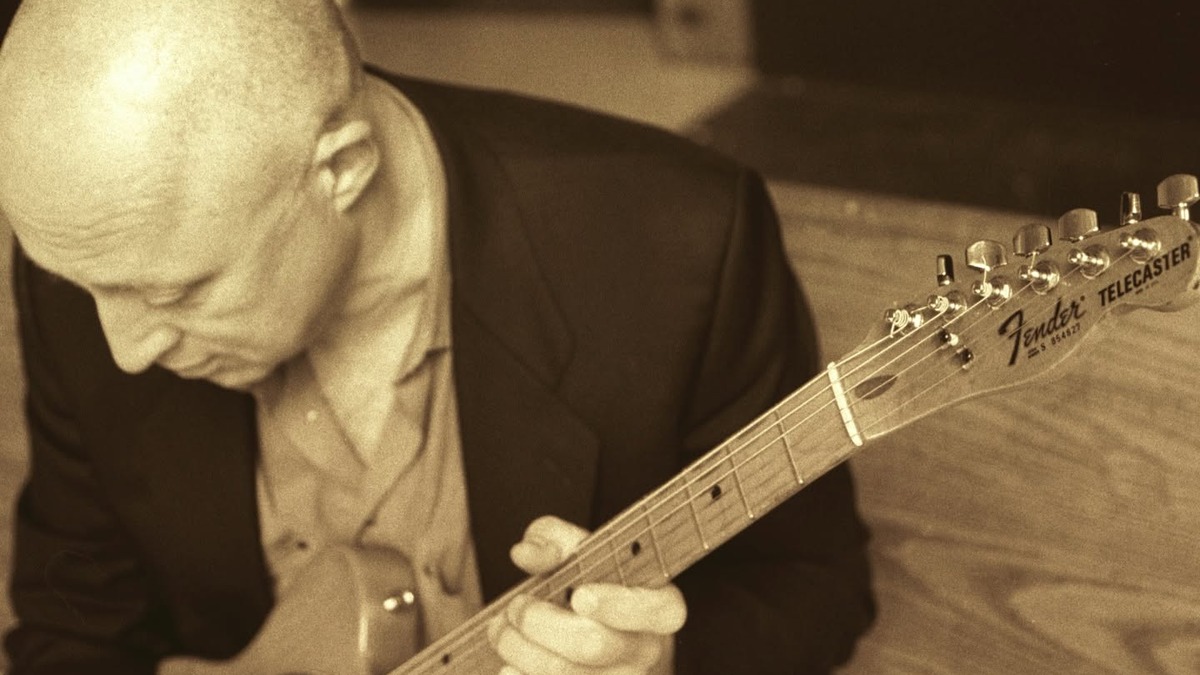
By around age 20, he was an almost entirely acoustic player steeped in Toronto’s Yorkville folk scene, with stints in bluegrass bands and bar gigs behind him. Then a friend who was about to lose a Fender Telecaster to a pawn shop sold it to him, and it became his first electric guitar.
Replacing Amos Garrett: The Great Speckled Bird Years and the Ian Tyson Show
Shortly after buying the Telecaster, Wilcox tracked down Ian Tyson’s phone number and talked his way into an audition. Tyson asked what he had done so far, Wilcox admitted not much, and Tyson let him sit down with him and his steel player anyway.
The job was daunting. Wilcox was stepping into the chair of Amos Garrett, who had left the Great Speckled Bird, the country-rock band that backed Ian and Sylvia Tyson, to join Geoff and Maria Muldaur’s new band in Woodstock.
It was 1970, and Wilcox was 21. The band’s national television gig, The Ian Tyson Show on CTV, which began as Nashville North, put him behind guests including Anne Murray, Carl Perkins, Charlie Rich, Bobby Bare and Ray Price.
He calls the experience one of the top two or three transformative moments of his life. He was playing beside older, more experienced musicians, earning what felt like a fortune, and finding that the electric guitar was more fun than he had expected.
Television mattered too, because even two seconds of airtime made people notice.
The band also took him to Carnegie Hall, where at one point the only instruments on stage were two acoustic guitars, played by Tyson and Wilcox. Wilcox had an exceptional night, Tyson introduced him twice, and the warm response convinced him that a career in music was possible.
He spent two and a half years in the band and recorded two records with it, including You Were on My Mind in 1972. He left in 1973, and he has said he owes Tyson a debt he can never repay for taking a kid from his mother’s basement in North York and putting him on international stages.
After the band, Wilcox toured and recorded with Maria Muldaur, and he backed Todd Rundgren, Paul Butterfield and John Paul Jones before building his own act.
Building a Band: The Rhythm Rockets, the Teddy Bears, and a Waxed Moustache
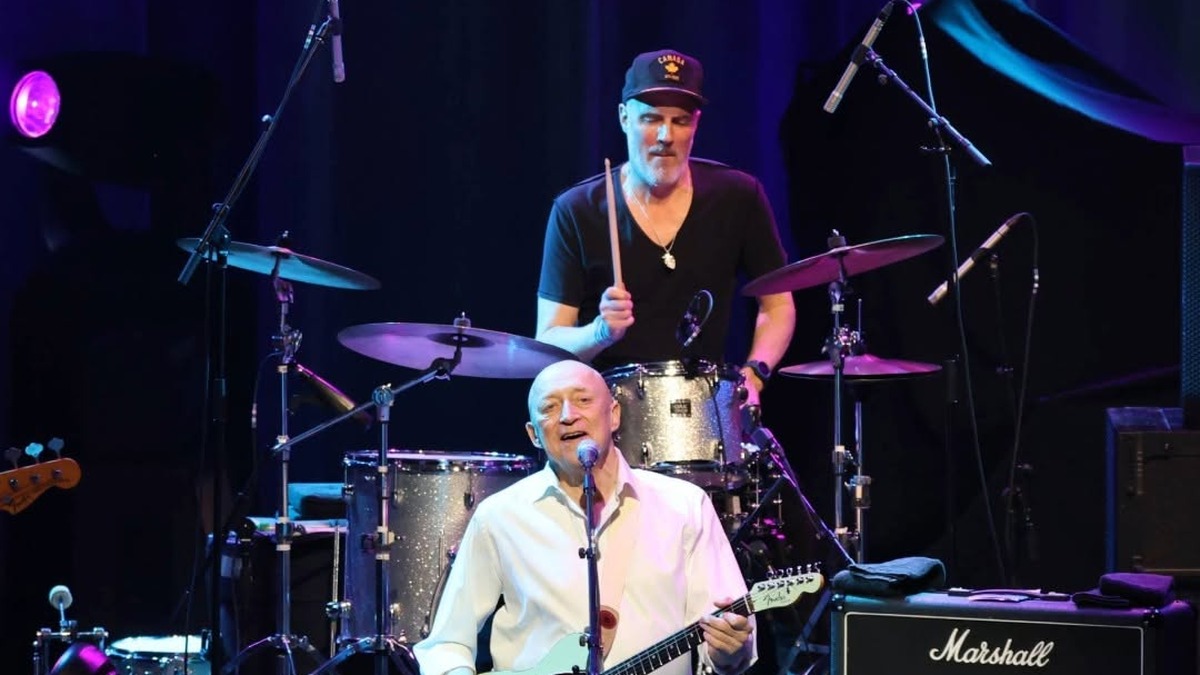
Among the bands Wilcox played in after Tyson was the Rhythm Rockets, which featured Dennis Stillwell Martin on vocals, harmonica and guitar. In 1975, he formed his own rock trio, briefly known as the Teddy Bears.
The look was part of the act. Wilcox took the stage in an oversized waxed moustache, a baggy suit and a flower in his lapel, and the Teddy Bears era was the first time he performed his own songs.
His reason for starting the band was practical. He figured that singing lead would make him a better backup singer and soloing more would make him a better guitarist, so he started a little band to see how far it would go.
More than five decades later, he says with a laugh, it is still going.
An early CBC broadcast recording, Schooled for You, predates his studio albums. In those years he played a Stratocaster rather than a Telecaster, and a Strat is what he used on That Hypnotizin’ Boogie.

Out of the Woods and the Long Road to a Gold Record
Wilcox recorded his first album under his own name, Out of the Woods, in 1977, with producer Sadia. Then the record sat.
Disco was what was big, he recalls, and nobody wanted what he was playing. He approached label after label and asked them to listen, and he sums up the effort in three words: “I pursued it.”
Eventually a small label, Freedom Records, signed the album, and it sold 25,000 copies. That was enough to convince a bigger label, and Capitol Records signed Wilcox in 1982.
Capitol reissued Out of the Woods, which reached No. 21 on the RPM album chart and became his first gold record. Three songs carried it: Do the Bearcat, Bad Apple and That Hypnotizin’ Boogie.
Airplay changed how he worked. He remembers a Friday night in a small Ontario bar he had never played, with three or four hundred people in the room, and a crowd that knew the words. They were calling for his songs instead of Zeppelin or Skynyrd.
He calls that a life moment, and it still feels like one. Being applauded before he walked on stage took him a long time to get used to.
The College Circuit Years: 300 Nights a Year and a Bad Reputation
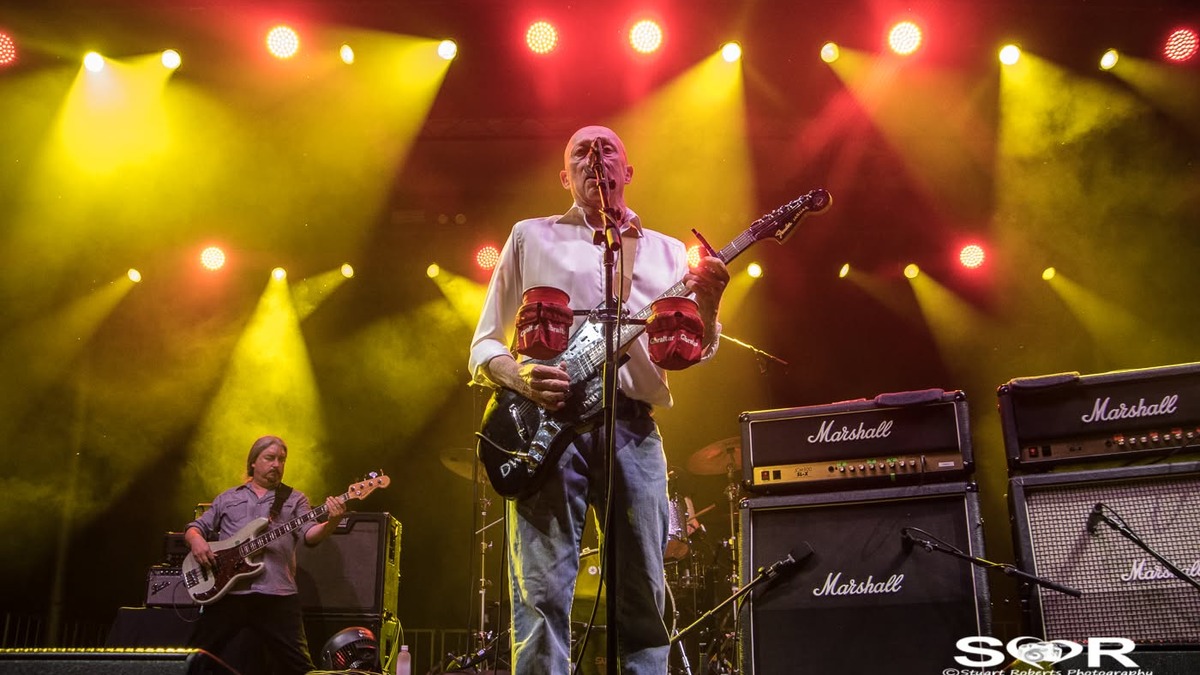
Through the 1980s, Wilcox became one of the busiest acts on Canadian campuses and in the country’s clubs. He played more than 300 dates a year and, at the time, was the highest-grossing campus performer in Canada.
He has described that era as six nights a week on the road.
The lifestyle matched the workload. His first three albums sang, from experience, about sex, drugs and rock and roll, and about the gossip that trails a wild reputation.
Wilcox has been open that he had a drug and alcohol problem that went on stage with him. By 2002, he had been sober for ten years.
The Albums That Defined David Wilcox, From Capitol Gold to Stony Plain
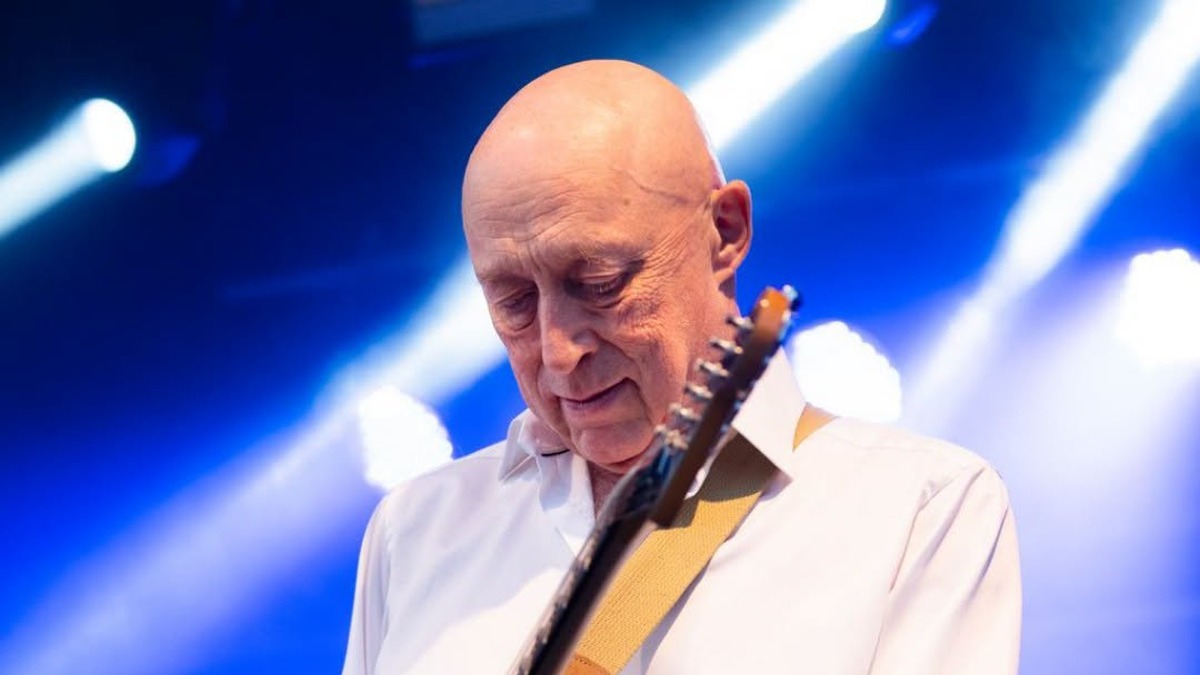
Wilcox’s catalogue moves from a raw, live-in-the-studio Capitol era to a glossier late-1980s sound and then to a roots-minded run on the Edmonton label Stony Plain. His debut, Out of the Woods, is covered above, so this tour starts with the follow-up.
My Eyes Keep Me in Trouble (1983)
His second album became another gold record and gave him Downtown Came Uptown and Riverboat Fantasy. Sadia returned as producer, and the record reached No. 40 on the RPM album chart.
Another round of touring followed, much of it in clubs where his blues-based boogie worked best.
Bad Reputation (1984)
Bad Reputation made it three gold albums in a row and peaked at No. 63. The title track, The Grind, Boogie Ride and Brain Fever kept the energy high, while Play On Your Harp and Preachin’ the Blues showed a gentler side.
Sadia produced again. Wilcox has said he asked her because she is one of the few people he can lose an artistic argument with and still feel the project is safe.
Breakfast at the Circus (1987)
For this album, Wilcox traded the gritty live-in-the-studio approach for synthesizers and drum programming. It reached No. 29, with Layin’ Pipe as its calling card and The Song He Never Wrote working as a sad requiem for his own excesses.
He says the songs changed because his situation did. In the bar years he played to people who had never heard of him, so he wrote songs a listener could join in the middle, like Bump Up Ahead, and once radio was playing him he could write songs with verses that build a story.
The Natural Edge (1989)
The Natural Edge kept the modern-rock polish and reached No. 59. Its songs included the title track, Lay Down in Your Arms, Ivory Tower, Still Life and Pop Out World.
Toronto Star critic Craig MacInnis wrote that “There have always been two David Wilcoxes.” One was a fleet-fingered miscreant with a teenager’s instincts, and the other was a pensive observer with an eye for social detail and a sense of musical irony.
Thirteen Songs (1996)
After a few quiet years, in which a three-disc set, The Collected Works 1977–1993, kept the early catalogue in circulation, Wilcox returned with Thirteen Songs. It is acoustic-based, played with a small band and recorded at Metalworks Studios in Mississauga, Ontario.
The range is wide, from sax-and-organ jazz on Rainy Night Saloon to country storytelling on Shotgun City and deep blues on Three Past Midnight. It was the first album Wilcox produced himself, and Capitol let him go afterward, issuing Greatest Hits Too in 1997.
Rhythm of Love (2000)
Wilcox’s move to Stony Plain, the Edmonton label founded by Holger Petersen that also released albums by his old boss Ian Tyson, led to Rhythm of Love. Colin Linden, who had quit school years earlier to join Wilcox’s band, produced it, played guitar and mandolin, sang backup and appeared as the “gnarly talking guy” on I Need a Vice.
The album includes Play That Guitar Rag, Easy Like Rain, Rattlesnakin’ Daddy and High Water Rising, plus Three Women, a banjo-style guitar medley of three old fiddle tunes. At the time, Wilcox said it was the best he had ever been recorded, crediting Linden’s feel for microphones and atmosphere.
Boy in the Boat (2007)
Released on Stony Plain in 2007, Boy in the Boat was a deliberate return to the freedom of his first records. Wilcox wanted to make it the way he made those albums, with no concern for trends or marketing, just a group of people making music for the joy of it.
Guitar Heroes (2015)
Guitar Heroes is a live album recorded on July 12, 2013 at the Vancouver Island MusicFest, where artistic director Doug Cox brought together four Telecaster players: James Burton, Albert Lee, Amos Garrett and Wilcox. The four rehearsed at a local hotel the day before, and the set was released without editing or overdubs.
Wilcox sings lead on Bad Apple and Flip, Flop and Fly, and he takes a sliding, bending solo on Comin’ Home Baby. There is a nice symmetry in it: 43 years after he took Garrett’s job in the Great Speckled Bird, the two shared a stage.
Wilcox shrugs off the title. He says he considers himself a guitar player, not a guitar hero.
How Rockin’ the Boogie Went From Club Showpiece to Olympic Ice
Wilcox wrote Rockin’ the Boogie in the mid-1990s to spruce up his stage act. He wanted a number where he could play guitar alone and then bring the band in.
The lyrics double as cues for the band, with lines about stopping dead and not moving a muscle until the music begins. That built-in choreography caught the eye of Olympic gold medallists Jamie Salé and David Pelletier, who skated to it at the Canadian Figure Skating Championships in Hamilton in January 2002 and again at the Olympic gala on February 22, 2002.
Their routine was choreographed to the words, with Pelletier holding Salé in the air as the song tells listeners to jump up and stay there until the music begins.
The effect was immediate. Greatest Hits Too, the 1997 CD that includes the song, went from about one copy a week on Wilcox’s website to 25 a week, and Olympic organizers received more than 100 emails asking what the tune was.
It was the first real taste of international attention for a musician who had mostly been a Canadian institution. Wilcox called it “a total surprise and a real thrill,” and he joked that he would leave the rink to Salé and Pelletier and stick with the guitar.
The song went on to name a 2003 Stony Plain compilation, Rockin’ the Boogie: The Best of Blues and Boogie, which added new tracks such as Can’t Stop Rockin’.

What Are David Wilcox’s Best-Known Songs and Where Did They Come From?
Riverboat Fantasy
Wilcox has explained that the song has several roots. He has long been fascinated by early jazz, which was never recorded in its infancy, and he imagined a riverboat in 1894 carrying one of those early bands, some good company and enough supplies for a heck of a party.
Another root was time at a friend’s cottage on Lake Muskoka, where some of the older guys built a raft with a trap door that opened onto a built-in beer cooler.
The solo was played on a four-pickup, early-1960s Japanese guitar, the kind with lots of knobs, that he had dreamed of owning at age 13 and was given years later. It does not intonate well enough to use live, he says, but cranked up in the studio it sounded right.
That Hypnotizin’ Boogie
One of the Out of the Woods favourites, this is Wilcox at full throttle, and it was cut on a Stratocaster. In 1988 it turned up in the Tom Cruise film Cocktail.
That same year, his song Cabin Fever was used in the film The Great Outdoors.
Layin’ Pipe
The witty double-entendre from Breakfast at the Circus became one of his better-known radio songs and a minor Canadian hit. The double meanings are the joke, and the verses build toward the punchline.
Bad Apple and Do the Bearcat
Both come from Out of the Woods and run at a slightly lower gear than That Hypnotizin’ Boogie. Bad Apple is about the gossip that trails a wild reputation, and Wilcox sings it on Guitar Heroes too.
Downtown Came Uptown
From My Eyes Keep Me in Trouble, this song is a rare moment when Wilcox steps outside blues-tinged rock, briefly quoting the swing standard In the Mood.
How David Wilcox Plays: Telecasters, Marshall Stacks, and Open Tunings
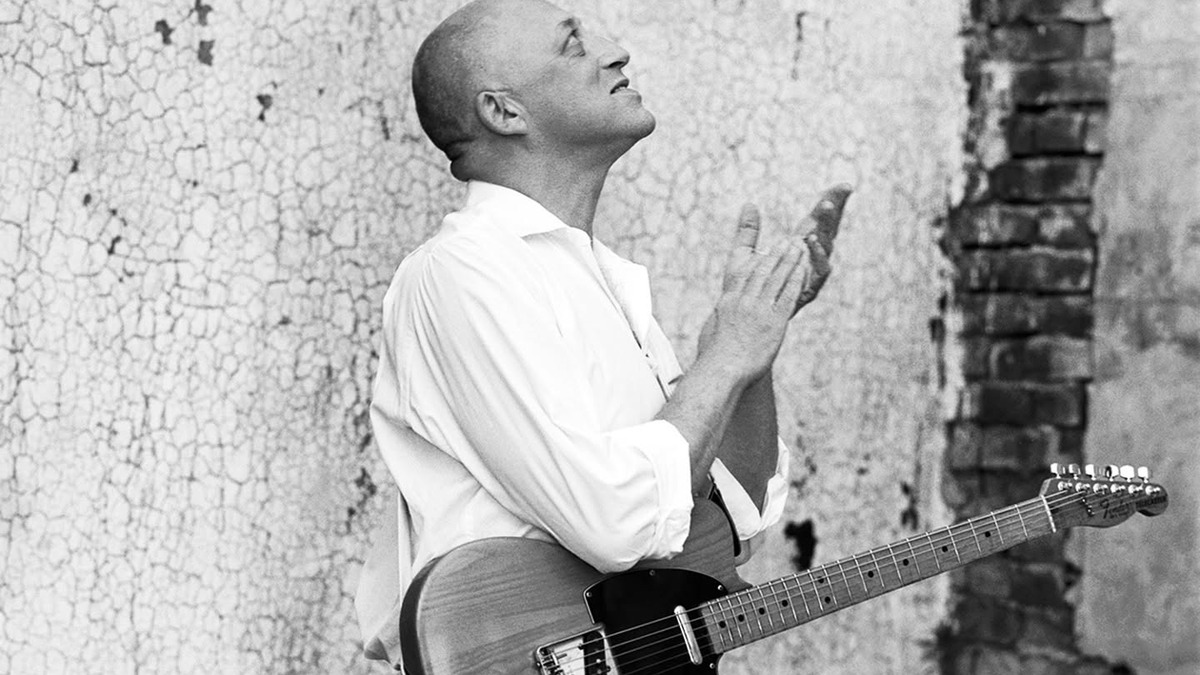
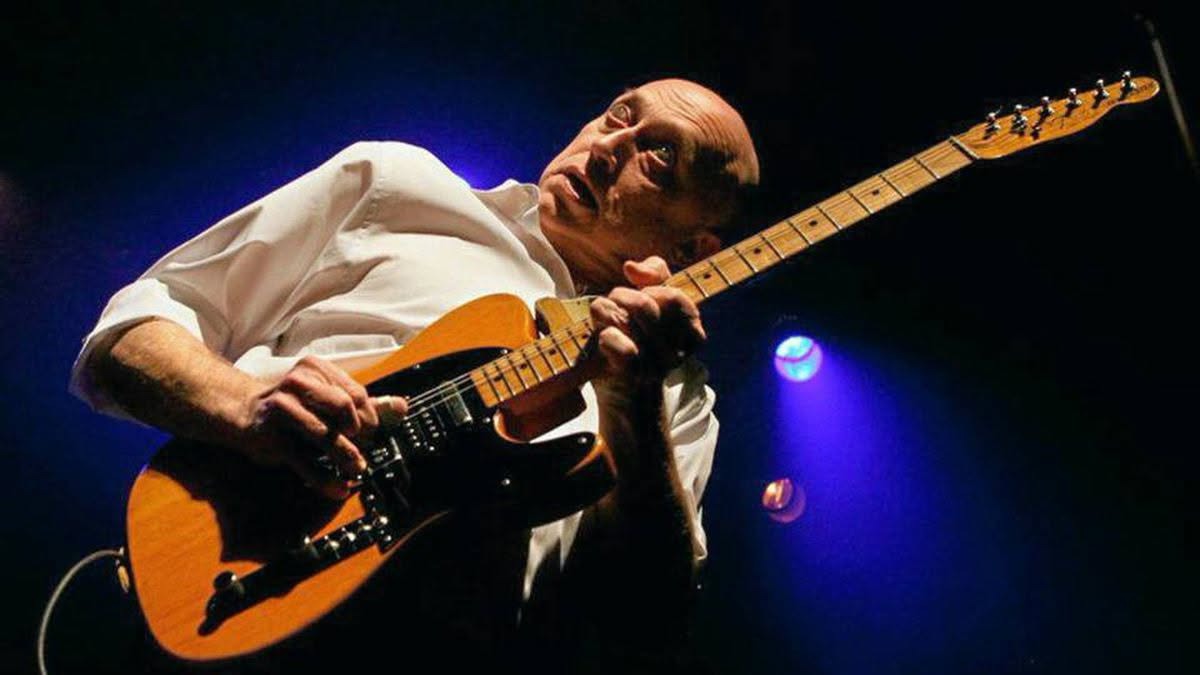
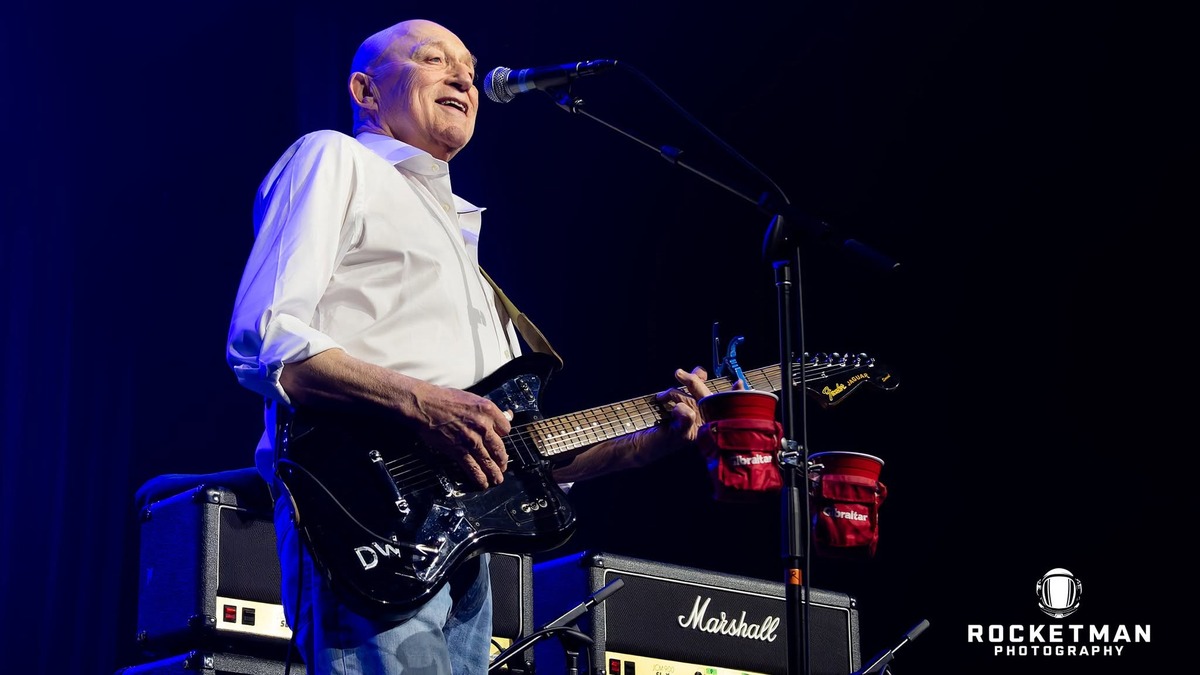
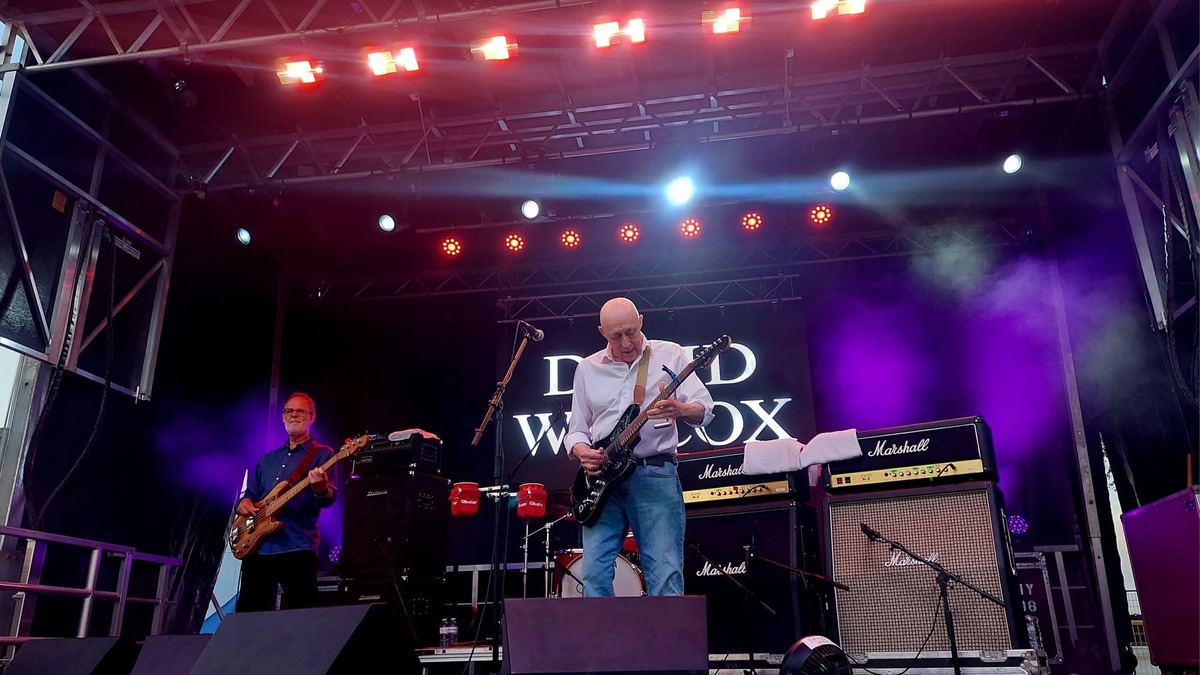
Wilcox is mainly a Telecaster player, and the one he plays is modified with extra pickups so it can go from a thin sound to a huge fat one. He does not like changing guitars on stage, so he works with his guitar techs to get the widest range from a single instrument.
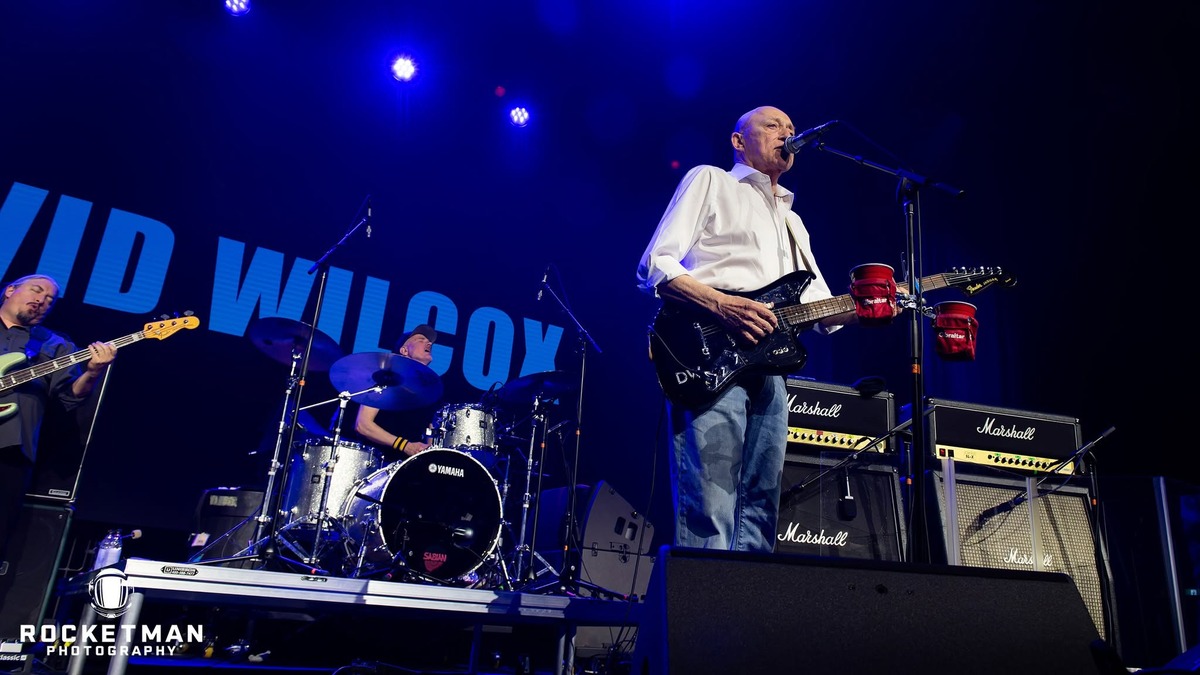
He plays through 100-watt Marshall stacks and says that, with this guitar, there is no room where he cannot find a decent sound.
The Telecaster has not always been the only guitar. A Stratocaster covered his early records, including That Hypnotizin’ Boogie, and he played a Gibson Les Paul SG on stage for a while.
He bought his wood-grain Telecaster, the one on the cover of Rhythm of Love, new in 1978, and he says every bump and nick on it is his. He likes it for the same reason many singers do: it has one volume and one tone, so there is little to adjust while he is thinking about the vocal.
He also points to its versatility, from country and blues to jazz.
He owns about a dozen guitars, including a hollow-body he cannot run through the Marshall without feedback, a couple of acoustics and a 12-string, and he finds that riffs and songs come out differently on different instruments.
His technique leans on open tunings and customized capos. The goal, he says, is to make the guitar speak rather than just run notes.
Campus Hall of Fame, Juno Nominations, and the Honours Wilcox Has Collected
The Canadian Organization of Campus Activities (COCA) named Wilcox Entertainer of the Year in 1985 and gave him its Contemporary Music Recording Attraction award in 1987. He was later honoured with membership in COCA’s Hall of Fame.
He was nominated for three Juno Awards, and each time another Canadian artist took the prize. Kim Mitchell won Most Promising Male Vocalist in 1983 over Wilcox and three other nominees, Robbie Robertson won Male Vocalist of the Year in 1989, and Mitchell won that category in 1990 with Wilcox among the nominees.
His sales record includes five gold and platinum albums, and The Best of David Wilcox alone sold more than 100,000 copies.
Beyond the charts, his résumé includes Carnegie Hall, the Montreux Jazz Festival alongside Led Zeppelin‘s John Paul Jones, a spot in Cocktail and an Olympic gala skate.
Wilcox Today: Sabbaticals, Festival Stages, and More Than Five Decades on the Road
Wilcox took a planned sabbatical in 2018 and stresses that it was not a vacation. He used the year to write songs, learn new things on the guitar and, as he puts it, grow as an artist.
Afterward, he said he was working on a solo acoustic record of all-new original songs rooted in roots music. As of mid-2026, his most recent album remains Guitar Heroes.
He picks his dates now, playing around 20 shows a year as of 2019 rather than the six nights a week of his early career.
Recent years have kept him on Ontario’s festival stages. He played the TD Kitchener Blues Festival in 2013 and again in 2025, performed at the Sound of Music Festival in Burlington in June 2025, and shared a Belleville bill with Trooper in July 2025.
In August 2024, a severe storm knocked out power and cancelled his Peterborough Musicfest concert, and he promised to come back as soon as possible. Four days later he did, and he was booked for a third Musicfest appearance on August 8, 2026, his first having come in 1999.
At 77, Wilcox ties longevity to one idea: offer something nobody else does.
What to Expect From a David Wilcox Concert in Waterloo, Ontario
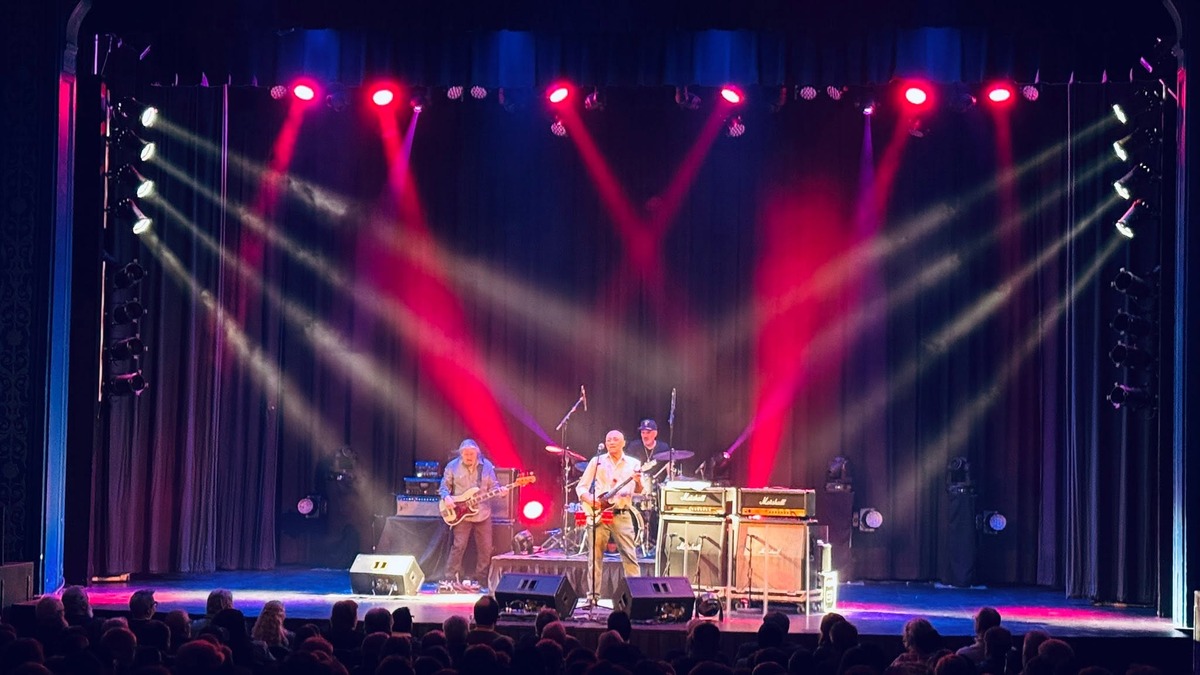
David Wilcox plays Maxwell’s Concerts & Events at 35 University Avenue East in Waterloo on Saturday, December 12, 2026, with doors at 7:30 p.m. and the show starting at 8 p.m. The show is 19+ and licensed, with general admission, limited side seating and a capacity of 650.
Wilcox does not work from a set list. He says the band has about three and a half evenings of material, and he decides on the spot whether to start easy and build or open with a bang.
The event page promises songs such as Riverboat Fantasy, Layin’ Pipe, Downtown Came Uptown, Bad Apple and That Hypnotizin’ Boogie. Fan-logged sets from recent shows also include Do the Bearcat, Rockin’ the Boogie, Rattlesnakin’ Daddy, Preachin’ the Blues and Cheap Beer Joint.
Backstage, he has said, the routine is quiet. There are no visitors in the dressing room before a show, and each member warms up alone on their own instrument, because Wilcox keeps in mind that someone in the room will only see the band once.
On stage, the physical comedy is part of the package. In 2000 he said the goofy poses in his CD booklet, from holding the guitar under his chin like a violin to playing it with his head, would all show up in his sets, though the one with his feet felt contrived.
He describes himself as a bit of a showboat, and he says he enjoys playing live more than ever.

From a Pawn-Ticket Telecaster to Five Decades of Boogie and Counting
David Wilcox’s story can be told in objects and phone numbers: a Telecaster bought off a friend’s pawn ticket, Ian Tyson’s number tracked down, a record shopped around for two years while disco ruled.
Each time, he went after the next door himself, and the songs that came out of it are still in his sets today.
He started out playing for love, and he still takes sabbaticals to protect it, a habit that traces back to the kid in the basement with the little red radio. The songs he wrote along the way, from Riverboat Fantasy to Rockin’ the Boogie, are what he brings to Waterloo, played the way he plays them: Telecaster through a Marshall stack, no set list and plenty of boogie.