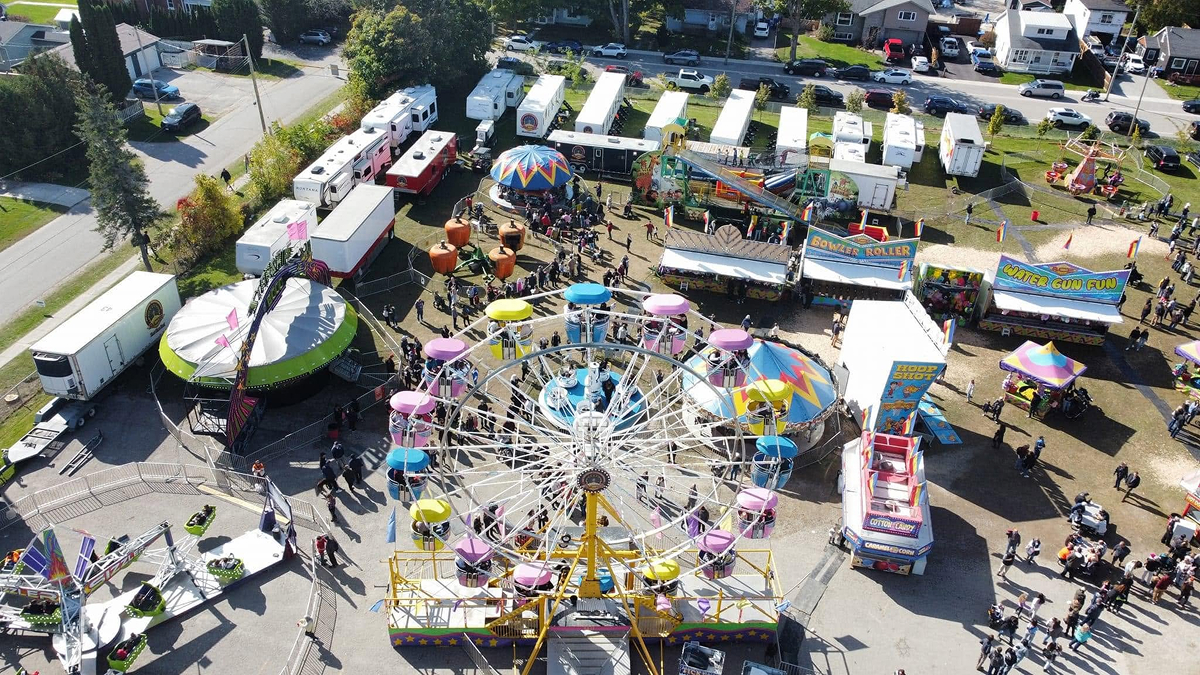
On Thanksgiving weekend, the village of Elmvale, Ontario does something that shouldn’t really be possible for a community of roughly 2,500 people.
It absorbs a crowd four to five times its own population, closes down its main street for two parades, fills a fairground with livestock, midway rides, and homemade pie, and sends everyone home already talking about next year.
The Elmvale Fall Fair is an agricultural fair held annually on Thanksgiving weekend in Elmvale, a small community in Springwater Township, Ontario, and it has been organized without interruption in spirit by the Flos Agricultural Society since 1859. That makes it older than the country it sits in; Confederation was still eight years away when the first fair opened its gates.
What started as a modest showcase for local farmers to compare livestock, grain, and preserves has become one of Simcoe County’s defining autumn events, drawing between 8,000 and 12,000 visitors over a single weekend according to figures cited by the Flos Agricultural Society’s own leadership.
In this deep-dive, we trace how a 19th-century farm show in a crossroads village turned into that kind of draw, what a weekend at the fair actually looks like today, and what to expect when the 2026 edition opens its gates October 8th through 10th under the theme “Wonders of Ontario.”
A Fair Born Before Confederation
The Elmvale Fall Fair traces its roots to 1859, the same year the local post office opened and settled on the name Elmvale for a crossroads that had previously gone by Four Corners, Elm Flats, and Saurin.
The fair itself, however, predates the village’s current name and was organized under the banner of the Flos Agricultural Society, named for Flos Township, the rural municipality that would eventually merge with Vespra Township and the villages of Elmvale and Hillsdale in 1994 to form the modern Township of Springwater.
The society’s name is a small piece of living geography: Flos Township no longer exists on a map, but it survives every October in the name of the organization that runs the fair.
Elmvale’s fair did not emerge in isolation. Agricultural societies had been forming across Canada since 1765, when the first one was established in Nova Scotia, and Ontario followed with the Agricultural Society of Upper Canada, based at Niagara-on-the-Lake, in 1792.
Over the following century, the model spread rapidly through the province, organized by county and township, until Ontario was home to more than 500 agricultural societies at their historical peak. Each one existed to solve a practical problem: farmers needed a structured way to compare livestock breeding, trade seed stock, and adopt better techniques, and a fall exhibition gave them a once-a-year forum to do it competitively, with prizes and public bragging rights attached.
The paper trail behind Elmvale’s fair reaches back further than most casual visitors would assume. The Flos Agricultural Society’s own membership records list secretary-treasurers stretching back to William Harvey and John Craig, followed by W.A. Sneath in 1893, then John McEachern and C.S. Burton, who held the role from 1903 to 1917.
Early society presidents named in the same records — John Johnston, John Ritchie, Robert Peters, James McDermott, Richard Graham, and Walter Rowley — predate any formal starting date on file, which is itself a telling detail about how this fair was built: informally, by farmers who weren’t especially concerned with documenting themselves for posterity, only with getting the fair running again the following year.
Steady Hands: How a Volunteer Board Kept a 19th-Century Tradition Alive
Few institutions survive 165-plus years without a handful of people willing to stay in the job far longer than seems reasonable, and the Flos Agricultural Society has had more than its share.
Reginald Bertram served as president from 1954 to 1966, a thirteen-year run bridging the fair’s mid-century transition from a purely agricultural showcase toward the entertainment-driven event it would later become.
That kind of tenure, though, is dwarfed by the record held on the secretarial side: Mrs. Cecil Tinney served as secretary-treasurer from 1958 to 2003, a forty-five-year stretch during which she would have personally handled the correspondence, prize books, and financial records for something in the neighborhood of four decades of individual fairs. Her successor, Lori Townes, then held the treasurer’s role for another two decades, from 2004 to 2024.
Two people, in other words, managed the financial backbone of the Elmvale Fall Fair for nearly the entire second half of the twentieth century and into the 2020s.
Leadership terms shortened considerably after the 1970s, settling into a rhythm of two-year presidencies that continues today, with Tanya King currently serving as president alongside first vice-president Matt Garwood and second vice-president Sally Wilcox.
But scan the full roster of past presidents, directors, and committee chairs and a pattern jumps out immediately: the same surnames recur across generations. Bertram appears as a president in the 1950s and 1960s, again in the 1980s, and again as a director and committee chair today. Ritchie, Buchanan, Klein Gebbinck, Lambie, Elliott, Parnell, and Tinney all show up repeatedly across decades of leadership rosters, sometimes as parent and child serving on different committees in the same current year.
This is a run by a relatively small number of Springwater Township families who have treated the Society’s presidency, secretaryship, and committee work as something closer to an inherited civic responsibility than a volunteer gig.
That continuity shows up in the Society’s own stated mission, which hasn’t changed even as the fair itself has grown considerably more elaborate: agriculture, education, and entertainment. Early fairs were almost entirely the first of those three, built around judged livestock classes and produce displays. The midway, the truck and tractor pulls, the stage entertainment, and the Saturday-night dance are all later additions layered onto that agricultural core rather than replacements for it, which explains why a modern visitor can still watch a heavy horse show at ten in the morning and a Billboard-charting performer on an outdoor stage that same evening.
A Village of 2,500, A Weekend for Thousands
Elmvale sits at the intersection of Simcoe County Road 27 and County Road 92, about twenty minutes north of Barrie, inside the Township of Springwater, which itself was formed in 1994 through the amalgamation of Flos and Vespra Townships along with the villages of Elmvale and Hillsdale.
Census figures have put the population of the Elmvale population centre at somewhere between roughly 2,300 and 2,500 residents in recent counts, a number that has held fairly steady even as the wider township around it has grown past 21,000.
Against that backdrop, the fair’s own attendance figures look almost disproportionate. The Society’s own materials state that the 2024 fair attracted more than 12,000 residents and visitors across its two-day run.
Put plainly, a single Thanksgiving weekend can bring in a crowd three to five times the size of the village hosting it, a ratio that puts Elmvale in a similar category to other small Ontario municipalities whose fall fair functions as the one weekend a year when the town effectively turns itself inside out for visitors.
The fair doesn’t operate as Elmvale’s only claim to a big annual draw, either. Garwood has described it as rivaling the Elmvale & District Maple Syrup Festival, held each spring, as the village’s premier event of the calendar year. Just south of the village, the Elmvale Zoo adds a second standing attraction with more than 300 animals on-site, giving Simcoe County a small cluster of family-oriented destinations built around a single crossroads community.
The broader region carries older layers of history as well: Ossossane, a nationally recognized historic site connected to the Huron-Wendat confederacy, sits near Elmvale and predates any of the area’s European settlement by centuries, a reminder that the fair’s own 167-year history is recent by comparison to the land it’s held on.
What the Weekend Actually Looks Like at the Elmvale Fall Fair
The 2026 fair runs on a schedule that has become fairly standardized in its rhythm even as specific acts and themes change year to year.
Exhibits go up first, with placement of craft, homecraft, and agricultural entries scheduled for Wednesday afternoon and evening ahead of judging.
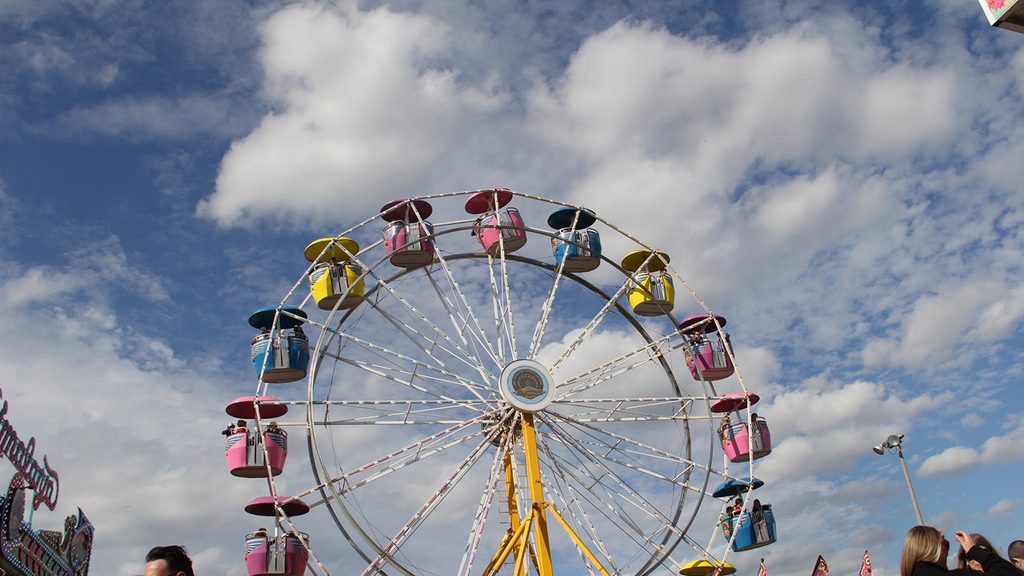
The midway, operated by All Canadian Entertainment, opens Thursday afternoon and runs through Saturday, giving families three full evenings of rides before the heavier agricultural and entertainment programming takes over Friday and Saturday.
Thursday October 8, 2026
Buy your tickets here for Thursday at the Elmvale Fall Fair.
Thursday is the fair’s quieter opening day, built around getting the gates open and the midway running rather than the parade-scale crowds that arrive Friday and Saturday.
With exhibit placement already wrapped up Wednesday evening, judging is underway and the grounds are set for visitors by early afternoon.
The midway opens at 4 p.m. and runs through the evening, giving families a first full night of rides before the weekend’s heavier agricultural and entertainment programming takes over.
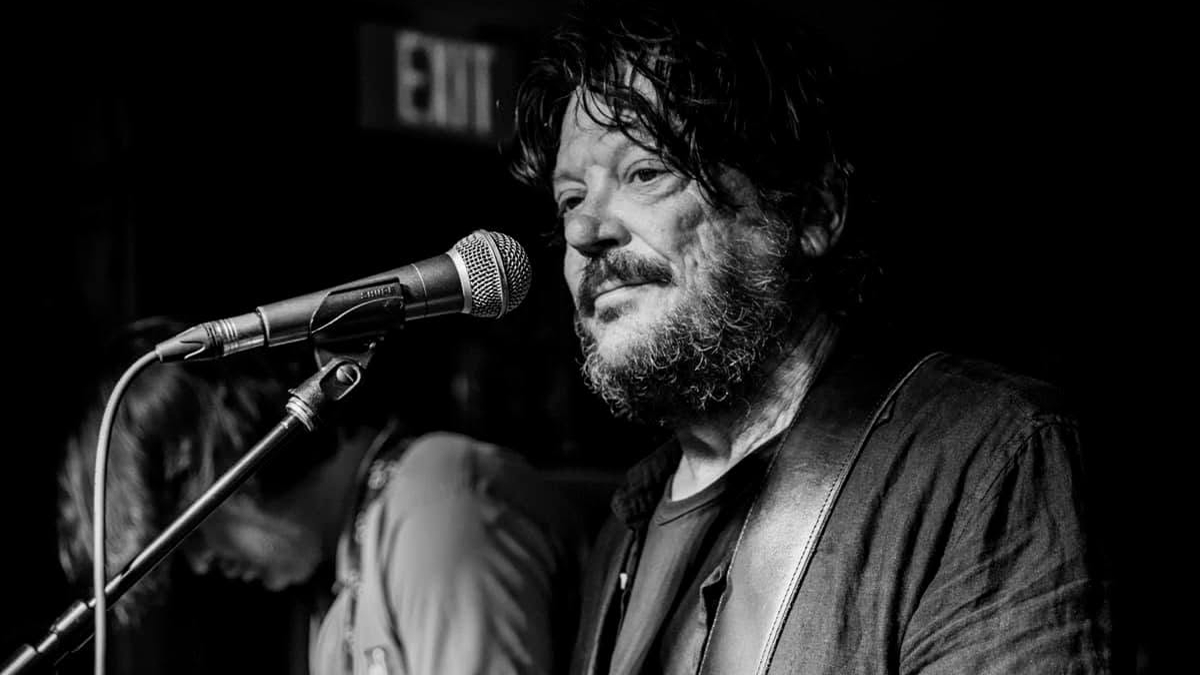
The day’s centerpiece is the Elmvale Fall Fair Homecoming Kickoff, a nineteen-and-over fundraiser for the Flos Agricultural Society held at the fairgrounds starting at 7 p.m. Elmvale’s own Graham Scott Fleming headlines with his full band, while the Flos Elmvale Firefighters Association runs the bar at the Full Pull Lounge, with proceeds going toward its local initiatives.
Organizers are billing it as the unofficial start to the fair’s “homecoming” weekend — a fitting warm-up act for a fair whose real draw, as much as anything else, is people coming back.
Friday October 9, 2026
Buy your tickets here for Friday at the Elmvale Fall Fair.
Friday is built around the fair’s signature event: the school parade. Beginning at eleven in the morning, the parade brings more than 2,000 children from six area schools across Springwater and neighboring municipalities marching down Elmvale’s main street toward the fairgrounds, a scale that Garwood has called one of the largest school parades in the province.
The parade doubles as a genuine, points-scored competition for students at Elmvale District High School, where the student body is permanently divided into four houses — Pirates, Trojans, Blizzards, and Rowdies — that carry their rivalry well beyond the fair itself.
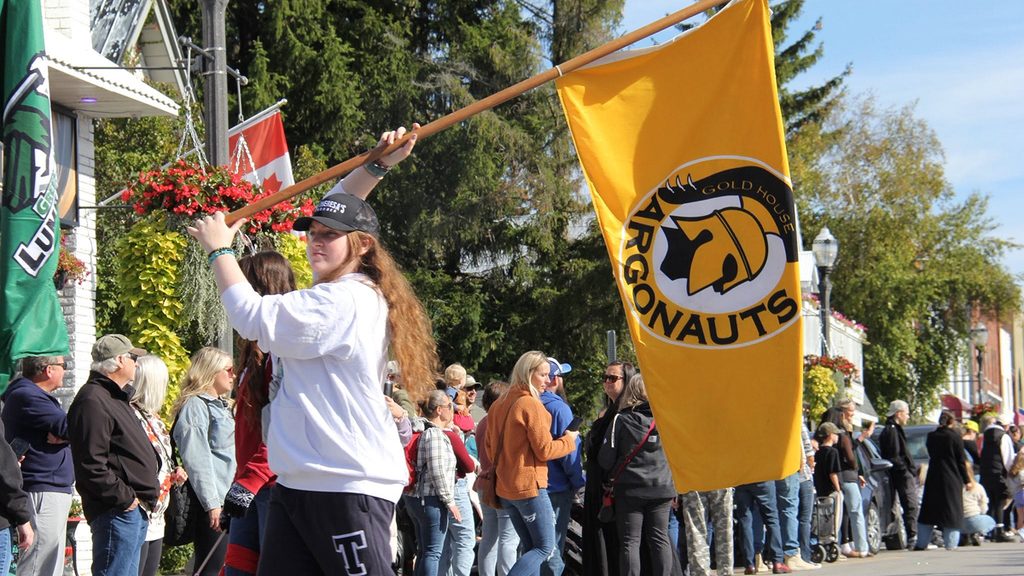
Each house builds its own float in the days before the parade, typically in secrecy, working out of sheds and garages after school so that the unveiling on parade morning lands as an actual surprise.
Points earned for marching and for the float itself feed into a running house total that continues throughout the school year, meaning the fair parade functions as a genuine season opener for a competition many alumni describe as something that never really lets go of them once they leave school.
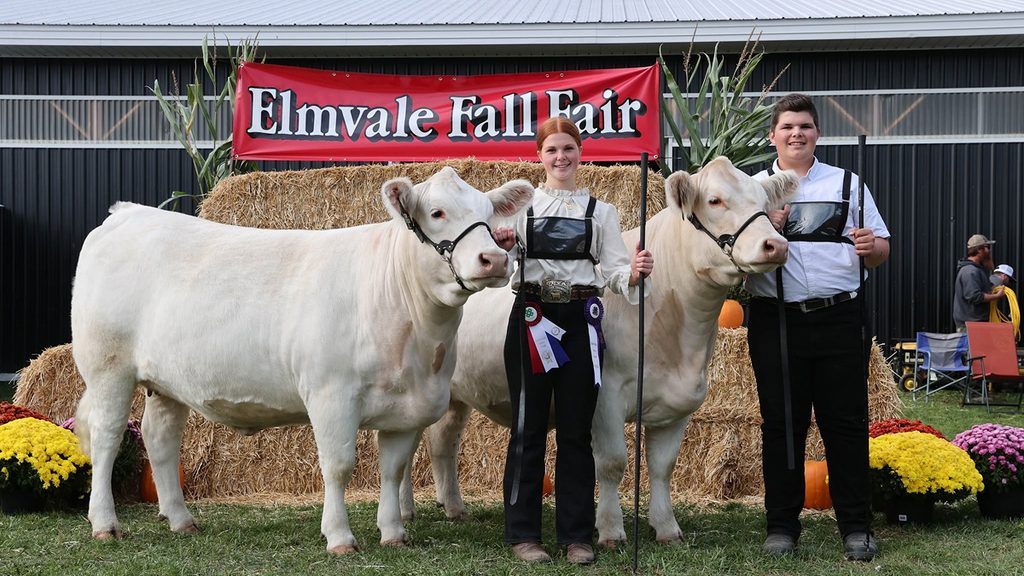
The rest of Friday layers on the fair’s agricultural core: a farm animal display and sheep show at midday, junior livestock shows, a pony show, and the 4-H Club Achievement Day, which showcases a year’s worth of youth agricultural projects.
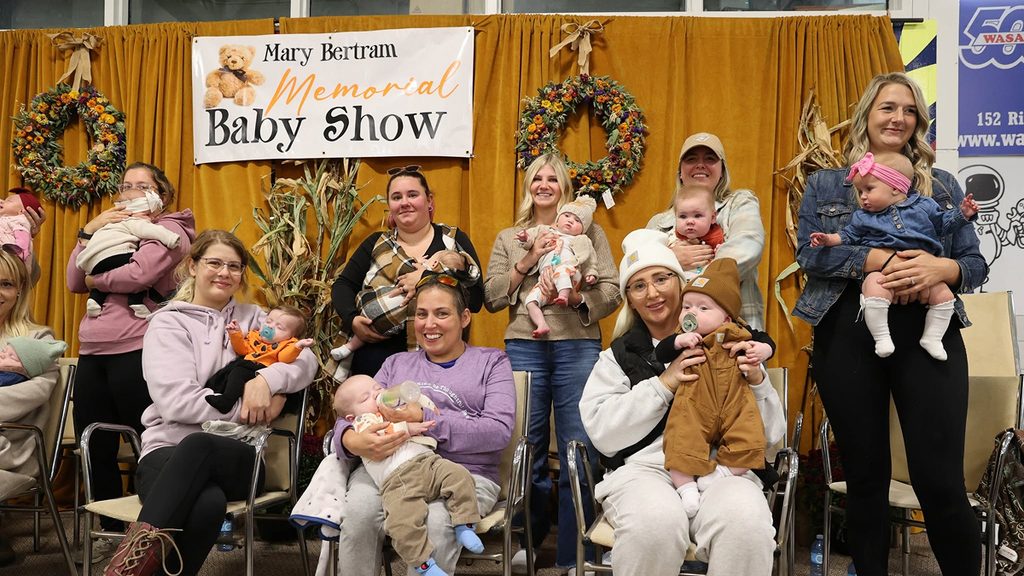
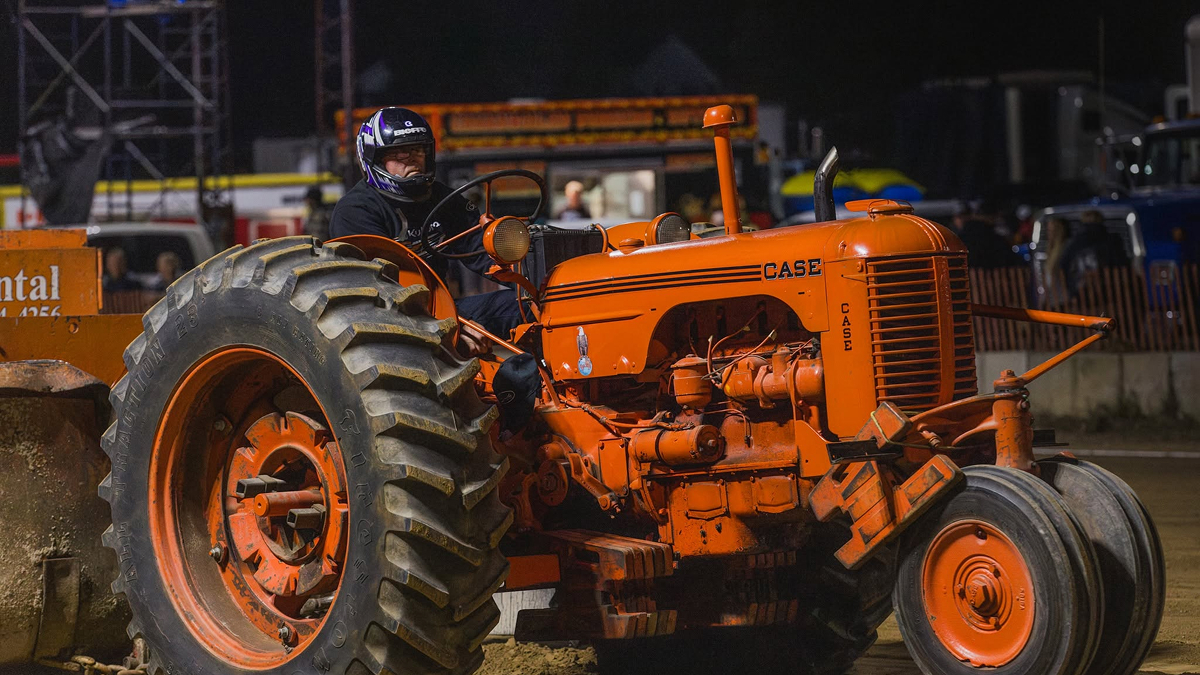
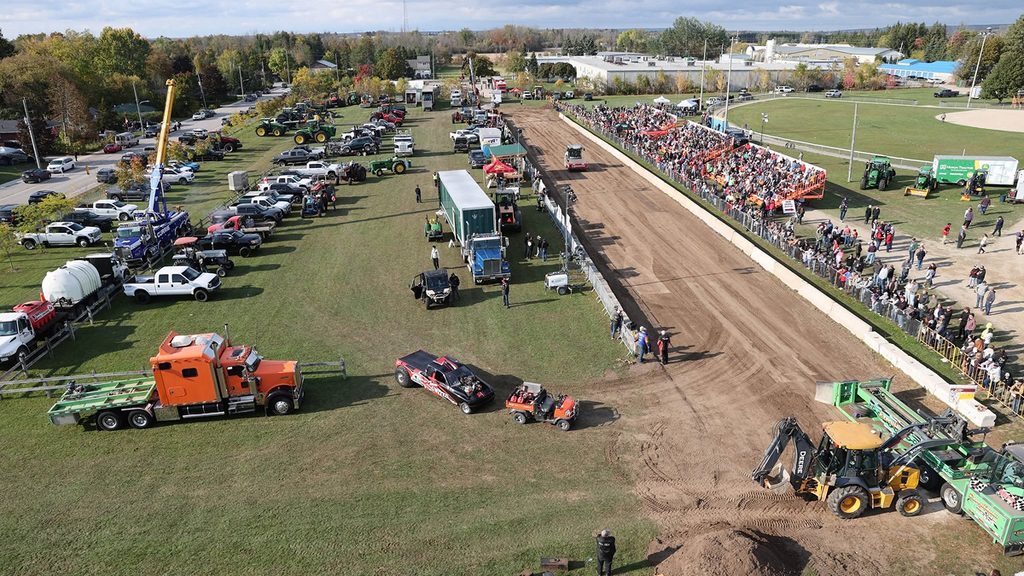
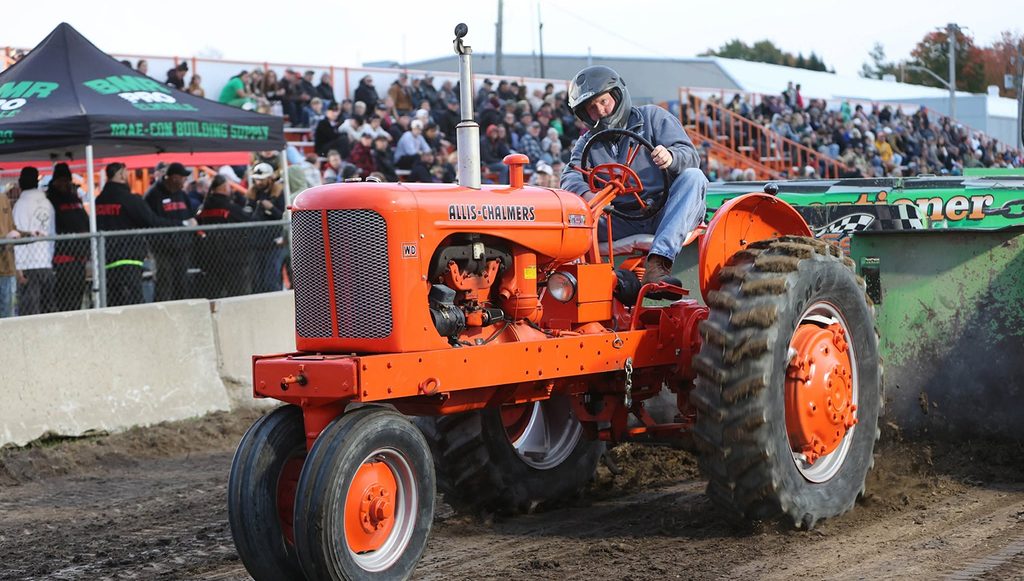
The Mary Bertram Memorial Baby Show runs in the early afternoon, and an antique tractor pull takes the grandstand track in the early evening, with the “Full Pull” trackside lounge open from five until eleven.
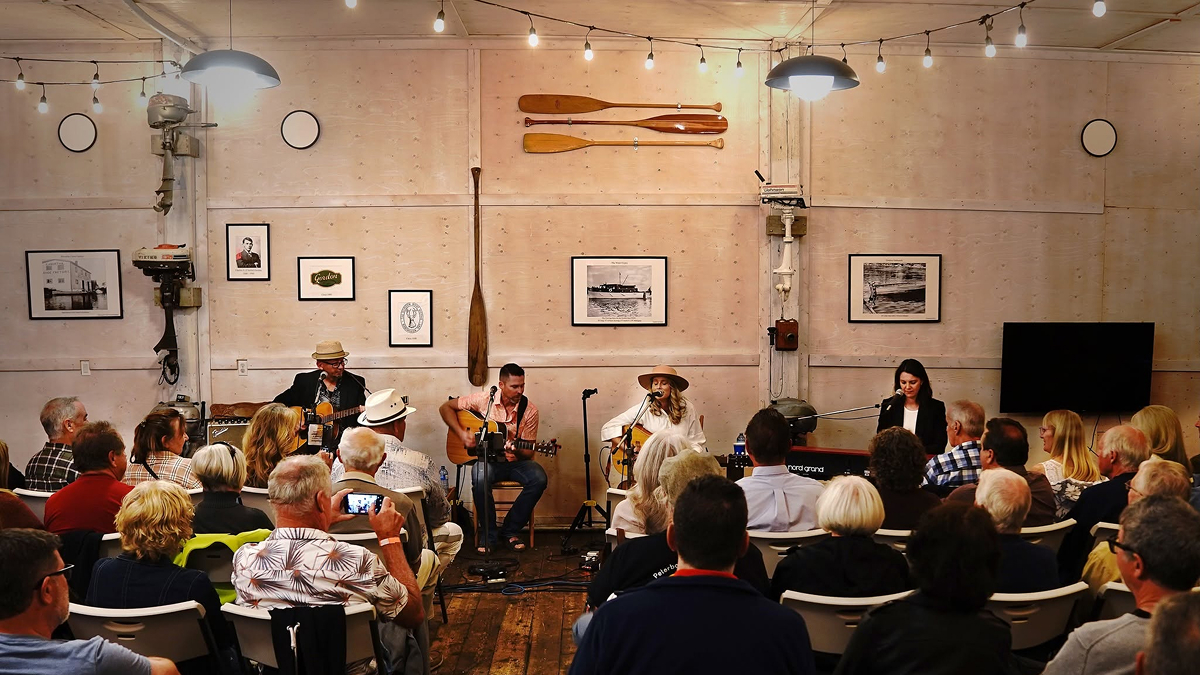
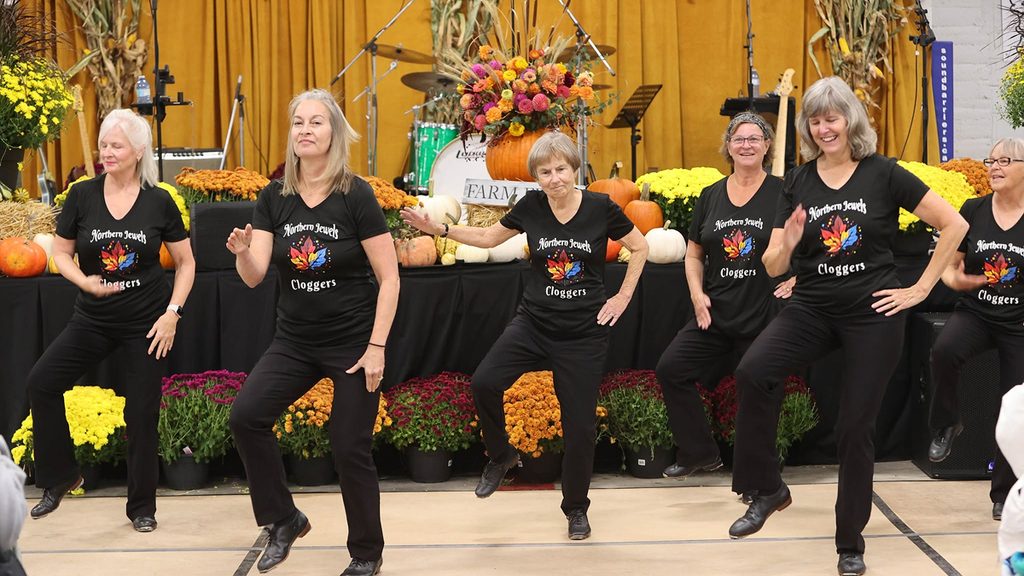
The evening closes with stage entertainment inside the arena, a lineup that in recent years has included acts such as the Northern Jewel Cloggers and performers with national recording and awards credentials.
Saturday October 10, 2026
Buy your tickets here for Saturday at the Elmvale Fall Fair.
Saturday opens with a heavy horse show at ten in the morning, followed by the second and larger of the fair’s two parades at eleven, themed each year to match the fair’s overall theme — “Wonders of Ontario” for 2026.
Beef and dairy judging follows at midday, and the afternoon belongs to the stock and modified truck and tractor pulling competition, one of the fair’s biggest single draws for spectators who come specifically for the noise and horsepower.
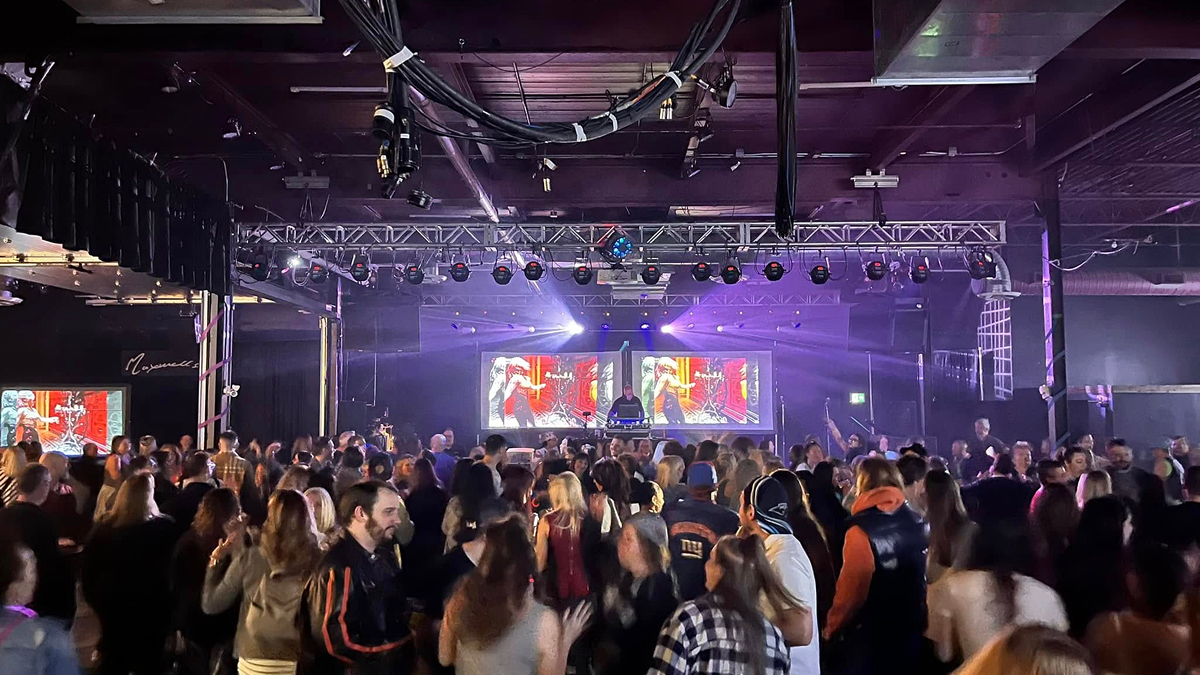
Afternoon stage programming rounds out the daytime schedule before the fair closes its main run with the PURE Country Dance at 8:30 p.m., a nineteen-and-over event organized by the Elmvale Minor Hockey Association as one of its own fundraising initiatives.
The Prize Book: A Blueprint of Rural Life
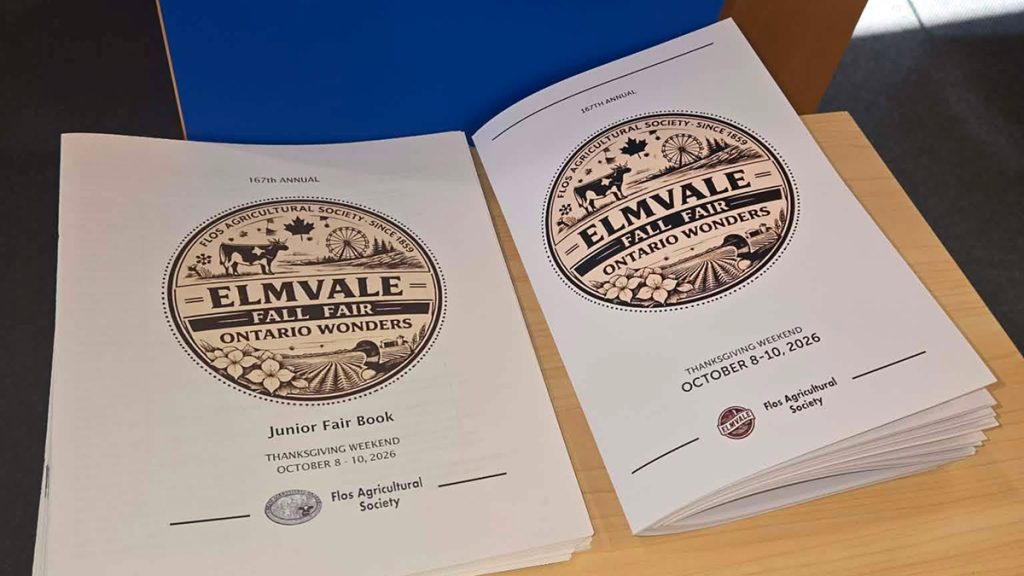
Underneath the parades and the midway sits the part of the fair that most closely resembles its 1859 original form: the Prize Book, a formal set of judged competition categories spanning crafts, photography, sheep, grains, homecraft, domestic science, floral arrangements, dairy and beef cattle, heavy horses, and garden produce and maple syrup, alongside a dedicated junior fair section for younger exhibitors.
These categories are the direct descendants of the fair’s founding purpose, and the fact that a maple syrup category still sits alongside categories like photography says something about how deliberately the fair has kept its agricultural identity intact even as it added layers of modern entertainment around it.
Running all of this requires a genuinely large volunteer apparatus. The Society’s current committee structure lists more than forty distinct committees, covering everything visitors see — the parade, the midway contact role, on-stage entertainment, vendor and concession relations, gates, and parking — down to categories most fairgoers never think about, like health and safety, property maintenance, and set-up logistics.
Individual committees for beef cattle, dairy cattle, heavy horses, sheep, and the pony show each have their own named chairs and volunteer rosters, as do multiple homecraft sub-committees covering domestic science and hand crafts specifically.
It is, functionally, a small nonprofit organization run almost entirely by unpaid Springwater Township residents, many of whom also compete in the categories their neighbors are judging.
The fair also runs its own youth leadership pipeline through the Senior and Junior Ambassador Program, which selects representatives to appear throughout the fair and at related community events over the following year; Eliza Graham currently holds the senior ambassador title.
Individual awards carry their own small histories, too — the Jacob Martin Memorial Banner recognizes the year’s best cow-calf pair among British breeds, and the top point-getter in the Domestic Science section receives recognition sponsored by a local business, PineRitch Fur Farm Ltd. These memorial and sponsored awards function as a quiet form of institutional memory, tying specific families and local businesses permanently into the competition structure itself.
Get Your Tickets to This Year’s Elmvale Fall Fair This Thanksgiving Weekend
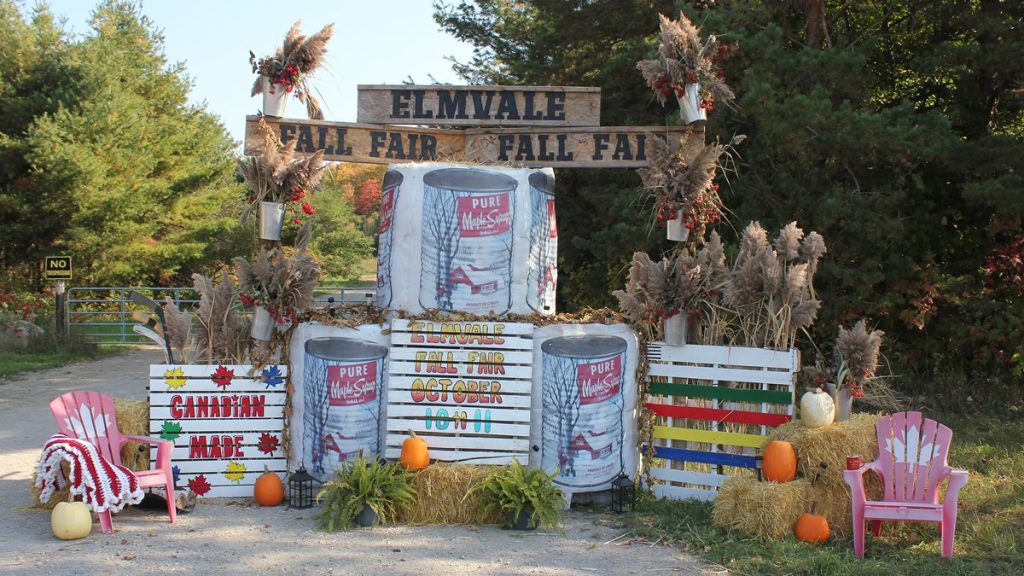
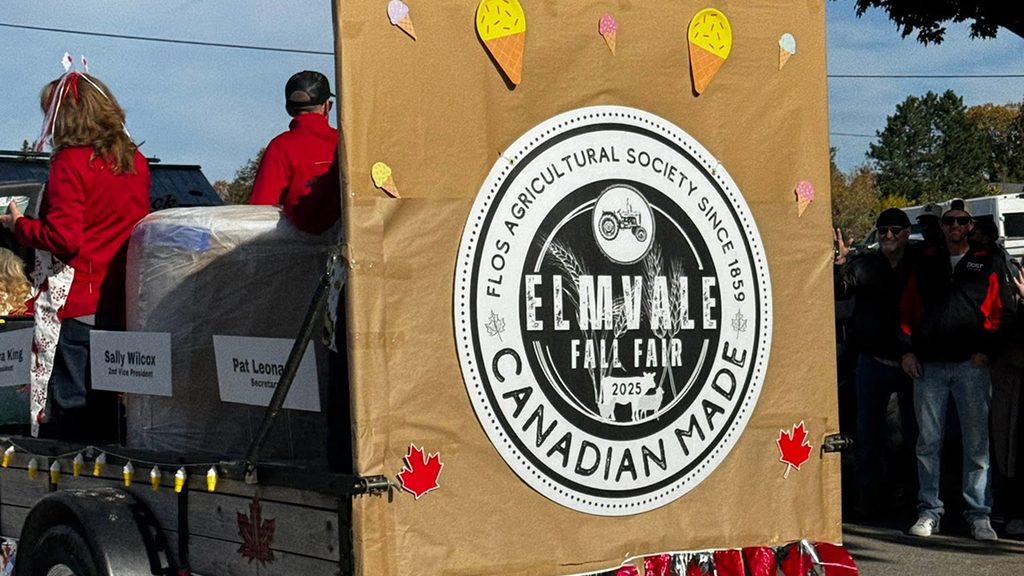
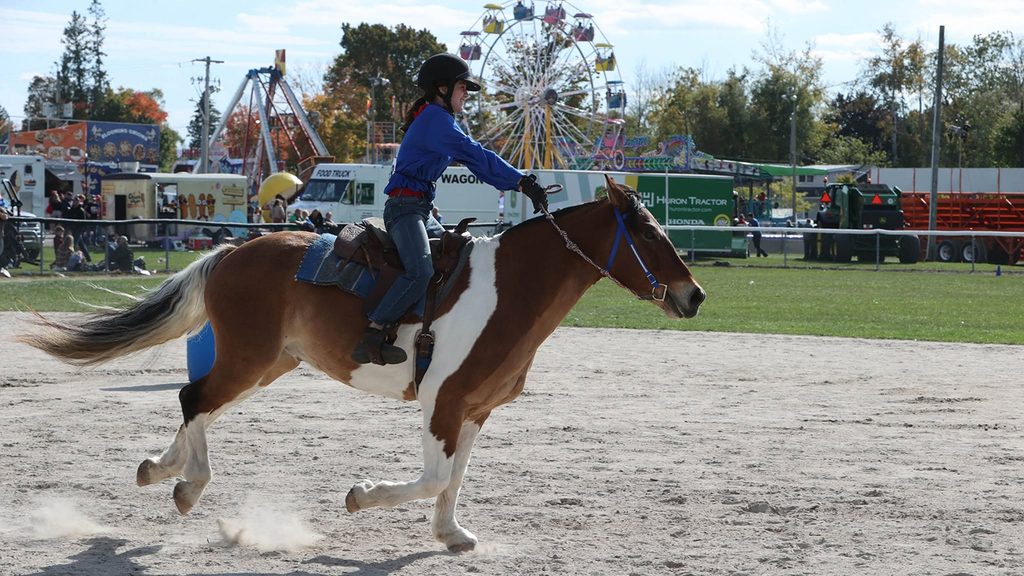
The 2026 Elmvale Fall Fair runs Thursday, October 8th through Saturday, October 10th at the Elmvale Fairgrounds on George Street, under the theme “Wonders of Ontario,” a title that follows a tradition of annual rebranding that has included “Canadian Made” in 2025 and “Memories: Now and Then” in 2024.
Gate admission for 2026 is set at 15 dollars for adults and 10 dollars for high school and university students, with elementary-age children and younger admitted free and parade participants admitted at no charge.
Discounted in-person advance day passes, at 10 dollars for adults and 5 dollars for students, are available ahead of the fair but do not apply to online ticket purchases, which run through the Society’s ticketing partner, Ticketscene.
The midway operates on a pay-one-price model, with an all-day ride bracelet priced at 45 dollars regardless of which day a visitor attends, run by longtime midway operator All Canadian Entertainment.
Midway hours open at 4 p.m. Thursday, noon on Friday, and 11 a.m. on Saturday. Visitors who plan ahead can save 10 dollars off the bracelet price by picking up discount coupons at Whitfield Guardian Pharmacy in Elmvale during the advance sale window in the weeks leading up to the fair.
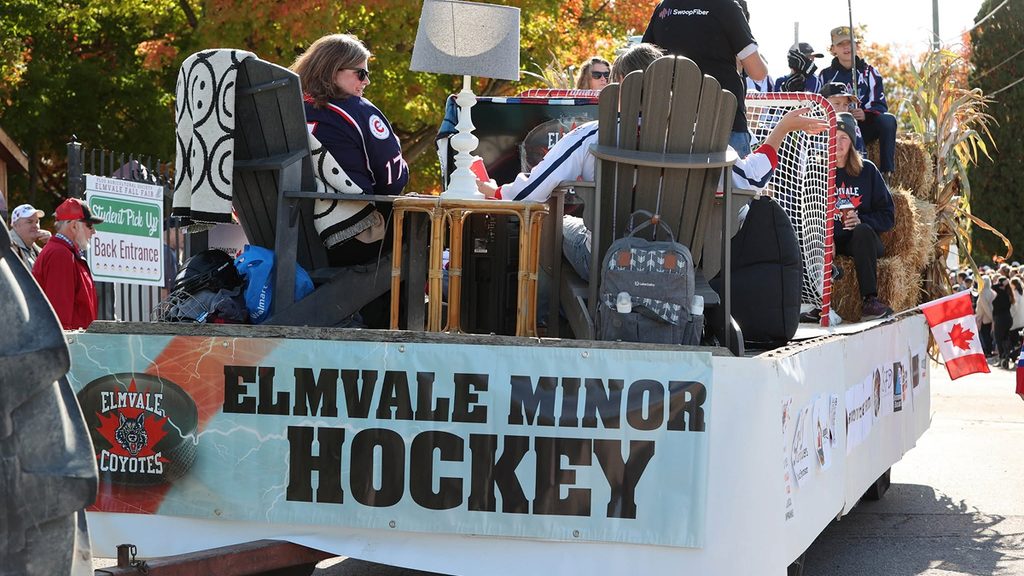
Saturday night’s PURE Country Dance, the fair’s capstone evening event for adults, sells discounted wristbands in advance through G&S Computers in Elmvale, with the event itself run as a fundraiser for the Elmvale Minor Hockey Association.
A few practical notes are worth knowing before arrival.
Pets are not permitted on the fairgrounds, with the exception of certified service dogs, and organizers ask that visitors not leave animals unattended in parked vehicles.
The Friday school parade closes portions of Queen Street and the surrounding main street through late morning, so visitors planning to attend both the parade and the midway should expect the village center to be at its most congested between roughly 10:30 a.m. and early afternoon.
Elmvale Fall Fair: The Draw of a Homecoming That Never Skips a Year
What holds all of this together, more than any single attraction, is that the Elmvale Fall Fair functions as an annual homecoming as much as it does an entertainment event.
It’s built into the calendar for people who grew up marching in the school parade as a Pirate or a Trojan and now bring their own children to do the same, for exhibitors whose grandparents’ names appear on decades-old prize lists, and for volunteers whose family surnames have shown up on the Society’s committee rosters since before most current attendees were born.
A community of 2,500 doesn’t produce a weekend crowd of 12,000 by accident or through marketing alone; it produces one because enough people who left Elmvale still consider the second week of October the week they come back.
For a first-time visitor, that’s really the thing worth showing up for — not just the tractor pulls or the midway lights, but a small Ontario village doing, almost exactly the same way, something it has now done for 167 years running.
You can pick up your admission tickets to the Elmvale Fall Fair here and start planning for a beautiful fall weekend in Elmvale!