Ten musicians in two ensembles of five, zero rehearsed notes between them, and the groupings were decided before anyone walks into the room.
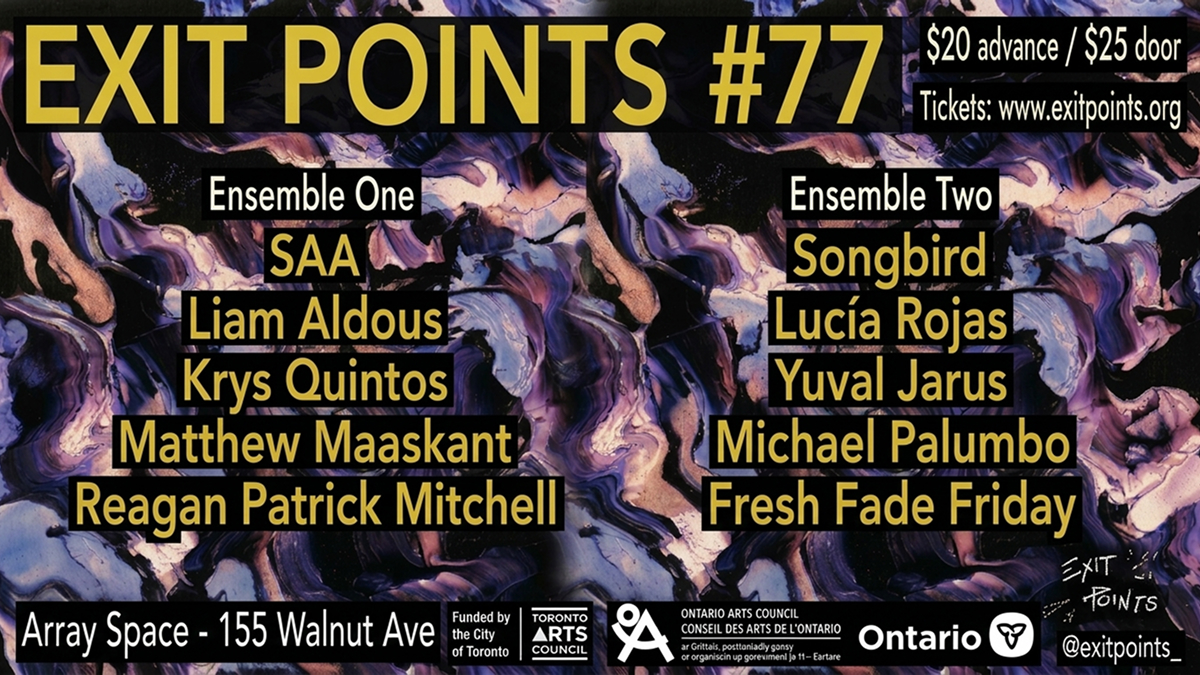
That is the shape of Exit Points #77, landing at Array Space in Toronto on Friday, October 30, the night before Halloween. If the idea of watching ten improvisers build music from nothing in front of sixty-odd people sounds like your kind of Friday, here is everything worth knowing before you decide.
Exit Points #77 Basics: Date, Time, and Price
- Exit Points #77 happens Friday, October 30, 2026, at Array Space, 155 Walnut Ave in Toronto.
- The show starts at 8:00 PM. Tickets are $20 in advance and $25 at the door, and the event is all ages.
- Tickets move through Ticketscene, and the room is wheelchair accessible, with a ramp, elevator, and accessible washroom.
Ten performers is a bigger cast than the series usually fields, and the poster splits them into two named ensembles of five, which means the night’s two main sets each have a fixed five-person lineup finding its collective sound in real time.
Small improvised-music nights in Toronto have a habit of filling up before doors open, and advance tickets cost five dollars less than door tickets, so buying ahead is the sensible move if the night appeals to you.
As with every Exit Points show, do not expect a pre-announced breakdown of who plays with whom inside each ensemble; the music gets made live, on the night, in front of the room.
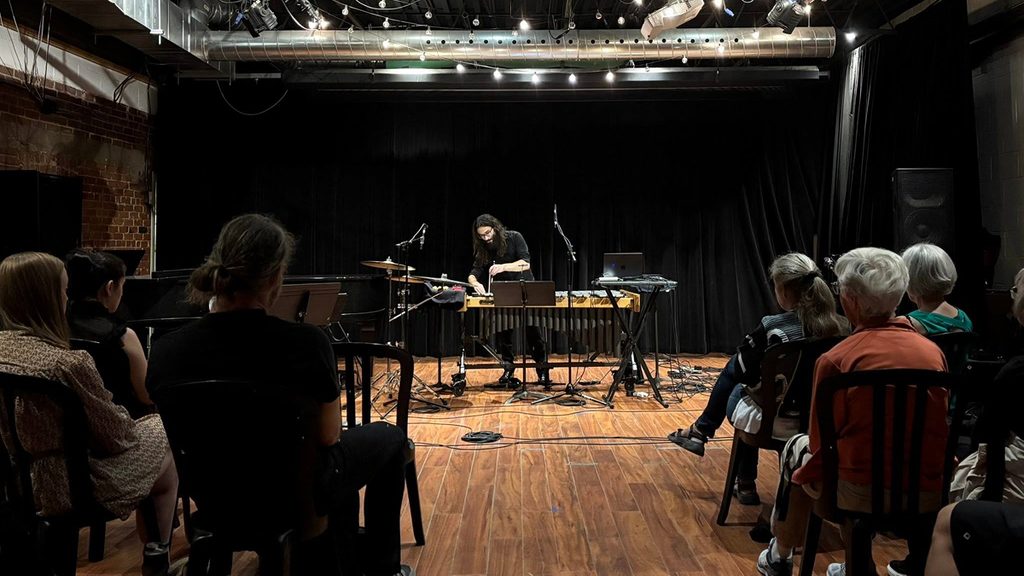
What Actually Happens Once You’re in the Room at an Exit Points Event
The mechanic that separates Exit Points from a standard concert is simple: nothing performed has been rehearsed as written.
There is no setlist, no chart, and no prior arrangement locking the musicians into a plan. What you get instead is an evening built in movements, each with its own function.
It opens with a short, plain-language framing segment, a brief orientation on listening to music that does not resolve the way pop or jazz standards typically do. This is not filler, because unrehearsed music can sound unmoored to ears that have not spent time with it, and a few minutes of guidance goes a long way toward making that first encounter feel like an invitation rather than a wall.
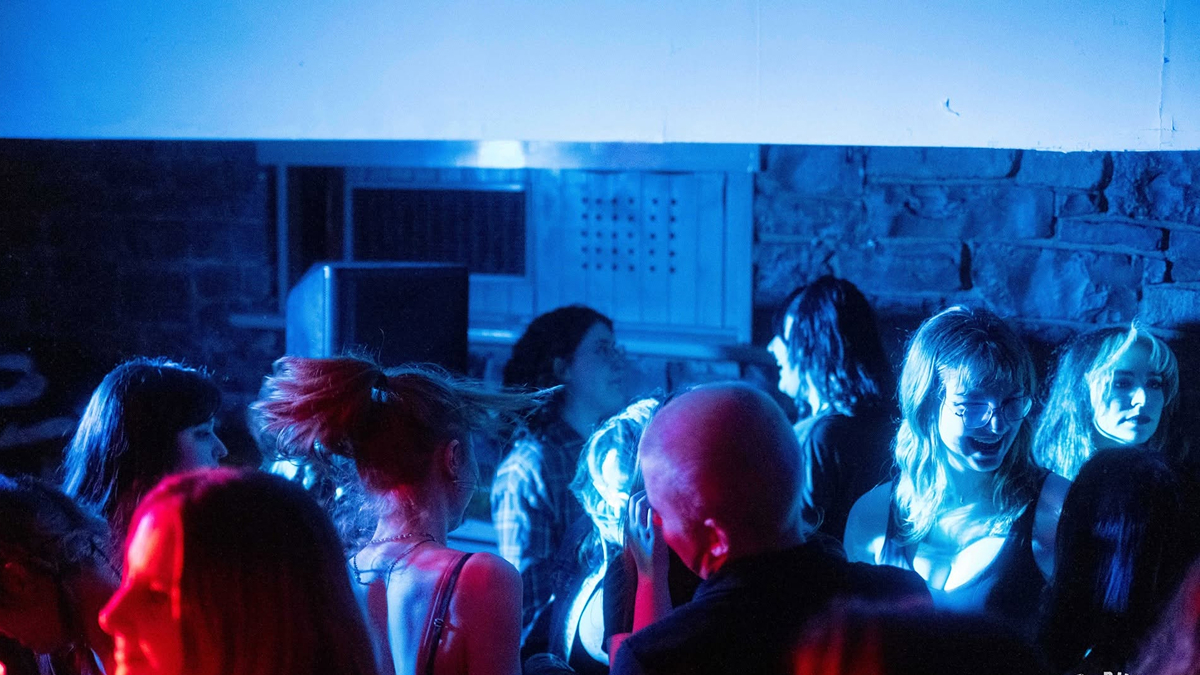
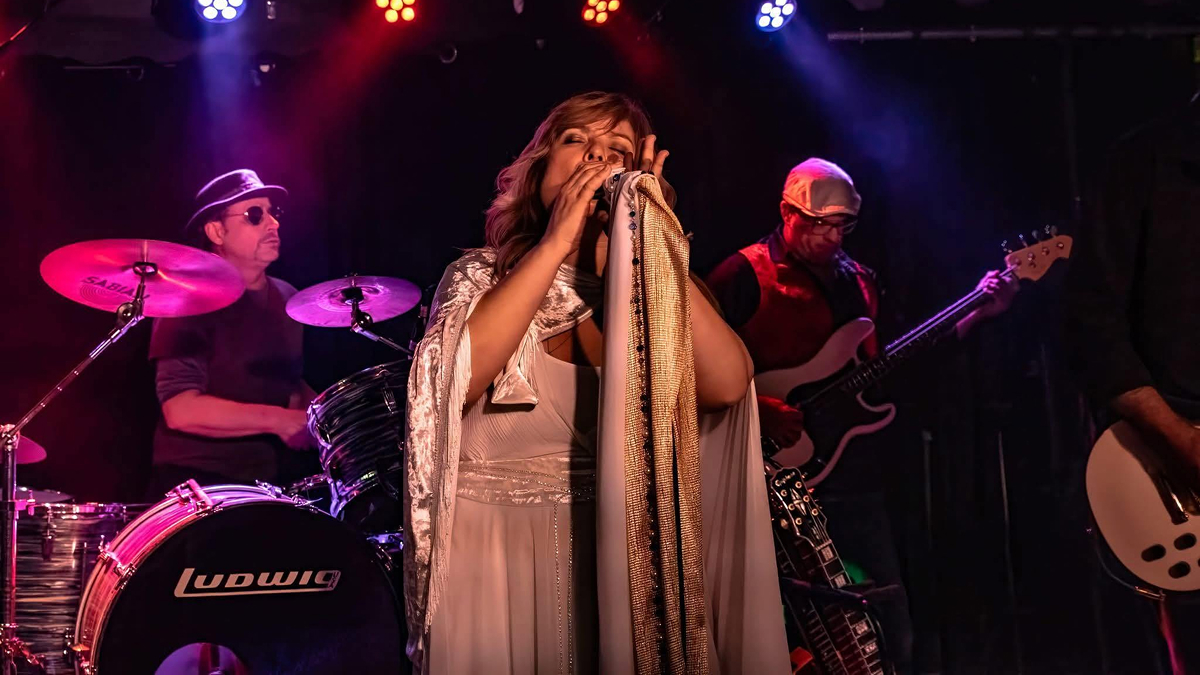
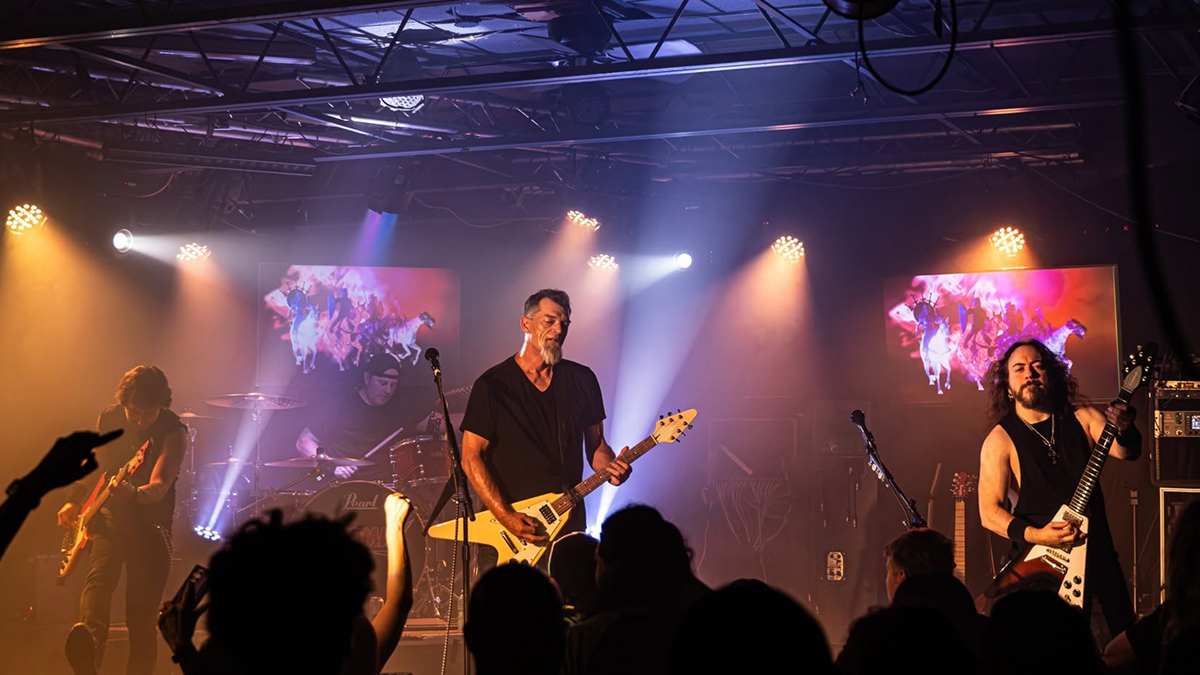
From there, the two ensembles take turns performing full sets, each pulling together musicians whose usual lanes rarely intersect. Someone might come from jazz saxophone, another from modular synthesis, another from electronic production or choral singing. Because the pairings are new, or at least rarely repeated, what happens on stage resembles a real-time conversation among contrasting musical traditions more than a rehearsed rendition of anything.
The night closes with “Switchemups,” the part of the evening longtime attendees talk about most. Performers regroup into smaller, shifting configurations for a run of short pieces, and audience members are invited, not required, to walk up and join them.
Nobody is pressured into it, but the option alone shifts the feel of the room, turning a one-directional concert into something the room collectively owns, whether anyone steps on stage or not.
The series captures each set on a multitrack rig and later mixes the recordings for release on the Exit Points label, which means the specific, unrepeatable combination of musicians on stage this Friday could eventually surface as an actual record. The music you witness exists only in that room on that night, until a mixed release appears months later.
Exit Points #77 Lineup: Meet the Musicians
SAA: A New Name on the Exit Points Poster
Almost nothing about this performer exists in public. No musician profile, no Bandcamp page, no venue credit, and no social footprint surfaces under the name. That is not as unusual as it sounds. Exit Points has a habit of putting genuinely emerging performers on stage next to veterans, and a mononym or set of initials with no web presence usually means one of two things: an artist early enough in their public life that the paper trail has not caught up, or a private working name.
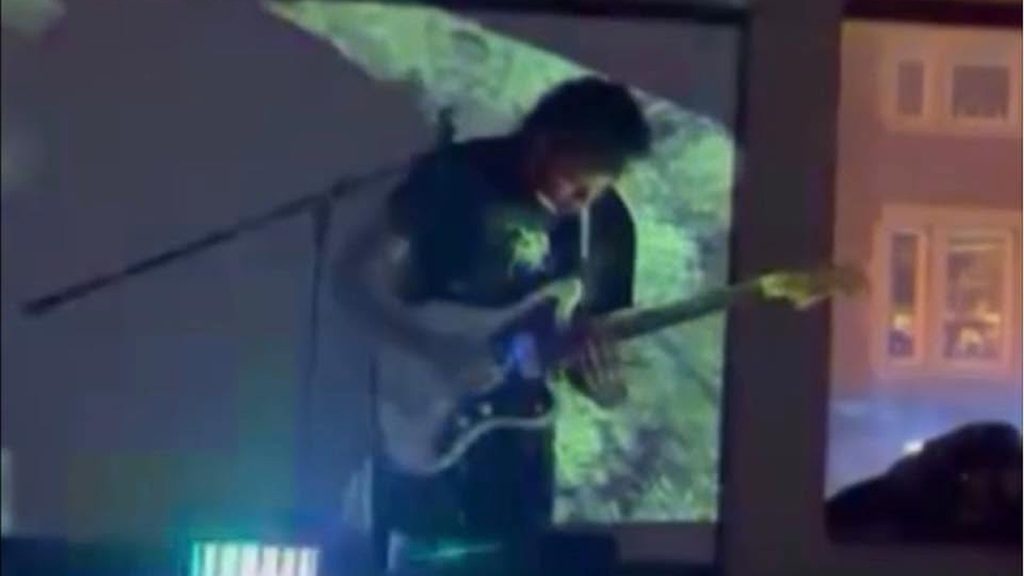
Liam Aldous: The Multidisciplinary Multi-Instrumentalist Processing Guitar and Voice
Liam Aldous is a Toronto-based multidisciplinary artist who treats instruments the way some people treat languages, collecting them early and switching between them without ceremony. Originally from Ambleside in West Vancouver, he started drums at four, piano at five, and guitar and bass at seven, and was writing and recording his own songs by nine. He has perfect pitch, spent two years on percussion with the Vancouver Youth Symphony Orchestra, played electric jazz guitar in the VSO School of Music Big Band, and drummed in underground punk bands with names like Raw Nerve Endings and Highwire. He moved to Toronto in the fall of 2025 to start a degree in Music at the University of Toronto, where he now plays percussion in the university’s Wind Symphony. But his improvising life is where things get interesting for this bill. In February 2026 he appeared at Audiopollination Guelph, the long-running free-improv series, credited on processed guitar and vocals plus MIDI, and in March 2026 he performed at the Tranzac Club‘s Southern Cross residency alongside composer Christopher Mayo and others, playing the extended title track of Mayo’s album Walk the Darkness Down, a piece built from heavy plucked strings and electronic soundscapes. His recorded output lives on Bandcamp, where albums like Osou and No City Could Sound show the same restlessness: glitchy textures and digital soundscapes giving way to vocals, acoustic instruments, and conventional song structures, with Aldous playing, singing, engineering, mixing, and mastering everything himself. He has also scored short films and built soundscapes for art exhibits. At Exit Points #77, that combination of conservatory-adjacent training, punk-band instincts, and electronic processing makes him one of the wildcards of Ensemble One, a musician who could answer a saxophone phrase with anything from a bowed string texture to a burst of MIDI.
Krys Quintos: The Sound-Healing Practitioner Joining Ensemble One
Krys Quintos is a Toronto practitioner working at the intersection of yoga, sound, and community care. A teacher profile at The Hummingbird Field, where she teaches Hatha yoga classes, describes a practice built around accessibility and inclusion, with a focus on breaking down the barriers BIPOC people face in wellness spaces and creating safer rooms for 2SLGTBQIA+ practitioners. She completed her 200-hour teacher training in 2021 through a BIPOC scholarship program, works full time as an early years teacher with a Toronto non-profit, and is currently completing certification in Yoga Nidra and sound healing. What she will play on the night is also unconfirmed, though a sound-healing practice suggests voice, singing bowls, chimes, or other resonant instruments rather than anything conventional. If that identification holds, her presence says something about where this series is willing to go. Exit Points has always drawn from outside the usual improviser pool, and a practitioner whose daily work is about listening, breath, and holding space for others brings a fundamentally different relationship to spontaneous music than a conservatory-trained instrumentalist.
Matthew Maaskant: The Electronic Producer Behind the Maaskant Records on New Kanada
Matthew Maaskant records as Maaskant, and his catalog sits in one of the more interesting corners of Toronto electronic music. His releases have come through New Kanada, the Toronto label run by Adam Marshall, where his 2019 EP Mere Oblivion drew notice from XLR8R for its detailed electronic hybrids, airy vocal phrases scattered over tightly focused runs, music the write-up placed between late-modern electronics and early indie eras. Earlier, his side of a split 12-inch with Marshall, Vamp / Outside The Cave, was recorded in his father’s grain silo in northern Ontario and described in press materials as “Burial meets Bon Iver,” which tells you most of what you need to know about the atmosphere he works in. His history with the label runs deep. He released the nk27 EP on New Kanada in 2011, played a Concertmate MG-1 synth on Marshall’s “Memphis” single, and his ties to the city’s music run through production work as well: he co-produced Bruno Capinan’s 2010 album Gozo, credited on bass, programming, and keyboards, and mixed the record at Draft Tattoo Studios, the studio whose name doubles as his visual and media practice. He has also created projections for live shows, including for the group lal at the Scotiabank Studio Theatre, which makes him one of the few performers on this bill whose practice spans sound and image. What that background suggests for an unscripted night is a musician who thinks in textures and environments rather than riffs. A producer who records in grain silos and builds projections is someone accustomed to treating a room as an instrument, and in an improvising ensemble that instinct can shape the entire group’s sound without anyone needing to agree on it first.

Reagan Patrick Mitchell: The Jazz Saxophonist Who Studies Improvisation for a Living
Reagan Patrick Mitchell is that rare thing on an improv bill: someone whose day job is thinking about improvisation itself. He is an Associate Professor of Humanities at the University of North Carolina School of the Arts, a Nashville native with a bachelor’s and master’s in Jazz Studies and a doctorate in Curriculum and Instruction, and his published scholarship includes papers on the philosophy of improvisation, including “The Blues’ Ontology of Improvisation.” As a saxophonist he has performed across New Orleans, Nashville, Colorado, New York, and the Carolinas, recorded as a soloist, composer, and sideman, and collected honors including a Detroit Music Award and an Outstanding Soloist prize at the University of Louisville Jazz Festival. That combination is genuinely unusual, because most improvisers learn spontaneity purely by doing it, while Mitchell has also spent years theorizing it, writing about how improvised music makes meaning in real time. On stage, that tends to produce a player who listens structurally, hearing where a collective improvisation is heading and either reinforcing it or deliberately pulling against it. At Exit Points #77, his saxophone gives his ensemble its most traditionally jazz-rooted voice, and his presence guarantees at least one musician in the room who has thought as hard about what is happening as anyone listening.
Songbird: A Mononym With No Footprint Yet
Songbird is billed in Ensemble Two, and like SAA, this performer arrives with no verifiable public history.
Lucía Rojas: Colombian-Born Expressive Arts Therapist Bringing Free Improvisation to Toronto
Lucía Rojas is a Colombian-born, Toronto-based multidisciplinary artist whose work moves between visual art, photography, film, collage, and sound. She is also an expressive arts therapist and educator, and she splits her time between Toronto and Bogotá, which gives her practice a bilingual, bicultural footing that carries through her collaborations. Her main musical vehicle is Brown Dolly, a free-improvisation duo formed with Canadian artist dssPow. The pair describe their work as an interdisciplinary collaboration in which each performance emerges in real time from the relationship between the two players, a premise that mirrors the way Exit Points builds its sets. Brown Dolly presented work at Arcadia Art Gallery in 2024, and the duo is also part of The Listening Body, a series with a session on Saturday, October 17. Rojas also performs outside the experimental-music circuit. In 2025 she appeared as a solo performer and text contributor in I Am Who We Are, a Kaeja d’Dance and Porch View Dances production in Toronto, with choreography by Pulga Muchochoma. More recently she took part in ABRA’s Music in the Air series, where she filled the studio with guitar melodies and lyric-driven songs, which shows a more song-based side of her musical voice. At Exit Points #77, Rojas brings a listening-first approach shaped by therapy, movement, and visual art, which suits a night where eight or nine players build every piece without a plan.
Yuval Jarus: The Dance-Trained Performer Bringing Choral and Stage Experience to Free Improvisation
Yuval Jarus is a Toronto performer whose public track record runs across dance, choral singing, and recital work, which gives an improviser a physical and collaborative way of listening. Early performance credits include a 2015 appearance, billed as Yuval Jarus-Hakak, at the Synergy Dance Competition at Centennial Theatre in North Vancouver, in a piece called The Landing choreographed by Heather Laura Gray. The same name appears on Marymount Manhattan College’s dean’s lists for fall 2015 and spring 2016, which places Jarus in a New York performing-arts college during those years. In Toronto, Jarus sang in the choir on pianist-composer Noam Lemish’s album Twelve, a jazz record with a large ensemble that includes Mike Murley and Ted Quinlan. The choir contributed to the piece “Beethoven’s 7th Visit to Romania,” so Jarus has already worked inside a large, collaboratively shaped sound. A recital video, “Yuval Jarus Recital,” has also been posted on YouTube. At Exit Points #77, Jarus joins a lineup built on listening and reacting in real time, and the combination of movement training, ensemble singing, and solo performance should shape how Jarus responds to the other players.
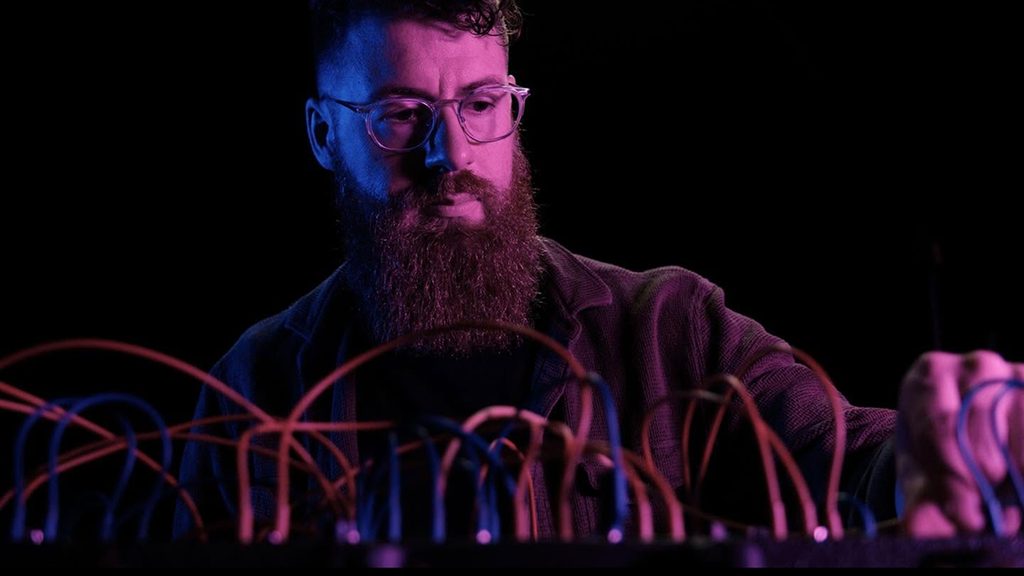
Michael Palumbo: The Modular Synthesist Who Built Toronto’s Free-Improv Home
Michael Palumbo is the reason any of this exists. The Toronto-based musician, sound artist, researcher, and instrument designer founded Exit Points in 2020 and remains its artistic director, which makes his presence in Ensemble Two both a performance and a kind of hosting. As an improviser he plays microsound on a modular synthesizer, working with filter pinging, delays, and stereo panning, and he designs experimental instruments and systems exploring data, memory, and distributed creativity. His path to the series runs through both crisis and curiosity. During 2019 he went through multiple personal crises and found a lifeline playing improvised modular synth with the Toronto Improvisers Orchestra, an experience he has described as music-making where empathy matters enormously. Soon after, watching jazz saxophonist Kirk MacDonald play at the Hirut Cafe on Danforth gave him the model: a regular, welcoming home for free improvisation. The monthly series was born in 2020, opening each night with listening pointers so newcomers do not feel lost, running two ensemble sets plus the audience-invited Switchemups finale, multitrack-recording everything, and releasing the results on the Exit Points label, mixed in immersive Dolby Atmos with support from the Toronto Arts Council. His research life runs parallel to the stage work. He pursued doctoral work at York University in Digital Media on electroacoustic improvisation and distributed creativity, building instruments like “git show,” a composition experiment for multiple concurrent composers, and “MischMasch,” collective modular-synthesis patching in virtual reality. His electroacoustic works have been presented at Toronto’s Music Gallery, Chicago’s Jay Pritzker Pavilion, and SUNY Buffalo, alongside academic conferences on new musical interfaces. At Exit Points #77, he is both the founder in the room and a performer inside it, the modular synth in Ensemble Two providing the electronic counterweight to voices and whatever else the night’s least-documented lineup brings. Seventy-seven editions in, his continued presence on stage is the series’ quiet thesis: the person who built the room still wants to play in it.
Fresh Fade Friday: The Analog Photographer Bringing a Camera Into the Improv Space
Fresh Fade Friday is the name on the poster, and it belongs to Yogesh Mundhra’s analog photography project, begun in 2019. Mundhra describes himself as a self-taught photographer usually based in Toronto, and Fresh Fade Friday is his ongoing practice, which makes his billing in Ensemble Two one of the most intriguing on the night: a photographer, listed among musicians, in an improvising ensemble. He is not a stranger to the series. Mundhra performed at the March 2026 edition of Exit Points, so whatever he does on stage has been through this room before. What exactly that is remains unconfirmed. The plausible reading is that his contribution involves photography or visuals made live, a camera as an instrument, images developed or projected in response to the music as it happens. It fits the series better than it might sound. Exit Points has always treated the concert as a complete sensory situation rather than just a listening exercise, from the opening orientation to the audience joining the finale. A visual artist improvising alongside musicians extends that logic, making the night’s unrepeatable quality visible as well as audible. And there is a neat symmetry in it: every Exit Points set is recorded for potential release, an attempt to preserve the unpreservable, and a photographer whose practice is about catching light in the moment is doing the same thing with a different medium. At Exit Points #77, Fresh Fade Friday closes out Ensemble Two, which means the night’s final ensemble pairs the series founder’s modular synth with a choral singer, an organizer, an unknown mononym, and a camera. If that sounds unpredictable, that is the point.
Are You Ready to Spend Friday Oct. 30th Inside the Unscripted at Exit Points #77?
Ten musicians, two ensembles, one room, and no plan beyond a willingness to listen.
Exit Points #77 runs Friday, October 30 at Array Space in Toronto, with the show at 8:00 PM, tickets at $20 in advance and $25 at the door, all ages welcome.