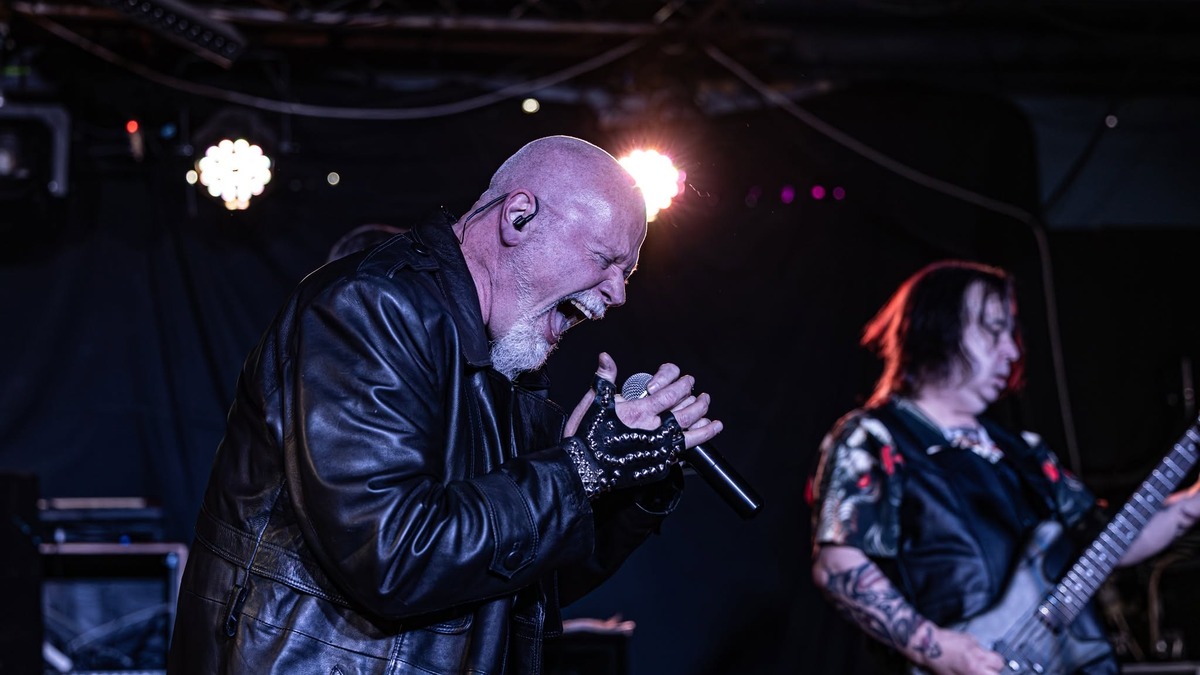
The first concert Rob Hassey ever saw was Judas Priest at the CNE Grandstand in Toronto. His older brother took him, and years later Hassey could still remember the commotion in the stands when Rob Halford came onstage. He started learning to play drums shortly afterward and took to working out songs on a Walkman.
Judas Rising is an Ontario heavy metal tribute band that performs songs Rob Halford recorded with Judas Priest, Fight and his solo band Halford.
The drummer who once watched Priest from the grandstand now plays those songs alongside singer Dave Barrett, who took opera lessons after school to learn how to breathe through a phrase. Their band has room for the Priest records that drew them to heavy metal and the ones Halford made after he left Judas Priest.
The Comeback Song That Shares a Name With the Band
Rob Halford was in his kitchen in Walsall, England, when a discussion about a box set turned into the beginnings of a Judas Priest reunion.
Guitarists K.K. Downing and Glenn Tipton were there with manager Jayne Andrews to talk about what became Metalogy. Halford recalled that meeting as the point when the reunion started coming together.
His return became public in 2003, and Judas Priest went back onstage with him in 2004. When Angel of Retribution arrived in 2005, the first Judas Priest studio album with Halford since 1990’s Painkiller, the record opened with Judas Rising.
There’s a wait at the start of that song.
The guitars build in layers, and you can hear the shape of the entrance taking form before the band fully arrives. Halford liked that sense of anticipation, which was especially apt for a singer and a band who’d spent more than a decade making records apart.
The Ontario tribute shares its name with that opener, a song made possible by the part of Halford’s career the group pays particular attention to.
Between those Priest records came the blunt, lower-slung sound of Fight and the return to traditional metal on Halford’s Resurrection. It’s the stretch of time that makes Judas Rising a comeback song in the first place.
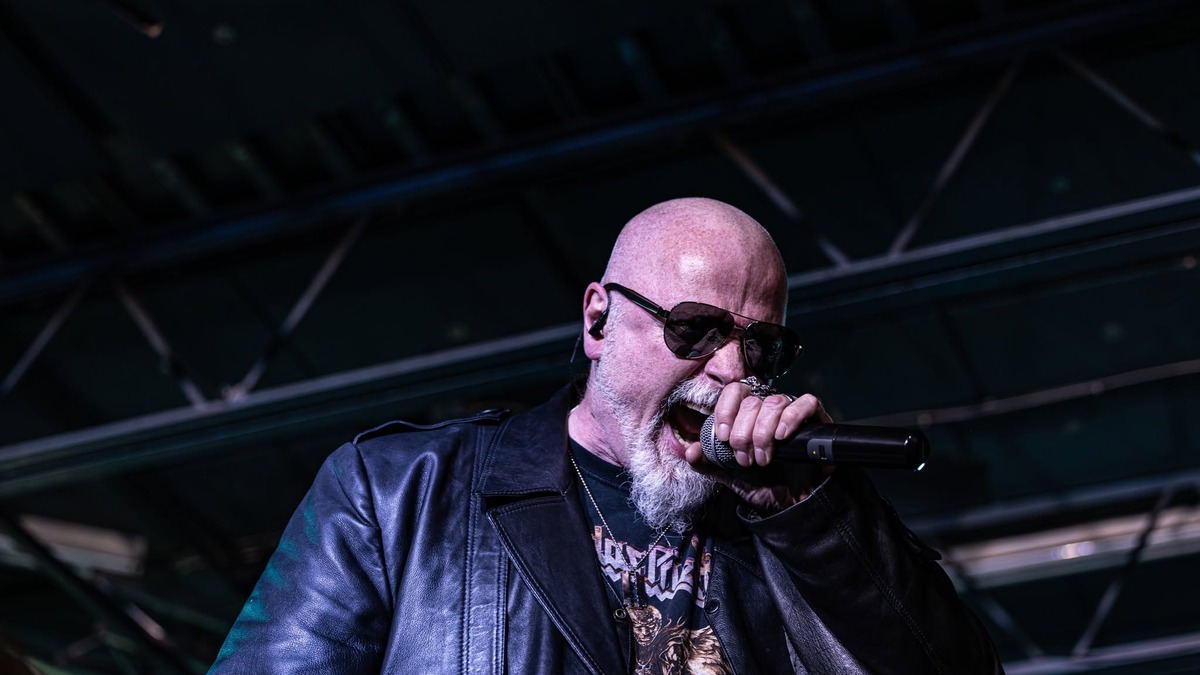
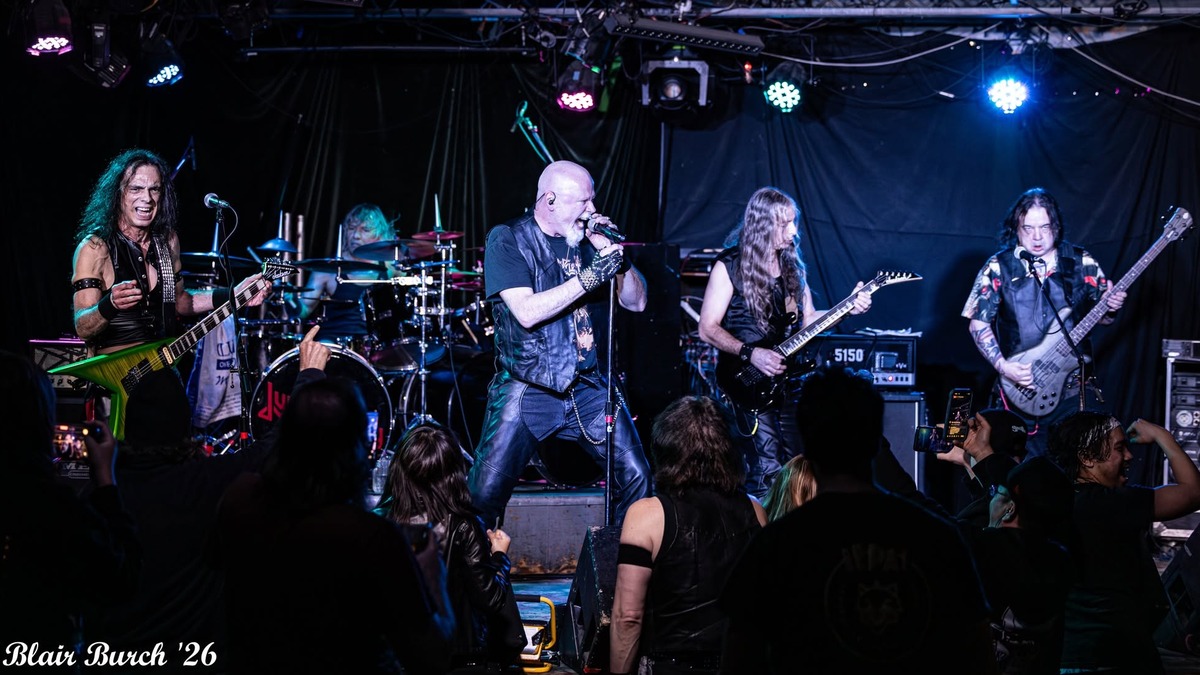
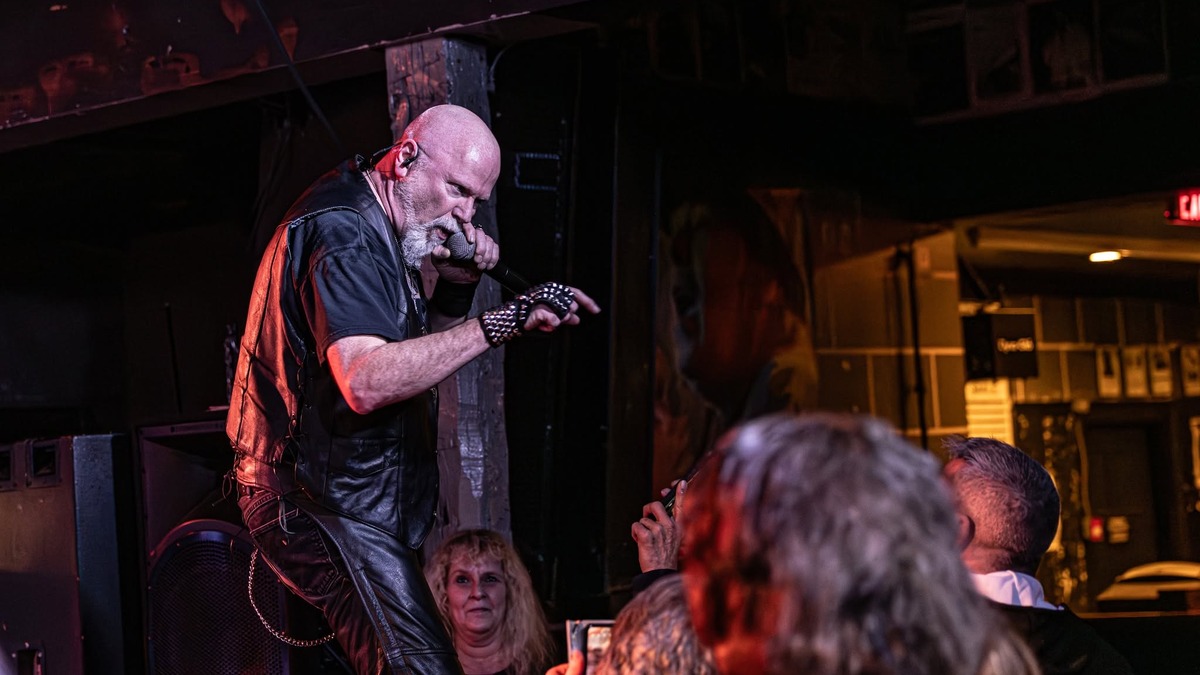
That’s the story implicit in the longer billing, Judas Rising The Best of Rob Halford. Before the band’s January 2026 set at The Rockpile in Toronto, Barrett explained his preference for the harder and heavier songs across Halford’s catalogue. The Priest hits were in the set, and so were three songs Halford had recorded with other bands.
The Ontario Musicians Who Bring the Three Catalogues Together
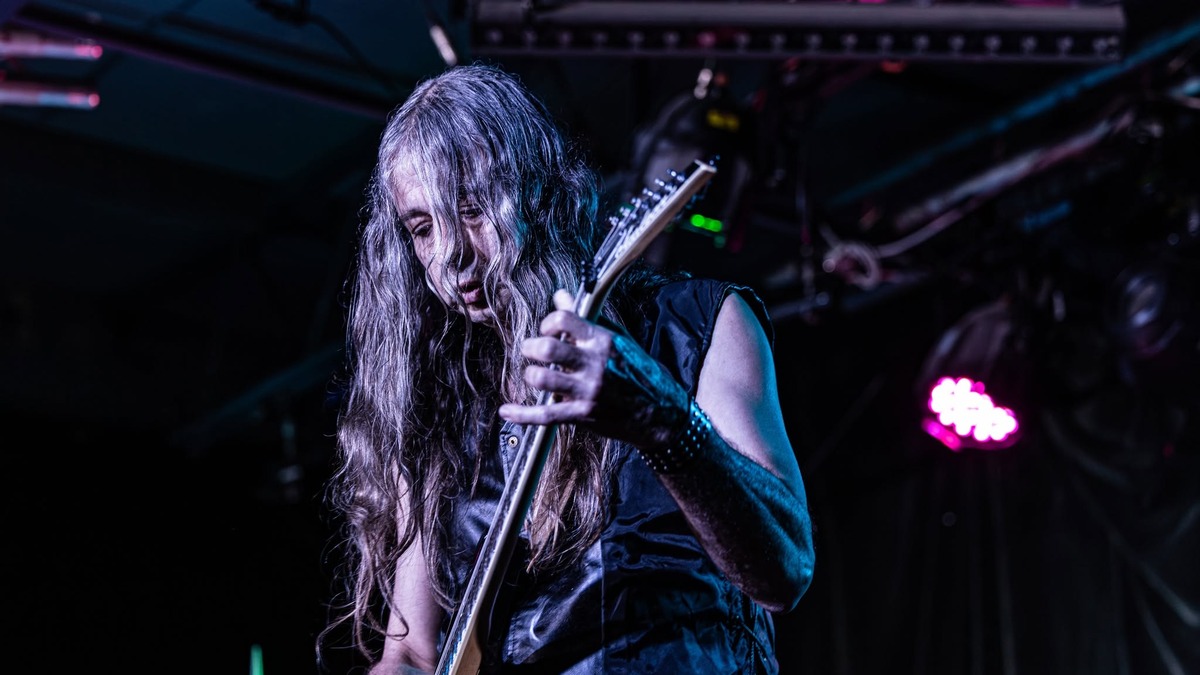
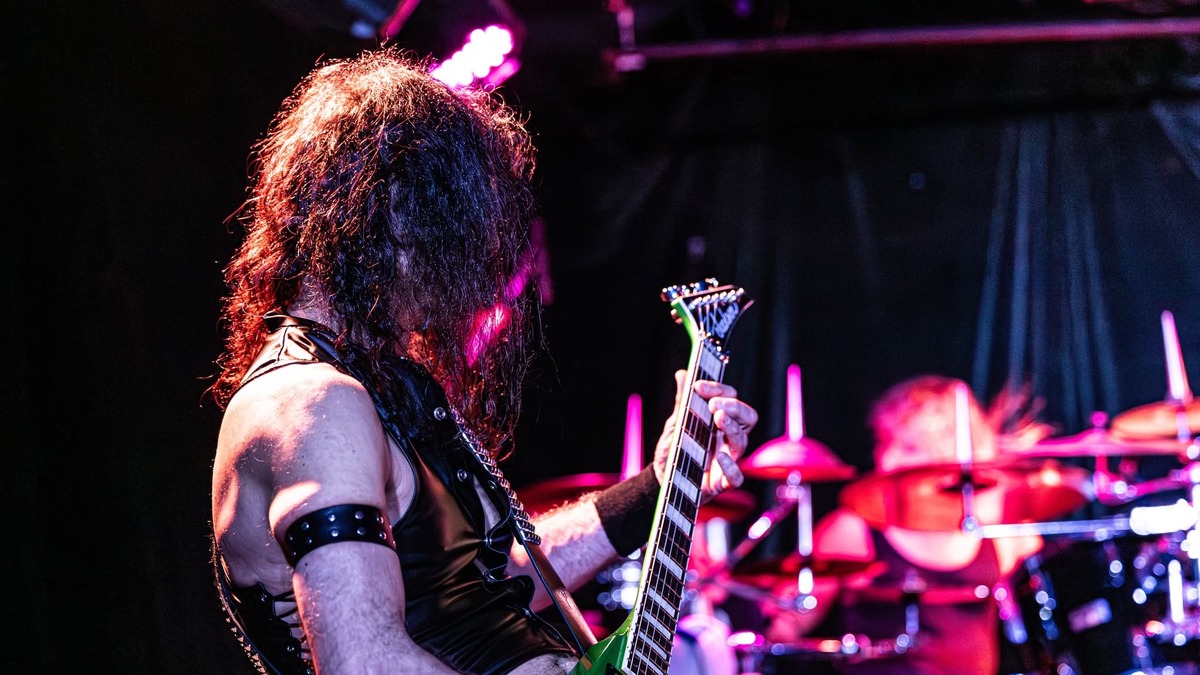
Barrett sings, Mike Arruda and Lou Hantzakos play guitar, Steve McDonell plays bass and Hassey plays drums. Some of the names cross paths well before the tribute. Barrett and Hantzakos both played in Muffin, and Barrett and Hassey have made original records together as members of Toronto’s Superchucker.
Dave Barrett
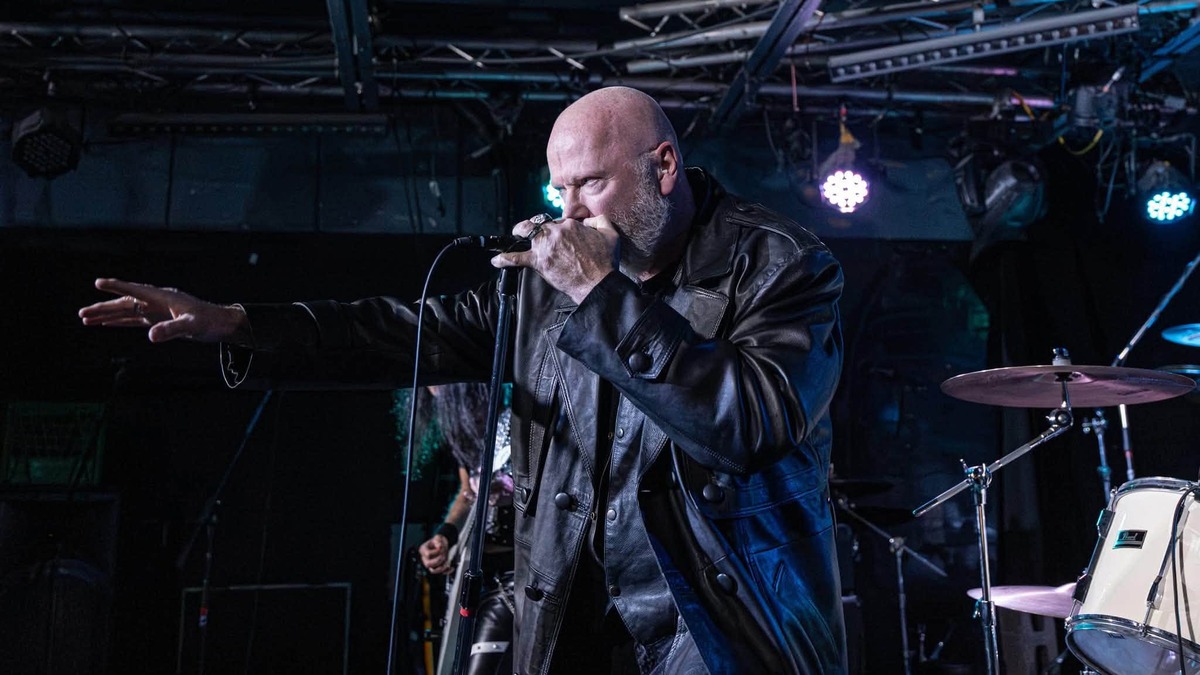
Barrett’s first band grew out of school music classes and a group of friends. It took them a long time to get five songs ready to play in front of people, and Barrett spent about six months taking opera lessons after school to work on his breath control.
The school band gave him a place to see how that work held up when there was a whole song to get through. It’s one thing to have enough air for a phrase on its own and another to do it with guitars and drums behind you, especially if another demanding line is coming in a few bars.
A friend introduced him to April Wine, Toronto and the Headpins, and his first metal concert put the Scorpions on a bill with Quiet Riot, Helix and Kick Axe. He came away taken with how much of a show those bands could make out of the songs. That early route into metal helps explain the breadth of the singer’s later work, from local bands and his own lyrics to a tribute that takes on Halford’s most theatrical vocal parts.
Barrett sang in Muffin and went on to sing for Superchucker, which played its debut show at The Rockpile in April 2018.
Superchucker’s Liar! release credits him with vocals and lyrics, and the band’s originals sit alongside covers of Triumph’s Allied Forces and Priest’s The Hellion and Electric Eye. Barrett was putting words to his own band’s music and finding his way into songs already associated with another singer on the same release.
A Halford set asks him to switch between kinds of authority on the microphone. A big chorus can ride a steady beat and give him a point to land on every time it comes around. In a longer song, a nearly conversational phrase can sit several minutes away from a scream, and the force of the scream depends on how much space he leaves around it.
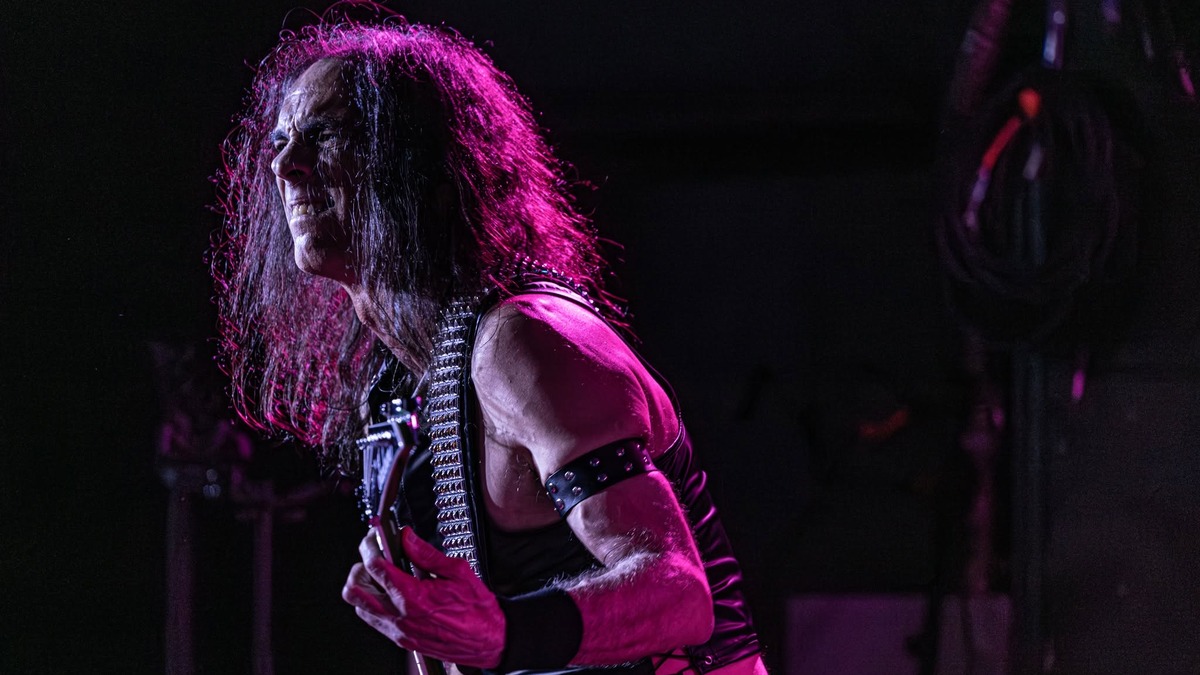
Mike Arruda
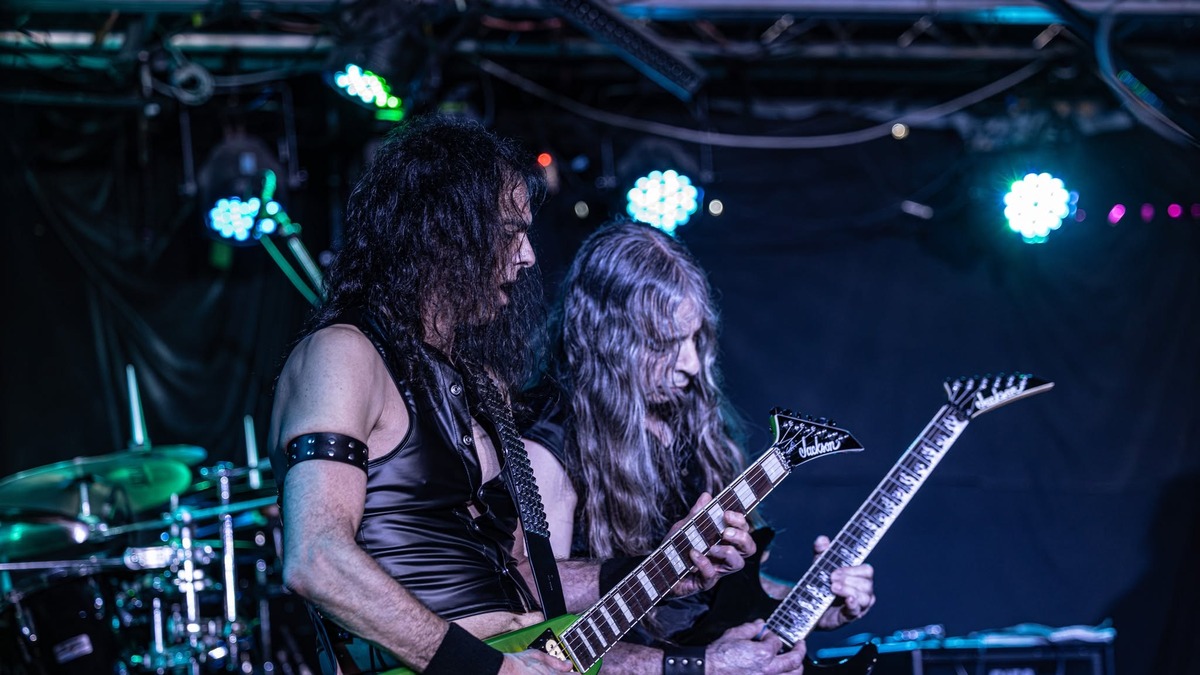
Arruda is one of the two guitarists in Judas Rising. That setup is worth listening for on a Priest song, because the guitars can be playing together in three quite different ways.
They can make a single riff sound bigger, play separate notes that form a harmony, or trade the foreground while the other player holds the rhythm underneath.
On a record those jobs can be spread across several layers, and in a club they have to be distributed between the two players in real time. Even a passage that sounds simple out front can involve one guitarist staying with the figure that tells the listener where the song is while the other breaks away.
Arruda and Hantzakos share that work, and the change from a Priest harmony to the clipped, tightly synchronized riffs in Fight calls for a different kind of coordination.
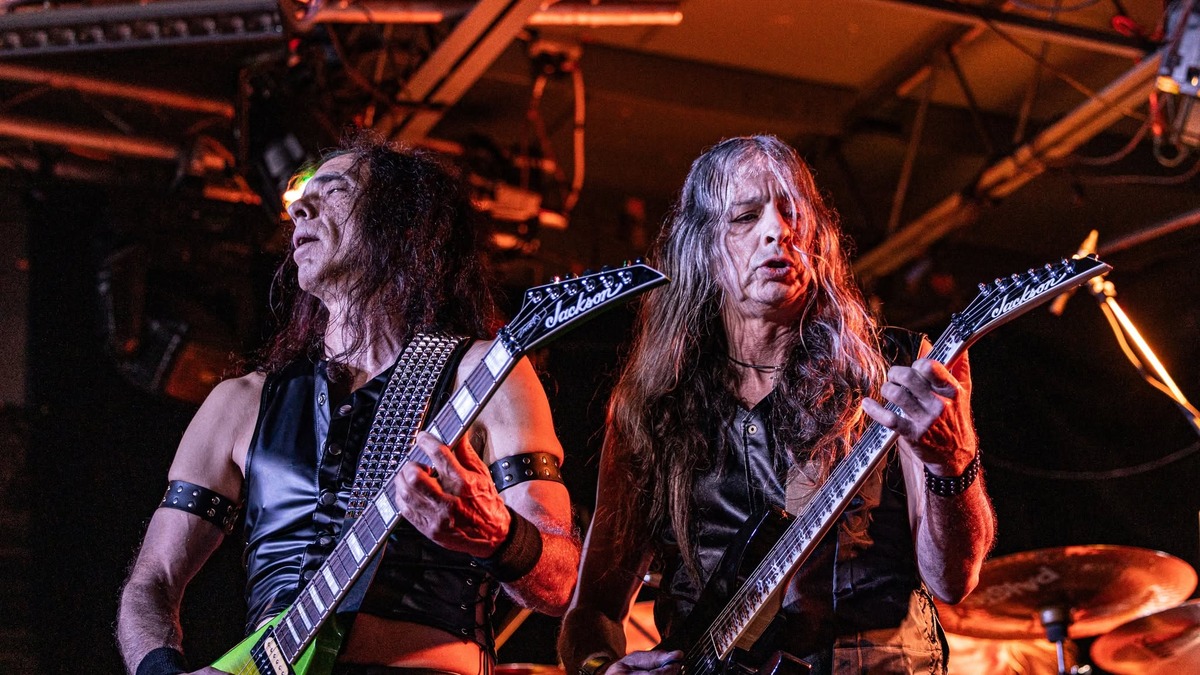
Lou Hantzakos
Before Judas Rising, Hantzakos played in Toronto heavy metal band In Vein, which dates to 1997.
Its lineup paired him on guitar with Jamie Prestwich and put drummer Eberhard Wey and bassist Marty Portier behind them. The two-guitar setup in Judas Rising is familiar territory in that respect, even though here the material starts with arrangements that were made famous by another pair of guitarists.
In Vein’s personnel credits also trace Hantzakos back to Muffin, the Toronto group that appears in Barrett’s earlier band history.
With Hantzakos and Arruda, the payoff is in hearing the second guitar as a distinct voice. When two lines open up into harmony and then fold back into one riff, it changes the size of the sound without any need for the tempo to move.
Priest built much of its identity on that effect, which Glenn Tipton has discussed in describing the freedom the dual-guitar setup gave the band.
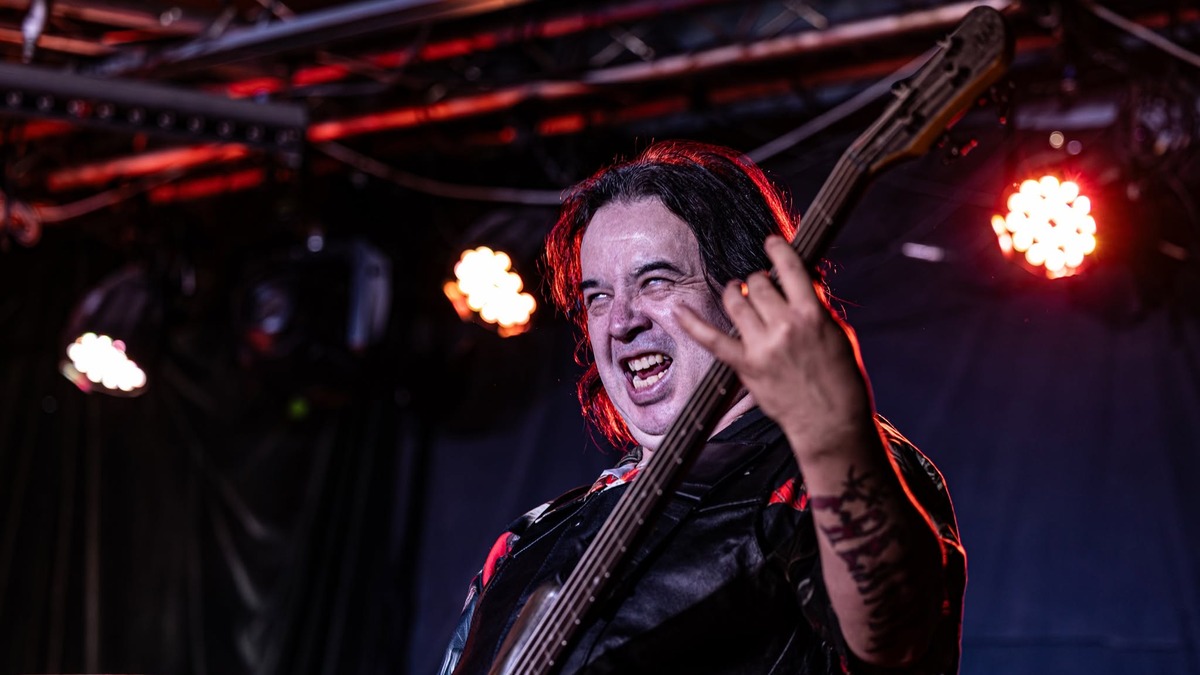
Steve McDonell
McDonell’s name appears on Toronto hard rock bills from the early 2010s as the bassist for Twitch.
The group opened for Anvil at the Rockpile West in 2013 and returned to the room on a 2014 bill with Autograph. On the Autograph night, Twitch played its own Wicked and Revolution in the same set as Kiss’s Deuce and Metallica’s Sad but True.
That’s a useful snapshot of where McDonell came from as a player.
On a bill like that, an original song has to establish its pulse quickly, and a cover as familiar as Sad but True asks for the weight and spacing people already know from the record. In Judas Rising, he works across material that draws on both kinds of heavy playing, with old Priest songs that ride the beat and Fight riffs that put much more emphasis on the stops.
The bass also keeps a song from thinning out when one guitar moves to a lead. Follow the low end through that change and you can hear how much of the riff is still in the room after the guitar that introduced it has moved on.
For a tribute with two busy guitar parts and a singer working in the upper part of his range, McDonell’s register is where a great deal of the physical impact sits.
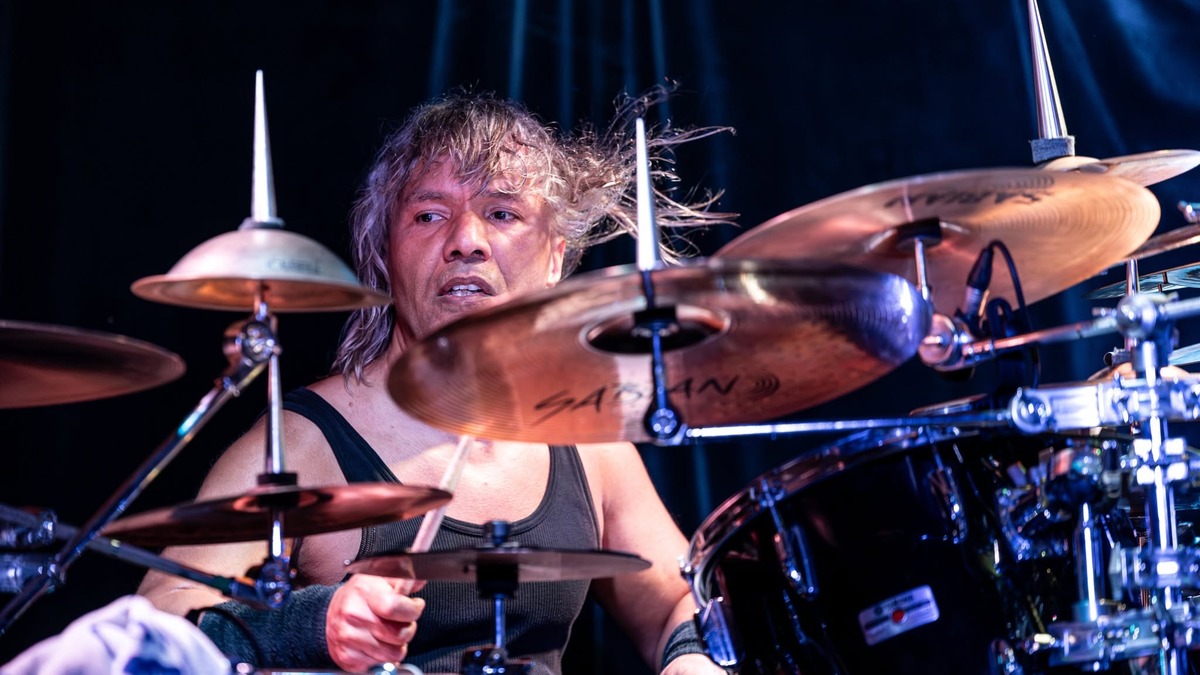
Rob Hassey
Hassey grew up with country, soul, big band and rock records in the house.
His older brother was the one who pointed him toward Queen, Black Sabbath and Judas Priest, and that first Priest concert gave him a reason to try playing what he’d been hearing. He started drum lessons around 16, soon preferred working songs out on his Walkman, and began going to jam nights within a few months.
Hassey and Barrett were both in Superchucker when it recorded Victim of Changes live off the floor at a rehearsal in September 2019.
The recording is an especially good bit of connective tissue between their projects, because it captures them already working through a long Priest arrangement together. A performance of that song makes the drummer follow the shape of the vocal as much as the changes in the riff.
As the volume falls away in the quieter section, the space Hassey leaves matters as much as where he plays. Then the song has to get heavy again without giving away the moment too early. From his first concert at the grandstand to that rehearsal, there’s a line you can actually hear on a recording.
Barrett and Hassey kept recording together in Superchucker. On the group’s second full-length album, Awake, released in 2022, Hassey is credited with backing vocals as well as drums.
In a band where he had a part to sing, he was working with Barrett from both ends of the arrangement. The Judas Rising set gives the two of them a different kind of partnership, working out how to pace songs that were originally made by several different lineups.
The Two Bands Halford Built Away From Judas Priest
Rob Halford joined Judas Priest in 1973. His sister Sue helped make the introduction to bassist Ian Hill, her future husband, and he arrived with a taste for performance that had grown while working the lights at the Wolverhampton Grand.
By the early 1990s, he’d been the voice of Priest for almost two decades and was about to sing over a much different kind of band.
Fight and the Tight Corners of Into the Pit
Halford put Fight together with a mix of familiar and new players.
Travis was there from Priest, bassist Jay Jay had been Halford’s tattoo artist, and the guitarists were Brian Tilse and Russ Parrish. Halford was clear in an interview from the period that he saw the group as a new direction, and Fight’s 1993 debut, War of Words, gave him a way to make that direction audible.
Fight put Into the Pit first on the album. Where the big Priest singles give the vocal a line to return to over a regular beat, the Fight track puts the weight of each phrase on the moment the riff hits back. Within a few bars the new group has made its case in the way it phrases the song, even to a listener who would recognise the voice anywhere.
Listen to the opening of Into the Pit alongside the title track of Painkiller. On the Priest song, Travis has several seconds to establish the drama before the rest of the band answers him.
On the Fight record, the whole band has to negotiate the turns of the riff as a unit, and the abrupt accents and spaces do as much work as the speed.
That makes the song a particularly good choice for Judas Rising. Barrett has to get the vocal into short, hard phrases, and the two guitars need to put their weight down together. McDonell and Hassey have to agree on where the riff stops, because a slight spill across one of those gaps changes the attack when everyone comes back in.
Halford and the Return to Melody on Resurrection
In 2000, Halford and producer Roy Z made Resurrection. By then the singer had also tried industrial rock with 2wo, which makes the opening of Resurrection sound like a deliberate return to some of his old tools.
There’s a high, sustained announcement from the singer, a pointed guitar entrance and then a band with room for melody even at full speed.
Halford again had two guitarists to work with, Patrick Lachman and Mike Chlasciak, and drummer Bobby Jarzombek gave the faster songs a great deal of motion underneath.
The album also put Halford on a track with Iron Maiden’s Bruce Dickinson, who sang on The One You Love to Hate. The duet helps place the record in the lineage Halford was revisiting, with two singers whose voices are so distinct that you can hear a change of character as the lines pass between them.
Judas Rising played both the title song and Made in Hell at the Rockpile. They sit next to each other at the start of the original record and have different things to say. The first introduces Halford again in the register that made him famous, while the second looks back at the world that produced him.
Halford had grown up in England’s industrial West Midlands, and in an interview when the album came out, he talked about the record’s personal and musical roots. Made in Hell puts the factory towns and the emergence of British heavy metal into a song by somebody who saw that period up close. It has the drive of a road song even when Halford is looking backward.
The title track gives Barrett a much longer line to carry than Into the Pit. Made in Hell then gives the two guitarists a stronger melodic contour to work with, the kind that can register over a fast rhythm section without needing to double every move it makes. Heard in a set with Fight and Priest, those Halford songs make a third sound you can pick out by ear.
Where Judas Rising Brings the Halford Years Together Live
The distance between an early Judas Priest riff and a Fight song becomes a lot easier to hear when the same guitarists play both.
That’s the attraction of Judas Rising’s take on Halford’s career. It lets you hear what carried over when he changed bands and what the musicians around him made possible each time.
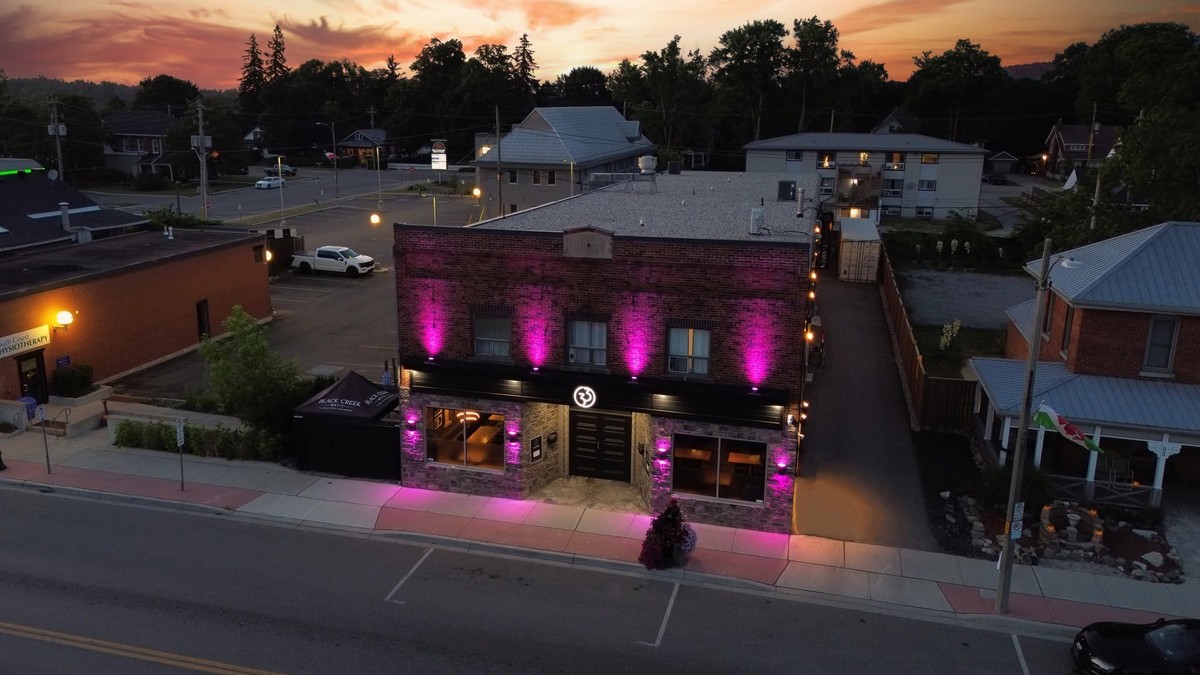
Judas Rising plays an all-ages show with Malice Incarnate at Atria Bar & Grill, 59 King St. East in Oshawa, on Saturday, November 28, 2026. Doors open at 8 p.m. and the show starts at 9 p.m. EST.