Few rock bands have asked so much of three people. Rush, formed in 1968 in the Toronto neighbourhood of Willowdale, built a catalogue of seven-part suites, radio staples and rhythmic puzzles with a bassist who also sang and played keyboards, a guitarist, and a drummer who wrote the lyrics.
Anyone who wants to play that music live inherits the same arithmetic: three players, every part, and nowhere to hide.
Meet Crush, The Toronto Trio Behind The Ultimate Rush Experience
Crush is a band built on a love of Rush’s music.
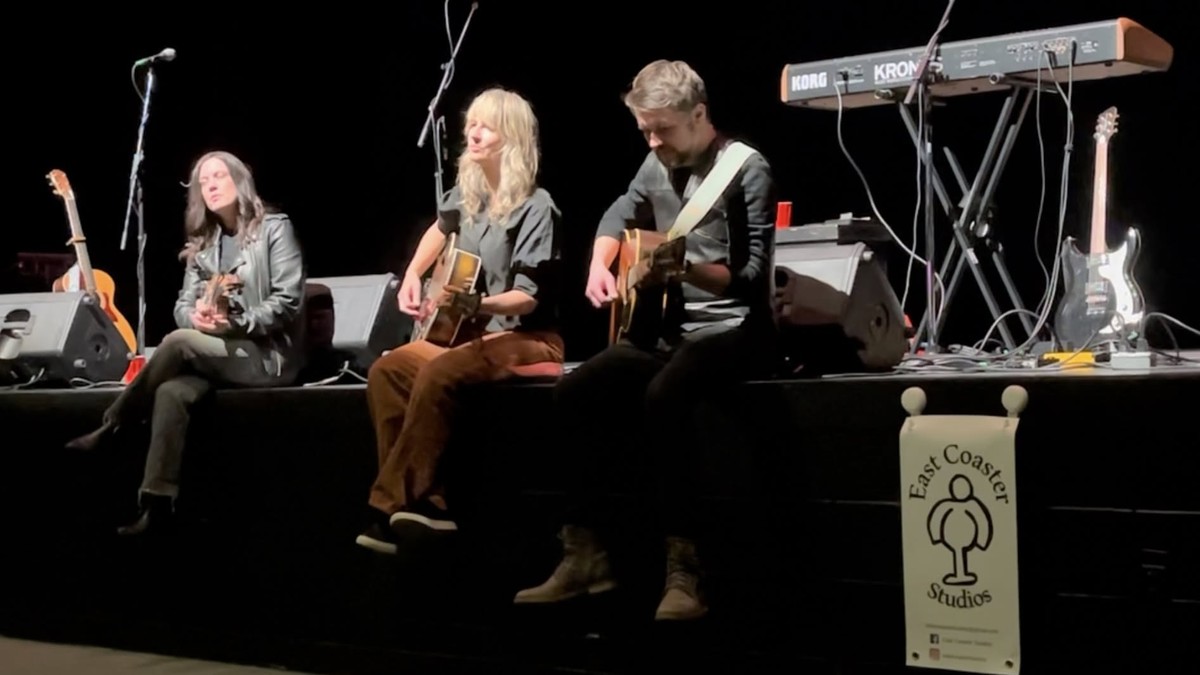
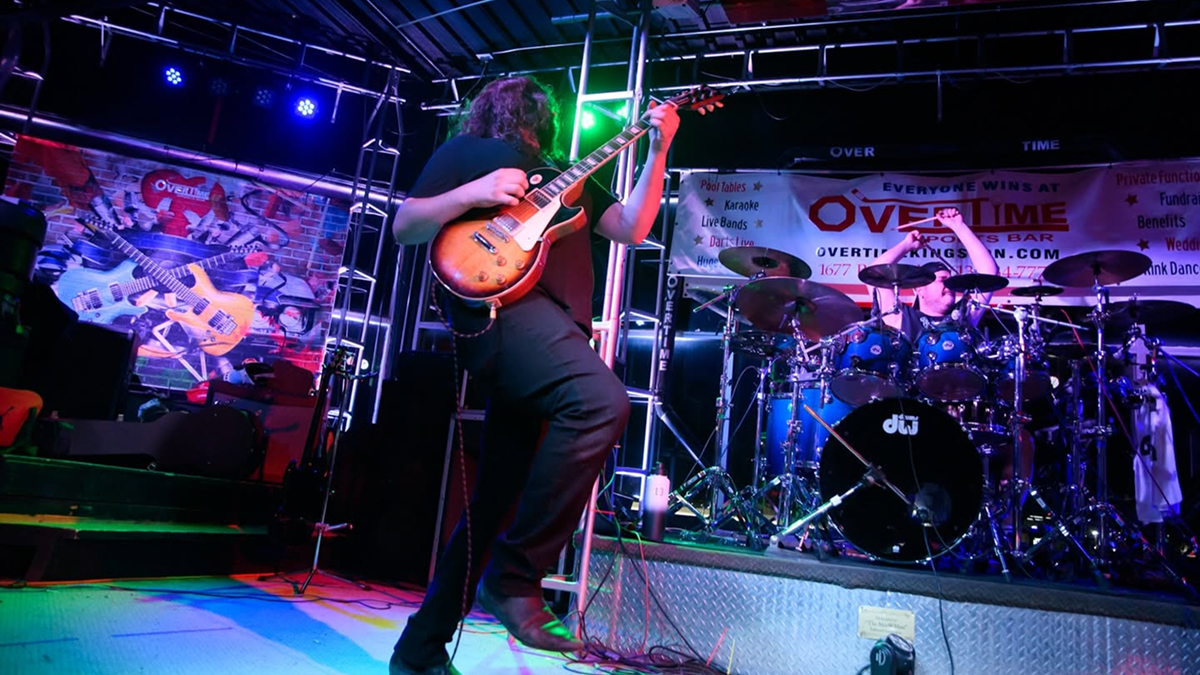
The lineup mirrors the original band’s shape, with one player per chair. Sam Ermellini plays guitar, Vito De Francesco plays drums and Christian Di Mambro plays bass.
The three are better known together as the core of Pyramid Theorem, a progressive metal band from Richmond Hill, Ontario. Pyramid Theorem has released three full-length albums, their most recent in 2020 and occasionally are a supporting act on Crush dates, including most recently in Montreal and Fort Erie.
That arrangement puts both sides of the musicians’ work in one evening: the Rush songs that shaped them and the original progressive music they write.
Crush’s headline nights have used an Evening With format, with two sets and a short intermission, showcasing both the classics as well as deep cuts from the Rush catalogue.
Who Are The Members Of Crush: The Ultimate Rush Experience?
Sam Ermellini
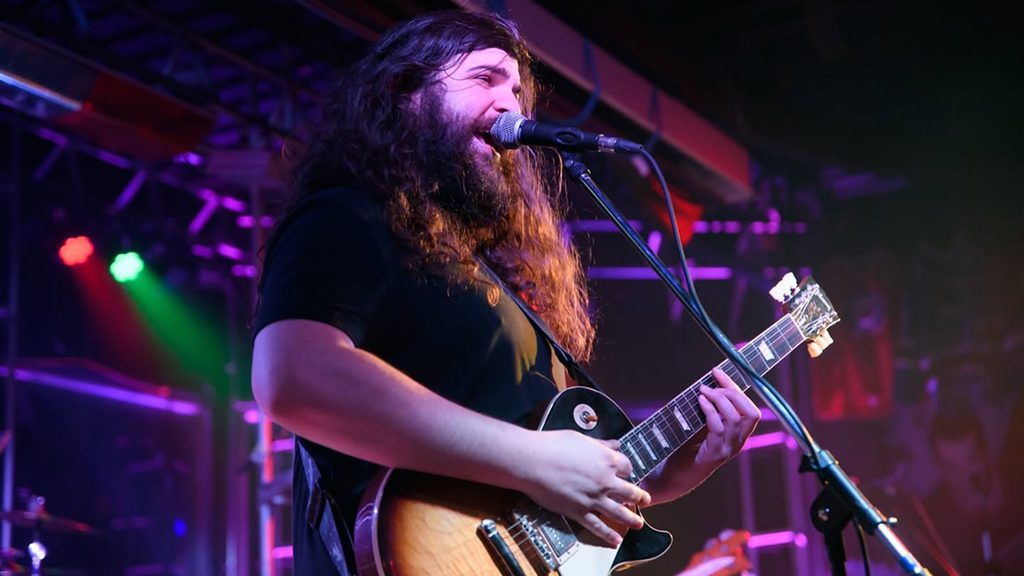
Sam Ermellini plays guitar and sings, and he is Pyramid Theorem’s lead guitarist. He met Christian Di Mambro while both were playing in other bands, and the two kept playing together after recognizing each other’s talent.
When the pair needed a full band, they began jamming with Stephan Di Mambro and Vito De Francesco, and Pyramid Theorem was born.
Rush runs through his playing. He names them as his favourite prog-rock band of all time without hedging, and says they drew him into the genre’s sound.
His other loves show in the band’s influences, which include Dream Theater, Pantera, Yes, Black Label Society and Iron Maiden alongside Rush.
He has been the band’s most visible voice in recent press. His stated aim is a classic, old-school prog sound with a modern metal edge, and his stated goal is to play live as often as possible.
Vito De Francesco
Vito De Francesco plays drums and percussion, and his Rush story starts at home. He has said he would not be a drummer if his father had not introduced him to Rush at a very young age.
He sees Rush as the main influence behind so many progressive bands, and as the model of a perfect band.
His friendship with Stephan Di Mambro began at a friend’s cottage, where the two bonded over Rush.
Stephan reproduced a Rush song on guitar, Vito was hooked, and he could play Rush songs on drums himself. They started jamming together almost immediately, and that pairing became the seed of Pyramid Theorem.
Christian Di Mambro
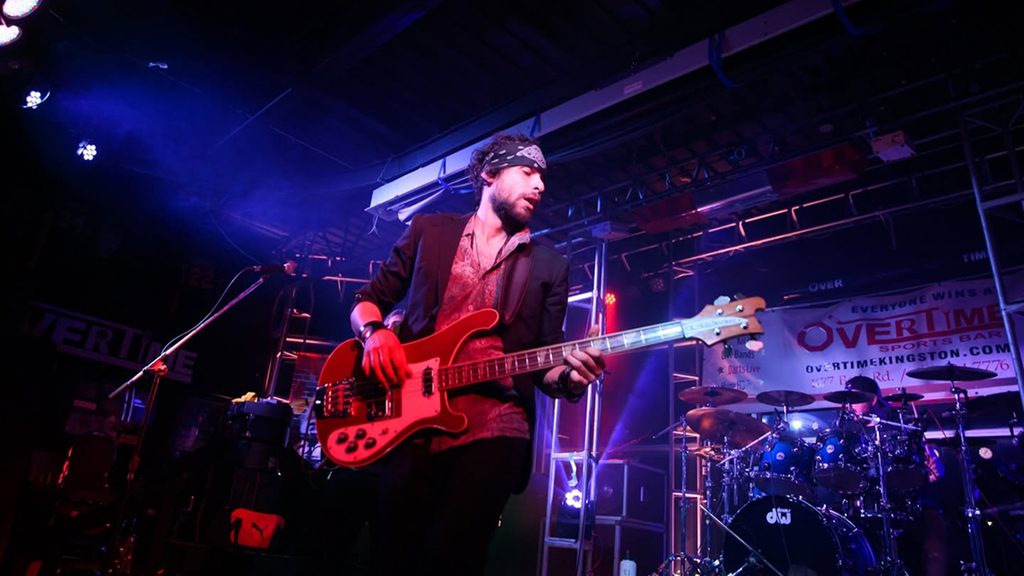
Christian Di Mambro plays bass and sings in Pyramid Theorem, alongside his brother Stephan, who played keyboards, guitar and vocals through the band’s 2020 album.
Christian’s jam space, which the band calls The Den Of Evil, is where Pyramid Theorem worked out the arrangements for their Open Hearts record.
He also plays bass with Falset, a Toronto rock band whose drummer is Chance LaBrie, the son of Dream Theater singer James LaBrie. That connection is how James LaBrie ended up on Open Hearts.
Around the release of Pyramid Theorum’s 2012 debut, Christian summed up the approach as “just four guys trying to make the best music we can.”
How A Basement Full Of Rush Memorabilia Became Pyramid Theorem
Pyramid Theorem formed in Richmond Hill, Ontario, in 2006. The band’s musical journey began in a basement full of Rush memorabilia.
The group came together through two chance meetings. Stephan Di Mambro and Vito De Francesco met at a friend’s cottage and bonded over Rush, while Sam Ermellini and Christian Di Mambro found each other through their separate bands.
The band’s early influences read like a prog reading list: Rush, Yes, Symphony X, Genesis, Ozzy Osbourne and Dream Theater.
In June 2008, the band took first place at the Rock ‘n Race Battle of the Bands at Downsview Park in Toronto. It had already headlined Toronto rooms including The Opera House, Reilly’s Pub and Kathedral.
That year it self-released Voyage to the Star, a four-track EP of about thirty-one minutes. Its instrumental title track blends early Yes with Rush.
The band also opened for Toronto metal act Warmachine and lined up a 2009 show with The Agonist.
The self-titled debut arrived in July 2012. The band produced it and recorded it at Coalition Music in Toronto, and its five tracks run about 64 minutes, with one piece stretching toward the half-hour mark.
Element of Surprise followed on July 14, 2017, also self-released.
Beyond the Exosphere arrived on August 21, 2020, produced and engineered by Rich Chycki, whose credits include releases by Rush, Dream Theater, Aerosmith, Pink and Def Leppard. Its opening title track runs just under eighteen minutes. The album also holds Under Control, Freedom, Closer to the End and Intonate, for a total of about 41 minutes.
Edwin van Hoof of HeadBangers Lifestyle called the band “perhaps one of the finest bands in progressive rock today.”
What The Rush Catalogue Asks Of Three Musicians On One Stage
A Rush set asks something different of each chair.
The members of Rush won numerous awards in magazine readers’ polls for their instruments. Peart alone took prizes in Modern Drummer‘s annual readers’ poll 38 times.
Stewart Copeland of The Police once said, “Neil is the most air-drummed-to drummer of all time.” That reputation is part of what the drum chair in any Rush tribute carries.
The repertoire also spans a wide stylistic range.
The band began as a blues-based hard rock group in the mould of Led Zeppelin, with the 1974 debut including Working Man. After Neil Peart arrived in the drum chair following their debut, it took a leap into long-form pieces such as 2112 and Hemispheres. Later records leaned more on keyboards and tighter song structures through the 1980s, and Clockwork Angels in 2012 closed the studio catalogue.
Crush’s three members each take one of those chairs and event listings promise the full range, from the classics to the deep cuts.
What To Expect From Crush Live In Fort Erie On November 21
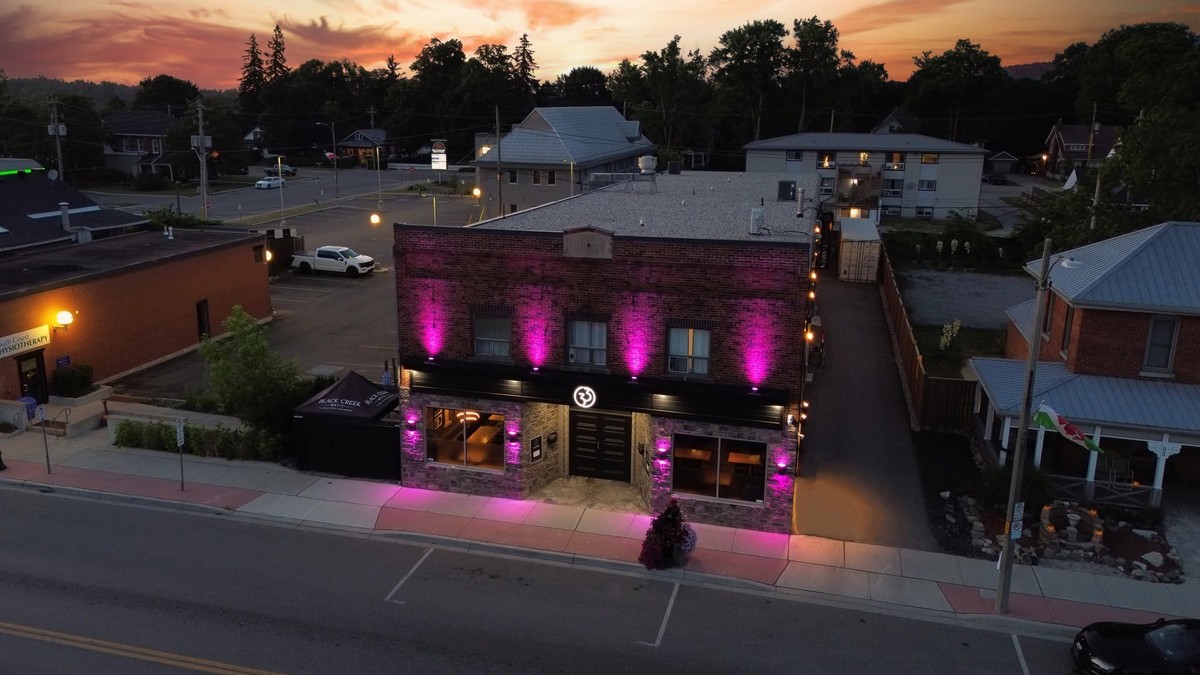
Crush: The Ultimate Rush Experience plays Sessions on the River, 133 Niagara Blvd., Fort Erie, Ontario, on Saturday, November 21, 2026, with Pyramid Theorem on the bill.
Doors open at 7:00 p.m. and the show starts at 7:30 p.m., with general admission tickets at $12.50 CAD plus fees for ages 19 and up and a capacity of 120.
Three Players, One Rush Obsession, And A Night Worth Hearing Live
Crush works on the same arithmetic as Rush: three players, three chairs, and a catalogue that rewards every part.
Sam, Vito and Christian bring a lifelong Rush habit to those chairs, from a drummer introduced to the band by his father to a guitarist who names Rush as his favourite prog band.
Their story also runs well beyond the tribute. Pyramid Theorem has grown from a Richmond Hill basement into a band with three albums, a Rich Chycki production credit and a James LaBrie feature.