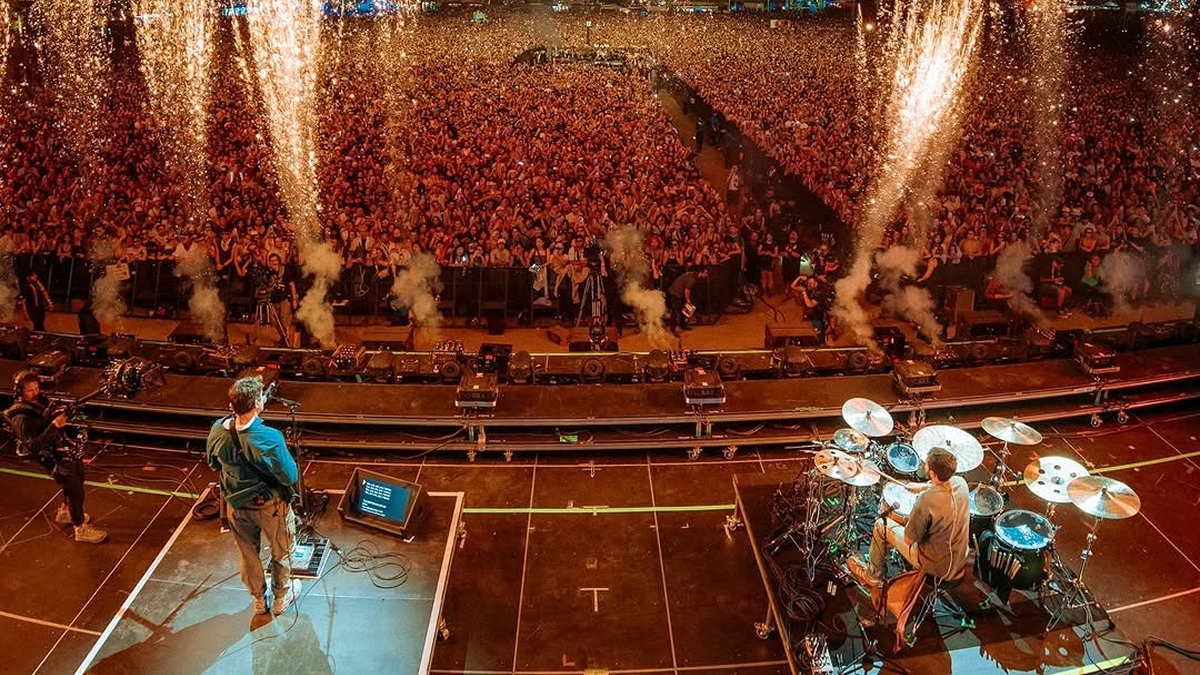
From a Ticketmaster boycott to a billion-dollar festival brand. Here we have the tale of Coachella.
In 1993, a boycott of Ticketmaster pushed Pearl Jam toward a dusty polo field in Indio, California, and out of that decision grew one of the most consequential business experiments in live entertainment.
Six years later, Goldenvoice promoter Paul Tollett and partner Rick Van Santen turned that same venue into the Coachella Valley Music and Arts Festival, betting a struggling concert-booking company’s future on a two-day event staged just two months after the disorder of Woodstock ’99.
The gamble could easily have failed. Instead, Coachella became the template every major festival now studies: a controlled, art-forward, high-comfort alternative to chaos, engineered as carefully as any product launch.
What followed was not a straight line but a series of calculated pivots: a canceled second edition, a return as an annual fixture in 2001, and an expansion to a second consecutive weekend in 2012 that effectively doubled ticket inventory to roughly 250,000 attendees without doubling operating costs.
Ownership evolved too, as Goldenvoice became a subsidiary of AEG Presents, turning a scrappy regional promoter into part of one of the largest live-entertainment companies in the world.
By 2019, the festival was generating more than $114 million and pumping an estimated $700 million annually into the Coachella Valley economy, even as ticket prices climbed and demand periodically cooled, most visibly during the sluggish 2024 sales cycle.
In this article, we take a look at the evolution of Coachella over the years, digging deep into its successes and failures.
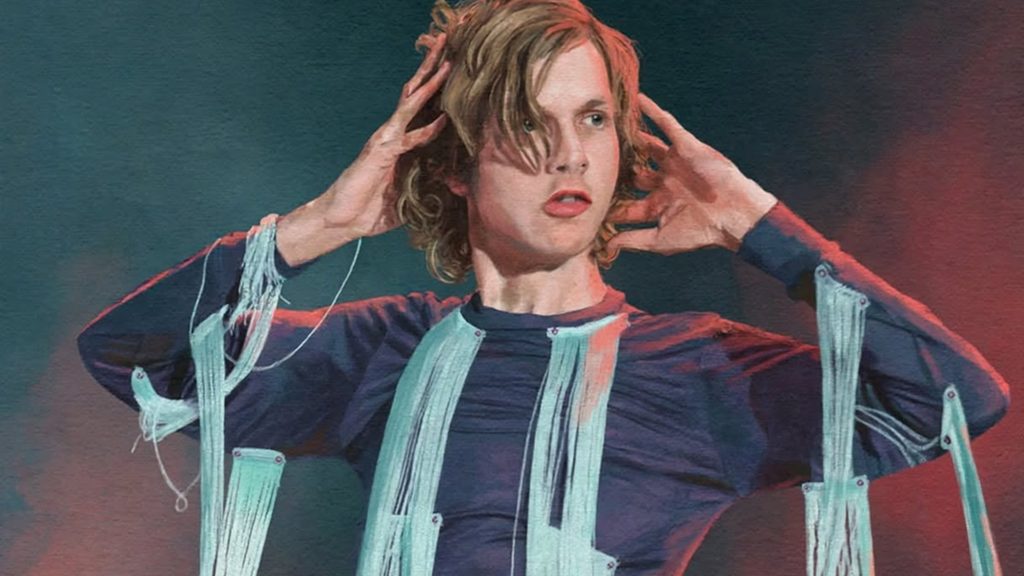
Coachella 1999: A Costly Bet That Redefined Live Music
- Headliners: Beck, Tool, and Rage Against the Machine
The inaugural Coachella Valley Music and Arts Festival took place October 9 and 10, 1999, at the Empire Polo Club in Indio, California, two months after the disorder of Woodstock ’99 had made insurers and investors wary of large outdoor festivals. Goldenvoice, still primarily a Los Angeles punk and alternative concert promoter, priced general admission at $50 a day or $100 for the full weekend, a rate that included parking and a bottle of water. Roughly seventy acts performed across a main stage, a second stage, and three dance tents named Mojave, Gobi, and Sahara, labels the festival still uses today. Attendance fell well short of projections, with an estimated 17,000 people on Saturday and 20,000 on Sunday, set against triple-digit desert heat so intense that DJ Kid Koala later recalled his vinyl records warping mid-set. Critically, the weekend was a success. Fans and press praised the genre-spanning bill of Beck, Tool, Rage Against the Machine, the Chemical Brothers, and Morrissey, and the crowd stayed orderly even when small fires broke out, a deliberate contrast to the Woodstock violence Goldenvoice had worked to avoid. Financially, the event nearly ended the company. Goldenvoice lost an estimated $850,000, and Rage Against the Machine guitarist Tom Morello later said the promoters asked the band to return half its performance fee just to keep the business afloat. The shortfall was severe enough that Coachella skipped 2000 entirely, giving Goldenvoice time to move the date to spring and rebuild a format that would eventually make it the most profitable festival brand in North America.
Business lesson takeaway: Coachella’s debut shows that critical acclaim and a strong creative vision do not guarantee financial survival when a new live event is scaled and priced before real demand is proven. It also reveals the value of relationship capital as a business asset: Goldenvoice’s years of goodwill from booking small punk shows gave it the artist trust needed to survive a near-fatal shortfall that a promoter without those ties could not have absorbed. Finally, skipping an entire year rather than limping through a third edition on a broken model is an early example of choosing to pause and rebuild rather than compound a flawed launch.
Coachella 2000: The Year the Festival Went Dark
- Headliners: None — Goldenvoice did not stage a Coachella festival in 2000
Coachella did not take place in 2000. After the inaugural festival’s roughly $850,000 loss the previous October, Goldenvoice faced a straightforward cash problem: the company had already been losing bidding wars for major concerts against bigger, better-capitalized promoters like SFX Entertainment, which Clear Channel had just acquired as part of an industry-wide consolidation wave that was squeezing independent promoters nationwide. Staging a second edition on the same October date and two-day format, without fixing the underlying cost structure, risked compounding the loss rather than recovering from it. Rather than rush out a diminished sequel, Tollett and Van Santen used the year to rebuild. They renegotiated the festival’s calendar, shifting the eventual relaunch from the brutal October heat to a cooler April date, and they scaled the format down to a single day to lower fixed costs and reduce financial exposure while demand was rebuilt. They also worked to preserve relationships damaged by the shortfall, an effort helped by artists like Rage Against the Machine, who voluntarily returned half their 1999 fee to keep Goldenvoice solvent. No tickets were sold, no headliners were booked, and the festival earned zero revenue and no fresh press coverage that year. But the pause also meant Coachella never diluted its debut with a rushed, underfunded follow-up, preserving the scarcity and critical goodwill the first festival had earned even as the business behind it nearly collapsed.
Business lesson takeaway: The most important decision Coachella’s organizers made in 2000 was not staging anything at all: choosing zero revenue over a second money-losing event preserved both capital and credibility long enough to fix the format. It’s also a reminder that a young brand’s survival often depends less on its concept than on the strength of its relationships with suppliers and talent, since Goldenvoice’s paid-forward goodwill with artists is what bought it the time to restructure. Finally, the pivot from an October date to April shows how a live event’s calendar is itself a cost lever, not just a scheduling choice, since climate and timing directly shape ticket demand, production expenses, and safety risk.
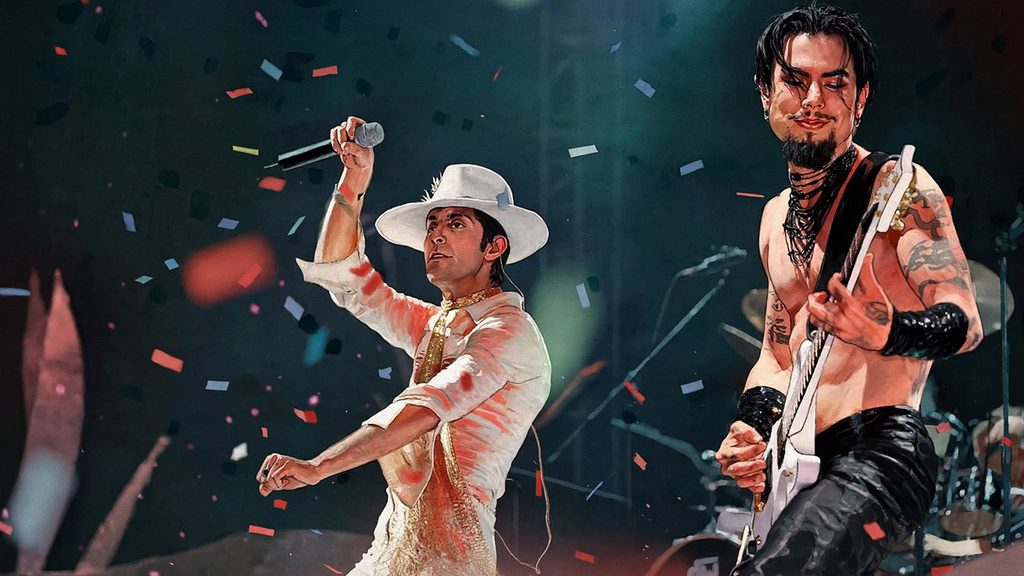
Coachella 2001: A One-Day Reboot Backed by AEG
- Headliners: Jane’s Addiction
Coachella returned on April 28, 2001, as a single-day event, a deliberate scale-down from the two-day format that had produced 1999’s loss. Goldenvoice raised general admission to $65, still spread across five stages, and used a reunited Jane’s Addiction as its headline draw, alongside Weezer, Fatboy Slim, Paul Oakenfold, and the Chemical Brothers on a bill still leaning heavily on rap and dance acts. Roughly 32,000 to 35,000 people showed up, a modest but meaningful recovery from the prior edition’s attendance, though nowhere near what a single day of programming at that ticket price needed to break even. Despite the higher price and reduced overhead, Coachella lost money again in 2001, meaning Goldenvoice had now posted losses in both years it had staged the festival. What changed that year was not the event’s economics but its ownership structure: Goldenvoice became a subsidiary of Anschutz Entertainment Group, giving the promoter access to AEG’s balance sheet and touring infrastructure at the exact moment its own festival still could not support itself. The reunion strategy also proved its worth, since bringing back a dormant, culturally significant act generated more press and ticket interest than any new booking could have, a tactic Goldenvoice would repeat with acts like Siouxsie and the Banshees and, later, Rage Against the Machine itself. The single-day format was temporary, but the AEG relationship and the reunion playbook it debuted became permanent parts of Coachella’s business model.
Business lesson takeaway: Coachella’s second straight financial loss shows that a young event brand can survive on borrowed time if it can secure a capital partner willing to underwrite continued losses in exchange for future upside, which is exactly what the AEG relationship provided. The year also validated reunion bookings as a low-cost, high-demand programming strategy: a dormant act with built-in nostalgia can generate outsized press and ticket interest relative to its fee, a tactic more reliable than betting on unproven new artists. Finally, scaling the event down to a single day before scaling it back up shows that a struggling live event should right-size its cost base before trying to grow again, rather than assuming more programming will fix an unprofitable model.
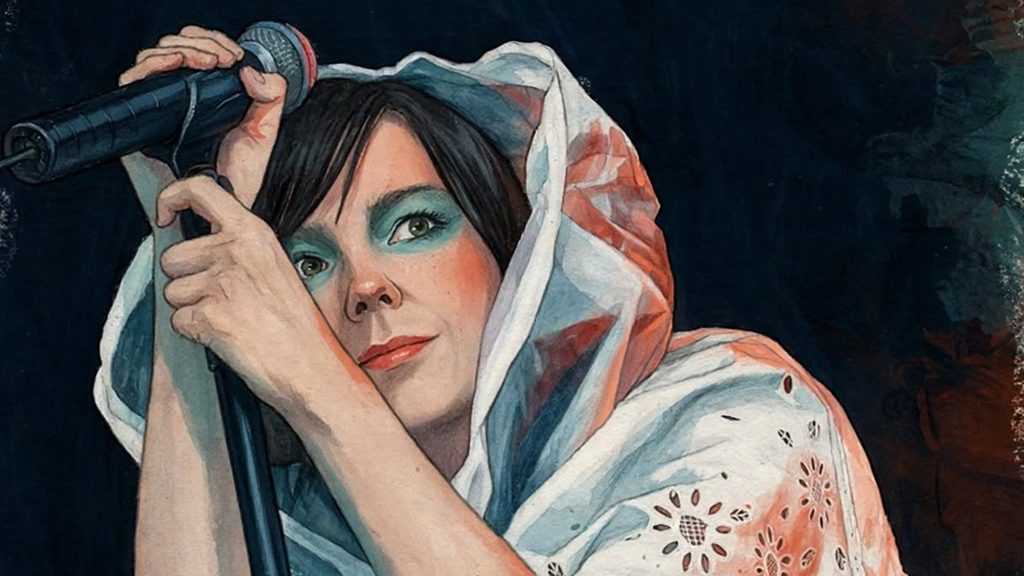
Coachella 2002: The Two-Day Format Finally Pays Off
- Headliners: Björk, Oasis
Coachella returned to a two-day format on April 27–28, 2002, its first without the single-day compromise from the year before, and used the schedule change rather than another ticket-price hike to expand revenue: general admission held steady at $65 per day, but selling two days of tickets instead of one nearly doubled potential box-office revenue without doubling fixed costs like staging, security, or headliner fees for a full weekend. Björk closed Saturday’s main stage — becoming the festival’s first female headliner — alongside the Chemical Brothers, while Oasis, Foo Fighters, and the Prodigy topped a Sunday bill that also featured a still-rising Strokes, whose set became one of the weekend’s most talked-about moments months before the band’s debut album broke through commercially. That pairing of expensive, internationally bankable headliners with a cheap, tastemaking undercard would become one of Coachella’s most durable financial habits. Spread across four stages, two outdoors and two tented, the festival drew an estimated 30,000 fans per day, or roughly 60,000 for the weekend, still well short of a sellout but a clear step up from 2001’s single-day crowd. Financially, 2002 is widely regarded as the year Coachella finally broke even, three years and two prior losses after its debut, validating both the two-day format and the AEG-backed booking budget that made headliners like Björk and Oasis affordable in the first place.
Business lesson takeaway: Coachella’s return to two days without raising its day-rate shows that event economics can often be improved through format changes — adding a sales day, a stage, or a session — rather than through price increases that risk suppressing demand. Pairing marquee headliners like Björk and Oasis with inexpensive, unproven acts like the Strokes also demonstrates a repeatable margin strategy: a handful of bankable names can carry ticket sales while a low-cost undercard builds the festival’s reputation as a talent discovery platform. Finally, breaking even in year three shows that live events with strong artistic identities can take multiple cycles to become financially viable, provided the operator has a capital partner, in this case AEG, willing to fund the interim losses.
Coachella 2003: Camping Turns a Festival Into a Destination
- Headliners: Beastie Boys, Red Hot Chili Peppers
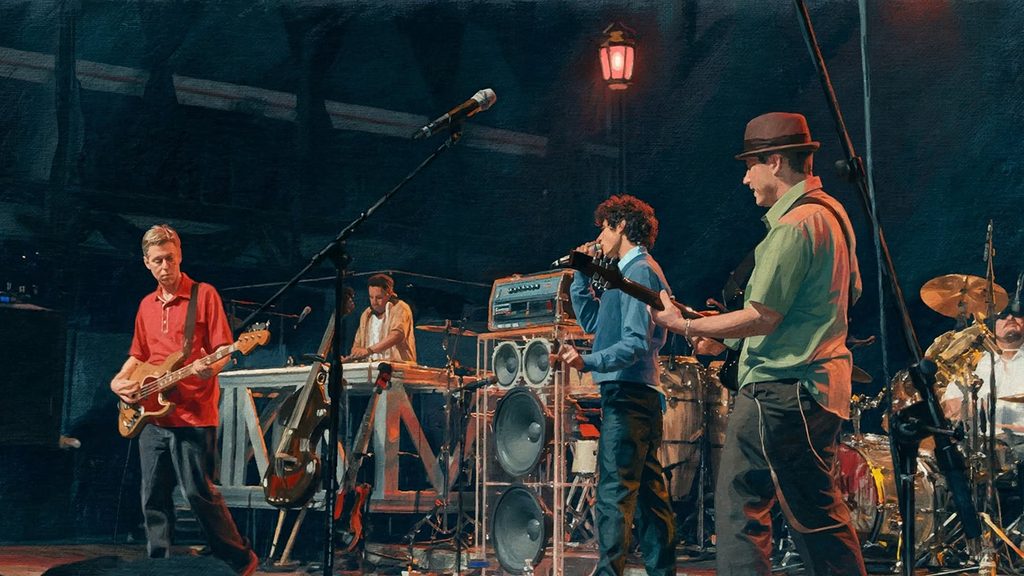
Coachella’s fourth edition, held April 26–27, 2003, raised general admission to $75 per day, or $140 for a two-day pass, a roughly 15 percent increase over 2002 that the festival could justify with its strongest lineup yet: more than seventy acts across five stages, headlined by the Beastie Boys on Saturday and the Red Hot Chili Peppers on Sunday. Tollett booked the Chili Peppers in part out of loyalty, telling Rolling Stone the band had given Goldenvoice its first arena show decades earlier, another example of relationship-driven booking paying long-term dividends. The undercard doubled as a talent showcase, giving festival debuts to the White Stripes, the Black Eyed Peas, N.E.R.D., and the Blue Man Group, while Iggy Pop reunited with the surviving members of the Stooges for their first performance together in more than twenty-five years, extending the reunion-booking strategy that had already worked with Jane’s Addiction in 2001. The most consequential change, though, was operational rather than musical: 2003 was the first year Coachella allowed on-site camping, turning a single-day outing into a multi-day destination and adding a new, high-margin revenue stream that also lengthened the average attendee’s exposure to sponsors and vendors. Attendance climbed to roughly 30,000 per day, or about 60,000 for the weekend, up from 2002’s crowd, as word of mouth around the prior year’s Björk and Oasis sets and this year’s Stooges reunion pulled in fans who had previously stayed away from an unproven event.
Business lesson takeaway: Introducing camping in 2003 shows how a live event can grow revenue and loyalty not just by adding artists but by adding infrastructure that changes the nature of the experience itself, turning a day trip into a weekend commitment with its own margin. Booking longtime relationships like the Red Hot Chili Peppers, and repeating the reunion strategy that had worked with Jane’s Addiction two years earlier, demonstrates that a promoter’s history and network can be a compounding asset, generating goodwill and press more cheaply than any new marketing campaign could. Finally, using an eclectic, forward-looking undercard to give festival debuts to acts like the White Stripes reinforced Coachella’s identity as a tastemaker rather than a nostalgia act, which mattered as much to its long-term brand value as any single night’s ticket sales.
Coachella 2004: The Sellout That Proved the Model Works
- Headliners: Radiohead, The Cure
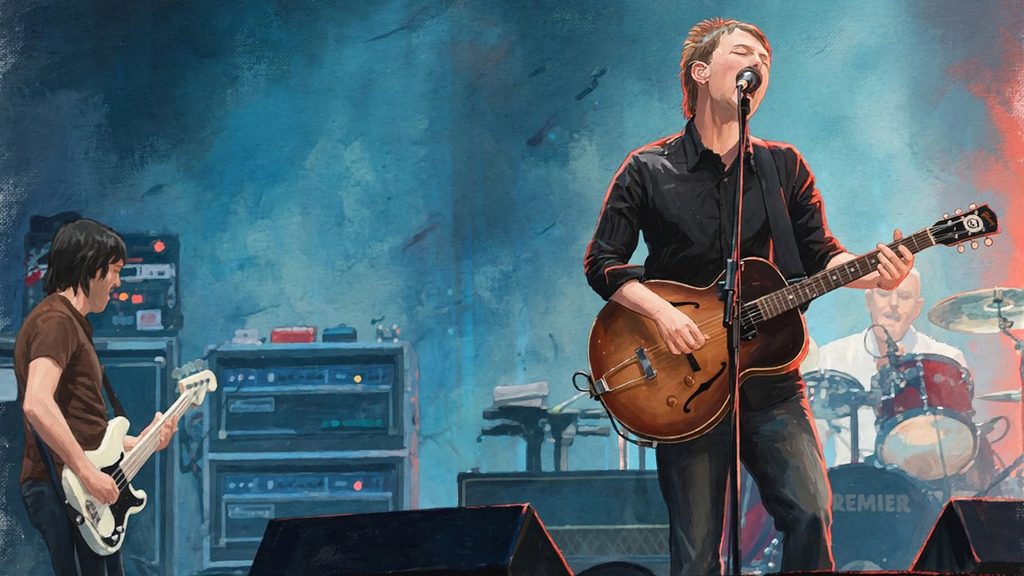
Held May 1–2, 2004, Coachella’s fifth edition became the first in its history to sell out completely, with all 50,000 tickets gone for both days ahead of the event. The lineup explains why: Radiohead played its only North American date of the year, the Pixies staged their first show since abruptly breaking up in 1993, the Cure headlined Sunday, and Kraftwerk closed the Sahara Tent on a rare world tour, stacking four genuine can’t-miss draws into a single weekend rather than spreading them across separate years. General admission held at roughly $75 per day in presale, a modest increase over 2003, but the exclusivity of the bill did more to move tickets than the price did; fans who skipped the presale found both days sold out by the on-sale deadline. Reviewers from Rolling Stone and the New York Times both singled out the Pixies’ Saturday set as the emotional center of the weekend, with even Radiohead’s Thom Yorke crediting the band from the stage, a level of press attention that gave Coachella national newspaper coverage well beyond the music trades for the first time. Goldenvoice also launched an on-site film festival that year, screening music documentaries alongside the concerts, an early sign that the brand intended to expand past a single stage format. With roughly 100,000 tickets sold across the weekend, 2004 confirmed that stacking exclusive, once-in-a-generation bookings could reliably sell out a festival that had struggled to turn a profit only two years earlier.
Business lesson takeaway: Coachella’s first sellout shows that scarcity, not price, is often the real lever for demand: stacking Radiohead’s only North American date with the Pixies’ first show in over a decade sold out capacity even as tickets barely rose in price. It also proves that a handful of truly exclusive bookings can outperform a much larger but ordinary lineup, since press coverage and word of mouth followed the reunions rather than the ticket cost. Launching a film festival alongside the music, meanwhile, shows an event testing brand extensions early, well before its core product had become reliably profitable.
Coachella 2005: Timing Headliners to Album Release Cycles
- Headliners: Coldplay, Nine Inch Nails
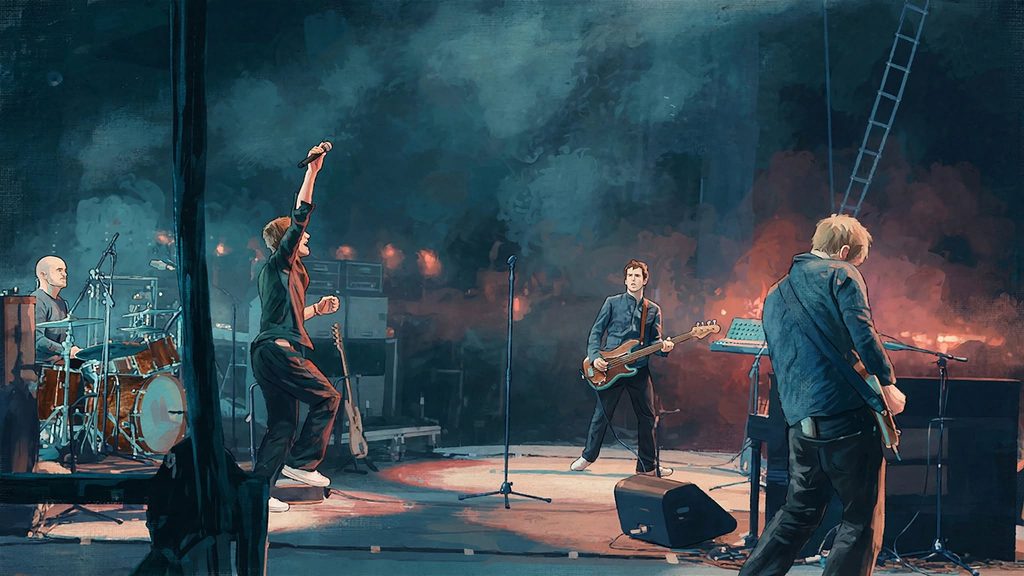
Coachella’s sixth edition ran April 30–May 1, 2005, with Coldplay headlining Saturday and Nine Inch Nails closing Sunday, and it drew more than 100,000 attendees across the two days, roughly double 2004’s crowd. Two-day passes rose past $150, yet the lineup again justified the price: Trent Reznor’s Nine Inch Nails performed just two days before releasing its comeback album “With Teeth,” its first in six years, while Coldplay used its Saturday slot to preview material ahead of “X&Y,” turning the festival into an unofficial promotional stop for both acts’ upcoming release cycles. Goldenvoice also leaned harder into its reunion playbook than ever before, booking Bauhaus, Cocteau Twins, and Gang of Four back from long absences, alongside Weezer’s first live show since a 2002 hiatus, giving the bill four distinct comeback stories layered over its two established headliners. Beyond the nostalgia acts, the undercard again doubled as a talent pipeline: Arcade Fire, whose debut album “Funeral” was becoming one of the year’s most acclaimed indie rock records, played a modest afternoon slot months before the band would headline much larger stages worldwide. The 2005 bill, spanning close to 100 acts across the main stage, the Outdoor Theatre, and the Mojave and Sahara tents, showed Goldenvoice had settled into a repeatable formula: pair one or two arena-scale headliners riding new album cycles with a deep bench of reunions and rising acts, then let the mix of nostalgia and discovery carry ticket sales rather than any single artist.
Business lesson takeaway: Coachella’s 2005 lineup shows how a festival can align its booking calendar with artists’ own release cycles, turning headliner slots into publicity events that benefit both parties. Stacking multiple reunions in a single year, rather than one per festival, also demonstrates that nostalgia bookings scale: Bauhaus, Cocteau Twins, Gang of Four, and Weezer together carried as much ticket-selling weight as either headliner. Booking Arcade Fire early reaffirmed that cheap, forward-looking bets on rising acts remain one of the festival’s most reliable long-term investments.
Coachella 2006: Daft Punk Redefines Festival Dance Music
- Headliners: Depeche Mode, Tool
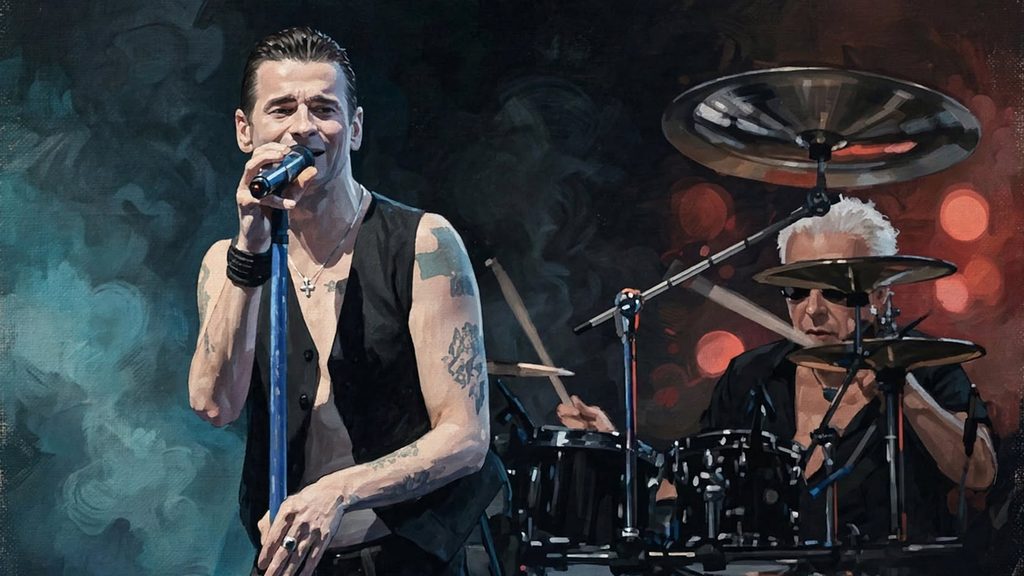
Coachella’s seventh edition, held April 29–30, 2006, paired veteran rock headliners Depeche Mode and Tool with a dance-tent bill that would end up defining the year: Daft Punk’s Sahara Tent set, built around a glowing pyramid and a career-spanning mix of the duo’s biggest tracks, drew a crowd that spilled nearly a hundred deep outside the tent and is now widely credited as one of the performances that helped push electronic music toward the American festival mainstream. Tool’s Sunday headlining set marked the band’s first American performance since 2002, continuing Coachella’s pattern of using extended absences from touring, not just formal reunions, as another reliable way to manufacture urgency around a booking. Goldenvoice had already bet on the shift toward dance music physically, expanding the Sahara Tent by more than 50 percent over its prior footprint to handle growing crowds, a capital investment made before demand had fully proven itself. Madonna also played the Sahara Tent rather than the main stage, an unusual placement for an artist of her stature that nonetheless became one of the weekend’s most talked-about sets and signaled that a dance-oriented slot no longer meant a lesser one. More than 90 acts performed across five stages, including Massive Attack, the Yeah Yeah Yeahs, Franz Ferdinand, Kanye West, and Gnarls Barkley, and the festival drew more than 100,000 attendees over the two days, matching the record set the previous year. Local businesses reportedly saw an estimated $20 million in spending tied to the event, underscoring how thoroughly the festival’s economic footprint now extended beyond ticket revenue and into the surrounding Coachella Valley.
Business lesson takeaway: Expanding the Sahara Tent before demand was fully proven shows that betting capital ahead of a cultural shift, rather than reacting to it once ticket sales confirm it, is what let Coachella capture the leading edge of the electronic music boom rather than chase it later. Placing Madonna in the dance tent instead of the main stage also demonstrates that stage hierarchy is a programming choice, not a fixed rule, and unconventional placements can generate more buzz than a predictable headline slot. Finally, Tool’s booking reaffirms that any extended absence from touring, not just a formal breakup, can be marketed as scarcity.
Coachella 2007: A Third Day and a Full-Circle Reunion
- Headliners: Rage Against the Machine, Red Hot Chili Peppers, Björk
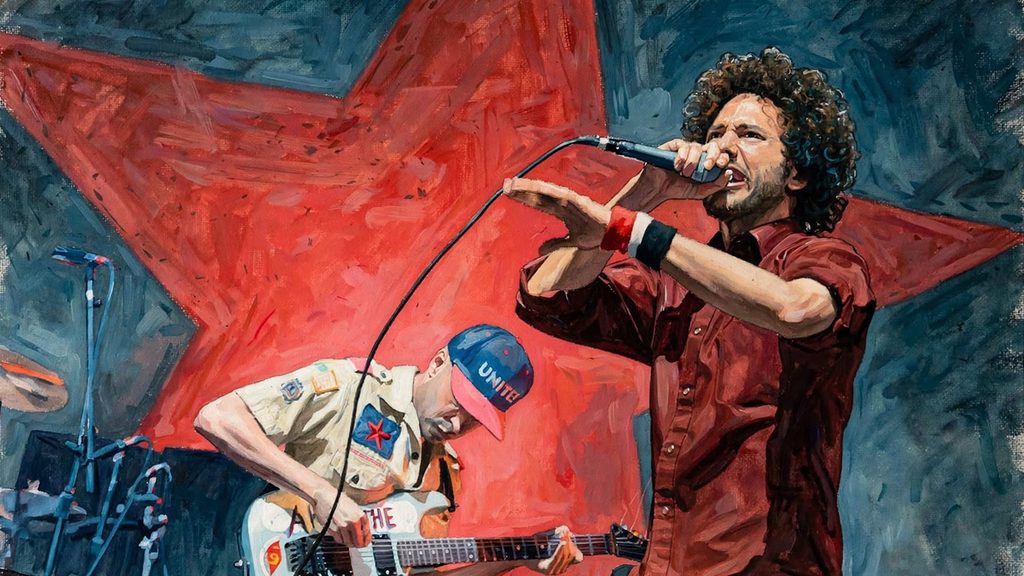
Coachella expanded to three consecutive days for the first time, running April 27–29, 2007, and used the added day to stack three previous Coachella headliners rather than find new ones: Rage Against the Machine, reuniting after a seven-year split, closed one night; the Red Hot Chili Peppers, who had headlined in 2003, closed another; and Björk, the 2002 headliner, closed the third. Three-day passes sold for $249, with a limited run of $85 single-day tickets for those unwilling to commit to the full weekend, a pricing structure designed to push most buyers toward the higher-margin full pass. The Rage Against the Machine booking carried particular symbolic weight: the band had played the very first Coachella in 1999 and returned half its fee that year to keep Goldenvoice solvent after the festival’s near-catastrophic debut, making its 2007 reunion headline slot a visible marker of how far the festival had come. Supporting acts included the Arcade Fire, Interpol, Willie Nelson, Arctic Monkeys, LCD Soundsystem, and a reunited Crowded House, giving the extra day room for both legacy bookings and newer buzz acts without diluting either category. The additional day paid off financially: total attendance reached roughly 186,000 across the weekend, a new festival record that would stand until 2009, confirming that adding a third day of programming could expand revenue meaningfully as long as the lineup was strong enough across all three nights to justify the fuller commitment.
Business lesson takeaway: Expanding to three days worked because Goldenvoice filled the extra night with previously proven headliners rather than an unproven new booking, reducing the risk of the format change itself. The Rage Against the Machine story also shows how a promoter’s long memory can become a marketing asset years later: a band that once took a pay cut to save the festival became, nearly a decade on, the reunion that helped set an attendance record. Finally, structuring ticket prices so a single day cost almost as much as one-third of a full weekend pass is a simple, durable way to push demand toward higher-margin multi-day tickets.
Coachella 2008: When Prince Saved a Flat Lineup
- Headliners: Jack Johnson, Portishead, and Roger Waters as originally announced, with Prince added weeks before the festival as a surprise Saturday headliner in Portishead’s place
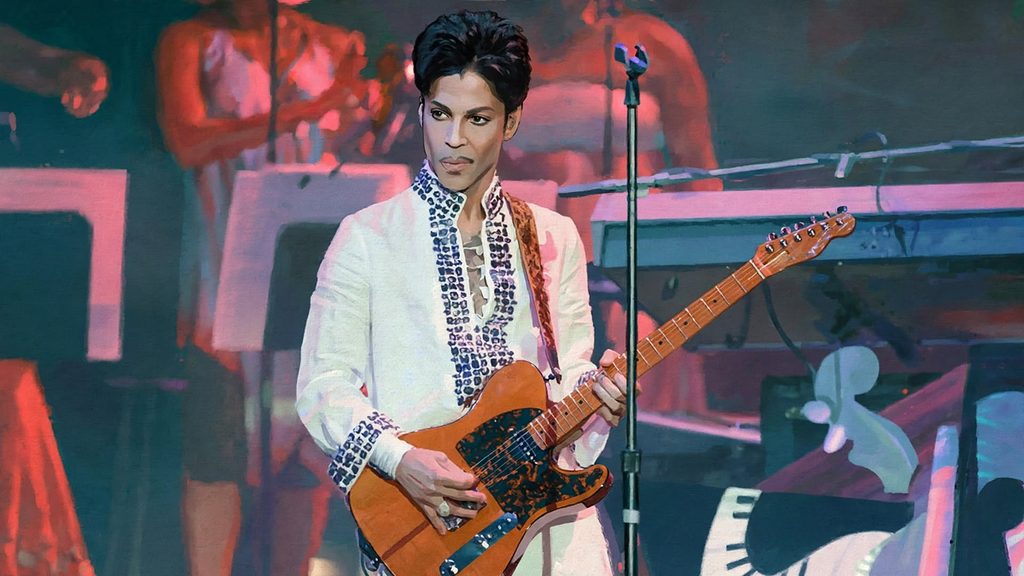
Coachella’s ninth edition, held April 25–27, 2008, opened to a muted response: the announced headliners were Jack Johnson, Portishead, and Roger Waters performing Pink Floyd’s “Dark Side of the Moon” in full, a bill critics and fans called underwhelming compared to the reunion-heavy lineups of prior years. Weeks before the festival, Goldenvoice added Prince as a surprise Saturday headliner, bumping Portishead, whose first American show in a decade was reduced to a supporting slot the band’s own members later said stung. The gamble worked artistically: Prince’s set, built around hits like “Purple Rain” and unexpected covers of Radiohead and the Beatles, became one of the most celebrated performances in the festival’s history, with Prince declaring from the stage that Coachella was now “Prince’s house.” Roger Waters closed Sunday with a full staging of “Dark Side of the Moon,” complete with a giant inflatable pig bearing anti-war and election-year political messages. More than 100 acts played across five stages, and total attendance reached roughly 150,000 over three days. Yet the festival did not sell out, its first miss since 2003, and despite grossing close to $14 million, Coachella lost money that year because the combined booking fees for Waters and, especially, Prince outpaced what the softer advance sales could recover. The gap between a creatively triumphant weekend and a financially losing one made 2008 a clear demonstration of how a single expensive, late-added headliner can rescue a festival’s reputation while still breaking its budget.
Business lesson takeaway: Coachella’s 2008 near-miss shows that a promoter’s booking track record does not guarantee audience enthusiasm every single year; even a festival with a strong reputation can announce a lineup that fails to move tickets. Rescuing a soft bill with one very expensive, high-demand act can restore a festival’s cultural standing, but if that fix costs more than the shortfall it is meant to cover, the event can still lose money even while selling almost as much as in a profitable year. The lesson compounds with Roger Waters’ booking: a legacy artist’s cachet and fee tend to rise together, so nostalgia bookings are not automatically cheap.
Coachella 2009: Beating a Recession on Its Tenth Anniversary
- Headliners: Paul McCartney, the Killers, and the Cure
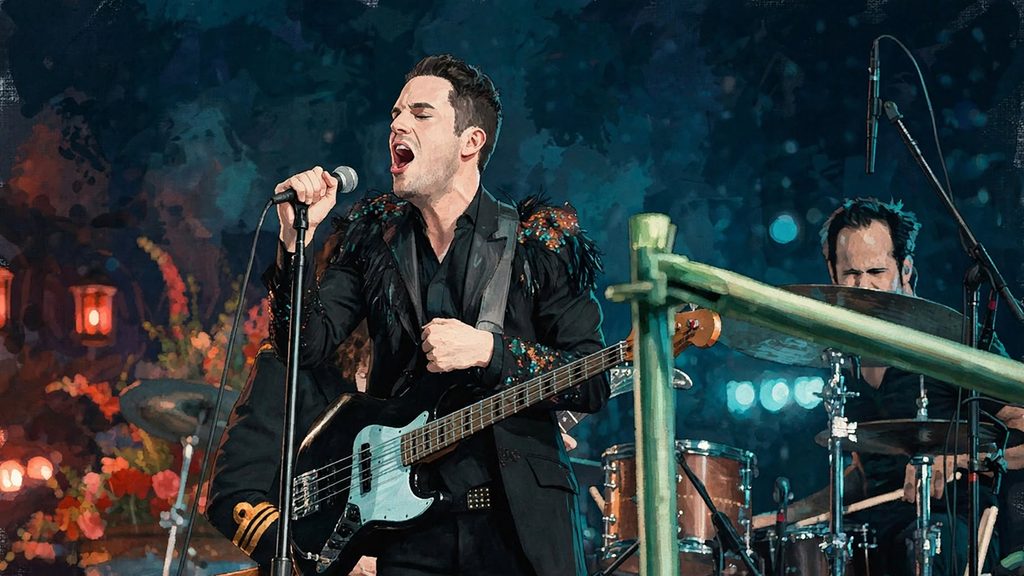
Coachella marked its tenth anniversary April 17–19, 2009, with Paul McCartney making his first American festival appearance, the Killers headlining Saturday, and the Cure closing Sunday, backed by more than 130 acts including a reunited My Bloody Valentine. The timing could hardly have been worse on paper: the festival landed squarely inside the 2008-09 financial crisis, a period when concert promoters nationwide were bracing for canceled tours and shrinking discretionary spending. Goldenvoice responded by introducing layaway ticket payment plans, letting fans split the cost of admission into two or three installments rather than paying the full price upfront, a small structural change aimed at protecting sales without discounting the ticket itself. Amy Winehouse, originally booked for Saturday, dropped out ahead of the festival amid her well-documented personal struggles and was replaced by M.I.A., a reminder that even a marquee-caliber booking can evaporate close to showtime and that a promoter’s contingency bench matters as much as its headliners. None of it slowed demand. Attendance reached an estimated 166,000 over the three days, the second-highest total in the festival’s history, and trade press covered the turnout explicitly as evidence that live music could outperform the broader economy. McCartney’s emotional set, built around Beatles staples and a tribute to his late wife Linda, gave the anniversary edition a sense of occasion that matched its record-defying numbers, reinforcing Coachella’s position as one of the more recession-resistant assets in the concert business.
Business lesson takeaway: Coachella’s tenth anniversary shows that during a downturn, adjusting how customers pay, not just what they pay, can protect ticket sales without discounting the product itself, since a layaway plan let cash-strapped fans commit to a purchase they might otherwise have delayed. The Amy Winehouse cancellation also reinforces that lineups are commitments, not guarantees, and a festival’s ability to slot in a comparable replacement quickly protects both the schedule and the brand. Above all, 2009 demonstrated that live experiential spending can be more resistant to a recession than discretionary retail, since Coachella grew its attendance even as much of the broader economy contracted.
Coachella 2010: Jay-Z Breaks the Festival’s Genre Barrier
- Headliners: Jay-Z, Muse, and Gorillaz
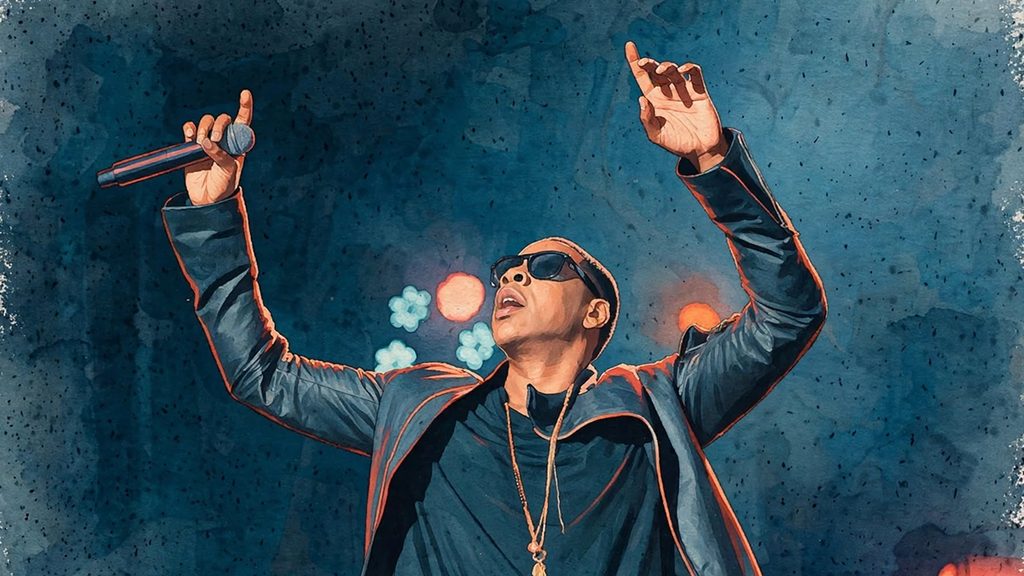
Coachella’s eleventh edition ran April 16–18, 2010, with Jay-Z opening the weekend as the festival’s first hip-hop headliner, Muse closing Saturday, and Gorillaz wrapping Sunday with an elaborate multimedia show built around their “Plastic Beach” album. Three-day passes rose to $269, and the bill again leaned on reunions, bringing back Pavement for its first American date of the year and reactivating Faith No More, alongside a solo set from Radiohead’s Thom Yorke. Jay-Z’s booking mattered beyond one night’s ticket sales: putting a rapper at the top of a lineup historically built around rock and electronic acts signaled that Goldenvoice was willing to expand the festival’s genre identity rather than protect a narrower brand, a bet that paid off with widespread praise for his hits-driven set. The weekend also exposed a risk entirely outside Goldenvoice’s control: an ash cloud from an Icelandic volcanic eruption grounded flights across Europe, forcing seven acts, including the Cribs and Frightened Rabbit, to cancel and stripping Phoenix of its lighting technician mid-tour. Rather than pull the affected slots, the festival adapted around the disruption, with Phoenix’s frontman telling the crowd the band would simply let the music carry the set. Coachella also streamed select performances online through Facebook and MySpace that year, an early, modest version of the digital distribution strategy the festival would formalize the following year with a dedicated YouTube broadcast, foreshadowing how far its reach would eventually extend beyond ticket holders.
Business lesson takeaway: Booking Jay-Z as the first hip-hop headliner shows that a festival’s brand identity is worth periodically stretching, since expanding into an adjacent genre can grow the audience without alienating the base that built the event’s reputation. The volcanic ash disruption is a reminder that live events carry supply-chain risk from far outside their own operations, and the acts that adapt quickly, as Phoenix did on stage, protect the show’s reputation more than any contract clause could. Finally, experimenting with a modest social stream in 2010, before formalizing a full YouTube broadcast the next year, shows the value of testing a new distribution channel at small scale before committing to it fully.
Coachella 2011: The Fastest Sellout Yet, Streamed Free to the World
- Headliners: Kings of Leon, Arcade Fire, and Kanye West
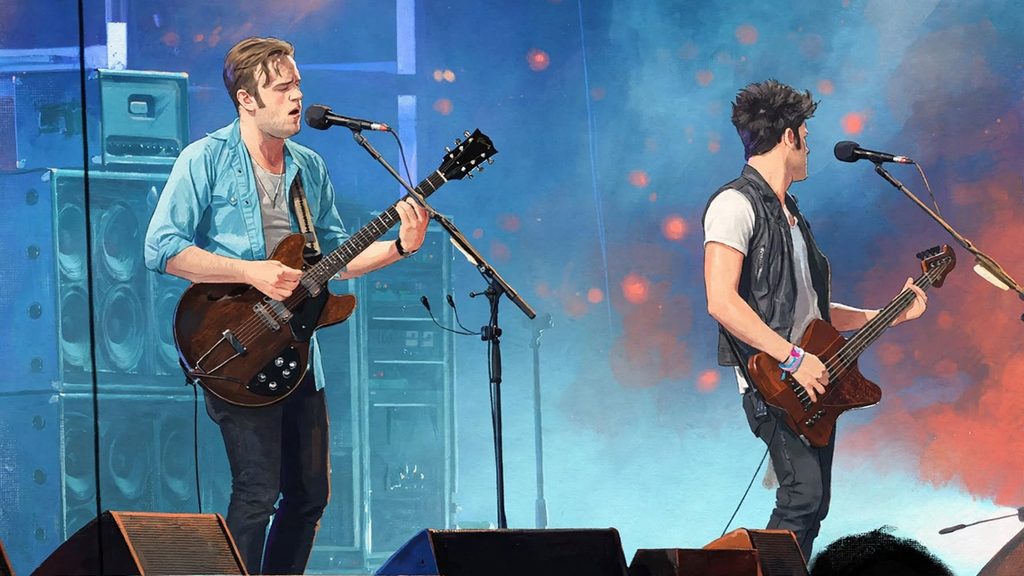
Coachella’s twelfth edition ran April 15–17, 2011, with Kings of Leon opening the weekend on Friday, Arcade Fire closing Saturday, and Kanye West headlining Sunday — the first time either Arcade Fire or Kings of Leon had topped the bill after years of playing supporting slots at the festival. The Strokes, Duran Duran, PJ Harvey, the Black Keys, and a reunion set from Death From Above 1979 rounded out a roughly 150-act lineup across five stages, while Britpop veterans Suede played their first American show since 1997 and Big Audio Dynamite staged its own reunion, extending Goldenvoice’s now well-worn playbook of using dormant acts to manufacture urgency. Three-day passes held flat at $269, the same price as 2010, but Goldenvoice layered in a new mandatory add-on: because the festival was contractually obligated to shuttle 15,000 attendees per day, the last batch of tickets sold required buyers to also purchase a $55 shuttle pass, effectively creating a two-tier pricing structure without raising the advertised price itself. Demand outran even that structure — camping passes vanished almost immediately and general admission followed within days, making 2011 the quickest sellout in the festival’s history to that point. Attendance tied the prior year’s record at 75,000 paid admissions per day, or 225,000 for the weekend, but revenue did not merely tie: the festival grossed $24.9 million, up from $21.7 million in 2010, enough to rank Coachella the top-grossing festival in the world that year according to Billboard Boxscore. The bigger structural change was digital: 2011 marked Coachella’s debut on YouTube, which streamed the festival live across three channels under sponsorship from Wrigley’s 5 Gum, with Facebook running a parallel simulcast gated behind a like-and-share mechanic. The stream drew roughly 2 million people into real-time conversation online, and archived footage racked up several million further views in the following days, all without any evidence that it cannibalized the on-site sellout. Kanye’s closing set drew praise for its elaborate staging despite sound problems that affected both the broadcast and the crowd on-site, while Arcade Fire’s Saturday-night production, capped by a much-discussed visual effect during their set, became the performance clips shared most widely from the stream.
Business lesson takeaway: Coachella’s YouTube debut answered the question every promoter feared about streaming — that free digital access would replace ticket sales — with the opposite result: a huge remote audience generated buzz that made the in-person event more desirable, not less, and did so while a sponsor covered the production cost. Holding the ticket price flat at $269 while quietly pushing a mandatory shuttle fee onto only the last wave of buyers shows a subtler way to capture more revenue from peak demand than raising the headline price, which risks denting the appearance of value. Most importantly, the record-fast sellout combined with a global remote audience gave Goldenvoice and AEG hard evidence that demand had outgrown a single weekend, the data point that led them to announce, within weeks, that Coachella would double into two consecutive weekends starting in 2012.
Coachella 2012: Doubling Down and Bringing Tupac Back From the Dead
- Headliners: Radiohead, the Black Keys, and a joint Dr. Dre and Snoop Dogg set featuring a hologram of the late Tupac Shakur
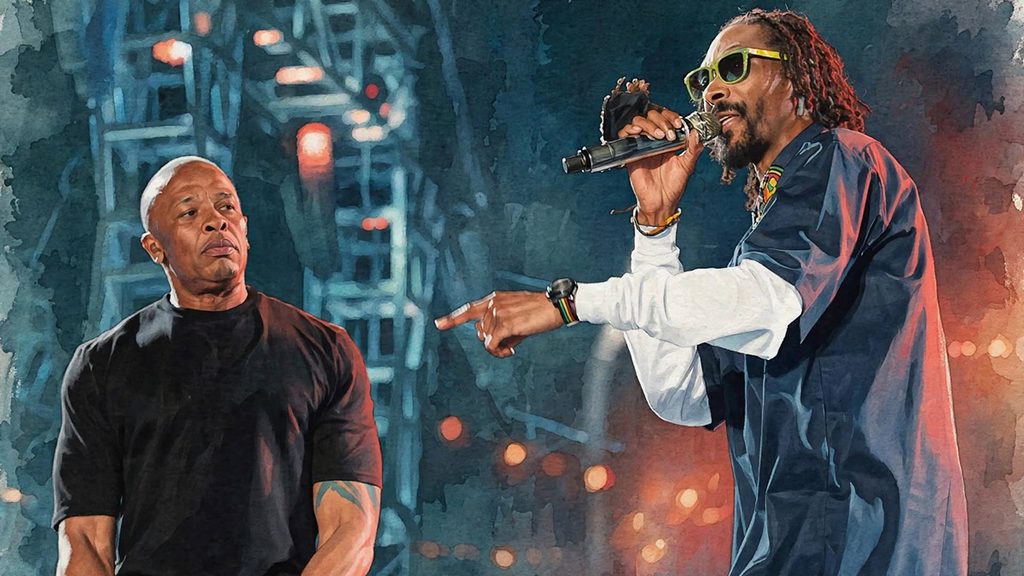
Coachella took its biggest structural gamble yet in 2012, splitting into two consecutive weekends, April 13–15 and April 20–22, at Empire Polo Club, with an identical lineup performing both times rather than programming two separate bills. Goldenvoice announced the lineup over Facebook on January 9, and when general sales opened days later, weekend one sold out in roughly 40 minutes and weekend two followed within about two hours, with scalped tickets almost immediately appearing on eBay for as much as $8,000. Passes rose to $285 (about $315 with fees) per weekend, up from $269 for the full three days in 2011, but each pass now covered only one of the two identical weekends rather than the whole event. Radiohead headlined Saturday, the Black Keys closed Friday, and Dr. Dre and Snoop Dogg topped Sunday with an all-star run of guests including Eminem, 50 Cent, Wiz Khalifa, and Kendrick Lamar — but the set was overtaken by a five-minute appearance from a photorealistic hologram of Tupac Shakur, dead for sixteen years, who greeted the crowd, traded lines with Snoop, and performed “Hail Mary” and “2 of Amerikaz Most Wanted.” Built by AV Concepts and Musion at a reported cost of $100,000 to $400,000, the projection generated an estimated 15 million YouTube views within 48 hours and drove a sharp spike in Tupac’s digital music sales, instantly becoming the single most talked-about moment in the festival’s history and overshadowing an otherwise stacked bill that included reunions from Pulp, At the Drive-In, Refused, and Mazzy Star, plus Jeff Mangum’s first Southern California appearance since Neutral Milk Hotel’s hiatus. The two-weekend format also exposed Coachella to a new kind of risk entirely outside its control: weekend one ran cold, with temperatures dropping to 40°F, while weekend two nearly matched the desert’s all-time heat record at 105°F, forcing the same production to perform under opposite weather within a single month. Despite the added cost and complexity of restaging the entire festival twice, Billboard Boxscore recorded roughly 158,000 attendees and a gross of $47 million, up sharply from $24.9 million in 2011, confirming that Goldenvoice’s bet on latent demand had paid off.
Business lesson takeaway: Doubling the festival by repeating one lineup across two weekends, rather than booking twice as many artists, let Goldenvoice roughly double ticket revenue while reusing the same stages, production, and booking fees, converting a single high fixed-cost weekend into two revenue events. The Tupac hologram shows how a single, relatively inexpensive technical spectacle can generate more press and cultural conversation than an entire bill of 150 acts combined, and that the commercial upside from a stunt like this can extend well beyond the festival gate into a dead artist’s back catalog. Finally, running the identical show across two weekends of unpredictable desert weather revealed a risk unique to the new format: a promoter can lock in a lineup and a price months in advance, but not the climate, and Coachella now had to budget for the possibility that one weekend could be brutally cold and the other dangerously hot.
Coachella 2013: A Swapped Headliner and a No-Show That Stole the Weekend
- Headliners: Red Hot Chili Peppers, Phoenix, and a co-headlining Blur/Stone Roses bill that flipped order between weekends
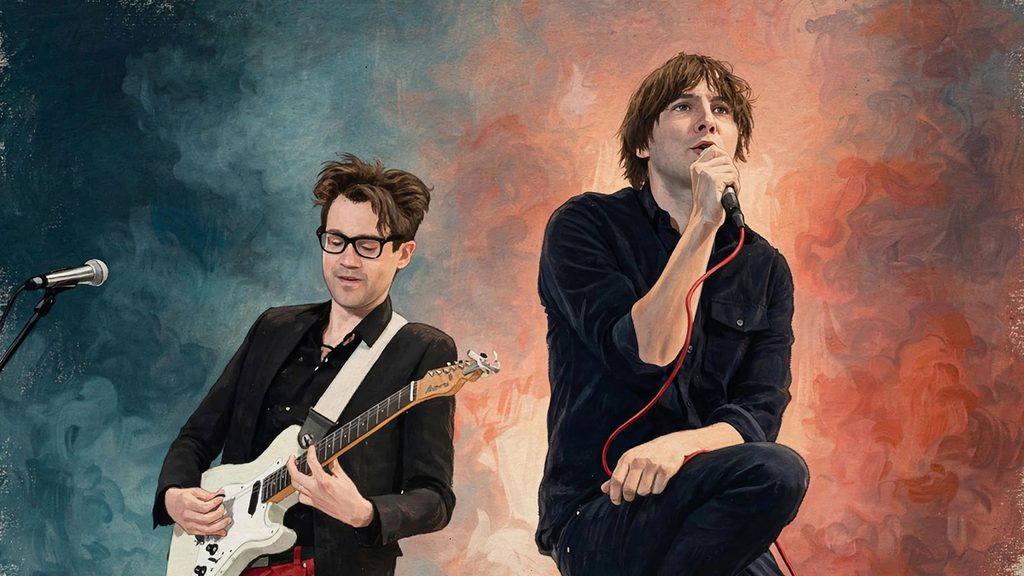
Coachella’s fourteenth edition ran April 12–14 and April 19–21, 2013, with Goldenvoice introducing all-in pricing for the first time, a flat $349 for general admission and $799 for VIP with every fee folded in, scrapping the layaway installment plan it had leaned on since the 2009 recession. The city of Indio still capped the polo grounds at 90,000 people a day, so Goldenvoice sold 90,000 three-day passes per weekend, 180,000 total, and demand didn’t blink at the higher price: an advance sale the previous May, offered before a single artist was announced, sold out in under two hours, and when the full lineup went on sale that January, weekend one sold out in roughly 20 minutes and weekend two within about a day. Red Hot Chili Peppers closed Sunday of weekend one through an actual desert sandstorm, prompting Anthony Kiedis to compare himself to Lawrence of Arabia mid-set, while Phoenix headlined Saturday and Blur and the Stone Roses alternated the Friday slot. That alternation became the year’s real story: the Stone Roses’ weekend-one headlining set drew a visibly thin crowd, and days later Coachella’s website quietly swapped their set time with Blur’s for weekend two, promoting Blur to the close. Goldenvoice president Paul Tollett insisted to Rolling Stone the swap had been planned since the festival’s two differently-ordered posters were printed, but the timing left plenty of fans convinced it was a live response to underwhelming attendance. The bigger attention-grabber never touched a Coachella stage at all: on Friday of weekend one, festival screens across three stages played a two-minute promotional video for Daft Punk’s “Random Access Memories,” previewing what would become “Get Lucky” with Pharrell Williams and Nile Rodgers, generating more buzz than many of the acts actually performing even though Daft Punk themselves were never booked and never appeared. Off the polo field, Goldenvoice spent early 2013 fighting a proposed Indio admissions tax that it estimated would cost $4 million to $6 million a year, threatening to leave the city entirely before the dispute resolved into a new revenue-sharing deal that raised Goldenvoice’s per-ticket payment to Indio from $2.33 to $5.01 starting in 2014, in exchange for approval to eventually add more festivals to the same grounds. The festival grossed $67.2 million on its 180,000 sold passes, a new Boxscore record at the time and a sharp jump from 2012’s roughly $47 million.
Business lesson takeaway: The Blur–Stone Roses swap shows that even a sold-out, pre-committed lineup isn’t entirely fixed once real attendance data comes in, though acting on that data mid-festival costs some credibility, forcing Goldenvoice into a “planned all along” explanation few fans fully bought. The Daft Punk premiere demonstrates that a festival’s screens and captive audience carry standalone marketing value to outside brands, since a two-minute teaser from a band that wasn’t even performing outshone acts Goldenvoice had actually paid to book. And the Indio standoff is a reminder that once a live event becomes a city’s dominant economic engine, leverage runs both ways: a credible threat to leave won Goldenvoice both a better long-term revenue split and the expansion rights it needed to keep growing.
Coachella 2014: A Rocky Reunion That Broke the Internet Anyway
- Headliners: OutKast, Muse, and Arcade Fire
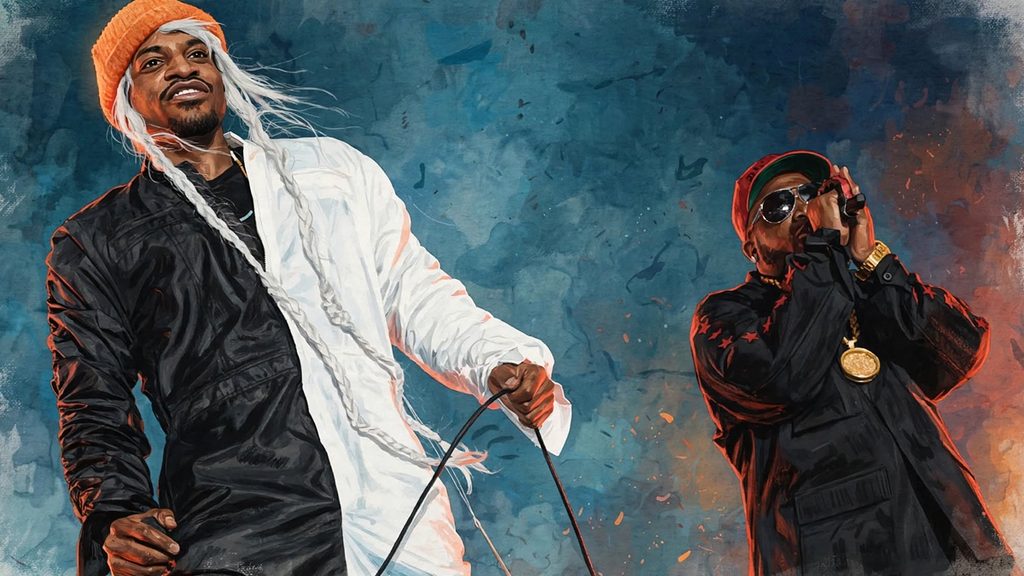
Coachella’s fifteenth edition ran April 11–13 and April 18–20, 2014, with general admission passes rising to $375, up from 2013’s $349, and selling out in under three hours despite the increase, extending the festival’s run of demand outpacing every price hike Goldenvoice had tried. The lineup’s biggest draw was a reunited OutKast, marking Andre 3000 and Big Boi’s first shows together in roughly eight years and timed to the 20th anniversary of their debut album “Southernplayalisticadillacmuzik,” while Muse closed Saturday and Arcade Fire, touring behind “Reflektor,” closed Sunday. OutKast’s Friday-night set doubled as the public launch of a much bigger commercial venture: the duo had already booked more than 40 festival dates worldwide for the year, making their Coachella reunion a highly visible dry run for a global victory lap rather than a one-off nostalgia booking. The performance itself was uneven. Andre 3000’s microphone cut in and out for much of the set, reviewers called the show “incredible and disappointing at the same damn time,” and even Prince reportedly phoned Andre 3000 afterward to walk him through what had gone wrong technically. Yet the shaky execution barely dented the moment’s cultural reach: the set generated an estimated 90,000 tweets within 24 hours, and the YouTube livestream recording drew more than 1.7 million views by the following Monday, proof that a festival’s digital audience could now dwarf its live one and absorb rough edges that would have sunk a smaller show. Muse and Arcade Fire’s closing sets drew comparatively little controversy, and the undercard leaned on a now-familiar mix of comebacks and buzz acts, including a rare live return from Neutral Milk Hotel and first-time festival slots for Lorde, HAIM, and Chance the Rapper. Financially, the two-weekend format kept compounding: Billboard Boxscore recorded a combined 579,000 attendees across both weekends, based on 96,500 people per day over six days, and a gross of $78,332,000, up from 2013’s $67.2 million and a third consecutive all-time record for the festival. The jump confirmed that Coachella’s growth was no longer dependent on any single headliner’s drawing power; even a technically imperfect reunion set could headline a record-breaking year, so long as the festival’s overall brand, reach, and reputation stayed intact.
Business lesson takeaway: OutKast’s uneven set shows that a flagship performance’s commercial value increasingly lives in its digital afterlife as much as its live execution, since a mic-plagued set still produced a viral moment that helped launch a profitable 40-date reunion tour rather than undermining it. The seamless $375 sellout, following a similar jump the year before, confirms that a festival’s pricing power is tied to its scarcity and reputation rather than any one year’s lineup, since fans bought in before knowing whether the headliners would deliver. And a third straight Boxscore record shows that by 2014 Coachella’s growth had become structural, driven by the two-weekend format and brand strength, making the festival more resilient to any single act’s off night than it had been in its earlier, more fragile years.
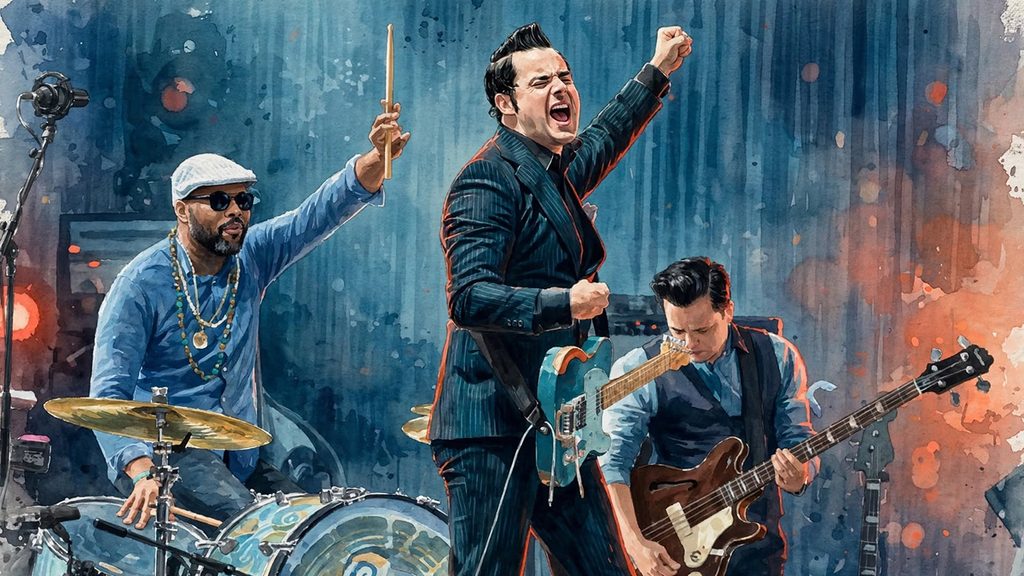
Coachella 2015: The Kiss Heard Round the Internet
- Headliners: AC/DC, Jack White, and Drake
Coachella’s sixteenth edition ran April 10–12 and April 17–19, 2015, its fourth year running an identical lineup across two weekends at Empire Polo Club, and it kept extending a streak few businesses would risk: Goldenvoice put tickets on sale in May 2014, nearly a year before the festival and months before a single artist was confirmed, and the bulk of general admission sold out in that advance window alone. The festival sold out 11 months in advance, before the lineup was ever announced — the sixth straight year Coachella had gone on sale before revealing who was playing, a bet that fans’ trust in Goldenvoice founder Paul Tollett mattered more than any specific booking. When the full bill did drop on January 6 — AC/DC and Jack White anchoring Friday and Saturday, Drake closing Sunday, with Steely Dan, Interpol, Florence and the Machine, and FKA Twigs rounding things out — the reaction was immediate backlash dressed up as buzz, with outlets questioning whether AC/DC and Steely Dan had turned the festival into “dadrock” and noting a lineup light on female headliners. GA passes held flat at $375, matching 2014, though VIP climbed to $899. AC/DC’s Friday set carried extra weight behind the scenes: it opened their Rock or Bust World Tour, the band’s first run of shows in roughly five years and its first ever without co-founder Malcolm Young, who had stepped back due to a dementia diagnosis and was replaced by nephew Stevie Young, and without longtime drummer Phil Rudd, sidelined by criminal charges in New Zealand and replaced by predecessor Chris Slade. But nothing that weekend traveled further than five seconds during Drake’s Sunday close: after performing his mixtape track “Madonna,” he brought out the actual Madonna, who kissed him at length on camera, declared “I’m Madonna, bitch,” and walked off, leaving a visibly stunned Drake to ask the crowd what had just happened. The clip dominated entertainment coverage for days, overshadowing Florence Welch breaking her foot mid-performance and a returning, guest-stacked Run the Jewels set. Billboard Boxscore recorded 198,000 tickets sold — both weekends’ 99,000-person daily capacity maxed out — and a gross of $84,264,264, a new record on both counts, up from 193,000 attendees and $78.3 million in 2014.
Business lesson takeaway: Selling out an advance batch of tickets eleven months ahead of a lineup reveal is about as clean a proof point as a live-events business can get that the product being purchased is the festival’s brand and reputation, not any individual artist on the bill — which gave Goldenvoice real room to book a genre-scrambled, generation-spanning slate without much sales risk. That freedom paid off in an unexpected way: the “is AC/DC really a headliner?” controversy generated weeks of free media coverage and social debate before a single act played a note, showing that a polarizing booking can function as marketing rather than a liability so long as the festival’s overall draw isn’t in question. And Madonna’s unpaid, unbilled cameo extended a pattern now three years running, after the 2012 Tupac hologram and 2014’s viral OutKast set — that the single moment most likely to define a Coachella headliner’s night increasingly comes from an unplanned guest appearance rather than the headliner’s own catalog, meaning the acts get paid to book the stage but the internet decides, in real time, who actually owns the weekend.
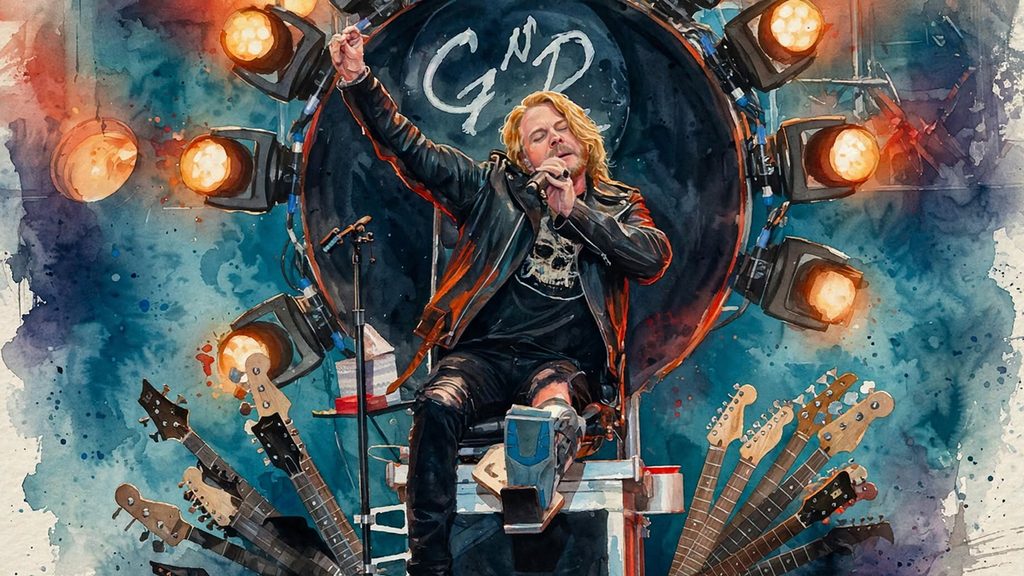
Coachella 2016: Two Bands Un-Retire, One DJ Graduates
- Headliners: LCD Soundsystem, Guns N’ Roses, and Calvin Harris
Coachella’s seventeenth edition ran April 15–17 and April 22–24, 2016, with general admission climbing again to $399 and VIP holding at $899, and the lineup revealed January 4 turned out to be built almost entirely around bands unretiring. LCD Soundsystem opened Friday nights five years after staging what was billed as a definitive farewell — a sold-out 2011 Madison Square Garden show documented in the film “Shut Up and Play the Hits” — and frontman James Murphy, facing accusations of having faked a goodbye, posted a public letter on the band’s Facebook page telling upset fans “I’m seriously sorry” while insisting the comeback wasn’t “a victory lap.” (Murphy would later tell the New York Times the original MSG farewell had itself been a deliberate sales tactic to move tickets, an admission that only reinforced how much commercial weight a staged ending can carry.) Guns N’ Roses closed Saturday in an even bigger reunion, the first time Axl Rose, Slash, and Duff McKagan had shared a stage in 23 years, on a tour pointedly named “Not in This Lifetime” after Rose’s old vow that it would never happen — except Rose had broken his foot at a April 1 warm-up show at the Troubadour and performed the entire run, Coachella included, seated in a mobile throne borrowed from Dave Grohl, who’d needed it himself the year before after breaking his own leg onstage. The set carried an extra layer of news: hours after it emerged that Rose would join AC/DC as touring replacement for Brian Johnson, who’d stepped down mid-tour over hearing damage, AC/DC’s Angus Young walked out to join Guns N’ Roses for “Whole Lotta Rosie” and “Riff Raff,” a direct preview of the pairing — closing a loop that had effectively opened when AC/DC launched their own Rock or Bust tour from that same Coachella stage the year before. Calvin Harris closed Sunday, becoming one of the festival’s first headliners built entirely around DJ sets rather than a decades-deep back catalog. Billboard Boxscore again recorded 198,000 tickets sold against the same 99,000-per-weekend cap as 2015, but the gross rose to $94.2 million, up from $84.3 million, a fourth straight record.
Business lesson takeaway: Building two of three headline slots around bands that had publicly, ceremonially ended shows that a staged farewell isn’t just a sentimental moment but a commercial asset with real replay value — fans will pay again to see a “final” show reversed, though Murphy’s apology shows that credibility takes a hit if the reversal comes too soon or looks too calculated. The Angus Young cameo demonstrates that Coachella had become more than a single night’s booking for the acts on its stage: the festival now functioned as a recurring platform where the touring industry’s biggest personnel moves got staged and previewed, with Goldenvoice getting a season’s worth of headlines for the price of one guest slot. Handing a full headline set to Calvin Harris, rather than confining electronic acts to the dance tents, was a genre bet that DJ-driven pop had earned the same drawing power as legacy rock, diversifying the festival’s revenue away from relying purely on nostalgia. And with capacity flat at 99,000 a weekend for a third straight year, the jump to $94.2 million came entirely from pricing power rather than more bodies through the gate — a lever that was nearing its limit and would push Goldenvoice toward physically expanding the grounds the very next year.
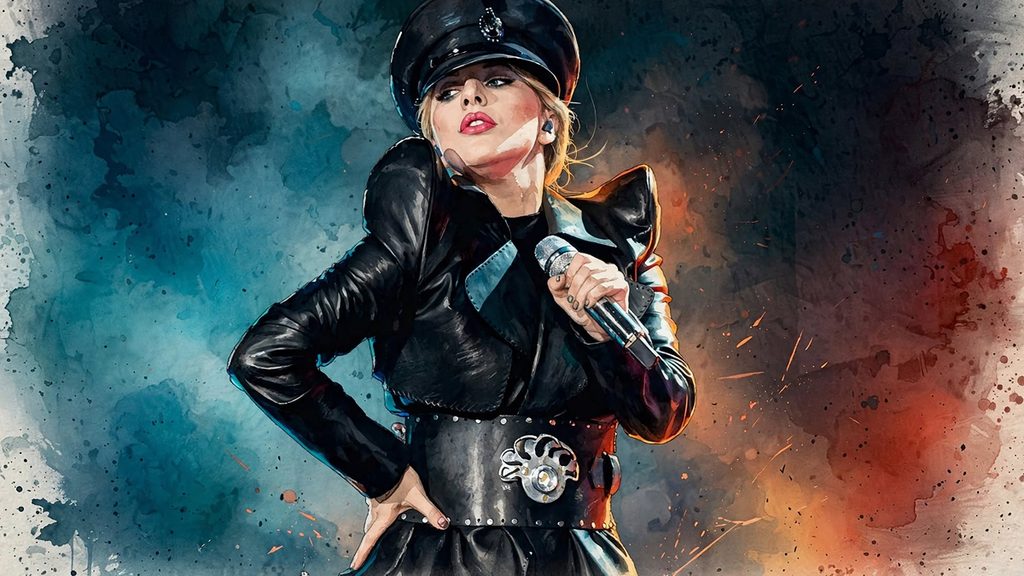
Coachella 2017: A Pregnancy, a Sound Failure, and a Billionaire Problem
- Headliners: Radiohead, Kendrick Lamar, and Lady Gaga (filling in for Beyoncé)
Coachella’s eighteenth edition ran April 14–16 and 21–23, 2017, with GA holding at $399 and VIP at $899, and it opened with Beyoncé, Radiohead, and Kendrick Lamar topping the bill — until February 23, when Beyoncé’s camp announced she was pregnant with twins and, on doctor’s orders, withdrawing, with Goldenvoice and her Parkwood Entertainment jointly confirming in the same breath that she’d headline instead in 2018. Five days later Lady Gaga was announced as her Saturday replacement, fresh off her Super Bowl halftime show and becoming Coachella’s first female headliner since Björk in 2007. Radiohead’s Friday-night set, the band’s third time headlining, turned into the weekend’s other unplanned story: the sound system failed twice in the first eight songs, cutting Thom Yorke’s vocals out mid-song while he kept performing, unaware, until a stagehand pulled the band offstage; Yorke returned to crack “this is Radiohead, so fuck it” before finishing with a rare “Creep.” The band’s clean, glitch-free weekend-two set was later released officially, effectively letting the two-weekend format overwrite the first weekend’s embarrassment with a do-over. A separate story broke well before the gates opened: Pitchfork and other outlets resurfaced reporting that festival co-owner Philip Anschutz’s family foundation had donated roughly $190,000 to anti-LGBTQ groups between 2010 and 2013, prompting a #BoycottCoachella push. Goldenvoice president and co-owner Paul Tollett publicly pressed Anschutz for a fuller denunciation, telling Paper magazine “there are big ships that go down over small things,” while Anschutz issued a statement calling the anti-LGBTQ characterization “fake news” and said he’d stopped funding such groups. None of it dented turnout: Goldenvoice had won approval from Indio to expand the festival’s footprint, lifting daily capacity from 99,000 to 125,000 per weekend, its first capacity increase since the two-weekend format began in 2012. Billboard Boxscore recorded a gross of $114.6 million, up from $94.2 million in 2016 and the first time a recurring festival franchise crossed $100 million in Boxscore history.
Business lesson takeaway: Turning Beyoncé’s forced withdrawal into an immediate, jointly-announced 2018 booking shows Goldenvoice converting a loss into next year’s marketing hook in the same move, so the cancellation itself became advance promotion rather than pure damage; landing Lady Gaga as a replacement on roughly six weeks’ notice also shows the kind of industry leverage only a festival at Coachella’s scale can call on when a headliner falls through. Radiohead’s meltdown demonstrates a quieter advantage of the two-weekend structure first stress-tested in 2013: a bad show doesn’t have to be the final public record when the same band plays the same slot again a week later, letting the festival paper over a reputational miss it couldn’t have fixed as a single-weekend event. The Anschutz donations story is a different kind of risk than anything the festival had faced before — not a booking backlash or a weather problem, but a reminder that a sold-out, record-grossing business can still be judged by who profits from it, and that a festival’s brand is only as insulated as its ownership structure allows. And expanding capacity by roughly 25% after five years flat at 99,000 a weekend shows Goldenvoice shifting its growth lever from pure pricing power, which had been carrying the gross higher since 2013, back to volume — a change that pushed the festival past $100 million for the first time but also tied its future growth to Indio’s continued willingness to let the footprint keep expanding.
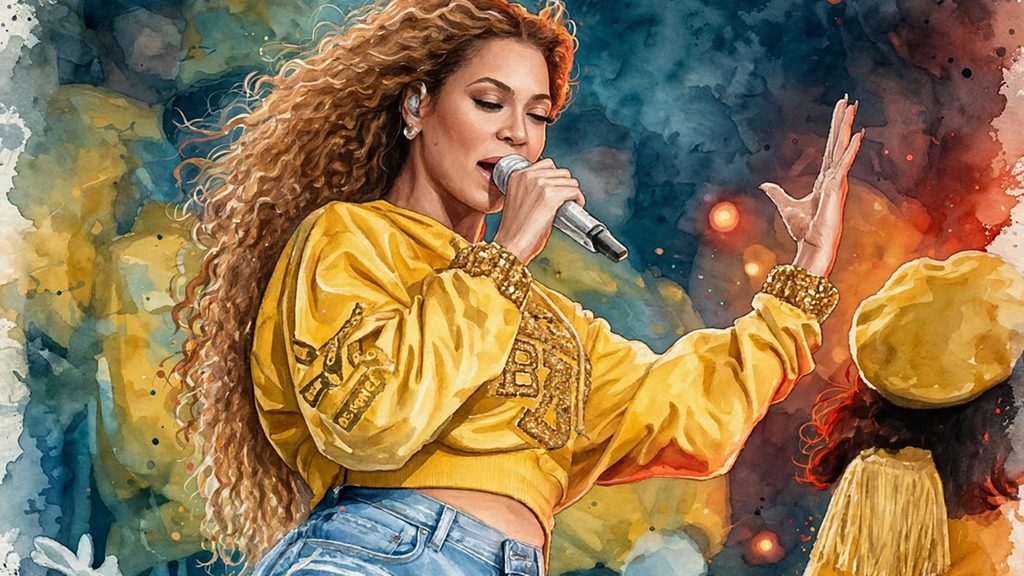
Coachella 2018: Beychella, a Homecoming, and a Vanishing Number
- Headliners: The Weeknd, Beyoncé, and Eminem
Coachella’s nineteenth edition ran April 13–15 and April 20–22, 2018, with general admission rising to $429 and VIP to $999, and for the first time since the festival’s earliest years, none of the three headline slots went to a rock act. The Weeknd opened Friday nights, just two weeks removed from releasing the EP “My Dear Melancholy,” and turned in an unusually raw set, breaking down mid-song during “Call Out My Name” as fans speculated the lyrics traced his recent breakup with Selena Gomez. But the weekend belonged to Saturday: Beyoncé, who had postponed her planned 2017 headlining slot after announcing she was pregnant with twins, returned with a two-hour, HBCU-themed spectacle — dubbed “Beychella” almost instantly — built around a live marching band, majorettes, and step routines, an arrangement of “Lift Every Voice and Sing,” a Destiny’s Child reunion with Kelly Rowland and Michelle Williams, and cameo appearances from Jay-Z and her sister Solange. She was the first Black woman to headline the festival in its nineteen-year history, telling the crowd “Thank you for allowing me to be the first black woman to headline Coachella.” The performance would later be repackaged as the Netflix concert film “Homecoming” and a companion live album. Eminem closed the festival Sunday, poking fun at his own “mean tweets” before leaning on a run of guests — Dr. Dre and 50 Cent among them, in Dre’s first Coachella return since his own 2012 headlining set with Snoop Dogg — and setting up a “Mom’s Spaghetti” food stand on the grounds to sell his own pasta-and-merch line to festivalgoers between sets. Capacity held flat at the 125,000-per-weekend cap set the year before, for 250,000 tickets sold across the two weekends, and Beyoncé’s set alone drew 458,000 simultaneous livestream viewers, part of a festival-wide livestream total of 43.1 million views from 232 countries — Coachella’s biggest online audience yet. One thing broke from the pattern of the previous six years, though: after 2017’s festival crossed the $100 million mark and set a $114.6 million Billboard Boxscore record, Goldenvoice and AEG stopped publicly reporting a comparable gross figure for 2018 and the years that followed, leaving 2017’s number as the last official tally on record.
Business lesson takeaway: Beyoncé’s forced 2017 withdrawal became the raw material for a bigger moment in 2018, one substantial enough to spin off into its own Netflix film — proof that a delayed headline slot can outperform the one that got canceled. Dropping rock entirely from the top of the bill for the first time confirmed the genre bet Coachella had been making since Calvin Harris in 2016, while Eminem’s “Mom’s Spaghetti” stand showed headliners starting to treat the festival as a launchpad for their own brands, not just a paycheck. Most notable is what didn’t get reported: after nearly a decade of publicizing an ever-climbing gross as marketing for its own dominance, Goldenvoice quietly stopped disclosing the number after 2017’s record — a sign that further growth was better left unpublicized than advertised.
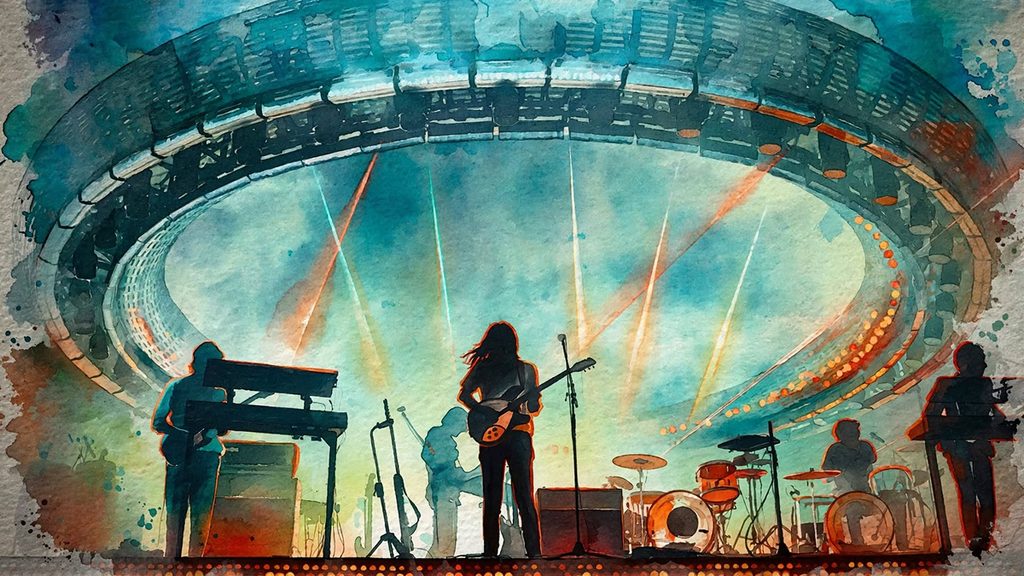
Coachella 2019: A Canceled Headliner, a Sunrise Service, and a Soft Market
- Headliners: Childish Gambino, Tame Impala, and Ariana Grande
Coachella’s twentieth-anniversary edition ran April 12–14 and April 19–21, 2019, with general admission holding at $429 and VIP at $999, and its headline bill came together only after two bigger names fell away. Justin Timberlake bowed out over a rescheduled tour, and Kanye West, negotiating for what would have been his third Coachella headlining slot, walked away after Goldenvoice wouldn’t accommodate the moving, non-traditional stage he wanted in place of the festival’s standard 40-by-60-foot setup. Childish Gambino filled Friday instead, using what he’d billed as his final tour under that name for a guest-free, 90-minute set built around unreleased material and a run through losses in his life — his father, Nipsey Hussle, Mac Miller — that he introduced by telling the crowd, “This is not a concert. This is church.” Tame Impala held Saturday. Ariana Grande closed Sunday as the youngest headliner in festival history and only the fourth woman to top the bill, reuniting *NSYNC (minus Justin Timberlake) for the first time in years, bringing out Nicki Minaj despite mic trouble, and closing with Diddy and Mase on “Mo Money Mo Problems” as a tribute to Biggie, Tupac, Mac Miller, and Nipsey Hussle. Kanye West ended up on the grounds anyway: after dropping his headlining bid, he brought his gospel-style “Sunday Service” to an Easter-morning slot on weekend two, drawing an estimated 50,000-plus fans to a purpose-built hillside stage for a choir-backed set that debuted new songs and pulled in Kid Cudi and Chance the Rapper. Beneath the spectacle, the secondary market told a quieter story: resale prices for weekend-two tickets dropped below face value in the run-up to the festival, an unusual soft patch for an event that had sold out same-day for years, and Goldenvoice continued withholding a public gross figure, leaving 2017’s $114.6 million as the last officially reported number.
Business lesson takeaway: Losing two marquee names and still building a headline weekend around a gospel service that wasn’t even part of the paid lineup shows how much cultural gravity Coachella itself had accumulated — the festival’s brand could absorb a Kanye West cancellation and still turn him into one of the weekend’s biggest stories on its own terms rather than his. Grande’s *NSYNC reunion and tribute-heavy set reinforced that a truly memorable Coachella headlining slot had become less about an artist’s own catalog than about what one-time-only moments they could stage there. But the softening weekend-two resale market was the year’s real signal: after nearly a decade of guaranteed sellouts and record grosses, demand had started to show its first real give, a crack that wouldn’t become a headline story until ticket sales slowed again years later.
Coachella 2020: The Year It Didn’t Happen
- Headliners: Rage Against the Machine, Travis Scott, and Frank Ocean (none of whom performed)
Coachella’s planned twenty-first edition was set for April 10–12 and April 17–19, 2020, with weekend one selling out before the lineup even dropped on January 2 — a bill topped by a reunited Rage Against the Machine making its third headlining appearance since 2007, alongside first-time headliners Travis Scott and Frank Ocean. None of it happened. On March 10, days after SXSW and Ultra Music Festival had already canceled over the spreading coronavirus, Goldenvoice postponed the festival to October 9–11 and October 16–18, honoring existing passes and offering refunds to anyone who couldn’t make the new dates. That postponement didn’t hold either: as the pandemic wore on, AEG — Goldenvoice’s parent company — cut 15% of its staff, furloughed more than 100 employees, and slashed pay by as much as half in what CEO Dan Beckerman called the company’s deepest cuts ever, warning that live events with fans wouldn’t return until sometime in 2021. On June 10, Riverside County’s public health officer signed the order that made it official: Coachella and its country-music sibling Stagecoach were canceled outright for 2020, with Goldenvoice penciling in a return for April 2021 and giving ticket holders the choice to roll their passes over or request a refund. It was the first time the festival hadn’t taken place since 2000, the year after its 1999 debut. The 2021 dates would later be scrapped too, and by the time Coachella actually returned in April 2022, Frank Ocean was no longer available to headline — he wouldn’t get his rescheduled slot until 2023.
Business lesson takeaway: A model built on selling passes months in advance of a confirmed lineup, which had underwritten every prior year’s growth, turned into the opposite once the pandemic hit — every advance sale became a refund or rollover obligation rather than locked-in revenue. Trying to postpone rather than cancel bought a few months but not a fix, since the problem wasn’t the date but whether a quarter-million people could safely gather at all; only a hard cancellation actually resolved the uncertainty. And losing Frank Ocean’s slot over two years of delay is the clearest cost of that uncertainty: booking a headliner locks in a moment, not a person, and the longer that moment gets deferred, the more likely it slips away entirely.
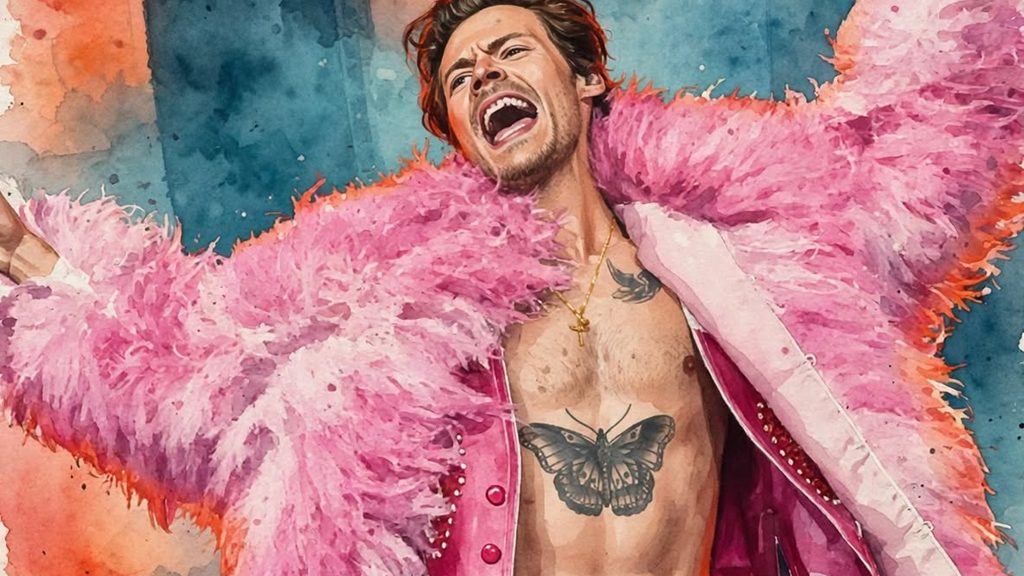
Coachella 2022: Third Time’s the Charm, Almost
- Headliners: Harry Styles, Billie Eilish, and Swedish House Mafia with The Weeknd (replacing Kanye West)
Coachella’s long-delayed return finally happened April 15–17 and April 22–24, 2022, three years after its last edition and two canceled ones later. The January 12 lineup announcement carried over almost none of the artists who’d been stranded by the pandemic: Rage Against the Machine’s reunion, built around these very dates, vanished from the bill without explanation, Travis Scott was dropped after ten people died in a crowd crush at his Astroworld festival the previous November, and Frank Ocean pushed his slot to 2023. In their place came Harry Styles, Billie Eilish, and Kanye West, with Swedish House Mafia given an oddly prominent, dateless spot near the bottom of the poster that read like a hedge. It was. On April 4, days before the festival, Kanye West dropped out amid a public feud with ex-wife Kim Kardashian and her boyfriend Pete Davidson, a Change.org petition with roughly 49,000 signatures calling for his removal, and a spat with fellow headliner Billie Eilish, whom he’d accused of insulting Travis Scott onstage. Goldenvoice moved fast, elevating Swedish House Mafia into a co-headlining Sunday slot alongside The Weeknd, who’d previously headlined in 2018. Eilish, 20, became the youngest headliner in the festival’s history, opening her set by admitting “I should not be headlining this shit” and closing it with a nod to Beyoncé’s 2018 set: “I’m sorry I’m not Beyoncé.” The festival’s COVID-19 rules had been rewritten twice in the run-up — a full vaccination mandate announced by parent company AEG in August 2021 was loosened to vaccination-or-negative-test that October, then dropped entirely in February 2022 as California lifted its statewide mask mandate — and ticket pricing shifted for the first time from one flat rate to escalating price tiers, with general admission climbing from $449 to $499 depending on when fans bought in.
Business lesson takeaway: Booking Swedish House Mafia into a headliner-sized, dateless slot on the original poster shows Goldenvoice building a hedge directly into the bill after having already been burned twice by a headliner falling through — and when Kanye West did exactly that days before the gates opened, the hedge is what let the festival absorb the loss without another public scramble. Dropping Travis Scott over Astroworld while still carrying Kanye West through his own controversy shows the festival drawing a clear line between liability tied to festival safety and controversy tied to an artist’s personal conduct. And rewriting the COVID policy twice in six months, each time in the direction of fewer restrictions, shows Goldenvoice tracking the public mood in real time rather than committing early to a rule it might later have to defend.
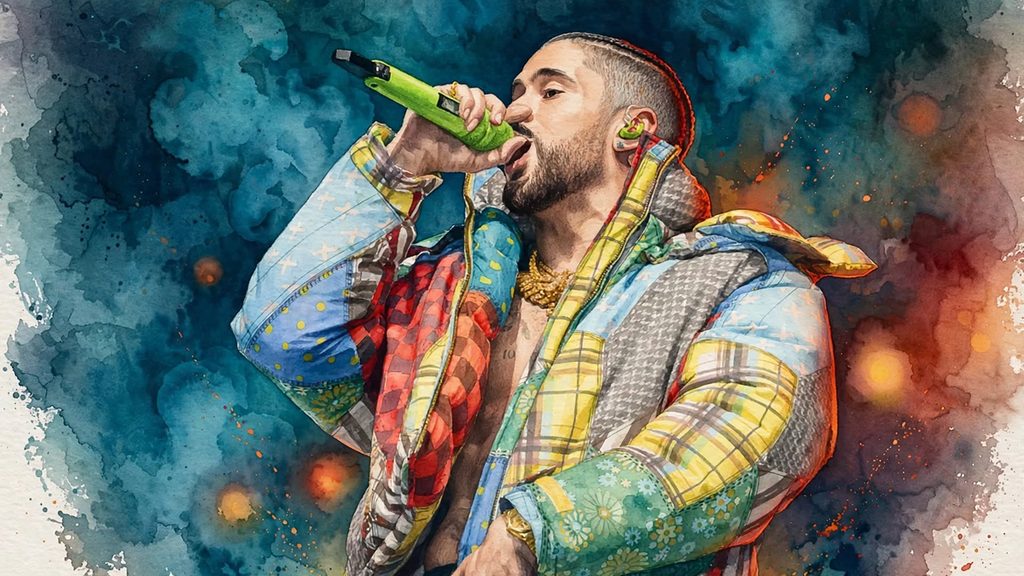
Coachella 2023: Three Historic Headliners, One Vanishing Act
- Headliners: Bad Bunny, Blackpink, and Frank Ocean (later replaced for weekend two by Blink-182)
Coachella’s twenty-second edition ran April 14–16 and April 21–23, 2023, with a bill that made history before a single note played: Bad Bunny became the festival’s first Latino and first Spanish-language headliner, Blackpink became its first K-pop act, first all-female group, and first Asian act to headline, and with Frank Ocean closing Sundays, it was the first time none of Coachella’s headliners were white. Calvin Harris turned up in the same dateless, headliner-sized slot near the bottom of the poster that Swedish House Mafia had occupied the year before — a spot widely read as insurance in case the notoriously unpredictable Ocean, three years removed from his canceled 2020 booking, pulled out again. He nearly did, and in the strangest way possible. Ocean had spent weeks building an elaborate weekend-one set around a full ice rink and more than 100 skaters, including Olympic figure skaters and hockey players bused in from Los Angeles after a month of rehearsals at Paramount Studios — then scrapped the entire concept hours before showtime, reportedly threatening to cancel outright if the ice wasn’t melted down. He went on an hour late, was pulled from the YouTube livestream at the last minute, performed much of the set obscured behind a screen and a parka hood, and cut the show short at curfew — but also paused to dedicate it to his late brother Ryan Breaux, who’d died in a 2020 car accident and used to attend Coachella with him. Days later, Ocean withdrew from weekend two entirely, citing two fractures and a sprain from a bicycle accident on festival grounds. Calvin Harris never got the call. Instead, Blink-182 — who’d made an unannounced, first-time-in-nine-years reunion cameo on a smaller stage during weekend one — stepped up to headline Sunday of weekend two in Ocean’s place, with Skrillex, Four Tet, and Fred Again closing out the night behind them.
Business lesson takeaway: Booking a dateless, headliner-sized “insurance” act for the second year running confirmed Goldenvoice now treats a flight-risk headliner as a standing cost of doing business, but the save actually came from an unplanned surprise guest rather than the designated backup, showing that Goldenvoice’s real hedge is its own ability to improvise, not any single name on the poster. Ocean’s scrapped ice rink is a cautionary tale about staging: a headliner’s most ambitious, expensive concept still has to survive contact with logistics and health on the day, and when it doesn’t, the reworked show becomes the story instead of the spectacle it replaced. And landing a historic, no-white-headliners bill in the same year that a headliner set collapsed in real time shows those two things can coexist — a booking strategy can make history and still be only as reliable as the person on stage.
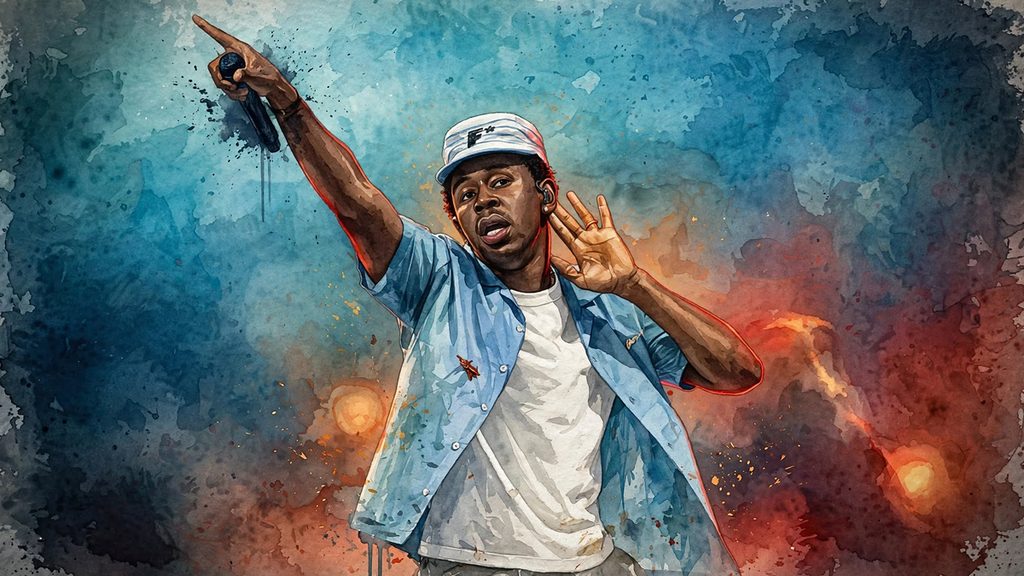
Coachella 2024: A Slower Sellout and a Closed Loop
- Headliners: Lana Del Rey, Tyler, the Creator, and Doja Cat, with a surprise No Doubt reunion
Coachella’s twenty-third edition ran April 12–14 and April 19–21, 2024, with a lineup that mixed new headliners into an old pattern: Lana Del Rey topped Fridays, Tyler, the Creator Saturdays, and Doja Cat Sundays, while No Doubt filled the same dateless, headliner-sized poster slot that Swedish House Mafia and Calvin Harris had occupied the two years before — except this time it wasn’t insurance against a headliner bailing, it was Gwen Stefani’s band reuniting for the first time since 2015 as a marquee draw in its own right. The last loose thread from Coachella’s aborted 2020 lineup was finally cut in January, when Rage Against the Machine confirmed their comeback was over for good after singer Zack de la Rocha’s knee injury sidelined their 2022 reunion tour indefinitely — closing a story that had been unresolved since the pandemic first scrambled the festival four years earlier. Reports also surfaced that Dua Lipa and Shakira had both been in the mix for a headlining slot before the timing didn’t work out for Lipa and organizers passed on Shakira, who showed up anyway as a surprise guest during Bizarrap’s set to announce a new world tour. On stage, Del Rey made an entrance by motorcycle before bringing out Billie Eilish for duets of “Ocean Eyes” and “Video Games,” with Eilish telling the crowd, “This is the reason for half you bitches’ existence, including mine,” while No Doubt brought out Olivia Rodrigo, dressed to match Stefani, for “Bathwater.” Underneath the spectacle, the festival hit a real market headwind for the first time in over a decade: weekend one took nearly a month to sell out instead of its usual few hours, overall sales came in 14 to 17 percent below the year before, and it marked the first time since 2010 that Coachella hadn’t sold out in advance — even as general admission pricing climbed into tiers reaching $549 and VIP passes hit $1,609.
Business lesson takeaway: Turning the “insurance headliner” slot into a reunion booking in its own right shows Goldenvoice converting a risk-management tactic into a recurring content format once it proved it could generate hype on its own. Rage Against the Machine’s final exit, four years after their scrapped 2020 slot, is a reminder of just how long a single canceled booking can keep unwinding. But the real story was the slower sellout: after more than a decade of rising prices absorbing every gain in demand, 2024 was the year that pricing power finally met real resistance.
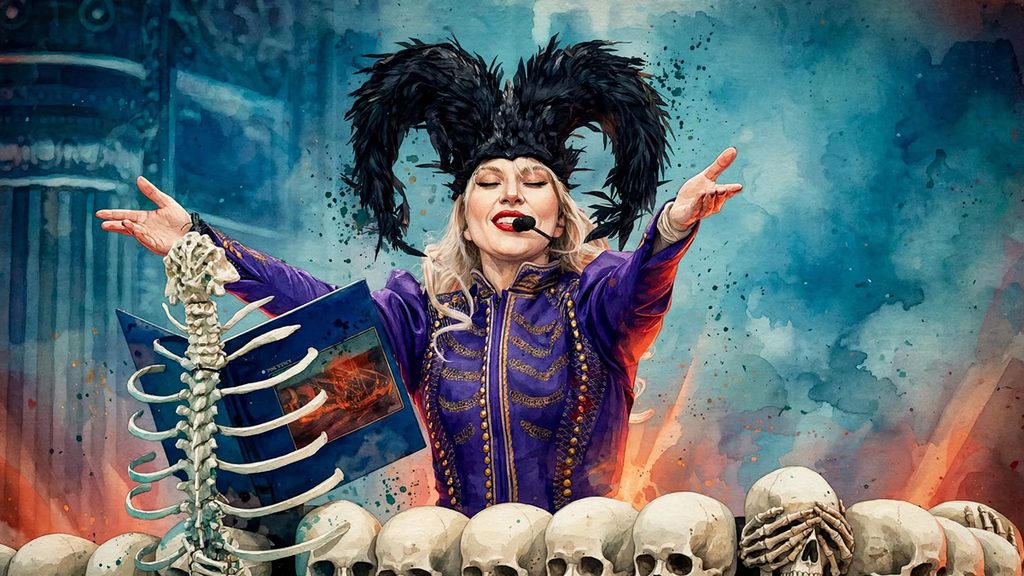
Coachella 2025: The Ticket Calendar Becomes the Lever
- Headliners: Lady Gaga, Green Day, and Post Malone, with Travis Scott in the floating fourth slot
Coachella’s twenty-fourth edition ran April 11–13 and April 18–20, 2025, a year after the festival’s first sales stumble in over a decade. Lady Gaga headlined Fridays for the second time — her first was 2017, filling in for a pregnant Beyoncé — and returned with an elaborate “Mayhem”-themed gothic-opera production, built around dueling versions of herself across five acts, that was widely called one of the best sets in the festival’s history. Green Day headlined Saturdays, playing Coachella as a full band for the first time despite Billie Joe Armstrong having guested with the Replacements back in 2014. Post Malone closed Sundays. And in the now-familiar dateless, headliner-sized slot that Swedish House Mafia, Calvin Harris, and No Doubt had each filled in the three years prior, Travis Scott finally got the Coachella headlining moment he’d been chasing since his originally booked 2020 slot was wiped out by the pandemic and his rebooked 2022 slot was pulled after the Astroworld tragedy. The payoff was muted: despite pyrotechnics and a stunt in which he rappelled down a wall during “Skyfall,” his set was dragged down by an out-of-tune marching band and a DJ he publicly called out and fired mid-performance, struggled to hold the crowd’s energy, and drew a visibly smaller turnout for his weekend-two repeat. The bigger story was in the ticket office: after 2024’s sales fell to roughly 160,000 total passes against a 250,000-ticket capacity — the softest showing since before 2010 — Goldenvoice moved the 2025 on-sale up to mid-November, nearly two months ahead of the traditional lineup-driven January sale, and sold roughly 120,000 tickets per weekend, close to a full recovery.
Business lesson takeaway: Selling tickets before the lineup even existed shows Goldenvoice treating the calendar itself as a lever to pull, betting on loyal fans who’ll commit regardless of who’s booked rather than waiting for lineup buzz to move tickets. Travis Scott’s anticlimactic set is a reminder that five years of narrative built entirely around absence and cancellation can’t guarantee the eventual show clears the bar that wait created. And Lady Gaga’s returning, more ambitious production shows a past headliner can still deliver the festival’s biggest moment the second time around, as long as she’s willing to build something genuinely new rather than repeat the first.
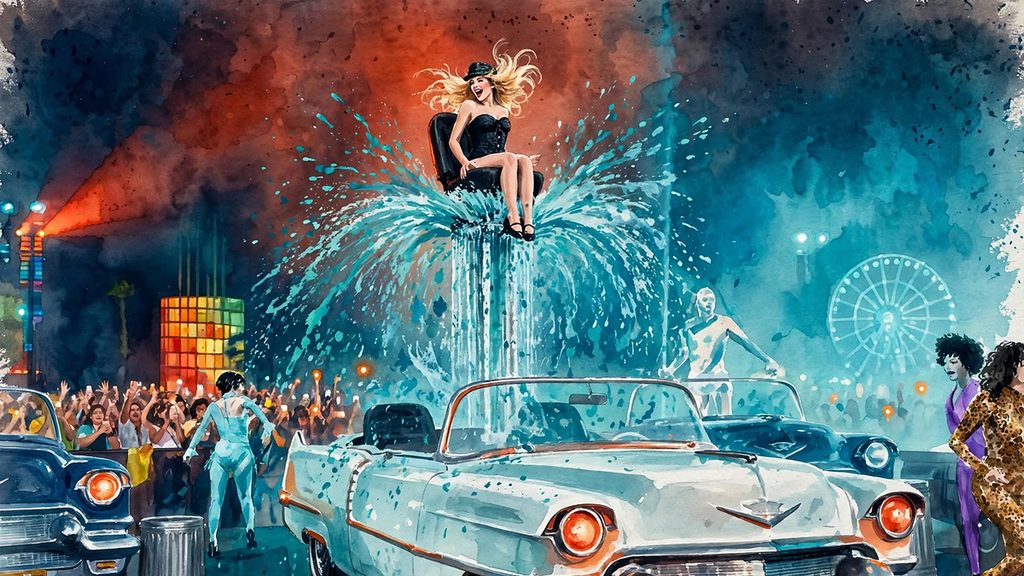
Coachella 2026: A Record Gross, a Wind-Canceled Debut
- Headliners: Sabrina Carpenter, Justin Bieber, and Karol G, with Anyma in the floating fourth slot
Coachella’s twenty-fifth edition ran April 10–12 and April 17–19, 2026, and Goldenvoice announced the lineup earlier than it ever had — September 15, 2025, continuing a calendar creep that had already moved the reveal from January (2024) to late November (2025). It worked: tickets sold out within days of going on sale that September, the fastest sellout in years, a sharp reversal from 2024’s slump and 2025’s partial recovery. Sabrina Carpenter headlined Fridays in her first true headlining slot, following a 2024 sunset set that had all but announced her return. Justin Bieber headlined Saturdays in his first-ever solo Coachella set and his first full U.S. concert since his 2022 Justice tour. Karol G closed Sundays as the festival’s first Latina headliner, three years after Bad Bunny became its first Latino one. Anyma, the Italian-American DJ half of Tale of Us, occupied the now-familiar dateless “designs the desert” slot that Travis Scott and No Doubt had filled before him, billed to premiere an elaborate new visual show called “Æden.” He never got the chance: opening night brought wind gusts up to 45–50 miles per hour that tore through the campgrounds, destroying tents and even Kourtney Kardashian’s invite-only wellness camp, and forced organizers to cancel Anyma’s debut outright minutes before it was due to start, citing the safety of his stage build. Bieber’s set became the festival’s most argued-over moment for a different reason: rather than mount a big production, he sat at a laptop and pulled up his own decade-old YouTube videos, singing along to his teenage self through early hits like “Baby,” a choice that split fans between calling it a vulnerable reclamation of his own history and calling it lazy compared to Carpenter’s costume-change, choreography-heavy show. By the numbers, the festival grossed north of $200 million across both weekends, one of the highest hauls of any U.S. music festival, though industry estimates put actual profit closer to $69 million once artist fees, production, and marketing costs were factored in.
Business lesson takeaway: Pulling the on-sale forward again, this time by four months, confirms Goldenvoice now treats the calendar itself as its main lever against soft demand, and it paid off with the fastest sellout in years. But Anyma’s weather-canceled debut is a reminder that no amount of pricing or scheduling strategy insulates an outdoor festival from a single bad night of wind. And the gap between a $200-million-plus gross and a much smaller estimated profit, alongside a headliner set that drew backlash for looking too modest, both point to the same pressure: at these prices, audiences and the ledger alike now expect maximal production value, and anything that looks like it’s falling short of that bar draws scrutiny out of proportion to the show itself.
Coachella Is the Prototype for the Modern American Music Festival
Across 27 years, Coachella’s real achievement isn’t any single headliner or scandal, it’s Goldenvoice’s ability to keep rebuilding the festival’s business model every time the old one stopped paying off. A money-losing two-day electronic gathering that forced a year off after its 1999 debut became, within a decade, the template every other American festival now copies: a two-weekend format that doubled capacity without adding a single new date, a headliner strategy built as much on reunions, genre firsts, and diversity milestones as on new music, and a YouTube livestream deal that turned the event into a global media platform rather than a ticketed gathering. That platform proved resilient enough to survive a full pandemic shutdown in 2020 and 2021 and come back within a year selling out again, and flexible enough to turn a defensive tactic, the floating “insurance headliner” slot built to cover for a bailing star, into a marquee booking in its own right. What survived four years of headliners dropping out days before showtime, a two-year closure, a real sales slump in 2024, and a fortune spent chasing ever more elaborate production was the same core instinct: a promoter willing to rewrite the ticket calendar, the lineup, and the show itself as soon as the current version stopped working, and durable enough to keep landing on top of a festival market where plenty of others simply went under.