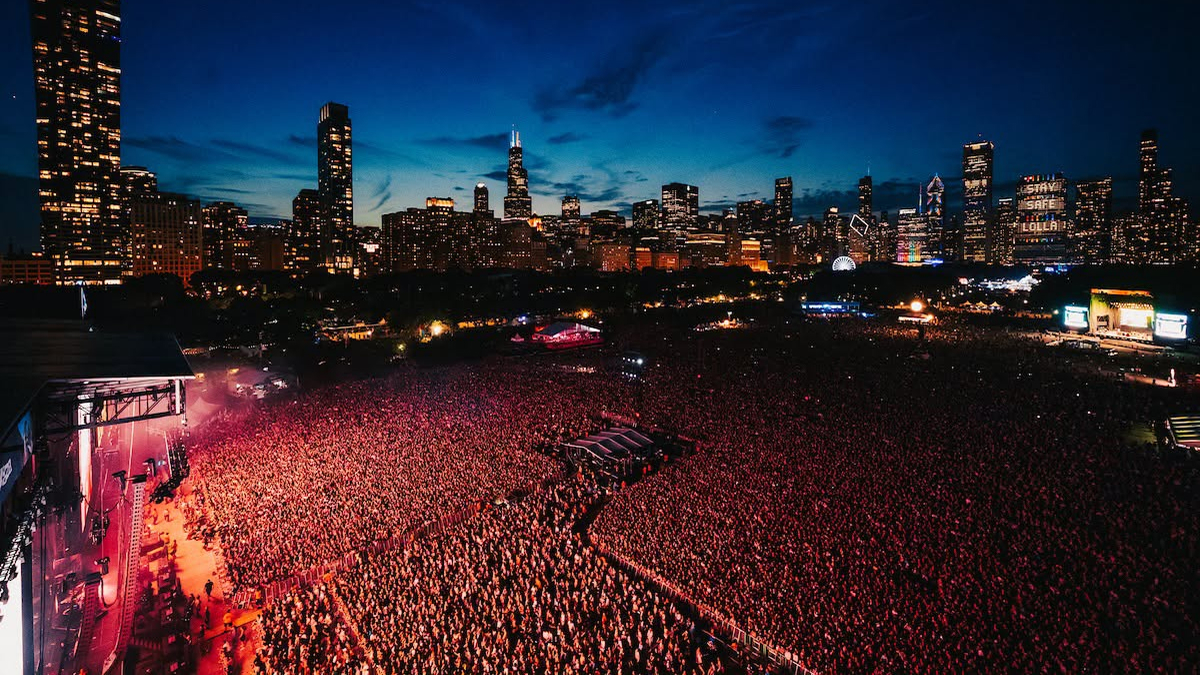
Thirty-five years of continuous reinvention, one festival year at a time. This is the story of Lollapalooza.
Lollapalooza began in 1991 as Perry Farrell’s farewell tour for Jane’s Addiction, a single-stage traveling bill built with booking agent Marc Geiger and band manager Ted Gardner to send the group off on its own terms.
Over nine acts and 21 cities, the tour reshaped how promoters built lineups, pairing industrial rock, hip-hop, punk, and metal on the same stage at a time when concert bookers kept those audiences firmly separated.
That touring formula wore out by the late 1990s, as inconsistent lineups and a shifting alternative-music landscape pushed the event into a long hiatus.
Farrell and his partners rebuilt it in 2005 as a fixed, destination event in Chicago’s Grant Park, trading the road for a two-day format that sold out immediately and expanded to three days in 2006, then four in 2016.
Under promoter C3 Presents, now tied to Live Nation and William Morris Endeavor, Lollapalooza Chicago has grown into one of the highest-grossing festivals in North America, drawing roughly 100,000 attendees a day across four days and contributing more than $2 billion to Chicago’s economy since 2010, including $422 million in 2023 alone.
The brand has since franchised internationally, launching sister editions in Chile in 2011 and later in Argentina, Brazil, Germany, France, Sweden, and India. Each edition, and each year of the Chicago flagship, reflects a distinct set of business decisions around capacity, pricing, sponsorship, and artist booking that shaped where the festival stands today.
In this article, we take a look at every year of Lollapalooza and what can be learned from each.
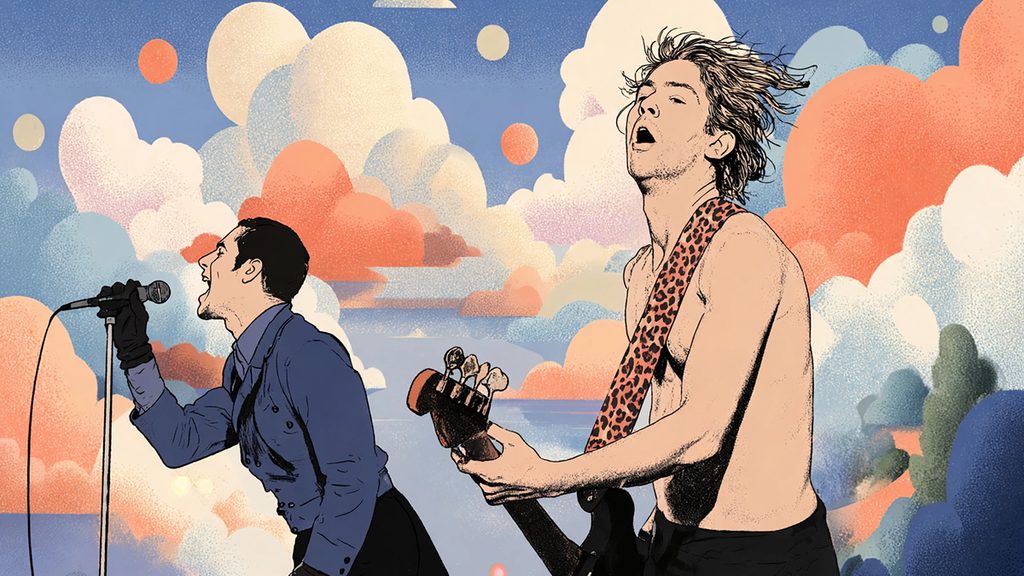
Lollapalooza 1991: A Farewell Tour Ignites a Movement
- Headliner: Jane’s Addiction
Lollapalooza launched as Perry Farrell’s send-off for Jane’s Addiction, built with manager Ted Gardner and agent Marc Geiger into a single-stage touring bill rather than a fixed festival. Over roughly six weeks, the tour hit 23 reported dates across 17 U.S. cities and one Canadian stop, pairing industrial, punk, funk-metal, and hip-hop acts on one bill at a time when concert promoters kept those genres in separate rooms. Tickets sold for $27.50. According to Pollstar’s box office archive, the run sold 391,899 tickets and grossed $8.9 million, worth roughly $17.6 million adjusted for inflation. Chicago was the strongest market, drawing 30,152 fans and foreshadowing the city’s later role as the festival’s permanent home. Nine Inch Nails, then still breaking, used its mid-afternoon slot to steal the day at several stops despite an equipment failure that cut its Phoenix set short. Farrell and guitarist Dave Navarro’s onstage fistfight at that same opening show became part of the tour’s mythology. Critical reception was strong, and the tour moved almost entirely on word-of-mouth and college radio, with none of the corporate sponsorship layers that define festivals today. It closed out as one of 1991’s most successful tours and set the template — genre collision, not headliner star power — that every festival promoter since has borrowed from.
Business lesson takeaway: Differentiation sold tickets more than star power did. Jane’s Addiction wasn’t a stadium-filling headliner on its own, but a lineup no other promoter would book together created scarcity value that a single big name couldn’t. A new event property can win its category by taking a curatorial risk, not by chasing the biggest available act.
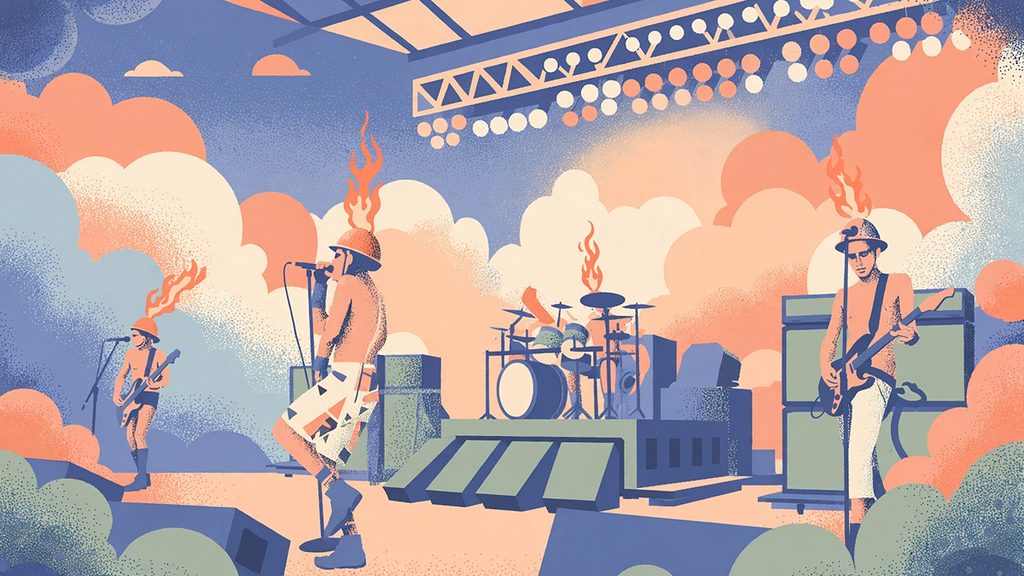
Lollapalooza 1992: Alternative Rock Goes Mainstream
- Headliner: Red Hot Chili Peppers
Lollapalooza’s second outing nearly tripled the scale of its debut, running July 18 to September 13 across roughly 27 cities and 36 shows, with a new second stage added to the traveling production for the first time. Ticket prices climbed to a $26.25–$31.25 range, and the tour grossed $19.1 million at 97 percent capacity, according to Pollstar’s box office archive, more than double the prior year’s take and the high-water mark the touring era would ever reach. Pearl Jam, booked before its debut album “Ten” fully broke, drew some of the day’s largest crowds by mid-tour, turning Lollapalooza into a launching pad rather than just a victory lap for established acts. Ice Cube’s addition put a solo rap headliner on a bill still marketed as a rock festival, a genre-mixing move Cube himself framed as proof that hip-hop and rock audiences could share a field without incident. Ministry’s Chicago-area stop ended with fans storming the barricade, an incident that fed the tour’s reputation for chaos rather than damaging it. Press coverage from Rolling Stone and MTV treated the tour as a cultural bellwether for grunge and alternative culture’s crossover into the mainstream, cementing Lollapalooza’s identity beyond its debut year.
Business lesson takeaway: Booking Pearl Jam before “Ten” went platinum meant Lollapalooza captured a breakout act at pre-breakout cost, then rode its rising visibility into stronger overall ticket demand. Signing talent on an upward trajectory, rather than paying premium rates for already-peaked headliners, is a repeatable way to scale margins.
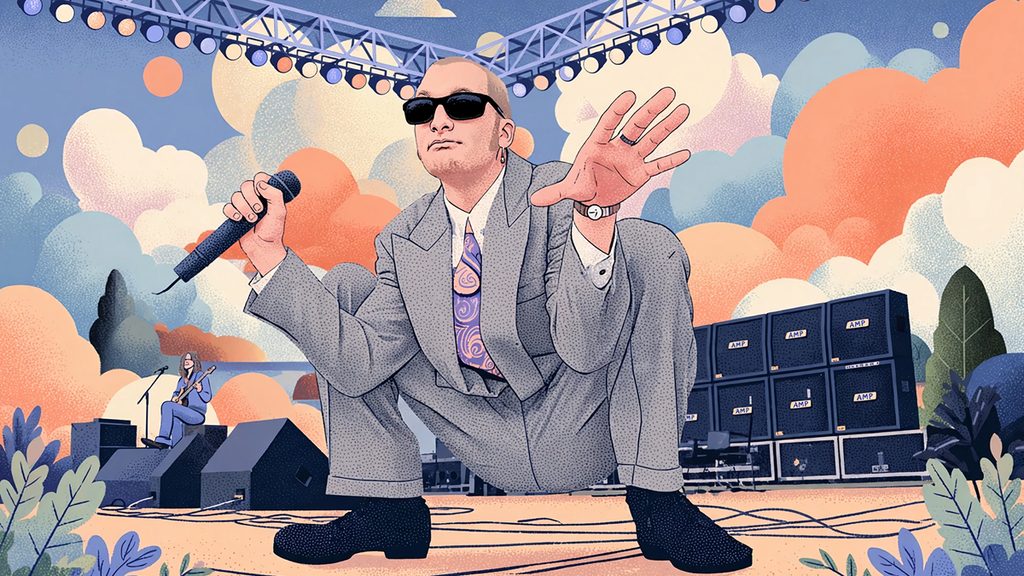
Lollapalooza 1993: Major Labels Reshape the Bill
- Headliners: Alice in Chains, Primus
Lollapalooza’s third run covered roughly 36 shows across North America, opening in Vancouver on June 18 and closing near Los Angeles in early August, with ticket prices holding near $27.50. Alice in Chains had been booked as the outright headliner, but Perry Farrell restructured the closing slot to elevate Primus to co-headliner, the first time two acts shared top billing on the tour. Tool, initially a side-stage act, moved up to the main stage after Babes in Toyland left the run partway through. The bill leaned heavily on Sony-affiliated acts, a visible shift from 1991’s more independent curation and a sign that major labels were now actively shaping festival lineups now that alternative rock had proven commercially viable. The tour’s defining moment came on July 18 in Philadelphia, when Rage Against the Machine, promoting their self-titled debut, stood silently naked onstage for roughly 15 minutes with duct tape over their mouths and “PMRC” painted across their chests, protesting the Parents Music Resource Center’s advisory-sticker campaign. The stunt drew national press but also bottle-throwing from confused fans and a police escort offstage. Financially, the tour stayed profitable but grossed less than 1992’s $19.1 million peak, an early signal that ticket demand was leveling off even as the festival’s cultural profile kept climbing.
Business lesson takeaway: Rage’s protest generated national coverage without a marketing budget, proving that a bold, ownable moment can outperform paid promotion. But a lineup increasingly built around major-label rosters made Lollapalooza harder to distinguish from any other summer package tour, showing that free publicity can’t offset a fading point of differentiation.
Lollapalooza 1994: A Sudden Headliner and a Rejected Band
- Headliners: Smashing Pumpkins, Beastie Boys
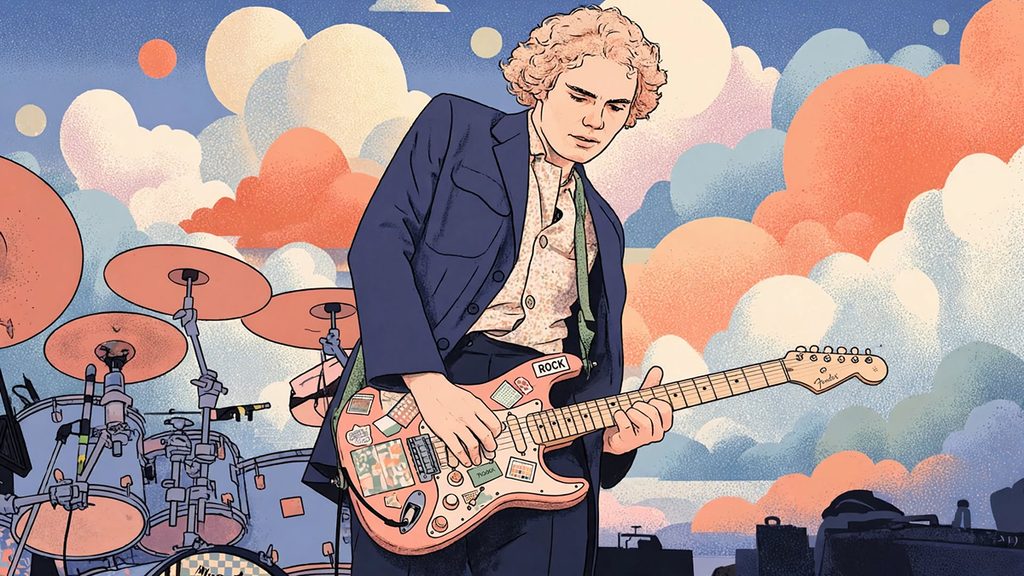
Nirvana was booked to headline Lollapalooza’s fourth tour, and Smashing Pumpkins were slotted as main support. Nirvana officially dropped out on April 7, 1994, and Kurt Cobain was found dead the next day, pushing Smashing Pumpkins into the top slot with almost no lead time; frontman Billy Corgan later admitted he “was not prepared for it at all.” The tour ran through roughly 30 North American amphitheaters at a $28.50 ticket price, with several stops, including Chicago’s World Music Theatre, drawing crowds above 30,000 a night. Perry Farrell initially refused to book Green Day, reportedly dismissing them as a “boy band,” but the group’s label pushed back and secured a 30-minute slot on the tour’s second half, replacing Boredoms, just as “Dookie” was turning them into one of the summer’s fastest-rising acts. Green Day used the opportunity to dedicate the song “Chump” to Farrell onstage after learning he was frustrated with them. Elsewhere, Courtney Love made an unannounced appearance with Hole, joining Smashing Pumpkins for two songs in one of her first shows following Cobain’s death. Miami’s stop still drew roughly 24,000 fans, well above projections, even after Green Day canceled that date due to a Woodstock injury and a planned tech exhibit was scrapped by rain.
Business lesson takeaway: Farrell’s attempt to keep Green Day off the bill nearly cost Lollapalooza a piece of that summer’s biggest commercial story, showing how a founder’s personal taste can lag behind clear market signals like chart and sales momentum. When the data says an act is breaking out, betting against it on gut feeling is a costly way to protect a curatorial identity.
Lollapalooza 1995: Critical Acclaim Meets Falling Sales
- Headliner: Sonic Youth, Hole
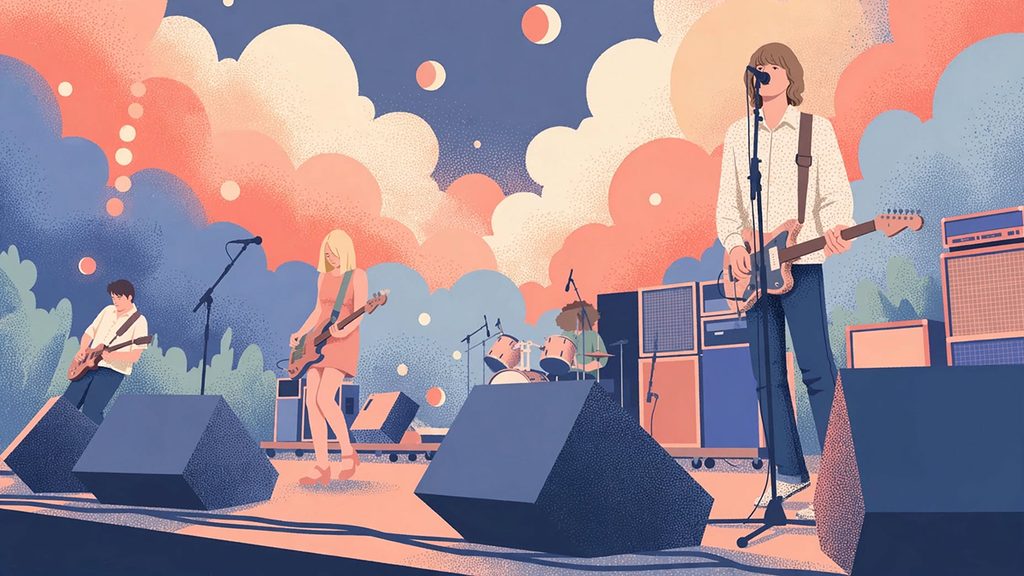
Running from July 4 to August 18, Lollapalooza’s fifth tour pivoted away from the major-label, arena-ready bookings of 1992–94 and back toward the indie and noise-rock acts that defined its original identity, pairing Sonic Youth’s headlining slot with Hole, Pavement, and Beck on the same bill. The production expanded again, adding a cinema tent and a third stage for local talent alongside the existing second stage, plus a post-show rave at several stops. Sinead O’Connor left the tour early in a pregnancy, and was replaced by Elastica, with Moby filling in for two dates in between. Critics largely praised the bill as one of the strongest and most cohesive of the tour’s run, but the story dominating national coverage was Courtney Love, whose alleged backstage altercation with Bikini Kill’s Kathleen Hanna, on-stage clashes with hecklers, and public friction with tourmates turned Hole’s presence into a recurring tabloid subplot that outpaced coverage of the music itself. Commercially, the tour sold through roughly 75 percent of available tickets, according to Pollstar’s box office archive, a marked drop from the 92 to 97 percent capacity Lollapalooza had posted in its first two years, even as the festival’s reputation for cultural relevance stayed intact.
Business lesson takeaway: A lineup that wins over critics and generates constant media coverage isn’t the same as one that sells out arenas. Love’s controversies kept Lollapalooza in the headlines all summer, but that attention didn’t stop ticket sales from softening, a reminder that press volume and demand are separate metrics that require separate strategies.
Lollapalooza 1996: Metallica Splits the Fanbase
- Headliners: Metallica, Soundgarden
Lollapalooza’s sixth tour ran a shorter route than prior years, roughly 22 shows between June 27 and August 4, and marked the first time the festival handed its headline slot to an act with no ties to alternative or grunge radio. Co-founder Marc Geiger defended the pick bluntly, telling Rolling Stone that “alternative is dead” and that the festival would now book whichever acts drew the biggest crowds rather than protect a genre label. Perry Farrell disagreed sharply enough that he sat the tour out entirely, later calling the choice a capitulation to “big money” and mainstream hard-rock culture that abandoned the festival’s original anti-hair-metal ethos. The booking also marked the first Lollapalooza with no regularly touring hip-hop act and fewer women and artists of color than any prior lineup, a shift press coverage noted at the time. Commercially, the tour grossed $15.9 million, or roughly $800,000 per show, according to Pollstar’s year-end rankings, enough to place it among 1996’s twenty highest-grossing tours but short of the $18.1 million pulled in by the rival H.O.R.D.E. Festival, which overtook Lollapalooza as the season’s top-grossing traveling multi-act package for the first time in the festival’s history.
Business lesson takeaway: Chasing the biggest available draw can conflict directly with a brand’s founding identity, and 1996 shows both sides of that trade-off: Metallica filled seats, but the booking alienated the festival’s namesake founder and ceded Lollapalooza’s leadership position in its own category to a competitor. Growth bought without buy-in from the people who built the brand can cost more than it earns.
Lollapalooza 1997: A Headliner Slot Nobody Could Hold
- Headliners: Orbital, The Prodigy, The Orb, Devo
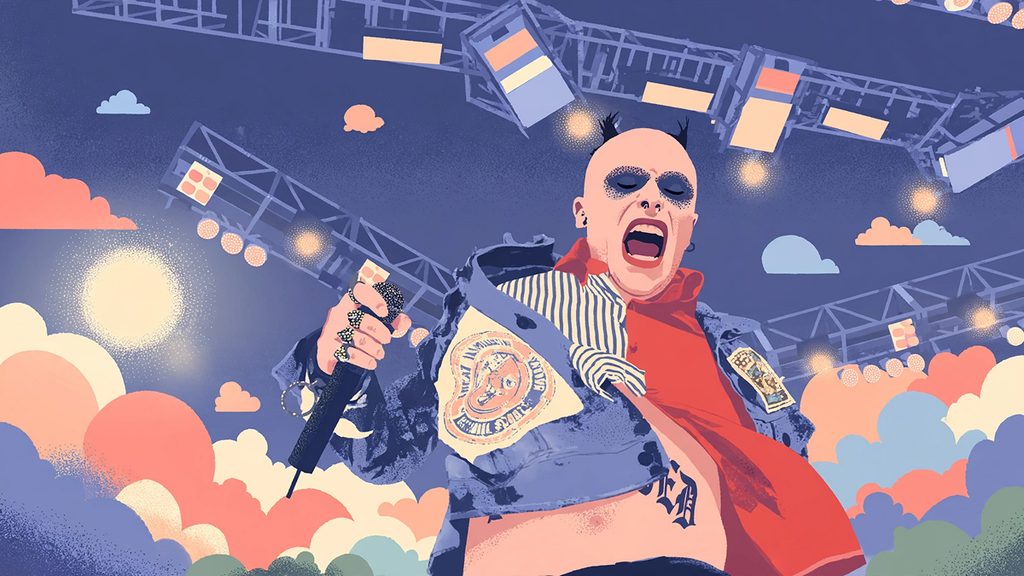
Lollapalooza’s seventh and, for the moment, final touring run ran from June 25 to August 16, 1997, and organizers tried something new: rather than fix one act atop the bill, they rotated the closing slot each night among Orbital, The Prodigy, The Orb, and Devo, an attempt to make electronic music the connective tissue of a lineup that otherwise spanned metal, hip-hop, and trip-hop. Tool held a fixed position just below the top slot and, on several nights, functionally outdrew whichever act closed the show, with reviewers noting crowds thinned out once Tool finished. Korn dropped off the tour partway through due to illness, with side-stage act Failure filling the gap on short notice. The Prodigy’s Liam Howlett publicly complained that seated amphitheater venues fought against his band’s live show, undercutting one of the tour’s more electronic-forward bookings. Snoop Doggy Dogg’s inclusion kept hip-hop in the mix after 1996’s all-rock bill drew criticism. Commercially, the tour grossed a bit more than $7.6 million over 25 shows, according to Pollstar’s archive, the lowest total of any year in the festival’s original run and a steep drop from the 1992 peak of $19.1 million. Lollapalooza went dark the following summer and would not return until 2003.
Business lesson takeaway: Rotating the headliner slot was a creative fix for a lineup without one dominant draw, but it couldn’t manufacture demand that wasn’t there. Structural tricks like night-to-night variety can generate press interest, but they can’t substitute for a single act with enough pull to anchor ticket sales on its own.
Lollapalooza 1998: The Year the Festival Didn’t Happen
- Headliners: None — the tour was called off before any lineup was finalized
After three straight years of declining box office and mounting criticism of its bookings, Lollapalooza’s organizers spent early 1998 trying to assemble a headliner-worthy bill and came up empty. Garbage, Marilyn Manson, Green Day, Foo Fighters, and Radiohead were each reportedly approached for the top slot and turned it down. Organizers had also hoped a reunited Jane’s Addiction, fresh off its Relapse tour, would headline, but Perry Farrell waited months to give a final answer, and the band ultimately passed; co-founder Ted Gardner publicly blamed Farrell’s delay for costing the tour its best shot at a marquee name, while band members countered that no tour had seriously been discussed. Two other unnamed acts gave conditional commitments, but no full bill ever came together. Rather than tour with a diminished lineup, Gardner made the call to cancel outright, telling Rolling Stone the festival “couldn’t put out a solid enough tour in keeping with previous years” and that running a weaker bill “would have been detrimental to us and the artists.” The decision came after press had already nicknamed 1996 “Metal-palooza” and 1997 “Lousy-palooza,” reflecting a brand that had lost the cultural momentum it once used to attract top acts in the first place. Gardner promised the festival would return “like a Phoenix,” but a second booking attempt in 1999 also failed for the same reason, and Lollapalooza would not return to the road until 2003.
Business lesson takeaway: When a brand’s pulling power weakens, top-tier talent has less incentive to say yes, which weakens the brand further, a reinforcing cycle that’s hard to break from the inside. Gardner’s decision to cancel rather than dilute the product protected Lollapalooza’s reputation in the short term, but rebuilding the momentum lost in that gap took the better part of five years.
Lollapalooza 2003: A Comeback That Undersold Itself
- Headliner: Jane’s Addiction
Six years after the original touring run ended and five years after a planned 1998 edition collapsed for lack of a headliner, Lollapalooza returned because Jane’s Addiction reunited. Founder Perry Farrell used the reunion to relaunch the festival itself, with the band’s own press materials describing Jane’s Addiction as returning “to claim its original headlining slot,” ahead of strong sets from Audioslave, the new Chris Cornell-fronted supergroup built from Soundgarden and Rage Against the Machine members. The tour ran roughly 30 dates across North America starting in early July. Coverage at the time was generally positive about the music but noted the production itself felt different: reviewers pointed to a more corporate-feeling midway and a show structure closer to a standard touring package than the original festival’s loose, countercultural sprawl. Commercially, the comeback underperformed its own history. According to Pollstar’s box office archive, the 23 tracked shows drew a combined 323,694 attendance and grossed $13.8 million, or about $20.1 million adjusted for inflation, a per-show average below what the original, much less starry 1991 tour pulled in in today’s dollars. The soft results foreshadowed a bigger problem: organizers announced a two-day, city-by-city format for 2004, only to cancel it outright that summer after ticket sales came in far short of projections.
Business lesson takeaway: A reunion tour and a nostalgic media narrative can fill headlines without filling the same demand curve the brand once had. Measured against inflation-adjusted history rather than surface-level hype, 2003 was a step down for Lollapalooza, a reminder that a comeback needs to be benchmarked against real historical economics, not just favorable press.
Lollapalooza 2004: Acclaimed Lineup, Empty Seats
- Headliner: Morrissey
Lollapalooza’s planned eighth outing was built around a genuinely new format: a two-day bill at each of 16 tour stops, marketed as the first-ever two-day music festival on wheels, kicking off July 14 at White River Amphitheatre near Seattle. Ticket prices were cut compared to 2003, and critics, including tour co-founder Marc Geiger, called it the strongest lineup Lollapalooza had assembled in years. It didn’t matter. On June 21, three weeks before the first show, organizers canceled the entire run, citing poor ticket sales across the board and the risk of losing several million dollars; Geiger said he was in “utter disbelief” that a bill this strong wasn’t moving tickets. The one clear bright spot was a reunited Pixies, whose dates, including their first New York show since the early ’90s, were reportedly the only ones selling well. Post-mortems pointed to a structural problem: the lineup was heavy on critically respected indie and alternative acts but thin on the kind of hip-hop or crossover names, Ice-T and Body Count in 1991, Ice Cube in 1992, A Tribe Against Quest in 1994, that had historically pulled in the under-25 audience Lollapalooza needed to fill seats. The cancellation also landed amid a broadly weak summer touring market, with even established stadium acts reporting soft sales that year. Fans got full refunds, though several booked artists kept their individual tour dates on the same days Lollapalooza would have played, creating direct scheduling conflicts.
Business lesson takeaway: Critical acclaim and ticket-buying demand are measured by different audiences, and 2004 shows what happens when a lineup is built to impress critics and taste-makers without securing the demographic that actually buys tickets. A bill can be the best-reviewed in years and still fail commercially if it skips the crossover acts that pull in the core paying audience.
Lollapalooza 2005: A Festival Finds a Home
- Headliners: Pixies, Weezer, Widespread Panic, The Killers
A year after the touring format collapsed entirely, Lollapalooza came back as something fundamentally different: a fixed, two-day destination festival in Chicago’s Grant Park, held July 23–24 and produced by Capital Sports & Entertainment and Charles Attal Presents, the team behind Austin City Limits, alongside owners William Morris Agency and Perry Farrell. Producer Charles Attal described the new model directly as “a cross between ACL and Coachella,” and the festival split its headline duties by day rather than building around a single top-billed act, with the Pixies and Weezer closing Saturday and Widespread Panic and the Killers closing Sunday. More than 60 bands played across five stages, up from the single traveling main stage of the original run. A two-day general admission pass ran $125 by showtime, after early passes had been offered as low as $85, and the weekend drew roughly 66,000 total attendees, a number the fixed-venue format made far easier to plan around than the city-by-city guesswork that had sunk 2004. Critics called the lineup safer and more mainstream than Lollapalooza’s original run, and production had rough edges, most notably sound bleed between simultaneous stages, with Widespread Panic’s set reportedly drowning out Death Cab for Cutie’s across the field. Even so, reviewers treated the debut as a solid foundation rather than a finished product, and Farrell confirmed plans to keep building the Chicago event annually.
Business lesson takeaway: Lollapalooza’s real fix in 2005 wasn’t a better lineup, it was a different distribution model. Concentrating the event in one repeatable, ownable venue eliminated the city-by-city demand risk that had just canceled an entire touring season, showing that sometimes the way to save a struggling product is to change how it’s delivered, not just what’s in it.
Lollapalooza 2006: Chicago’s Bet Starts Paying Off
- Headliners: Red Hot Chili Peppers, Kanye West, Death Cab for Cutie, The Flaming Lips, The Raconteurs, Ween
Lollapalooza’s second year in Chicago expanded from two days to three, Aug. 4–6, and roughly doubled in size to about 130 acts across eight or nine stages in Grant Park, following Perry Farrell’s decision to sell the brand’s operations to Capital Sports & Entertainment and Charles Attal Presents, the promoters behind Austin City Limits. Each day closed with its own pairing of top acts on opposite stages: Death Cab for Cutie and Ween on Friday, Kanye West and Manu Chao on Saturday, and the Red Hot Chili Peppers alone and unopposed on Sunday night. A three-day pass sold for $140 plus fees, rising to $150 closer to the event, with single-day tickets around $70. The bet on a fixed, repeatable venue paid off in scale: total paid attendance topped 166,000, growing from 52,000 on day one to 59,000 by the Chili Peppers’ closing set, and the festival grossed nearly $8 million, more than double 2005’s roughly $3 million on 60,000 total attendees. Each festival stage was sold to a corporate sponsor for branding rights, a move some press criticized as tone-deaf given ticket prices weren’t going down to match. Kanye West publicly complained about sound issues during his set, and the Chili Peppers’ set drew the festival’s only notable crowd unrest, but organizers and reviewers otherwise described the weekend as smoothly run.
Business lesson takeaway: The fixed-venue model adopted in 2005 proved it could scale without reinventing itself. Adding a third day and more stages within the same Grant Park footprint nearly tripled attendance and more than doubled revenue, showing that a destination festival can grow capacity incrementally in a way a city-by-city tour never could.
Lollapalooza 2007: A Sponsor Controversy Overshadows the Headliners
- Headliners: Pearl Jam, Daft Punk, Muse, Interpol, Ben Harper & the Innocent Criminals, Modest Mouse
Lollapalooza’s third year in Grant Park kept the three-day format from 2006 and drew roughly 160,000 fans across August 3–5 to see more than 130 acts on nine stages, each one sold to a corporate sponsor for branding rights, including the AT&T Stage, where Pearl Jam closed the festival on Sunday night. That sponsorship arrangement became the year’s defining story when AT&T’s live webcast of Pearl Jam’s set muted lyrics Eddie Vedder ad-libbed during “Daughter,” sung to the tune of Pink Floyd’s “Another Brick in the Wall,” including the lines “George Bush, leave this world alone” and “George Bush find yourself another home.” Pearl Jam publicly accused AT&T of censorship, and the company attributed the cut to a webcast contractor’s mistake in enforcing its profanity-editing policy, though the lines contained no profanity. The incident quickly became a national talking point about net neutrality and corporate control over artistic content, well beyond the festival itself. Musically, the weekend held up despite heat, humidity, and overnight rain that left parts of Grant Park muddy; reviewers noted that recurring problems from earlier years, like severe sound bleed between stages and punishing schedule conflicts, were largely resolved. Iggy and the Stooges’ Sunday set drew a near-riot of enthusiasm, and My Morning Jacket closed its set backed by the Chicago Youth Symphony Orchestra.
Business lesson takeaway: Selling stage-naming and broadcast rights to sponsors created a valuable new revenue line, but it also handed a third-party control over how a headliner’s performance reached the public. When that sponsor’s content decisions collided with an artist’s political speech, the resulting controversy generated more coverage than the lineup itself, a reminder that monetizing distribution rights carries reputational risk the festival doesn’t fully control.
Lollapalooza 2008: A Record Sellout, One Close Call
- Headliners: Radiohead, Rage Against the Machine, Nine Inch Nails, Kanye West, Wilco, The Raconteurs
Lollapalooza’s fourth year in Grant Park, held August 1–3, paired two headliners each night on opposite stages: Radiohead and The Raconteurs on Friday, Rage Against the Machine and Wilco on Saturday, and Kanye West and Nine Inch Nails on Sunday. Landing Radiohead was the year’s biggest coup: the festival slot doubled as the kickoff show of the band’s U.S. tour, its first extensive American run in years, and drew a crowd reviewers estimated at roughly 80,000. Three-day passes sold for $190. Perry Farrell had projected daily attendance around 75,000 heading into the weekend, but the Chicago Tribune reported all three days sold out completely, with a record total of 225,000 fans across the festival, the largest crowd in Lollapalooza’s Chicago run to that point. Kanye West’s Sunday set was widely framed as a comeback after a heavily criticized, hours-late performance at Bonnaroo that same summer; at Lollapalooza he went on close to schedule and won over reviewers. The weekend’s rockiest moment came during Rage Against the Machine’s Saturday set, when the band had to stop three separate times as barricades broke and fans were reportedly knocked over in the surging crowd, prompting the band to plead for the audience to settle down before finishing the show. Despite that, arrests stayed low at 14 for the weekend, and most injuries were minor, mainly dehydration and twisted ankles.
Business lesson takeaway: Landing a headliner like Radiohead validated Lollapalooza’s ability to compete for acts that could sell out arenas on their own, and the payoff showed up directly in a record sellout that beat organizers’ own attendance projections. But the Rage Against the Machine incident is a reminder that bigger crowds raise the stakes on crowd control and safety planning, and that side of scaling has to keep pace with ticket sales, not follow behind it.
Lollapalooza 2009: A Late Scramble to Replace a Headliner
- Headliners: Depeche Mode, Tool, The Killers, Jane’s Addiction, Kings of Leon, Yeah Yeah Yeahs (replaced Beastie Boys)
Lollapalooza’s fifth Chicago edition, held August 7–9 at Grant Park, marked the first time Jane’s Addiction headlined the festival’s stationary Chicago run, 18 years after Perry Farrell founded the original touring version around the band. Advance three-day passes sold for $190, rising to $205 once the early allotment sold out, and the festival sold out completely for the second consecutive year, drawing a total of roughly 225,000 fans across the weekend, matching 2008’s record. The lineup took a hit about three weeks before the gates opened: Beastie Boys, originally announced as a Saturday headliner alongside Depeche Mode and Kings of Leon, withdrew after member Adam “MCA” Yauch was diagnosed with a cancerous tumor in his salivary gland and needed immediate surgery, forcing the band to cancel its entire summer touring schedule, including Lollapalooza, All Points West, and Austin City Limits. Organizers moved quickly, adding Yeah Yeah Yeahs to fill the Saturday slot, a smaller draw on paper but one riding strong reviews off its recent album “It’s Blitz.” Despite losing a marquee act on short notice, the festival’s sellout status held and the swap barely registered as a commercial setback, a sign of how deep the rest of the bill, including Tool, The Killers, and Kings of Leon, ran that year.
Business lesson takeaway: Losing a headliner weeks before showtime is a real risk for any festival, and 2009 shows how a deep, well-built lineup absorbs that kind of shock. Because Lollapalooza wasn’t dependent on any single act to sell the weekend, a same-day replacement was enough to keep the event sold out, proving that lineup depth is itself a form of insurance against the unpredictability of live entertainment.
Lollapalooza 2010: Pop Joins the Bill for Good
- Headliners: Lady Gaga, Green Day, Soundgarden, Arcade Fire, The Strokes, Phoenix
Lollapalooza’s sixth Chicago edition, held August 6–8, split its nightly headline duties across genres in a way the festival hadn’t fully committed to before: Lady Gaga closed Friday as part of her Monster Ball tour, Green Day closed Saturday, and Soundgarden, freshly reunited after a 13-year split, and Arcade Fire closed Sunday. Perry Farrell called landing Lady Gaga the toughest booking of his career, telling Rolling Stone she represented “where the music industry is at” and where every other act was trying to catch up to. It was a deliberate step beyond Lollapalooza’s rock-and-indie identity into full mainstream pop, a genre the festival had mostly kept at arm’s length even as its lineups grew more eclectic. A three-day pass cost $215 including fees. The bet paid off commercially: the festival sold out all three days, drew a reported 225,000 attendees according to Billboard’s box office figures, with some outlets citing crowds as high as 240,000, and grossed $14,082,461, a new high for the Chicago era. Soundgarden’s reunion set and Green Day’s raucous Saturday close, which included fans diving off the stage during the performance, drew some of the strongest reviews of the weekend, while Gaga’s Friday set drew a crowd that skewed younger and more mainstream than Lollapalooza’s typical base.
Business lesson takeaway: Adding a global pop headliner alongside rock and indie acts diversified Lollapalooza’s audience rather than diluting its identity, and the record gross that followed showed the strategy worked. A festival that leans too heavily on one genre’s popularity risks the same boom-and-bust cycle that nearly killed Lollapalooza’s original touring run when alternative rock’s commercial moment passed; spreading bets across genres is one way to hedge against that risk.
Lollapalooza 2011: The Brand Goes International
- Chicago headliners: Eminem, Foo Fighters, Coldplay, Muse
Lollapalooza marked the 20th anniversary of its original 1991 format with its Chicago flagship, held August 5–7 in Grant Park, topped by an all-male headliner slate: Eminem, fresh off 2010’s best-selling album “Recovery” and two Hot 100 number ones; Foo Fighters, riding their first-ever chart-topping album, “Wasting Light”; Muse, coming off a Grammy for Best Rock Album; and Coldplay, prepping their fifth record. Eminem’s top billing marked only the third time hip-hop had headlined the Chicago festival, following Kanye West in 2006 and 2008. Organizers kept daily capacity at 95,000 and tightened perimeter security after a rash of fence-jumpers had marred the previous year. But the bigger business story of 2011 happened months earlier and thousands of miles south: on April 2–3, C3 Presents launched Lollapalooza Chile at Santiago’s O’Higgins Park in partnership with local promoter Lotus Producciones and WME, the festival’s first-ever edition outside the United States. Headlined by The Killers, Jane’s Addiction, and Kanye West across 57 acts on five stages, the Chile edition drew roughly 100,000 attendees over two days at ticket prices far below the Chicago event’s, and Perry Farrell reported the visiting artists were eager to return. The experiment worked well enough that Lollapalooza Brazil launched the following year, the first domino in what became an annual multi-country franchise.
Business lesson takeaway: Rather than repeat the 1990s mistake of touring city to city and absorbing the demand risk in every new market, Lollapalooza expanded internationally by licensing its format to a local partner who understood the market and shared the financial risk. That structure, a single fixed flagship at home paired with locally-run sister festivals abroad, let the brand scale globally without recreating the fragile touring economics that nearly killed it twice before.
Lollapalooza 2012: A Storm Tests the Safety Plan
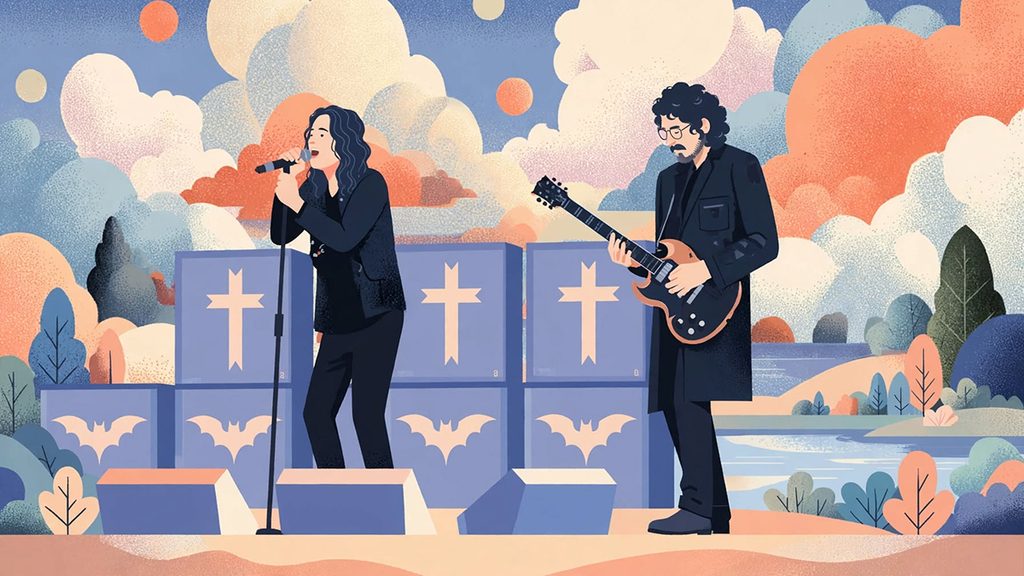
- Headliners: Red Hot Chili Peppers, Black Sabbath, The Black Keys, Jack White
Lollapalooza’s eighth year in Grant Park, August 3–5, brought a headliner class built on comebacks: the Red Hot Chili Peppers returned for a third Lolla headlining stint after 1992 and 2006, and Black Sabbath played what was billed as its only North American date of the year, a booking Perry Farrell had chased for months even after guitarist Tony Iommi’s lymphoma diagnosis put the band’s reunion plans in doubt. All three days sold out, pushing total attendance past 300,000, roughly 30,000 more than the year before, with organizers citing a $120 million economic impact on Chicago. The festival’s defining moment, though, was operational rather than musical. A severe thunderstorm forced a full evacuation of Grant Park on Saturday afternoon, sending an estimated 100,000 people into pre-designated underground parking garages along Michigan Avenue for roughly two and a half hours while acts including Chairlift, Alabama Shakes, and B.o.B. lost their sets entirely. Unlike the improvised scramble during a 2011 rainstorm, this evacuation ran on a plan organizers had built in advance: coordinated messaging with the city, marked shelter locations, and a curfew extension negotiated on the spot so the day’s remaining performances, including Black Sabbath’s headlining set, could still go on. The same weekend, Lollapalooza Brazil held its debut edition in São Paulo, headlined by Foo Fighters and Jane’s Addiction, extending the international expansion started in Chile the year before.
Business lesson takeaway: A large outdoor event’s biggest operational risk often isn’t the lineup, it’s the weather, and 2012 shows the payoff of treating emergency response as part of the product rather than an afterthought. Because Lollapalooza had already built real evacuation infrastructure before the storm hit, a scenario that could have turned into a safety crisis instead became a manageable delay that protected both the audience and the schedule.
Lollapalooza 2013: A Growth Plan Hits a Wall in Tel Aviv
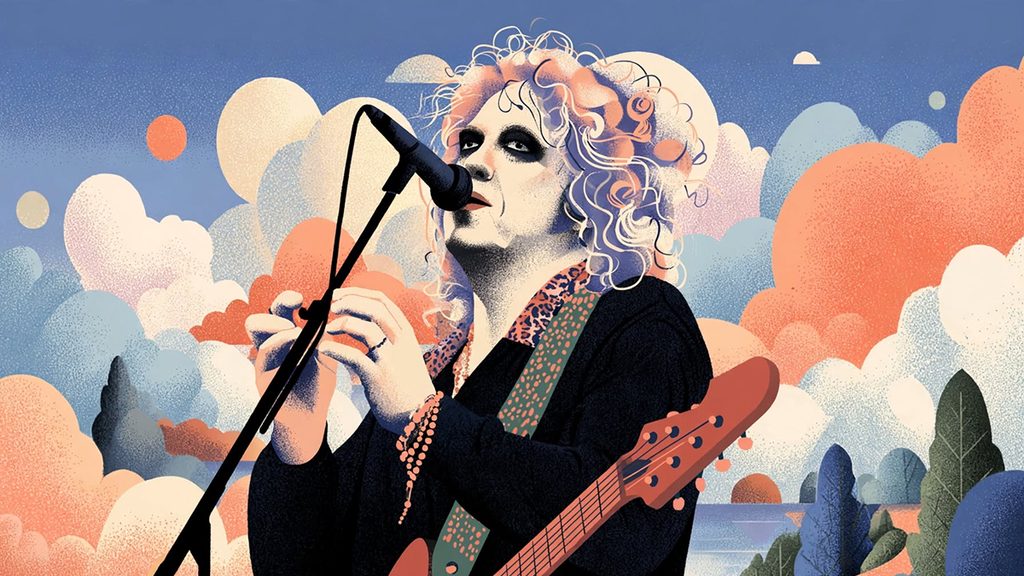
- Headliners: The Cure, Mumford & Sons, The Killers, Nine Inch Nails, Phoenix
Lollapalooza’s ninth year in Chicago, held August 2–4, ran under a fresh 10-year contract signed with the Chicago Park District the previous year, locking the festival into Grant Park through 2022 and capping daily capacity at 100,000, a ceiling higher than any other North American destination festival, including Coachella and Bonnaroo. The Cure made its first-ever Lollapalooza appearance, a booking Perry Farrell had personally chased since meeting frontman Robert Smith in 1997, while Nine Inch Nails returned from a four-year touring hiatus. Demand ran hot even before the full lineup dropped: all 80,000 three-day passes sold out in advance at up to $235 each. The bigger story of the year, though, played out abroad. Having successfully licensed the Lollapalooza format to local partners in Chile and Brazil, organizers announced in August 2012 that they would expand a third time, into Tel Aviv’s Yarkon Park, working with Israeli promoters NMC United and Plug Productions Generator for an August 2013 edition. By January 2013, the plan collapsed. Organizers cited no official reason beyond calling it a “postponement,” but reporting pointed to real difficulty recruiting top-billed international artists willing to play Israel amid the same boycott pressure that had already pulled acts like the Pixies, Gorillaz, and Elvis Costello out of Israeli shows, compounded by financial and production setbacks on the local end.
Business lesson takeaway: The Chile-and-Brazil playbook of licensing the brand to a local partner had worked because those markets were commercially and politically uncomplicated. Israel showed the limits of that strategy: a strong local partner and real audience demand can’t substitute for a market where the talent itself is willing to show up, and geopolitical risk isn’t something a licensing deal can structure around.
Lollapalooza 2014: A Decade Built on Trust
- Headliners: Eminem, Outkast, Kings of Leon, Arctic Monkeys, Skrillex, Calvin Harris
Lollapalooza’s tenth anniversary in Grant Park, held August 1–3, leaned almost entirely on repeat performers: five of the six official headliners had already topped the bill in a previous year, Eminem in 2011, Kings of Leon in 2009, Arctic Monkeys in 2011, Skrillex in 2011 and 2013, and Calvin Harris in 2012, with a reunited Outkast as the only new face at the top. That familiarity didn’t slow demand. Three-day passes sold out in roughly 70 minutes at $250 each, weeks before the lineup was even announced, a sign that fans were now buying the brand itself rather than any specific bill. More than 130 acts filled eight stages, and the festival sold out again at 100,000 fans a day, over 300,000 for the weekend, with 69 percent of attendees traveling from outside Chicago. According to Pollstar’s box office archive, the festival grossed $28.8 million, and the city’s 2013 economic-impact estimate of $139 million was expected to hold or grow. The weekend wasn’t without cost: rain on the final day left Grant Park a muddy mess, and C3 Presents was on the hook for an estimated $266,000 in turf repairs under its 10-year agreement with the Chicago Park District, a deal that also guaranteed the city a minimum $1.5 million annual payment plus a cut of ticket revenue. It was a fraction of the roughly $1 million in damage a 2011 storm had caused, thanks to sturdier turf installed in the years since.
Business lesson takeaway: Selling out in 70 minutes before a single act was confirmed is hard evidence that Lollapalooza’s brand had outgrown its dependence on any one lineup. Once an event reaches that level of trust, the festival itself, not the specific artists booked in a given year, becomes the actual product being sold.
Lollapalooza 2015: Live Nation Takes Control
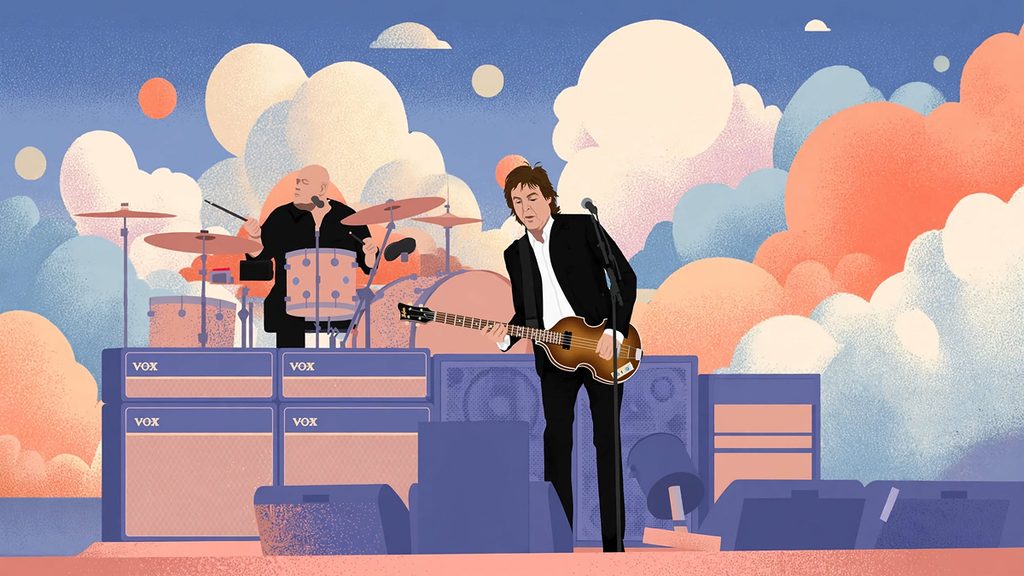
- Headliners: Paul McCartney, Metallica, Florence + The Machine, Sam Smith, Bassnectar
Weeks before the 2015 season began, Live Nation completed its acquisition of a controlling 51 percent stake in C3 Presents, Lollapalooza’s parent promoter, for roughly $125 million, valuing the company at $250 million. C3’s founding partners, Charles Attal, Charlie Jones, and Charlie Walker, stayed on to run the festival day to day, but Lollapalooza now sat inside the portfolio of the world’s largest live-entertainment company, alongside Austin City Limits and Live Nation’s existing festival brands Insomniac and Festival Republic. The Chicago flagship, its 11th year in Grant Park, ran July 31 to August 2 and sold out its three-day passes in under an hour. Paul McCartney made his first-ever Lollapalooza appearance headlining Friday, while Metallica returned for the first time since its divisive, brand-defining 1996 booking, this time to no backlash at all, a sign of how far festival audiences and expectations had shifted in nineteen years. Florence + The Machine, Sam Smith, and Bassnectar rounded out the top of the bill. The international side of the brand kept expanding under its new ownership structure: Lollapalooza Berlin debuted September 12–13 at the former Tempelhof Airport, produced by Live Nation’s own Festival Republic alongside Melt! Booking, drawing more than 60,000 fans despite early hiccups with cashless payment terminals and long credential lines. Combined across Chicago, Chile, Brazil, Argentina, and now Berlin, total attendance across all Lollapalooza editions topped 700,000 for the year.
Business lesson takeaway: Selling a controlling stake to Live Nation gave Lollapalooza the capital and infrastructure to keep expanding into new countries faster than an independent promoter could manage alone. That access came at the cost of independence, folding the brand’s global growth into the incentives and strategy of a single, vertically integrated industry giant that also controls ticketing and venues.
Lollapalooza 2016: A Fourth Day, A Silver Anniversary
- Headliners: J. Cole, Radiohead, Red Hot Chili Peppers, LCD Soundsystem
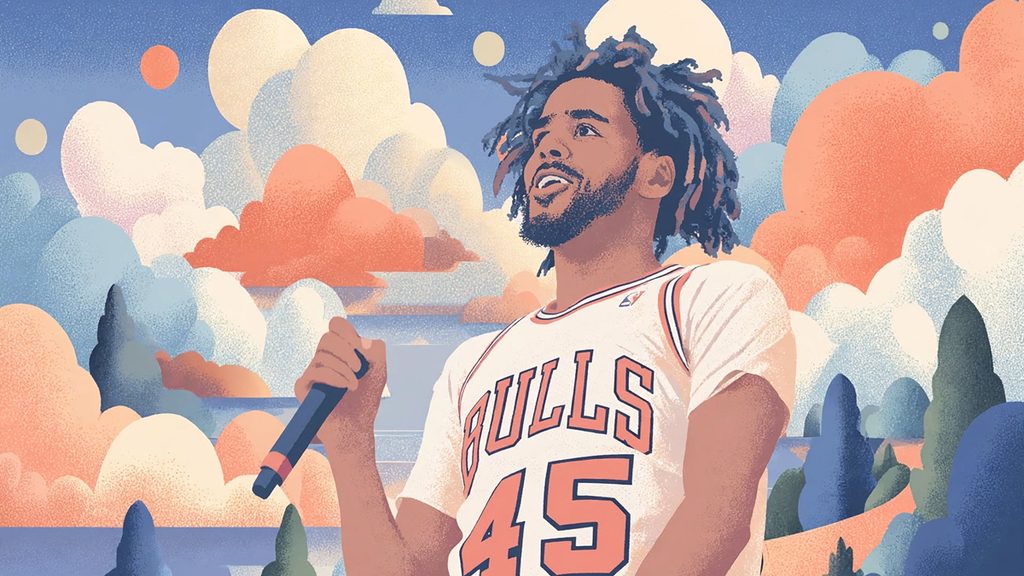
For its 25th anniversary, Lollapalooza did something it hadn’t done in its 11 years in Grant Park: it added a full extra day, expanding from the standard three-day weekend to four days, July 28–31, and growing the bill to more than 170 acts. Each day got its own headliner: J. Cole opened the new Thursday slot, Radiohead returned Friday for the first time since 2008 as part of its first U.S. tour in four years, the Red Hot Chili Peppers played their fourth Lolla headlining stint after 1992, 2006, and 2012, and a newly reunited LCD Soundsystem closed the weekend on the touring leg of its comeback. Jane’s Addiction, the band Perry Farrell built the original 1991 tour around, also played, giving the anniversary a direct link back to the festival’s founding lineup. The pricing on the extra day was notable: a four-day general admission pass ran $335, up from $275 for 2015’s three-day pass, meaning the effective cost per day actually dropped from roughly $92 to about $84 even as total per-attendee spending rose. Passes sold out within an hour of going on sale. Because Lollapalooza’s Chicago Park District contract fixed daily attendance caps in Grant Park, adding a day was the clearest way to grow total ticket revenue without renegotiating that agreement or opening a new venue.
Business lesson takeaway: With daily capacity capped by contract, Lollapalooza grew revenue by extending the calendar instead of raising the price of admission. Pricing the extra day so the average daily cost actually fell made the bigger festival feel like better value to fans, showing that adding volume at a lower marginal price can grow total revenue more effectively than simply charging more for the same footprint.
Lollapalooza 2017: A Hometown Hero Headlines
- Headliners: Muse, Lorde, The Killers, Blink-182, Chance the Rapper, Arcade Fire
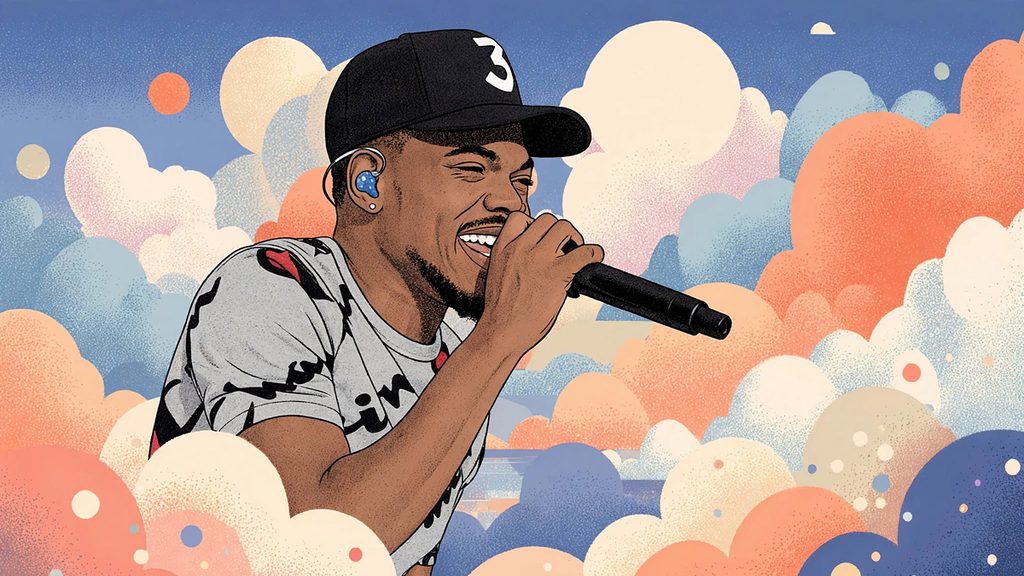
Lollapalooza’s fourth straight four-day run, August 3–6 in Grant Park, split its headline duties by night: Muse and Lorde topped Thursday, the Killers and Blink-182 closed Friday, Chance the Rapper headlined Saturday, and Arcade Fire, in its third Lolla headlining turn since the festival moved to Chicago, closed out Sunday. Chance’s slot was billed as a “hero’s homecoming,” the first time a Chicago-born artist headlined the city’s own festival, capping a rise that started with an unexpectedly massive crowd at his 2013 side-stage debut, a closing set in 2014, and a surprise cameo during Future’s set in 2016. What made the booking notable from a business standpoint was the source of his momentum: Chance earned the top slot off “Coloring Book,” a mixtape distributed exclusively through streaming with no traditional retail release, which still won three Grammys, including Best Rap Album, the first streaming-only project ever to do so. Estimated attendance topped 400,000 across the four days, and four-day passes sold out within hours of going on sale. The weekend hit a rough patch on opening night when severe thunderstorms cut Lorde’s set short and forced an evacuation of Grant Park, though established emergency protocols kept the rest of the schedule largely intact. Some critics also noted the top-line acts, the Killers, Muse, and Arcade Fire, had each already headlined Lollapalooza twice before, a sign the pool of proven top-tier draws was narrowing even as attendance kept growing.
Business lesson takeaway: Booking Chance the Rapper on the strength of a free, streaming-only mixtape rather than any traditional album sale showed organizers recalibrating what qualified an act for headliner status in the streaming era. Cultural momentum and chart recognition, not units sold through retail, had become enough to justify top billing.
Lollapalooza 2018: Genre Shift, Unverified Numbers
- Headliners: The Weeknd, Bruno Mars, Jack White, Arctic Monkeys
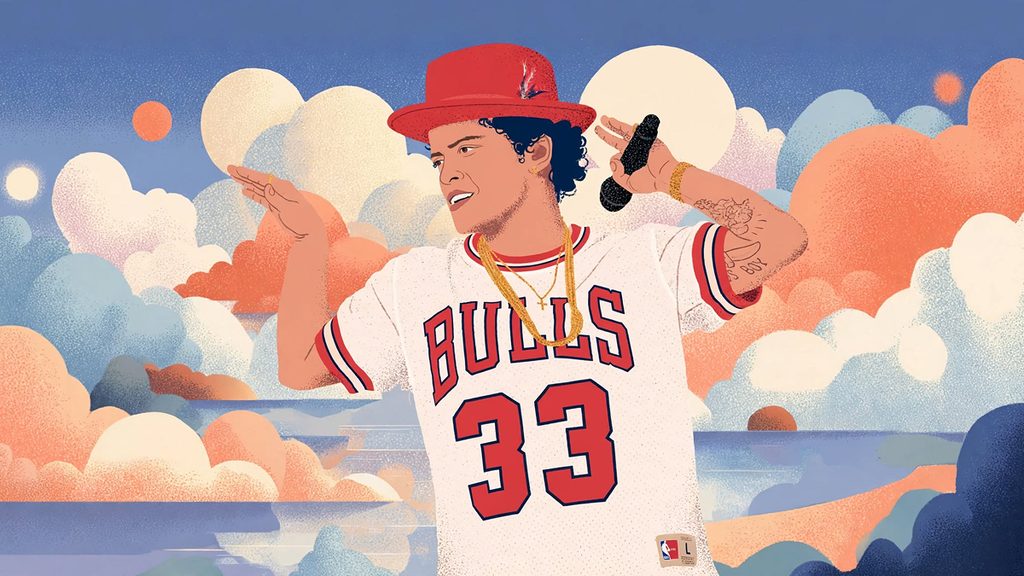
Lollapalooza’s fourth straight four-day run, August 2–5 in Grant Park, drew more than 180 acts across eight stages, with Bruno Mars’ set carrying real exclusivity value: Lollapalooza was the only North American festival on his 2018 touring schedule. The lineup leaned harder into hip-hop and R&B than any prior year, featuring Travis Scott, Logic, Lil Uzi Vert, Tyler, the Creator, LL Cool J, and Gucci Mane, while rock’s presence thinned to essentially Jack White, Arctic Monkeys, and rising newcomers Greta Van Fleet, a genre balance that tracked hip-hop’s overtaking of rock as music’s dominant commercial force by the late 2010s. Four-day passes ranged from $335 for general admission up to $4,200 for platinum packages, and the festival again drew an estimated 400,000 attendees. The Chicago Park District disclosed it had received nearly $6 million from C3 Presents that year for use of Grant Park, well above the $1.5 million minimum guaranteed under the festival’s original 10-year city contract, evidence of how much the revenue-sharing formula had grown alongside ticket sales. But longtime Chicago music critic Jim DeRogatis raised a pointed question that summer: after 13 years of the festival citing steadily climbing economic-impact figures, largely produced through studies the festival itself commissioned via AngelouEconomics, no independent third party had ever audited what Lollapalooza actually contributed to the city’s economy.
Business lesson takeaway: A figure produced and published by the same party who benefits from it being impressive is marketing dressed as measurement, not independent proof. Self-reported economic-impact numbers deserve real scrutiny before being treated as objective fact, no matter how many consecutive years the same growth story gets repeated.
Lollapalooza 2019: A First for Latin Music
- Headliners: Ariana Grande, Childish Gambino, Twenty One Pilots, The Strokes, Tame Impala, J Balvin, Flume, The Chainsmokers
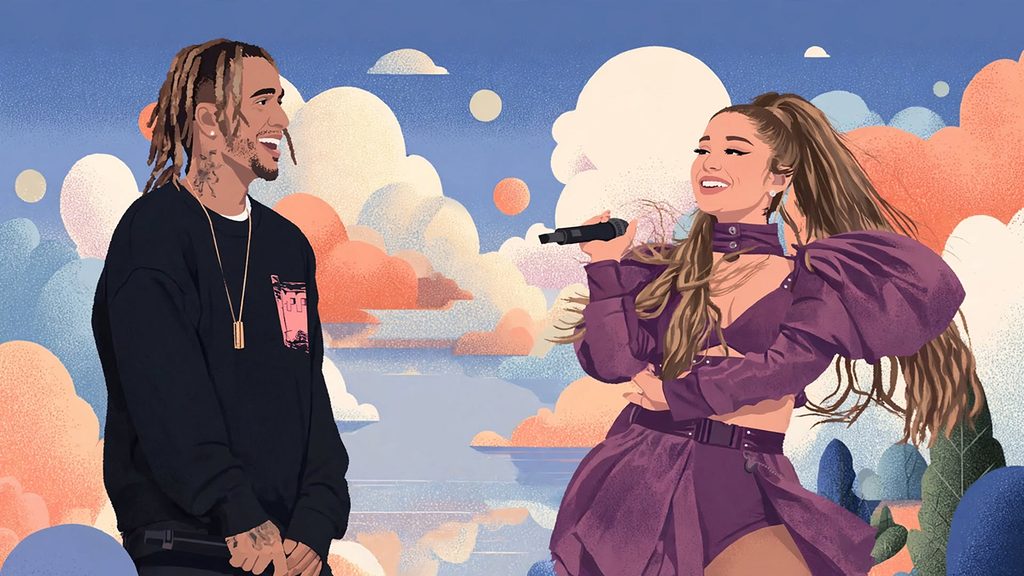
Lollapalooza’s 28th year, held August 1–4 in Grant Park, closed with Ariana Grande headlining Sunday night to one of the weekend’s largest crowds, debuting her new single “Boyfriend” live. The bigger milestone came a night earlier: J Balvin’s Saturday closing set made him the first Latin artist ever to headline Lollapalooza in the festival’s history, a booking Billboard called a genuine turning point for Spanish-language music at major U.S. festivals. Balvin brought out reggaeton veterans Wisin y Yandel for a run through their 2005 hit “Rakata,” dedicated the set to “Latinos and dreamers,” and closed with fireworks during “Mi Gente,” telling the crowd it had taken 28 years to get a Latino artist on that stage. He’d earned the slot largely on streaming strength, having ranked among the most-streamed artists globally on Spotify that year despite performing almost entirely in Spanish and having no crossover English radio hit. More than 170 acts played across eight stages, with four-day general admission passes priced at $340 and VIP or platinum packages running as high as $4,400. The Chicago Park District again collected roughly $6 million from C3 Presents for use of the park, confirming the prior year’s jump in revenue-sharing wasn’t a one-off. Sustainability efforts, formalized the year before with reusable water stations and waste-diversion programs, continued to expand as a stated part of festival operations rather than a side initiative.
Business lesson takeaway: Booking J Balvin over artists with far bigger English-language chart presence showed organizers trusting streaming numbers as a truer read of an artist’s actual audience than radio play or awards-show recognition. Data on where fans were actually listening identified real demand before the traditional gatekeepers caught up to it.
Lollapalooza 2020: The Year It Went Virtual
- Headliners: None — the physical festival was canceled; the replacement broadcast featured archival full sets from Paul McCartney, LCD Soundsystem, Chance the Rapper, Outkast, and Arcade Fire
Lollapalooza’s 15th planned year in Grant Park never happened. In June 2020, organizers canceled the July 30–August 2 festival outright due to the COVID-19 pandemic, joining other canceled Chicago summer events like Taste of Chicago, and acknowledging on the festival’s website that packing 100,000 people a day into a public park wasn’t compatible with public health guidance at the time. In its place, C3 Presents and Live Nation built Lolla2020, a free four-night broadcast on the festival’s original dates, streamed on Lolla.com and YouTube. Rather than commission a full slate of new content, organizers mixed complete archival headlining sets, McCartney from 2016, LCD Soundsystem from 2016, Chance the Rapper from 2017, Outkast from 2014, and Arcade Fire from 2010, with newly recorded performances from artists including H.E.R., Kali Uchis, Kaskade, Alison Wonderland, and Yungblud. Perry Farrell hosted conversations with figures like Metallica’s Lars Ulrich and Public Enemy’s Chuck D and led a David Bowie tribute, while Chicago Mayor Lori Lightfoot made an appearance. The broadcast promoted donations to the Arts for Illinois Relief Fund, the Equal Justice Initiative, and Michelle Obama’s When We All Vote initiative, tying the event directly to that summer’s pandemic relief efforts and national conversation on racial justice. No tickets were sold, and the event generated no direct festival revenue.
Business lesson takeaway: When the core product, a physical gathering, becomes impossible to deliver, staying visible to your audience at low cost protects a brand more than going dark entirely. Lolla2020 cost little to produce by leaning on existing archival footage, but it kept Lollapalooza’s name and community active through a lost year, setting up a smoother, full-capacity return in 2021 rather than a cold restart.
Lollapalooza 2021: The Industry’s Return Test Case
- Headliners: Miley Cyrus, Tyler, the Creator, Post Malone, Foo Fighters
Lollapalooza returned to Grant Park July 29 to August 1 at full pre-pandemic capacity, its first live edition since 2019, drawing an estimated 385,000 fans across four days. Entry required proof of full vaccination or a negative COVID-19 test within 72 hours, a policy organizers said roughly 90 percent of attendees met, with about 600 people turned away for lacking documentation. Enforcement was inconsistent in practice: multiple reports described gate staff giving vaccine cards only a quick glance, few attendees wore masks despite a statewide “universal masking” recommendation issued the Friday before the festival, and organizers scrambled to add an indoor-mask requirement mid-event in response. The timing raised real stakes, since Chicago’s daily COVID case rate was roughly five times higher than a month earlier as the Delta variant spread, and public-health experts publicly questioned whether packing hundreds of thousands of people into Grant Park for four days was wise at all. Two weeks later, Chicago Public Health Commissioner Dr. Allison Arwady reported 203 confirmed cases tied to attendees, 127 of them vaccinated and 76 unvaccinated, a rate she said showed “no evidence of a superspreader event” relative to the size of the crowd, and noted the low rate among vaccinated attendees, about 4 in 10,000, supported the value of the entry requirement. The outcome was closely watched across the concert industry as a live test of whether large festivals could safely return that summer.
Business lesson takeaway: Requiring proof of vaccination or a negative test, even with imperfect enforcement, gave Lollapalooza and city health officials a defensible policy to point to once the numbers came in. That buffer was likely the difference between a manageable public-health outcome and one that could have set back festival reopening nationwide, showing that a visible, if imperfect, safety policy can matter more than getting the enforcement exactly right.
Lollapalooza 2022: A New Decade Locked In
- Headliners: Metallica, Dua Lipa, J. Cole, Green Day, J-Hope, Machine Gun Kelly, Lil Baby, Kygo
Lollapalooza’s 2022 run, July 28–31 in Grant Park, put more than 170 acts across nine stages, but the year’s defining moment came from a cancellation. Doja Cat, originally announced as a headliner, withdrew in late May after tonsil surgery, and organizers replaced her with J-Hope of BTS, who closed the festival on Sunday night as the first South Korean artist ever to headline a main stage at a major U.S. music festival. His set also streamed live on the K-pop platform Weverse to a reported 14.9 million viewers, a scale of remote audience no prior Lollapalooza headliner had reached, and the K-pop group Tomorrow X Together made its North American festival debut the day before, the first K-pop act to play Lolla at all. On the festival’s final night, Chicago Mayor Lori Lightfoot joined Perry Farrell onstage to announce a new 10-year agreement extending Lollapalooza’s residency in Grant Park through 2032, with an option for a further five years, projecting $4 billion in economic impact over that span. AngelouEconomics’ annual study, now in its twelfth year measuring the festival on C3 Presents’ behalf, put 2022’s direct economic impact at $335.4 million and the cumulative total since 2010 above $2 billion. Daily attendance held near 100,000, and the weekend recorded just 15 arrests.
Business lesson takeaway: Swapping a canceled pop headliner for a K-pop star wasn’t a downgrade, it opened access to an entirely new, digitally engaged global fanbase that on-site attendance figures never would have captured. A well-chosen last-minute substitution can expand who a festival reaches, not just fill the hole left behind.
Lollapalooza 2023: The City Renegotiates Its Cut
- Headliners: Billie Eilish, Karol G, Kendrick Lamar, The 1975, Odesza, Tomorrow X Together, Red Hot Chili Peppers, Lana Del Rey
Lollapalooza’s 2023 run, August 3–6 in Grant Park, split headline duties across each night: Billie Eilish and Karol G on Thursday, Kendrick Lamar and The 1975 on Friday, Odesza and Tomorrow X Together on Saturday, and the Red Hot Chili Peppers and Lana Del Rey closing Sunday, with more than 170 acts across nine stages. The bigger story was contractual. This was the first year under a renegotiated Chicago Park District agreement that let C3 Presents sell tickets to 15,000 additional attendees per day, pushing the festival’s effective daily capacity above the roughly 100,000 cap that had held since the mid-2000s. The new contract also broadened what the city was entitled to: rather than taking a cut of just ticket, food, and beverage sales as in prior agreements, the Park District’s share now extended to merchandise sales, third-party licensing, and streaming revenue on a sliding scale tied to total festival income. The result was a record $9.6 million payment to the Park District for the year, nearly $2 million above the previous high of $7.79 million. Rain turned parts of Grant Park to mud over the weekend, but conditions cleared enough for both of Sunday’s headliners to perform as scheduled, and Chicago’s tourism office estimated the festival’s economic benefit at roughly $335 million, with organizers expecting that figure to climb given the expanded capacity.
Business lesson takeaway: Extending the city’s revenue share to cover merchandise, licensing, and streaming, not just tickets and concessions, recognized how much of a modern festival’s income now comes from sources outside the gate. Renegotiating an aging contract to capture those newer revenue streams let the city’s take grow in line with how the festival actually makes money today, rather than staying locked to a formula built around an older business model.
Lollapalooza 2024: An Undercard Act Steals the Day
- Headliners: SZA, Tyler, the Creator, Blink-182, The Killers, Future x Metro Boomin, Hozier, Stray Kids, Melanie Martinez, Skrillex
Lollapalooza marked its 20th year in Chicago with a run from August 1–4, more than 170 acts across eight stages, and a daily capacity officially raised to 115,000 under the festival’s newest contract with the city, up from the long-standing 100,000 ceiling. Stray Kids’ headlining set made 2024 the second consecutive year a K-pop act topped the bill, following Tomorrow X Together in 2023, a sign the booking had become a fixture rather than a one-off experiment, while Skrillex returned to headline for the first time in a decade. The clearest measure of the festival’s real pull that year, though, came from mobile-location data rather than the ticket office. According to an analysis by Placer.ai, visits to Grant Park spiked 1,313 percent above the park’s year-to-date daily average on August 1, the day pop singer Chappell Roan played, despite her not being one of the festival’s announced headliners; her single “Good Luck, Babe!” and rapid rise that year had turned her into the weekend’s single biggest draw. Financially, organizers reported the festival generated $440 million in economic impact for Chicago, including a record $10 million rent payment to the city and roughly $7 million in amusement tax revenue, pushing the cumulative impact since 2010 past $3.2 billion. Arrests fell to nine for the weekend, the lowest total on record even with the larger crowd.
Business lesson takeaway: A lineup locked in months ahead of showtime can’t fully account for who explodes in popularity in the meantime, and Chappell Roan’s crowd outpacing several official headliners proves the point. The real demand curve for a festival gets rewritten by the culture between booking and showtime, and the organizers who stay alert to that shift capture value the printed poster never promised.
Lollapalooza 2025: Genre Firsts Keep Piling Up
- Headliners: Olivia Rodrigo, Sabrina Carpenter, Tyler, the Creator, Luke Combs, A$AP Rocky, Korn, Rüfüs Du Sol, TWICE, Gracie Abrams, Doechii
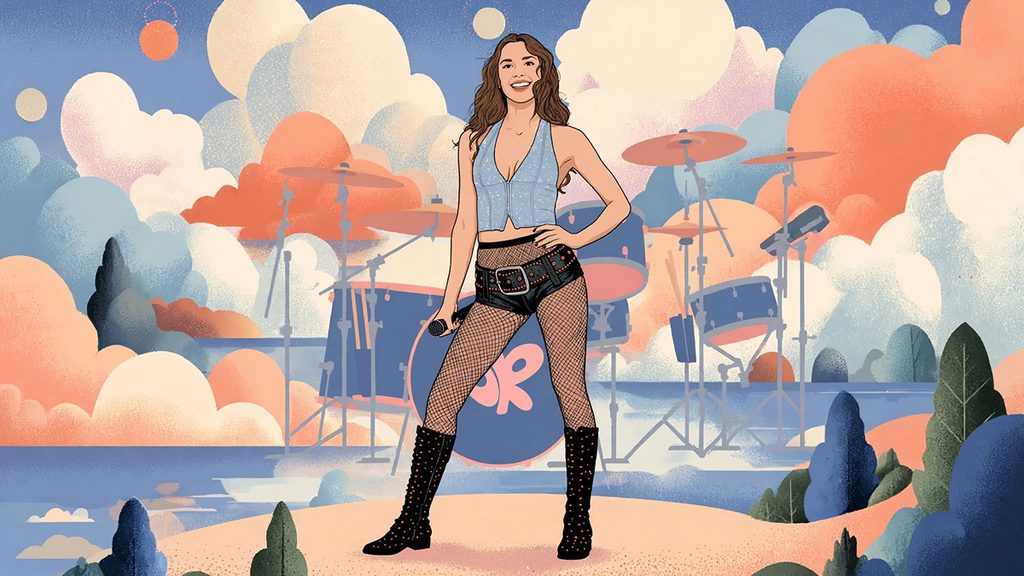
Lollapalooza’s 2025 run, July 31 to August 3 in Grant Park, kept daily capacity at 115,000 under the festival’s 10-year city contract and packed more than 170 acts onto eight stages. The lineup notched two genre milestones in a single year: Luke Combs became the first country artist ever to close the festival, a genre that had barely registered on Lollapalooza’s bill through most of its history, and TWICE became the first female K-pop group to headline, extending K-pop’s run at the top of the poster to a fourth consecutive year after J-Hope in 2022, Tomorrow X Together in 2023, and Stray Kids in 2024. That streak turned what started as a one-off replacement booking into a standing part of how the festival programs its top slots. Korn’s headlining set closed a nearly three-decade loop, returning to the top of the bill for the first time since its rocky 1997 appearance, when the band had to drop off that tour mid-run due to illness. Doechii, fresh off her Best Rap Album Grammy win, and Sabrina Carpenter, returning as a headliner just two years after her Lolla debut, joined Olivia Rodrigo’s first-ever festival appearance on a bill press coverage repeatedly flagged for its strong female presence. Total attendance held near 460,000 across the four days, with only 12 arrests and 42 ambulance transports, among the cleanest safety records in the festival’s Chicago era. The most recent independently reported economic figure, from 2024, put the festival’s benefit to Chicago at $440 million, with 2025’s tally expected to land in a similar range.
Business lesson takeaway: Booking a K-pop headliner four years running, then adding country’s first-ever closer, shows organizers treating genre expansion as a sustained programming strategy rather than isolated bookings. Repeating a genre bet across multiple years builds audience trust that the format will keep growing, a more durable driver of long-term demand than chasing whichever single act is biggest in any one year.
Lollapalooza 2026: A $29,000 Ticket Tier Debuts
- Headliners: Charli XCX, Tate McRae, Lorde, Olivia Dean, John Summit, Jennie, The Smashing Pumpkins, The xx
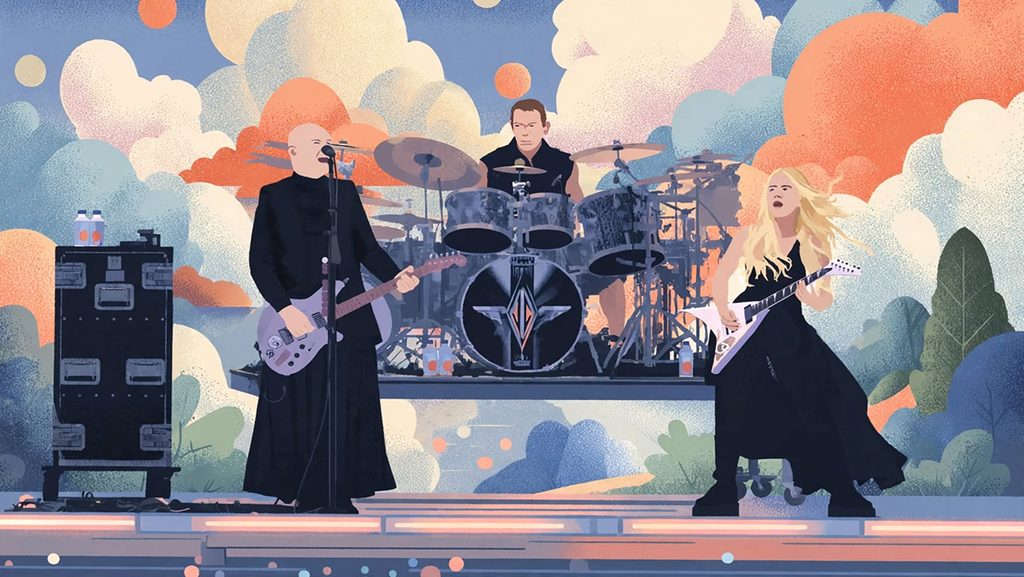
Lollapalooza’s 2026 run, July 30 to August 2 in Grant Park, put more than 170 acts across eight stages, with two headliner storylines carrying real historical weight. The Smashing Pumpkins closed a 32-year loop: the Chicago band was thrust into Lollapalooza’s headline slot on almost no notice in 1994 after Kurt Cobain’s death, a promotion frontman Billy Corgan later admitted he wasn’t ready for, and returned in 2026 to headline its hometown festival on its own terms. Jennie of BLACKPINK made 2026 the fifth consecutive year a K-pop artist topped the bill, following J-Hope in 2022, Tomorrow X Together in 2023, Stray Kids in 2024, and TWICE in 2025, turning what started as a last-minute 2022 replacement booking into a permanent fixture of the festival’s top-line programming. The bigger business story sat in the ticket tiers. Organizers introduced a new top-end package called Lolla Insider, priced at $29,000 for the four-day run and including side-stage viewing, a dedicated concierge, and private golf cart transportation, alongside a new Northside Suites area offering a private, air-conditioned rooftop deck for up to 15 guests a day. That sat well above the existing Platinum tier, itself starting at $4,650, while standard four-day general admission opened at $399. All four-day passes sold out ahead of the event, though single-day tickets remained available. A rain-soaked Saturday delayed the day’s start and left large sections of Grant Park muddy, requiring extended cleanup through the Monday after the festival closed.
Business lesson takeaway: Adding a ticket tier priced at more than six times the previous top offering shows organizers treating their audience as several distinct markets rather than one undifferentiated crowd. Layering an ultra-premium experience on top of an already-tiered structure lets a festival extract significantly more revenue from a small slice of attendees without touching the price of entry for the mass market still getting in at $399.
Lollapalooza Is A Core Piece of Contemporary Chicago Music Culture
Across 35 years, Lollapalooza’s real achievement isn’t any single lineup, it’s the brand’s ability to reinvent its own business model every time the previous one stopped working. What began as a touring package built around one founder’s farewell tour collapsed twice, in 1997 and again in 1998, before organizers abandoned touring altogether and rebuilt the festival as a fixed, repeatable destination event. That decision turned Lollapalooza into a long-term civic asset rather than a yearly gamble, backed by decade-long city contracts, a formal revenue-sharing structure with Chicago, and an economic footprint now measured in the billions. Its expansion into licensed international editions proved the format itself, not any one artist or genre, was the actual product being sold. What survived every lineup swap, cancellation, and corporate acquisition was the same core identity: a brand willing to bet on cultural change before the industry caught up to it, and durable enough to keep being right.