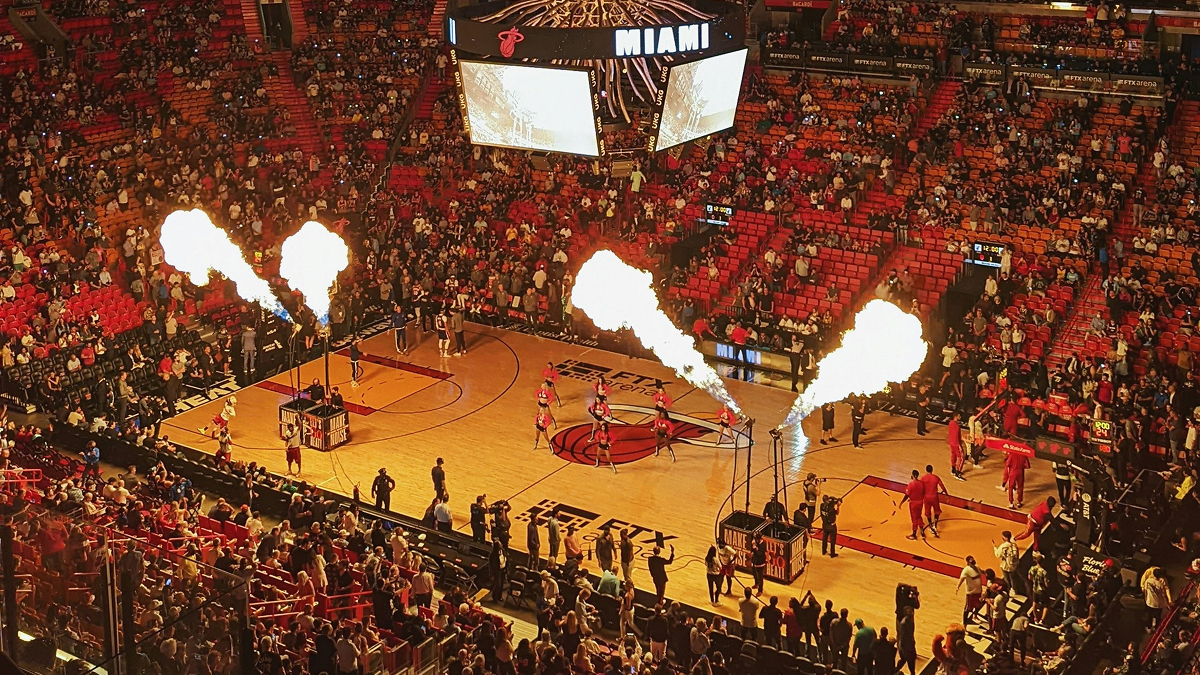
The NBA has never sold more tickets than it is selling today. The league closed out the 2025–26 regular season with total attendance north of 22 million fans for the third time in NBA history, arenas filling to roughly 97% capacity, and 11 different teams selling out every single home game. It’s a remarkable run for a league that, not so long ago, was still fighting to fill lower bowls in some markets during rebuilding years.
But which NBA team sells the most tickets on average? It is a trickier question than it looks and not just about the number of tickets sold.
As you’ll discover, a team playing in a massive arena can out-draw a smaller-market sellout machine on paper while still leaving thousands of seats empty. Alternatively, a franchise with a modest-capacity building can post a flawless 100% fill rate without ever cracking the league’s top ten in total fans through the door. Star power, market size, arena age, and a city’s appetite for a night out all pull in different directions.
Using 2025–26 attendance data, we ranked all 30 NBA franchises from the bottom of the gate to the very top, digging into what’s actually driving the numbers at each stop, whether that’s a new arena, a superstar-fueled surge in demand, a decades-deep season-ticket waitlist, or a rebuild that’s testing even the most loyal fan bases.
Here’s which NBA team truly sells the most tickets on average, and why the answer says as much about market economics as it does about what’s happening on the court.
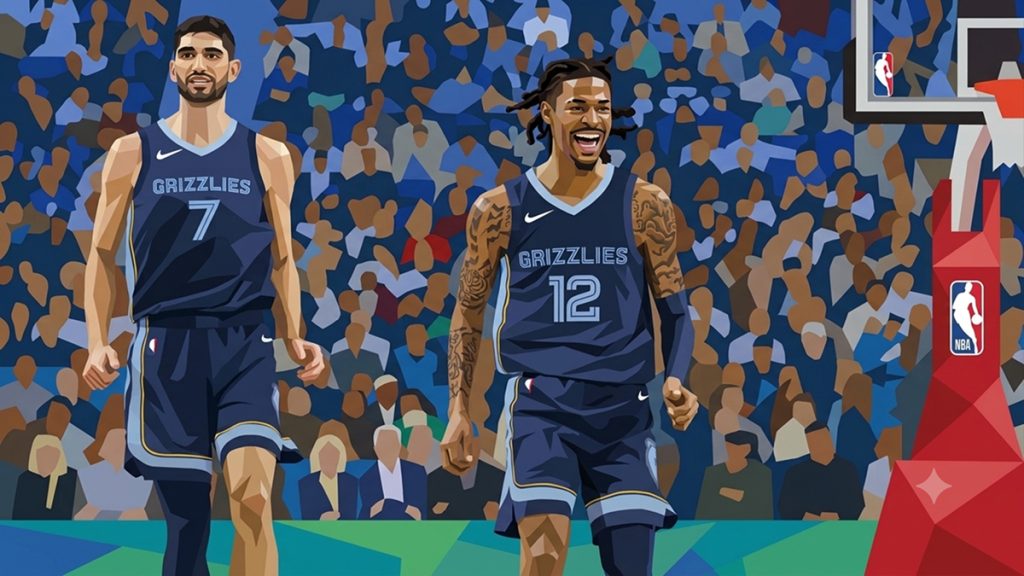
30. Memphis Grizzlies: A Rebuilding Roster Tests One of the NBA’s Most Loyal Fan Bases
- Average attendance per game (2025–26): 15,415
- Estimated total attendance for the regular season: 632,000 fans
The Memphis Grizzlies close out the 2025–26 season at the bottom of the NBA’s attendance table, and the story behind that ranking is almost entirely about timing and turmoil rather than a fanbase that’s given up. FedExForum seats 18,119 for basketball, yet the Grizzlies averaged just 15,415 fans a night, good for roughly 85% capacity, as a 25-57 season under first-year full-time head coach Tuomas Iisalo made for a tough sell on Beale Street. Iisalo took over on an interim basis during a chaotic 2024–25 campaign that saw Taylor Jenkins fired mid-season, and while the front office made his job permanent last May, the on-court product never found its footing, leaving Memphis 13th in the Western Conference. The Grizzlies’ ticket base still leans on a genuinely devoted core built during the “Grit and Grind” and Ja Morant-fueled playoff years, but a fanbase conditioned to postseason basketball has grown visibly more selective about which nights it shows up for during a full-scale rebuild. Single-game pricing remains modest by league standards, keeping the secondary market accessible rather than red-hot, with the sharpest spikes reserved for marquee visitors and Morant’s return dates rather than the routine midweek slate. For a franchise that’s proven it can pack FedExForum when the roster is right, the current numbers read less like fading interest and more like a city waiting to see whether the next contending window is worth clearing the calendar for.
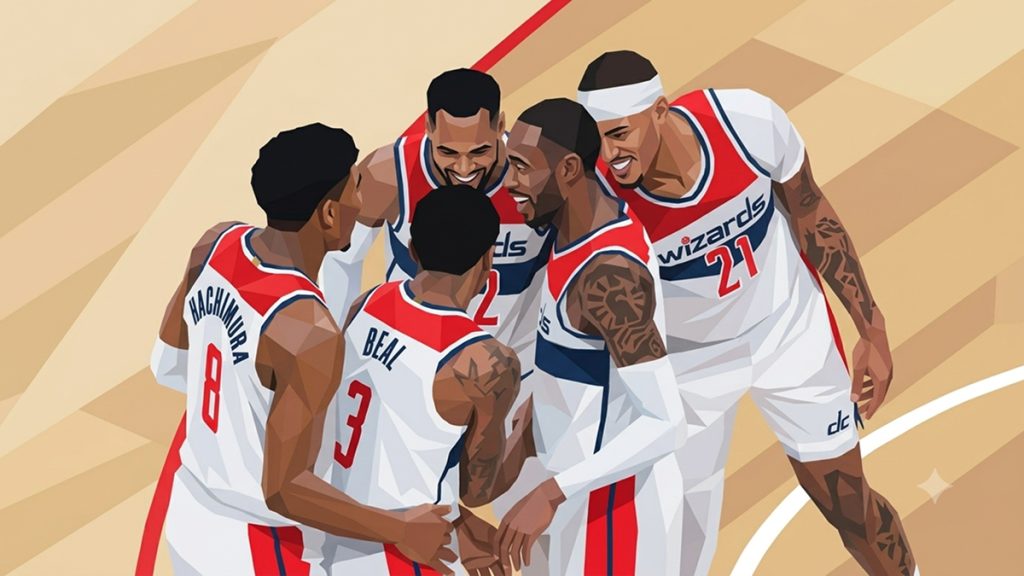
29. Washington Wizards: A Historically Bad Season Meets a Half-Empty Capital One Arena
- Average attendance per game (2025–26): 16,107
- Estimated total attendance for the regular season: 660,376 fans
The Washington Wizards posted the NBA’s worst record in 2025–26 at 17-65, finishing dead last in the league in net rating, and the box office told a matching story at Capital One Arena, where a 20,356-seat building averaged just 16,107 fans a night, leaving nearly a fifth of the seats empty on a typical evening. Head coach Brian Keefe’s third full season in charge produced the franchise’s second-worst record in a stretch of consecutive rebuilding years, and a fanbase that’s now watched three straight campaigns land at or near the bottom of the standings has grown understandably reluctant to buy in on a game-to-game basis. The front office did try to inject some midseason intrigue, flipping CJ McCollum and Corey Kispert to Atlanta for Trae Young in January, a swap that gave D.C. crowds a bona fide star to watch down the stretch even as the losses kept mounting. Single-game pricing at Capital One Arena remains among the more accessible in the league, and the secondary market stays largely quiet outside of nights featuring marquee visitors like the Lakers or Warriors. The one silver lining Wizards fans can hold onto is the one that always comes with a season this bad: Washington’s 17-65 finish earned the franchise the No. 1 pick in the 2026 NBA Draft, and a decades-long history of Capital One Arena filling up fast whenever the roster looks like a legitimate reason to show up again.
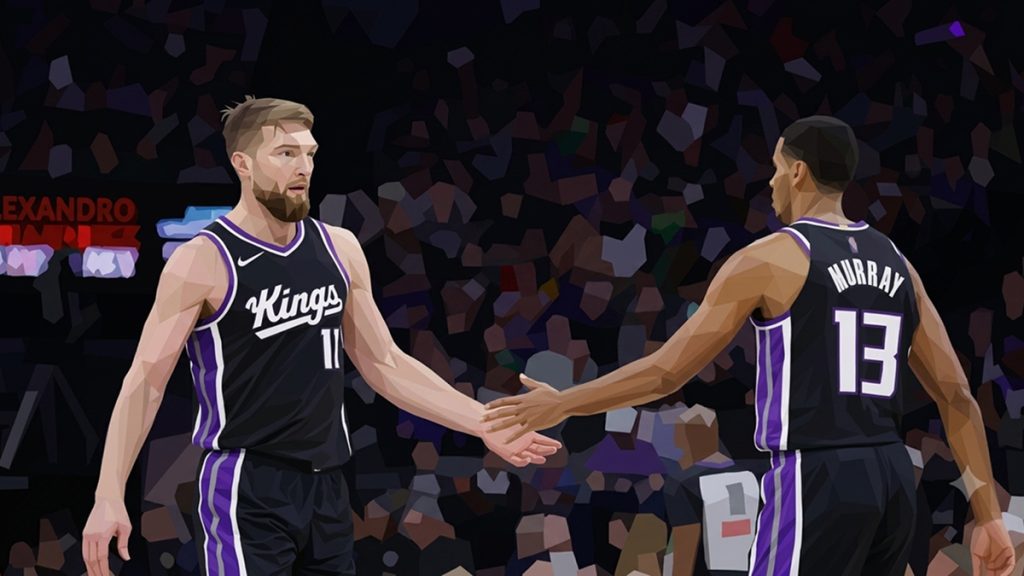
28. Sacramento Kings: A Small Building Stays Nearly Full Through a Fox-less Rebuild
- Average attendance per game (2025–26): 16,140
- Estimated total attendance for the regular season: 661,735 fans
The Sacramento Kings finished 2025–26 with a rough 22-60 record in first-year head coach Doug Christie’s debut season at the helm, yet Golden 1 Center still ran at a healthy clip relative to its size, with the Kings averaging 16,140 fans a night in a building that seats around 17,600, good for roughly 92% capacity even in a full-scale down year. That resilience says as much about the arena as it does about the fanbase: Golden 1 Center is one of the smallest venues in the league by raw seat count, so Sacramento’s modest ranking here reflects a building that’s structurally capped rather than one that’s struggling to draw a crowd. The roster itself is still finding its identity after the franchise moved on from longtime franchise cornerstone De’Aaron Fox, with Zach LaVine and holdovers Domantas Sabonis and DeMar DeRozan leading a group that’s clearly in transition following Mike Brown’s midseason firing the year prior. Sacramento’s ticket base has long been described as one of the NBA’s more civic-minded, dating back to the “Here We Stay” ownership fight that kept the franchise in California, and that loyalty has kept the building close to capacity even through a stretch without a single playoff appearance in nearly two decades. Single-game pricing stays reasonable outside of marquee Warriors and Lakers visits, and the secondary market remains modest, reflecting a fanbase that shows up out of habit and civic pride more than any expectation of contention this season.
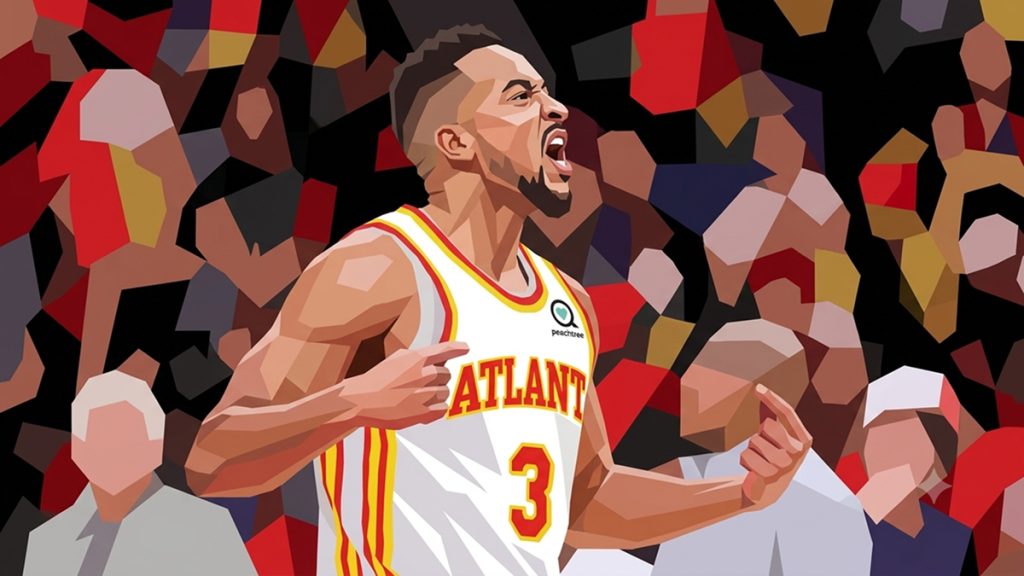
27. Atlanta Hawks: Trading the Franchise Face Mid-Season Couldn’t Derail a Playoff Run
- Average attendance per game (2025–26): 16,357
- Estimated total attendance for the regular season: 670,581 fans
The Atlanta Hawks had one of the stranger seasons in recent NBA memory, shipping longtime franchise face Trae Young to Washington on January 9, 2026, in a deal for CJ McCollum and Corey Kispert, and somehow still finishing 46-36 and pushing into the playoffs before falling to the Knicks in the first round. State Farm Arena, which seats right around 17,000 for basketball after its 2018 renovation, averaged 16,357 fans a night under fifth-year head coach Quin Snyder, a number that reflects a fanbase still adjusting to life without the player who’d defined the franchise for the better part of a decade. Young’s departure wasn’t sudden; Atlanta had opened the season with real expectations after adding Kristaps Porzingis, Luke Kennard, and Nickeil Alexander-Walker, but a 15-19 start and a lingering quad injury made him expendable in a locker room that was quietly finding success without him on the floor. That success crystallized around Jalen Johnson, who earned his first All-Star selection in February and became the new face fans came out to see. State Farm Arena’s downtown location and its history of postseason atmosphere, including one of the loudest arenas in the league during Atlanta’s 2021 conference finals run, keeps single-game demand steady even through a transitional year, and Young’s first return trip to Atlanta as a visitor turned into one of the season’s hottest tickets on the secondary market. For a team that traded away its biggest draw and still made the playoffs, Atlanta’s attendance held up better than the headlines might have suggested.
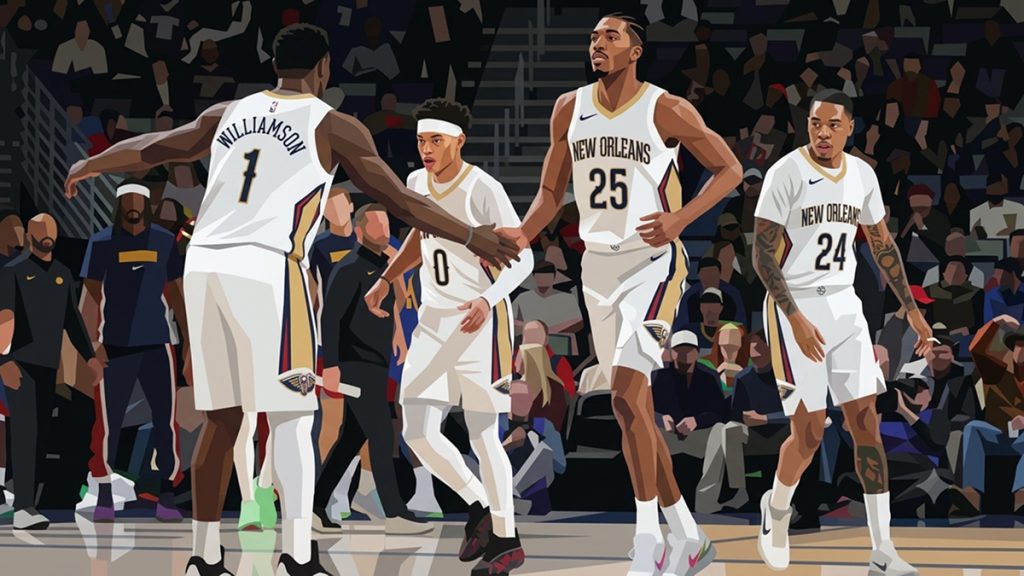
26. New Orleans Pelicans: A Coaching Change and a League-Smallest Arena Keep the Bowl Nearly Full
- Average attendance per game (2025–26): 16,476
- Estimated total attendance for the regular season: 675,507 fans
The New Orleans Pelicans stumbled to a 26-56 record in 2025–26, firing head coach Willie Green after just 12 games and handing the reins to interim James Borrego for the rest of the season, yet Smoothie King Center still ran close to full most nights. The arena’s regular-season basketball capacity of 16,867 is among the smallest in the NBA, so New Orleans’s average of 16,476 fans a night actually translates to a fill rate north of 97%, a figure that flatters the raw ranking here far more than the win-loss record would suggest. Health, more than talent, was the season’s defining storyline: Zion Williamson, the franchise’s oft-injured former No. 1 pick, notably improved his availability and turned in five 30-point games as a two-time All-Star trying to prove he could stay on the floor for a full year, giving fans a genuine reason to keep buying in even as the losses piled up. New Orleans’s ticket base has always been shaped by the city’s broader entertainment culture, where the Pelicans compete for attention with Saints football, Mardi Gras season, and a robust live-music and hospitality scene, and that competition keeps single-game pricing accessible rather than scarce. The Smoothie King Center’s compact footprint means even a rebuilding, coaching-change-plagued season can post a near-capacity number, a reminder that in New Orleans, the ceiling on attendance has always been about the size of the building as much as the size of the crowd’s appetite.
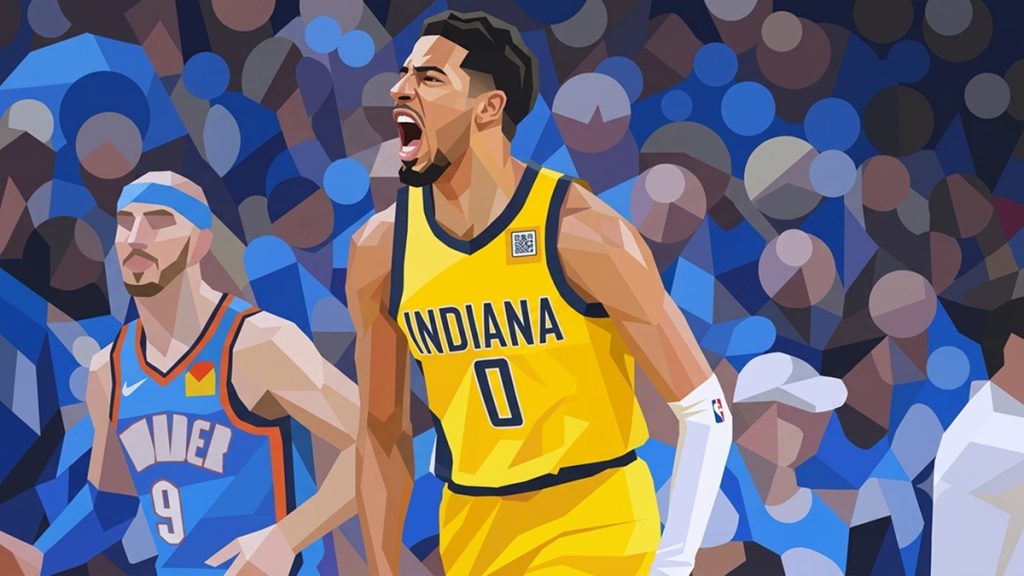
25. Indiana Pacers: A Finals Hangover Without Its Franchise Star, But the Building Still Nearly Full
- Average attendance per game (2025–26): 16,641
- Estimated total attendance for the regular season: 682,287 fans
A year removed from their first NBA Finals appearance in 25 years, the Indiana Pacers endured the toughest possible follow-up, finishing 2025–26 at 19-63, the worst record in franchise history, after star point guard Tyrese Haliburton went down with a torn Achilles just seven minutes into Game 7 of the Finals and missed the entire season recovering. Despite that gutting turnaround, Gainbridge Fieldhouse held up remarkably well at the gate, averaging 16,641 fans a night in a building that seats 17,274, a fill rate above 96% that speaks to just how deeply the Finals run reshaped the fanbase’s relationship with the team. Coach Rick Carlisle’s roster, already thin without Haliburton, was further ravaged by a wave of additional injuries that pushed Indiana to a 2-16 start before a modest recovery, and the front office ultimately looked ahead by acquiring center Ivica Zubac at the trade deadline to build toward a healthier 2026–27. Fans who packed the building for a genuine title contender the previous spring largely stuck around, treating the season less as a reason to stay home and more as an extension of the goodwill Indiana had built during that unexpected Finals run, with Haliburton himself thanking the crowd from the court on the season’s final night for showing up through a difficult year. Single-game demand cooled from its 2025 postseason highs but never collapsed, and the secondary market is already pricing in real anticipation for Haliburton’s healthy return, setting up Gainbridge Fieldhouse for a sharp rebound the moment the roster is whole again.
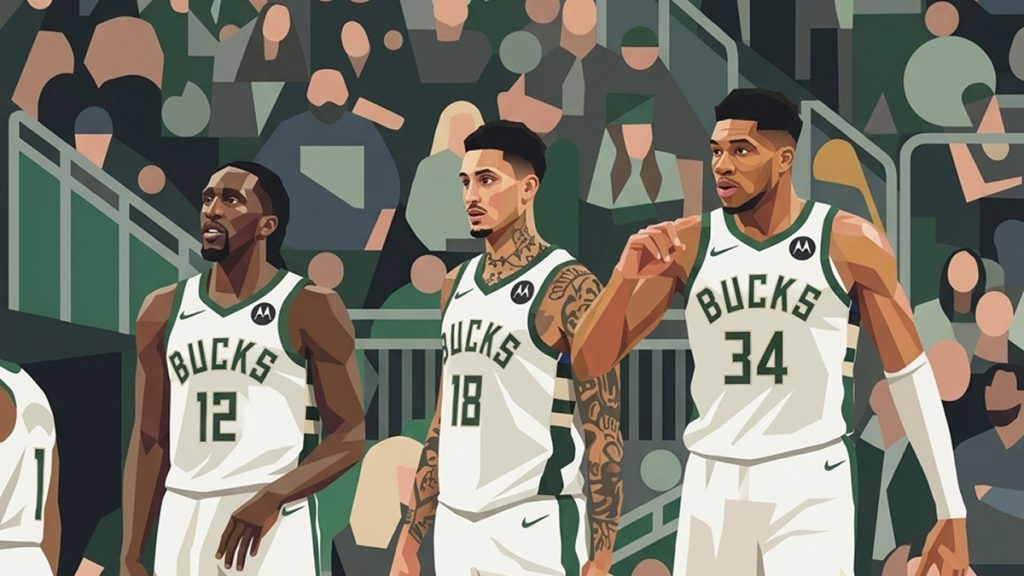
24. Milwaukee Bucks: Life After Dame Still Draws a Nearly-Full Deer District
- Average attendance per game (2025–26): 16,651
- Estimated total attendance for the regular season: 682,644 fans
The Milwaukee Bucks entered 2025–26 forced into an abrupt reset, waiving Damian Lillard over the summer after he suffered a torn Achilles in the first-round series against Indiana, leaving two-time MVP Giannis Antetokounmpo to anchor a rebuilt roster around new addition Myles Turner. The season didn’t produce the bounce-back many hoped for, with Milwaukee finishing 32-50 and missing the playoffs entirely, yet Fiserv Forum still averaged 16,651 fans a night in a building that seats 17,385, a fill rate near 96% that shows how much of the Deer District’s draw is tied to Giannis himself rather than any single co-star. Antetokounmpo battled through his own injuries during a stretch in November but still turned in an MVP-caliber season, and his continued presence, amid persistent trade speculation that swirled around the league’s deadline, kept a steady stream of fans buying tickets specifically to see him rather than the team’s place in the standings. The Fiserv Forum experience remains one of the more atmospheric in the league, built around the Deer District’s plaza and bar scene that turns even non-playoff nights into a destination event for the city. With Lillard gone and the Dame-and-Giannis era officially over, Milwaukee’s attendance in 2025–26 reads as confirmation that Giannis alone remains one of the strongest individual attendance drivers in basketball, regardless of what’s happening in the standings around him.
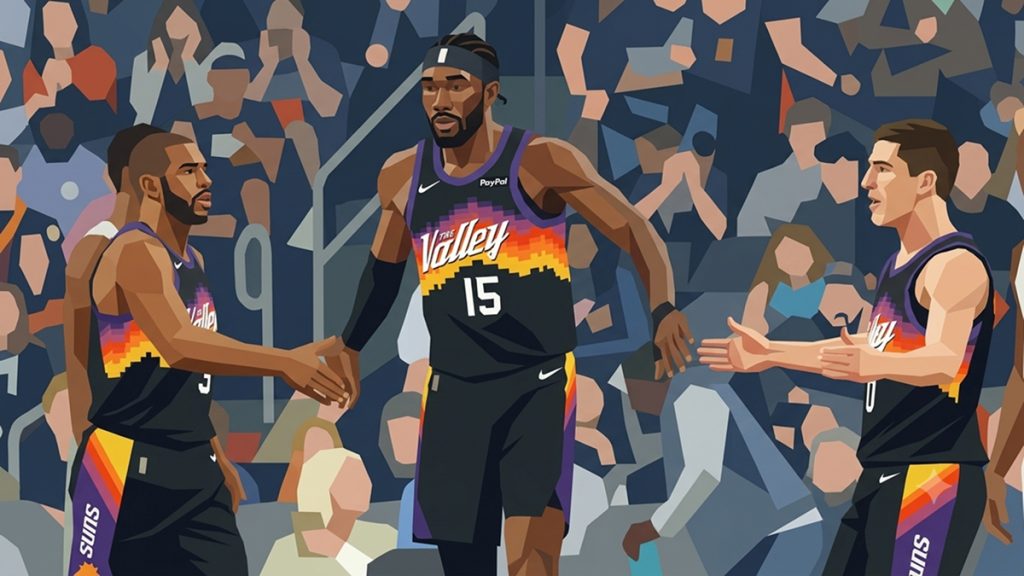
23. Phoenix Suns: A Surprise Playoff Push After Trading Away Kevin Durant
- Average attendance per game (2025–26): 16,655
- Estimated total attendance for the regular season: 682,840 fans
Few teams entered 2025–26 with lower expectations than the Phoenix Suns, who spent the summer trading 15-time All-Star Kevin Durant to Houston, waiving Bradley Beal, firing head coach Mike Budenholzer, and handing the reins to first-year coach Jordan Ott, the franchise’s fourth head coach in as many years. ESPN’s own insiders projected Phoenix to finish 13th in the West; instead, the Suns went 45-37 behind a two-year contract extension for franchise centerpiece Devin Booker, winning a play-in game before getting swept by the eventual conference finalist Thunder in the first round. That surprise run showed up at the gate: Mortgage Matchup Center, which seats 17,071 for basketball, averaged 16,655 fans a night, good for roughly 98% capacity, as a fanbase bracing for a full teardown instead got a scrappy overachiever built around Jalen Green, Dillon Brooks, and rookie big man Khaman Maluach, the return package from the Durant deal. Booker’s continued presence as the undisputed face of the franchise anchored season-ticket renewals through the uncertainty, and Durant’s own emotional return trip to Phoenix late in the season, after skipping the teams’ first meeting, turned into one of the year’s hottest single-game tickets. For a team that many expected to be selling hope rather than wins, Phoenix’s 2025–26 attendance reflects a fanbase that showed up anyway, and got rewarded for it.
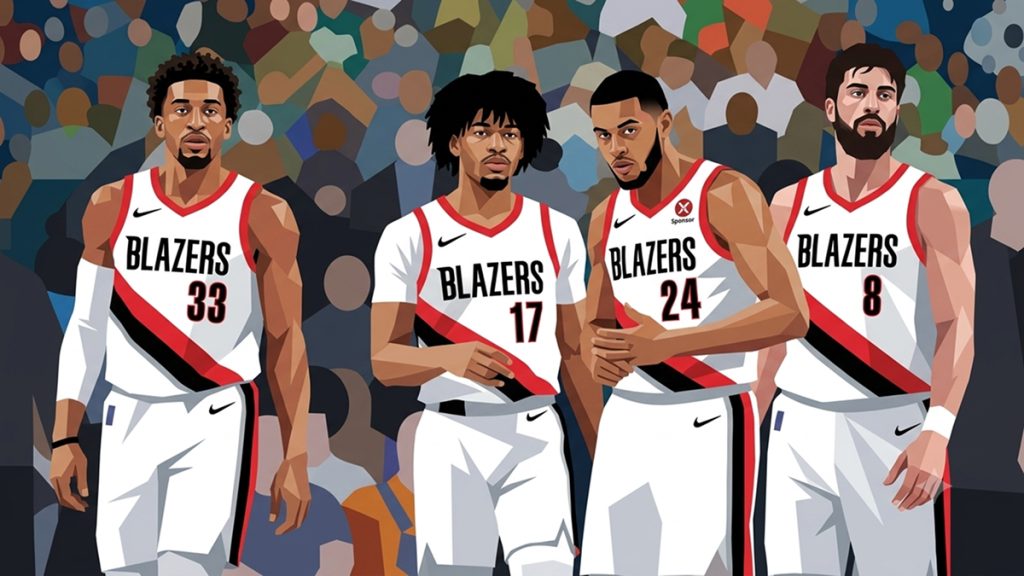
22. Portland Trail Blazers: Damian Lillard’s Homecoming Powers a Playoff Return
- Average attendance per game (2025–26): 17,097
- Estimated total attendance for the regular season: 700,996 fans
The Portland Trail Blazers delivered one of the feel-good stories of the 2025–26 season when Damian Lillard, the franchise’s all-time leading scorer, signed a three-year deal in July to return home after stints in Milwaukee, giving Rip City its franchise icon back. The season took an unusual turn when head coach Chauncey Billups was placed on leave amid a legal matter after a single game, handing the reins to assistant Tiago Splitter, who guided the team to a 42-39 finish the rest of the way and a surprising return to the playoffs as the 8-seed, where Portland fell to San Antonio in the first round. At Moda Center, one of the NBA’s larger arenas at 19,393 seats, the Blazers averaged 17,097 fans a night, good for about 88% capacity, a figure that reflects both the boost of Lillard’s return and the ceiling that comes with playing in one of the league’s biggest buildings. Lillard’s homecoming reignited a fanbase that had drifted through several lean rebuilding seasons following his 2023 trade to Milwaukee, and his first game back in a Blazers uniform was among the hottest tickets Portland has sold in years. Young pieces like Shaedon Sharpe, Deni Avdija, and rookie big man Donovan Clingan gave fans a reason to stay engaged even before Lillard’s arrival, but it was the sight of Dame back in a Portland jersey that turned a middling season into appointment viewing at Moda Center.
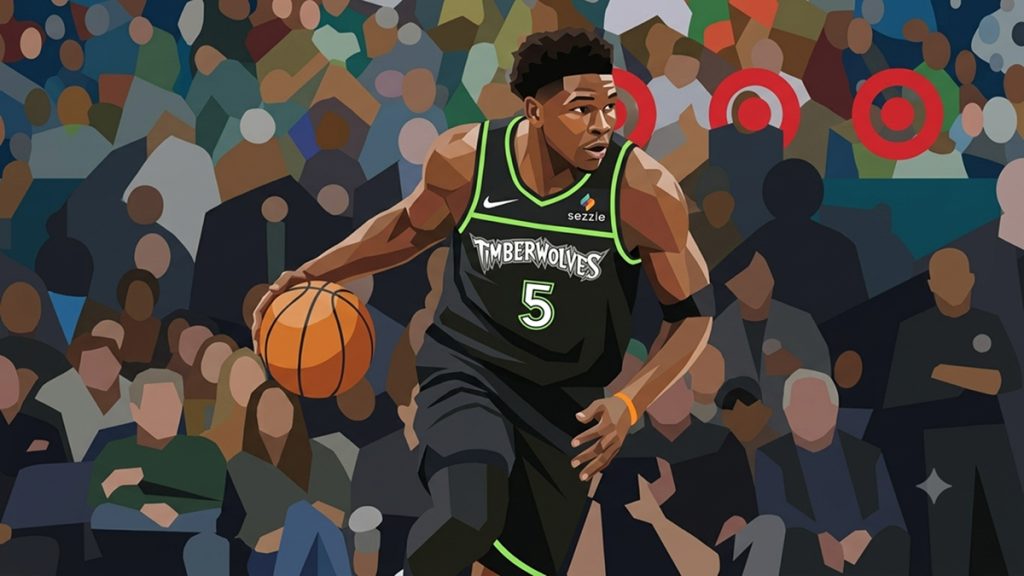
21. Minnesota Timberwolves: A Third Straight Deep Playoff Run Anchored by Anthony Edwards
- Average attendance per game (2025–26): 17,402
- Estimated total attendance for the regular season: 713,487 fans
The Minnesota Timberwolves have quietly built one of the NBA’s most consistent contenders, following back-to-back conference finals appearances in 2024 and 2025 with a 49-33 finish in 2025–26 and a run to the conference semifinals before falling to San Antonio. That sustained relevance is showing up at Target Center, which seats 18,798 for basketball and averaged 17,402 fans a night, roughly 93% capacity, as new ownership under Alex Rodriguez and Marc Lore inherited a fanbase that’s fully bought back in after years of irrelevance. The engine behind it all is Anthony Edwards, who set a new franchise record for 30-point games during the season and has emerged as arguably the league’s most electric young star, giving Minnesota a legitimate marquee draw for the first time since the Kevin Garnett era. Julius Randle and Rudy Gobert continue to give the roster the size and physicality that’s made Minnesota a defensive nightmare for opponents, while a stretch of high-profile home wins over playoff-caliber teams helped keep single-game demand steady all season. The Timberwolves’ ticket base, informed by the state’s basketball-mad culture, has shown real staying power through this multi-year contention window, and with Edwards entering his prime, Target Center looks positioned to keep climbing rather than fade the way many mid-market surges eventually do.
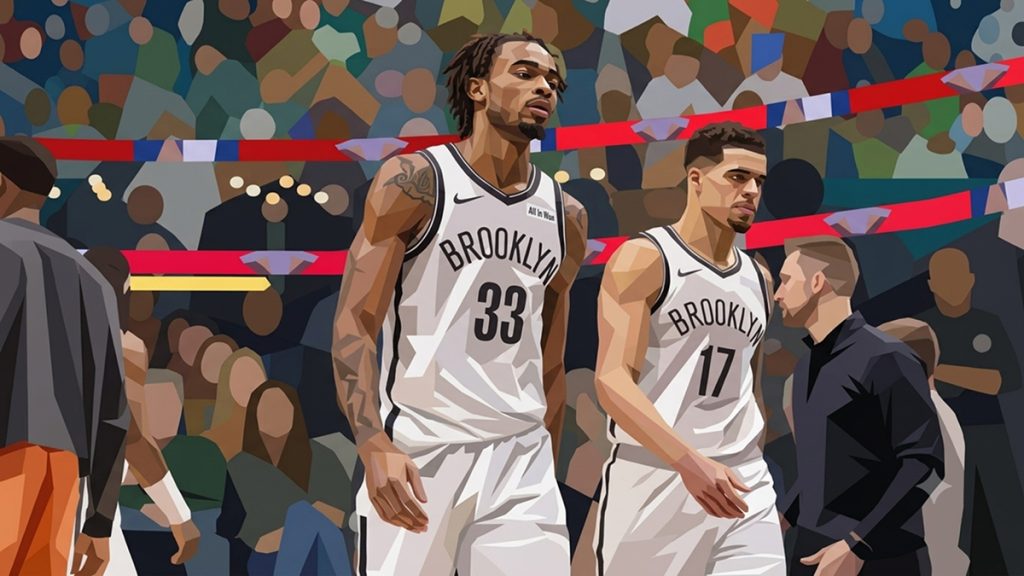
20. Brooklyn Nets: Near-Sellout Numbers Survive a Third Straight Lost Season
- Average attendance per game (2025–26): 17,412
- Estimated total attendance for the regular season: 713,896 fans
The Brooklyn Nets posted a 20-62 record in 2025–26, their third consecutive season out of the playoffs during a deliberate rebuild built around a historic rookie class of first-rounders, yet Barclays Center still filled to roughly 99% of its basketball capacity, leaving only about 141 seats empty on an average night. That figure is the real story here, and it’s one the front office has quietly leaned on for years: Brooklyn’s ticket sales have proven remarkably insulated from win-loss record, a pattern that predates this season and has held steady even as the roster has been stripped down. Part of the explanation is structural rather than sentimental. Barclays Center sells a meaningful share of its inventory through discounted group tickets, promotional nights, and price points aimed at fans who’d otherwise be priced out of Madison Square Garden across the river, plus a steady stream of tourists and fans from other boroughs who treat a Nets game as an affordable, accessible NBA night out regardless of the standings. Michael Porter Jr., acquired from Denver and posting career-best scoring numbers, gave the building a legitimate reason to watch, but the underlying ticket engine here runs less on star power than on Barclays Center’s position as a lower-cost, easier-access alternative in a two-team media market. For a franchise this deep into a teardown, selling out isn’t a signal of surging demand so much as evidence of a pricing and distribution strategy built to keep the arena looking full no matter what the record says.
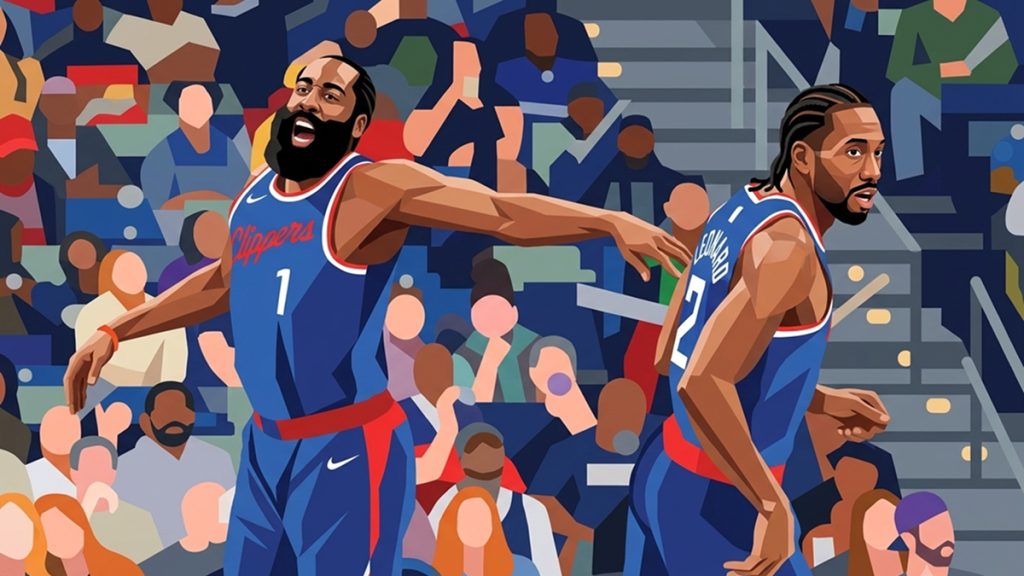
19. LA Clippers: A $2 Billion Arena’s Tiered Pricing Model Keeps Intuit Dome Nearly Full
- Average attendance per game (2025–26): 17,647
- Estimated total attendance for the regular season: 723,538 fans
The LA Clippers are still in the early honeymoon phase of their move to Intuit Dome, the $2 billion, tech-forward arena in Inglewood that opened in 2024, and the building’s ticketing strategy is as much the story here as anything that happened on the court during a 42-40, playoff-missing season. Intuit Dome seats 18,000 for basketball and averaged 17,647 fans a night, close to 98% capacity, a number built on a deliberately tiered pricing structure: full-season memberships start as low as $38 a game in the upper-level Wall and Terrace sections, climb to $115 in the lower-bowl Main level, and top out at $246 in the all-inclusive Center Court Club, giving the Clippers price points for nearly every kind of buyer under one roof. The Wall itself, a standing-room-only supporters’ section modeled on soccer terraces, sells season passes for under $1,000, roughly $24 a ticket, specifically to seed the building with dedicated noise rather than maximize per-seat revenue, a strategy that’s paid off in atmosphere even in a season that finished outside the playoff picture. Hosting the 2026 NBA All-Star Game brought an extra jolt of national attention and demand to the building midseason, while Kawhi Leonard’s continued star power kept single-game pricing elevated for marquee matchups against the Lakers and Warriors on the secondary market. For a franchise that spent decades in the Lakers’ shadow, Intuit Dome’s blend of premium hospitality and accessible standing-room pricing has built a genuinely new revenue and demand model that’s kept the building close to full regardless of playoff seeding.
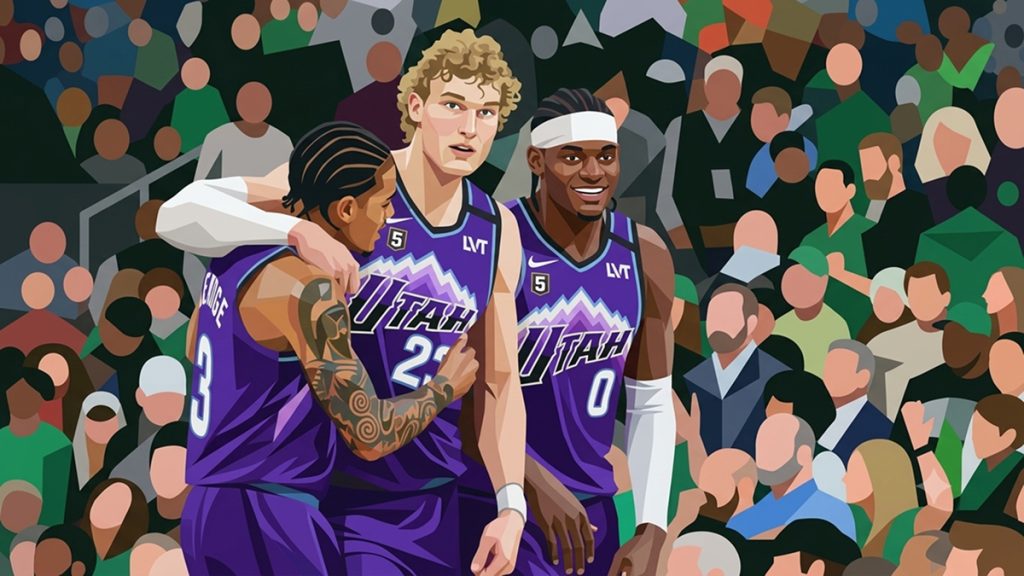
18. Utah Jazz: A Ticket Price Backlash Meets a Multi-Year Attendance Slide
- Average attendance per game (2025–26): 17,742
- Estimated total attendance for the regular season: 727,440 fans
The Utah Jazz finished 2025–26 at 22-60, their fourth straight rebuilding season under head coach Will Hardy, and the attendance numbers at Delta Center have tracked that decline in a way few other NBA arenas have shown so clearly: Utah drew 18,306 fans a night as recently as 2021–22, dipped to 18,206 the following two seasons, fell to 18,175 in 2024–25, and landed at 17,742 this year, a steady multi-year erosion in a building that seats roughly 18,300 for basketball. Part of that slide is now structural rather than purely sentiment-driven, since owner Ryan Smith’s Smith Entertainment Group broke ground in April 2025 on a major Delta Center renovation designed to turn the building into a shared home for both the Jazz and the NHL’s Utah Mammoth, a construction process that’s disrupted the in-arena experience during a season when the on-court product gave fans little reason to push through it. That erosion has coincided with a genuine fan revolt over pricing: a recent survey of Jazz fans found 60% describe themselves as priced out of live attendance, a sentiment that’s shown up directly in resale data, where the average ticket price on the secondary market has climbed even as the team has gotten worse. Rookie Ace Bailey and a young core anchored by Keyonte George and Walker Kessler are the pieces the front office hopes will eventually reverse the trend, but for now, Utah’s numbers read as a cautionary tale about how far arena renovation disruption and price fatigue can erode even one of the NBA’s most historically loyal fanbases.
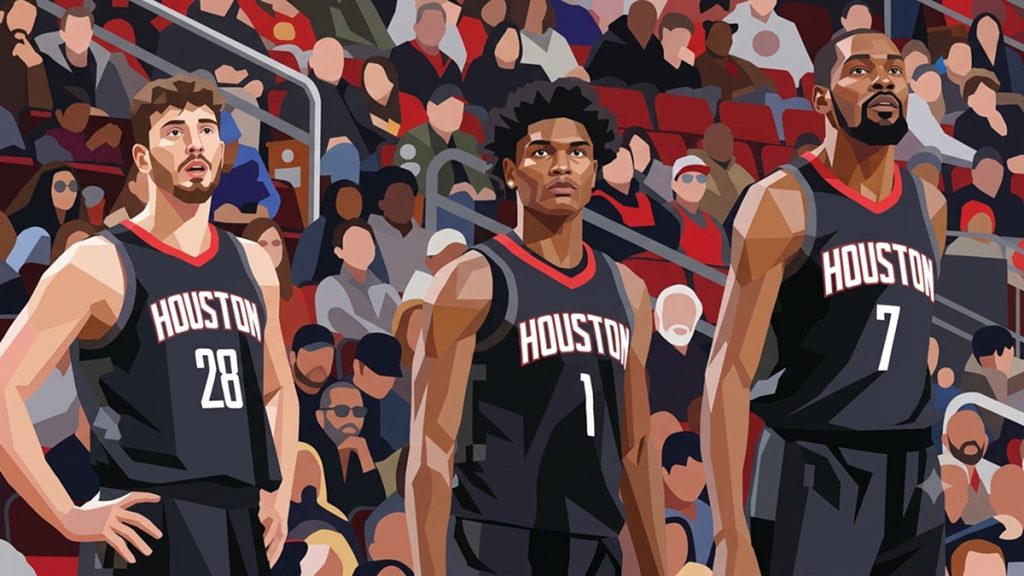
17. Houston Rockets: Kevin Durant’s Arrival Triggers a 25% Season-Ticket Surge
- Average attendance per game (2025–26): 18,057
- Estimated total attendance for the regular season: 740,378 fans
The Houston Rockets turned a genuine business boom into a genuine basketball one in 2025–26, and the two stories are inseparable: Houston’s front office reported season-ticket sales up more than 25% over the prior year, the franchise’s biggest jump since 2019-20, on top of a 15% increase the year before, while corporate partnerships climbed 15% and retail sales quadrupled compared to the previous offseason. The catalyst was the summer trade for Kevin Durant, acquired from Phoenix in a seven-team blockbuster that sent Jalen Green and Dillon Brooks the other way, and the surge in demand showed up immediately at Toyota Center, which seats 18,104 and averaged 18,057 fans a night, essentially full capacity, as the Rockets went 52-30 before falling to the Lakers in the first round. Front office executives described the momentum as building on a foundation the team had already laid during a return to the playoffs the year before, with team president Gretchen Sheirr crediting the franchise’s transparency with fans during a multi-year rebuild for the loyalty that let Durant’s arrival convert into immediate ticket revenue rather than a slow build. Secondary-market pricing reflected that same demand curve, with marquee matchups against the Lakers, Warriors, and Mavericks commanding some of the steepest premiums in the league, while the Rockets also locked in a new five-year, $7 million-plus annual naming rights extension with Toyota amid the broader business surge. Houston’s numbers this season are a clean case study in how quickly a single star acquisition can convert a rebuilding fanbase into a sold-out one.
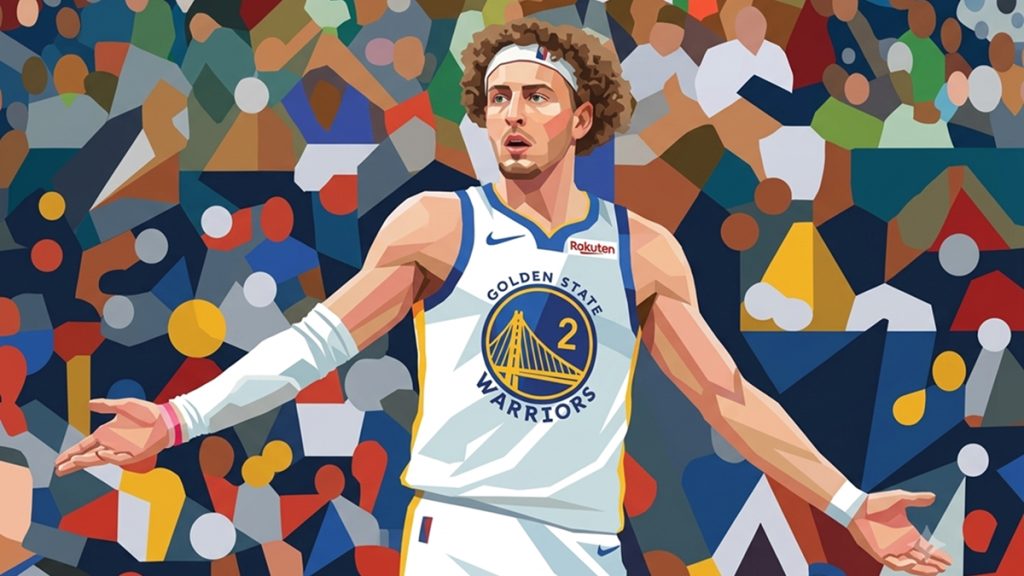
16. Golden State Warriors: A Playoff Miss Doesn’t Dent an Elite Sellout Streak
- Average attendance per game (2025–26): 18,063
- Estimated total attendance for the regular season: 740,624 fans
The Golden State Warriors missed the playoffs in 2025–26, finishing 37-45 after Jimmy Butler suffered a season-ending ACL injury in January, but you’d never know it from the box office: Chase Center, which seats 18,064, averaged 18,063 fans a night, essentially full capacity every single game and an extension of a sellout streak that’s run past 350 consecutive home games dating back years. That streak is the product of one of the NBA’s most entrenched premium ticket markets, where the average price sits around $80 a ticket even for ordinary weeknight games, marquee matchups against the Lakers or Celtics regularly clear $250-$300, and a season-ticket waiting list has reportedly stretched past 20,000 names deep despite the Warriors’ 100%-privately-financed arena carrying some of the steepest price points in the league. Stephen Curry, now 37 and still the franchise’s singular draw, remains the engine behind that demand regardless of the standings, giving San Francisco’s ticket market a durability that outlasted the loss of Butler and a season that fell short of expectations. The Chase Center model has always leaned on scarcity and brand equity built during the 2015-2022 championship run rather than any single season’s record, and 2025–26 is proof the formula still holds: even a non-playoff year in the Bay Area sells out just as completely as a title chase.
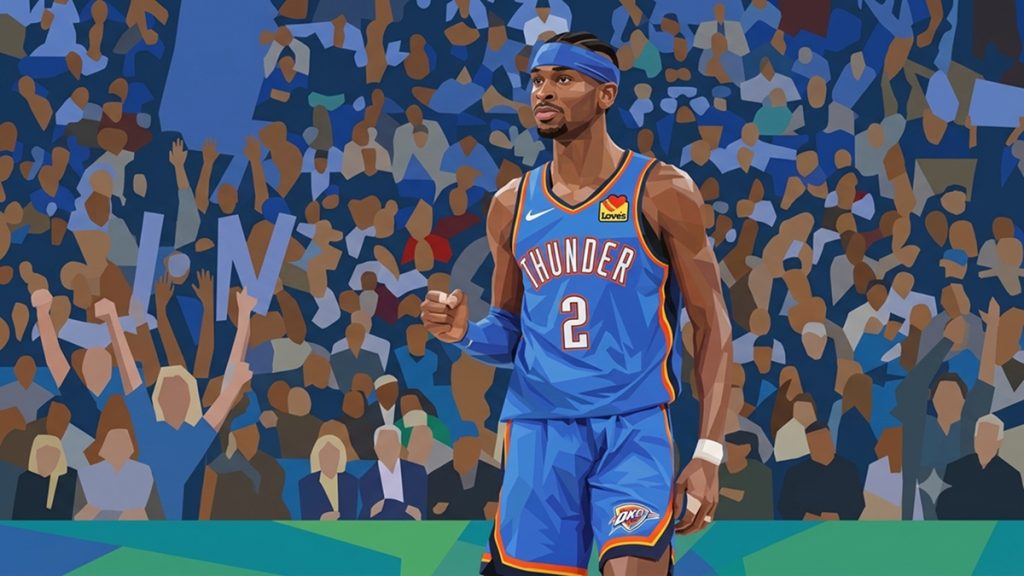
15. Oklahoma City Thunder: Defending Champions Sell Out a Small Market at a Premium
- Average attendance per game (2025–26): 18,211
- Estimated total attendance for the regular season: 764,842 fans
The Oklahoma City Thunder enter the ranks of the NBA’s mid-pack attendance teams carrying the heaviest resume in the league: fresh off the franchise’s first championship in 2025, Oklahoma City followed with a league-best 64-18 season in 2025–26 before falling to San Antonio in the conference finals. Paycom Center, which seats roughly 18,203 for basketball, actually averaged slightly above its listed capacity at 18,211 fans a night, a sign that the Thunder pushed added standing-room and overflow inventory into play on marquee nights to meet demand that a mid-sized arena in a small television market simply couldn’t otherwise satisfy. That scarcity has become the defining feature of the Thunder’s ticket economics: with only around 18,000 seats to sell across an 82-game slate in a market without a competing NBA team to split demand, single-game and secondary-market prices for “Loud City” have climbed sharply since the title, particularly for rematches against conference finals opponent San Antonio and any team featuring a marquee visiting star. The franchise’s ownership group also quietly shortened its naming-rights deal with Paycom through 2028, signaling a new arena is already on the horizon, a future upgrade that will matter enormously for a team that’s outgrown its current building’s capacity to meet demand. For now, Oklahoma City’s numbers show a defending champion selling every seat it has and then some, with the ceiling clearly set by the size of the building rather than any softness in demand.
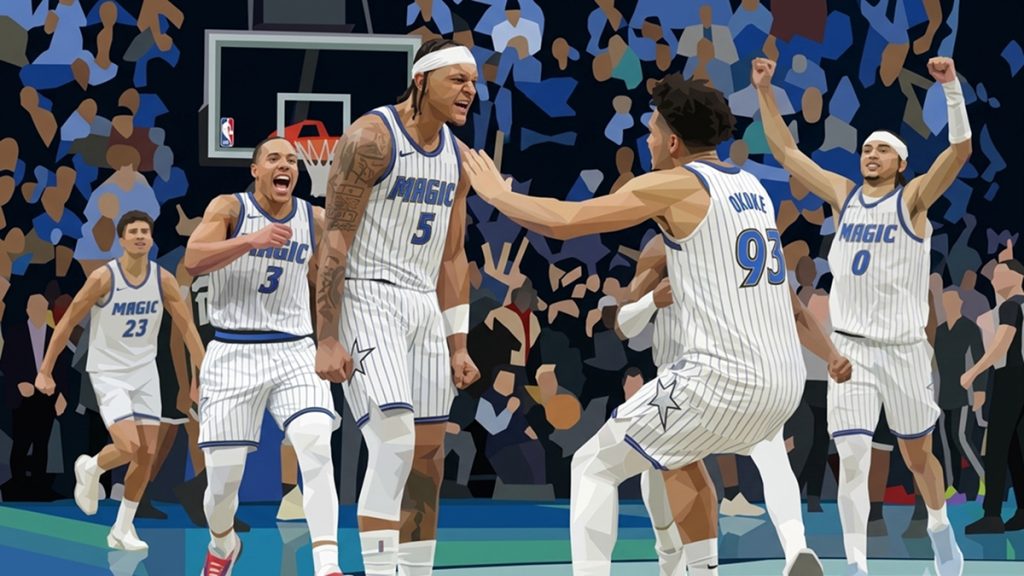
14. Orlando Magic: A Retooled Roster Returns to the Playoffs
- Average attendance per game (2025–26): 18,307
- Estimated total attendance for the regular season: 768,906 fans
The Orlando Magic had a season that doubled as both a basketball and a business turnaround. Orlando went 45-37 and returned to the playoffs, falling to Detroit in the first round, while also formally retiring the look it had worn since 2008 and adding Desmond Bane to a young core built around Paolo Banchero and Franz Wagner. At Kia Center, which seats roughly 18,846 for basketball, the Magic averaged 18,307 fans a night, close to 97% capacity, on tickets that priced accessibly by league standards, averaging around $176 with entry-level seats starting near $38. That combination, a competitive young roster plus one of the more reasonably priced tickets among playoff teams, has made Orlando a steady riser at the gate over the past several seasons, with Banchero’s continued ascension giving the fanbase a legitimate franchise cornerstone to build season-ticket loyalty around heading into the next stretch of the team’s competitive window.
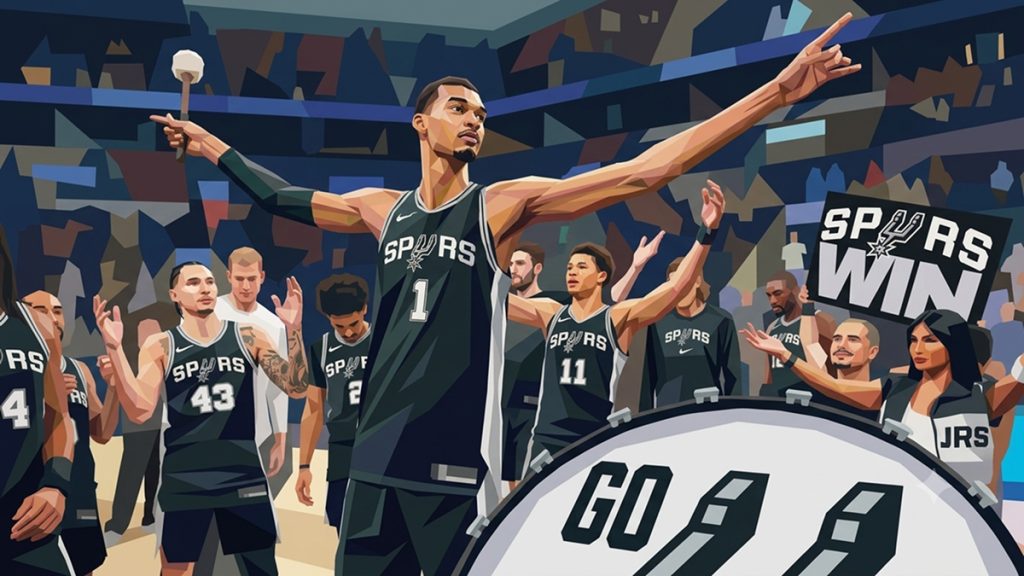
13. San Antonio Spurs: Regular-Season Demand Already Overflowing Before an Unexpected Finals Run
- Average attendance per game (2025–26): 18,578
- Estimated total attendance for the regular season: 743,129 fans
The San Antonio Spurs were already selling beyond their own building’s listed capacity during the regular season, a rare feat that speaks to just how quickly Victor Wembanyama has reshaped the franchise’s ticket economics. Frost Bank Center, which seats 18,418 for basketball, averaged 18,578 fans a night, pushing standing-room and overflow inventory into play on a near-nightly basis even before San Antonio’s season turned into one of the league’s biggest surprises. Wembanyama’s sophomore campaign opened with a franchise-record 40-point outburst and a historic 5-0 start before a shoulder injury cut his regular season short in February, yet he returned for the playoffs and was named Western Conference Finals MVP after leading a stunning comeback past defending champion Oklahoma City, sending San Antonio to its first NBA Finals since 2014. That run turned an already-hot ticket market into one of the most expensive in the league almost overnight: the cheapest available seat for Finals Game 1 at Frost Bank Center started at roughly $969 on the secondary market, with lower-bowl sideline seats running $1,400 to $3,200 and premium options topping $5,000, prices so steep that local fans openly complained about being priced out of watching their own franchise’s first title chase in over a decade. With Gregg Popovich having stepped back into a front-office role and new head coach Mitch Johnson inheriting a team built around a generational talent, San Antonio’s regular-season attendance numbers already look like a floor rather than a ceiling for what the Spurs can now command at the gate.
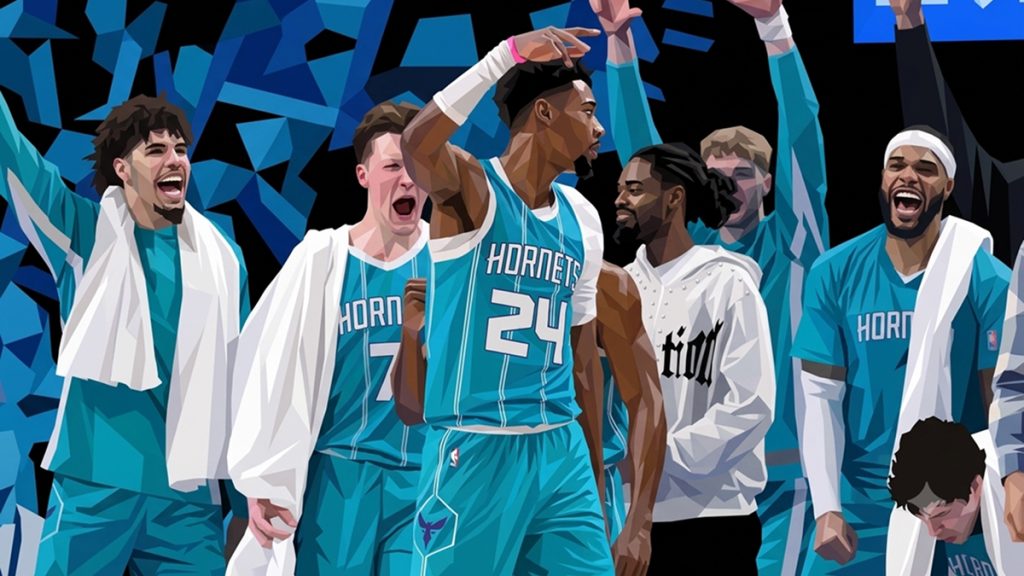
12. Charlotte Hornets: A Franchise-Record Sellout Streak Despite Missing the Playoffs
- Average attendance per game (2025–26): 18,715
- Estimated total attendance for the regular season: 767,319 fans
The Charlotte Hornets put together one of the most striking ticket-sales turnarounds in the league in 2025–26, setting a new franchise record with 17 sellouts on the season and stringing together seven consecutive capacity crowds at Spectrum Center, both marks surpassing records set during the team’s previous high-water mark in 2022-23. The Hornets finished 44-38 and still missed the playoffs out of a crowded Eastern Conference, but the box office told a different story than the standings, with the team averaging 18,715 fans a night in a building that seats 19,077, a fill rate above 98%. That surge was measurable in real time: through 32 home games, Charlotte was drawing roughly 18,400 fans a night, nearly 2,000 more per game than the same point the previous season, a 7% year-over-year jump the front office attributed directly to what was happening on the court. A nine-game winning streak in January and February, the franchise’s longest since the 1990s, coincided with a record-breaking rookie debut from Kon Knueppel and LaMelo Ball surpassing 6,000 career points, giving fans a young core worth building a season-ticket base around. A halftime ceremony retiring Dell Curry’s number during the team’s 17th sellout only reinforced the sense that Spectrum Center, one of the league’s smaller arenas even after a 2022 capacity expansion, has become a genuinely tough ticket again. For a team that didn’t make the playoffs, Charlotte’s attendance curve is exactly what a rebuilding fanbase re-engaging in real time looks like.
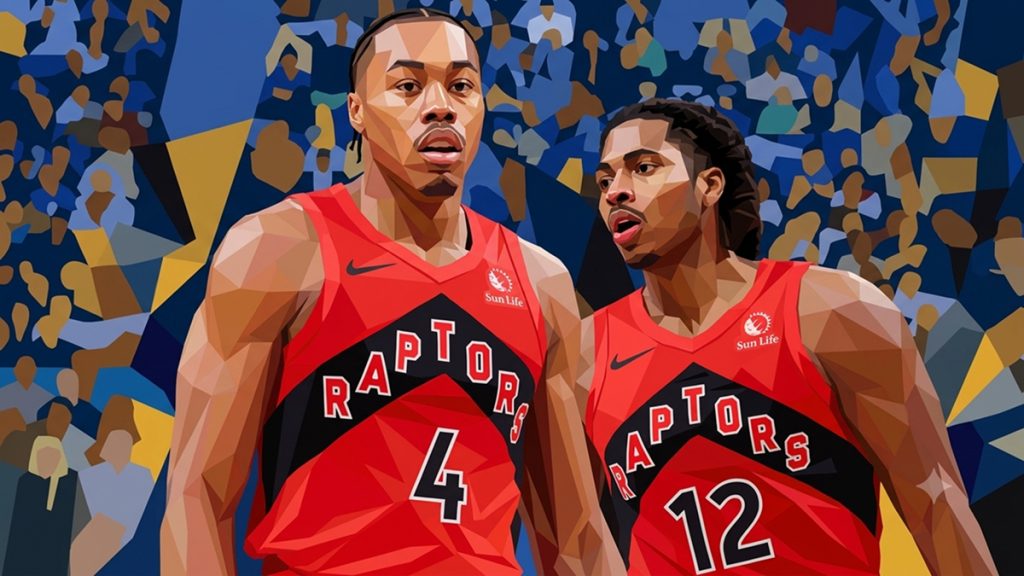
11. Toronto Raptors: Canada’s Only NBA Team Commands a Premium All Its Own
- Average attendance per game (2025–26): 18,833
- Estimated total attendance for the regular season: 772,141 fans
The Toronto Raptors occupy a genuinely unique position in the NBA’s ticket market: as the league’s only franchise based outside the United States, they don’t compete with another NBA team for entertainment dollars anywhere in the country, and that scarcity shows up directly in pricing. Resale data puts the average Raptors ticket at roughly $432, with even the cheapest available seats starting around $208, among the steeper price floors in the league for a team that finished a middle-of-the-pack 46-36 before falling to Cleveland in the first round. Scotiabank Arena, which seats 19,800, averaged 18,833 fans a night, about 95% capacity, in a season that also saw the organization move on from longtime president Masai Ujiri after the 2025 draft, closing the book on the executive who built the franchise’s only championship roster in 2019. On the floor, Scottie Barnes and a retooled core featuring Brandon Ingram and Immanuel Quickley gave Toronto’s ticket base a genuine return to relevance after a rebuilding stretch, helping the Raptors return to the playoffs for the first time in three years. Toronto’s crowd is also famously more vocal than the building’s usual NHL tenant, a reputation that’s helped Scotiabank Arena sustain demand through both playoff runs and lean years alike, since a Raptors ticket doubles as one of the only ways for Canadian NBA fans anywhere in the country to see the league live. With no in-market rival to undercut on price, Toronto’s attendance numbers reflect a captive national fanbase that consistently pays a premium for the only game in the country.
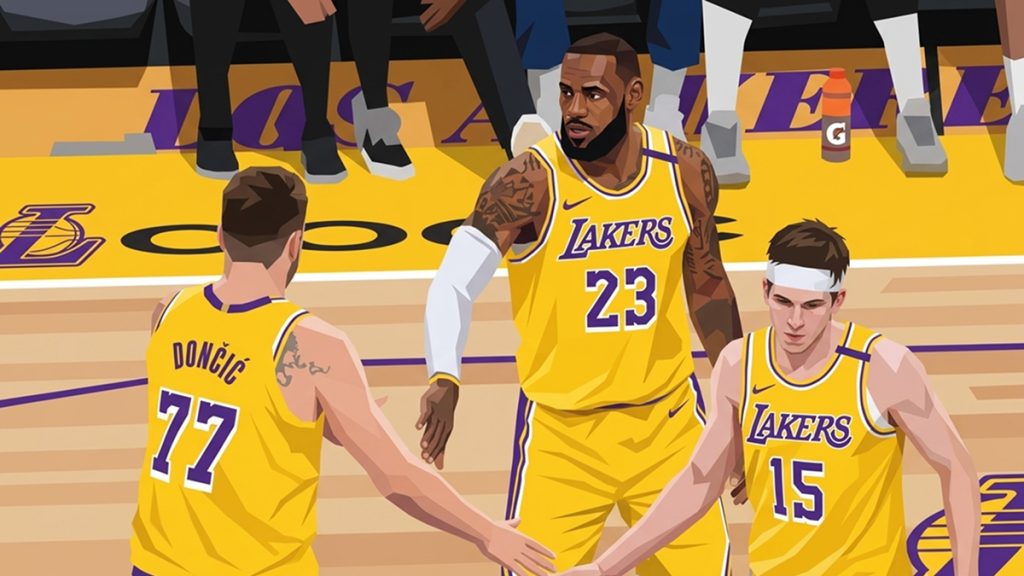
10. Los Angeles Lakers: New Ownership Bets Big on a Near-Perfect Sellout Streak
- Average attendance per game (2025–26): 18,855
- Estimated total attendance for the regular season: 773,047 fans
The Los Angeles Lakers ran at essentially full capacity all season, averaging 18,855 fans a night against Crypto.com Arena’s official basketball capacity of 18,910, a fill rate near 99.8% that new owner Mark Walter is treating as license to raise prices sharply rather than a ceiling to protect. Walter, who completed his purchase of the franchise from the Buss family and also owns the Dodgers, has already announced steep season-ticket increases for 2026-27, with one longtime 300-level holder’s price jumping from $6,192 to $9,035, a 45.9% single-year hike, as incoming business operations president Lon Rosen, credited with helping the Dodgers lead MLB in attendance, takes over the ticketing strategy. The single-game market showed just how reactive Lakers demand can be to star-driven news: when LeBron James posted a cryptic “Second Decision” teaser in October, the cheapest ticket for his next home game jumped from $82 to $580 within hours, even though the post turned out to be an ad campaign rather than a retirement announcement. James, playing an NBA-record 23rd season at 40 years old amid persistent retirement speculation, shared top billing with Luka Dončić, who took over as the roster’s long-term centerpiece following his blockbuster arrival, and Austin Reaves, all three of whom the front office explicitly cited as justification for the coming price increases. With the Lakers positioned to win a second-round playoff exit against Oklahoma City behind that trio, Crypto.com Arena’s numbers this season read as a franchise testing exactly how much a global brand and a superstar-driven roster can charge before demand finally has a limit.
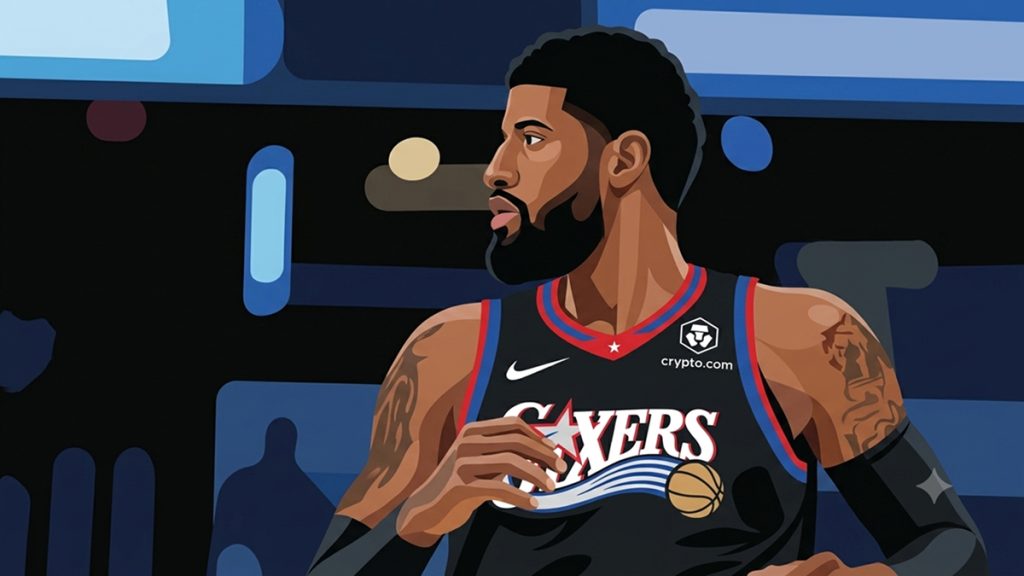
9. Philadelphia 76ers: A Fanbase That Keeps Buying Through a Third Straight Injury-Wrecked Season
- Average attendance per game (2025–26): 18,997
- Estimated total attendance for the regular season: 778,871 fans
The Philadelphia 76ers entered 2025–26 with championship aspirations built around Joel Embiid, Paul George, and Tyrese Maxey, and once again watched that trio barely share the floor, with George also serving a 25-game suspension for violating the NBA’s anti-drug policy on top of the usual injury toll that’s now sidelined the group for parts of three straight seasons. Despite finishing the year buried in the Play-In picture, Xfinity Mobile Arena, the 20,478-seat building formerly known as Wells Fargo Center, still averaged 18,997 fans a night, close to 93% capacity, a number that’s held remarkably steady across Philadelphia’s injury-plagued stretch. The pricing structure does real work here: single tickets start as low as $26-$36 for upper-level seats while lower-bowl options run from $115 up past $550, giving a passionate but increasingly weary fanbase entry points at nearly every budget even in a season defined by what-ifs. Maxey, who’s carried the offense virtually alone through absences from his two co-stars, has emerged as the single biggest reason fans keep showing up regardless of the standings, posting All-Star-caliber numbers that kept the building engaged through a season most had written off by midwinter. Philadelphia’s ticket base has proven it will tolerate a lot, having now watched this same core play just 15 games together the previous year, but the gap between the roster’s ceiling and its actual availability is starting to test even the city’s famously stubborn loyalty. For now, the numbers say Sixers fans are still buying the promise; the question is how many more injury-shortened seasons that patience survives.
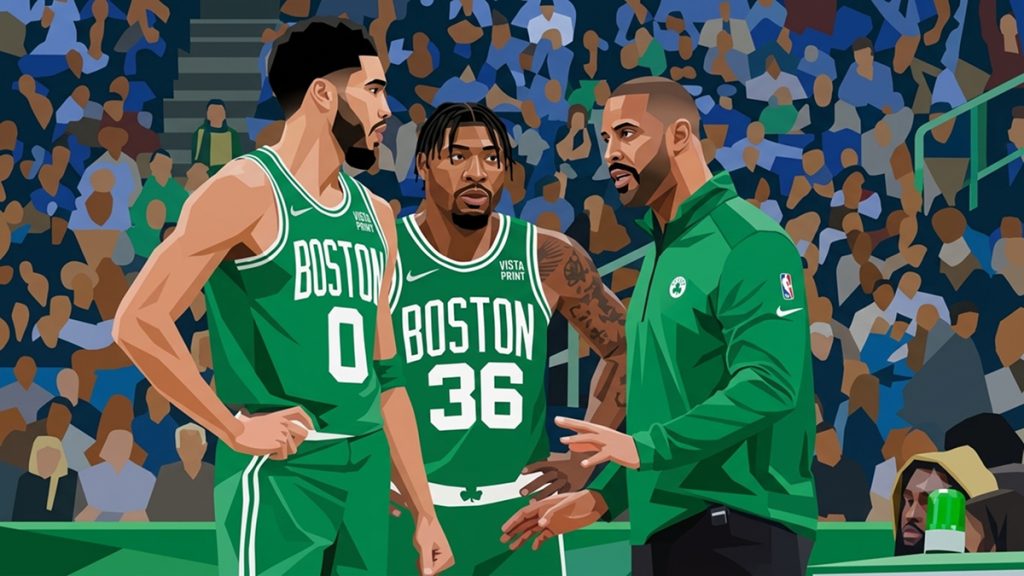
8. Boston Celtics: Full Capacity Every Single Night, Even Without Tatum
- Average attendance per game (2025–26): 19,156
- Estimated total attendance for the regular season: 785,396 fans
The Boston Celtics’ 2025–26 attendance number isn’t really an average so much as a constant: TD Garden, which seats 19,156 for basketball, sold out that exact figure essentially every night of the season, regardless of who was on the floor. That’s a remarkable outcome given the circumstances. Jayson Tatum missed 66 games recovering from the torn Achilles he suffered in the 2025 playoffs, and new owner Bill Chisholm’s group, in its first season controlling the franchise, used the down year as cover to move on from Kristaps Porziņģis, Jrue Holiday, Al Horford, and Luke Kornet in a salary-clearing teardown of the team’s most recent championship core. None of it dented demand at the gate, where the Celtics finished 56-26, held the No. 2 seed in the East, and still packed the building every night behind Jaylen Brown and a retooled supporting cast, before a first-round exit to Philadelphia. Secondary-market pricing reflected Boston’s status as one of the league’s most reliably hot tickets even in an off year, averaging around $255 with lower-bowl seats for marquee matchups against the Lakers and Knicks pushing well past that. Tatum’s own return for the season’s final 16 games, in which he still posted a near-triple-double average, gave the building a jolt of playoff-adjacent excitement heading into the postseason. For a franchise mid-transition under new ownership and without its franchise player for most of the year, TD Garden’s numbers show a fanbase whose buying habits are effectively immune to any single season’s turbulence.
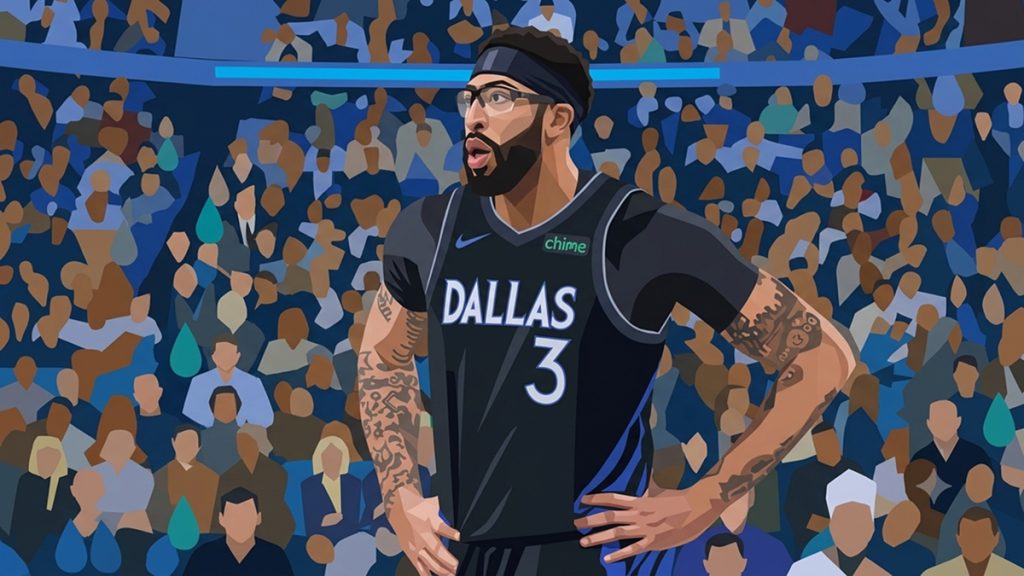
7. Dallas Mavericks: A Near-Full Recovery After the Trade That Shattered a Fanbase
- Average attendance per game (2025–26): 19,288
- Estimated total attendance for the regular season: 790,821 fans
The Dallas Mavericks’ ticket business went through the single most volatile stretch of any NBA franchise in recent memory, and 2025–26 is the season where the numbers finally started climbing back. After general manager Nico Harrison traded Luka Dončić, the most beloved athlete in Dallas, to the Lakers in February 2025, fans staged protests outside American Airlines Center, season-ticket cancellations poured in, resale prices for remaining games that year dropped roughly 40%, and the franchise’s 24-season sellout streak was snapped for the first time in a generation. The organization’s response, raising season-ticket prices by an average of 8.61% while citing “ongoing investments in the team,” only deepened the backlash at the time, with fans spray-painting messages outside the arena and Harrison receiving death threats before he was ultimately fired. Yet by 2025–26, American Airlines Center, which seats 19,200 for basketball, averaged 19,288 fans a night, essentially back to full capacity, a genuine recovery driven largely by the electricity around No. 1 overall pick Cooper Flagg, whose introduction finally gave Harrison’s vision, and the fanbase, something to rally around again. Kyrie Irving’s ACL recovery and Anthony Davis’s own injury history kept the roster in flux, but Flagg’s presence alone proved enough to pull skeptical fans back through the turnstiles. Dallas’s numbers this season are less a story of demand than of trust slowly rebuilding, one home game at a time, after a trade that briefly turned one of the league’s most loyal fanbases against its own franchise.
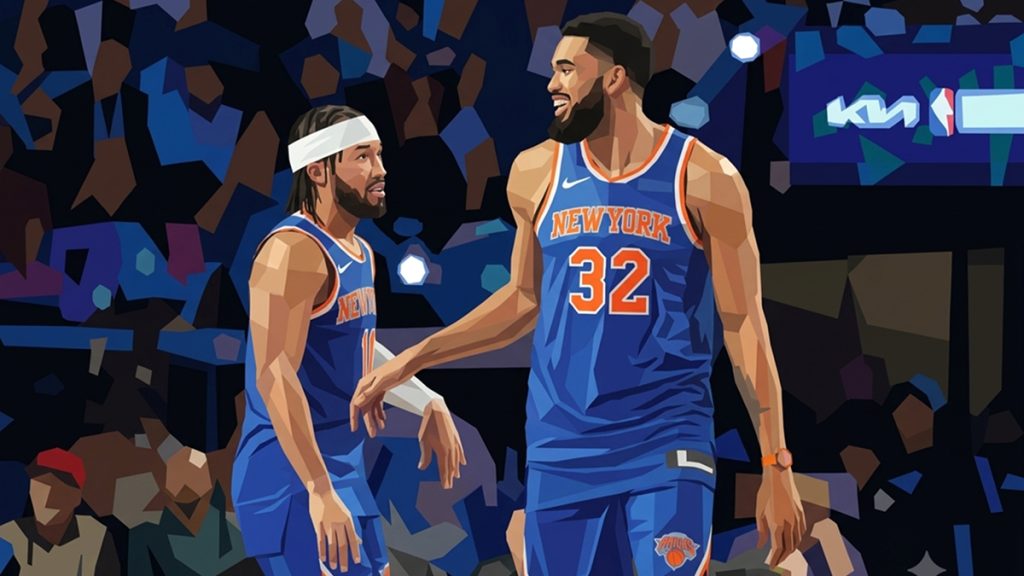
6. New York Knicks: The Most Expensive Ticket in NBA History, By a Mile
- Average attendance per game (2025–26): 19,801
- Estimated total attendance for the regular season: 792,058 fans
The New York Knicks run close to a permanent sellout in ordinary years, and Madison Square Garden, which seats 19,812, spent 2025–26 living up to that reputation, averaging 19,801 fans a night, essentially 100% capacity, with regular-season tickets running $250-$350 on average even before anything historic happened. Then something historic happened. Behind Jalen Brunson and Karl-Anthony Towns, first-year head coach Mike Brown’s Knicks finished 53-29, swept Cleveland in the Eastern Conference Finals, and returned to the NBA Finals for the first time since 1999, sending the secondary market into territory the league has never seen. Get-in prices for Finals Games 3 and 4 at the Garden hit $3,410 to $3,745, a 672% jump over the cheapest ticket sold for the same game in the 2025 Finals, while courtside listings reportedly reached six figures and reports circulated of pairs of premium seats listed above $595,000. For context, the 2016 Finals between Cleveland and Golden State averaged around $880 a ticket; New York’s market this spring simply operated on a different scale entirely. The pricing surge tracked the moment: prices for what would’ve been a playoff contingency game hit five figures before an opponent was even confirmed, then kept climbing as the Knicks capped the run with what’s being called the greatest comeback in Finals history. For a franchise that’s sold out the world’s most famous arena through three decades of irrelevance, 2025–26 is the season New York’s ticket market finally matched the hype that’s always surrounded the building itself.
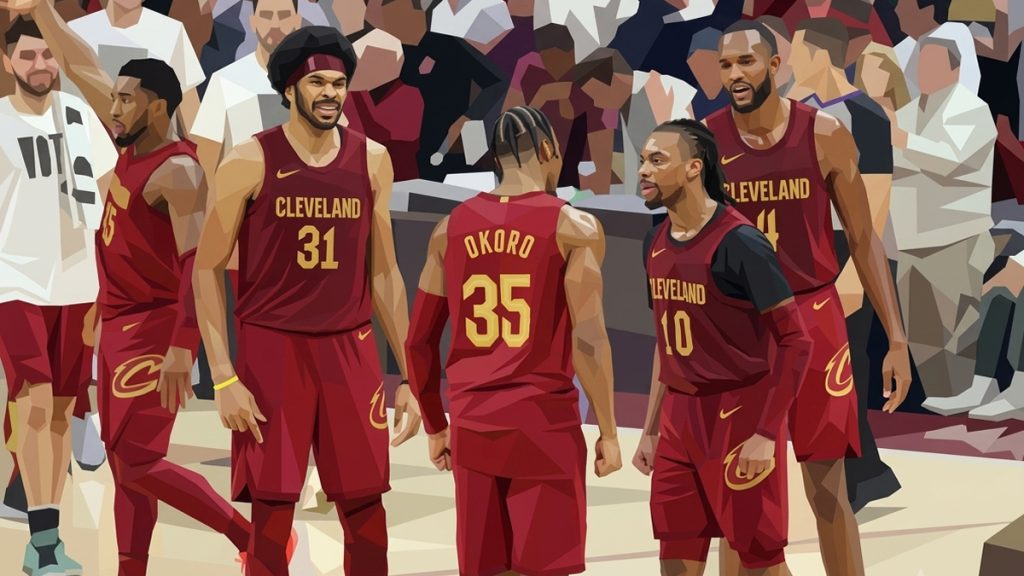
5. Cleveland Cavaliers: A 135-Game Sellout Streak That Never Broke
- Average attendance per game (2025–26): 19,432
- Estimated total attendance for the regular season: 796,712 fans
The Cleveland Cavaliers hit their number exactly: Rocket Arena, the rebranded and renovated former Quicken Loans Arena, seats precisely 19,432 for basketball, and that’s exactly what Cleveland averaged across the season, a literal full house every single night. That figure extends a sellout streak that had already reached 135 consecutive home games entering the year, built on the NBA’s best home record over the prior two seasons and a fanbase that’s treated Rocket Arena tickets as a near-guaranteed buy regardless of opponent. Cleveland backed it up on the court, finishing 52-30 under fourth-year coach Kenny Atkinson and advancing to the Eastern Conference finals, where Donovan Mitchell, Evan Mobley, and Darius Garland pushed the Knicks before being swept in four. Regular-season pricing stayed accessible by NBA standards, ranging roughly $50 to $400 depending on seat location, but the postseason run changed that math entirely: get-in prices for the conference finals climbed into four figures, with secondary-market averages for the series reportedly topping $1,300 to $2,000 a ticket as Cleveland chased its first Finals trip since the LeBron era. Mitchell’s continued excellence, including a stretch tying Michael Jordan’s record for consecutive 30-point Game 1 playoff performances, has become the connective tissue keeping a city that’s seen championship windows open and close before fully bought into this current core. For Cleveland, a full arena isn’t a story this season so much as it is the baseline the team is now expected to clear every night.
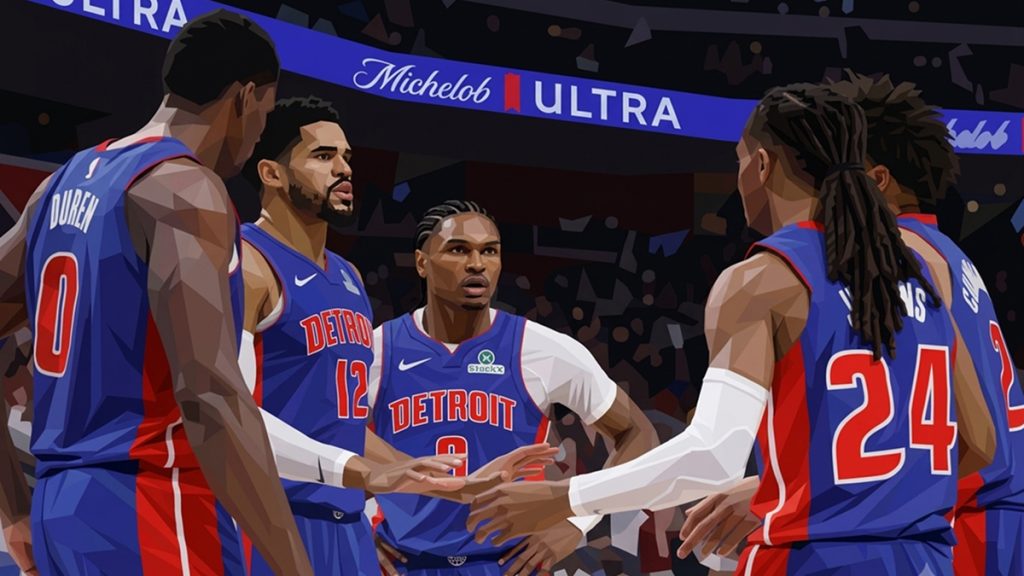
4. Detroit Pistons: From Bargain-Bin Tickets to a Franchise-Best Season
- Average attendance per game (2025–26): 19,670
- Estimated total attendance for the regular season: 806,422 fans
The Detroit Pistons spent years as one of the league’s cheapest tickets during a rebuild that bottomed out with 8,000-to-11,000-fan crowds dotting Little Caesars Arena’s early-season game logs, and 2025–26 is the season that finally reversed the trend for good. Behind a 13-game winning streak that tied the franchise record and a 60-22 finish, the best regular-season mark in the current arena era, Detroit averaged 19,670 fans a night in a building that seats roughly 20,332, close to 97% capacity, before falling to Cleveland in the conference semifinals. The ticket market moved just as fast as the standings: resale averages have climbed to around $235 a ticket, a sharp jump from the arena’s historically modest $50-$150 range, as Cade Cunningham’s ascension into a legitimate All-NBA-caliber point guard gave Motor City fans their first genuine star to build a season around since the arena opened in 2017. Detroit’s front office had been selling patience for years through a teardown that included multiple top-five draft picks, and this season is the payoff: a young, deep roster featuring Jalen Duren and Ausar Thompson alongside Cunningham that turned Little Caesars Arena into what ticket sellers now describe as one of the most electric atmospheres in the league on a nightly basis. For a fanbase that had grown used to buying seats for the price of a movie ticket, the surge in both wins and prices marks the clearest signal yet that Detroit’s rebuild has finally converted into real, sustained demand.
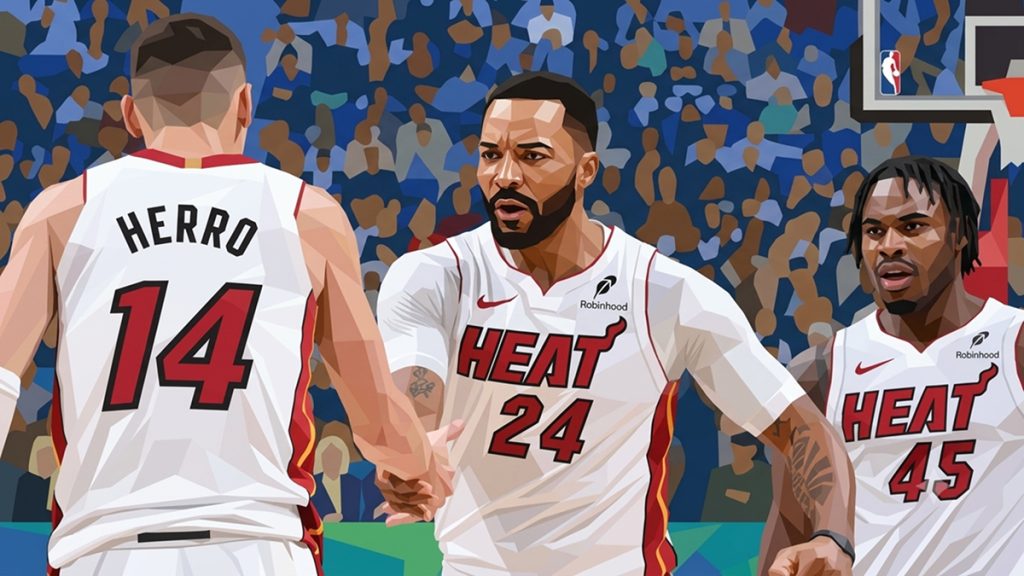
3. Miami Heat: “Heat Culture” Keeps the Building Full Even Without a Superstar
- Average attendance per game (2025–26): 19,709
- Estimated total attendance for the regular season: 808,063 fans
The Miami Heat navigated their first full season without Jimmy Butler, traded to Golden State the year before, and the ticket numbers barely blinked: Kaseya Center, which seats roughly 19,600, averaged 19,709 fans a night, effectively full capacity, even as the team finished 43-39 and missed the playoffs entirely. That resilience says something specific about how Miami sells tickets. Unlike markets that live and die with a single superstar, the Heat have spent years marketing an identity, “Heat Culture”, built around Pat Riley’s organizational reputation, Erik Spoelstra’s coaching, and a hard-nosed style of play that fans buy into independent of any one name on the roster. Bam Adebayo and Tyler Herro stepped into larger roles as the new faces of a retooled, younger group, and while the on-court results were mixed, a run to the 2025 NBA Cup knockout stage as the East wildcard gave the building midseason juice even without a deep playoff push. Pricing stayed deliberately layered to protect that demand base, with plenty of affordable entry points for casual fans alongside premium pricing for marquee visits from teams like the Knicks, Celtics, and Kevin Durant’s Rockets. For a franchise now openly rebuilding its star power around the margins rather than a single name, Miami’s 2025–26 attendance is proof that a strong enough organizational brand can keep an arena full even through a genuinely transitional season.
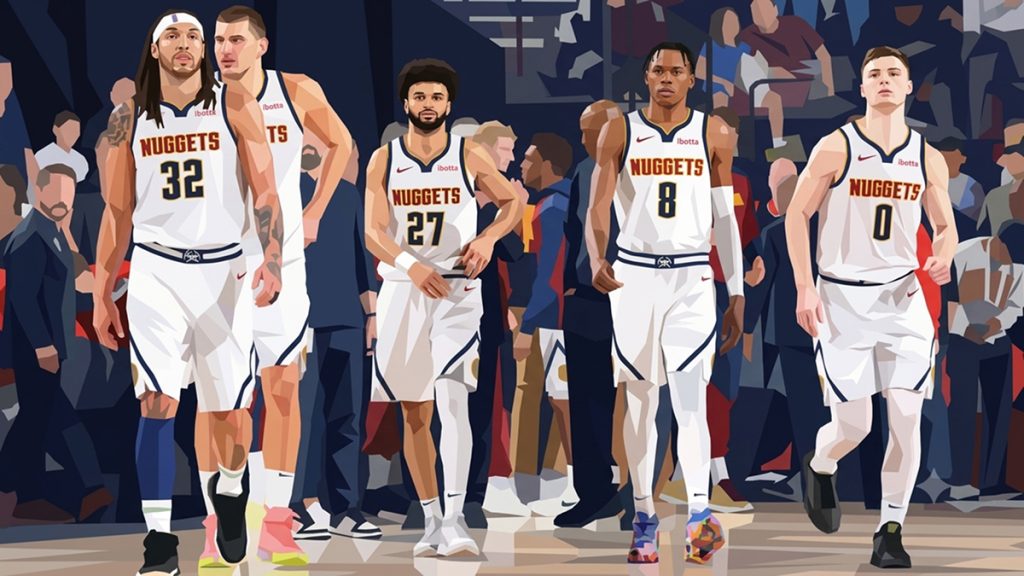
2. Denver Nuggets: Elite Contention at a Surprisingly Modest Price
- Average attendance per game (2025–26): 19,826
- Estimated total attendance for the regular season: 812,868 fans
The Denver Nuggets put together a 54-28 season, one of the best records in the Western Conference, behind three-time MVP Nikola Jokić and running mate Jamal Murray, and Ball Arena, which regularly seats close to 20,000 for basketball, ran near capacity all year at 19,826 fans a night. What stands out about Denver’s ticket market isn’t the crowd size so much as the price: Vivid Seats lists the average Nuggets ticket at just $196, with entry-level seats starting around $51, remarkably modest figures for a team playing at a genuine title-contender level. That gap reflects Denver’s position as a mid-sized market without the coastal premium pricing power of a Los Angeles or New York, even though Jokić’s case as one of the most statistically dominant players in NBA history keeps demand consistently strong. Secondary-market prices do climb sharply for the marquee dates, with matchups against the Lakers, Warriors, and Clippers routinely doubling in cost compared to a midweek game against a lottery team, but the baseline accessibility has helped Denver sustain a genuinely loyal, price-sensitive fanbase through the franchise’s first sustained contention window since the John Elway-adjacent Carmelo Anthony years. With a championship already banked from 2023 and Jokić still playing at an MVP level, Ball Arena’s numbers show a franchise that’s found a way to stay full without pricing out the city that’s supported it.
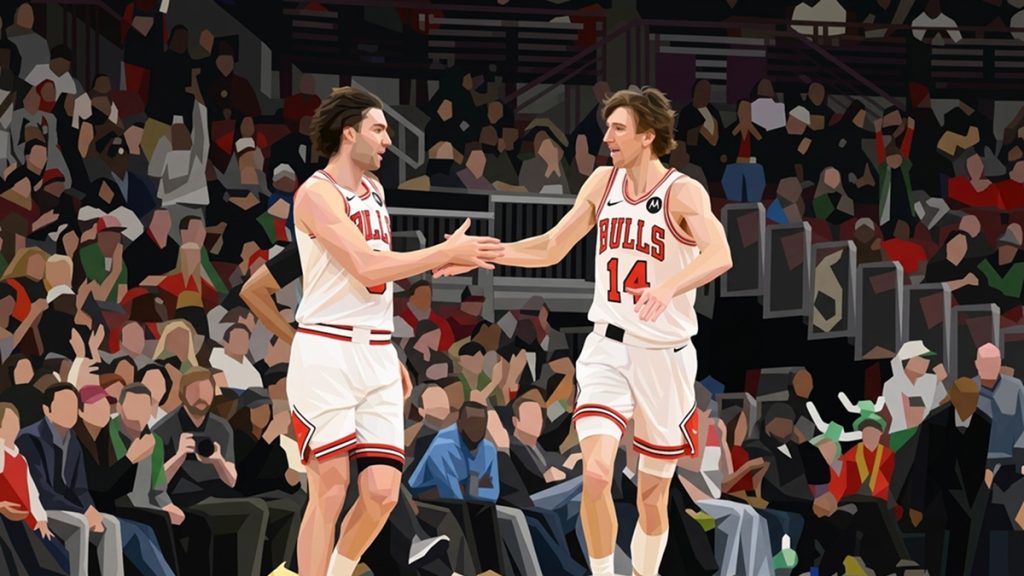
1. Chicago Bulls: The League’s Biggest Arena Fills Up Even During a 31-Win Season
- Average attendance per game (2025–26): 20,244
- Estimated total attendance for the regular season: 829,997 fans
The Chicago Bulls finished 2025–26 at 31-51, missed the playoffs, and fired general manager Marc Eversley mid-season, yet the box office at United Center, the NBA’s largest arena at 20,917 seats, barely noticed. Chicago averaged 20,244 fans a night, close to 97% capacity, a number that owes as much to the sheer size of the “Madhouse on Madison” as to any single storyline on the roster. That scale shows up starkly in the pricing data: the cheapest regular-season games this year, matchups against Portland and Utah, started around $34-$39, while the season’s hottest ticket, a January date against Boston, cleared $355 to get in the door, with Lakers and Cooper Flagg-era Mavericks visits also pushing well past $130. That spread reflects a fanbase built on nearly three decades of Michael Jordan-era brand equity rather than current performance, one that shows up in bulk for bargain weeknight games and pays a real premium for marquee dates regardless of Chicago’s own record. The Bulls opened the season 5-0, their best start since the 1996-97 championship team, before a seven-game losing streak in November and December revealed the roster’s real ceiling, yet even that steep midseason fade did little to dent the building’s raw numbers. With Billy Donovan’s tenure ending as the season closed, Chicago’s attendance figures stand as a reminder that in a 20,000-plus-seat arena carrying the NBA’s most storied brand, even a lottery-bound team can out-draw plenty of playoff contenders on volume alone.
What Selling the Most Tickets in the NBA Actually Tells Us
Rank all 30 NBA teams by average attendance and the raw numbers span a surprisingly narrow band, roughly 15,000 to 20,000 fans a night, especially compared to the massive swings in win totals, ticket prices, and market size sitting underneath those figures.
That narrowness is the real story. A team’s raw attendance number says less about demand than it does about the size of the building it plays in. Denver and Sacramento posted some of the league’s highest fill rates in buildings that happen to be smaller, while the Lakers and Bulls topped the raw rankings partly because Crypto.com Arena and United Center simply have more seats to sell. It’s capacity and not enthusiasm that sets the ceiling almost everywhere on this list.
Also, some markets – such as Boston, Cleveland, and New York – treat a sellout as the default state regardless of who’s hurt, who’s been traded, or how the season is going, and their ticket bases barely register a season’s turbulence. Others – such as Dallas and Sacramento among them – showed just how fast a fanbase’s trust can be shaken, and how long it takes to rebuild once broken.
And a handful of teams, Oklahoma City and San Antonio chief among them, demonstrated that a small market with a genuine contender can generate secondary-market demand that dwarfs anything a losing team in a massive arena will ever see, championship windows turning modest-capacity buildings into some of the most expensive tickets in professional sports.
The 2025–26 season also made clear how quickly a single trade, injury, or playoff run can rewrite a franchise’s ticket economics almost overnight. The Knicks’ run to the Finals turned Madison Square Garden into the most expensive building in NBA history within a matter of weeks. The Mavericks watched a 24-season sellout streak evaporate the moment their franchise player left town, then claw most of it back behind a rookie sensation. Houston’s front office converted one blockbuster trade into a 25% jump in season-ticket sales before a single game had been played.
All in all, selling out is about scarcity as much as size, about star power as much as win totals, and about a fanbase’s trust as much as its team’s talent. From a business perspective, the franchises worth watching aren’t necessarily the ones at the top of this list, but the ones whose numbers are moving, for better or worse, and why.