Every Sunday from September through January, NFL stadiums transform into some of the largest gathering spaces in American sports, and the numbers behind that spectacle are staggering. Across the 2025 season, the average NFL game drew a crowd north of 68,000 fans, a figure that dwarfs nearly every other professional sports league in North America and reflects just how deeply football is woven into the country’s cultural fabric.
But averages can be deceiving, and not every franchise fills its seats with the same consistency, energy, or demand. Some teams post near-perfect sellout streaks stretching back decades, while others lean on massive stadium capacities or road-game boosts from passionate traveling fan bases to pad their numbers.
This is what we want to set out to unpack. Using official 2025 NFL attendance data, we’re breaking down not just the raw numbers but the story behind them as well. Why does a legacy franchise in a small market still manage to outdraw teams in massive metro areas? How much do winning seasons, new stadiums, and iconic rivalries actually move the needle on ticket demand? And what does any of this mean for fans hunting for the best seats, the best prices, or the best gameday atmosphere?
Whether you’re a die-hard season-ticket holder or simply curious where your favorite team stacks up, this countdown offers a clear, evidence-based look at which NFL franchises are truly winning the battle for attendance.
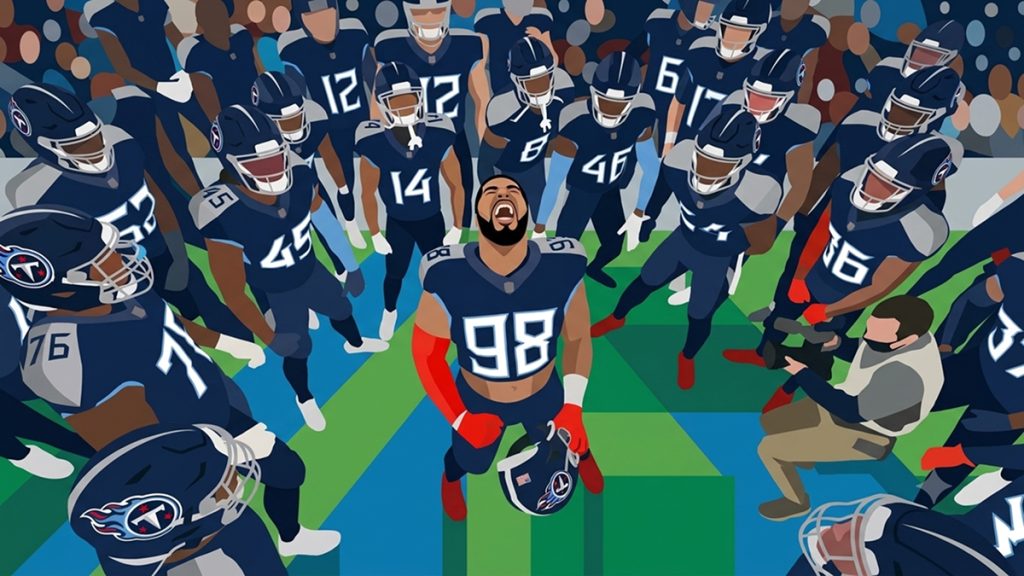
32. Tennessee Titans: Rebuild Year Reality Check Meets a Nashville Stadium Renaissance
- Average attendance per game (2025): 58,893
- Estimated total attendance for the regular season: 530,037 fans
The Tennessee Titans land at the bottom of the NFL’s attendance ladder for 2025, and the reasons behind it are almost entirely tied to timing rather than a lack of fan passion. Coming off a rookie quarterback transition with Cam Ward under center and a schedule loaded with low-marquee divisional matchups against Jacksonville, Indianapolis, and Houston, Nashville simply didn’t have many can’t-miss games to sell. The Titans posted the steepest year-over-year attendance drop of any team in the league, falling roughly 9.1% compared to the previous season, a decline the front office has openly acknowledged as it works to reposition the product on the field. Even the Chiefs game, historically one of the hottest tickets on the home slate, sold at a noticeably softer premium than in years past, reflecting how much win-loss expectations shape short-term demand in NFL markets. What makes the Titans’ story worth watching, though, is the massive infrastructure bet happening just east of the current Nissan Stadium. The team is in the final season of its aging 69,000-plus-seat venue before shifting into a new $2.1 billion, dome-style stadium slated to open for the 2027 season with a slightly smaller footprint of around 60,000 seats. Despite this year’s on-field struggles, the Titans organization reports that roughly 70% of the new building has already been claimed by season-ticket holders carrying over their commitments, a strong early indicator that Nashville’s football appetite is far from fading. That kind of presale momentum, paired with a new stadium purpose-built to also host Super Bowls and Final Fours, suggests the Titans could climb several spots in these rankings within just a few seasons.

31. Chicago Bears: A Playoff Season Undercut by the NFL’s Smallest Stadium
- Average attendance per game (2025): 58,127
- Estimated total attendance for the regular season: 465,014 fans
The Chicago Bears present one of the NFL’s strangest attendance paradoxes: an 11-6 season, an NFC North title, and a playoff win over Green Bay, yet still dead last in home attendance for the second time in three years. The culprit isn’t demand, it’s real estate. Soldier Field, opened in 1924, holds just 61,500 fans, making it the smallest capacity venue in the league by a wide margin and leaving the Bears roughly a quarter-million fans behind attendance leader Dallas despite both teams playing eight home dates. It’s a historic, character-rich stadium, but one that simply can’t compete on volume with newer mega-venues. That math is exactly why the Bears are relocating. After years of stalled lakefront dome proposals and political pushback from Illinois lawmakers, the organization finalized plans in September 2025 to build a new enclosed stadium in Arlington Heights on the site of the former Arlington International Racecourse, ending a 54-year run at Soldier Field once their current lease expires. The new venue is designed around a multi-purpose entertainment district, boosting capacity and unlocking year-round concert and event revenue, positioning Chicago to climb this ranking significantly once construction wraps.

30. Cleveland Browns: Rebuild Pains Meet an Ambitious $2.4 Billion Dome
- Average attendance per game (2025): 64,660
- Estimated total attendance for the regular season: 581,941 fans
The Cleveland Browns endured a rough 5-12 season in 2025, and the lakefront Huntington Bank Field felt it, with attendance settling well below the stadium’s 67,431 capacity for much of the year. A rookie quarterback situation, a lack of consistent offensive firepower, and a fourth-place finish in the AFC North made it a tough sell on cold, wind-whipped gameday afternoons along Lake Erie. Even so, the Dawg Pound faithful remained one of the league’s more identifiable fan bases, still filling the majority of seats despite the on-field struggles.The real story for Cleveland is what’s coming next. The Browns have officially broken ground on a new $2.4 billion enclosed stadium in Brook Park, targeting a 2029 opening with a “Super Theater” design flexible enough to host crowds from 6,000 to 75,000. With roof coverage finally eliminating Cleveland’s brutal lake-effect weather as a deterrent, and Season Ticket Members already securing priority access, the franchise is betting a modern venue will do what a rebuilding roster couldn’t in 2025.
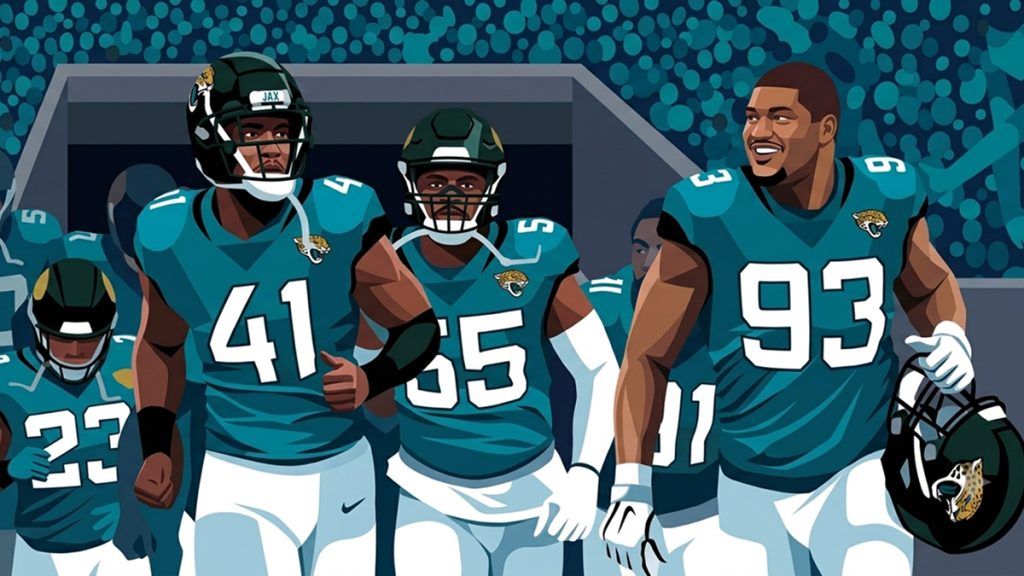
29. Jacksonville Jaguars: A Breakout Season Squeezed by Stadium Construction
- Average attendance per game (2025): 64,445
- Estimated total attendance for the regular season: 580,013 fans
The Jacksonville Jaguars put together one of the NFL’s best turnaround stories in 2025, riding a 13-win season all the way to a home playoff game against Buffalo that packed EverBank Stadium with 70,250 fans. Yet the team’s regular-season average still landed near the bottom of the league, a byproduct of ongoing construction rather than any lack of enthusiasm from one of the NFL’s smallest and most loyal fan markets. As team president Mark Lamping noted, the playoff crowd proved the market’s true ceiling, staying overwhelmingly pro-Jaguars even against a heavily traveled Bills fanbase. The bigger picture here is a franchise mid-transformation. EverBank Stadium is undergoing a $1.4 billion renovation into the “Stadium of the Future,” a project that will shrink capacity further in 2026 before forcing the Jaguars to play the entire 2027 season at Orlando’s Camping World Stadium. Once the rebuilt venue reopens in 2028 with a shaded, open-air bowl and expanded concourses, Jacksonville expects demand to significantly outstrip supply, a rare dynamic for a market long dogged by relocation rumors and one that could reshape this ranking entirely.
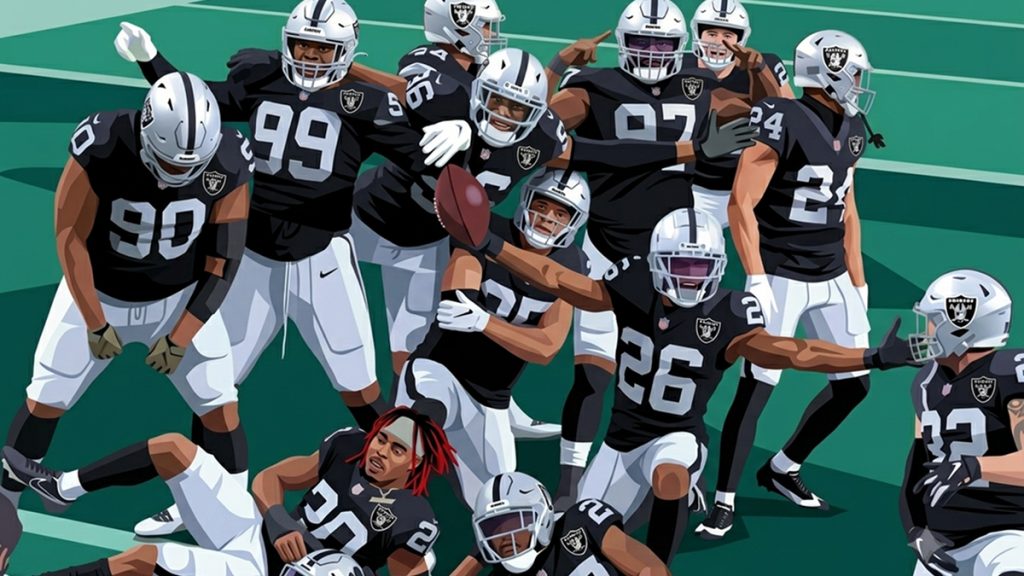
28. Las Vegas Raiders: A Tourist Magnet That Outdraws Its Win-Loss Record
- Average attendance per game (2025): 62,260
- Estimated total attendance for the regular season: 560,341 fans
The Las Vegas Raiders stumbled to a 3-14 record in 2025, a season that ended with the No. 1 overall draft pick and a full coaching change under new head coach Klint Kubiak, yet Allegiant Stadium still managed a slight year-over-year attendance bump, proof that the Raiders’ ticket-selling engine runs on more than just wins. What makes Las Vegas such an outlier nationally is the makeup of the crowd itself, with roughly 62 to 63 percent of attendees coming from outside Southern Nevada, turning nearly every home game into a built-in tourism event rather than a purely local draw. That dynamic held steady even as the city overall suffered a 7.5 percent tourism decline in the second half of 2025, with the Raiders and other marquee bookings like a sold-out Paul McCartney concert keeping the venue’s numbers afloat while the rest of the Strip cooled off. It’s a useful reminder that gate figures don’t always reflect a team’s actual season, and that a genuinely spectacular stadium can function as its own standalone attraction. With a new quarterback, a rebuilt coaching staff, and a fanbase that travels well regardless of record, the Raiders look positioned to keep climbing this list as the on-field product improves.

27. New England Patriots: A Super Bowl Run That Arrived Too Late to Move the Regular-Season Numbers
- Average attendance per game (2025): 64,628
- Estimated total attendance for the regular season: 581,652 fans
The New England Patriots delivered one of the most dramatic single-season turnarounds in recent NFL history, jumping from a 4-13 finish in 2024 to a 14-3 record in 2025 under first-year head coach Mike Vrabel, riding that momentum all the way to Super Bowl LX before falling to the Seahawks. Yet none of that late-season magic shows up in the regular-season attendance figures, which landed in the bottom third of the league at just under 65,000 fans per game at Gillette Stadium. The disconnect makes sense once the timeline is considered: season tickets and early-slate demand were locked in months before anyone knew Drake Maye and this retooled roster would look like Super Bowl contenders, so the gate simply reflected lingering skepticism from consecutive losing seasons rather than the team’s actual trajectory. That gap between perception and performance is a useful lesson for ticket buyers, since the cheapest, most available seats of a season often come right before a breakout run nobody saw coming. Gillette Stadium itself is in strong shape to capitalize on the newfound buzz, having just completed a $250 million North End renovation in 2023 that added a 22-story observation lighthouse, upgraded concourses, and the league’s largest curved outdoor videoboard. With Vrabel’s culture shift now validated by a conference title and a Super Bowl appearance, expect Foxborough’s 2026 home slate to sell at a considerable premium compared to the discounted, rebuilding-year prices that defined 2025, especially for marquee divisional matchups against Buffalo and Miami.
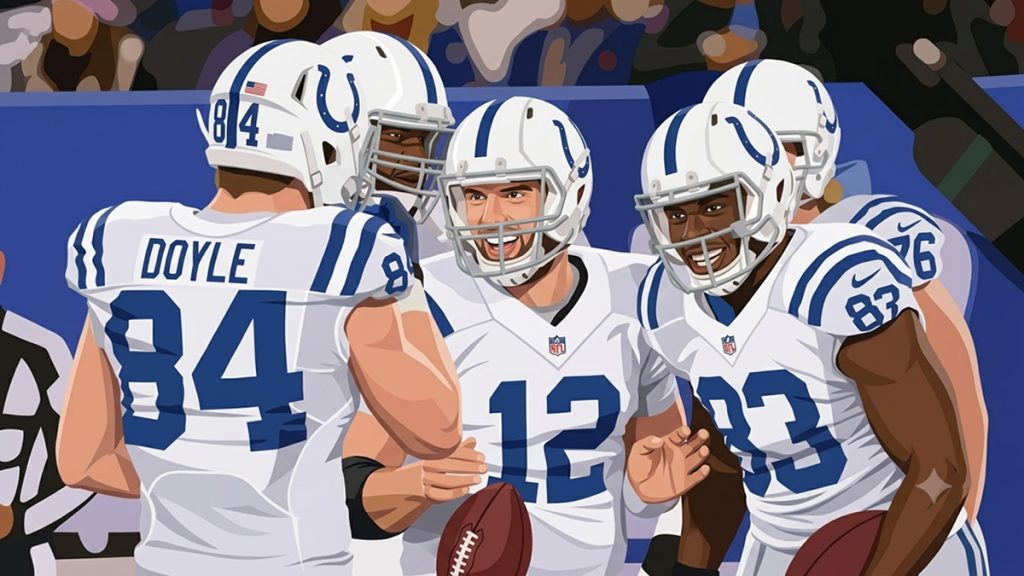
26. Indianapolis Colts: Middle-of-the-Pack Results in a Championship-Caliber Building
- Average attendance per game (2025): 66,088
- Estimated total attendance for the regular season: 594,794 fans
The Indianapolis Colts turned in a fairly unremarkable 8-9 season in 2025, finishing third in the AFC South and missing the playoffs for the fourth time in five years under head coach Shane Steichen, and the attendance numbers at Lucas Oil Stadium tracked right along with that middling performance. A competitive offense that ranked eighth in the league in scoring wasn’t quite enough to offset a defense that gave up nearly 25 points a game, and without a deep playoff push or a signature rivalry surge, Indianapolis settled into a steady but unspectacular gate throughout the season. The Colts also navigated a notable ownership transition in 2025, with Carlie Irsay-Gordon stepping into the CEO role, adding a layer of organizational change behind the scenes even as the on-field product stayed largely consistent with recent years. What keeps Indianapolis relevant in any conversation about NFL venues is the building itself. Lucas Oil Stadium is a 67,000-seat, retractable-roof facility that has hosted a Super Bowl, three NCAA Final Fours, and the annual NFL Scouting Combine, giving it a championship pedigree that few markets its size can match. That versatility means the Colts’ modest regular-season crowds don’t reflect the venue’s true drawing power for marquee events, and a return to the playoffs would likely push attendance back toward the stadium’s all-time high of nearly 69,000. For now, Indianapolis remains a case study in how winning consistently, not building quality, is still the biggest lever teams have over their own ticket demand.
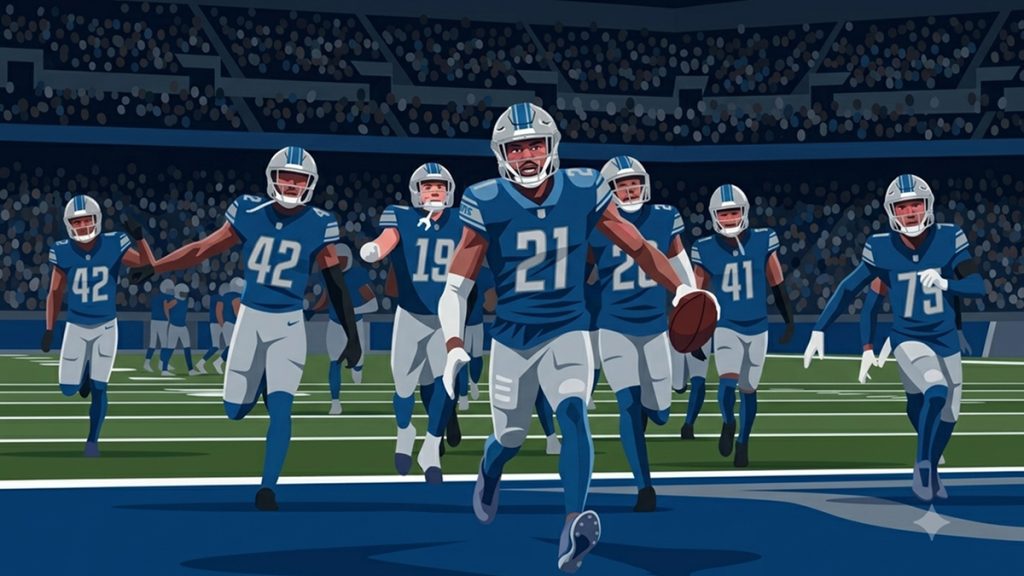
25. Detroit Lions: Nearly Sold Out, Yet Still Near the Bottom of the Raw Numbers
- Average attendance per game (2025): 64,590
- Estimated total attendance for the regular season: 516,719 fans
The Detroit Lions entered 2025 as Super Bowl favorites coming off a franchise-best 15-2 campaign, but injuries and a brutal schedule, ranked the third-toughest in the league by win-projection models, dragged the team down to a 9-8 finish and out of the playoff picture entirely. That regression showed up at the gate too, with Ford Field attendance dropping from the 12th-most in the NFL in 2024 down to 27th in 2025, a total of 516,719 fans across eight home dates. On paper, that puts Detroit ahead of only five other franchises leaguewide in raw attendance volume. But raw totals tell an incomplete story here, and it’s worth understanding why. Ford Field carries a standard capacity of just 65,000, making it the 28th-largest venue among the NFL’s active stadiums, so an average crowd of roughly 64,590 fans actually represents a 99.37% fill rate, good enough to rank 13th in the league by percentage of capacity. In other words, Lions fans showed up in near-sellout numbers all season; the stadium simply wasn’t built to generate a bigger raw number. This distinction matters for anyone comparing attendance across the league, since a smaller venue at full capacity will always look weaker on paper than a larger stadium running at 85% empty. For Detroit, the real story of 2025 wasn’t declining fan interest, it was a disappointing season played out in front of a fanbase that kept filling the building anyway.
24. Arizona Cardinals: High Preseason Hype Meets a 3-Win Collapse
- Average attendance per game (2025): 63,525
- Estimated total attendance for the regular season: 508,197 fans
The Arizona Cardinals entered 2025 with real buzz, coming off a home-field advantage that produced a 6-3 record at State Farm Stadium the year before and a roster many analysts expected to contend in the NFC West. Instead, the season collapsed into a 3-14 disaster that cost head coach Jonathan Gannon his job, with Mike LaFleur already installed as his replacement heading into 2026. That kind of freefall almost always shows up at the gate, and Arizona’s crowds thinned out accordingly as the losses piled up, especially once the team was mathematically eliminated from playoff contention well before the holidays. State Farm Stadium in Glendale remains one of the more architecturally distinctive venues in the league, with its retractable roof and rollout natural grass field designed specifically to combat the desert heat, and it’s a building capable of drawing far bigger crowds when the product on the field warrants it. Arizona’s average attendance actually climbed modestly from the 62,864 fans per game recorded in 2023, suggesting a loyal season-ticket base willing to ride out a rough year rather than abandon the team altogether. With a coaching change now in place and quarterback Kyler Murray entering a make-or-break stretch of his career, the Cardinals have plenty of incentive, and plenty of stadium capacity, to climb back up this list if 2026 brings a genuine turnaround.

23. Tampa Bay Buccaneers: A Four-Time Division Champ Settles Into a Mid-Pack Market
- Average attendance per game (2025): 63,640
- Estimated total attendance for the regular season: 509,124 fans
The Tampa Bay Buccaneers slipped to 8-9 and second place in the NFC South in 2025, ending a run that had seen the franchise win four straight division titles between 2020 and 2024 behind quarterback Baker Mayfield and head coach Todd Bowles. That modest step back tracked closely with recent attendance trends at Raymond James Stadium, which has hovered in the bottom third of the league for consecutive seasons, dipping from nearly 64,000 fans per game in 2023 to just over 63,600 in 2025. Tampa’s market has long been described by industry observers as more price-elastic than most, meaning crowds respond noticeably to both winning streaks and ticket costs rather than showing up on habit alone. Raymond James Stadium itself remains one of the league’s more versatile venues, seating just under 66,000 for football but expandable to 75,000 for events, and it stays busy well beyond the NFL season by hosting the annual Outback Bowl, the Gasparilla Bowl, and even served as a temporary home for the Tampa Bay Rays during their own stadium transition. That built-in flexibility gives the Glazer family plenty of ways to keep the building relevant year-round even when the Buccaneers themselves are drawing modest crowds, and a return to the postseason in 2026 would likely be the fastest way to push attendance back toward the top half of the league.

22. Cincinnati Bengals: A Burrow Injury Derails a Winning Streak and the Turnstiles
- Average attendance per game (2025): 64,949
- Estimated total attendance for the regular season: 584,543 fans
The Cincinnati Bengals finished 6-11 in 2025, snapping a run of four consecutive winning seasons after quarterback Joe Burrow suffered a turf toe injury that sidelined him for much of the year. Cincinnati went just 1-8 without their franchise quarterback before he returned in Week 13 for a statement 32-14 upset over Baltimore on Thanksgiving night, but by then the season’s fate was largely sealed. That on-field disruption translated directly to the gate, with attendance at Paycor Stadium falling roughly 2% compared to the prior year, a dip of about 1,345 fans per game as the team slipped to its first losing record since 2020. The dip is notable mainly because of how strong the baseline had become. Paycor Stadium underwent a significant renovation ahead of the 2024 season, adding new club seats, an expanded plaza entrance, and upgraded concessions that have helped the venue consistently rank among the NFL’s top five in season-ticket-holder satisfaction. Hamilton County and the Bengals also finalized a new long-term lease in 2025, locking the franchise into downtown Cincinnati for years to come and removing any relocation uncertainty from the equation. With Burrow healthy again and weapons like Ja’Marr Chase and Tee Higgins still in place, the Bengals are well-positioned to bounce back into the league’s upper attendance tier as soon as the win column cooperates.
21. Miami Dolphins: A Midseason Front-Office Shakeup Couldn’t Shake the Fanbase
- Average attendance per game (2025): 67,123
- Estimated total attendance for the regular season: 604,106 fans
The Miami Dolphins endured a chaotic 2025 season on and off the field, parting ways with longtime general manager Chris Grier on October 31 after a 2-7 start before interim GM Champ Kelly guided the team to a modest turnaround and a 7-10 final record. That instability ultimately cost head coach Mike McDaniel his job too, with the franchise entering 2026 under an entirely new front office and coaching staff led by GM Jon-Eric Sullivan and head coach Jeff Hafley. Despite all that turmoil, attendance at Hard Rock Stadium actually held remarkably steady, landing right in line with the prior year’s figures and proving that South Florida’s football market doesn’t waver much even during a genuine organizational crisis. Part of that resilience comes down to the venue itself, which functions as far more than just an NFL stadium. Hard Rock Stadium also hosts the Formula 1 Miami Grand Prix, the annual Orange Bowl, the Miami Open tennis tournament, and University of Miami football, giving it a year-round identity that keeps the building relevant even when the Dolphins themselves are struggling. Average ticket prices for Dolphins games typically run between $205 and $345, reflecting a market that blends devoted locals with a steady stream of tourists and snowbirds. With a fresh coaching staff and a defense anchored by Pro Bowl linebacker Jordyn Brooks, Miami will be looking to turn 2026 into the kind of season that finally pushes this loyal fanbase toward the top half of the league’s attendance rankings.

20. Seattle Seahawks: Super Bowl Champions Who Still Rank Near the Bottom Half
- Average attendance per game (2025): 68,741
- Estimated total attendance for the regular season: 549,924 fans
The Seattle Seahawks authored one of the best stories in the NFL this year, going 14-3 behind the league’s top-ranked defense and capping the season with a 29-13 Super Bowl LX victory over New England, their second championship in franchise history and first since 2013. Running back Kenneth Walker III took home Super Bowl MVP honors, and the celebration culminated in a downtown Seattle parade that drew an estimated one million fans. And yet, despite all of that success, Lumen Field still landed just outside the league’s top half in average regular-season attendance, a reminder that a smaller-capacity venue can post a championship season without necessarily topping the raw attendance charts. What Seattle’s “12s” lack in sheer stadium size, they more than make up for in reputation and atmosphere, and Lumen Field’s compact, steep-angled bowl is frequently cited by players and broadcasters as one of the loudest environments in professional sports. The stadium has also built a reputation as a sustainability leader, becoming just the second NFL venue to achieve TRUE Certification for zero-waste programs. With the Seahawks now defending champions heading into 2026, a franchise-record six primetime games on the new schedule, and a fan base still riding high off a title run, expect this year’s crowds and secondary-market prices to climb noticeably compared to the modest numbers posted during 2025’s regular season build-up to glory.
19. Atlanta Falcons: A Ticket Market Built Entirely on Season Passes, Not Single-Game Sales
- Average attendance per game (2025): 70,599
- Estimated total attendance for the regular season: 564,798 fans
The Atlanta Falcons sell tickets in a way that’s genuinely unusual across the NFL: since Mercedes-Benz Stadium opened in 2017, the team has stopped selling single-game tickets directly to the general public, funneling essentially all its ticket inventory through season-ticket packages tied to Personal Seat Licenses. Those PSLs, which range from roughly $500 to $40,000 per seat depending on location, grant buyers the right to purchase the same seat for every preseason and regular-season home game, and notably, the Falcons currently have no waiting list, meaning new fans can secure season access with a fast turnaround compared to more tenured NFL markets. That structure helped Atlanta post a healthy average of 70,599 fans across its eight home dates in 2025, a total of 564,798 tickets sold for the regular season. What makes this ticket-sales model worth watching is how it insulates the Falcons from the week-to-week swings that hit teams relying more heavily on single-game demand, since the bulk of the building is already spoken for before the schedule is even released. Any tickets that do reach secondary markets like the team’s official resale exchange tend to command a premium for high-profile matchups, particularly NFC South rivalry games against Tampa Bay. With a state-of-the-art stadium, a season-ticket base that’s remained stable for years, and no shortage of premium clubs and lounges driving additional revenue, Atlanta’s approach offers a useful blueprint for how a franchise can manage ticket sales predictably regardless of the win-loss column.

18. Houston Texans: A Playoff Fixture Still Fighting to Fill Its Own Building
- Average attendance per game (2025): 70,821
- Estimated total attendance for the regular season: 637,391 fans
The Houston Texans made franchise history in 2025, reaching the playoffs for a third consecutive season, a first for the organization, and picking up their first-ever road postseason win with a 30-6 wild-card victory over Pittsburgh before falling to New England in the divisional round. That sustained success under head coach DeMeco Ryans has translated into steadily strong ticket sales at NRG Stadium, with the 2025 total of 637,391 fans across nine home dates continuing a run of attendance figures that have generally tracked upward as the team’s on-field product has improved. Even so, Houston’s ticket market has a well-documented history of drawing paid crowds that don’t always fully match walk-in attendance, a gap that fans and even former players have called out publicly in past seasons when noticeable empty seats showed up on television broadcasts despite official sellout figures. NRG Stadium itself remains one of the most heavily booked venues in American sports, with a 72,220-seat capacity, a retractable roof, and a calendar that includes the annual Texas Bowl and Houston Livestock Show and Rodeo. The building is also set for a major moment on the global stage, hosting seven matches of the 2026 FIFA World Cup under the temporary name Houston Stadium, which should only sharpen the city’s appetite for large-scale ticketed events. With a talented young core led by Nico Collins and Will Anderson Jr., Houston looks positioned to keep climbing this list as sustained winning gradually closes the gap between tickets sold and fans actually walking through the gates.
17. Minnesota Vikings: A Sold-Out Waitlist That Doesn’t Budge Even in a Down Year
- Average attendance per game (2025): 66,842
- Estimated total attendance for the regular season: 534,738 fans
The Minnesota Vikings came back to earth in 2025, finishing 9-8 and missing the playoffs after a franchise-best 14-3 campaign the year before, and yet the ticket-sales picture at U.S. Bank Stadium barely reflected that step back. That’s because the Vikings are one of a handful of NFL teams that remain completely sold out of season tickets, with all available inventory already claimed by existing members and any newly released seats distributed strictly through an official waitlist rather than open public sale. It’s a structural advantage that keeps the building close to full regardless of short-term win-loss swings, since the fans already hold their seats through multi-year commitments rather than deciding game by game whether the product is worth the price. U.S. Bank Stadium celebrated its 10-year anniversary in 2025, and the venue continues to run entirely on digital ticketing, a shift that has streamlined entry and made the secondary resale market, where Vikings tickets can command steep premiums for marquee matchups, easier to track and enforce. That built-in demand cushion is exactly why total attendance for the season landed at 534,738 fans across eight home dates, a figure that held up respectably even as the on-field results cooled. With Justin Jefferson still one of the league’s most electric offensive weapons and a fanbase whose SKOL chant was recently ranked among the NFL’s best rallying cries, Minnesota’s ticket market looks built to stay strong regardless of any single season’s record.
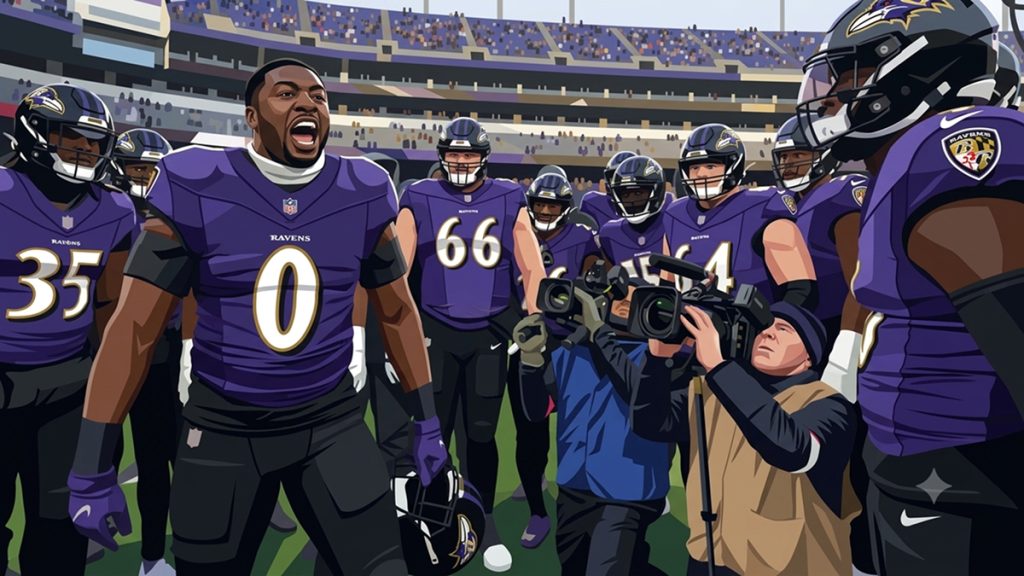
16. Baltimore Ravens: Preseason Super Bowl Buzz Meets an Injury-Shortened Letdown
- Average attendance per game (2025): 70,295
- Estimated total attendance for the regular season: 632,654 fans
The Baltimore Ravens entered 2025 as legitimate Super Bowl contenders after adding veterans like DeAndre Hopkins and Jaire Alexander to a roster already built around Lamar Jackson and Derrick Henry, and ticket demand at M&T Bank Stadium reflected that expectation early in the season. Things didn’t go entirely to plan on the field, though, as Jackson battled injury issues that limited him to 13 games, and head coach John Harbaugh’s team finished 8-9, missing the playoffs in what was his second such finish since 2021. Even with that disappointment, Baltimore still pulled in 632,654 fans across nine home dates, keeping the Ravens comfortably in the middle tier of the league’s attendance rankings. That resilience speaks to how deeply football is embedded in Baltimore’s civic identity, a market that has produced two Super Bowl titles and legendary names like Ray Lewis and Ed Reed, and where M&T Bank Stadium’s roughly 71,000-seat capacity routinely fills regardless of short-term dips in team performance. The venue’s reputation for raucous, defense-driven crowd energy also keeps secondary-market prices elevated for marquee divisional matchups against Pittsburgh and Cincinnati, even in seasons that fall short of expectations. With Jackson’s track record of MVP-caliber play and a defense that remains among the league’s most respected units, Baltimore’s ticket market looks well-positioned to bounce back toward the top of these rankings as soon as health cooperates.
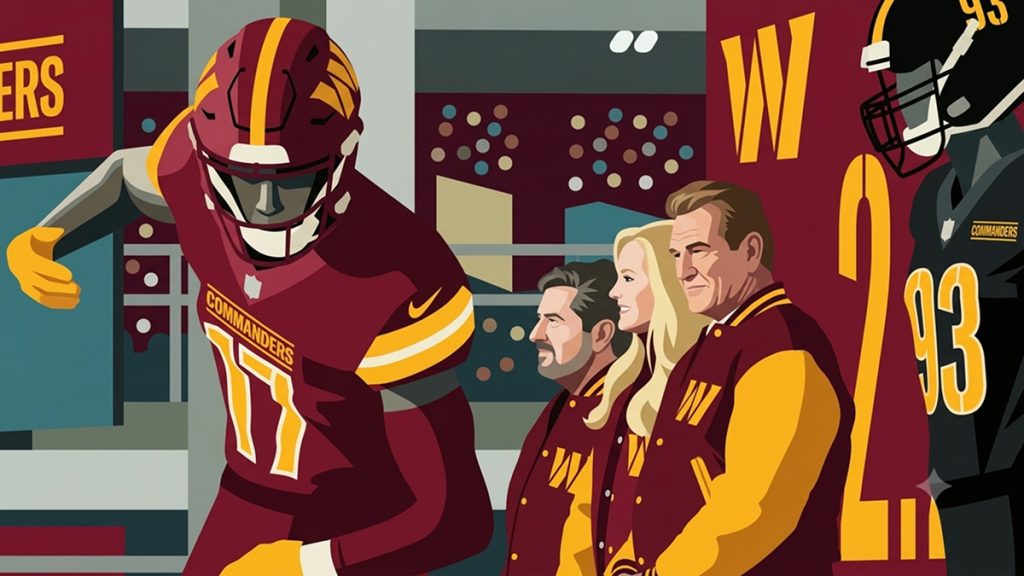
15. Washington Commanders: Riding a Jayden Daniels Wave While a $975 Million Ticket Plan Takes Shape
- Average attendance per game (2025): 64,295
- Estimated total attendance for the regular season: 514,362 fans
The Washington Commanders rode a wave of renewed enthusiasm into 2025 after quarterback Jayden Daniels’ NFL Offensive Rookie of the Year campaign carried the team to the NFC Championship Game the year before, and that momentum showed up directly in ticket demand. Ahead of the season, the franchise sold roughly 12,000 new season tickets and added seats back into Northwest Stadium in Landover to accommodate the surge, a notable reversal for a venue that had spent years trimming capacity amid sluggish demand under previous ownership. That renewed appetite helped push total attendance to 514,362 fans across eight home dates, a solid number for a team still playing in a stadium widely regarded as due for replacement. That replacement is now officially underway. The D.C. Council approved a deal to bring the Commanders back to the RFK Stadium site by 2030, and public documents show the team could generate as much as $975 million from personal seat licenses tied to the new roughly 65,000-seat venue, averaging out to about $15,000 per seat if every one carries a PSL. Actual prices will vary widely by location, but the sheer scale of that financing mechanism signals just how much pent-up ticket demand ownership expects once the team returns to the nation’s capital. With Daniels entrenched as a franchise cornerstone and a new stadium on the horizon, Washington’s ticket market looks poised for significant growth over the next several seasons.
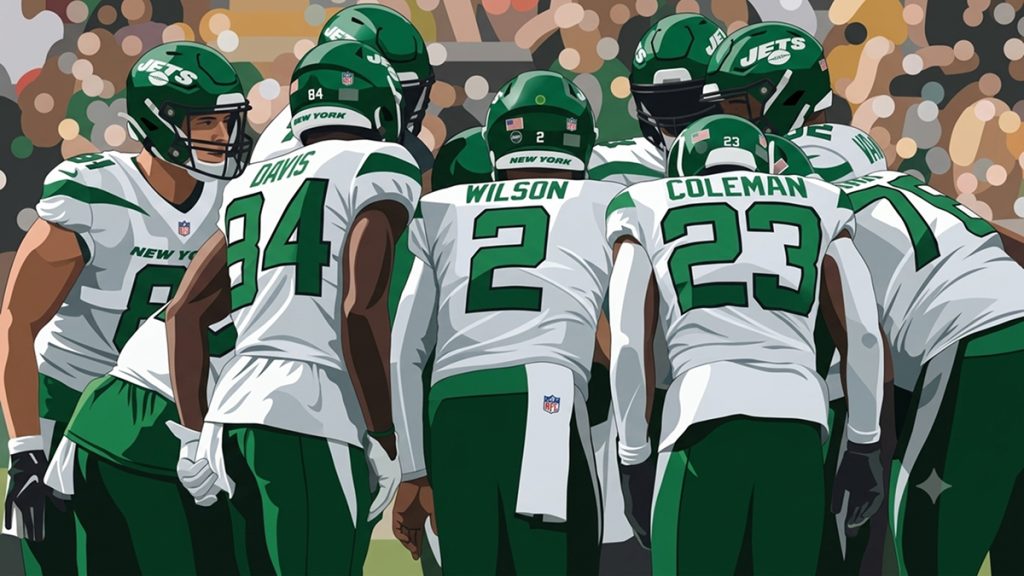
14. New York Jets: Outselling Their Own Stadium Co-Tenant Despite a 3-14 Season
- Average attendance per game (2025): 73,361
- Estimated total attendance for the regular season: 660,246 fans
The New York Jets finished a brutal 3-14 in 2025 under first-year head coach Aaron Glenn, yet somehow still sold more tickets than their MetLife Stadium co-tenant, the New York Giants, whose own losing season came with a rookie quarterback and more storylines to sell. Jets home games drew 660,246 fans across the year, edging out the Giants’ total by close to 1,000 tickets and landing New York among the top handful of teams in the league by total tickets sold, a genuinely surprising outcome for a franchise now sitting on a 10-year streak of losing records and a 15-year playoff drought. It’s a strong signal that the green-and-white fanbase’s loyalty, and perhaps sheer stubborn hope, has held up remarkably well even as the on-field results have not. Part of that resilience likely comes from MetLife Stadium itself operating at an unprecedented pace, hosting a record 40 events and nearly 1.9 million fans over the summer before the Jets even kicked off, including sold-out concerts from Beyoncé, Kendrick Lamar, and Shakira, plus nine FIFA Club World Cup matches. That constant activity keeps the venue, and the surrounding gameday culture, feeling relevant year-round rather than dormant between football seasons. With general manager Darren Mougey and Glenn entering year two together, Jets fans will be hoping the next step is finally translating that remarkable ticket loyalty into wins on the field.
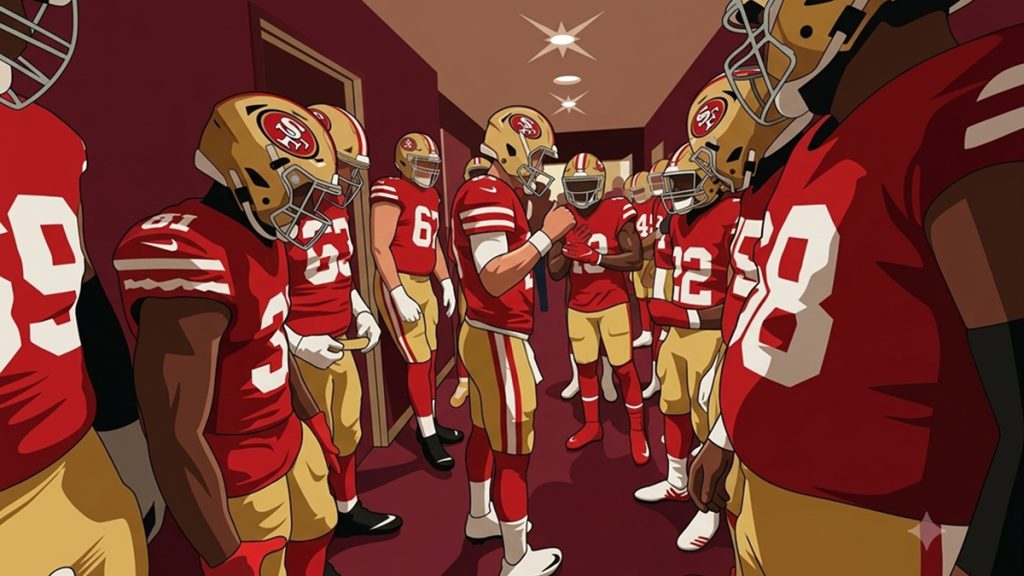
13. San Francisco 49ers: Fewer Tickets Sold, More Money Made Than Almost Anyone
- Average attendance per game (2025): 71,177
- Estimated total attendance for the regular season: 569,416 fans
The San Francisco 49ers put together a strong 12-5 season in 2025, winning a wild-card road game at Philadelphia before falling in the divisional round to the eventual Super Bowl champion Seahawks, and Levi’s Stadium drew a solid 569,416 fans across eight home dates. What makes San Francisco’s ticket story genuinely remarkable, though, isn’t the attendance figure itself, it’s what those tickets actually cost. An internal NFL financial report obtained by CNBC showed the 49ers led the entire league in net ticket receipts in 2024 at $176.5 million, more than $40 million ahead of the next-closest team, almost entirely because they charge the highest average general admission price in the NFL at $190.78 per ticket. That premium pricing is baked into how the franchise sells its seats in the first place, since every ticket at Levi’s Stadium runs through a Stadium Builder’s License, a one-time payment that grants the exclusive right to buy season tickets and priority access to non-NFL events at the venue. It’s a model that trades raw attendance rankings for maximized revenue per seat, and it explains why a team that isn’t leading the league in bodies through the gate can still generate more actual ticket dollars than almost anyone in football. For fans chasing seats, that pricing structure also means San Francisco’s secondary market rarely offers much of a discount, even for games against lower-profile opponents.
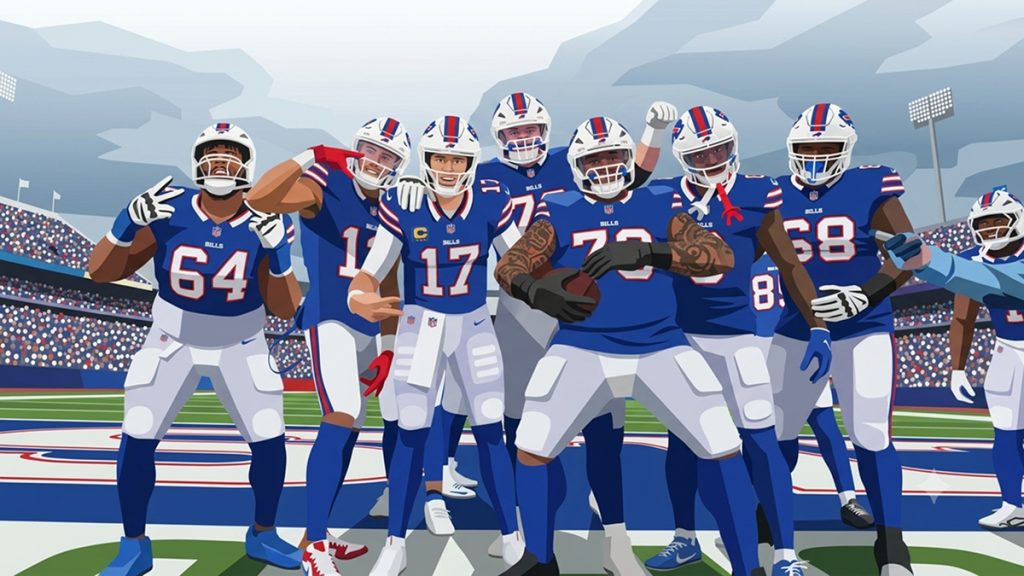
12. Buffalo Bills: Selling Out an Entire New Stadium Before It’s Even Built
- Average attendance per game (2025): 70,877
- Estimated total attendance for the regular season: 637,896 fans
The Buffalo Bills wrapped up the final season at their current Highmark Stadium in style, going 12-5 and winning their first road playoff game since 1992 before falling in the divisional round, all while drawing 637,896 fans across nine home dates, a 1% increase over the previous year. That gate held up even though secondary-market resale prices for Bills tickets have climbed to an average of $228, running roughly 76% above face value, a clear sign that demand in Buffalo’s tight-knit fan market consistently outstrips available supply on the open market. The more remarkable ticket story, though, is what’s happening with the team’s new stadium set to open in 2026. The Bills sold out every Personal Seat License available for the 60,108-seat venue, netting an estimated $259 million in PSL revenue, with roughly 75% of current season-ticket holders confirmed to be making the move into the new building. Because the new stadium has more than 10,000 fewer seats than the current one, nearly the entire venue will be occupied by season-ticket holders once it opens, leaving individual game tickets scarce even at the box office. For a fanbase already famous for tailgating through Buffalo winters, that combination of reduced capacity and total sellout demand all but guarantees Bills tickets will only get harder, and pricier, to find going forward.

11. New Orleans Saints: A 20-Year Sellout Streak That Losing Seasons Can’t Break
- Average attendance per game (2025): 70,036
- Estimated total attendance for the regular season: 560,290 fans
The New Orleans Saints finished 6-11 in 2025, missing the playoffs for a fifth consecutive season under first-year head coach Kellen Moore after a rocky 2-10 start, yet the Caesars Superdome sold out on a season-ticket basis for the 20th year in a row, a streak dating all the way back to 2006. That level of sustained demand is rare in professional sports, let alone for a franchise that hasn’t made a deep playoff run since its Super Bowl XLIV title over a decade ago, and it speaks to how deeply football is tied to civic identity in New Orleans and across the wider Gulf South region. That loyalty shows up in the numbers too, with the Saints drawing 560,290 fans across eight home dates for an average that ranked comfortably in the league’s upper half despite the losing record. The team doesn’t even maintain an open season-ticket waitlist in the traditional sense, instead directing interested fans to register and wait for turnover, since existing holders renew at such a high rate that new inventory rarely opens up. The Superdome itself still holds the franchise attendance record of 584,900 fans set back in 2014, an average of 73,112 per game, showing just how much ceiling exists if Moore’s rebuild eventually clicks. For now, New Orleans remains proof that a multi-decade sellout streak can outlast almost any single disappointing season.
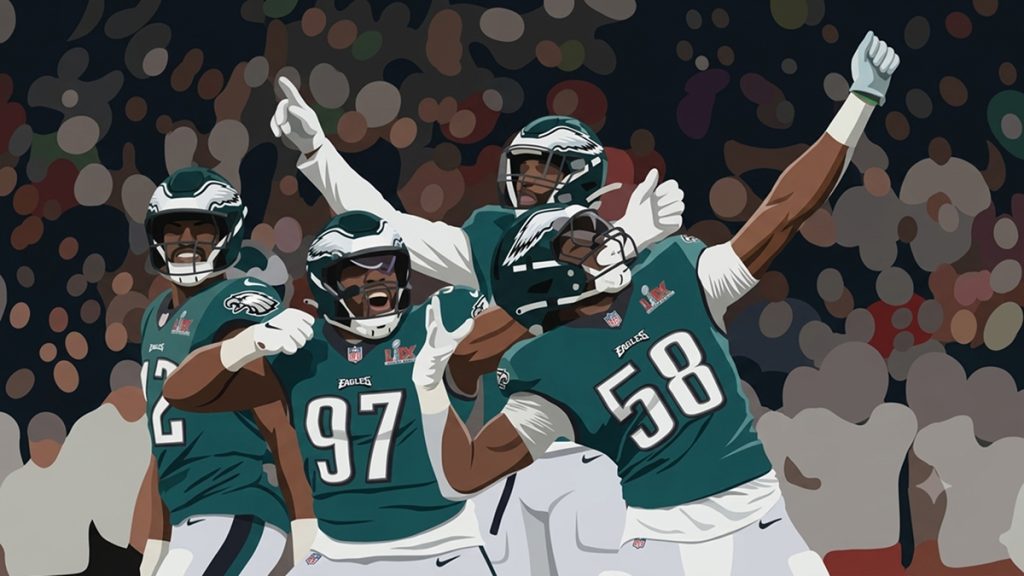
10. Philadelphia Eagles: Defending Champions With Some of the Priciest Tickets in Football
- Average attendance per game (2025): 69,879
- Estimated total attendance for the regular season: 559,032 fans
The Philadelphia Eagles entered the 2025 season as reigning Super Bowl champions after a dominant 40-22 win over the Chiefs in Super Bowl LIX, a performance that earned Jalen Hurts MVP honors, and that championship glow translated directly into some of the steepest ticket prices in the NFL. Lincoln Financial Field, which technically holds 69,879 fans, essentially matching its 2025 average attendance figure, sold out again as average ticket prices for Eagles games climbed into the $380 to $450 range, among the highest of any team in the league. Total attendance for the year reached 559,032 fans across eight home dates, a number that reflects a fanbase leveraging its title window for maximum gameday demand. Getting a seat at the Linc without already owning one isn’t simple, either. Nearly every seat in the building is tied to a Stadium Builder’s License, and fans without one have to join an official season-ticket waiting list just for a shot at general, non-licensed seats that typically open up in the upper 200 Level each July after renewal deadlines pass. That scarcity has also fueled a robust secondary market for SBLs themselves, with dedicated marketplaces facilitating resale of the licenses independent of the tickets they unlock. With Hurts entering his prime and the roster largely intact from a title run, Philadelphia’s ticket market shows no signs of cooling anytime soon.

9. Pittsburgh Steelers: Sold Out Ticket Office, and a Fanbase That Travels Just as Well on the Road
- Average attendance per game (2025): 67,213
- Estimated total attendance for the regular season: 604,923 fans
The Pittsburgh Steelers brought in Aaron Rodgers for the 2025 season, a move that injected fresh national attention into one of the league’s most storied ticket markets, and Acrisure Stadium responded with 604,923 fans across nine home dates. What stood out just as much as the home crowds, though, was what happened on the road, when Steelers fans traveled to MetLife Stadium in Week 1 and visibly took over large sections of the building against the Jets, a phenomenon Rodgers himself compared directly to the traveling support he saw during his 18 years in Green Bay. That kind of away-game presence is a strong secondary indicator of ticket demand, since it shows a fanbase willing to buy up opposing teams’ inventory whenever the Steelers come to town. Back home, the Steelers’ ticket office has been fully sold out for years, meaning nearly every seat at Acrisure Stadium requires a Stadium Builder’s License, with fees starting at $1,500 and climbing based on location, before a fan can even purchase season tickets. That scarcity has created an active resale marketplace for both the licenses themselves and single-game tickets, particularly for measuring-stick matchups against Baltimore and Cincinnati. With Rodgers bringing a new offensive identity to a defense-first franchise and Steelers Nation showing no signs of slowing down at home or away, Pittsburgh’s ticket market remains one of the most stable in professional sports.
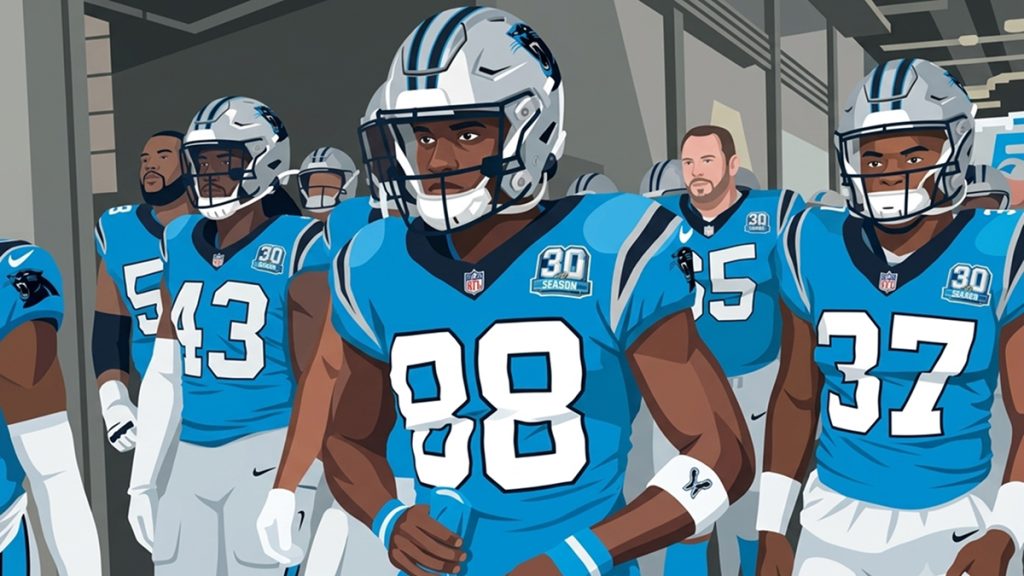
8. Carolina Panthers: A Playoff Return Sparks a Genuine Attendance Rebound
- Average attendance per game (2025): 72,418
- Estimated total attendance for the regular season: 579,343 fans
The Carolina Panthers delivered their best season in years in 2025, finishing 8-9 but still capturing their first NFC South division title since 2015 and reaching the playoffs for the first time since 2017, highlighted by a stunning 31-28 upset at home over the then-NFC-leading Rams in Week 13. That renewed relevance translated directly into ticket demand at Bank of America Stadium, where average attendance climbed to 72,418 fans per game, up from 70,673 the year before, according to Statista’s cross-referenced NFL attendance figures. It’s a textbook example of how a genuine playoff push, rather than marketing alone, is still the single fastest way to move a franchise’s gate numbers. That momentum arrives at a pivotal moment for the venue itself, as Charlotte City Council has approved $650 million in bonds to fund a major renovation of Bank of America Stadium, a facility that also hosts Charlotte FC of MLS and has staged marquee international soccer matches, including 2025 FIFA Club World Cup games. With owner David Tepper’s franchise finally trending upward after years of rebuilding, and a modernized stadium on the way, Carolina looks positioned to keep climbing the league’s attendance rankings as long as the Panthers can build on this season’s surprising division title.
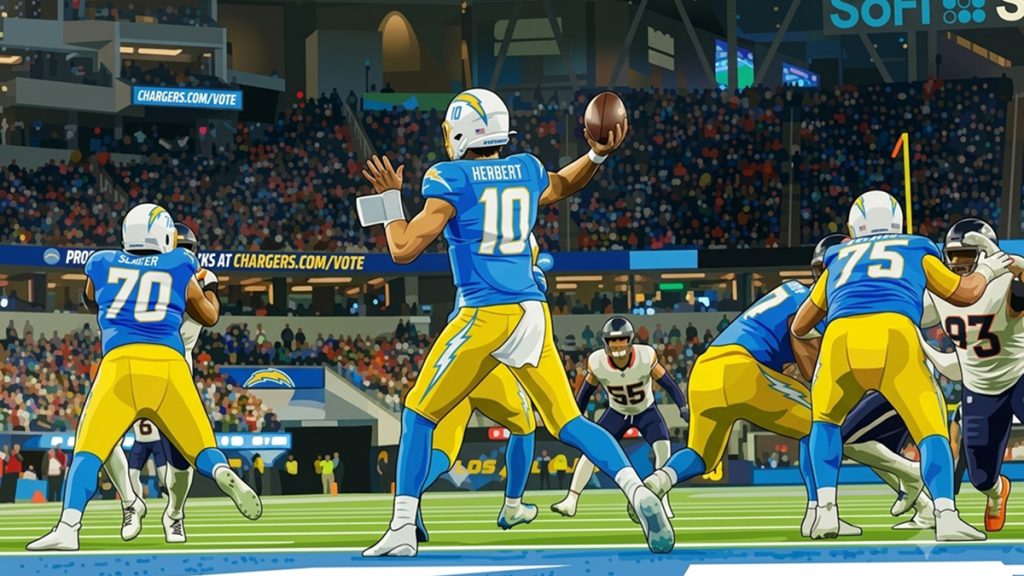
7. LA Chargers: Back-to-Back Playoff Berths Finally Building Real Home-Field Equity
- Average attendance per game (2025): 71,559
- Estimated total attendance for the regular season: 572,472 fans
The Los Angeles Chargers put together a genuinely franchise-defining stretch in 2025, going 11-6 and reaching the playoffs for the second consecutive year under head coach Jim Harbaugh, their first back-to-back postseason appearance since 2008-09. That sustained success has started to show up meaningfully in the gate numbers at SoFi Stadium, with average attendance climbing to 71,559 fans per game in 2025, a solid jump from the 69,736 average the team drew back in 2023 during a rockier 5-12 campaign. For a franchise that spent years being viewed as the lesser-drawing tenant sharing a building with the Rams, that steady upward trend in ticket demand is a meaningful sign the Bolts are finally building genuine home-field equity in Los Angeles. Quarterback Justin Herbert earned his fourth career Pro Bowl selection in 2025, and with five Chargers total named Pro Bowlers or All-Pros, including safety Derwin James and rookie standout tackle Joe Alt, the on-field talent has clearly caught up to the coaching pedigree Harbaugh brought over from Michigan. SoFi Stadium itself remains one of the most in-demand venues in the country for non-NFL events too, regularly hosting global music acts, which keeps secondary-market ticket interest high even outside football season. With consecutive playoff runs now under their belt, the Chargers look like a franchise trending firmly toward the upper half of these attendance rankings rather than the middle tier they’ve occupied for years.

6. Denver Broncos: A Sellout Streak Older Than the Super Bowl Itself
- Average attendance per game (2025): 75,256
- Estimated total attendance for the regular season: 677,305 fans
The Denver Broncos enter every home game with a ticket-sales guarantee almost no other franchise in professional sports can claim: every single game at Empower Field at Mile High has sold out since 1970, a streak stretching back to before the stadium even existed in its current form. That reliability held firm again in 2025, with Bo Nix entering his second season as starting quarterback under head coach Sean Payton’s third year at the helm, and Denver pulling in 677,305 fans across nine home dates. Ticket-price data compiled by TicketSmarter put the average cost to attend a Broncos game at $433.71, one of the priciest tickets in the league, though the team also runs a half-priced ticket program each summer with single-game seats starting as low as $25 to keep the building accessible to newer or more budget-conscious fans. Empower Field’s pull extends well beyond football season too, hosting a record-breaking summer concert slate in 2025 that included Metallica, Coldplay, and Post Malone, with the Metallica shows alone drawing more than 152,000 fans across two nights. That kind of year-round demand reinforces just how central the stadium is to Denver’s civic identity, mile-high altitude and all. With a sellout streak now in its sixth decade and a young quarterback still developing under a proven head coach, the Broncos’ ticket market looks about as recession-proof as it gets in the NFL.
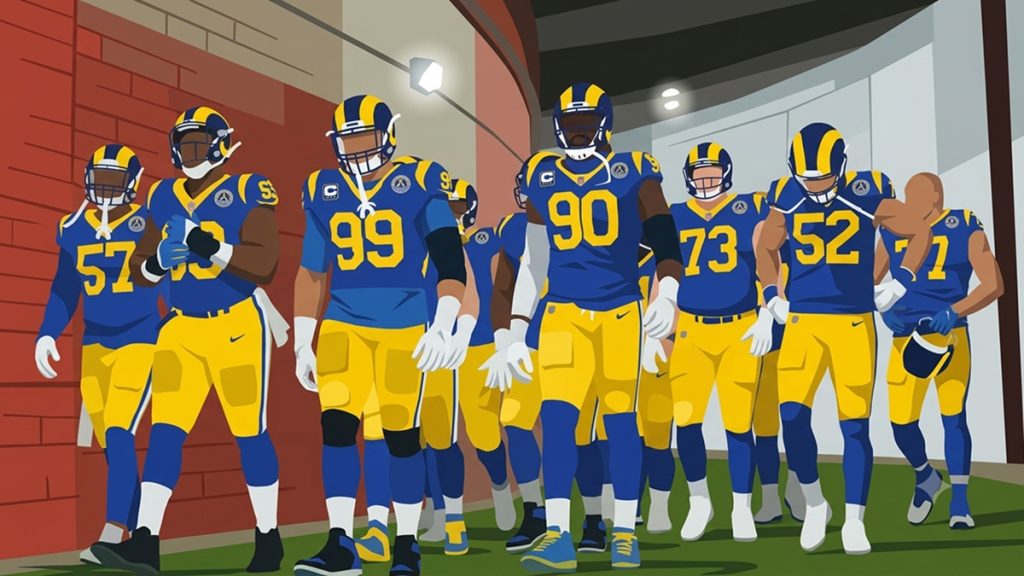
5. LA Rams: An MVP Season and a Deep Playoff Run Fill SoFi Stadium
- Average attendance per game (2025): 73,235
- Estimated total attendance for the regular season: 585,883 fans
The Los Angeles Rams put together one of their finest seasons in franchise history in 2025, finishing 12-5 with the NFL’s top-scoring offense at 30.5 points per game behind reigning league MVP Matthew Stafford, who threw a franchise-record 46 touchdown passes. That success carried all the way to the NFC Championship Game, where the Rams fell 31-27 to the eventual Super Bowl champion Seahawks after knocking out Carolina and Chicago in the two rounds prior. SoFi Stadium responded to that season-long momentum with 585,883 fans across eight home dates, giving the Rams a clear edge over co-tenant Chargers in the venue’s shared attendance battle and reinforcing their status as the primary draw at one of the NFL’s most valuable stadiums. Ticket demand around the Rams’ deep playoff run was intense enough that the team restricted public sales for its NFC title-game presale to Greater Los Angeles residents, only lifting the policy once the game sold out entirely to season-ticket members over a single weekend. Head coach Sean McVay, now entering his 10th season, has built a program with eight winning seasons and 10 postseason wins, more than any coach in franchise history, giving Rams fans a track record of consistent contention that keeps season-ticket renewal rates high year after year. With Stafford playing at an MVP level and the roster largely returning, Los Angeles looks poised to remain one of the league’s most in-demand ticket markets heading into 2026.

4. Kansas City Chiefs: A Losing Season Barely Dented the NFL’s Loudest, Most Loyal Crowd
- Average attendance per game (2025): 73,512
- Estimated total attendance for the regular season: 661,146 fans
The Kansas City Chiefs suffered a jarring step back in 2025, finishing 6-11 and missing the playoffs entirely just months after reaching Super Bowl LIX, yet Arrowhead Stadium still delivered the sixth-highest average attendance in the entire NFL at 73,512 fans per game. That resilience is remarkable given the circumstances, since fans typically pull back fastest when a perennial contender suddenly stumbles, and it speaks to a season-ticket base that has been building in Kansas City since Lamar Hunt’s franchise first led the league in attendance during its 1990s renaissance as a small-market powerhouse. Arrowhead’s reputation as one of the most electric atmospheres in professional sports certainly helps sustain that demand, holding the record for loudest stadium in sports history at 142.2 decibels and famous for its “Sweet Caroline” singalongs and Truman Sports Complex tailgating scene. Even in a down year, the roster still produced four Pro Bowlers, including center Creed Humphrey and defensive tackle Chris Jones, and Patrick Mahomes was still named team MVP despite the disappointing record. With Andy Reid entering his 14th season at the helm and a roster expected to bounce back, Kansas City’s ticket market looks built to absorb the occasional rough year without losing much ground, a luxury few franchises in the league can genuinely claim.
3. New York Giants: The NFL’s Biggest Stadium Draws Big Crowds Even in Disaster Seasons
- Average attendance per game (2025): 79,787
- Estimated total attendance for the regular season: 638,295 fans
The New York Giants endured a genuinely miserable 2025 season, finishing 4-13 and firing head coach Brian Daboll on November 10 after an 2-8 start, yet MetLife Stadium still delivered 638,295 fans across eight home dates, an average that actually increased slightly from the 78,470 fans per game the team drew in 2024. That kind of attendance stability during a full-blown organizational collapse is a direct byproduct of the building itself, since MetLife Stadium carries the largest capacity in the entire NFL at 82,500 seats, giving the Giants more raw physical room to fill than any other franchise even when the on-field product falls apart. Part of what keeps the gate steady is a dynamic unique to shared stadiums: MetLife regularly sees large blocks of visiting-team fans purchasing tickets on the secondary market, meaning a disappointing Giants season doesn’t necessarily translate into empty seats, just a differently colored crowd. The stadium itself had an extraordinarily busy year overall, hosting a record 40 non-NFL events and more than 1.9 million fans over the summer alone, including sold-out concerts from Beyoncé and Kendrick Lamar. With new leadership expected to reshape the roster in 2026 and a fanbase that has shown it will keep showing up regardless of the record, the Giants remain one of the most attendance-resilient franchises in professional football.

2. Green Bay Packers: A 65-Year Sellout Streak and a 150,000-Name Waiting List
- Average attendance per game (2025): 77,848
- Estimated total attendance for the regular season: 622,784 fans
The Green Bay Packers operate under a ticket-sales model unlike anywhere else in professional sports, and the numbers prove it: Lambeau Field has been sold out on a season-ticket basis every single year since 1959, and the team’s legendary waiting list currently holds roughly 150,000 names, with new hopefuls typically facing a wait of about 30 years before a seat ever opens up. Season-ticket renewal rates sit at an astonishing 99% annually, and the Packers have even started proactively revoking accounts from holders who resell 100% of their tickets every year, freeing those seats up for actual fans rather than pure ticket brokers. That combination of scarcity and loyalty is only possible because of the franchise’s unique ownership structure, the only publicly owned, shareholder-based team in the four major North American sports leagues, which removes any single owner’s incentive to prioritize short-term profit over long-term fan access. Ticket prices rose again for the 2025 season, with stadium-bowl seats climbing between $7 and $21 per regular-season game, though team president Mark Murphy has framed the increases as keeping Lambeau firmly in the middle of the league’s pricing rather than at the top. With attendance holding steady in the high 77,000s for years running and a fanbase that treats season tickets almost like inherited family property, Green Bay’s ticket market may be the single most stable, and least accessible, in all of American sports.
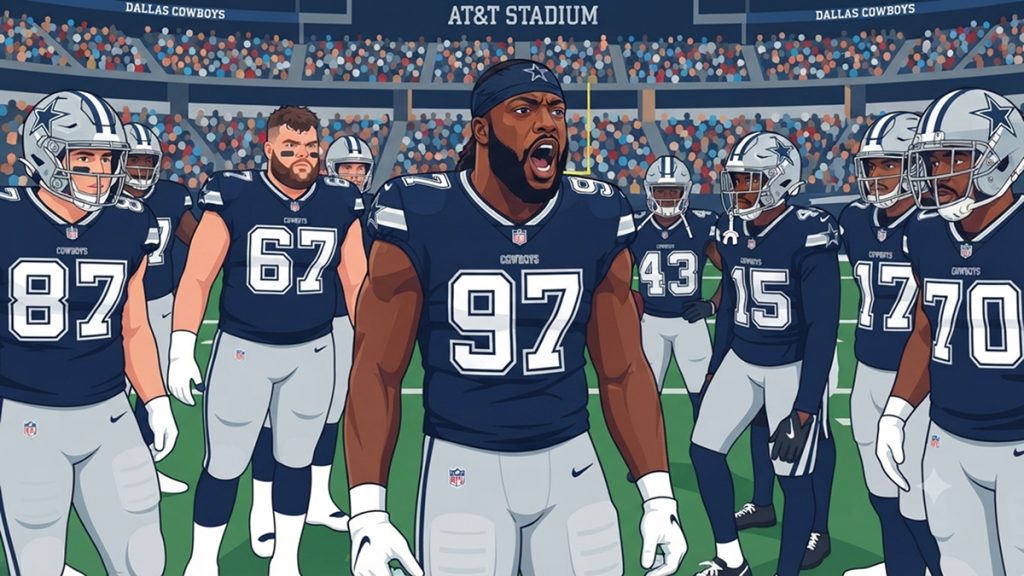
1. Dallas Cowboys: America’s Team Proves Nothing Sells Tickets Like the Star
- Average attendance per game (2025): 92,992
- Estimated total attendance for the regular season: 743,934 fans
The Dallas Cowboys claim the top spot in these rankings by an enormous margin, drawing over 54,000 more total fans than the second-place Denver Broncos despite finishing a middling 7-9-1 and missing the playoffs entirely under first-year head coach Brian Schottenheimer. That gap exists because AT&T Stadium doesn’t play by the same rules as the rest of the league, officially seating 80,000 but expandable to well over 100,000 through standing-room-only Party Pass sections, with the Cowboys averaging around 18,000 of those passes sold per game and a stated maximum of 35,000. The result is a stadium that operated at roughly 116.2% of its listed capacity across the 2025 season, a figure no traditional fixed-capacity venue in the NFL can match. What makes Dallas such a fascinating case study in ticket demand is how little the win-loss record seems to matter. The Cowboys’ Thanksgiving Day matchup against Kansas City became the most-watched regular-season NFL game ever recorded, pulling in 57.2 million viewers, proof that curiosity and brand power keep filling seats even in a down year. Owner Jerry Jones built AT&T Stadium, nicknamed “Jerry World,” explicitly as an entertainment colossus rather than a traditional football-only venue, and that vision has paid off in ticket sales that dwarf every other franchise regardless of on-field performance. For any fan wondering which team truly sells the most tickets on average, the answer isn’t close, and it isn’t going anywhere anytime soon: Dallas remains the single biggest draw in professional football, a franchise where the brand itself has become bigger than any single season’s record.
The Real Winners in the NFL Aren’t Always the Teams You’d Expect
Ranking NFL teams by average attendance reveals a league where ticket demand rarely tracks cleanly with wins and losses. Teams like the Titans and Bears sit near the bottom largely because of small or aging stadiums, not fading fan interest, while franchises like the Giants and Chiefs kept drawing strong crowds through genuinely rough seasons. At the top, Dallas and Green Bay prove that scale and scarcity, not just success on the field, can build the most reliable ticket markets in professional sports. As new stadiums open in Buffalo, Tennessee, and Cleveland over the next few years, expect this list to shuffle considerably, with market size, ticket pricing strategy, and stadium capacity mattering just as much as what happens on Sundays.