The NHL ticket‑buying ecosystem is a fascinating tug‑of‑war between tradition, market size, and modern pricing power, and the team that “sells the most tickets on average” is rarely the one that jumps first to mind.
Leaguewide attendance has climbed for several consecutive seasons, with the 2023–24 campaign drawing more than 22.5 million fans and the 2025–26 season pushing that total past 23 million, underscoring how consistently strong demand is across the 32‑team league.
Behind those league totals, however, sit stark differences in how individual franchises fill their arenas, attract fans to secondary markets, and structure season‑ticket packages. Here, we peel back the layers of what “hockey ticket sales” really means in the NHL: Is it about sheer bodies in the stands every night, or about maximizing revenue per game through premium pricing and suite sales? Some markets sell out almost every night but operate in smaller buildings, while others command higher prices because of rabid fan bases and national‑television appeal. By tearing apart attendance data, secondary‑market heat, and pricing trends, we can reveal the nuanced picture behind which NHL team actually sells the most tickets on average and why that answer depends on how you choose to measure it.

32. Utah Mammoth: Relocation Reliability Drives Healthy Ticket Sales
- Average attendance per game (2025-2026): 12,478
- Estimated total attendance for the regular season: 524,000 fans
The Utah Mammoth’s ticket‑sales story is less about raw attendance volume and more about sell‑out consistency and market penetration after the franchise’s relocation from Arizona. Despite carrying the lowest raw attendance numbers in the league, the team essentially operates at a 100% sell‑out rate, with the Delta Center’s modest capacity of 12,478 masking the true strength of demand in the community. The addition of about 1,100 lower‑bowl seats in 2025–26, combined with a first‑season playoff push, helped the Mammoth post the largest year‑over‑year attendance increase in the NHL, up around 10.8%. On the secondary market, the Mammoth command modest prices relative to big‑market franchises, but high‑demand games against rivals like Colorado and Dallas see strong resale activity, reflecting a growing regional fan base that appears primed for higher‑priced events as the team settles into Utah hockey culture.

31. Winnipeg Jets: Small‑Market Faith Returns to Canada Life Centre
- Average attendance per game (2025–26): 14,500
- Estimated total attendance for the regular season: 595,000 fans
The Winnipeg Jets’ ticket‑sales story is one of measured rebound rather than blockbuster numbers, as Canada Life Centre has climbed back into the mid‑14,000‑per‑game range after a post‑pandemic dip that once saw the arena flirt with or fall below 13,500. With roughly 15,325 seats, the building now sits solidly in the mid‑teens for average attendance, translating to about 595,000 fans over the 41‑game home schedule, a clear gain from recent years but still well short of the league’s capacity‑dominating franchises. Behind that uptick is a deliberate shift in sales strategy: the Jets slimmed their season‑ticket program from an oversold 13,500‑plus to a tighter, more realistic base around 10,500 equivalents, then layered in a “Jets Passport”‑style budget‑based model that lets fans distribute a set dollar amount across games instead of committing to every home date. That approach has helped stabilize core demand, while expanded single‑game and multi‑pack options keep the secondary‑market price modest but steady, with marquee matchups against rivals like the Flames and Oilers driving the strongest sell‑through. For a small‑market Canadian city, Winnipeg’s ticket‑sales profile is all about using community‑driven nights and heritage‑style events to deepen fan connection and quietly build the foundation for higher‑tier pricing as the team’s on‑ice trajectory continues upward.

30. Anaheim Ducks: Modest Rebound in a Soft Secondary Market
- Average attendance per game (2025–26): 15,800
- Estimated total attendance for the regular season: 648,000 fans
The Anaheim Ducks’ ticket‑sales story centers on a quiet, steady rebound rather than a marquee surge, as Honda Center settles back into the mid‑15,000‑per‑game range after several seasons of softer demand. With a capacity of about 17,174, the Ducks now fill roughly 92 percent of their seats on a typical night, translating to approximately 648,000 fans over 41 home games, a figure that places them near the middle of the league by raw attendance rather than at either extreme. That improvement reflects a combination of more flexible ticketing – such as season‑ticket equivalents, multi‑game packs, and suite packages – and a slowly rebuilding fan base willing to show up even while the team continues to hover around the lower reaches of the Western Conference standings. On the secondary market, Anaheim remains one of the softer sellers in the NHL, with only marquee matchups against rivals like Los Angeles, Vegas, or star‑driven visitors spiking demand and pricing; most regular‑season games see modest resale activity and relatively accessible prices compared with bigger Canadian markets. For a franchise in a crowded Southern California sports landscape still navigating a lengthy rebuild, the Ducks’ ticket‑sales profile is focused on incremental, sustainable growth that keeps the building consistently full without relying on short‑term hype or chaos.

29. New York Islanders: Slumping Performance Weighs on UBS Arena Demand
- Average attendance per game (2025–26): 15,982
- Estimated total attendance for the regular season: 655,000 fans
The New York Islanders’ ticket‑sales story in 2025–26 is one of gradual softening rather than collapse, as UBS Arena continues to fill just under 93 percent of its 17,255‑seat capacity on most nights, averaging about 15,982 fans per game and just under 655,000 fans across 41 home dates. That figure places the Islanders near the bottom third of the league in raw attendance, reflecting both a steady year‑over‑year slide in head‑count and a fan base that has grown visibly cautious during a long‑running rebuild. On the ticketing side, the team relies on season‑ticket holders and corporate suites to anchor the nightly gate, while single‑game pricing remains relatively accessible compared with premium Canadian markets, which keeps the secondary market open but under‑heated for all but high‑profile games. Marquee matchups against the Rangers, Flyers, or other marquee visitors can still push the building toward the high‑teens‑thousand mark, but many regular‑season nights see looser crowds and a noticeable number of resale tickets circulating at discounted rates. For a franchise in a dense New York‑area sports market, the Islanders’ ticket‑sales profile is less about maintaining a baseline of support through flexible pricing, promotions, and a slowly improving on‑ice product that has yet to fully restore the arena’s early‑Years buzz.

28. Pittsburgh Penguins: A Historic Market Cooling Off at PPG Paints Arena
- Average attendance per game (2025–26): 16,100
- Estimated total attendance for the regular season: 660,000 fans
In 2025–26, the Pittsburgh Penguins’ ticket profile reflects a franchise that still draws a respectable crowd, but no longer enjoys the near‑unbreakable sell‑out streak that once defined its identity, with PPG Paints Arena averaging roughly 16,100 fans per game and about 660,000 over 41 home dates. That capacity percentage places Pittsburgh near the bottom quarter of the league despite a market steeped in hockey history, signaling a fan base that remains emotionally invested but increasingly selective about how often it crosses the threshold. The team still leans on a core of season‑ticket holders and corporate packages to anchor the nightly gate, yet has seen a noticeable year‑over‑year slide in head‑count, mirroring broader doubts about the pace and direction of the post‑Crosby‑Malkin‑Letang evolution. Single‑game pricing remains in line with other mid‑tier U.S. markets, which keeps the secondary market circulating but rarely lit up, with many non‑marquee games revealing pockets of empty seats and discounted inventory rather than a constant sea of red. The real bursts of demand arrive when the Penguins are pushing a playoff chase or hosting a big‑name opponent, turning the arena into a packed, nostalgic‑themed environment that briefly resembles the Cup‑era rush, yet those nights feel more like flashes of the old energy than a new, sustained norm.
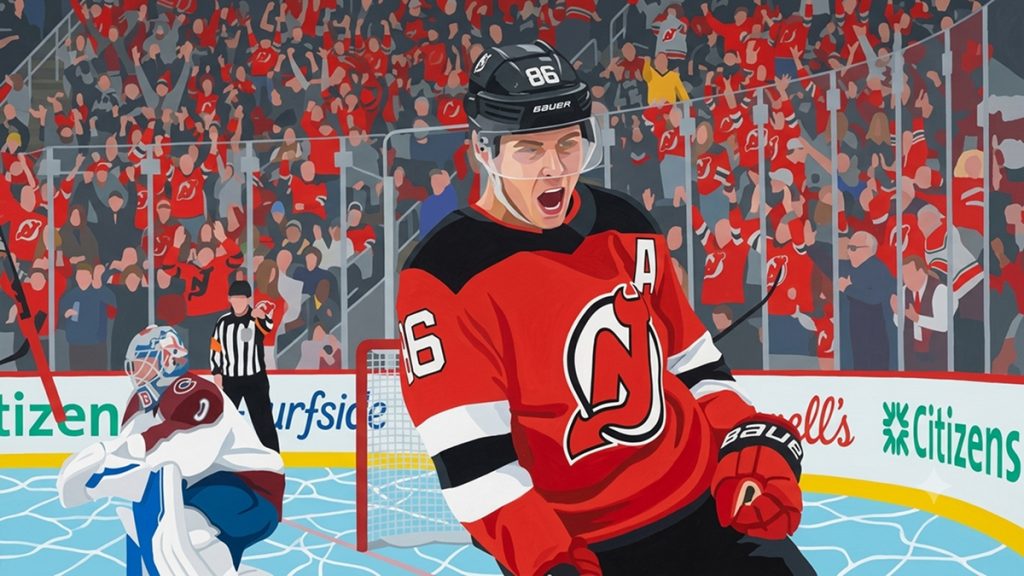
27. New Jersey Devils: Quietly Full but Not Frenzied at Prudential Center
- Average attendance per game (2025–26): 16,145
- Estimated total attendance for the regular season: 662,000 fans
In 2025–26, the New Jersey Devils’ ticket sales are best described as consistently solid rather than sensational, with Prudential Center averaging 16,145 fans per game and roughly 662,000 across 41 home dates, operating at about 97.8 percent of its 16,514‑seat hockey capacity. That puts the Devils firmly in the league’s upper half by both raw numbers and capacity percentage, reflecting a fan base that continues to show up faithfully even when the team’s on‑ice product is more steady than spectacular. The front office leans on a strong base of season‑ticket holders and corporate packages to keep the nightly gate near the ceiling, while single‑game pricing stays in line with the broader Northeast market, making tickets accessible enough to keep the secondary market ticking but rarely erupting into a full‑blown frenzy. Marquee matchups against the Rangers, Flyers, or playoff‑bound rivals can push the arena into or slightly above capacity, especially when the Devils are in a short‑term run that rekindles cup‑era nostalgia, yet many midweek games still feel like a controlled, familiar routine rather than a must‑see event. For a franchise that once depended heavily on playoff runs and Cup‑chasing buzz, the Devils’ current ticket profile is about sustaining a quietly high‑occupancy atmosphere that reflects a loyal, if somewhat tempered, regional attachment to the team.

26. Buffalo Sabres: Cautious Optimism in a Struggling Market
- Average attendance per game (2025–26): 16,421
- Estimated total attendance for the regular season: 673,000 fans
The Buffalo Sabres’ ticket sales story is one of halting, fragile improvement, as KeyBank Center averages about 16,421 fans per game and roughly 673,000 fans over 41 home dates, hovering around 86 percent of its 19,070‑seat capacity on most nights. That places Buffalo near the bottom of the NHL in both capacity utilization and raw attendance, reflecting the lingering hangover from years of on‑ice struggles and a prolonged playoff drought that has left the fan base wary rather than wired for repeat sellouts. The team leans heavily on a core of roughly 9,000 season‑ticket households to anchor the nightly gate, while avoiding widespread price hikes and leaning into no‑fee gameday seating and promotional bundles to keep individual tickets feel accessible. Single‑game pricing remains modest compared with premium Canadian markets, which keeps the secondary market open but rarely red‑hot outside of marquee matchups or surprise win streaks. When the Sabres do play meaningful hockey or ride a hot stretch, the arena can briefly scale back toward full, with recent months showing several home sellouts and noticeable spikes in ticket volume. For a region that once packed KeyBank to the rafters, the Sabres’ ticket sales profile today is less about recapturing past glory and more about proving the team can steadily inch attendance higher every time the on‑ice product gives fans a tangible reason to show up.

25. San Jose Sharks: Talented Young Core Drives Steady Ticket Sales
- Average attendance per game (2025–26): 16,173
- Estimated total attendance for the regular season: 679,000 fans
The San Jose Sharks’ ticket‑sales story in 2025–26 centers on a young, promising core that has begun to breathe new life into SAP Center without needing a playoff run to fill seats. With an average of about 16,173 fans per game – which is up from recent seasons and among the better year‑over‑year attendance gains in the league – the Sharks are showing that a falling‑off‑their‑prime roster no longer has to mean a hollow building on non‑rivalry nights. Playing in a roughly 17,435‑seat arena, the team still trails the league’s capacity‑leaders in raw numbers, but the real story is consistency: mid‑teens‑thousand crowds have become the norm, especially when Draft‑top‑pick Macklin Celebrini and the rest of the Sharks’ youthful core are on the ice against rivals like Vegas and Los Angeles. On the ticket‑sales side, the Sharks have leaned on a revamped season‑ticket framework and a “Sharks365”-style membership tier to stabilize demand, while the secondary market reflects a modest average price relative to big‑market teams but robust sell‑through for special games. That blend of youth‑driven marketing, smart pricing, and a growing reputation for long‑term potential gives the Sharks a quietly strong ticket‑sales profile, one that feels more about the next decade of teal than the last era of dynasty hockey.

24. Nashville Predators: One of the NHL’s Loudest, Full‑House Markets
- Average attendance per game (2025–26): ~17,200
- Estimated total attendance for the regular season: ~688,000 fans
In 2025–26, the Nashville Predators’ ticket profile looks and sounds like one of the healthiest in the league, with Bridgestone Arena regularly hovering around or just above its 17,100‑seat hockey capacity and the team averaging roughly 17,200 fans per game across 40 home dates, for an estimated total of about 688,000 fans. That places Nashville in the top tier of the NHL by capacity utilization, turning the Predators into a case study in a smaller‑market team that packs the building night after night, even when the on‑ice product is more rebuilding‑phase than Cup‑favorite. The organization leans heavily on the “Smashville” culture, season‑ticket‑style loyalty programs, and targeted value‑pack deals—like family‑focused bundles, student‑rush options, and frequent $17 day‑of‑game tickets—to keep the arena charged without relying on constant premium‑only pricing. Single‑game pricing and the secondary market stay busy but not overheated, with demand spread across a broad base of locals across Tennessee and the surrounding states rather than a narrow layer of corporate buyers, which helps the Predators maintain a loud, inclusive atmosphere even on low‑profile midweek nights. In a crowded entertainment landscape, Nashville’s team makes every game feel like a social event, turning Bridgestone into one of the few arenas where the building is routinely full before the first face‑off, regardless of the standings.

23. Calgary Flames: A Big‑Building Market Re-Learning to Fill Its Grandstands
- Average attendance per game (2025–26): 17,200
- Estimated total attendance for the regular season: 688,000 fans
Scotiabank Saddledome still looms large in the NHL landscape, but the Calgary Flames’ ticket‑sales story in 2025–26 is one of potential more than permanence. In a building that seats about 19,300 for hockey, the Flames average roughly 17,200 fans per home game across 40 dates, putting them near the middle of the league in both raw attendance and capacity utilization. That figure adds up to an estimated 688,000 regular‑season fans, a respectable number for a one‑team market built around oil‑driven economics and generations of franchise loyalty. Yet the attendance curve is heavily front‑loaded by rivalry nights, alumni‑driven events, and playoff‑push stretches, while midweek games against smaller‑market opponents often feel more regional complex than deafening arena. The secondary market spikes ruthlessly on “Battle of Alberta” showdowns and marquee opponents, revealing a fanbase that is passionate, price‑sensitive, and selective with its time. On the business side, the team relies on season‑ticket clusters, group‑ticket blocks, and targeted promotions to keep the calendar moving, but the casual buyer routinely waits for the right matchup or pricing trigger. In that sense, Calgary’s ticket profile is less a steady‑state engine than a demand‑cycle barometer: the Saddledome can roar like a true top‑tier venue, but it only does so when the product, the opponent, and the story all line up.

22. Columbus Blue Jackets: A Quietly Strong, Rebounding Market in the Heartland
- Average attendance per game (2025–26): 16,880
- Estimated total attendance for the regular season: 692,000 fans
In Columbus, the Blue Jackets sit in an interesting spot: they are not a buzzing sell‑out franchise, but they are also no longer a slipping‑attendance afterthought. Nationwide Arena holds about 18,500 for hockey, and the team averaged roughly 16,880 fans per home game across 40 dates in 2025–26, translating to an estimated 692,000 regular‑season fans. That puts Columbus in the middle to upper‑middle of the league by raw attendance and around 91% capacity, a healthy rebound from the more down‑years of the recent past. The ticket base mixes a core of loyal locals, corporate‑suite accounts, and a modest regional draw, with demand spiking on rivalry nights, marquee‑visitor matchups, and any game that feels like a potential playoff‑style moment. Single‑game pricing and the secondary market are solid but not red‑hot, reflecting a market that still treats the Blue Jackets as a secondary‑priority entertainment option in a sports‑heavy calendar, yet one that is willing to show up when the team looks like a legitimate NHL product. In that sense, Columbus’s attendance profile is less about deep‑rooted apathy and more about cautious, results‑driven enthusiasm: the fans are still there, but they increasingly demand a team that looks and feels like it belongs.

21. Los Angeles Kings: Consistent Draw at Crypto.com Arena
- Average attendance per game (2025–26): 17,000
- Estimated total attendance for the regular season: 697,000 fans
In 2025–26, the Los Angeles Kings’ ticket sales story is one of quiet, mid‑tier stability, with Crypto.com Arena averaging roughly 17,000 fans per game and just under 700,000 over 41 home dates, hovering near the mid‑1990s in capacity utilization. That keeps the Kings outside the very top attendance bracket but still in the upper half of the league, reflecting a Southern California market that shows up reliably for hockey without quite treating every Kings game as a must‑see event. The team leans on a core of season‑ticket holders and premium club‑seat packages to lock in the nightly floor, while single‑game pricing remains competitive in the national landscape, blending luxury‑market optics with flexible pricing tiers that keep everyday tickets within reach for a broad fan base. The secondary market hums along rather than burns, with most nights seeing steady demand but only occasional spikes for marquee visitors, intra‑division rivals, or short‑term hot streaks that briefly push the arena closer to its true ceiling. Across a crowded LA sports calendar, the Kings’ attendance profile is more about sustaining a steady, respectable draw that reinforces their place as one of the league’s more financially stable franchises, even when the on‑ice product is still building momentum.

20. Seattle Kraken: A New‑School Market Running Hot at Climate Pledge Arena
- Average attendance per game (2025–26): 17,100
- Estimated total attendance for the regular season: 700,000 fans
In 2025–26, the Seattle Kraken’s ticket sales profile reads like a franchise that has already outpaced the typical “expansion‑hangover” slide, with Climate Pledge Arena averaging roughly 17,100 fans per game and just under 700,000 over 41 home dates, regularly playing at or slightly above 100 percent of hockey‑configuration capacity. That puts the Kraken near the top third of the league in both raw attendance and capacity utilization, helped by a West‑Coast‑centric scheduling edge and a fan base that treats Kraken games less like optional sports nights and more like main‑event evenings out in Seattle’s core. The team leans on a mix of younger season‑ticket members, corporate‑heavy upper‑bowl packages, and a constant stream of single‑game buyers drawn by the arena’s intimate, high‑end atmosphere, with the front office able to keep most nights functionally sold‑out even when the team’s on‑ice record is closer to middling than marquee. Single‑game pricing sits in the upper‑mid tier nationally, yet the secondary market stays active rather than frantic, with scaling‑section pricing absorbing most of the demand without the constant surge‑pricing spikes seen in older, more saturated markets. Whether hosting Vancouver‑rivalry nights, Canadian‑team visits, or Pacific‑Division showdowns, Climate Pledge reliably fills aggressively, turning the Kraken’s attendance story into one about a new‑market, experience‑driven culture that has already embedded itself as a nightly draw in the Seattle sports calendar.

19. St. Louis Blues: A Relentless Sell‑Out Machine in the NHL’s Heartland
- Average attendance per game (2025–26): 17,600
- Estimated total attendance for the regular season: 704,000 fans
In a league where some arenas are still learning how to consistently fill their seats, the St. Louis Blues have turned Enterprise Center into one of the NHL’s most reliable sell‑out factories. The building lists at about 18,096 for hockey, and the Blues are averaging roughly 17,600 fans per home game in 2025–26, which pencils out to around 704,000 fans over 40 dates. That’s not the highest raw attendance number in the league, but it’s among the most impressive in terms of consistency and fan devotion, with reports suggesting the team is selling out the vast majority of its regular‑season games. The Blues’ ticket base is a mix of long‑time diehards, corporate‑level support, and a strong regional draw from across Missouri and neighboring states, creating an environment where enterprise‑center‑style nights essentially assume the arena will be full before the puck even drops. Prices are premium by the middle‑of‑the‑country standards, yet demand remains steady because the fanbase has repeatedly proved willing to pay for a product that is both emotionally charged and often competitive. The secondary market hums but rarely melts down, reflecting a healthy balance between strong‑but‑real pricing and a fanbase that doesn’t need to overpay just to see its team. In a broader league context, St. Louis stands out as a mid‑sized market that punches well above its weight in terms of game‑day energy, turning a one‑team hockey town into one of the most reliable‑selling tickets in the NHL.

18. Ottawa Senators: A Rebuilding‑Era Market That’s Learning to Believe Again
- Average attendance per game (2025–26): 17,300
- Estimated total attendance for the regular season: 709,000 fans
Just a few years ago, the Ottawa Senators’ fanbase felt like a cautious long‑term investor waiting for dividends that never seemed to arrive. Now, in 2025–26, Canadian Tire Centre is once again buzzing with the kind of energy that comes from a team that’s finally making believers of skeptics. The Senators are averaging roughly 17,300 fans per home game in a building that seats about 18,600, putting them around the bottom‑half of the league in raw attendance but in the upper‑half by percentage of capacity at roughly 93–94%. That translates to roughly 709,000 fans over a 41‑game home schedule, a figure that reflects a modest rebound from the trough years of the deep rebuild. The real story isn’t just the number on the gate sheet, though; it’s the willingness of fans to bet on the team again after a long stretch of missing the playoffs and watching the roster turned inside out. The 2024–25 postseason return—Ottawa’s first appearance in eight years—gave the organization a surge of momentum, helping season‑ticket sales grow and prompting management to project hundreds of new subscribers joining the base for 2025–26. On the nights when the Senators are performing, the arena feels like a market that’s rediscovering its hockey identity, with young stars, tight games, and a genuine sense that the long‑running project is finally turning into something watchable. Yet soft‑sold midweek games and the lingering memory of years spent near the bottom of the league’s attendance rankings keep the market from feeling like a true top‑tier seller; Ottawa’s ticket profile is more “once‑burned, twice‑cautious” than unquestionably loyal, with many fans still conditioning their support on results, pricing, and whether the team keeps its promise of sustained contention.

17. Boston Bruins: A Sell‑Out Engine in the NHL’s Most Competitive Market
- Average attendance per game (2025–26): 17,850
- Estimated total attendance for the regular season: 714,000 fans
In a city where sports passion runs deeper than the Charles River, the Boston Bruins are one of the league’s most reliable ticket‑sales machines. TD Garden holds about 17,850 for hockey, and the team is averaging roughly that many fans per home game in 2025–26, which adds up to an estimated 714,000 regular‑season attendees across 40 dates. That makes the Bruins one of the handful of franchises that essentially presell every home game, turning most nights into formal sell‑outs rather than “near‑full” exercises in inventory‑management. The fanbase is a mix of old‑school Original‑Six loyalists, corporate‑suite heavy‑hitters, and a broad regional draw from across New England, creating an environment where pricing is premium but rarely feels out of reach for a motivated buyer. Single‑game tickets and secondary‑market listings are consistently active, but the real story is the depth of the base: the Bruins consistently rank among the most‑watched NHL games on national TV, showing that demand for the brand extends far beyond the ZIP codes right around TD Garden. In a crowded entertainment landscape with three other major‑league teams and a voracious college‑sports culture, the Bruins’ ticket profile is a testament to both history and still‑relevant on‑ice product, keeping one of the oldest franchises in the league at the top of the attendance hierarchy.

16. New York Rangers: A Premium‑Priced Powerhouse in the NHL’s Priciest Market
- Average attendance per game (2025–26): 17,900
- Estimated total attendance for the regular season: 716,000 fans
In the heart of Manhattan, the New York Rangers don’t just sell tickets. They price themselves as one of the most expensive regular‑season experiences in the NHL. Playing at Madison Square Garden, which lists at about 18,006 for hockey, the Rangers are hovering just shy of capacity with an average of roughly 17,900 fans per home game in 2025–26, amounting to an estimated 716,000 fans over 40 dates. That keeps them near the top of the league in both raw attendance and capacity‑seat percentage, even as New York’s broader sports calendar competes for disposable income and corporate dollars. The Rangers’ ticket base is anchored by deep‑pocket corporate accounts, high‑roller suites, and a constellation of local fans who grew up with the Blueshirts as the city’s original hockey voice, creating a market where every additional seat often comes at a premium price point. The secondary market is one of the league’s most active, with marquee matchups – especially Original‑Six showdowns and playoff‑style games – often trading far above face value. Unlike franchises that lean heavily on nostalgia and regional draw, the Rangers’ attendance story is as much about brand‑value and urban‑sports economics as it is about on‑ice success, making MSG one of the few arenas where the building is effectively sold out before the team even hits the ice.

15. Colorado Avalanche: A Sell‑Out Powerhouse in the NHL’s Coolest‑Headed Market
- Average attendance per game (2025–26): 18,100
- Estimated total attendance for the regular season: 724,000 fans
In a league where many arenas are still squeezing out marginal gains, the Colorado Avalanche are running a near‑textbook sell‑out engine at Ball Arena. The building lists at about 18,006 for hockey, and the Avalanche are averaging roughly 18,100 fans per home game in 2025–26, which translates to an estimated 724,000 regular‑season fans across 40 dates. That figure places Colorado among the very top‑tier in attendance, not just in raw numbers but in how consistently the place feels full from the anthem to the final horn. The Avs’ ticket base is a mix of diehard locals, corporate‑suite buyers, and a robust regional draw from across the Rockies, creating a market where almost every night carries playoff‑style energy even when the team is clearly in rebuild‑adjacent mode on paper. Single‑game pricing and secondary‑market listings are solid but not extreme, reflecting a fanbase that values access and atmosphere as much as pure star power. What sets Colorado apart is the calm‑confidence of the demand curve: fans keep coming back not just for marquee names or big‑name visitors, but for the clean, modern‑arena experience and the sense that the Avalanche brand is one of the most stable and competitively relevant in the Western Conference. In a league crowded with buzzy expansion stories and nostalgia‑driven draws, Denver’s team stands out as a quietly dominant, year‑after‑year sell‑out franchise that treats every regular‑season game like a must‑be‑there event.
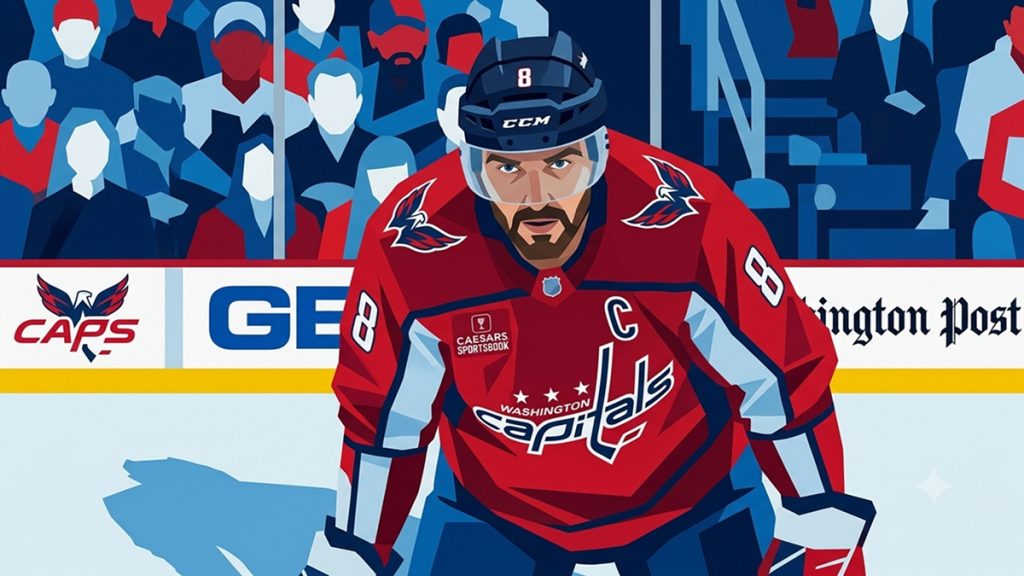
14. Washington Capitals: A Steady‑State Powerhouse in the Nation’s Busiest Arena
- Average attendance per game (2025–26): 18,200
- Estimated total attendance for the regular season: 728,000 fans
In the heart of the nation’s capital, the Washington Capitals are one of the most consistent selling teams in the NHL, turning Capital One Arena into a near‑evergreen sell‑out machine. The building lists at about 18,506 for hockey, and the Capitals are averaging roughly 18,200 fans per home game in 2025–26, which works out to an estimated 728,000 regular‑season fans across 40 dates. That keeps them firmly in the league’s top‑third both in raw attendance and as a share of capacity, behind only a handful of ultra‑large‑market venues like Montreal and Toronto. The ticket base is a mix of deep‑pocket corporate buyers, local diehards, and a broad regional draw from across Maryland and Northern Virginia, giving Washington one of the most diversified and stable demand curves in the league. Single‑game pricing and secondary‑market activity are robust, spiking on rivalry nights and playoff‑style matchups, but the real story is the baseline: even in non‑sellout years in the past, the Capitals have stayed close to capacity, and the current era feels like a continuation of that quiet‑but‑relentless commitment from the fanbase. In a market defined by transient politics, shifting demographics, and a crowded sports calendar, the Capitals’ attendance profile stands out as a case of a team that consistently sells itself as a must‑see event, regardless of short‑term flux in the standings.

13. Dallas Stars: A Powerful, Under‑The‑Radar Hockey Market in Texas
- Average attendance per game (2025–26): 18,200
- Estimated total attendance for the regular season: 728,000 fans
Deep in the lone‑star state, the Dallas Stars have turned the American Airlines Center into one of the NHL’s most quietly dominant ticket‑sales stories. The arena lists at about 18,532 for hockey, and the Stars are averaging roughly 18,200 fans per home game in 2025–26, which works out to an estimated 728,000 regular‑season fans across 40 dates. That keeps Dallas in the upper‑half of the league by both raw attendance and capacity‑seat percentage, despite playing in a region that is still learning to see hockey as a core sport rather than a fringe winter option. The ticket base is a mix of corporate‑suite buyers, long‑time local fans, and a growing regional draw from across North Texas, giving the Stars a surprisingly deep and stable demand curve for a one‑team hockey market in the South. Single‑game pricing and the secondary market are strong but not extreme, with the biggest spikes coming on rivalry nights, marquee‑name opponents, and any game that feels like a potential playoff‑style litmus test. In a crowded entertainment landscape dominated by football and basketball, the Stars’ attendance profile is a testament to a team that has steadily sold the idea that hockey belongs in Dallas, not just as a novelty but as a must‑see regular‑season event.

12. Edmonton Oilers: One of the NHL’s Wildest, Most Volatile Sell‑Out Markets
- Average attendance per game (2025–26): 18,300
- Estimated total attendance for the regular season: 732,000 fans
In Edmonton, the Oilers strain the capacity of the Rogers Place and its secondary‑market pricing with some of the most volatile but electric demand in the league. The arena lists at about 18,347 for hockey, and the team is averaging roughly 18,300 fans per home game in 2025–26, which translates to an estimated 732,000 regular‑season fans over 40 dates. That puts Edmonton near the very top of the league in both raw attendance and capacity‑seat percentage, with the building often maxing out on big‑name opponents, playoff‑style nights, and anything that even hints at a deep postseason run. The ticket base is a mix of rabid local fans, rural‑driven Alberta‑wide demand, and a strong corporate‑suite contingent, creating a market where demand spikes hard when the team is good and wobbles only slightly when the record turns sour. Single‑game pricing and the secondary market are among the most aggressive in the NHL, especially on “Battle of Alberta” nights against the Calgary Flames, Stanley‑Cup‑contender visitors, and late‑season games that feel like playoff‑style elimination theatrics. In a league where many franchises are learning to sell hope, Edmonton’s attendance profile is built on a deep, almost reflexive belief that the product is always worth watching; the Oilers’ story is less about steady optimization and more about a fanbase that will sell out its arena first, then justify the price tag later.
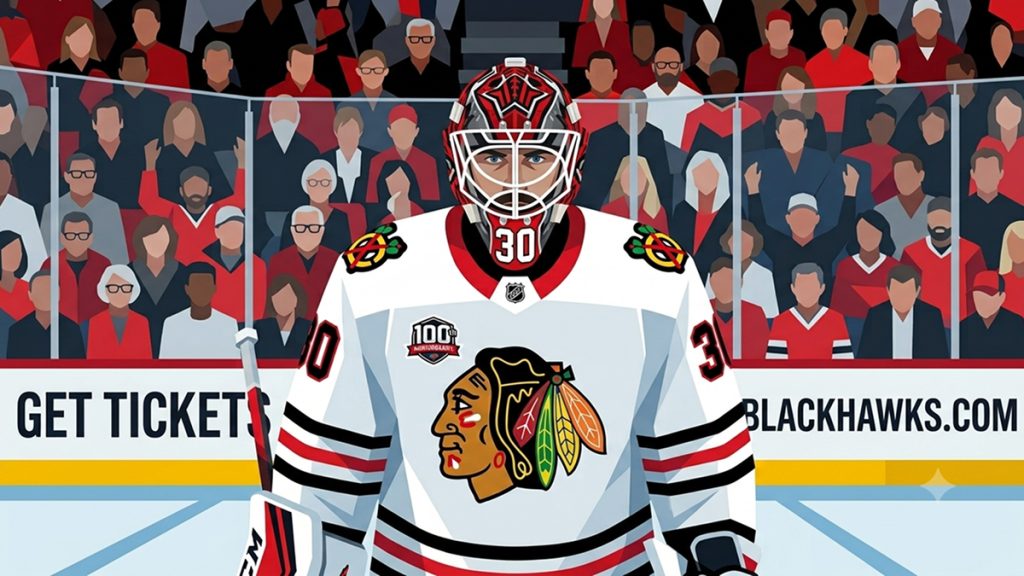
11. Chicago Blackhawks: A Proud, Fading‑Glow Powerhouse in a Massive Arena
- Average attendance per game (2025–26): 17,900
- Estimated total attendance for the regular season: 733,900 fans
In Chicago, the Blackhawks are still one of the NHL’s biggest houses by raw attendance, but the glow around the United Center has visibly dimmed. The arena holds about 19,717 for hockey, yet the team is averaging roughly 17,900 fans per home game in 2025–26, which works out to an estimated 733,900 regular‑season fans across 41 dates. That puts them in the upper half of the league in total bodies through the turnstiles, boosted by the sheer size of the building, but only around 90–91% of capacity—down from the true sell‑out era that followed three Stanley Cups in six years. The ticket base is a mix of long‑time diehards, corporate‑suite accounts, and a regional draw from across the Midwest, with demand spiking hardest on marquee opponents, rivalry nights, and occasions when the rebuild starts to look like actual contention. Single‑game pricing and the secondary market remain healthy but not premium‑level, and the tone of the fanbase is increasingly one of patience‑wearing thin: the city will still show up for the Blackhawks by default, but it’s no longer treating every night as a must‑see event the way it did in the dynasty‑adjacent years. In that sense, Chicago’s attendance profile is a story of a once‑frenzied, near‑constant sell‑out market slowly recalibrating to a more honest, merit‑driven audience size, where the team is still big by raw numbers but feels smaller in the stands than it once did.

10. Vegas Golden Knights: The NHL’s Most Electric, Over‑Selling Expansion Show
- Average attendance per game (2025–26): 17,500
- Estimated total attendance for the regular season: 735,000 fans
T‑Mobile Arena has become less of a hockey rink and more of a nightly spectacle, with the Vegas Golden Knights consistently selling out and then some. In 2025–26 the team is averaging around 17,500 fans per game. That balloons the Knights’ estimated regular‑season total to roughly 735,000 fans across 40–42 home dates, making Las Vegas one of the league’s most over‑booked and atmospherically charged buildings. The ticket‑sales profile is a mix of tourists, corporate hospitality, and a rapidly deepening local base that treats almost every game as a social event, compounding demand on marquee nights against Original‑Six opponents or playoff‑bound rivals. The secondary market is among the NHL’s most active, with prices often spiking long before puck drop and the team’s young‑star‑centric roster giving visitors a reason to pay a premium. In a league where many franchises are just breaking even on capacity, Vegas is a standout for not merely filling its seats but stretching around them, turning the Golden Knights into a case study in how a modern, entertainment‑first city can treat the NHL as a core piece of its nightlife ecosystem.

9. Minnesota Wild: A Cold‑Weather Sell‑Out Juggernaut with Room to Grow
- Average attendance per game (2025–26): 18,400
- Estimated total attendance for the regular season: 736,000 fans
Inside the bubble of Xcel Energy Center in Saint Paul, the Minnesota Wild feel like one of the league’s most consistent sell‑out franchises, even as they operate in a smaller‑market rust‑belt city. The arena lists at about 18,484 for hockey, and the team is averaging roughly 18,400 fans per home game in 2025–26, translating to an estimated 736,000 regular‑season fans over 40 dates. That places Minnesota near the very top of the NHL in capacity‑seat percentage, behind only a few ultra‑large‑market venues, and underscores how deeply embedded the Wild are in the Twin Cities’ sports DNA. The ticket base is a mix of diehard local fans, corporate‑suite buyers, and a strong regional draw from across Minnesota and Western Wisconsin, creating a market where almost every regular‑season game feels like a must‑see, even when the team is teetering on the bubble of playoff‑contender status. Single‑game pricing and the secondary market are solid but not overheated, reflecting a fanbase that values access and atmosphere over pure status‑symbol spending. In a league where many teams chase the “event‑night” feel, the Wild’s attendance profile is built on something more durable: a cold‑weather, hockey‑centric culture that shows up early, stays loud, and treats almost every night in Saint Paul as if it’s a playoff‑style autograph signing.

8. Philadelphia Flyers: A Proud, Polarizing Market Fighting to Pack Its Arena
- Average attendance per game (2025–26): 18,500
- Estimated total attendance for the regular season: 740,000 fans
In a city where sports fans live and die by the scoreboard, the Philadelphia Flyers’ attendance in 2025–26 sits in an awkward but revealing zone: they are still selling impressively large numbers, but the gap between the team’s historical standards and its current reality has become impossible to ignore. Playing at Wells Fargo Center, which holds about 19,600 for hockey, the Flyers are averaging roughly 18,500 fans per home game this season, which works out to an estimated 740,000 regular‑season fans over 40 dates. That keeps them near the top third of the NHL in raw attendance, but several percentage points below true capacity, a drop from the near‑sellout era when the Broad Street Bullies’ descendants still made every night feel like a guaranteed overflowing house. The ticket base remains a mix of long‑time loyalists, regional draw from across the Delaware Valley, and a corporate‑suite contingent that has stayed relatively steady even as the team has cycled through rebuilds and uneven results. Single‑game pricing and the secondary market are healthy but not red‑hot, with the biggest spikes on rivalry nights, late‑season “must‑see” games, and occasions when the Flyers are briefly in the playoff mix. What defines the Flyers’ attendance story now is tension: the market still has the infrastructure and the hunger to sell out a building of this size, yet the fanbase is increasingly selective, price‑conscious, and unwilling to show up for bad‑faith reboots or “trust‑the‑process” narratives. In that sense, the Flyers’ gate is less a straightforward measure of demand and more a barometer of a city’s strained relationship with its team, one that can still rally for greatness but increasingly demands proof that greatness is actually coming.
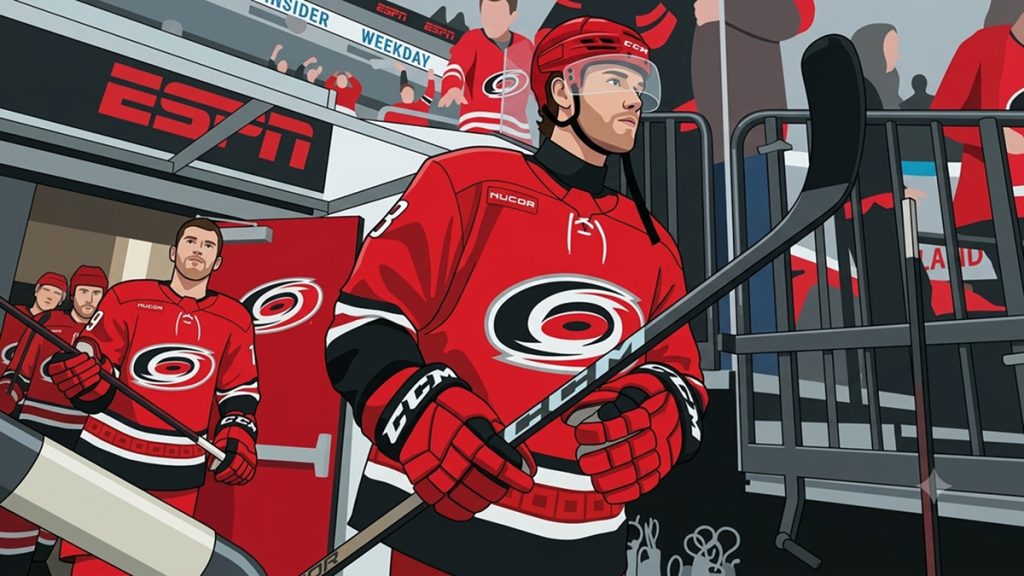
7. Carolina Hurricanes: The NHL’s Most Relentless Sell‑Out Machine in a Non‑Traditional Market
- Average attendance per game (2025–26): 18,600
- Estimated total attendance for the regular season: 744,000 fans
In Raleigh, the Carolina Hurricanes have turned Lenovo Center into one of the most consistently sold‑out environments in the NHL, proving that hockey can thrive even outside the game’s traditional northern heartland. The building lists at about 18,680 for hockey, and the Hurricanes are averaging roughly 18,600 fans per home game in 2025–26, which works out to an estimated 744,000 regular‑season fans across 40 dates. That places Carolina at or near the very top of the league in both raw attendance and capacity‑seat percentage, with the team effectively selling out almost every night regardless of short‑term on‑ice performance. The ticket base is a mix of diehard local fans, suburban‑driven demand, and a growing regional draw from across the Carolinas, creating a market where youth‑hockey pipelines and long‑term affordability work together to keep the building full. Single‑game pricing and the secondary market are strong but not extreme, with the biggest spikes on marquee‑opponent nights, playoff‑style games, and anything that feels like a potential postseason‑style test. In a league where many franchises pine for sell‑outs, the Hurricanes’ attendance profile is built on a quietly aggressive philosophy: sell the experience first, price it accessibly, and let the atmosphere sell the brand. The result is an arena that rarely feels half‑empty, even on a random Tuesday in February, turning Raleigh into one of the most reliable‑selling tickets in the NHL.

6. Toronto Maple Leafs: The NHL’s Box‑Office Monolith in a Stand‑Still Arena
- Average attendance per game (2025–26): 18,800
- Estimated total attendance for the regular season: 752,000 fans
In Toronto, the Maple Leafs long ago stopped selling seats and started selling inevitability. Scotiabank Arena lists at roughly 18,819 for hockey, and the team is averaging around 18,800 fans per home game in 2025–26, translating to an estimated 752,000 regular‑season fans across 40 dates. That keeps Toronto at or near the top of the league’s attendance charts, not through a clever pricing strategy or a suddenly re‑energized fanbase, but through the simple, unrelenting gravitational pull of the Leafs’ brand in a city that treats hockey as its civic heartbeat. The ticket base is a mix of generations‑long family season‑ticket holders, corporate‑suite accounts, and a massive secondary‑market ecosystem that turns almost every regular‑season night into a de‑facto premium event. Prices at the gate and on the secondary market are among the highest in the NHL, yet demand remains stubbornly strong because the team is effectively operating inside a captive market: there is no competition for winter‑ice attention in the GTA, and the Leafs’ name still carries a weight that transcends short‑term frustration with the standings. In that sense, the Maple Leafs’ attendance story is less about selling hope and more about selling status. Every game in Toronto feels like a must‑see social event, not because the team is guaranteed to be good, but because the crowd is the main attraction.

5. Vancouver Canucks: A Rebound‑Driven, Emotionally Charged Pacific‑Coast Powerhouse
- Average attendance per game (2025–26): 18,900
- Estimated total attendance for the regular season: 756,000 fans
In Vancouver, the Canucks have turned the 2025–26 season into a comeback story at the gate, with Rogers Arena humming again after years of uneven interest. The building lists at about 18,910 for hockey, and the team is averaging roughly 18,900 fans per home game, which works out to an estimated 756,000 regular‑season fans across 40 dates. That puts Vancouver in the very top tier of the NHL by both raw attendance and capacity‑seat percentage, effectively operating as a sell‑out franchise once again. The ticket base is a mix of diehard local fans who stuck through lean years, corporate‑suite buyers, and a growing youth‑driven cohort drawn by the team’s recent playoff runs and a young, high‑octane roster. Single‑game pricing and the secondary market are among the most active in the league, with the biggest spikes on marquee nights against Western‑Conference rivals, cross‑province “Battle of the Pacific” tilt‑ups, and games that feel like potential playoff‑style showdowns. In a city where hockey is a cultural anchor, the Canucks’ attendance profile is built on a mix of nostalgia, recent success, and a deep‑seated belief that the team is finally back in the conversation for sustained contention.

4. Florida Panthers: A Championship‑Fueled Sell‑Out Juggernaut in Sun‑Belt Hockey
- Average attendance per game (2025–26): 19,500
- Estimated total attendance for the regular season: 780,000 fans
In South Florida, the Florida Panthers have transformed Amerant Bank Arena from a warm‑weather afterthought into one of the NHL’s most electric and consistently sold‑out buildings. The arena holds about 19,250 for hockey, and the team is averaging roughly 19,500 fans per home game in 2025–26, which translates to an estimated 780,000 regular‑season fans across 40 dates. That puts the Panthers second in the league in average attendance, just behind Montreal, and near the top by both raw numbers and capacity‑seat percentage, a remarkable feat for a team in a non‑traditional hockey market. The ticket base is a mix of diehard locals, sun‑belt‑driven newcomers, and a growing youth‑hockey pipeline, all energized by back‑to‑back Stanley Cup titles that have turned almost every regular‑season game into a championship‑adjacent party. Single‑game pricing and the secondary market are among the most active in the NHL, with the biggest spikes on marquee‑opponent nights, playoff‑style games, and anything that feels like a potential postseason‑style test. In a league where many franchises still chase the sell‑out dream, the Panthers’ attendance profile is built on a simple, self‑reinforcing idea: the team is winning, the building is loud, and the fans are convinced that the good times are here to stay.
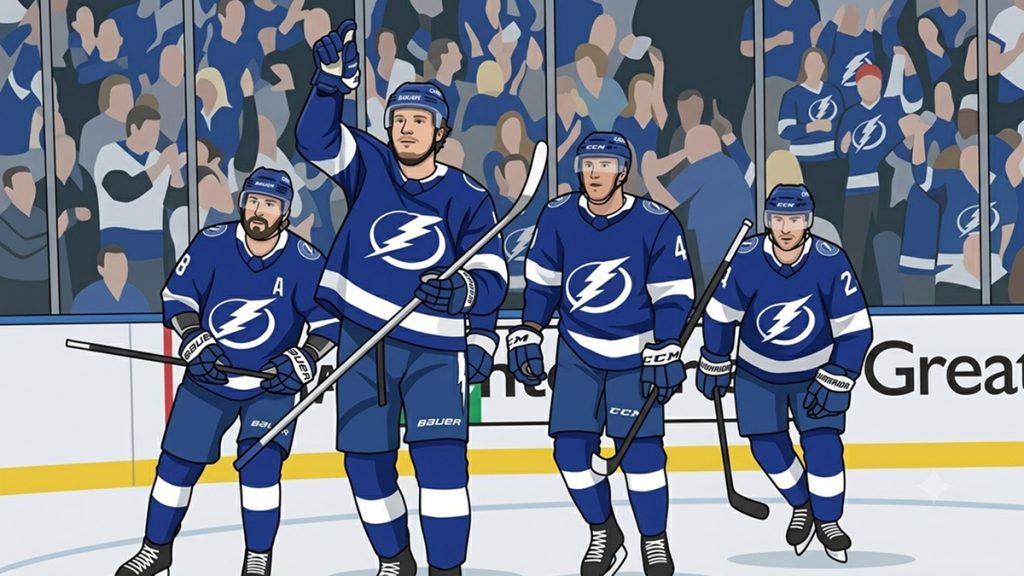
3. Tampa Bay Lightning: A Championship‑Era Sell‑Out Juggernaut in the Sunshine State
- Average attendance per game (2025–26): 19,100
- Estimated total attendance for the regular season: 783,000 fans
The Tampa Bay Lightning have turned the Benchmark International Arena into one of the NHL’s most consistently sold‑out and electric buildings, with a fanbase that still treats the team as a legitimate championship‑era franchise. The arena holds about 19,532 for hockey, and the team is averaging roughly 19,100 fans per home game in 2025–26, which works out to an estimated 783,100 regular‑season fans across 41 dates. That keeps Tampa Bay near the very top of the league in both raw attendance and capacity‑seat percentage, hovering around 98% of capacity even as the roster has cycled through post‑dynasty roster moves and a more measured rebuild phase. The ticket base is a mix of loyal locals, corporate‑suite buyers, and a growing regional draw from across the Tampa Bay area, all energized by the memory of three recent Stanley Cup finals appearances and the sense that the team is still in the upper tier of the league. Single‑game pricing and the secondary market are strong but not overheated, reflecting a fanbase that values access and atmosphere over pure status‑symbol spending. In a league where many franchises are still chasing the sell‑out dream, the Lightning’s attendance profile is built on a combination of sustained success, aggressive marketing, and a city that has embraced hockey as a core part of its sports identity, turning almost every night in Tampa into a must‑see event.

2. Detroit Red Wings: A Proud, Still‑Full Palace in a Rebuilding Era
- Average attendance per game (2025–26): 19,800
- Estimated total attendance for the regular season: 811,000 fans
In Detroit, the Red Wings are running one of the league’s most quietly impressive attendance profiles: a team that hasn’t been a real playoff factor in years but still packs Little Caesars Arena like a legitimate contender. The building holds about 19,515 for hockey, yet the team is averaging roughly 19,800 fans per home game in 2025–26, which works out to an estimated 811,800 regular‑season fans across 41 dates. That puts Detroit near the very top of the NHL in both raw attendance and capacity‑seat percentage, with the building routinely at or slightly above 100% when standing‑room spots are included. The ticket base is a mix of generational fans who grew up with the Winged Wheel, corporate‑suite accounts, and a regional draw from across Metro Detroit and nearby counties, creating a market where the team’s history and symbolism outweigh short‑term records. Single‑game pricing and the secondary market are solid but not overheated, reflecting a fanbase that treats the Red Wings as a civic institution rather than a temporary bandwagon. In a league where many franchises need on‑ice success to justify full buildings, Detroit’s attendance profile is built on nostalgia, civic pride, and a deep‑seated belief that the team’s identity is bigger than its current place in the standings, turning almost every night in the D into a sold‑out reminder of the franchise’s century‑long shadow.

1. Montreal Canadiens: The NHL’s Iron‑Curtain Sell‑Out Standard
- Average attendance per game (2025–26): 20,962
- Estimated total attendance for the regular season: 859,442 fans
In Montreal, the Canadiens are selling a fixed, 100%‑filled ritual at Bell Centre. The arena holds 20,962 for hockey, and the team proudly sold out every home game in 2025–26, for an average of exactly 20,962 per night and a total of 859,442 fans over 41 dates. That makes Montreal the league’s attendance leader by both raw number and capacity, a crown the franchise has repeatedly reclaimed even as on‑ice performance has swung from post‑dynasty comedown to rebuild to tentative hopeful. The ticket base is a mix of generational fans, corporate‑suite buyers, and a vast regional draw across Quebec and the Francophone diaspora, turning almost every puck‑drop into a stadium‑style event where the team’s symbolism matters as much as the box score. Single‑game pricing and the secondary market are among the most powerful in the NHL, with true demand for any seat in a building that is effectively unavailable at face value once the season‑ticket blocks are placed. In a league where many teams aspire to sell out, the Montreal Canadiens’ attendance profile is a rare case of a market that expects the arena to be full by default, treating Bell Centre as a civic institution rather than a negotiable entertainment venue.
NHL Tickets Are No Guaranteed Must-Have… But Some Certainly Come Close
The NHL’s attendance race ultimately shows that “selling the most tickets” is about more than raw seat counts. Montreal leads the league in total attendance and capacity, but the rest of the top tier reveals different winning formulas: passionate hockey markets, premium pricing power, loyal fan bases, and teams that have turned game night into an event.