
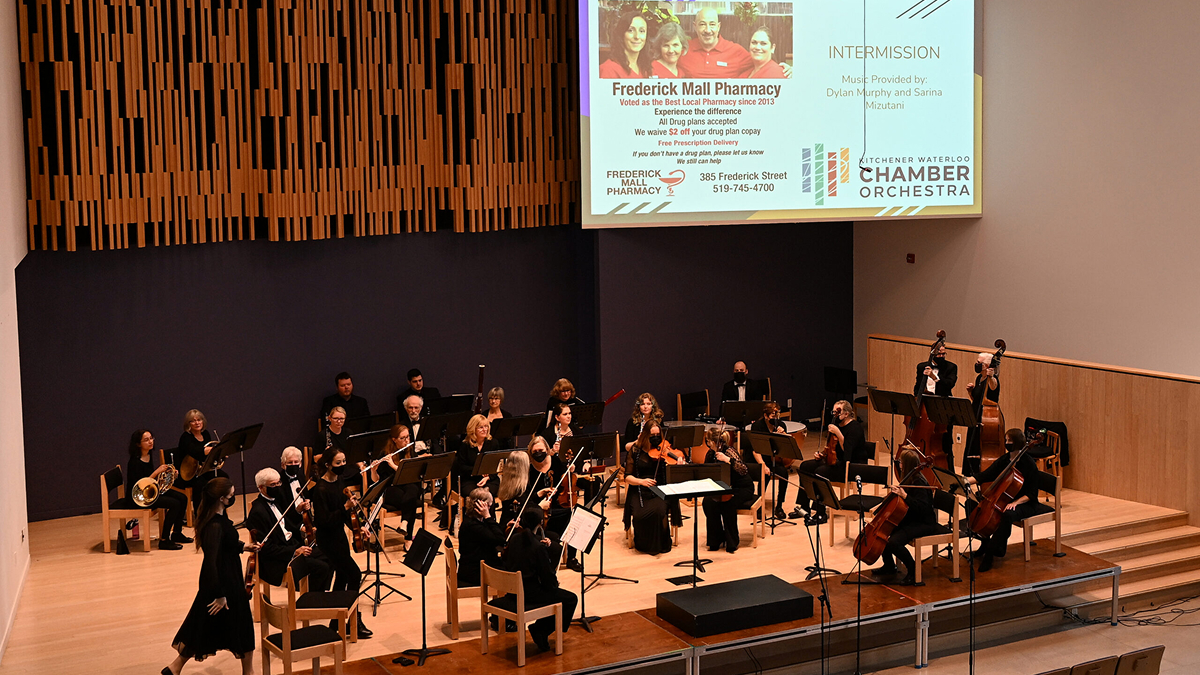
In the heart of Ontario’s Waterloo Region, for over four decades, the Kitchener-Waterloo Chamber Orchestra has stood as a vibrant testament to the power of community-driven classical music.
Founded in 1985, this ensemble has carved out a unique space in Canada’s cultural landscape, blending professional excellence with local passion. As it celebrated its 40th anniversary season this past year, the orchestra demonstrates it can still deliver intimate, high-caliber performances that connect deeply with audiences.
In this article, we explore the orchestra’s rich history, the dedicated individuals who have shaped its sound, and some of its most memorable performances. Whether you’re a longtime patron or discovering the ensemble for the first time, the orchestra’s story is one of resilience, artistic growth, and unwavering commitment to chamber music.
Origins: A Chamber Orchestra Planting Roots in the Twin Cities
The Kitchener-Waterloo Chamber Orchestra emerged in 1985 amid a thriving regional arts scene.
Kitchener and Waterloo have long supported classical music through institutions like the Kitchener-Waterloo Symphony which was founded much earlier in 1945 and the Kitchener-Waterloo Chamber Music Society which came to be established in 1974.
When it came to be, the Kitchener-Waterloo Chamber Orchestra filled a specific niche. You could define the orchestra as providing the intimacy and flexibility of a chamber orchestra, typically featuring 20-40 musicians, and allowing for nuanced interpretations of Baroque, Classical, and contemporary works that larger symphonies might overshadow.
The early years focused on building a sustainable model.
Unlike fully professional orchestras, the Kitchener-Waterloo Chamber Orchestra adopted a hybrid structure from the start, combining a core of professional principal players with talented semi-professionals from the community and promising music students. This approach not only ensured artistic quality but fostered strong local ties, making performances feel like true community events.
Concerts were initially held in various venues before settling into the acoustically warm sanctuary of Knox Presbyterian Church in Waterloo, a beloved home that enhances the chamber intimacy.
The orchestra’s mission emphasized exemplary performances across periods, platforms for skilled musicians, awareness of social causes, and showcasing local talent which are principles that still guide it today.
By the beginning of the twenty-first century, the Kitchener-Waterloo Chamber Orchestra had established itself as a vital part of the Region of Waterloo’s cultural fabric.
Its 30th anniversary in 2014–2015 marked a significant milestone, with reflections on growth and a new chapter under fresh leadership.
Key Individuals of the Chamber Orchestra: The Maestros and Musicians
No orchestra’s story is complete without its leaders and players. The Kitchener-Waterloo Chamber Orchestra has benefited from dedicated conductors and a roster of committed musicians who bring both technical skill and personal stories to the ensemble.
Matthew Jones, the orchestra’s music director since 2014, has been instrumental in elevating the orchestra’s profile.
A versatile musician himself – recorder virtuoso, cellist, and conductor – Jones brings a broad vision. He graduated from Wilfrid Laurier University (right in Waterloo) with a focus on cello performance and pursued conducting studies at The Hartt School and the Oregon Bach Festival under Helmuth Rilling.
Jones’s leadership emphasizes collaboration, creativity, and community connection. He also directs the Etobicoke Philharmonic Orchestra and Kitchener-Waterloo Youth Orchestra, and previously led the Timmins Symphony Orchestra, earning the Betty Webster Award for contributions to Canadian orchestral music.
Under his baton, the Kitchener-Waterloo Chamber Orchestra has expanded its repertoire, incorporated more guest artists, emerging talent, and world premieres. His programming often balances classics with new works, reflecting a forward-looking yet tradition-honoring approach.
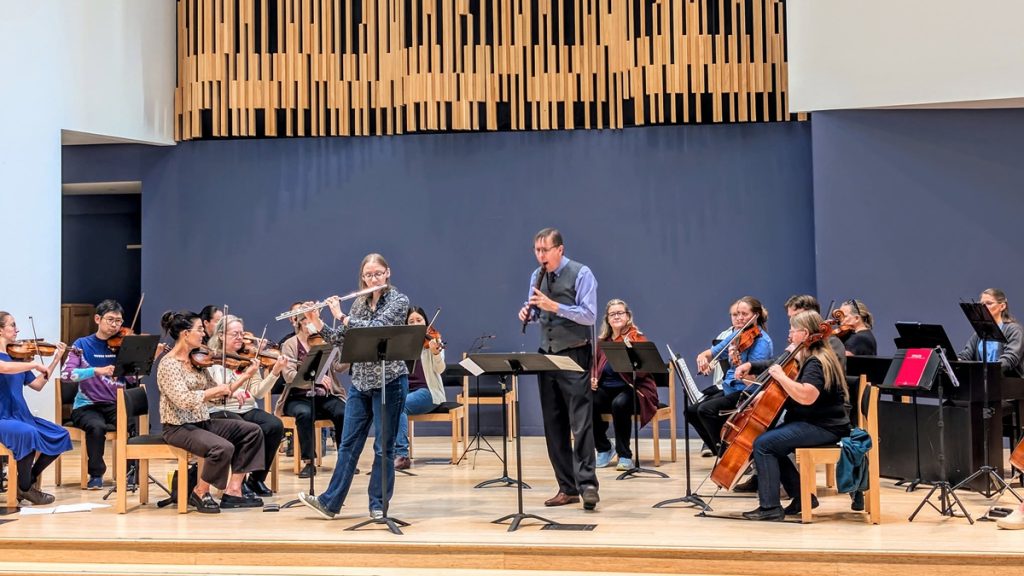
The musicians themselves form the orchestra’s backbone. Longtime member Rosemary Kropf has been part of the ensemble for nearly its entire history, providing continuity and institutional memory.
The group of players in the Kitchener-Waterloo Chamber Orchestra features a mix of ages (from early 20s to 70s), includes married couples, school teachers, and even a minister, showcasing its deep community roots.
Principal players bring distinguished credentials.
There is concertmaster Vicky Dvorak leading the first violins. Then, there are principals like Tina Giannopolous (Violin 2), Kat Mrmak (Viola), Wendy Wagler (Flute), Katrina Keeler (Oboe), Larry Moser (Clarinet), and Matthew Donnelly (Double Bass), all anchoring sections with expertise.
Many of the orchestra’s members also perform with the Kitchener-Waterloo Symphony or teach locally, creating a rich interconnected ecosystem of regional talent. These individuals are educators, mentors, and advocates, all of whom embody the orchestra’s values of transparency, respect, social consciousness, and lifelong learning.
Kitchener-Waterloo Chamber Orchestra Memorable Performances
The Kitchener-Waterloo Chamber Orchestra’s repertoire spans centuries, from Baroque masters like Telemann and Vivaldi to Romantic giants and contemporary voices.
Its “best” performances often blend technical precision with emotional depth and community engagement.
Anniversary celebrations stand out. The 30th anniversary (around 2014–2015) featured reflective programming and personal stories from members and the new music director.
The 40th season (2024–2025) included highlights like Mozart’s Symphony No. 40 paired with other works, and a finale featuring violinist Jung Tsai performing Beethoven Romances alongside a world premiere.
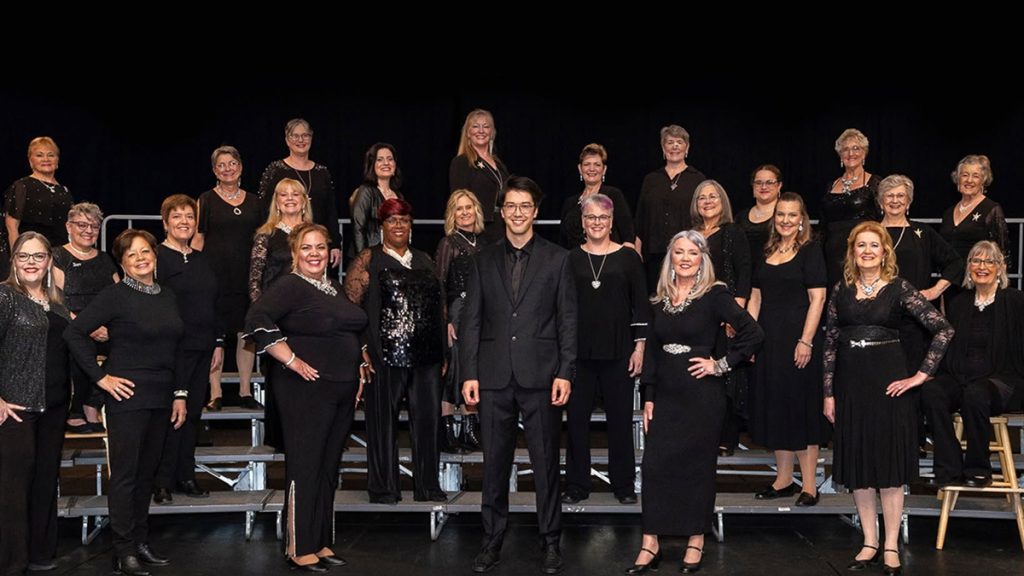
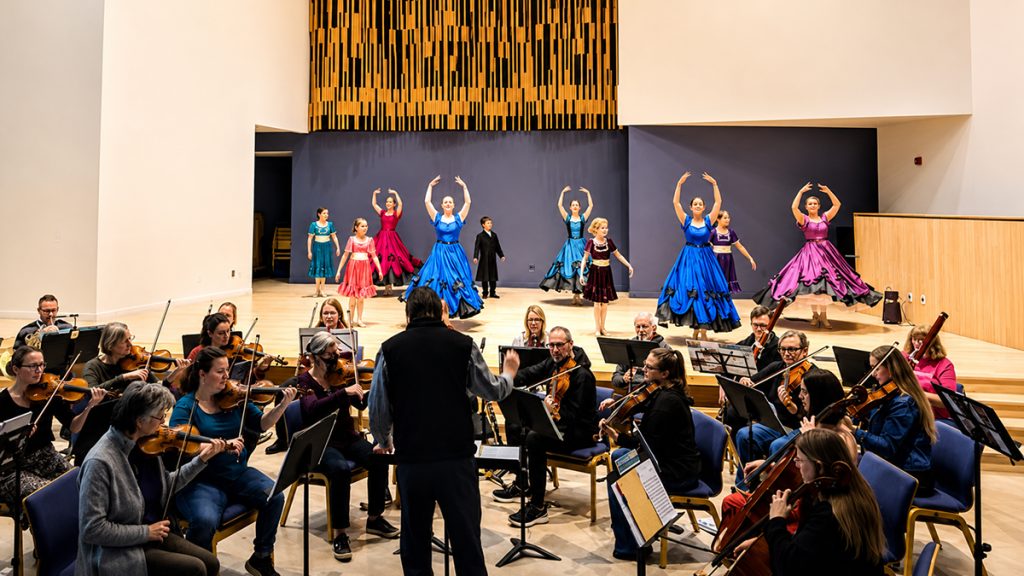
Collaborative projects have produced magic. Performances with the Carousel Dance Centre, such as Peter and the Wolf, have brought classical music to families through storytelling and movement. Partnerships with the Waterloo Regional Police Chorus have blended orchestral and choral forces for powerful, thematic concerts. The orchestra also supports social causes, raising awareness through music.
Notable guest artists and concerto performances shine.
- Double concerto evenings with Telemann and Vivaldi showcase the orchestra’s own talented members.
- Young concerto competition winners get platforms, nurturing the next generation.
- World premieres, such as works by local composers like Matthew Donnelly, highlight the orchestra’s role in fostering Canadian creativity.
Educational and outreach efforts amplify impact. The ensemble regularly collaborates with the Kitchener-Waterloo Chamber Music Society’s initiatives, including Quartetfest, and engages young musicians. Live streams and accessible pricing make performances available to broader audiences.
Critics and audiences praise the warmth, precision, and joy in these Kitchener-Waterloo Chamber Orchestra concerts.
An Orchestra’s Lesson in Challenges, Resilience, and the Modern Era
Like many arts organizations, the Kitchener-Waterloo Chamber Orchestra has had to navigate funding pressures, audience shifts, and external disruptions.
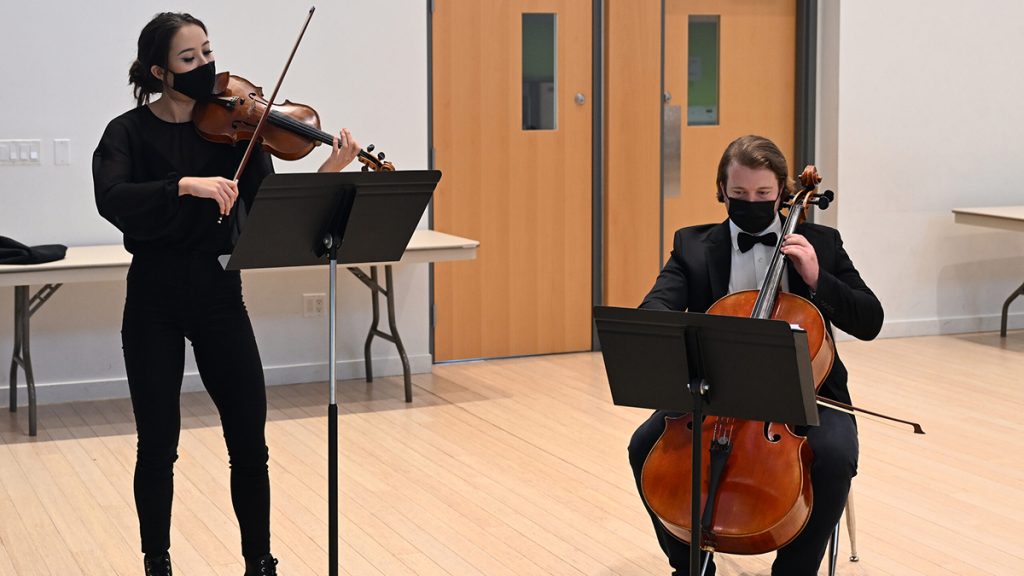
Its hybrid musician model and strong volunteer/board support have provided stability. The COVID-19 era inspired and accelerated the development of digital offerings, such as live streams, expanding reach beyond physical venues.
Today, under Matthew Jones, the orchestra programs dynamically. Recent seasons feature connections between music and other arts (dance, chorus), spotlights on local talent, and forward-looking elements like premieres.
The 2025–2026 and 2026–2027 seasons continue this with collaborations, young artists, and thematic journeys emphasizing connection and creativity.
Why the Kitchener-Waterloo Chamber Orchestra Matters: A Legacy of Classical Music in KW
The Kitchener-Waterloo Chamber Orchestra embodies community vitality.
In an era of distraction, the orchestra’s offered live, shared experiences where audiences feel the resonance of strings and woodwinds in real time. Its history shows how a modest chamber group can sustain high artistic standards while remaining accessible and rooted.
As it moves beyond its 40th year, the Kitchener-Waterloo Chamber Orchestra’s future looks bright.
With dedicated leadership, talented musicians, innovative programming, and community support, it will continue introducing new generations to the wonders of chamber music. Whether through a soaring Mozart symphony, a delicate Baroque concerto, or a bold new commission, the orchestra reminds us that music builds bridges, between past and present, professionals and amateurs, artists and audiences.
If you’re in the Kitchener or Waterloo Region or visiting, consider making time for a performance at Knox Presbyterian Church. Support the ensemble through tickets, donations, or volunteering if you’re compelled.
The Kitchener-Waterloo Chamber Orchestra proves that great art often thrives in intimate settings and its story is still being written. Be a part of it today and buy tickets here to the orchestra’s next performance.



