
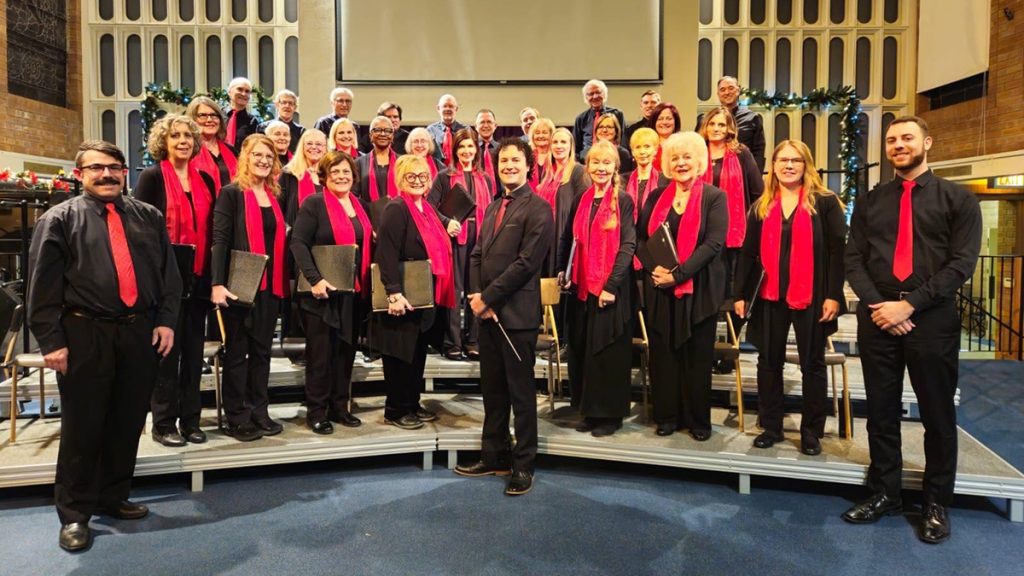
Choralis Camerata has spent nearly two decades building a reputation as one of Niagara’s most accomplished vocal ensembles, combining classical technique, community engagement, and ambitious programming into a choral identity that feels both rooted and expansive.
Based in Niagara Falls, Ontario, the ensemble describes itself as a chamber choir of roughly 35 SATB singers performing a repertoire that includes classical music, historical works, contemporary treasures, newly commissioned pieces, and even show tunes.
For local arts audiences, Choralis Camerata matters because it represents a kind of cultural institution that is often overlooked in broader entertainment coverage.
These are the ensembles that give a region artistic continuity, support local venues, train singers, attract older and younger audiences alike, and keep live vocal music visible in an era when attention is fragmented across screens and genres.
Choralis Camerata has framed its mission clearly: to enrich the musical culture of Niagara by performing choral works of exceptional quality and beauty.
What are the Origins of Choralis Camerata?
Choralis Camerata has developed into a successful chamber choir in Ontario over the course of nineteen years, according to its official website.
That kind of longevity is significant in the choral world, where ensembles often depend on volunteer commitment, fundraising, repertory planning, and strong artistic leadership to remain stable over time. Surviving and growing for nearly two decades suggests a high level of administrative resilience, community support, and a clear sense of purpose.
The ensemble’s name also signals its artistic positioning. “Camerata” traditionally refers to a small chamber group, often associated with refined, intimate performance settings rather than large-scale symphonic choruses.
That fits Choralis Camerata’s profile well: a focused, flexible ensemble that can perform major choral works while still maintaining clarity of texture and ensemble precision. The size of the group also allows the choir to move between sacred music, concert repertory, holiday programs, and more theatrical material without losing its identity.
Artistic Leadership Behind Choralis Camerata
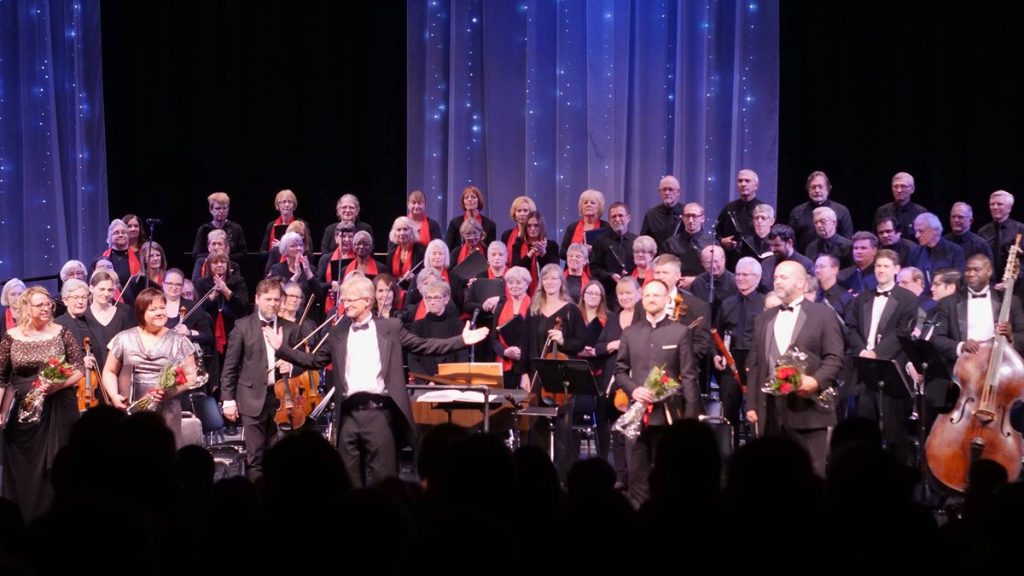
The choir is led by Giancarlo Feltrin, who is listed as Artistic Director on the ensemble’s website.
Leadership matters enormously in a chamber choir because the conductor shapes not only the sound but also the repertoire, rehearsal discipline, and audience-facing identity of the organization. A choir of this type succeeds when the director can balance high musical expectations with practical considerations like singer recruitment, concert planning, and venue partnerships.
Feltrin’s role appears central to the ensemble’s programming breadth, which ranges from traditional repertoire to more playful or crossover performances. He is an artistic director who understands both the standards of choral literature and the realities of audience development.
In a regional arts market, such as Niagara, that balance is key: a choir has to satisfy serious listeners while still staying accessible enough to draw in casual concertgoers and community supporters.
Choralis Camerata Repertoire and Programming
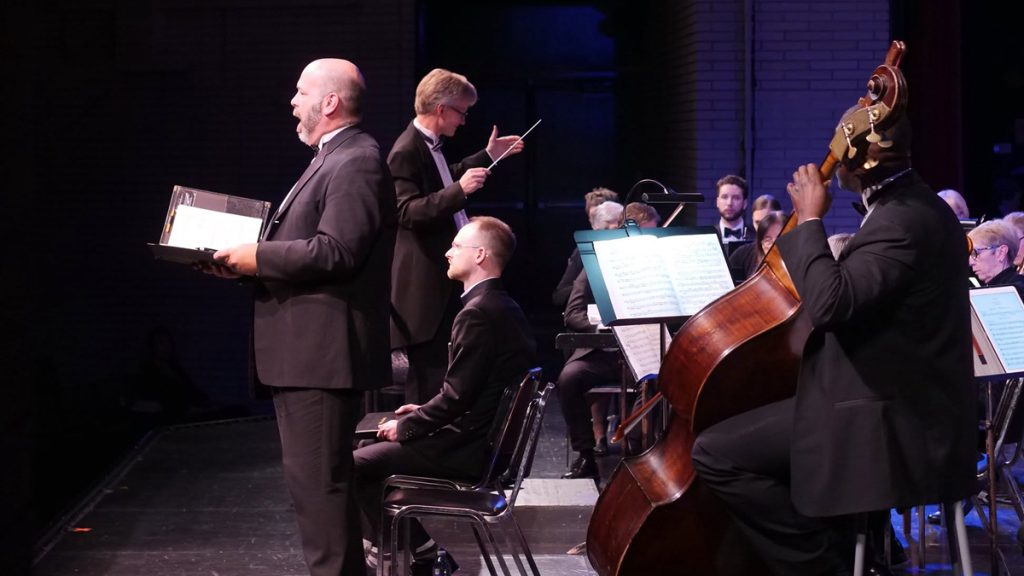
Choralis Camerata describes its repertoire as including classical music, historical works, contemporary treasures, new works, and show tunes.
That is a deliberately wide lens, and it reflects a modern approach to choral presentation. Rather than programming only the most familiar masterworks, the choir appears willing to juxtapose tradition with novelty, sacred music with seasonal entertainment, and canonical composers with newer voices.
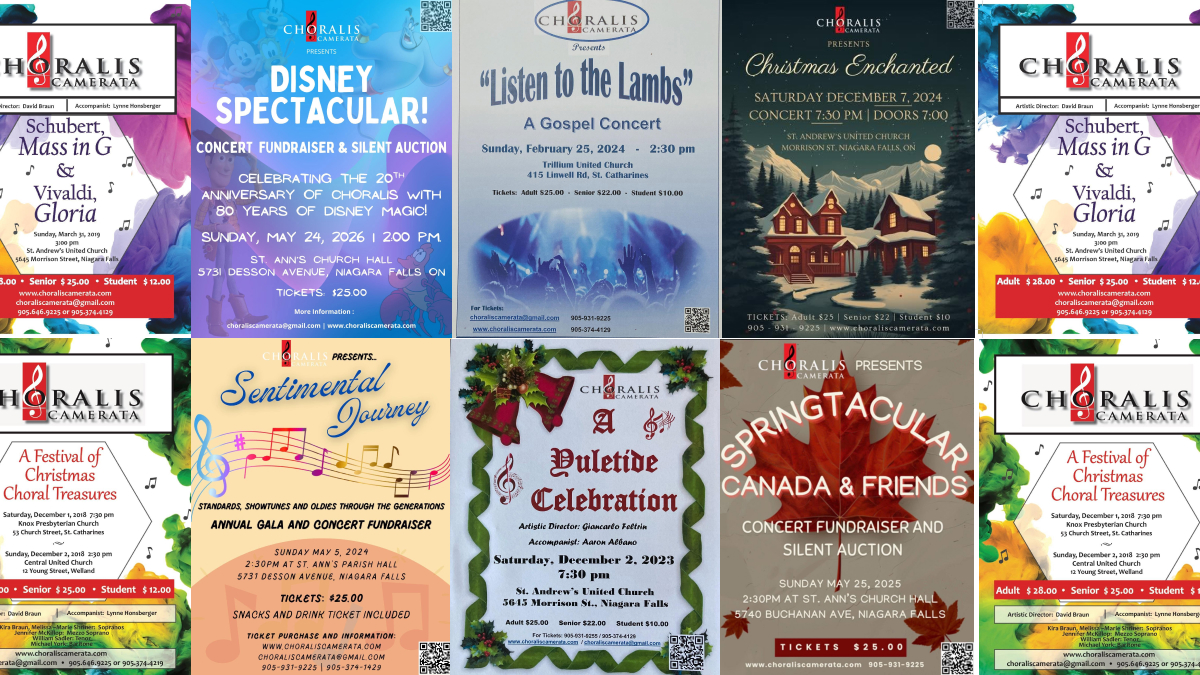
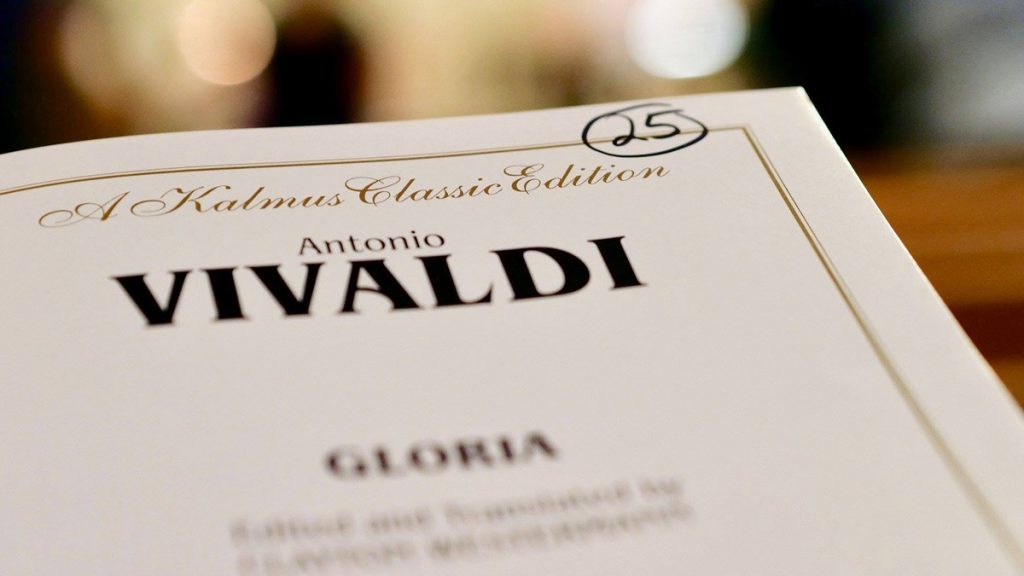
Its announced concerts support that impression. The choir has presented programs featuring Schubert’s Mass in G and Vivaldi’s Gloria, both of which sit firmly in the classical sacred repertoire. At the same time, the ensemble’s events page includes a fundraising concert featuring beloved Disney classics, demonstrating a willingness to program familiar material that broadens audience appeal. That kind of range is useful for a regional ensemble because it helps the choir attract both dedicated choral listeners and families or first-time attendees who may be more comfortable with recognizable material.
This programming strategy is also smart from a cultural access perspective. In the live performance world, audiences often need multiple entry points to engage with an ensemble. A concert of Schubert and Vivaldi may appeal to classical patrons, while a Disney-themed fundraiser lowers the barrier for attendance and supports community visibility.
Choralis Camerata seems to understand that a strong choral institution must be both artistically serious and socially inviting.
Its Community Role in Niagara
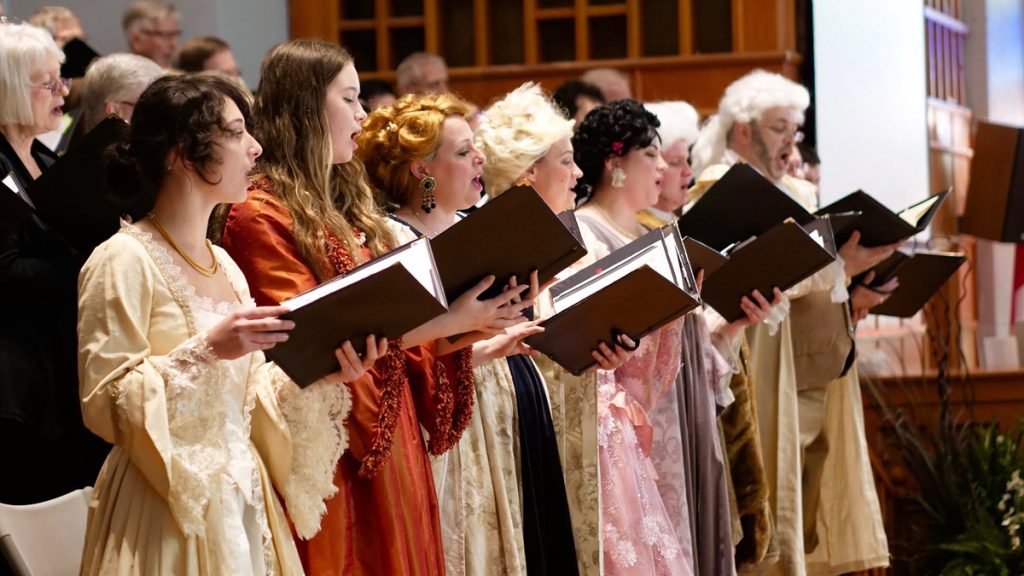
The choir’s mission statement emphasizes enriching the musical culture of the Niagara communities.
Regional arts organizations like Choralis Camerata often serve as cultural anchors, especially in places where major metropolitan arts infrastructure is not the primary driver of community life. They offer performance opportunities, volunteer engagement, and a stable calendar of concerts that help sustain local artistic participation.
A choir like this also contributes to arts education indirectly. Even when it is not operating as a formal training choir, it helps normalize live classical and choral performance for audiences who may not otherwise encounter it regularly
In that sense, the organization becomes part of the region’s cultural memory, reinforcing the idea that serious music belongs in community life, not just in large urban centers.
Choralis Camerata Audience and Performance Style
Choralis Camerata is a performance ensemble that is both polished and welcoming.
Chamber choirs, such as the Choralis Camerata, typically offer greater transparency in text and harmony, which can be especially effective in repertoire by composers like Schubert and Vivaldi. Smaller ensembles can also move more easily into intimate venues and church spaces, which are common settings for choral performances in the Niagara region.
For audiences, this often translates into a more immediate listening experience: fewer voices, but more detail, more balance, and more clarity in the musical line.
The choir’s programming choices also suggest that it does not treat choral music as a niche product reserved for specialists. By including seasonal concerts, holiday themes, and recognizable repertoire, Choralis Camerata is able to develop its audience in a way that would not be otherwise possible.
Why Choralis Camerata is Important to the Niagara Region and Local Culture
What makes Choralis Camerata noteworthy is not just that it exists, but that it has sustained a clear identity in a crowded cultural environment.
Plenty of groups can perform choral music; fewer can do so year after year while maintaining recognizable artistic values, a stable mission, and a community-facing presence. The ensemble’s blend of classical, historical, contemporary, and popular material gives it flexibility, while its Niagara focus gives it a strong local anchor.
In addition, the choir’s mix of concert programming and fundraising events is how arts organizations survive. Cultural groups today often need to be part artistic institution, part community organizer, and part fundraising engine. Choralis Camerata embraces all three roles, which is probably a key reason it has endured for nearly twenty years.
That durability is itself an achievement, especially in the performing arts, where consistency is often harder to maintain than artistic ambition.
Enjoy the Next Choralis Camerata Performance Later This Year
Choralis Camerata is the best Niagara-based chamber choir with a focus on combining artistic seriousness with community-minded programming.
Under Giancarlo Feltrin’s direction, the ensemble has developed into a flexible and credible vocal group with a repertoire that spans the classical canon, contemporary works, and accessible concert programming. Its mission to enrich Niagara’s musical culture gives it a clear civic purpose, while its status as a charitable organization reflects the practical realities of sustaining live arts in a regional market.
For audiences in Niagara and beyond, Choralis Camerata represents the kind of ensemble that keeps choral music alive in public life: adaptable, disciplined, locally grounded, and willing to meet listeners where they are without lowering its standards.



