A building that survives a demolition order usually has a good story behind it, and Victoria Jubilee Hall in Walkerton, Ontario has one of the better ones in small-town Canada.
This is a hall that has served as a farmers’ market, a fire station, a police office, town council chambers, a public health command centre during one of the worst water contamination disasters in Canadian history, and, for more than 125 years, a working 300-seat opera house. It has been threatened with the wrecking ball, saved by volunteers who refused to let that happen, sketched by a future icon of Canadian art, and later honored with a national heritage award.
Understanding the who, what, where, when, and why of Victoria Jubilee Hall means understanding how a single brick building can hold an entire town’s memory, and why so many Canadian communities are still fighting to keep buildings exactly like it standing.
What Is Victoria Jubilee Hall?
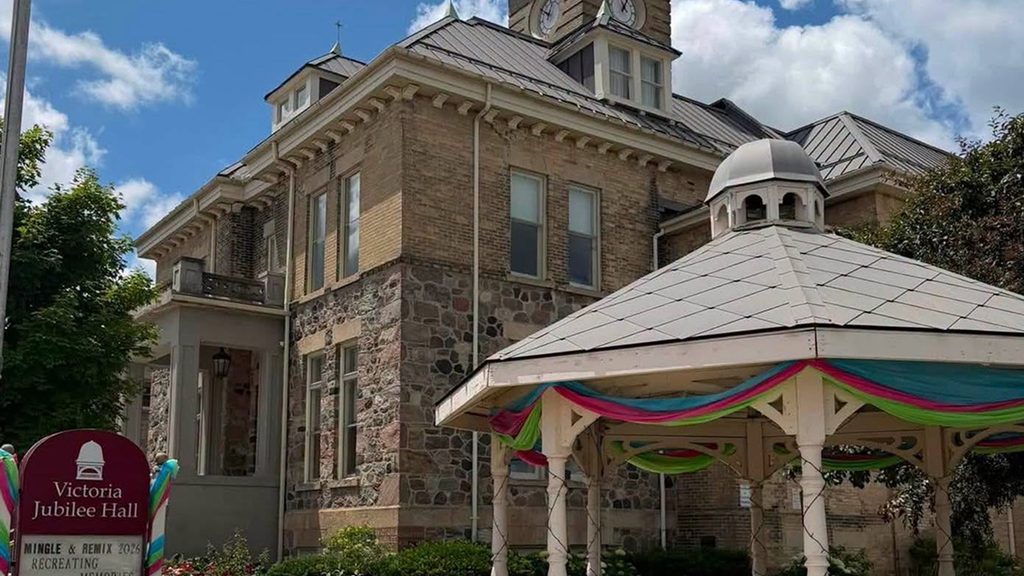
Victoria Jubilee Hall is a heritage-designated performance venue and community hall located at 111 Jackson Street South in Walkerton, Ontario, the county seat of Bruce County.
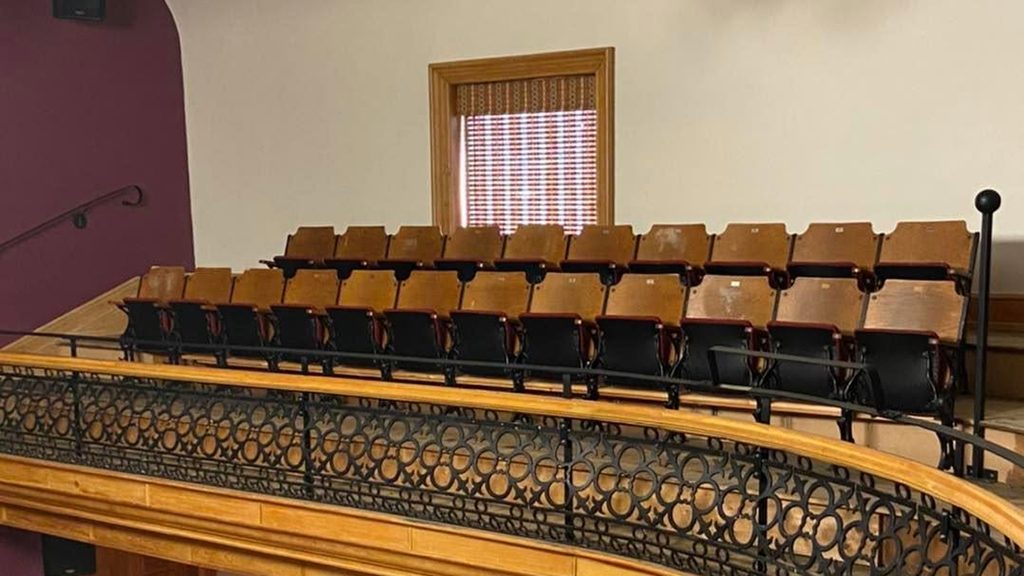
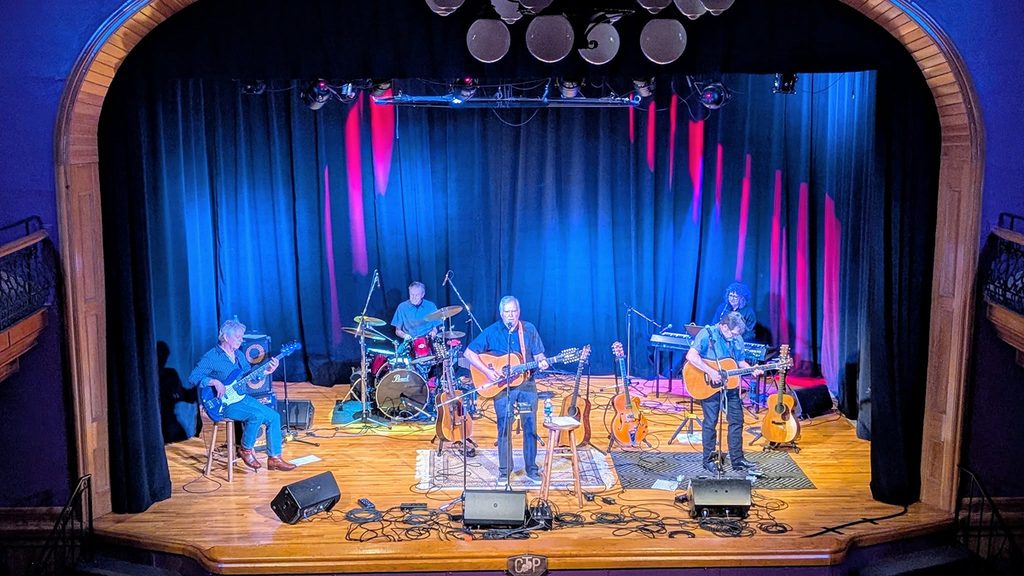
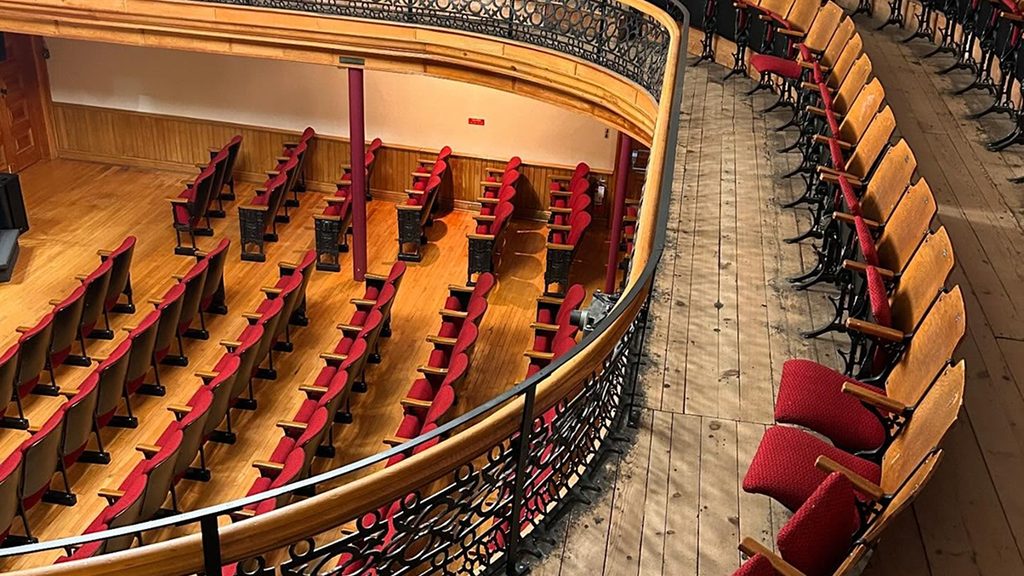
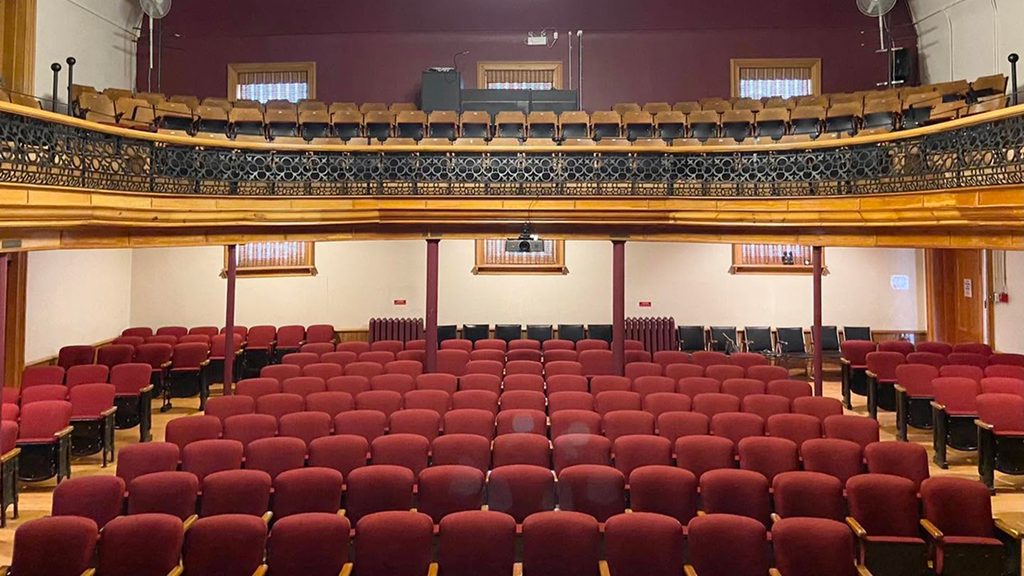
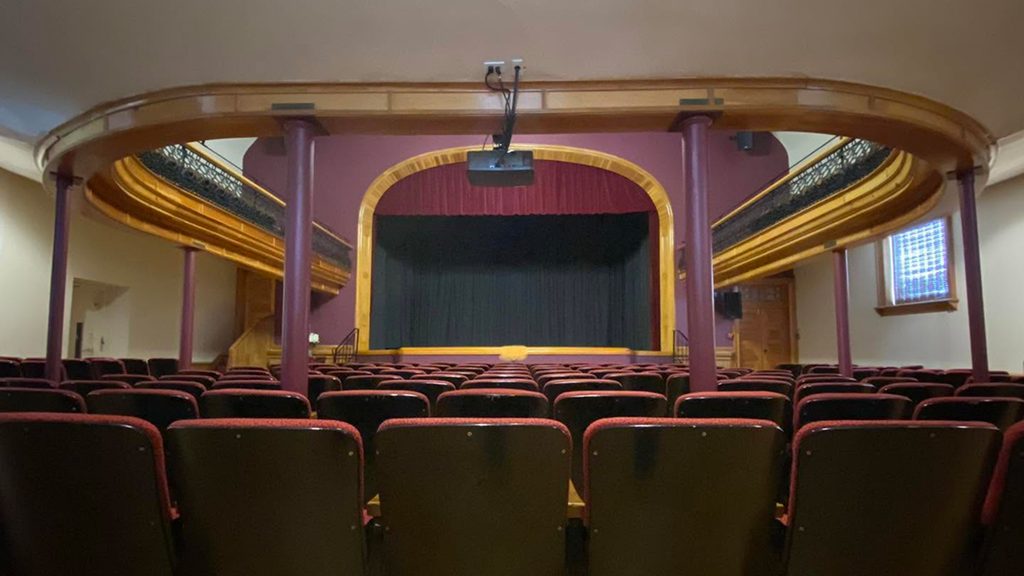
Built in 1897 to commemorate the Diamond Jubilee of Queen Victoria’s reign, the eight-level structure houses a 300-seat opera hall known for its acoustics, along with meeting suites, a multi-purpose kitchen, and event space used for weddings, conferences, and live performances.
The building is owned in trust for the community by the non-profit Architectural Conservancy of Ontario (ACO) and is operated primarily by volunteers. Today it functions much as it always has: as the cultural anchor of downtown Walkerton and the primary stage for regional theatre, music, and civic life.
Where Is Victoria Jubilee Hall? Finding Walkerton in the Heart of Bruce County
Walkerton sits roughly 180 kilometres northwest of Toronto, in the municipality of Brockton, within Bruce County in southwestern Ontario. The town was founded by and named for Joseph Walker, and it has served as the administrative seat of Bruce County since the county’s earliest days, which explains why a building this substantial was ever built in a town of only a few thousand residents.
Victoria Jubilee Hall stands at 111 Jackson Street South, in the heart of Walkerton’s downtown core, close enough to the market square that its bell once sat directly outside before it was lifted into the finished tower. The location was never accidental. In the 1890s, a county seat needed a civic building worthy of hosting council meetings, court proceedings, markets, and public gatherings all under one roof, and Walkerton’s leaders wanted a structure that reflected the ambitions of a growing county town rather than the modest wooden hall it was replacing.
The building’s physical setting still matters to how it functions today. Jubilee Gardens, the landscaped garden and gazebo beside the hall, has become a popular backdrop for photography and outdoor ceremonies, and the accessible entrance on Scott Street off the main parking lot makes the venue usable for visitors who cannot manage the building’s original staircases.
For anyone planning a visit, the hall’s central downtown position also puts it within walking distance of Walkerton’s shops, restaurants, and the Walkerton Heritage Water Garden, making it a natural stop for heritage tourists exploring Bruce County rather than an isolated attraction.
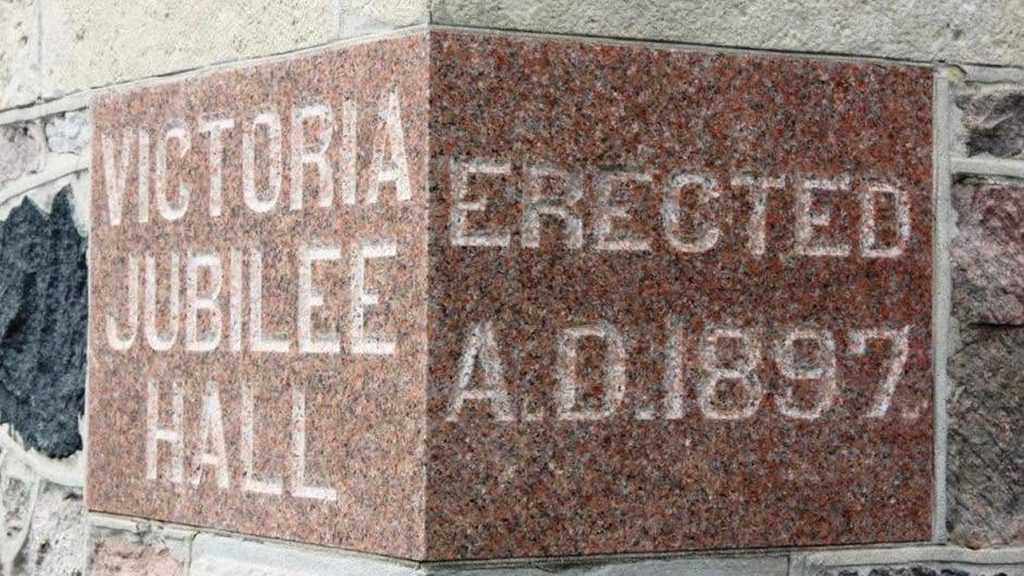
Who Built It, and Why: The Diamond Jubilee Origins of 1897
The story of why this building exists starts with a very specific historical moment. In 1897, communities across the British Empire were marking Queen Victoria’s Diamond Jubilee, sixty years on the throne, and towns everywhere commemorated the occasion by naming halls, parks, and public buildings after her.
Walkerton chose to do something more ambitious: replace its aging wooden Town Hall with a permanent structure built to last, and dedicate it to the Jubilee in the process.
The cornerstone was laid on August 12, 1897, and the first meeting of Town Council was held in the newly completed building in February 1898, a remarkably fast construction timeline for a project of this scale in rural Ontario at the time.
The design and construction credit belongs to two men whose names are still tied to the building more than a century later. A.R. Denison of Toronto served as architect, while contractor Henry Clark oversaw construction using marl brick, clay, and local fieldstone rather than imported materials, a choice that tied the building physically to the land around it.
The marl clay used in construction was actually excavated from a nearby site, and the resulting pit gradually filled with water over the following decades to become what is now known as the Marl Lakes, a small but telling example of how a single construction project can permanently reshape a town’s geography.
The total cost of construction was $10,000, a substantial municipal investment for a town of its size in the 1890s, and the resulting building has walls that in places measure three bricks thick, a detail that partly explains why it survived neglect, a failed demolition attempt, and more than a century of Ontario winters.
One name deserves particular attention among the tradespeople who built the hall: John “Jack Black” Douglas, a two-time Town Reeve of Walkerton and foreman at the Spool & Bobbin factory, who worked on the construction crew that raised the building. Douglas is buried in the Douglas Hill Cemetery on Bruce Road 3 near Eden Grove, and one of his descendants later donated original tools he used during construction to the hall, where they are preserved today as artifacts of the building’s history.
Buried in the Cornerstone: A Time Capsule of Small-Town Canadian Life
Cornerstone ceremonies in the Victorian era typically involved sealing a small time capsule inside the stone itself, and Walkerton’s builders followed that tradition with unusual care.
According to a local news account from 1897, the cavity of the cornerstone was packed with a scroll, a vial of Canadian coins, a list of eligible voters, the town’s bylaws, a written history of Walkerton, and copies of local and regional newspapers, including the Walkerton Telescope and the Toronto Globe.
That combination of documents was not random. Voters lists and bylaws captured the mechanics of local governance at the exact moment the building opened, while the newspapers preserved the day’s actual headlines and advertisements, giving future generations a genuine snapshot of 1897 civic life rather than a curated summary of it.
Municipal archives, heritage museums, and organizations like the Bruce County Museum & Cultural Centre still hold photographs, postcards, and restoration studies tied directly to Victoria Jubilee Hall, giving researchers and heritage tourists a documented paper trail rather than folklore.
From Farmers’ Market to Fire Hall to Opera House: The Building’s Many Lives
Few buildings anywhere in Ontario have been asked to do as many different jobs as Victoria Jubilee Hall.
The ground level was originally built to house a farmers’ market, a practical choice given the building’s central location and the agricultural economy surrounding Walkerton in the 1890s.
As the town’s needs changed, that same ground floor was converted into a fire hall and firemen’s quarters, and at various points over the following century, the building also held municipal offices, council chambers, the Public Utilities Commission, and a police office, all operating under one roof alongside the opera hall on the upper floors.
That layered functionality is part of what makes the building’s biography so unusual: it was never purely a theatre and never purely a government building. It was, quite literally, the operational center of an entire town, which is precisely why its abandonment in 1996 felt like such an emergency to residents.
Losing Victoria Jubilee Hall would not have just meant losing a pretty facade; it would have meant erasing the physical location where generations of Walkerton residents paid taxes, filed complaints, watched their first stage production, and, eventually, sought emergency information during a public health crisis.
Few community venues carry that much institutional memory, and it’s a major reason the fight to save the building in the late 1990s galvanized so much local support so quickly.
The Bell, the Empty Clock Faces, and a 109-Year Wait
Some of the most enduring symbols of Victoria Jubilee Hall came together slowly, and one detail in particular illustrates just how long “finished” can take in a heritage building.
A bell purchased in 1870 from a foundry in Troy, New York, sat in Walkerton’s adjacent market square for years before it was finally hoisted into the tower of the newly built hall. Municipal records show that proceeds from a concert held during the building’s official opening were specifically earmarked to purchase glass-covered clock faces for the tower, yet those clock faces did not actually arrive for 109 years.
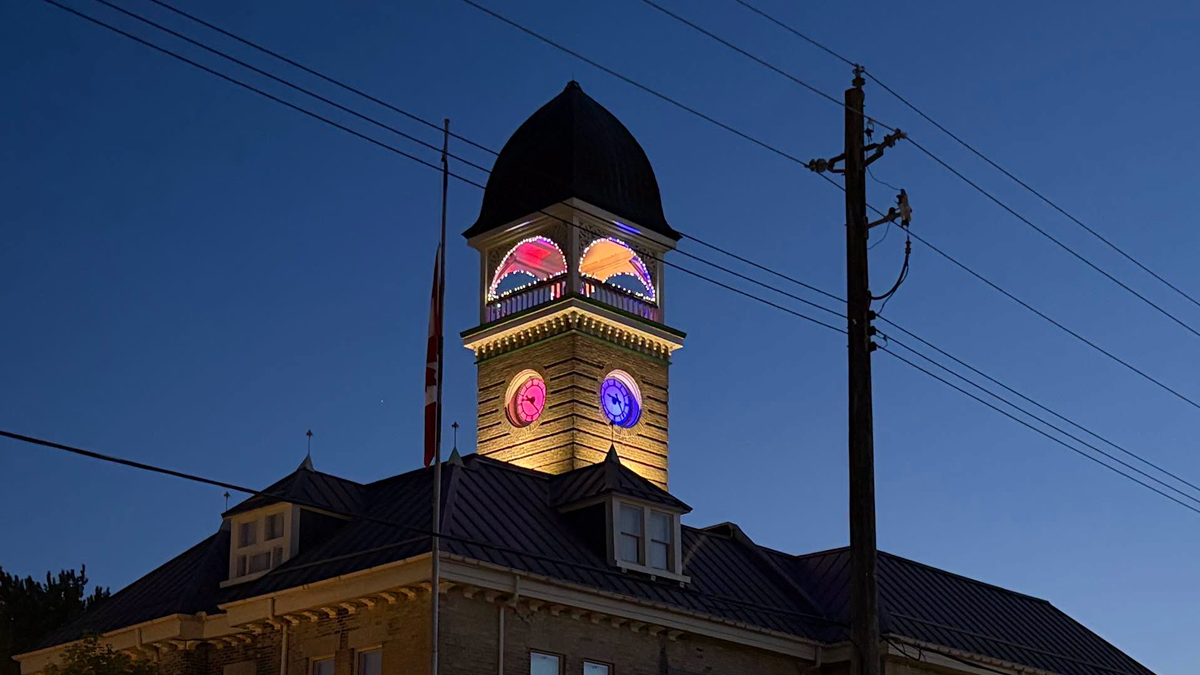
It was not until Walkerton’s Homecoming celebration in 2006 that clocks were finally installed in all four windows of the bell tower, and the chimes could genuinely be heard across town for the first time since the building opened.
That single fact says a great deal about how heritage buildings actually survive: through decades of incremental community effort, fundraising, and patience. The bell itself became a recurring symbol of civic renewal well before the clocks arrived.
When the cupola and bell were removed from the building in 1996 during the period of municipal abandonment, their return and restoration became one of the clearest markers of the hall’s recovery, and the restored bell rang in the new millennium during First Night celebrations on January 1, 2000, a moment residents still point to as the symbolic turning point in the building’s second life.
When the Wrecking Ball Nearly Won: The 1996 to 1998 Fight for Survival
Victoria Jubilee Hall came closer to disappearing entirely than most visitors today would ever guess. In 1979, Walkerton’s Town Council had formally designated the hall a building of architectural and historic significance under the Ontario Heritage Act, which should have offered it long-term protection.
That protection nearly failed anyway. In 1996, Municipal Council and the Town Clerk’s office relocated to rented offices elsewhere in town, leaving the hall vacant, and the cupola and bell were physically removed and left sitting in the parking lot.
The following year, as the building was actually marking its 100th anniversary, Council moved to strip the heritage designation altogether and announced formal demolition plans that April.
Local residents did not accept that outcome quietly.
Working together, they formed the South Bruce-Grey Branch of the Architectural Conservancy of Ontario, a grassroots response to what many in town viewed as an avoidable loss, and that branch purchased the building outright to hold it in trust for the community rather than let it be torn down.
It is difficult to overstate how significant this moment was for the building’s future: without that intervention, Victoria Jubilee Hall would very likely have been demolished, joining the long list of Ontario town halls lost during the 20th century to cost-cutting and changing municipal needs.
Instead, in 1998, as if confirming the building was worth saving, a previously unknown drawing of the hall by celebrated Canadian artist David Milne was discovered. Milne had sketched the building as a student at Walkerton High School before leaving town in 1903 to study art in New York, and the rediscovery of his early work gave the preservation campaign an unexpected cultural credibility boost right when it needed one.
A Community’s Refuge: Victoria Jubilee Hall During the Walkerton Water Crisis
If the preservation fight established why the building mattered architecturally, the events in May of 2000 proved why it mattered practically.
That month, Walkerton experienced what remains Canada’s worst municipal water contamination disaster, when E. coli and Campylobacter bacteria entered the town’s drinking water supply following heavy rainfall. Over the following weeks, more than 2,300 residents became seriously ill and seven people died, triggering a provincial inquiry, national media coverage, and a public health emergency that reshaped water safety regulation across Ontario.
In a town of roughly 5,000 people, a crisis of that scale touched nearly every household directly or through a family member, neighbour, or coworker.
Victoria Jubilee Hall’s response during this period is one of the least-told but most important chapters in its history. For eighteen months following the outbreak, the hall served as the community response centre and as Ontario government headquarters in Walkerton, functioning as the physical hub where residents could get information, support, and coordination during the crisis and its long recovery.
That role was a direct extension of the building’s original civic purpose: it had always been the place where the town gathered to solve shared problems, and in 2000, the problem was existential. In 2001, once the immediate crisis had passed, beautiful stained glass windows were installed in the hall’s front foyer specifically to commemorate the water tragedy, a permanent memorial built into the same walls that had briefly served as command central for the town’s recovery.
Restoration of the Victoria Jubilee Hall, Recognition, and a National Cornerstone Award
The two decades following the water crisis brought steady, deliberate restoration work rather than a single dramatic reopening.
The Architectural Conservancy of Ontario’s South Bruce-Grey Branch carried out four separate phases of renovations and improvements, gradually returning the hall to a condition suitable for regular public use while preserving its original architectural character.
Along the way, the building picked up new commemorative layers that reflect its evolving role: a stained glass window installed in the passage beside the main staircase, and a commemorative quilt bearing the embroidered names of 576 families from the community, both physical reminders of just how many households consider the hall part of their own personal history.
In 2002, to mark Queen Elizabeth II’s Golden Jubilee, the community established Jubilee Garden beside the hall, complete with a gazebo surrounded by roses that has only become more picturesque with each passing year.
That sustained restoration effort eventually earned formal national recognition.
In 2020, Victoria Jubilee Hall received the Ecclesiastical Insurance Cornerstone Award for Resilient Historic Places from the National Trust for Canada, one of the country’s most respected heritage preservation honors. The award jury specifically praised the project as “a remarkable historic site that has re-purposed a city hall into a community centre,” and named the volunteers most responsible for the transformation, including Henry Simpson, Dr. Edward Cobean, Mary Robinson Ramsey, Ruth Ann Fischer, and A.K. Sculthorpe.
For a venue that came within months of demolition in the late 1990s, a national award for resilience two decades later is about as complete a redemption arc as heritage preservation gets, and it gives modern visitors, sponsors, and event planners a credible, third-party signal that this is a professionally maintained heritage asset recognized at the highest level in Canada.
Who Performs Here Now: The County Towne Players and a Living Stage Tradition
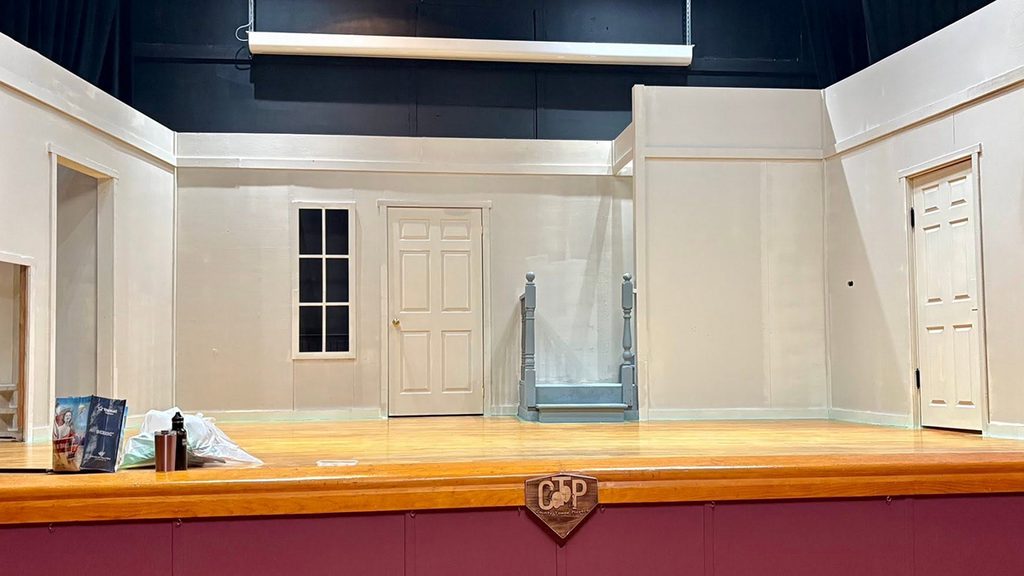
A historic building only stays relevant if people keep using it, and Victoria Jubilee Hall’s answer to that challenge has largely been the County Towne Players, a community theatre troupe founded in 1972 specifically to bring amateur theatrical productions to the hall.
The founding members, including Danny Craig, Bill and Marg Shaw, Ralph and Erleen Martin, Doug and Florence Farr, and Gary and Nancy Bajurny, staged their debut production of Arsenic and Old Lace to four sold-out shows, a launch that essentially guaranteed the group’s survival before it had even finished its first season.
More than five decades later, the County Towne Players remain in residence at the hall, having recently completed a renovation of the sixth-floor makeup and change room areas in partnership with the Rotary Club of Walkerton, a collaboration that reflects how deeply intertwined the theatre company and the building’s ongoing preservation have become.
The hall’s stage has hosted far more than amateur theatre over the decades, though.
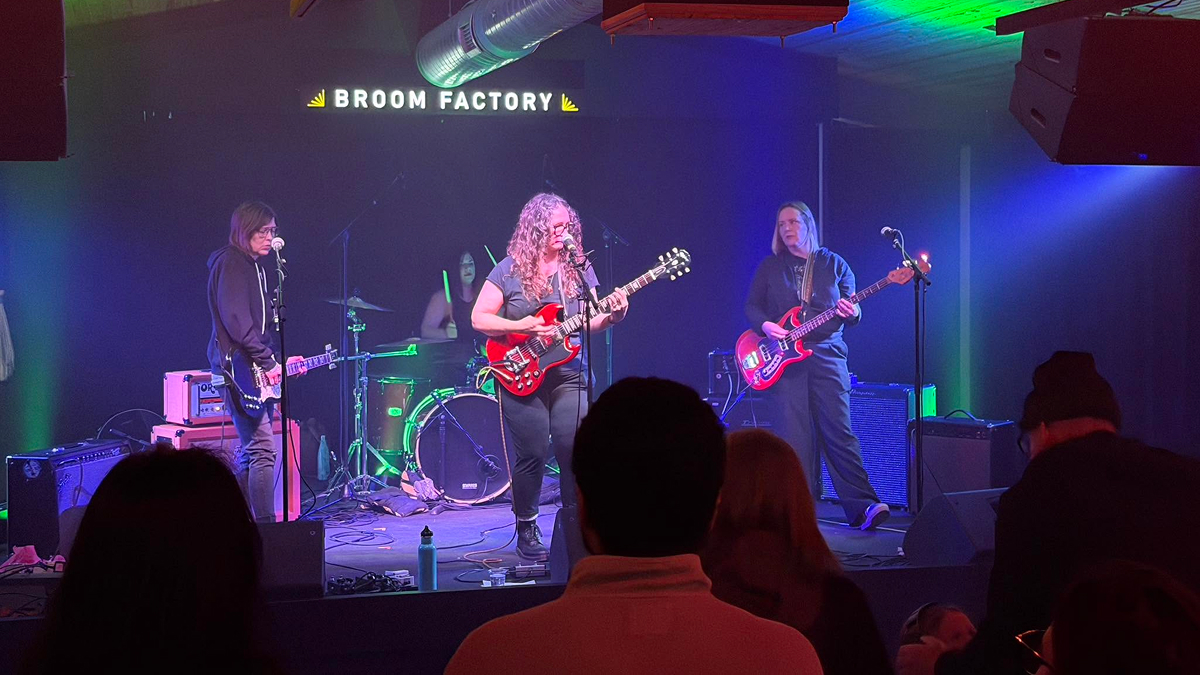
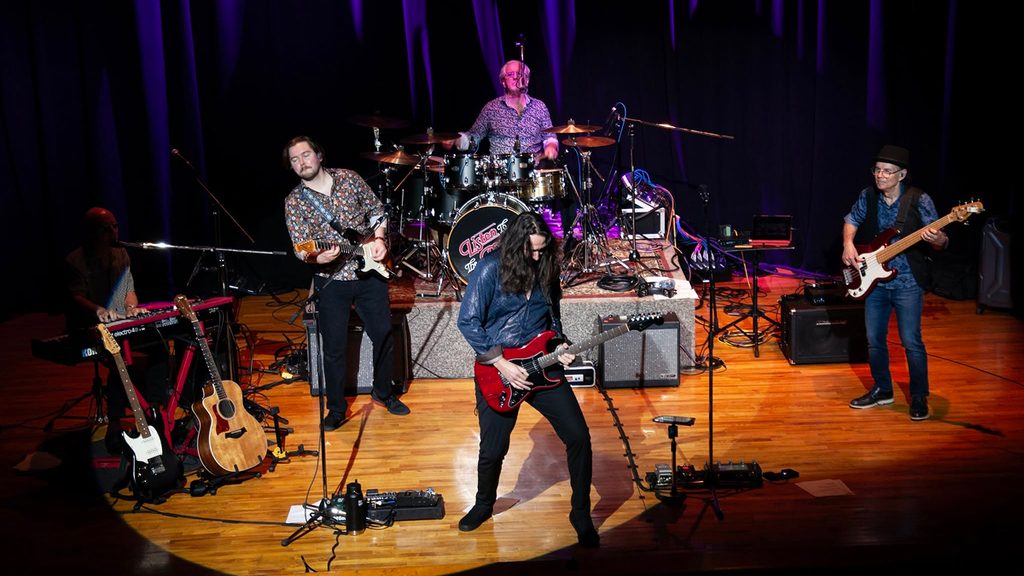
Touring and national performers including Heather Rankin and Coco Love Alcorn have appeared at Victoria Jubilee Hall, alongside long-running local ensembles like the Sing! Show Chorus and recurring productions from the acclaimed Wingfield Farm play series, including the recent staging of Wingfield Lost and Found, the seventh and final installment in that long-running Canadian theatrical franchise.
This mix of amateur community theatre, professional touring acts, and beloved recurring series is fairly typical of how mid-sized heritage halls sustain themselves financially and culturally: a strong resident company provides a reliable annual programming base, while touring acts and special engagements bring in audiences from outside the immediate community and generate the kind of ticket revenue that keeps a 300-seat, volunteer-run venue financially viable year after year.
Interested in Visiting? What You Can Do at Victoria Jubilee Hall Today
Modern visitors and event planners interact with Victoria Jubilee Hall in far more ways than its Victorian builders could have imagined, even though the core purpose, bringing people together under one roof, has never really changed.
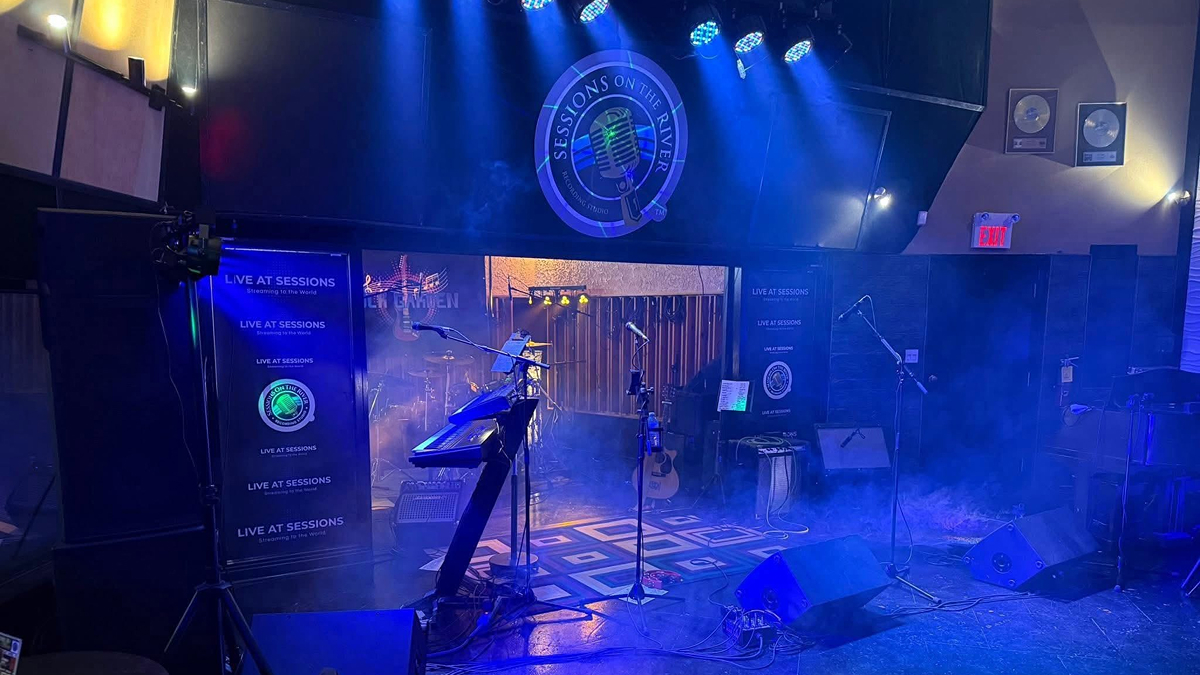
The building’s centerpiece remains the 300-seat Opera Hall, prized for acoustics good enough to satisfy touring professional musicians as well as first-time community theatre performers, and the space is available for rental to bands, theatre companies, and event organizers at rates the venue itself describes as affordable and competitive.
Beyond the main stage, the building offers several boardroom suites with audio-video capabilities suitable for virtual attendees, a multi-purpose kitchen for catered events, and the option to coordinate offsite catering when a client’s needs go beyond what the in-house kitchen can handle.
The hall has also become a genuine multi-purpose event venue in the modern sense of that term, hosting weddings, conferences, fundraisers, and luncheons in addition to its performance calendar, and Jubilee Gardens next door has become a favored setting for wedding and portrait photography.
Accessibility has been addressed directly as well, with a lift connecting the building’s various levels and a dedicated accessible entrance on Scott Street off the main parking lot, ensuring the hall’s eight-level Victorian layout doesn’t exclude visitors who need step-free access.
For anyone interested in supporting the building’s continued upkeep, options exist through direct donation, event sponsorship, or volunteering, since the hall continues to operate with only two part-time staff and relies on the same community-driven volunteer model that saved it from demolition in the first place.
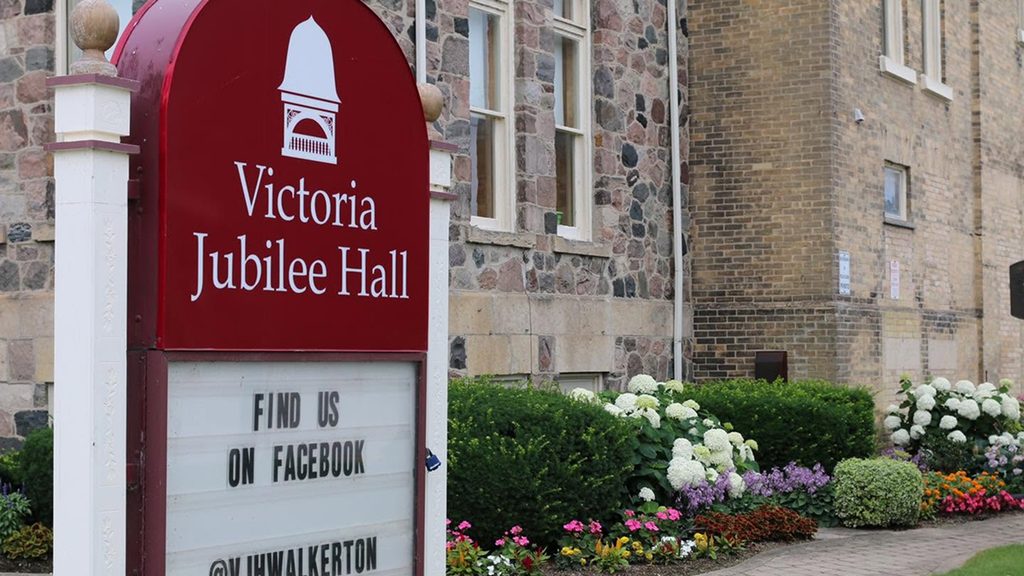
Victoria Jubilee Hall is A Building That Keeps Choosing to Stay
Most historic buildings survive because no one got around to tearing them down.
Victoria Jubilee Hall survived because, at nearly every critical juncture, a specific group of people actively decided it was worth keeping: the townspeople who packed a time capsule into its cornerstone in 1897, the volunteers who formed the South Bruce-Grey Branch of the Architectural Conservancy of Ontario in 1997 to buy the building rather than watch it fall, the residents who turned to its halls for coordination and comfort during the darkest weeks of the Walkerton water crisis, and the theatre performers, sponsors, and National Trust jurors who have kept validating its relevance for the past quarter-century.
That pattern, repeated across generations, is really the answer to why this particular hall matters beyond Bruce County.
It is a working case study in what community-owned heritage preservation actually looks like when it succeeds, not as a static museum piece, but as a living, income-generating, volunteer-powered venue that still does exactly what it was built to do in 1897: bring a town together in one room.
Anyone planning a visit, booking an event, or simply tracing their own family’s history through Walkerton would be hard-pressed to find a single building that tells the story of the town, and of small-town Ontario more broadly, quite as completely as Victoria Jubilee Hall still does.