
So it’s your very first theatre production. You have a script, a cast, a rehearsal schedule, and a venue booked. What you may not have is an audience. No mailing list, no subscriber base, no reviews to point to, no “as seen in” logos for the poster. This is the reality for nearly every first-time director, indie playwright, or scrappy new theatre company, and it’s a very different problem than the one facing an established regional theatre with forty years of subscribers to draw on.
The good news is that selling out a debut show has never required fame or a marketing budget so much as it requires a plan, and the data backs that up. Word-of-mouth recommendations are trusted by roughly 88 to 92 percent of consumers, more than any paid advertising channel, which means your cast, your crew, and your first fifty ticket buyers are worth more to you than a billboard ever could be.
This guide pulls together a few concrete, field-tested strategies for building an audience for a theatre production where you want to sell every ticket for every seat and for every night it’s booked. Some of these tactics cost nothing but time and coordination, others require a small marketing budget, and a few only make sense once you’ve laid the groundwork.
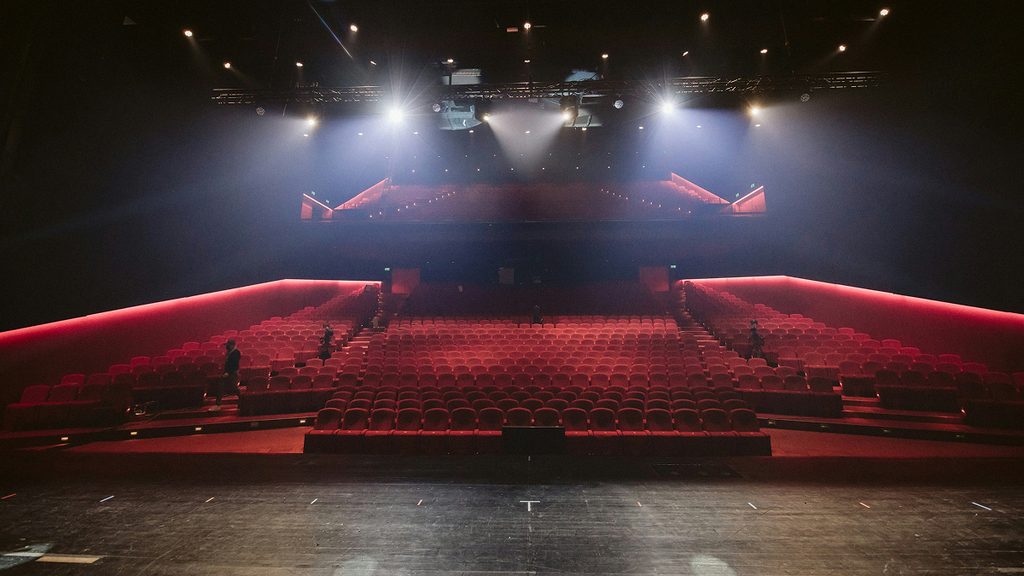
What It Actually Takes to Sell Tickets to a New Theatre Production Few Have Heard Of
Selling tickets to an unknown production comes down to three things happening in sequence:
- People need to discover the show exists.
- They need enough context to understand why it’s worth an evening of their time and money.
- The path from curiosity to purchase needs to be nearly frictionless.
When you look at data tracking ticket-buying behavior across arts organizations, one will find that audiences increasingly research a production for four to five weeks before deciding to buy, which means marketing that starts the week before opening night is already too late.
This research window matters even more for a show with no track record, since a first-time buyer has to be convinced from scratch rather than simply reminded that they already like your work.
The same research points to a retention gap that indie producers can turn into an opportunity: across the sector, around 70 percent of ticket buyers attend only one event per year, and only about 17 percent of first-time buyers return within eighteen months, but those who do come back are roughly three times more likely to attend again.
In practical terms, this means your first production is not just about filling seats once. It’s about converting a portion of opening-weekend strangers into the founding members of an audience that will follow you to your second and third shows. This is why it’s important to capture contact information and deliver a great in-person experience, not just push a single transaction.

1. Nail your one-sentence theatre show hook.
Before any flyer, post, or press release goes out, you need a version of your show’s premise that a stranger can repeat to a friend after hearing it once. Theatre marketers at festivals like the Edinburgh Fringe consistently point to this as the single biggest predictor of whether a show’s promotional materials land, because audiences deciding between dozens of unfamiliar options gravitate toward the pitch they can actually explain to someone else. Spend real time workshopping this line with your team rather than defaulting to the back-of-program synopsis, and test it on people outside your immediate circle to see if it actually creates curiosity.
2. Build interest with behind-the-scenes content, not just posters.
Audiences can’t evaluate a new play the way they’d evaluate a familiar title, so the job of your early marketing is to reduce that uncertainty by showing them the world behind the work. Share rehearsal clips, costume sketches, a director’s note about why this script matters right now, or a short interview with a cast member about their character. This kind of behind-the-scenes storytelling consistently outperforms straight promotional graphics because it gives people a reason to feel invested before they’ve spent a dollar.
3. Write and send an actual press release.
Even producers with no publicity budget can and should draft a proper press release and send it to local arts writers, community bloggers, neighborhood newsletters, and campus or alt-weekly papers. Fringe festival veterans routinely cite this as a non-negotiable step precisely because it’s free, and because even a small mention or listing adds a layer of third-party legitimacy that pure self-promotion can’t replicate. Follow up personally with any reviewer or writer who covers work similar to yours, and make it easy for them by including high-resolution photos and clear show details in the first email.
4. Get a review, even a small one.
A quote from any legitimate outlet, however modest, becomes reusable social proof for the rest of the run and for future productions. Producers on the fringe circuit often treat early reviews as a long-term investment rather than an instant ticket driver, since a strong pull-quote on a poster or social post does more to convert a skeptical stranger than anything you could say about your own show.

5. Give everyone a script for word-of-mouth.
Don’t assume your actors know how to invite people; write out three or four short, natural-sounding lines they can adapt and repeat, one for a friend, one for a coworker, one for a social post. Because personal recommendations are trusted so much more than advertising, with global research putting that trust rate near 88 percent, a cast of twelve people each genuinely inviting twenty contacts represents far more persuasive reach than a boosted social post ever will. The key is making the ask specific and easy to repeat, not vague enthusiasm like “come see my show.”
6. Set a ticket-selling goal for every company member and make it visible.
A simple tracker, whether it’s a shared spreadsheet or a whiteboard in the rehearsal space, taps into the same competitive energy that keeps a cast engaged through a grueling tech week. Pair it with a small incentive, like a gift card raffle for everyone who hits their number, and you’ll find that friendly competition does more for ticket sales than a formal ad campaign, especially for a company selling to its first audience.
7. Turn your team into walking billboards.
Cheap branded T-shirts worn on a designated day each week leading up to opening create a recurring, low-cost reminder that the show is coming, and they photograph well for social media, which extends the reach further. Some companies extend this goodwill by cross-promoting with unrelated community groups, like sports teams or clubs the cast belongs to, which introduces the show to entirely new social circles that would never have encountered a traditional poster.
8. Personally invite, don’t just broadcast.
There’s a meaningful difference between posting “tickets on sale now” and texting ten specific people, “I’d genuinely love for you to see this, here’s why.” Direct, personal outreach converts at a dramatically higher rate than passive posting because it carries social accountability; people are far more likely to follow through on a commitment made to a specific person than to a general announcement they scrolled past.

9. Get your ticketing page mobile-friendly and fast.
If a potential buyer has to pinch-zoom, hunt for showtimes, or fight a clunky checkout, you lose them, full stop. Every dollar spent driving traffic to a slow or confusing ticket page is wasted, so before you spend a cent on promotion, test your own purchase flow on a phone exactly the way a stranger would experience it. Connect with an event ticketing platform, such as Ticketscene, that you trust to be able to deliver the best ticket-buying experience possible.
10. Build a short-form video habit early, not the week of opening.
Data on Gen Z and younger millennial audiences shows TikTok and Instagram now rival or beat traditional search for discovering events and entertainment, with roughly six in ten users saying they discover news and events on these platforms. Whether you are an established indie theatre like the Red Sandcastle Theatre or are an entirely new venue and/or production, a single rehearsal clip, blocking moment, or funny backstage exchange posted consistently over six to eight weeks builds an algorithmic foothold that a last-minute promotional blitz simply cannot replicate.
11. Start an email list on day one of pre-production.
Email remains one of the highest-converting channels available to small organizations, with nonprofit and arts sector open rates commonly landing between 25 and 40 percent, far above what most cold social posts achieve. Capture emails everywhere you can, from a link in your Instagram bio to a sign-up sheet at any public appearance, because this is the list you’ll use to sell your second and third productions once this one closes.
12. Use small, targeted paid social spend instead of a big blind budget.
You don’t need thousands of dollars to see results; a modest, geographically and demographically targeted boost on a strong piece of content, run over several weeks rather than dumped all at once, tends to outperform a single large spend right before opening. Fringe festival marketing consultants generally recommend budgeting a small percentage of your average ticket price per seat for this kind of advertising, treating it as a supplement to organic reach rather than a replacement for it.
13. Release a real trailer or teaser, not just a poster.
A ninety-second video that captures tone, a key line of dialogue, or a striking visual moment gives potential buyers something to actually evaluate, which matters enormously for an unfamiliar title. This doesn’t require professional production value; a well-shot phone video with good sound and a clear sense of the show’s energy will outperform a static graphic every time.

14. Partner with businesses and organizations that share your audience.
Coffee shops, bookstores, community centers, and local nonprofits with an aligned mission will often hang a poster, mention your show in their own newsletter, or let a costumed cast member set up a small table, all for free if you simply ask. Every one of these placements puts your show in front of people who are already primed to trust the venue hosting it, which does real work that a stranger scrolling past an ad cannot replicate.
15. Show up in costume where your audience already gathers.
Sending performers to farmers markets, street fairs, campus quads, or other public events to hand out cards and talk about the show directly mirrors classic grassroots sales tactics, and it works because it turns an abstract announcement into a memorable human interaction. Keep the ask light, a smile and a card is often enough, since the goal is a warm impression rather than a hard sell.
16. Cross-promote with other small productions and artists near you.
Reach out to other indie theatre companies, bands, or comedy shows in your city and propose mentioning each other’s work to your respective audiences. This costs nothing, and because you’re not direct competitors for the same date, both shows benefit from access to an adjacent, relevant audience that neither company could easily reach alone.
17. Host a low-stakes public event before the show opens.
A free scene reading in a park, a costume pop-up in a local shop window, or an open rehearsal for donors and supporters gives people a reason to engage with your production before committing to a ticket. These events also generate the photo and video content you’ll need for the digital strategies above, so plan them a few weeks out and document everything.
18. Offer tiered and pay-what-you-can pricing.
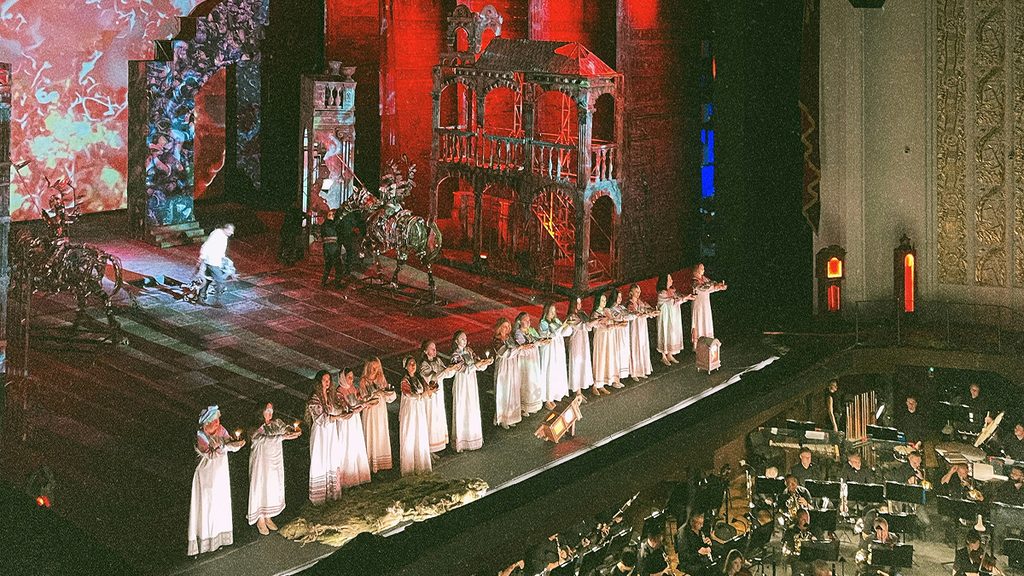
A single flat price forces every hesitant first-time buyer to make an all-or-nothing decision, whereas tiered options, from a discounted student or preview-night rate up to a premium seat with a talkback or reception, let people opt in at whatever level feels comfortable. Pay-what-you-can previews in particular are a well-established way for new companies to fill a slow early performance while building crucial word of mouth before the reviews and full-price nights arrive.
19. Build a group sales offer and make it dead simple to redeem.
Ask your cast which clubs, workplaces, or organizations they belong to outside theatre, then create a one-page flyer with a clear discount and an easy way to book as a group. Group bookings do double duty: they fill several seats in one transaction, and they introduce your show to entire social circles that a single ticket sale never would. This can dramatically increase your total ticket sales when done right.
20. Create urgency with a genuine early-bird window.
A modest discount for tickets purchased in the first two weeks of the on-sale period gives your most enthusiastic early supporters a reason to buy immediately rather than “getting to it eventually,” which matters because early sales momentum is often what convinces later, more hesitant buyers that the show is worth checking out.
21. Build a referral or bring-a-friend incentive.
Offer your existing ticket holders a small reward, like a discount code or a raffle entry, for every friend who books using their unique link or code. Because referred customers arrive already carrying a friend’s trust, this tactic essentially formalizes the same word-of-mouth dynamic that drives the vast majority of purchase decisions across nearly every industry, theatre included.
22. Consider a small, well-scoped crowdfunding campaign.
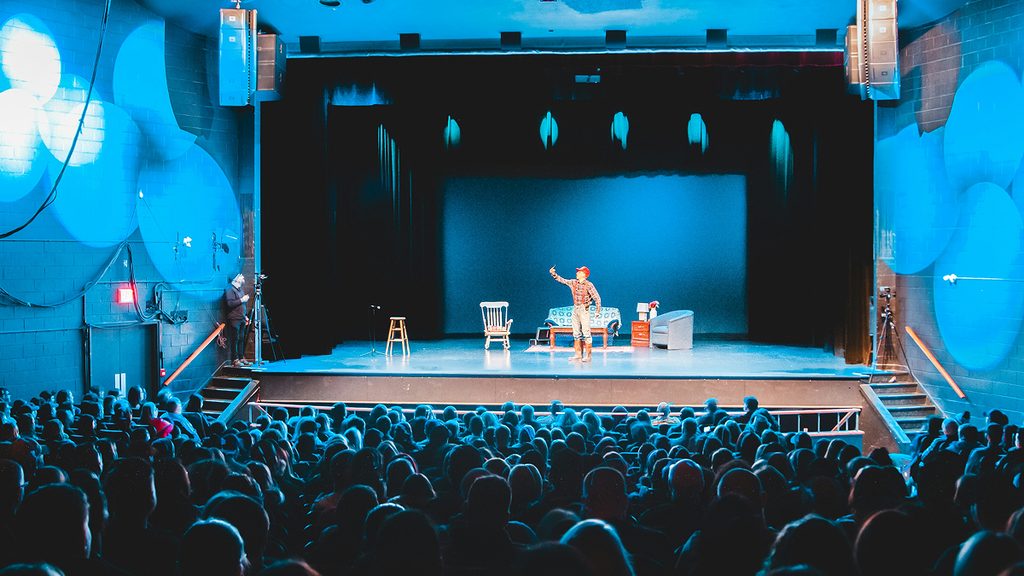
Beyond the money raised, a campaign functions as a pre-marketing tool, since backers become genuinely invested advocates who talk about the show before it even opens. Theatre is one of the strongest-performing categories on Kickstarter, succeeding roughly 60 percent of the time compared to closer to 40 percent for the platform overall, which suggests backers respond well to well-told creative pitches, especially when the ask is modest and the rewards are personal, like a shoutout in the program or a post-show meet-and-greet.
23. Pitch yourself as a story, not just an event listing.
Local media and podcasts are often hungry for human-interest angles, such as a first-time director’s journey, a script tackling a timely community issue, or a company built entirely by recent graduates. Frame your outreach around that angle rather than a generic “come see our show” pitch, since editors are far more likely to run a story with a genuine hook than a straightforward listing.

24. Capture data and nurture it after the curtain falls.
Every ticket buyer, every program pickup, and every post-show conversation is a chance to grow the list you’ll rely on for your next production. Sector-wide data shows that previously engaged audience members are roughly three times more likely to return than first-timers, which means the follow-up email you send a week after closing, thanking attendees and teasing what’s next, is arguably as valuable as anything you did before opening night.
25. Ask for feedback and use it publicly.
A short post-show survey or informal talkback gives you both genuine insight and a fresh batch of quotable audience reactions you can use exactly like a press review for your next promotional push. This closes the loop: the audience you built from nothing for show one becomes the foundation, the reviewers, and the word-of-mouth engine for show two.

The Real Formula to Strong Ticket Sales for a First-Time Theatre Production: Consistency, Community, and a Head Start
There is no single tactic on this list that will sell out your first show on its own, and anyone promising a shortcut is selling something. What actually fills seats for a production nobody has heard of is layering several of these strategies together, starting six to eight weeks before opening rather than one, and treating every audience member as the beginning of a relationship rather than a single transaction.
The theatre companies that go from an empty house to a waitlist rarely do it through a single viral post; they do it by building trust in overlapping, unglamorous ways, through a cast that genuinely invites people, a ticket page that doesn’t frustrate buyers, and a follow-up email that turns a curious stranger into a returning patron.
Remember. The audience you win over for your first theatre production will likely be a part of the audience that will fill the room for the next one.