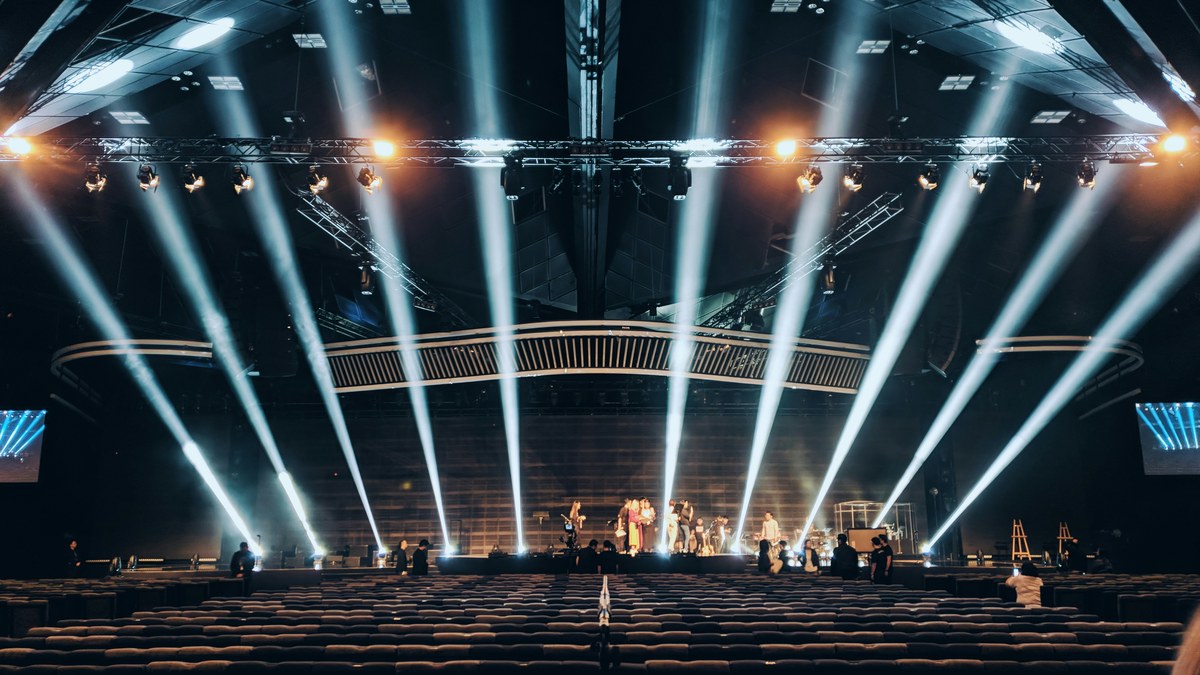
Strip away the audience, the tickets, and the marketing, and a live event is a stage with technology on it.
The wall of speakers flanking the stage, the lights sweeping overhead, the in-ear monitors feeding each musician a personal mix, the cold sparks erupting on the downbeat: every one of these is a specific system with a name, a manufacturer, and a crew trained to run it. This is the machinery that turns a performance into a production.
What follows is a tour of some of the more rudimentary and essential on-stage technologies, named specifically, working at concerts and live events.
1. Line Array PA Systems
Those towering vertical columns of speakers hanging on either side of the stage are line arrays, and they are the reason 20,000 people can all hear the same mix.
Each cabinet in the column contains identical drivers, and the stack works as one continuous sound source. Because the drivers couple acoustically, the system throws sound in a controlled cylindrical wavefront rather than letting it scatter, which keeps volume remarkably even from the front row to the back of the lawn.
The modern line array era began in 1992 with L-Acoustics’ V-DOSC system, which solved the comb-filtering mess of the old stacked speaker clusters.
Today the heavyweights are L-Acoustics (K Series, A Series) and d&b audiotechnik (Y Series, SL Series), and the two houses take different philosophical approaches: L-Acoustics leans on mechanically adjustable coverage within each cabinet, while d&b pursues tight pattern control through cardioid behavior that keeps low-frequency energy off the stage and walls.
Either way, the array is designed in software before a single box is hung, with engineers modeling the venue to set the angle of every cabinet.
For organizers, the takeaway is that the PA is not rented by the watt; it is designed for the room.
Subwoofers are a separate science: low frequencies have no real directionality, so subs are typically ground-stacked in cardioid configurations that throw bass forward into the crowd while canceling it on stage, keeping the low end out of the vocal microphones.
Delay towers extend coverage to the back of festival fields, each delayed by milliseconds so the sound arrives in phase with the main hangs.
2. Digital Mixing Consoles
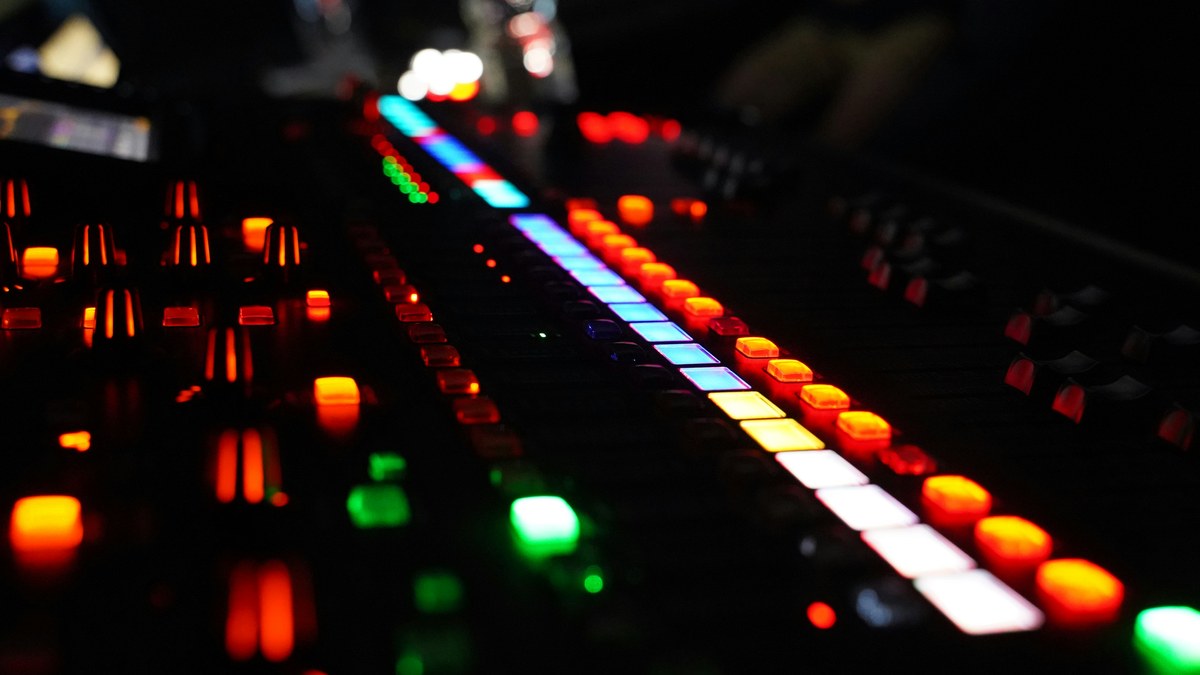
Every microphone and instrument on stage funnels into the mixing console, and the digital desk has entirely replaced the analog boards of the past.
A modern console like DiGiCo’s Quantum series or SD7 handles well over a hundred inputs, with every channel carrying its own EQ, dynamics, and effects, all recallable instantly. That recall is the revolution: an engineer can save the entire mix from soundcheck and return to it song by song, or rebuild it from scratch for the next band on a festival bill.
Large tours typically run two desks: one at front of house mixing for the audience, and one at the side of the stage mixing monitors for the performers. The two share the same stage racks over a digital network, so gain set once feeds both.
Consoles now integrate directly with immersive in-ear systems like KLANG, letting the monitor engineer place instruments in a three-dimensional space in each musician’s ears rather than a flat stereo spread. The desk is the nerve center, and the person behind it shapes the show as surely as anyone holding an instrument.
Redundancy is engineered in at this level: major tours carry a fully mirrored backup console running in parallel, so a failure means a silent switchover rather than a silent stage.
Virtual soundcheck, playing back multitrack recordings of the previous night through the desk, lets engineers refine the mix in an empty venue before the band arrives.

3. In-Ear Monitors
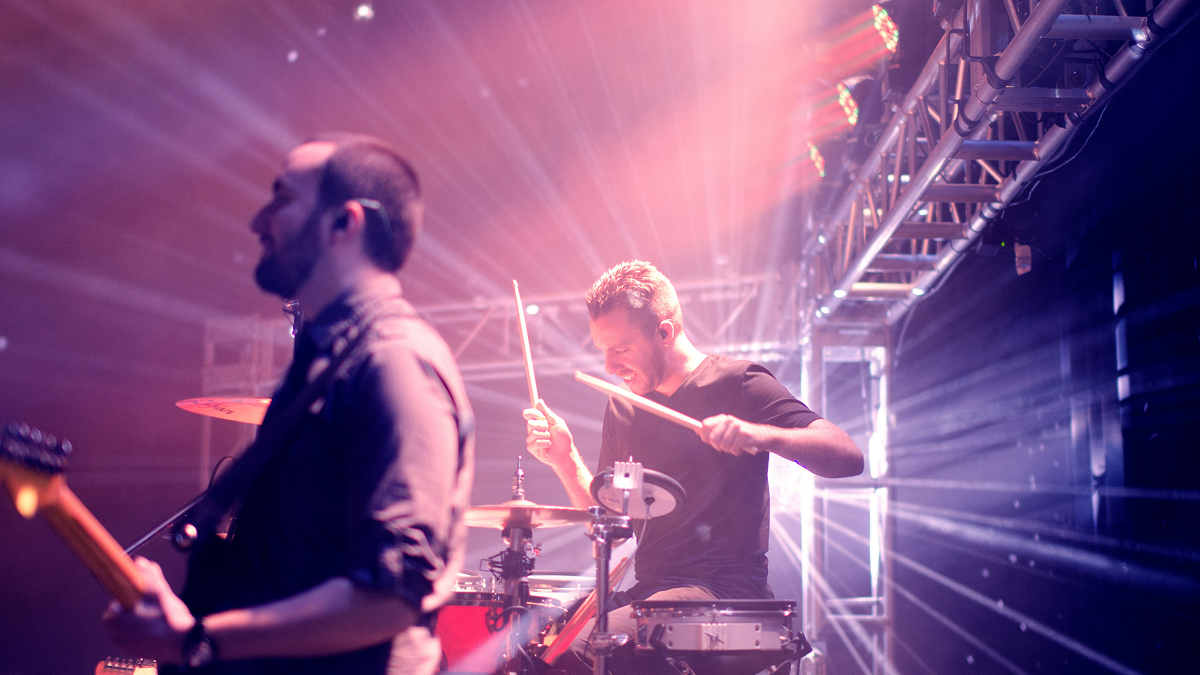
Look closely at any arena performer and you will see the telltale cable disappearing into their ear. In-ear monitors replaced the wedge speakers that used to clutter the stage, and the change transformed live sound.
Each musician gets a personal mix, identical wherever they stand, delivered through custom-molded earpieces fed by a wireless bodypack. Vocals sit exactly where the singer wants them, the click track stays private, and stage volume drops dramatically, which means less bleed into microphones and a cleaner mix out front.
The trade-offs are real, though: sealed ears isolate performers from the room, so engineers feed in ambience microphones to restore the sense of the crowd.
Going wireless means serious radio-frequency coordination, since a dropout mid-chorus is not an option. Major tours run dedicated RF technicians managing dozens of wireless channels for microphones and in-ears alike, with systems like Sennheiser’s Spectera unifying RF control and audio routing in one workflow.
For hearing protection alone, in-ears are arguably the most important stage technology of the last thirty years.
The newest frontier is immersive monitoring: systems that position each instrument in a spatial field around the musician’s head, which lets engineers run lower overall levels with less fatigue.
Drummers often pair in-ears with a tactile transducer under the throne, a buttkicker that restores the physical punch of the kick drum that sealed ears take away.
4. Moving-Head Intelligent Lighting
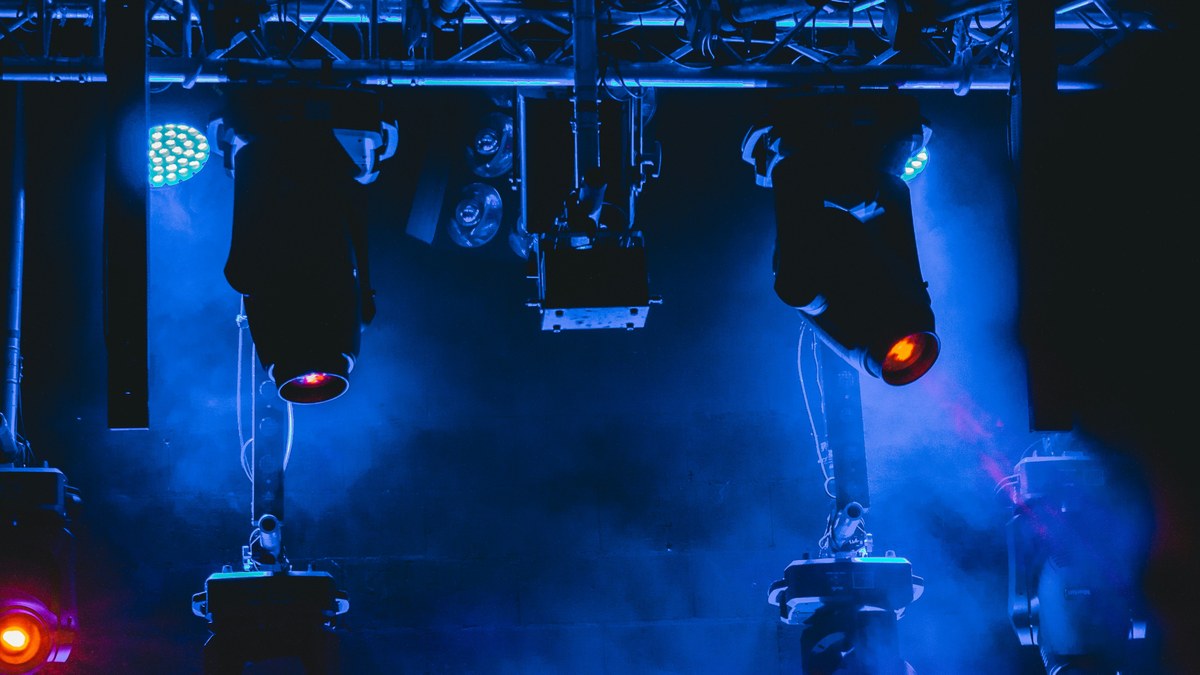
The lights sweeping, spinning, and strobing above the stage are moving-head fixtures: motorized units that pan and tilt on command while changing color, projecting patterns, and shaping beams, all driven by the DMX512 control protocol.
They come in four flavors: spots throw focused beams with gobos for texture and projection; washes flood wide areas with even color; beams fire narrow, intense shafts that read as solid columns in haze; and hybrids combine two or three of these roles in a single fixture to save rig weight on tour.
The lineage runs from Clay Paky’s scanners of the late 1980s through Martin’s MAC series, which became a touring staple, to current fixtures from Robe, High End Systems, and others pushing brighter sources and sharper optics.
A modern rig might carry hundreds of moving heads, each individually programmed, and the lighting designer effectively plays the rig as an instrument, building cues song by song. When the beams snap to the downbeat in perfect unison, that is not luck; that is hundreds of fixtures executing a cue stack written weeks earlier.
Power and data distribution are the hidden infrastructure: each fixture needs mains power and a DMX data line, daisy-chained or run through opto-splitters, and a single faulty cable can take down a whole chain, which is why touring electricians carry spares of everything. LED sources have largely replaced discharge lamps, cutting power draw and heat while lasting far longer, though the most powerful long-throw fixtures still favor arc sources for sheer output.
5. Followspots
Before intelligent lighting could do everything, there was the followspot, and it is still irreplaceable.
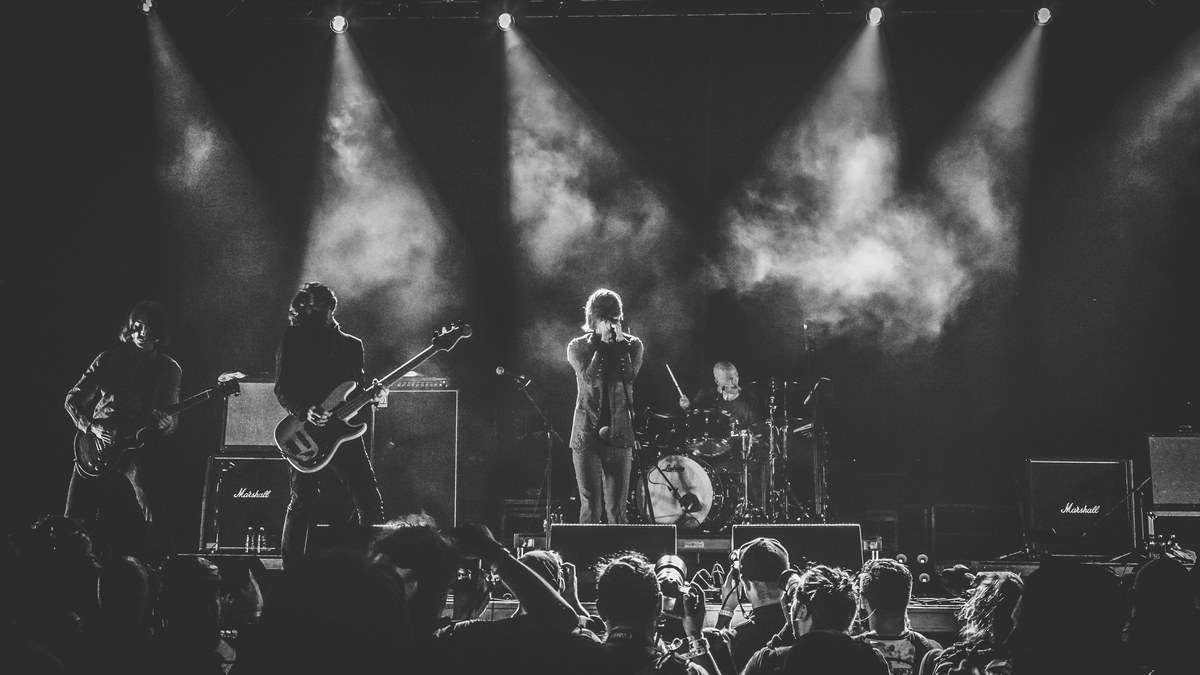
A followspot is a high-intensity, long-throw spotlight operated by a human who tracks the performer across the stage, keeping them isolated in a pool of light no matter where they move. No automated fixture follows with the same judgment: the operator anticipates, frames, and adjusts intensity by feel.
Followspots typically live at the back of the house or on a dedicated truss position, throwing hundreds of feet to the stage.
The operator controls color, iris size, and focus live, which makes the followspot the most expressive light on the rig despite being the oldest technology on this list. Big productions run two or more in tandem for key moments. It is a reminder that for all the automation in modern stagecraft, some jobs still belong to a person with their hands on the handles.
Followspot operators train for the specific athleticism of the role: smooth tracking without jitter, anticipating a performer’s movement rather than reacting to it, and holding a tight iris on a moving target for minutes at a time. Communication with the lighting designer runs through headsets, with calls for color changes and blackouts timed to the music. In an era of fully programmed rigs, the followspot remains gloriously manual.
6. Lasers
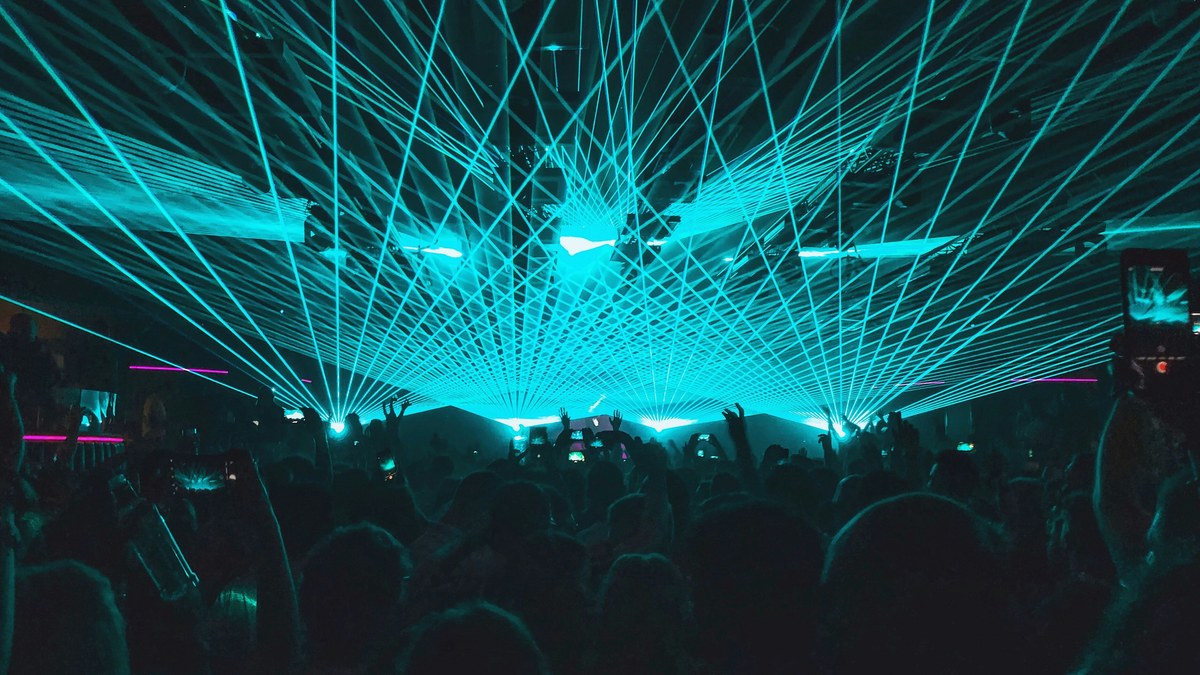
Concert lasers are not the pointer in a lecture hall. Show lasers are high-powered systems that project beams, tunnels, and geometric patterns through haze, often in perfect sync with the music.
The beams are generated by specialized laser projectors driven by control software, with companies like Pangolin building the industry-standard control platforms that map laser output to timecode.
Lasers are the most regulated effect on this list, and for good reason: a misaligned beam can injure eyes. Professional shows use certified operators, and the systems include safety interlocks, scan-fail safeguards that kill the beam if the scanning mirrors stop, and audience-scanning routines designed to keep exposure within safe limits. Permits and variances are part of the paperwork.
Done right, a laser rig turns the air above the crowd into architecture, and few effects photograph better. Programming is where the artistry lives: laserists draw with beams the way lighting designers paint with fixtures, building sequences that sweep, strobe, and morph in time with the music. Liquid-sky effects wash the venue ceiling in undulating sheets of light, while grating effects split beams into fans and tunnels.
Outdoor shows face an additional constraint in aviation rules, since beams must never threaten aircraft, which is why festival laser operators coordinate with aviation authorities on beam termination and airspace.
7. Haze and Fog
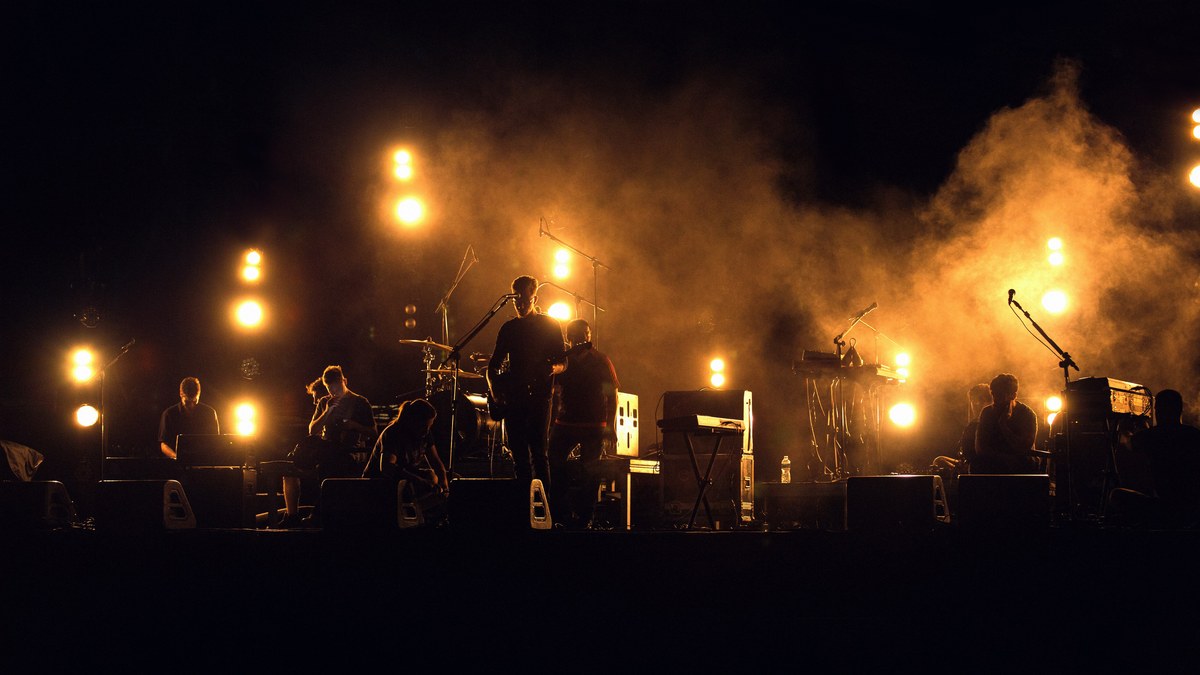
Haze is the unsung hero of stage lighting. Without it, beams are invisible; with it, every shaft of light becomes a solid object hanging in the air. Hazers produce a fine, even atmospheric mist that hangs for hours, while fog machines generate denser bursts for dramatic reveals.
Low-lying fog, chilled so it hugs the floor, creates the classic dancing-on-a-cloud effect.
The choice of atmosphere shapes the entire visual design. Beam-heavy shows need consistent haze or the rig looks dead. Too much fog and the performers disappear.
Modern hazers use water-based fluids, run quietly enough to sit near microphones, and can be controlled via DMX alongside the lighting rig. Venue fire alarms are the eternal adversary, so advance coordination with the building is non-negotiable. It is the cheapest transformative effect in stagecraft: a few hundred dollars of atmosphere can make a mid-size lighting rig look like an arena show.
Different fluids serve different purposes: quick-dissipating haze for subtle beam definition that will not set off sensitive detectors, denser fog for theatrical reveals, and specialized low-fog fluids for the floor-hugging cloud.
Placement matters as much as chemistry: hazers positioned upstage wash the beams toward the audience, while units at the front of house fill the room the crowd sees on camera.
8. LED Video Walls
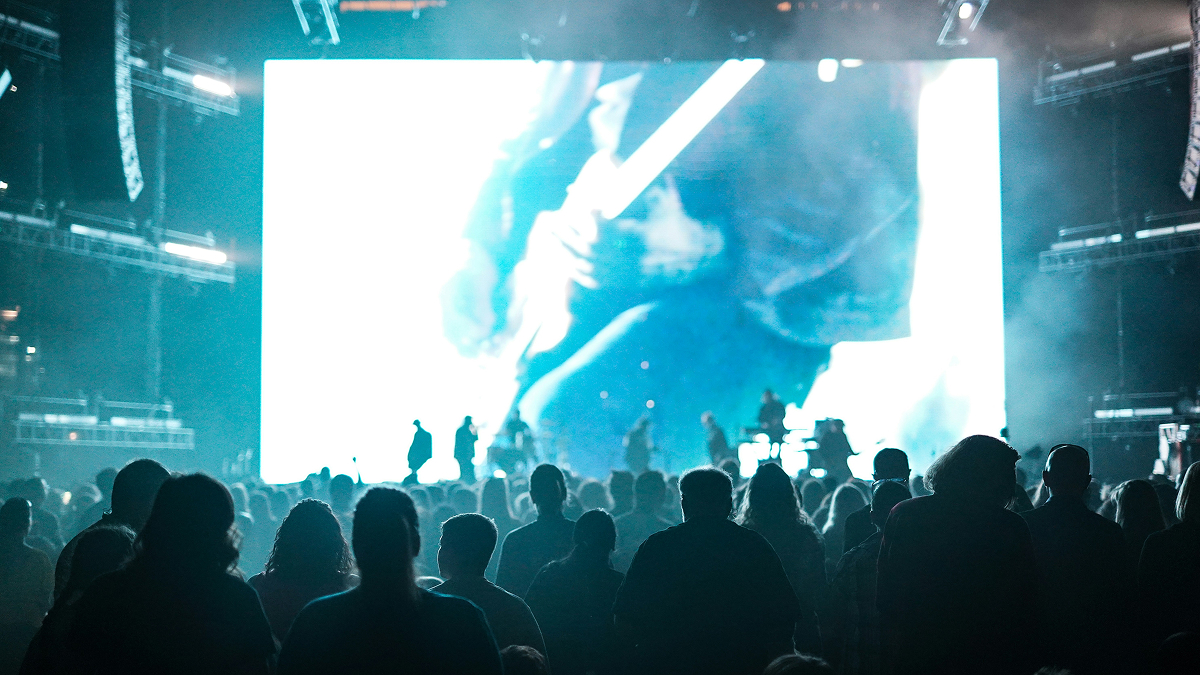
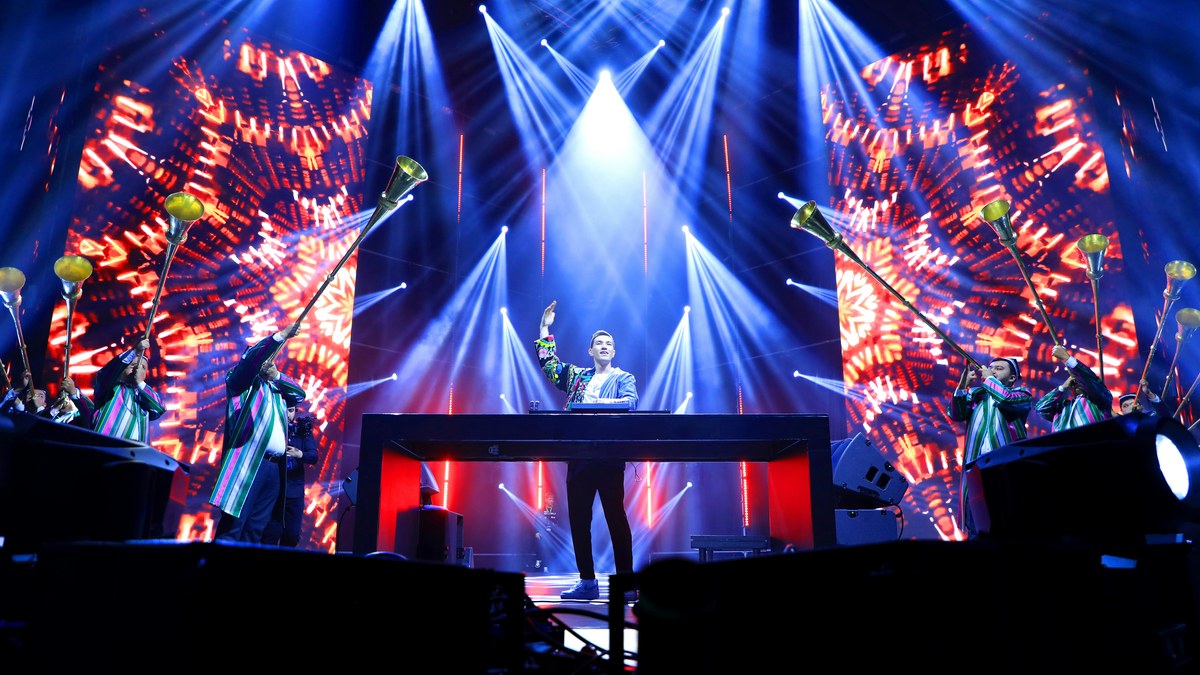
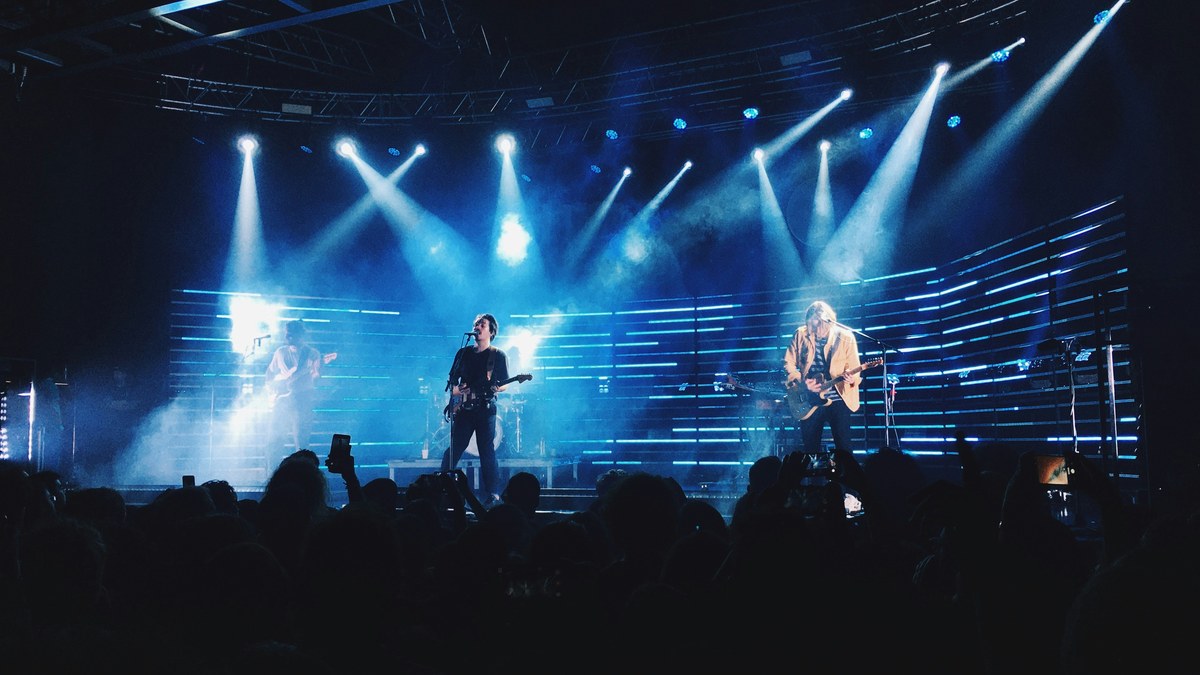
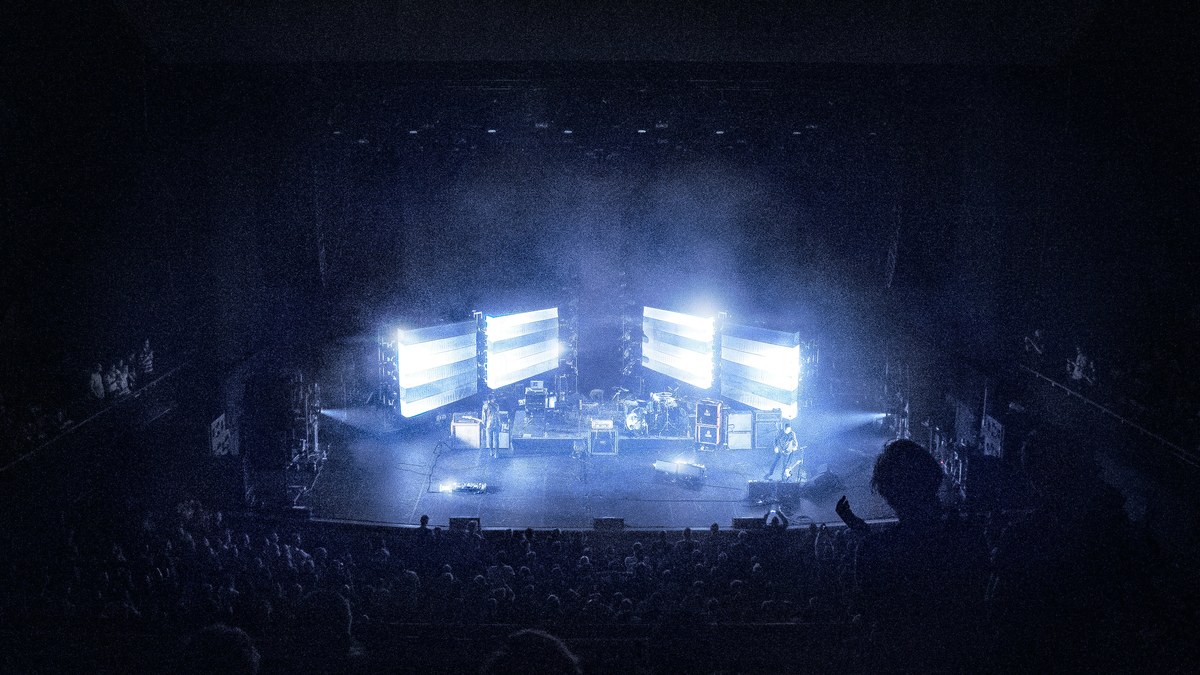
The glowing backdrop behind the headliner is a wall of modular LED panels, each emitting its own light, assembled into a screen of any size or shape: flat, curved, or wrapped around the stage.
Unlike projection, LED holds its punch in bright stage light, and the panels keep getting lighter and higher-resolution.
The specification that matters is pixel pitch, the millimeter distance between pixels. Smaller pitch means sharper image up close; larger pitch suits distant viewing. Rental companies typically quote from around $1,500 per day for small indoor walls to five figures for concert-scale configurations, with crew, rigging, and power quoted separately.
Content is half the battle: a wall running motion graphics, live camera feeds, and IMAG (image magnification of the performers) becomes part of the show, while a static logo is an expensive poster. The video department, running media servers, has become as central to the production as lighting or sound.
Touring walls live in road cases and assemble like giant Lego, with rigging frames that hang from the same truss as the lighting.
Curve the panels and the wall wraps the stage; split it into columns and it becomes architecture. Outdoor-rated panels run brighter to fight sunlight and carry weatherproofing, which is why festival walls cost more than their indoor equivalents.
9. Projection Mapping on Stage Sets
Projection mapping turns the set itself into the screen. Software warps video content to fit the exact geometry of stage scenery, so the image follows every contour instead of spilling past like a flat projection.
A plain white set becomes a shifting landscape, a building facade, or an abstract environment that transforms between songs.
The workflow is methodical: the set is modeled, content is built to that model, and projectors are aligned on site, usually the night before the show.
Ambient light is the enemy, so mapping thrives where stage lighting can be controlled around it. It pairs beautifully with LED: many productions run mapped projection on the set pieces with LED walls behind, the two systems synced to the same timecode. For tours that cannot haul tons of physical scenery, mapping delivers a new world every night from a few projectors and a media server.
Brightness is measured in lumens, and outdoor or large-venue mapping demands high-output projectors stacked and blended for a seamless image. The content pipeline is the real cost: designers build the visuals to the millimeter, and changes late in the process ripple through every mapped surface.
Some productions blend mapping with live camera feeds, projecting the performers themselves onto the set in real time, which collapses the distance between the artist and the architecture around them.
10. Cold Spark Machines
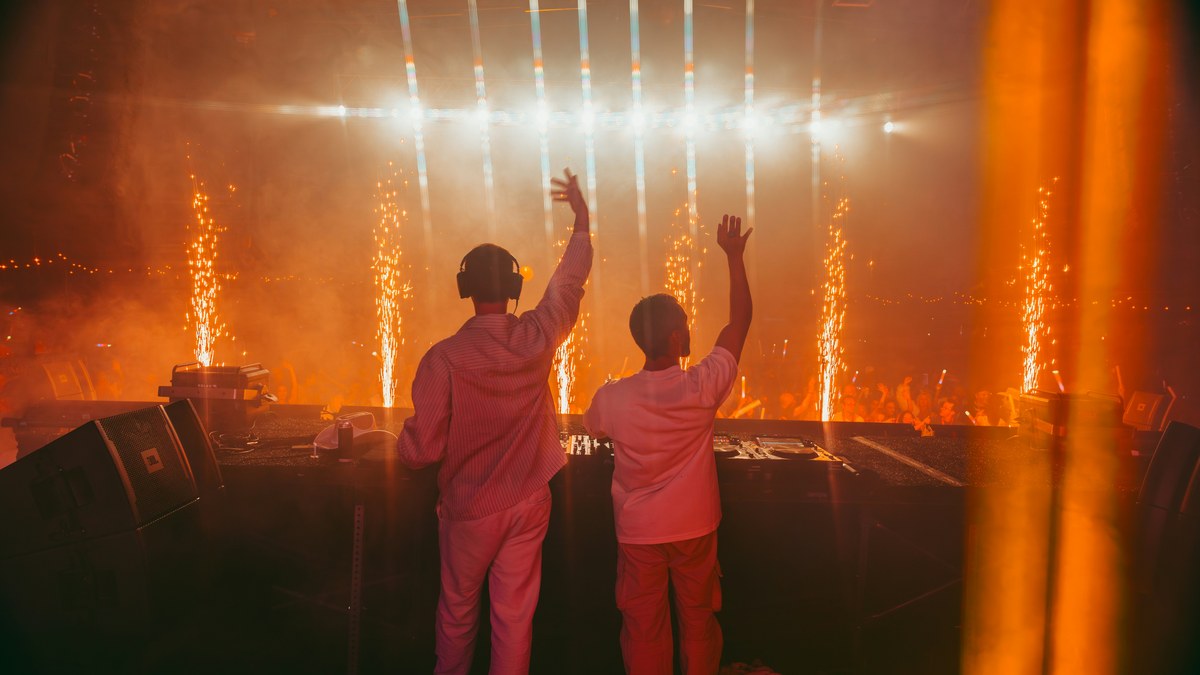
Cold spark machines, often known by the pioneering Sparkular brand, produce fountains of sparks that look exactly like traditional pyrotechnics but run cool to the touch.
The effect comes from titanium-based powder heated electronically rather than gunpowder, so the sparks leave the machine at temperatures around 60 degrees Fahrenheit instead of the 1,200-plus degrees of a handheld sparkler. There is no flame, minimal smoke, and no smell.
That safety profile changed the industry. Effects once restricted to outdoor stadiums with fire marshals on site can now fire indoors, in ballrooms, at weddings, and on television, with machines that are DMX-controllable for height, duration, and chase sequences across multiple units.
Operators still follow manufacturer guidelines and keep a clear radius around each machine, but the permitting burden is a fraction of real pyro.
For the classic finale moment, sparks erupting on the final chorus, nothing beats them for spectacle per unit of hassle. Consumable cost is the ongoing line item: the titanium powder loads are measured in grams per effect, and a big show burns through them, so the budget math favors cold sparks for repeated cues across a tour rather than one-off stadium blasts.
The machines themselves have become reliable touring workhorses, with road-ready cases and quick-swap powder cartridges designed for fast festival changeovers.
11. Flame Effects and Traditional Pyrotechnics
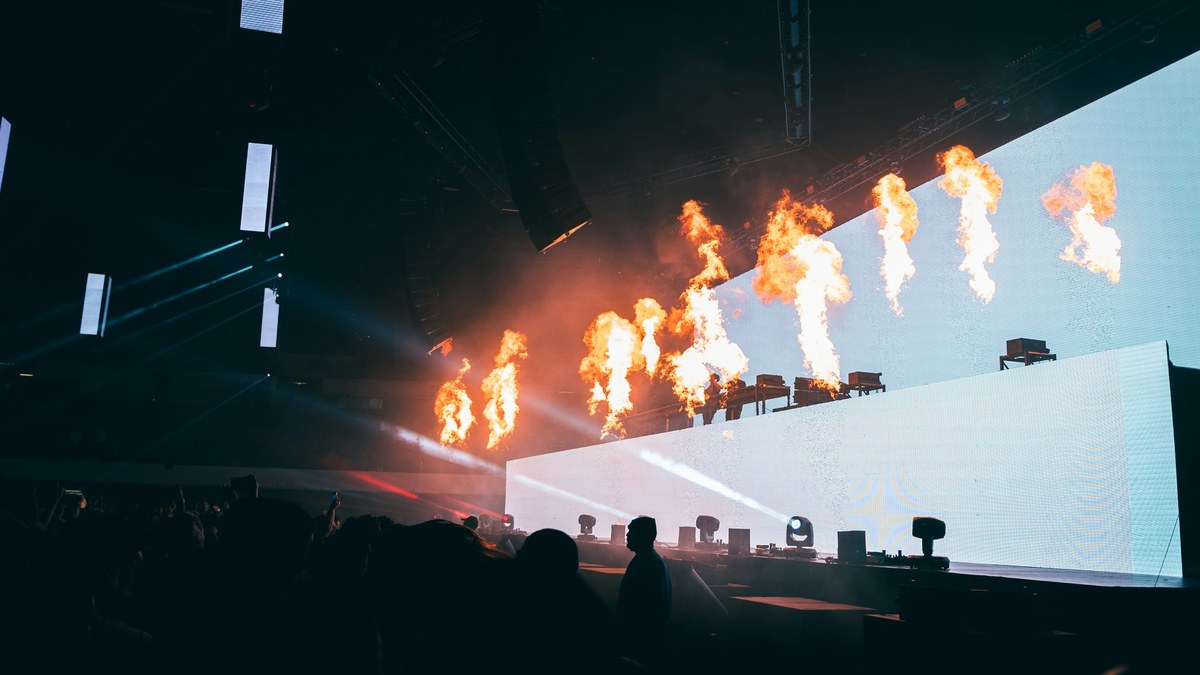
Real fire still has no substitute. Flame machines shoot controlled columns of fire, sometimes tens of feet high, to punctuate drops and finales. Traditional pyrotechnics, gerbs (fountains), mines (single-shot bursts), and concussion mortars, deliver the concussive spectacle that cold sparks deliberately avoid.
This is the domain of licensed pyrotechnicians, full stop. The operator designs the show, secures permits, coordinates with the venue and fire marshal, and fires from a dedicated control position with safety distances calculated for every effect. Indoor pyro is possible but heavily regulated; outdoor festivals are its natural home.
When the flames hit on the downbeat and the heat rolls over the front rows, the audience feels the show physically. That visceral impact is why, despite every advance in safer alternatives, real pyro remains the crown jewel of stadium effects.
The design process starts months out: the pyrotechnician walks the venue, calculates fallout zones for every effect, and scripts each shot to the millisecond against the musical arrangement.
Rehearsals include full safety briefings for everyone on stage, because performers need to know exactly where each effect fires and when. Insurance for pyro shows is its own specialty, and the premiums reflect the reality that fire, however controlled, demands respect.
12. CO2 Jets
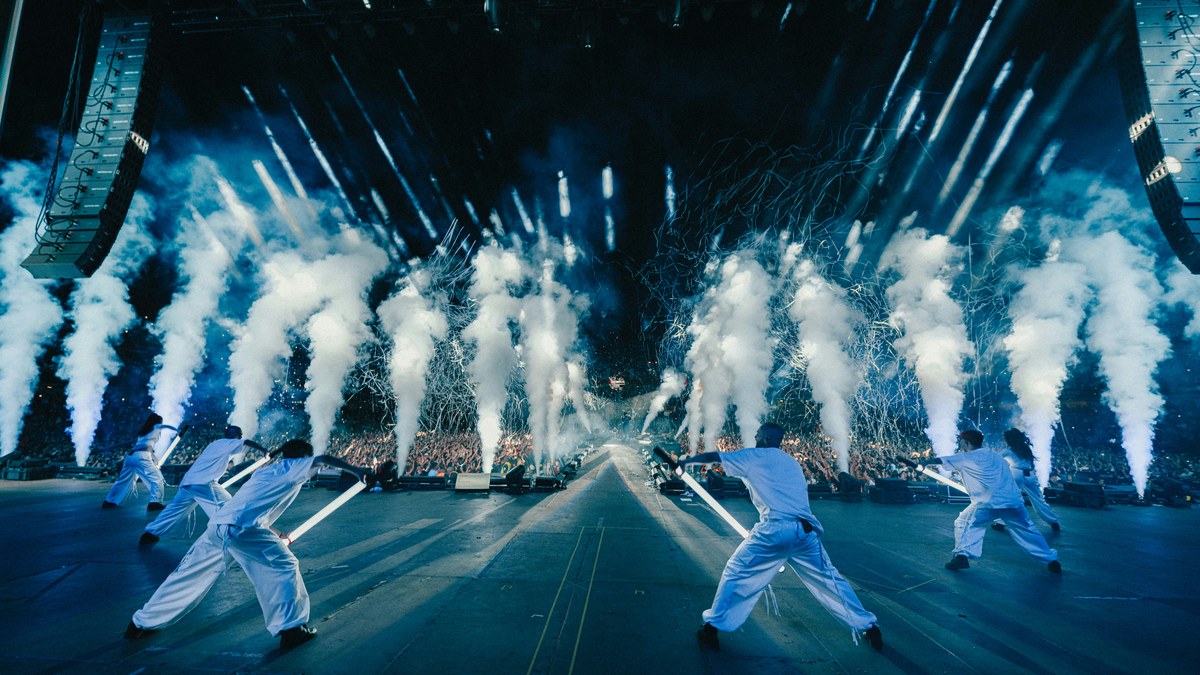
CO2 jets fire thick white plumes of cryogenic fog skyward in an instant, then vanish just as fast. The effect is pure punctuation: a sudden vertical blast on the drop, a wall of white behind the DJ, a burst for the artist’s entrance.
Because the plume dissipates immediately, it never obscures the stage the way fog can.
The systems run on liquid CO2 cylinders feeding specialized valves, available as fixed stage units or handheld cannons performers can aim themselves. The gas is non-toxic and odorless, and the cooling blast reads dramatically on camera. CO2 pairs naturally with lighting, since colored beams cutting through the white plume create depth that neither effect achieves alone.
Like all cryo effects, the safety notes matter: the discharge is extremely cold at the nozzle, and cylinders need secure handling. In the choreography of a modern EDM or pop show, CO2 hits are the exclamation marks.
Cylinder logistics shape the show design: each jet consumes CO2 with every firing, so the number of cylinders backstage determines how many hits the show gets. Crews calculate consumption per cue during programming and stage enough supply for the performance plus a margin.
The valves themselves are the precision instruments, opening in milliseconds on DMX command, and manifolds can link multiple jets to a single supply for synchronized walls of white.
13. Confetti and Streamer Cannons
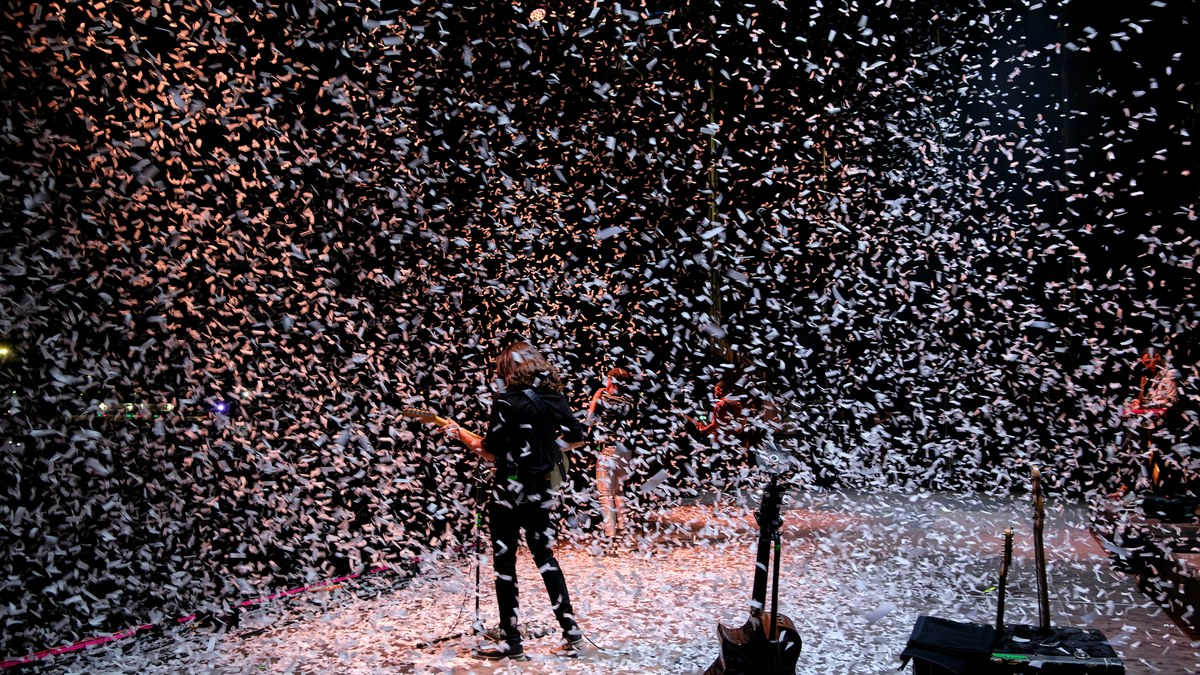
No finale says celebration like several kilograms of confetti in the air. Confetti cannons use compressed air or CO2 to launch biodegradable tissue or metallic confetti, while streamer cannons fire long ribbons that drape over the crowd.
Electric models fire on DMX cue; handheld versions let performers trigger them.
The logistics are more involved than they look. Confetti needs to be flame-resistant, venues need to approve the cleanup plan, and outdoor shows need to consider wind and local regulations on litter.
Sizing matters: stadium shows use large-format cannons with serious throw distance, while clubs get by with compact units. The payoff is the photograph every attendee takes: the artist silhouetted in a blizzard of color. It is the cheapest way to make a finale feel like an event, and the cleanup crew earns every penny.
Timing is everything: the best confetti moments are cued to musical peaks, not fired randomly, and skilled programmers layer the shot, a small burst on the penultimate chorus, the full blizzard on the final hit. Metallic confetti catches light beautifully but can interfere with wireless signals in rare cases, which is one more detail for the RF coordinator’s checklist.
Biodegradable tissue has become the responsible default, breaking down without the microplastic legacy of older PVC options.
14. Kinetic Lighting
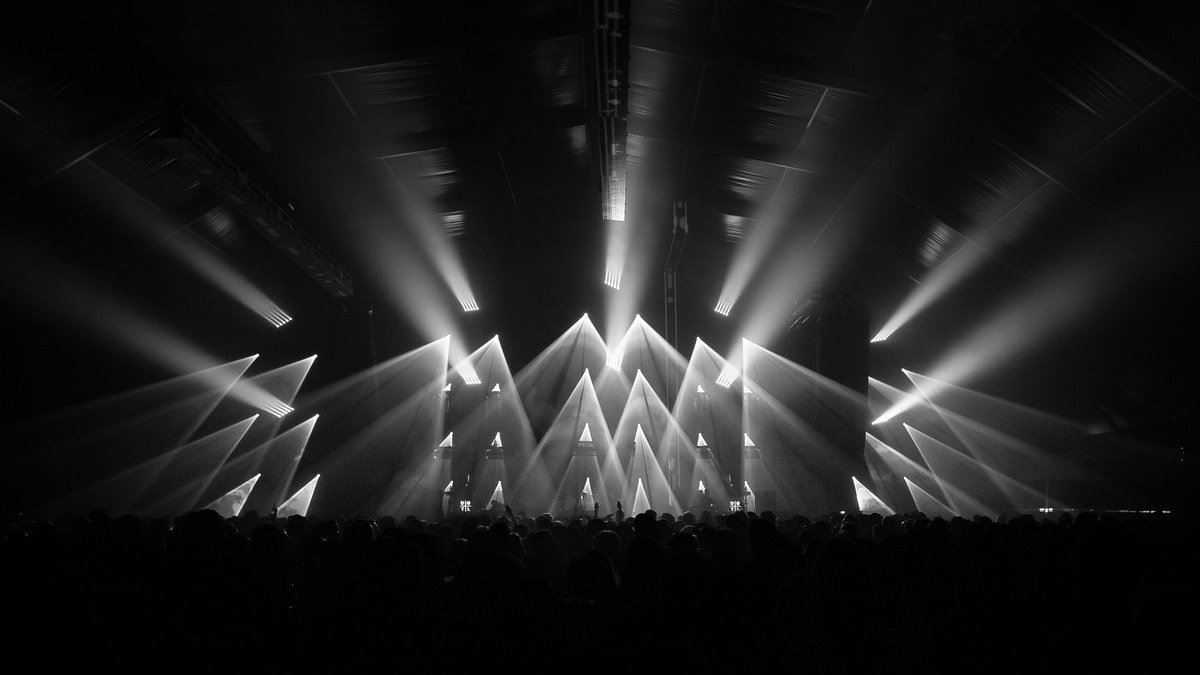
Kinetic lighting puts the fixtures themselves in motion. Winch-driven systems raise, lower, and tilt arrays of lights, LED tubes, or mirrored discs above the stage in choreographed sequences, so the lighting rig becomes a moving sculpture.
A ceiling of glowing orbs can descend over the band for a ballad, then retract and scatter for the finale.
The technology pairs precision winches with lighting control, and safety is engineered in: load monitoring, redundant braking, and strict weight limits govern every moving element above performers’ heads.
Companies specializing in kinetic systems have made it a signature of high-end pop and electronic productions, where the moving rig reads as part of the performance rather than infrastructure. It demands serious rigging points and rehearsal time, which keeps it in the arena and festival realm, but nothing else makes the venue itself feel alive.
The programming blends lighting and motion into a single timeline: the fixtures move as the colors change, so the rig performs choreography rather than simply illuminating it. Mirror-disc variants scatter beams across the venue as they spin, turning the room into the effect.
Because the winches carry both the fixture weight and dynamic loads from movement, structural engineering review of the rigging points is mandatory, not optional.
15. Stage Automation: Lifts, Revolves, and Tracking
The stage floor is not necessarily fixed. Automation systems move entire set pieces, and sometimes the performers on them: hydraulic lifts raise artists from beneath the stage, revolves rotate set pieces or the drum riser, and tracking systems glide scenery across the deck.
Kinesys is the name most associated with professional stage automation, providing the variable-speed hoists and control that move scenery with the precision of a lighting cue.
Every automated move is programmed, rehearsed, and interlocked with safety systems, because a multi-ton set piece in motion tolerates no improvisation. Performers rehearse their marks the way dancers learn choreography. The reveal, a piano rising through the floor, a wall splitting to expose the band, delivers theatrical magic that no lighting effect can replicate.
It is the most expensive discipline on this list per minute of effect, and the one that most clearly separates a concert from a theatrical production.
Control positions for automation sit alongside lighting and video, with operators running dedicated consoles that interlock with the master show control. Emergency stops are prominent and tested, and every cue has a manual override.
The cueing is often tied to timecode, so a lift rises in perfect sync with the lighting shift and the video cut, and the audience perceives one seamless moment rather than three departments working.
16. Timecode and Show Control
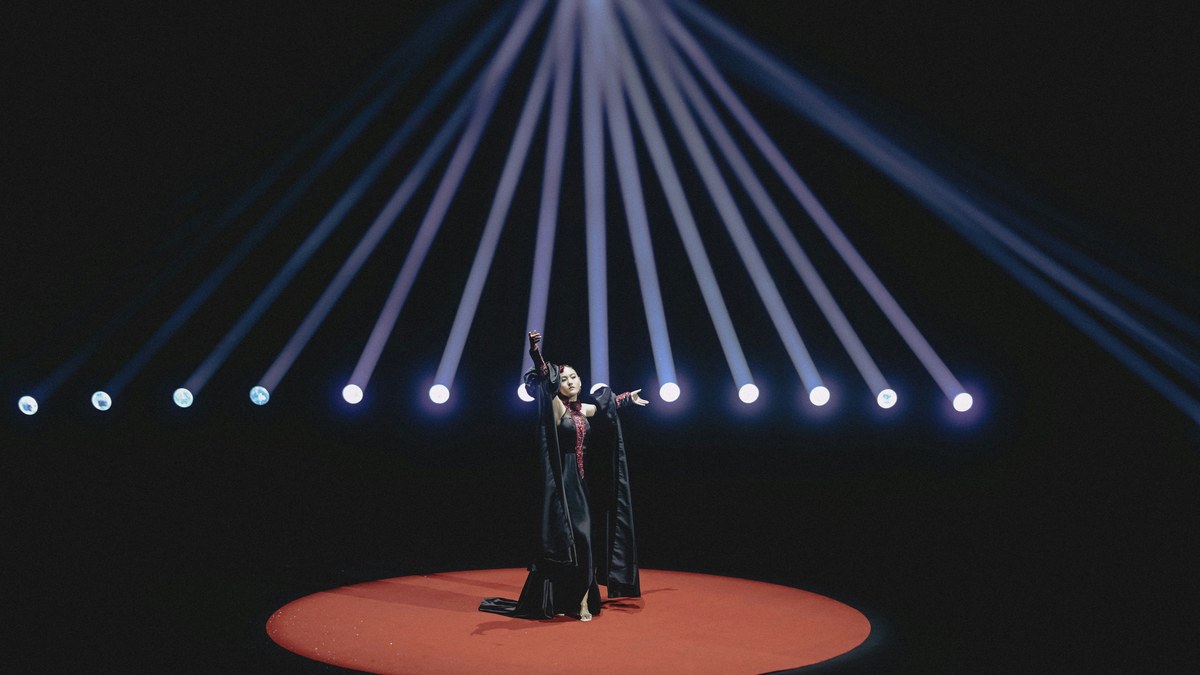
Timecode is the invisible technology holding the entire production together. A master clock sends a timing signal to lighting, video, lasers, pyro, and automation simultaneously, so every department fires its cues in perfect sync without anyone counting in.
When the cold sparks erupt exactly on the snare hit and the video wall cuts at the same frame, that is timecode.
Media servers, from companies like Disguise, play back the video content locked to that clock, while lighting consoles chase the same timeline. The show is programmed in advance, cue by cue, then the operator simply starts the clock and supervises.
The alternative, every operator busking their cues live, works for club shows but cannot deliver the frame-accurate spectacle of an arena production. Timecode is also what makes a show repeatable: the 40th performance looks like the first, because the clock does not have an off night. The standard frame rate for show timecode keeps every department aligned to the same timeline, and redundant timecode generators mean a single failure never stops the clock.
Programmers build the show in pre-production, often in visualization software that renders the entire rig in 3D, so cues are written and refined before the crew ever hangs a fixture.
When the tour moves to a venue with a different stage size, the timecoded show adapts: positions scale, but the timing relationships hold.
17. Drone Light Shows
Fleets of programmed drones have become the premium alternative to fireworks for event finales.
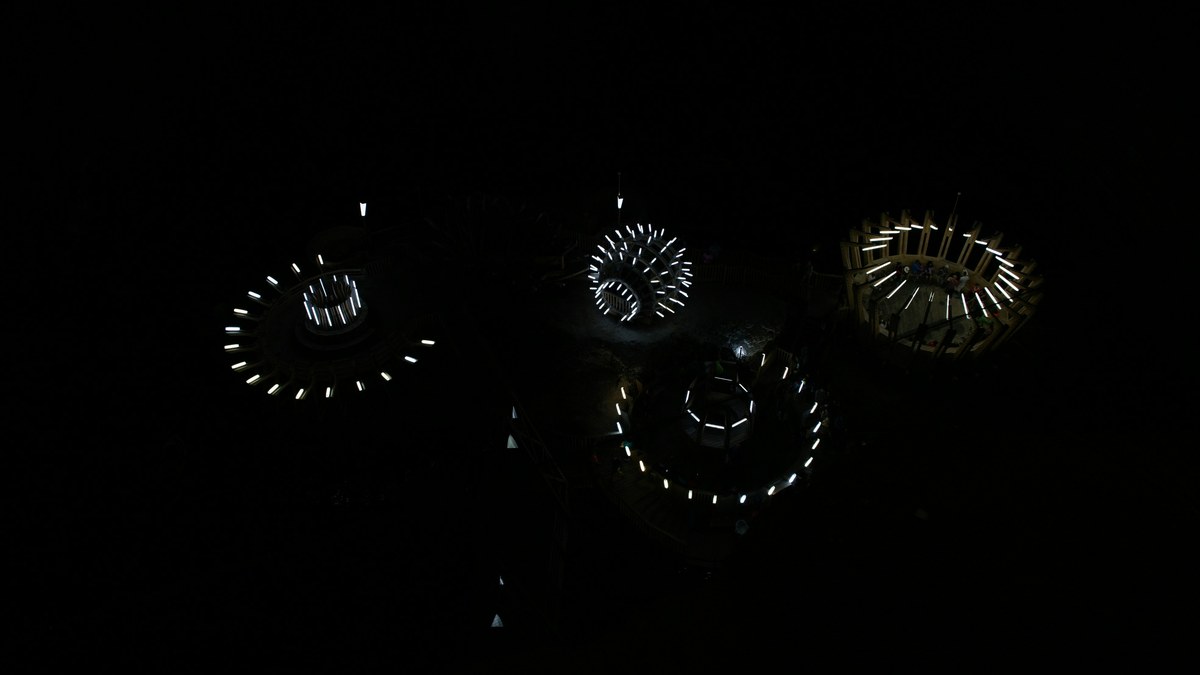
Hundreds of illuminated drones fly in formation, creating animated images in the night sky: logos, countdowns, flags, abstract art, all fully programmable and synchronized to music. There is no debris, no noise, and no smoke, which opens venues where fireworks could never be permitted.
Each drone carries an LED payload and follows a pre-programmed flight path managed by centralized software, with safety geofencing and redundant systems standard. The operations require specialized providers, aviation approvals, and significant budget, placing drone shows in the realm of large festivals, civic celebrations, and major launches.
As a closing image, a thousand points of light rearranging themselves above the crowd, it is the newest form of spectacle on this list and already one of the most in-demand. Show design starts with the canvas: the airspace above and around the venue determines how many drones can fly and what shapes they can draw.
Animators storyboard the sequences like film, then flight programmers convert the storyboards into three-dimensional paths with collision avoidance built in.
Weather is the wildcard, since wind grounds fleets, so major shows hold backup dates or indoor alternatives. The trajectory is clear: as costs fall, drone shows are moving from civic spectacles to regular tour fixtures.
Which of These Essential On-Stage Live Event Technology Tools Will Transform Your Show?
All these systems share one truth: the audience never sees the engineering, only the magic it produces.
A line array is physics, a moving head is motors and optics, timecode is a clock signal, but what the crowd experiences is a wall of sound, light that dances, and a finale they will talk about for years. Start with the discipline your show is missing: bands need monitoring and a real PA before they need pyro, and pyro needs a licensed operator before it needs anything else.