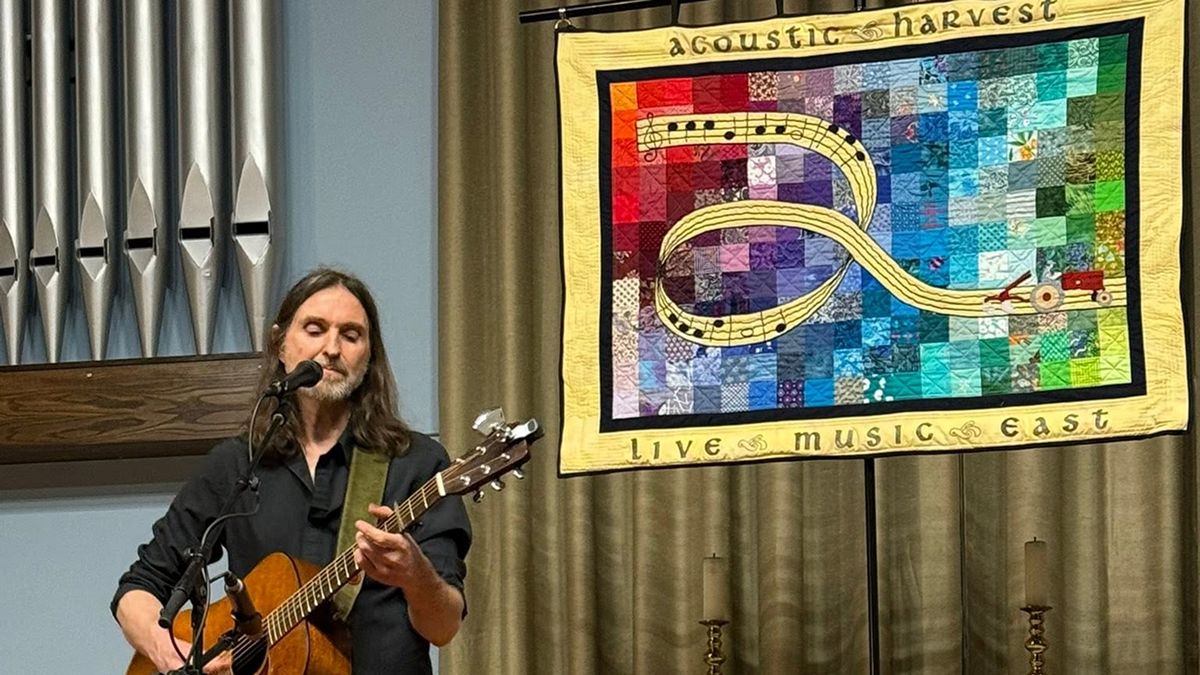
On a Saturday night in southwest Scarborough, a United church hall that serves other purposes the rest of the week turns into a listening room.
Volunteers set out chairs and work the door. A sound engineer whom touring musicians single out for praise checks levels. The intermission baking is laid out. Then artistic director Lillian Wauthier steps up to the microphone, welcomes the crowd, and reminds them, as she has for years, what the room is for: putting every kind of acoustic music on one stage and trusting an audience to follow along.
That room is Acoustic Harvest, a monthly folk and roots series that gave its first concert in April 1997 and opened its 29th season this fall with a reunion of the Canadian folk group Tanglefoot.
It has never owned a building. It has outlived its founder, been pushed out of its home more than once, and went roughly a year and a half without live concerts during the pandemic. Through all of it, the series has stayed in the east end it was created to serve, run by neighbours who staff the door, the sound board, the merchandise table, and the refreshments.
This is the story of that organization: the founder who started it, the artistic director who has shaped it for most of its life, the volunteers who keep it running, and the rooms, radio hosts, festivals, and causes that have carried it through nearly three decades.
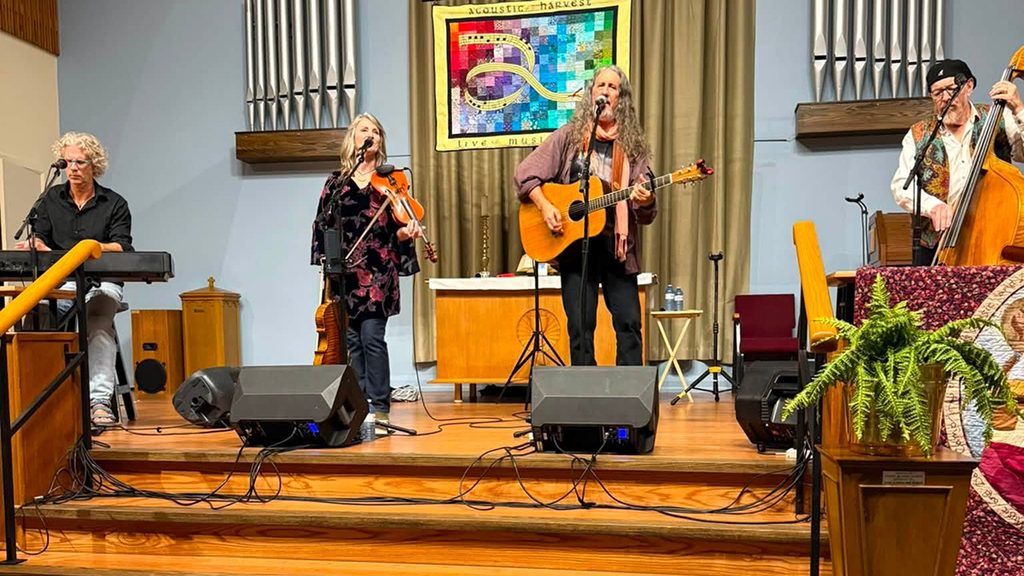
A Neighbourhood Without a Place to Listen
In 1996, musician Rick Fielding and his wife, Heather, bought a house in Scarborough.
They moved in on November 22 of that year, and Rick set up his music practice in the neighbourhood. He liked nearly everything about the place, with one exception: there was nowhere nearby to hear acoustic music in a room built for listening.
Heather later recalled that by the spring of 1997 Rick had decided the area lacked a folk club, one where people could hear folk, certainly, but also blues, bluegrass, songwriters, and the music that lives where those styles overlap. In the club’s own telling, he set out to do it with “a Fielding twist.”
Venues of the era tended to serve a single taste. A listener could find a room for old-time music, another for bluegrass, another for traditional folk, country, blues, or songwriters, but not one that presented all of them. Fielding, an expert in every one of those styles, bet that people who liked one would like the others if somebody introduced them properly.
Next he needed a venue and some help. Heather was the first recruit. The second was the Reverend James Allman, a banjo-playing student of Fielding’s who was also the minister at Greenwood United Church.
The first meeting was held at Greenwood United, and so was the first concert. In April 1997, the Scarborough Acoustic Music Society opened with a performance by Norman and Betty MacDonald. About a year later Allman moved away from Toronto, and under the team that regrouped around Wauthier, the society became Acoustic Harvest.
The mission has not wandered.
The series’ mandate is to present a monthly concert of the finest local, national, and international acoustic roots music in Toronto, aimed at the Beach, the Scarborough Bluffs, and greater Scarborough, though listeners arrive from across Toronto and Ontario and sometimes farther. The published range covers traditional and contemporary folk, blues, Celtic, bluegrass, old-time, Appalachian, singer-songwriter, and world music, all in a setting meant to foster friendships, community spirit, and a love of the arts.
Local press describes the organization as a volunteer-run, community-based music and art group that supports art, heritage, and live music.
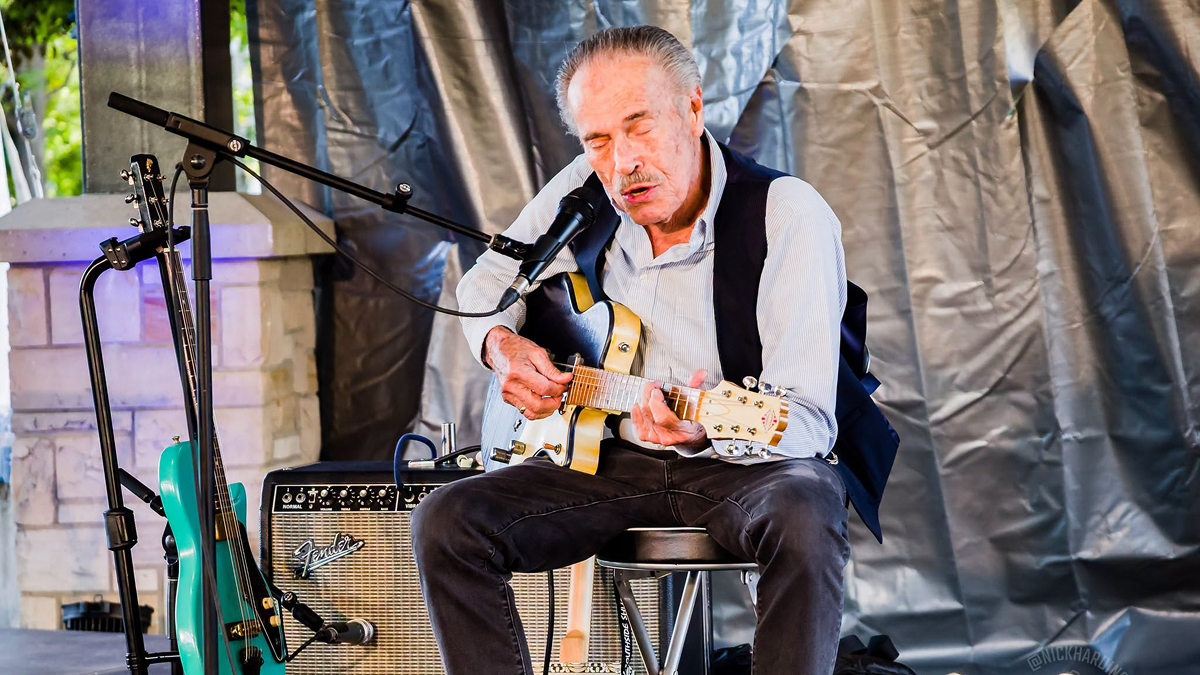
Rick Fielding, the Founder Who Handed It Off
Fielding grew up in Montreal and was smitten as a teenager by the music of Leadbelly and Woody Guthrie.
He moved to Toronto in 1969 and spent more than thirty years touring Canada, Britain, and the United States and recording for Folk Legacy and Borealis. He counted Gordon Lightfoot, Ian and Sylvia, and Tom Paxton among his contemporaries, spent a stint in the Gangreen Boys, one of Toronto’s first bluegrass groups, and played guitar, banjo, mandolin, autoharp, dobro, and dulcimer.
His 1995 Folk Legacy album Lifeline, drawn from years of working bars and clubs in northern Ontario, features him on nine instruments.
Teaching was part of the same practice. Fielding taught acoustic technique on guitar, banjo, mandolin, and dulcimer, ran workshops on songwriting and professional development for musicians, did custom leather work, and hosted a radio program called Acoustic Workshop on CIUT-FM. Seen that way, a folk club was less a new venture than one more way of getting acoustic music in front of people.
He died on March 20, 2004, after a long fight with cancer, during the club’s seventh season.
He had managed to finish his final album, also titled Acoustic Workshop, while he was ill. A celebration of his life was held at the Tranzac Club that June, and Acoustic Harvest later presented a tribute evening of its own, with Tony Quarrington, Wendell Ferguson, Grit Laskin, Bill Garrett and Sue Lothrop, Eve Goldberg, and others.
The club’s own history calls him the inspiration and instigator who got the ball rolling and then passed the artistic direction to Wauthier.
Lillian Wauthier and the Volunteers Behind Her
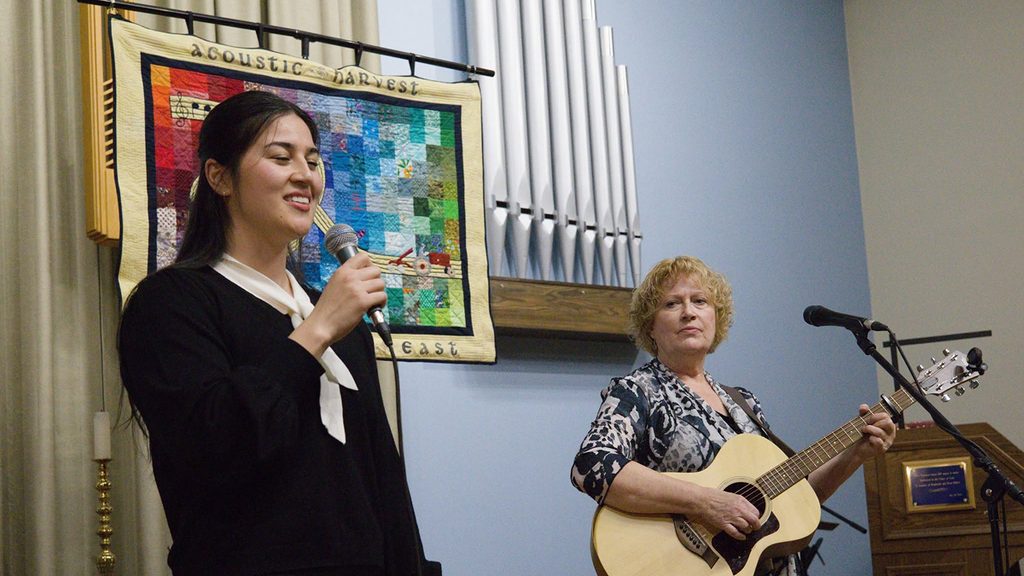
Wauthier carries the title of artistic director and, as Heather Fielding’s newsletters put it, is the “face” of the club.
When Allman left, she recruited Sue Goldberg, Dave Gallagher, and Matthew Shuster. After Gallagher and Shuster moved on to other projects, Goldberg asked Lucy Bowers to join, and the committee grew to include Heather Fielding, Topaz Dawn, Jennifer Sutton, Doug Campbell, Brian Short, Robert Fyfle, and baker Tricia Hurst.
The current team lists Wauthier, Tomek Kniat, Duncan Robertson, Judy Fink, Alex Sinclair, Topaz Amber Dawn, Fran Van Leeuwen, Ron and Karen Lynch, Debbie Potts, Heather Fielding, Brian Short, baker Janet Forbes, and sound engineer Jason LaPrade.
The jobs are distinct.
Wauthier books the acts, takes audience requests, and delivers the opening remarks, and through her company, LAW Promotions, she also markets the Kingsville Folk Festival and several individual artists. Heather writes the newsletter. Kniat guided the club into social media. Fink has helped with bluegrass bookings and sponsorships.
Dawn has run the merchandise table for many years and volunteers at CIUT. Sinclair is both a committee member and a performer: he opened the Slocan Ramblers show in March 2026.
LaPrade, who runs Crystal Clear Sound and photographs the concerts, earned a compliment in 2018 from a member of Black Umfolosi, who ranked him among the two best sound engineers the group had worked with on its tours.
The newsletters return often to the people behind the scenes. Heather has noted that touring performers regularly thank Lillian and Jason from the stage, as they should, but seldom thank the rest of the crew, who give their time and occasionally their money.
How a Season Gets Built by Ear
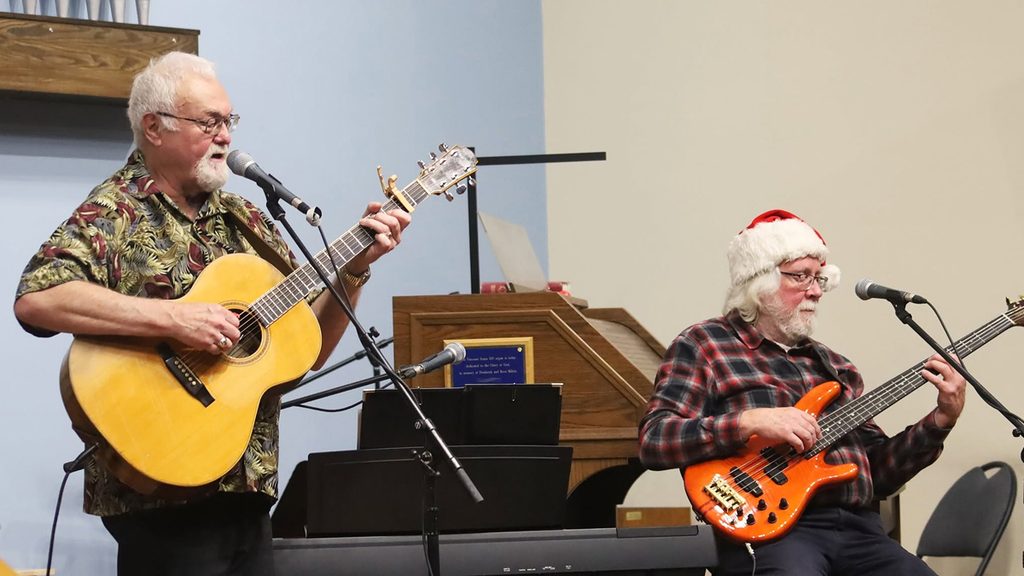
Booking starts early and never really stops. Audience members are invited to email Wauthier with artists they would like to see, and she scouts talent where folk musicians gather.
She discovered Ottawa singer Angelique Francis at the Kingsville Folk Festival and closed the 22nd season with her on June 1, 2019, a first-time booking Wauthier praised in superlatives, from Francis’s range across folk, blues, soul, gospel, jazz, and rock to the family band of two sisters and their father behind her.
Her reach extends past the Scarborough stage. When John and Michelle Law of The Laws started the Kingsville Folk Festival, Wauthier was among the first people they asked to join the board and advise on booking, a request the newsletter credited to her work at Acoustic Harvest. She and Judy Fink represented the club at the Folk Music Ontario conference in September 2018.
In February 2019, with a partial subsidy from the club, Wauthier attended Folk Alliance International in Montreal, a gathering of about 3,000 artists and industry professionals with more than 600 showcases, and filed a report for members on the panels, workshops, and showcases she caught.
Heather, Wauthier, and Kniat also attended a Digital Bootcamp run by the Toronto Blues Society, hoping to pick up promotion ideas, and came away convinced that technology was making it harder for musicians to earn a living.
Loyalty feeds the calendar, too. Dala played one of its earliest shows at Acoustic Harvest, years before winning the 2010 Canadian Folk Music Award for Vocal Group of the Year, touring with Stuart McLean’s Vinyl Café, and appearing at the 50th anniversary of the Newport Folk Festival in 2009. The duo returned in April 2019.
Garnet Rogers sold out the room so thoroughly on one visit that people were turned away at the door; he came back in March 2025. The Slocan Ramblers played in February 2019 and returned in March 2026. Black Umfolosi, the Zimbabwean vocal and dance ensemble, has played the series a number of times over its 28 years, most recently in November 2025.
Heather has noted that the series does not often book an opening act, which makes the exceptions memorable.
When Annie Sumi, a 2018 Canadian Folk Music Awards nominee for emerging artist of the year, opened for Dala in April 2019, she drew what Heather called an unprecedented standing ovation. Edmonton singer-songwriter Ben Sures, author of the children’s book The Boy Who Walked Backwards, opened for the Slocan Ramblers.
Nights That Stretched the Folk-Club Format
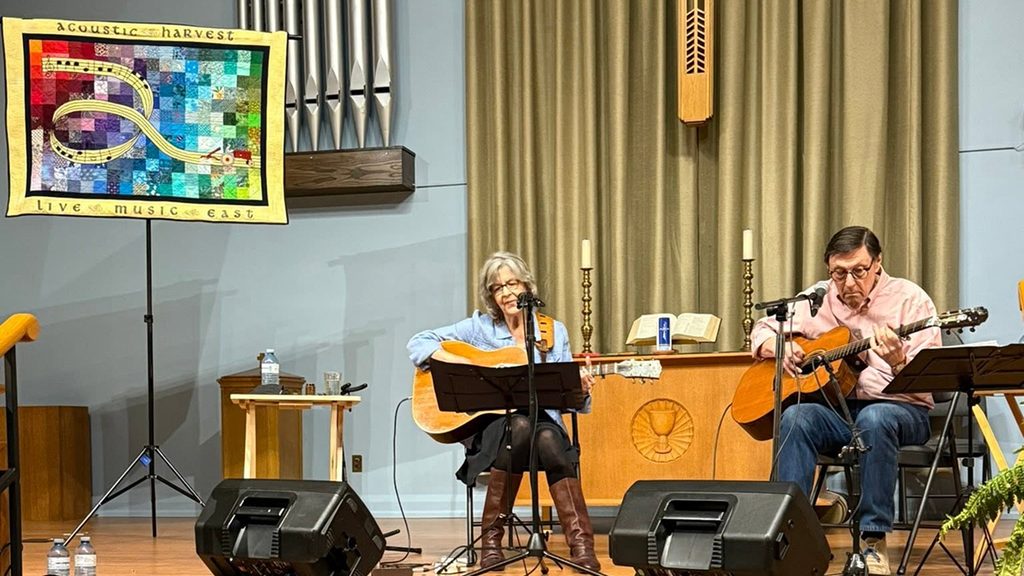
The programming is built to surprise, and the club’s newsletters chronicle the range.
In March 2019 the luthier Grit Laskin presented a lecture, slide show, and concert on guitar making and inlay art, playing a handmade guitar and tenor mandolin along with a concertina and Northumbrian smallpipes.
In December 2018, actor John Huston performed Dickens’s A Christmas Carol with The MadriGALS, by candlelight.
In December 2019, Tony Quarrington brought For King and Country, his two-act musical drama about Canadians in the First World War, with a cast of singers and musicians.
In February 2020, David Newland presented a night of story and song about the Northwest Passage, joined by guests sharing Inuit throat-singing, drum-dancing, and Arctic games.
Some nights turn the audience into participants.
When Black Umfolosi opened the 22nd season with gumboot dancing in September 2018, three audience volunteers joined them on stage. Mary Kelly and John Sheard, the longtime pianist and music director of Vinyl Café, brought a folk cabaret that same month. Winter always brings a preview of the Winterfolk festival, and the Christmas concert, benefit nights, and themed evenings fill out the year.
Recent seasons show the same breadth.
- The 2023/24 season brought Shawna Caspi, whose fifth album is Hurricane Coming, and closed with Stephen Fearing.
- The 2024/25 season included Garnet Rogers and, in April, Bill Garrett and Sue Lothrop with Jim Armour opening.
- The 2025/26 season opened on September 20 with the Friends of Fiddler’s Green on their World Domination Tour, then moved through Nicholas Campbell and The Meter Cheaters, Black Umfolosi, an “It’s Good To Be Canadian” celebration with John Prince and A Piece of the Rock on December 6, the Slocan Ramblers, and a May benefit with Dave Gunning.
A Twentieth Birthday Party for the East End
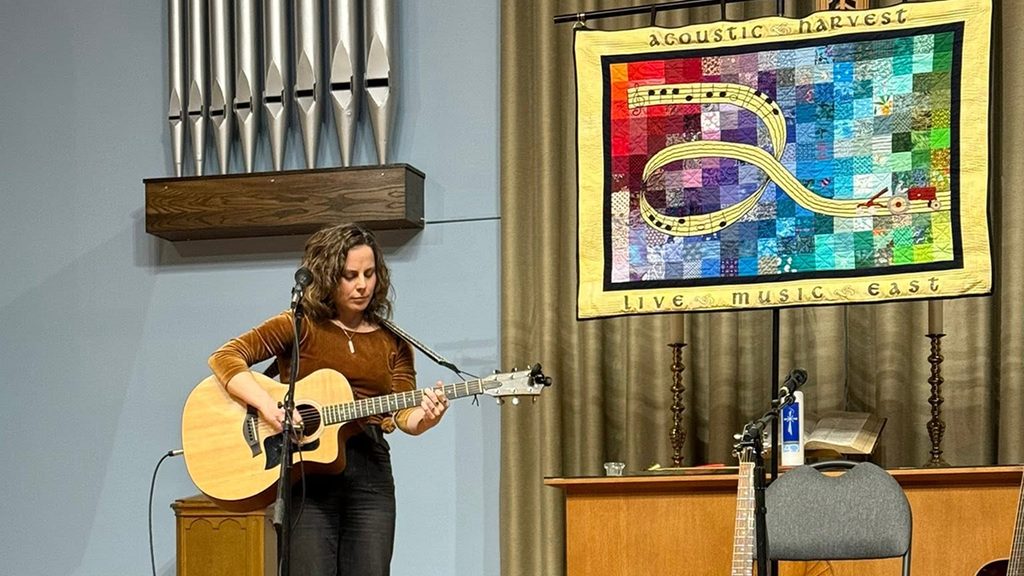
On June 3, 2017, the series marked its 20th anniversary with a gala and fundraiser at Robinson Hall. More than fifteen acts took part, and nearly all of them had played the stage at some point in the club’s first two decades.
The lineup read like an alumni reunion: James Gordon, who grew up in the area; Wendell Ferguson and Katherine Wheatley; Jory Nash; Tannis Slimmon and Lewis Melville; Eve Goldberg; David Bradstreet; David Woodhead; Anne Walker; Crabtree & Mills; Chris and Ken Whiteley; and Mary Kelly and John Sheard, whose partnership began when Kelly asked Sheard to accompany her for the gala.
Wauthier told Beach Metro that the series owed part of its longevity to east-end support, and that with so many Toronto venues closing, it was still going strong.
She said she expected Rick Fielding to be “watching over us with a twinkle in his eye.”
Five Rooms, One East End, No Building
Acoustic Harvest has never owned its room.
After Greenwood United, the series spent much of its history at Birchcliff Bluffs United Church. When renovations began there, it moved one block east to Robinson Hall at St. Nicholas Anglican Church, 1512 Kingston Road, which was home for about twelve years.
Then St. Nicholas announced extensive renovations of its own. The last concert there, on June 4, 2018, featured Over the Moon opening for Steel Rail. Heather’s newsletter gave an unusually candid account of the aftermath: the change was forced on the committee, and they met to discuss how to move forward “or even if we should,” and emerged energized, with a renewed sense of purpose.
They searched for many months, narrowed the field to two venues, and chose to stay close to the neighbourhood in keeping with Fielding’s vision.
The 2018/19 season therefore opened in the Great Hall at Beach United Church, 140 Wineva Avenue, for two concerts: Black Umfolosi on Wednesday, September 5, and Mary Kelly and John Sheard on September 22. Operations manager David Lewis went out of his way to make both nights run smoothly.
The series then settled at St. Paul’s United Church, 200 McIntosh Street, a block north of Kingston Road and Sandown Avenue, with a bus stop at the corner and free parking on both sides of the church. The first concert there came on October 13, 2018, when Archie Fisher and Garnet Rogers played what was billed as their final tour together.
No first night in a new space goes perfectly. A 50th birthday party in the lower hall squeezed refreshments and parking, and the committee thanked the partygoers for keeping the noise down.
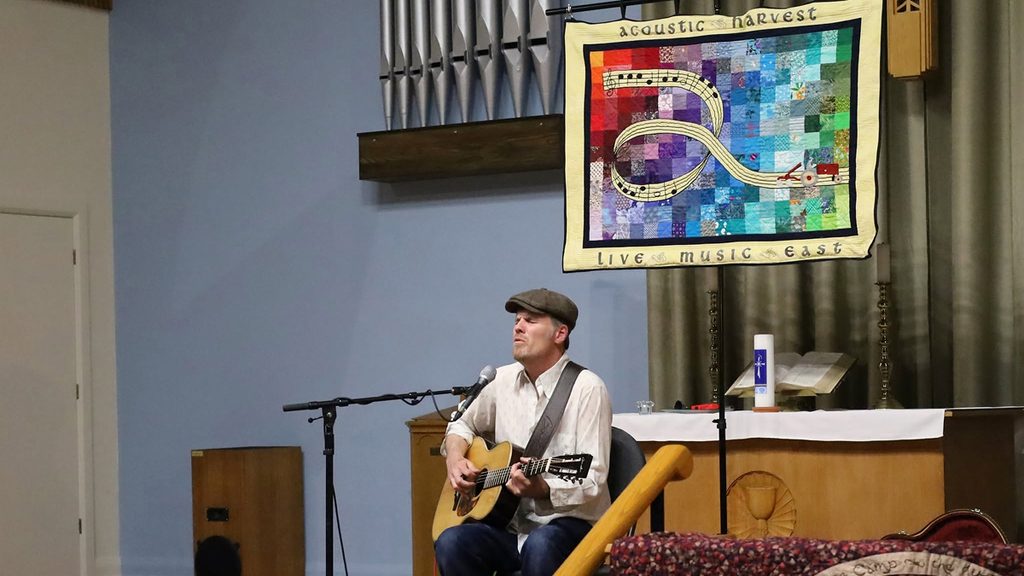
The sanctuary was warmed by quilts lent by the Woods Music and Dance Camp and by Pat Armour, whose quilt is still credited on the series’ website. Reverend Dan Benson smoothed the way, and the church has since become part of the series’ extended family. The newsletter even recommends the congregation’s cookie walk.
Every Dollar Goes to the Artist
Acoustic Harvest has always been organized by volunteers, with all proceeds, minus expenses, going to the artist.
The move to St. Paul’s raised the club’s costs considerably, and the 2018 newsletter said the model would not change and ticket prices would not rise to cover the difference. Instead, the committee went looking for sponsors.
Support has come from Cliffside Meats, a local business operated by Gord Doucet since 1985; the Tottenham Bluegrass Festival, which sponsored the 2019 Slocan Ramblers concert; and individual donors including Elinor Mahoney and Terry O’Donaghue. Robertson called O’Donaghue’s late-2019 gift a chance to “grow and enhance our Live Music East concerts.”
Healing Gardens and a Benefit Tradition
Every season includes an annual benefit concert presented with Patio Records of Boston.
Its founder, Terry Eagan, builds healing gardens at hospitals. Before his wife, Mary, died in 1992, she asked him to direct any money raised in her honour toward gardens that bring peace and comfort to cancer patients.
By 2018, gardens had been built at Children’s Hospital Boston, Renfrew Victoria Hospital, and the Ottawa Regional Cancer Centre, with others under construction in Ottawa and Cambridge, Massachusetts. The Acoustic Harvest concerts raise money for a garden of solace for cancer patients at Mackenzie Health Foundation in Richmond Hill.
The October 13, 2018, concert with Fisher and Rogers was the eighth annual benefit. It was the first to include a 50/50 draw, which raised $178 for the garden, and Dr. Carol Redstone of Mackenzie Health spoke about why donations matter when public money can only be spent on certain things. Eagan, according to the newsletter, never misses a concert.
Stephen Fearing closed the 26th season at the 2024 benefit, and Dave Gunning performed at the May 23, 2026, edition, with tickets at $35 in advance and $40 at the door.
This Year’s Acoustic Harvest is in its 29th Season
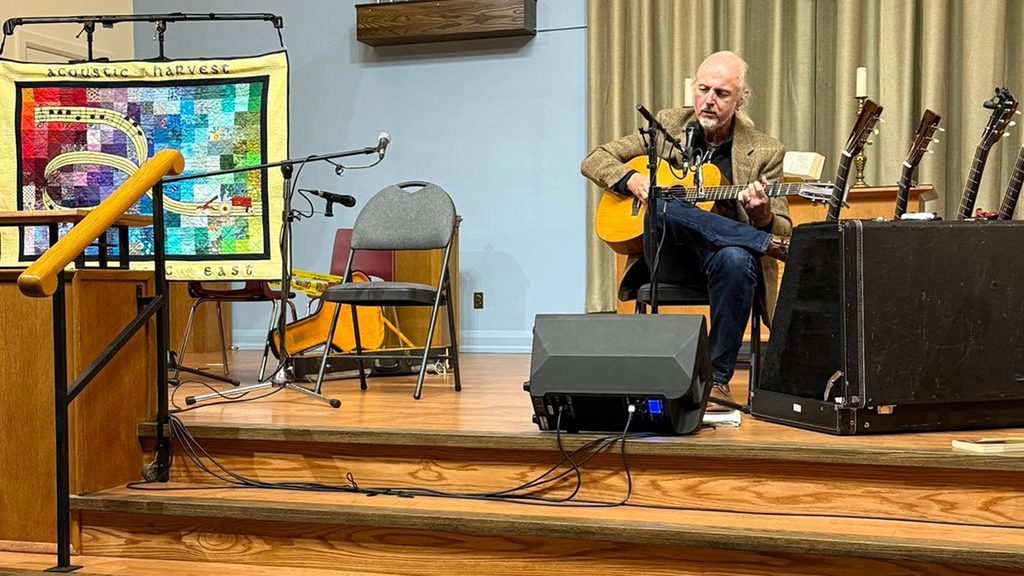
This season opened on October 3 with the Tanglefoot reunion.
The Owen Sound band reunited in 2026 with Josh Ritchie, son of founding member Rob Ritchie, taking the place of the late Terry Young. Next up, on November 14, are Diana Braithwaite and Chris Whiteley, who fit the founding idea almost exactly: a blues duo with gospel, jazz, and old-time threads in an intimate room where stories matter as much as songs.
The pair have recorded eleven albums together, including Morning Sun, Night Bird Blues, DeltaPhonic, Blues Stories, and Blues Country, and won three Maple Blues Awards in January 2010, one of them for songwriters of the year. Blues Revue Magazine has called them “Masters of Old School Blues.”
Braithwaite, a descendant of Wellington County pioneers who escaped slavery on the Underground Railroad, was chosen to open Lilith Fair before some 18,000 people at the Molson Amphitheatre. Whiteley, born in Kansas, was encouraged as a young man in Toronto by the blues legend Lonnie Johnson, toured with Leon Redbone, appeared with him on Saturday Night Live, and has played on more than 200 recordings.
Whiteley is also woven into the series’ own history. Heather’s newsletter describes him and John Sheard as the nearly permanent house band of Vinyl Café, and Sheard has played Acoustic Harvest more than once. Chris and his brother Ken Whiteley played the 20th anniversary gala, and Ken produced the first record by Eileen McGann, who has also played the room.
The November 14 concert is at St. Paul’s, with doors at 7:30 p.m. and music at 8:00. Online tickets run $30 to $35 through Ticketscene, with the lower price an early-bird rate. Names are left at the door, and a limited number of seats are held for door sales at $5 more, cash only. The show is all ages, and children under 16 are admitted free.
A five-concert subscription for January through May is $150, and there are no refunds.
Acoustic Harvest Is A Bet That Keeps Paying Off: Supporting Ontario Folk Musicians
Rick Fielding’s wager was simple: people who love one kind of acoustic music will love the others, if somebody introduces them properly.
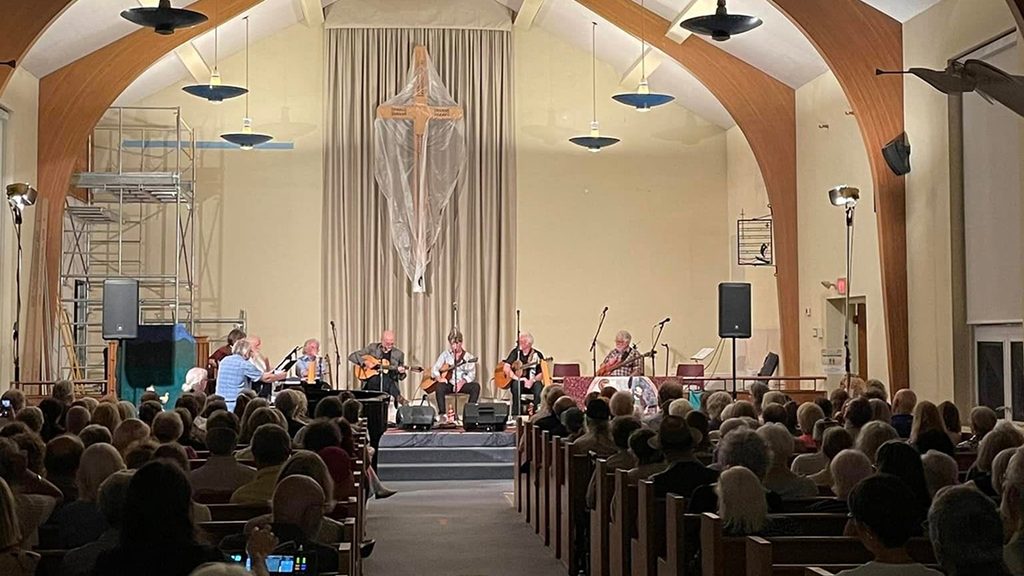
Twenty-nine seasons, five rooms, and a few thousand hours of volunteer labour later, the bet has held. The audience arrives for a headliner and discovers a fiddler, a luthier, a gumboot dancer, or a young songwriter opening the night.
Wauthier still returns to that founding ideal in her opening remarks, according to Heather’s newsletter, because it still explains the room.
The seats are close, the baking is homemade, the volunteers know the regulars by name, and the music is the real thing. On the second Saturday of a season, that is the whole Acoustic Harvest story in one evening.