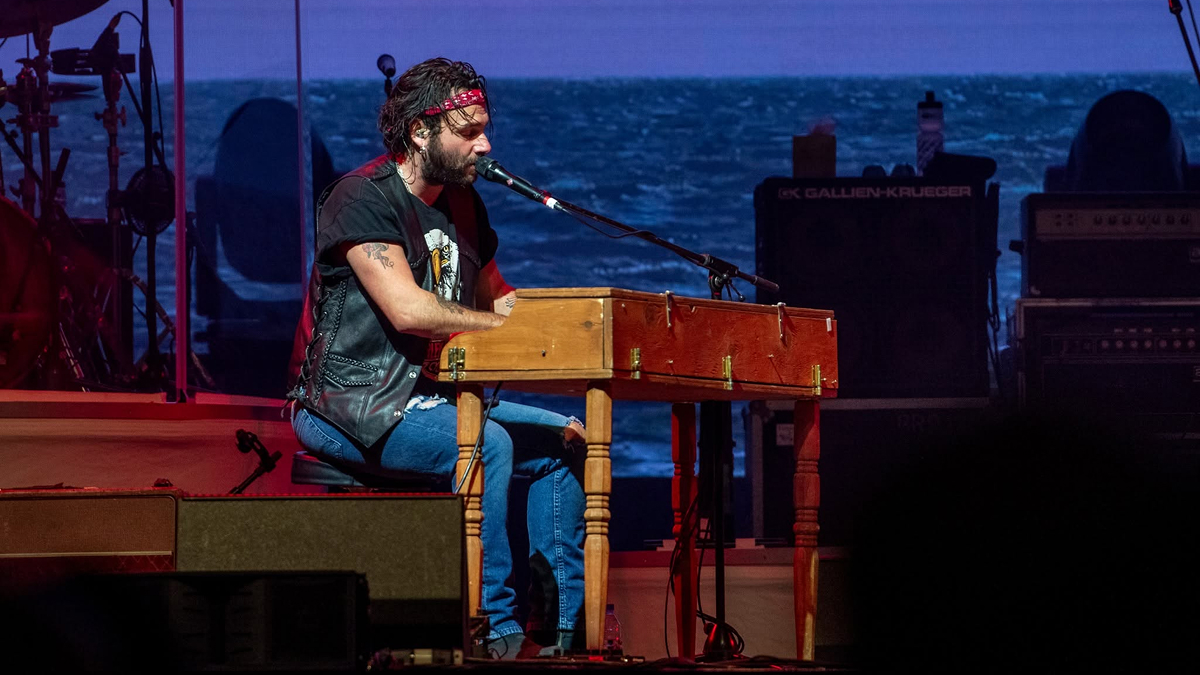
On October 15, 2013, Adam Baldwin put six songs out under his own name.
It was a self-produced EP, made by a guy who had spent years behind other people playing keys and singing backing vocals, and it quietly set a template he still follows: write the person first, let the arrangement catch up later.
More than a decade on, that template stretches from rock records cut in Toronto to a Cape Breton funeral-home story that became a feature film.
The Nova Scotia songwriter has lived a few different versions of a music career in that time. He learned the road as a sideman, became a father at 25 and decided to make his own catalogue work during the gaps, got sober and wrote about it without flinching, and then took a hard conversation in a Halifax restaurant and turned it into a whole new way of looking at home.
An upcoming Kingston show puts all of that into a small, seated room with the writer doing the telling himself.
Who Is Adam Baldwin?
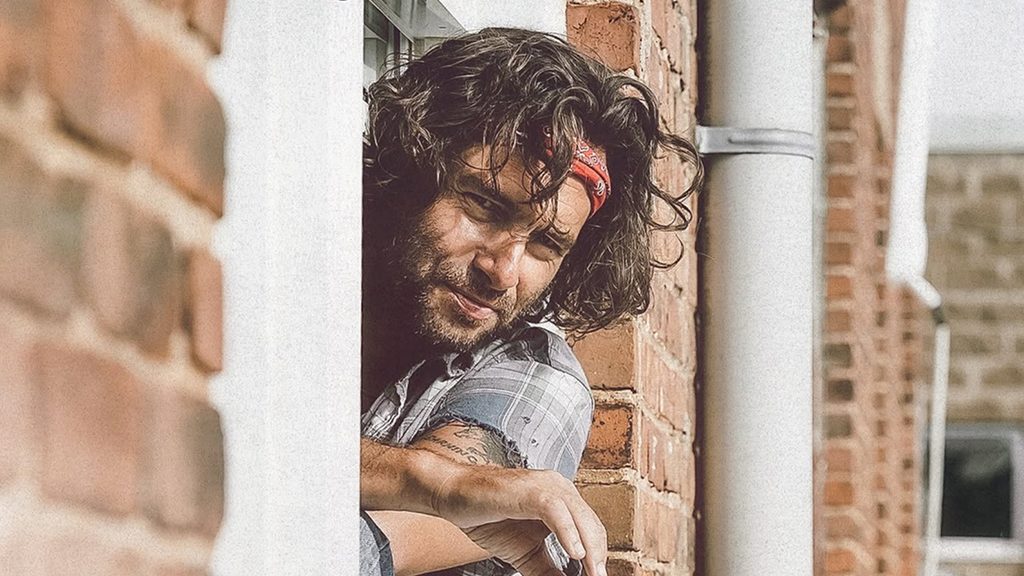
Adam Baldwin is a Canadian singer-songwriter and multi-instrumentalist from Dartmouth, Nova Scotia, whose music fuses rock, folk and character-driven storytelling about working lives, relationships, addiction and Atlantic Canadian communities, performing solo and with his full band The Jenny Wren.
Adam Baldwin was born July 30, 1986 in Fall River, Nova Scotia. He plays acoustic and electric guitar, piano and synthesizer, and his records move easily from full-band lift to a quiet space where a single voice has to carry a complicated incident. The speech in his songs is part of the point — place names, work jargon and the rhythm of a kitchen-table conversation stay in, and that is what makes a first listen useful prep for a live show.
You meet the character, you learn his job, and then his life turns. Hear the person first and the rest follows.
Adam Baldwin’s Early Years With Gloryhound and Matt Mays
Before the solo records, Adam Baldwin came up in Gloryhound and the Skyhawks and later Gloryhound, a band he formed with friends in 2005.
He left that chapter to join Matt Mays & El Torpedo in 2009 as a vocalist and keyboardist, starting a long association with one of Atlantic Canada’s best-known rock musicians that continues today.
That apprenticeship gave him a working musician’s education most songwriters never get. He learned how to make someone else’s chorus lift every night, how a band actually functions on stage when the van mileage stacks up, and how to be useful across instruments rather than precious about one.
Becoming a father at 25 pushed him to make that skill pay differently. Music was what he knew how to do for a living, and a solo catalogue meant he could work when other people’s tours went dark. Local examples helped — Joel Plaskett and Matt Mays had both shown that a musician from his part of Canada could build a career that traveled.
The bigger influence lived across the border. Adam Baldwin told SOCAN, “I feel I have a degree in Springsteen!” after describing how closely he had studied Bruce Springsteen’s records. That love for big gestures around ordinary lives sits underneath his writing even when the arrangement is spare.
Another early detail comes from an interview with Jason Schneider, where he remembered listening to Tom Petty cassettes in his father’s Chevrolet S10.
Springsteen for scale, Petty for economy, Dartmouth for language. That combination stuck.
Adam Baldwin’s First EP and Breakthrough in Nova Scotia
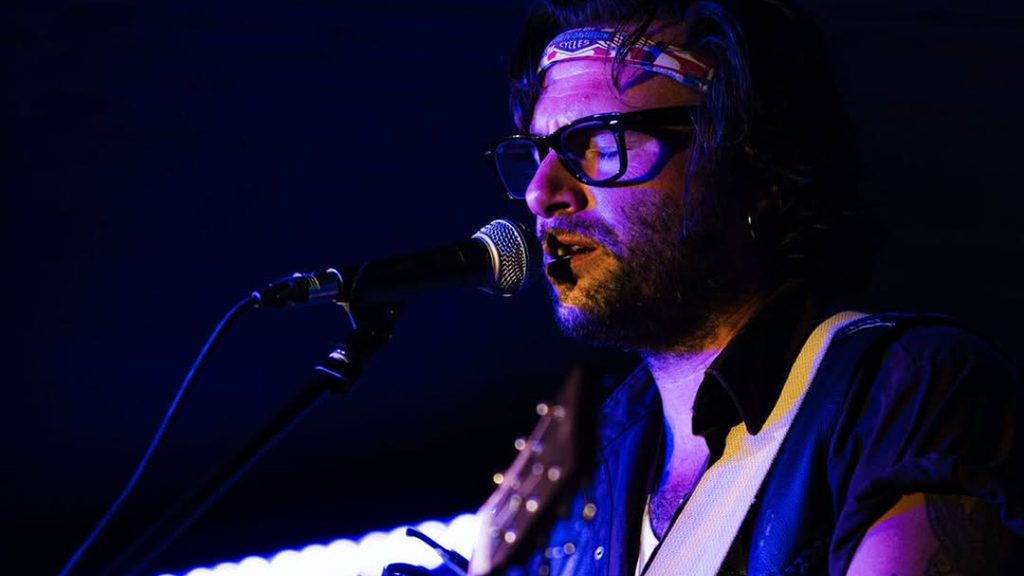
The self-titled EP released October 15, 2013 was produced by Adam Baldwin himself, and it already showed his instinct for letting a song take the time it needs.
The track order:
- Arms
- Bold As Brass
- Love You With My Eyes Closed
- Bonnie Raitt
- Tarred and Feathered
- Burning Man
The release cut quickly at home. At the 2014 Music Nova Scotia Awards, it earned Male Artist Recording of the Year, and Adam Baldwin was also named Musician of the Year.
For a first solo statement from a known sideman, that was a signal that audiences heard a writer, not just a player.
No Telling When: Adam Baldwin’s First Full-Length Record
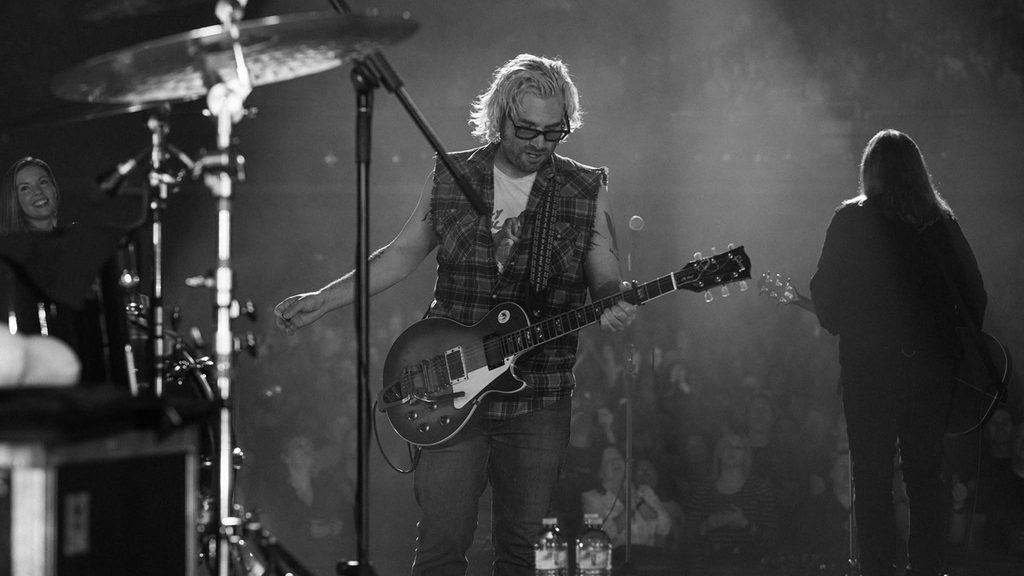
No Telling When (Precisely Nineteen Eighty-Five) arrived June 24, 2016 through Sonic Records, produced by Liam O’Neil, known for work with The Stills and Metric.
he sessions widened both the reach and the cast, bringing in drummer Josh Trager of Sam Roberts Band, Brian Murphy of Alvvays and Leah Fay of July Talk. That brought several distinct Canadian rock circles into one record without making it sound like a compilation.
The title track imagines New York City in the year of its subtitle, still shaking off the downtrodden 1970s and tipping into yuppie height, and uses that moment to talk about money, power and public life across decades. Daylight came together while Adam Baldwin was recording in Toronto, surrounded by federal election signs around Dundas and Ossington and the Blue Jays’ playoff run. Living Proof closes the album with a song about unequal access to the promises tied to the Canadian dream.
Anytime and Sparrow Song, both with Fay’s backing vocals, work as a two-part relationship story — young love and its anxieties in the first, those fears made real in the second.
The album won Rock Recording of the Year at Music Nova Scotia in late 2016. For a debut full-length made between Toronto sessions and Dartmouth writing, it landed with real weight.
A rock record with a political edge and a human center.
The Responsibility Behind Adam Baldwin’s “Rehtaeh”
Rehtaeh addresses the story of Rehtaeh Parsons, the Nova Scotia teenager whose death followed sexual assault and online harassment. Before releasing it, Adam Baldwin contacted her parents about his intentions.
In his 2016 SOCAN interview, he said they supported having her story heard and that proceeds from the song went to the Rehtaeh Parsons Society.
It is a significant early example of Adam Baldwin writing about a real person whose story carried consequences beyond a record. The song sits on an album with outward-looking concerns, but its focus stays individual and specific.
Some of his narrators are invented, some are composites built from conversations and history, and some directly honour identifiable people. First-person does not always mean autobiography with him.
No Rest for the Wicked: How Adam Baldwin Turned Inward
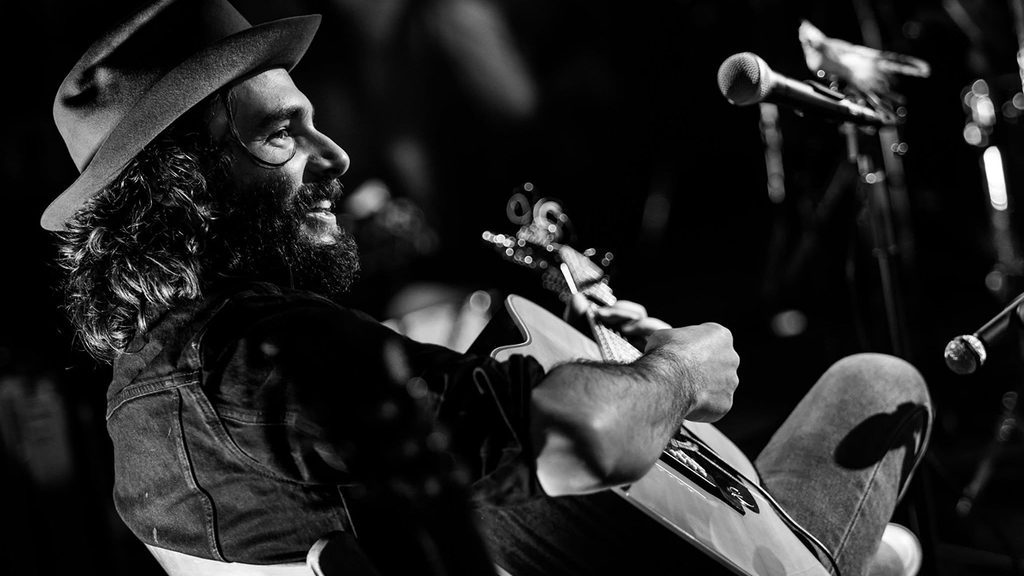
No Rest for the Wicked came out March 29, 2019, recorded between Halifax and New York City with producers Gus Van Go and Werner F.
It followed a stretch where Adam Baldwin stepped away from the road and examined his substance use. Speaking to Atwood Magazine before release, he described asking people close to him for help and then beginning to write, narrowing more than 20 new songs down to six that told one difficult period clearly.
Salvation gives that struggle a dramatic voice. Adam Baldwin explained that he wrote the threatening presence in the song as the addicted part of himself trying to regain control, using characterization to make an internal conflict audible. He also named Mark Knopfler as an influence on his vocal phrasing, a useful clue for listeners who only hear the Springsteen and Petty references.
The album won Rock Recording of the Year at Music Nova Scotia in 2019, his second rock award for a full-length in three years.
The Martha Wainwright Conversation That Changed Adam Baldwin’s Direction
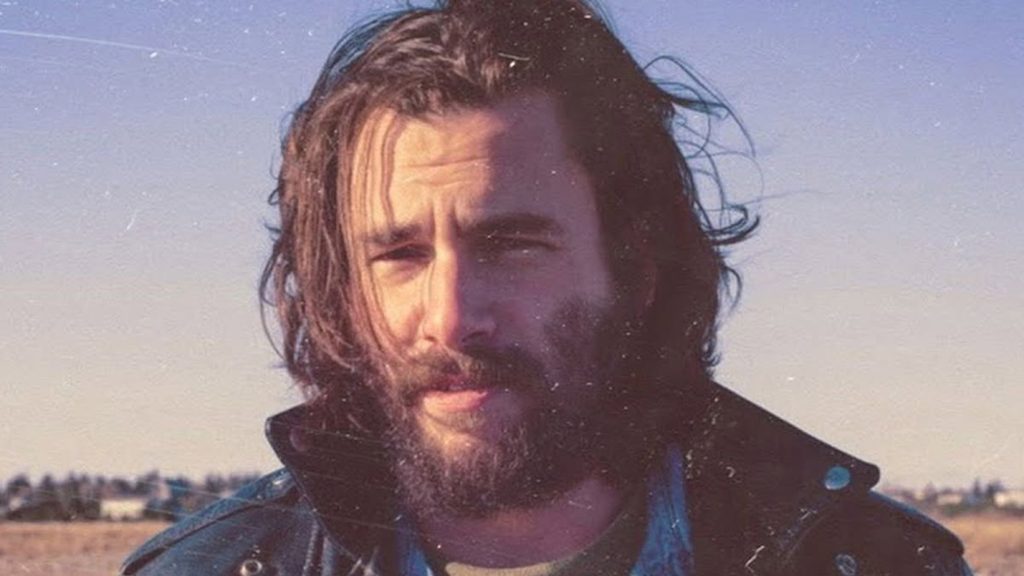
In January 2020, Adam Baldwin was ready to walk away from music.
He had commitments to honour, including an appearance on Mix Sonore, the francophone variety show hosted by Martha Wainwright, and he was struggling to write and feeling uninspired by where he lived. Moving was not simple — his family was in Nova Scotia — and staying felt stale.
Over a meal at a north-end Halifax restaurant, he told Wainwright exactly that. She did not offer a soft pep talk. Recalling the exchange, Adam Baldwin said, “And she scolded me in that restaurant, like a dog.”
Wainwright challenged the idea that home had nothing left to give him. Fishermen, service-station workers, bereaved families, miners, broadcasters — the province was full of people whose working lives and private grief he understood well enough to write about closely, if he was willing to look again.
That scolding stuck, and the writing that followed was concrete: local settings and invented or adapted characters became the foundation of a new collection.
A conversation about quitting instead opened the next chapter, and it is the chapter that made everything after it possible.
Cross-Country Chin Up: How Adam Baldwin Kept Performing Through 2020
When touring stopped in March 2020, Adam Baldwin started Cross-Country Chin Up, a near-weekly Friday night YouTube concert series that gave him a stage and audiences a standing appointment.
The broadcasts were loose, direct and chatty in the way a living-room show can be, and they raised money for the Mental Health Foundation of Nova Scotia, the Red Cross Stronger Together Nova Scotia Fund, the RCMP Fallen Officer Fund and the Black Cultural Society for Nova Scotia.
Two releases came out of that period.
Chin Up Sessions, issued May 22, 2020, revisited six originals from different stages of his catalogue — Half A Mind, Burning Man, Dark Beside the Dawn, Anytime, Love on the Rocks and Love You With My Eyes Closed — in stripped arrangements that showed how the songs held up without a full band.
Songs for the Parlour followed April 9, 2021 with seven covers that mapped his listening: Strong Enough, Songbird, Take on Me, I Will Always Love You, As Long As You Love Me, Dancing in the Dark and Moon River.
The more important thing happened in front of viewers. The new songs that would become Concertos & Serenades were developing in real time, heard as works in progress before any studio version existed. Adam Baldwin told The Coast in 2023 that this created an unusual problem — listeners had already formed expectations about how the songs should sound — and also an unusual bond.
People had watched the songs get made. He kept the lights on by letting people watch him write.
Concertos & Serenades: Adam Baldwin’s Nova Scotia Story Record
Concertos & Serenades was released September 23, 2022 via Sonic Records, eight songs and roughly 35 minutes that shifted Adam Baldwin’s focus decisively toward place.
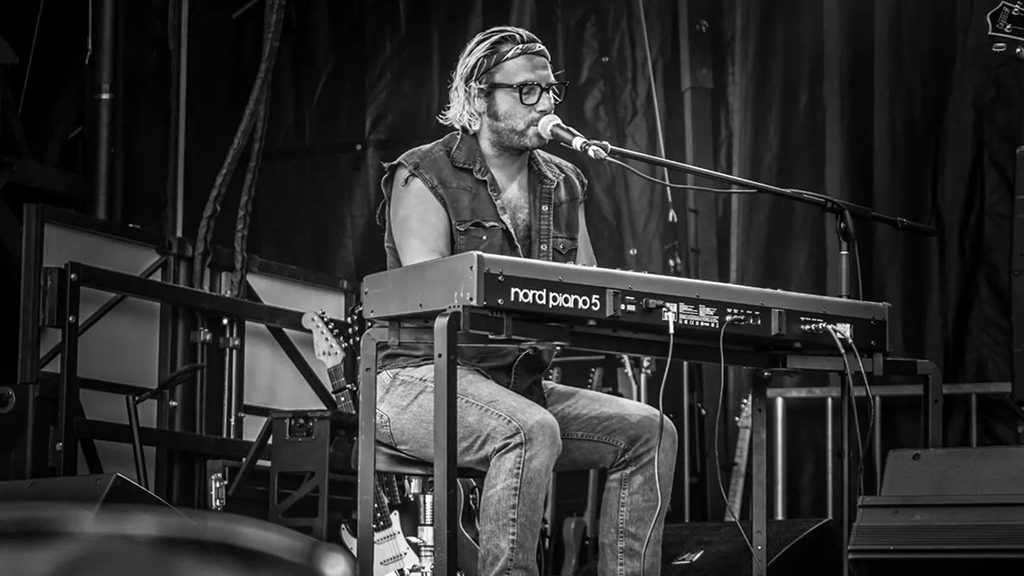
Adam Baldwin is credited as producer on No. 2 Colliery, with Lil Thomas recording, Cory Tetford mixing and Kim Rosen mastering. The band includes Brodie Peterson on bass, Jordan Murphy on drums, Zach MacLean on electric guitar and Ryan Stanley on slide and lap steel, with Adam Baldwin on vocals, acoustic and electric guitar, piano and synthesizer.
The album is described as an east coast testimony that challenges the typical tourism marketing gloss, and that is accurate. The settings are specific — causeways, collieries, gas stations, legion halls — but the narratives do not require local knowledge. Jealousy, grief, ambition and desperation read fine without a map, and the details make the people recognizable rather than exotic.
Inside Adam Baldwin’s Concertos & Serenades Story Songs: Causeway Road, No. 2 Colliery and More
Causeway Road opens with Danny Fingers, a nickname that asks a question the song eventually answers.
A disastrous boat purchase leaves his family grieving and sends him toward an attempted revenge that goes catastrophically wrong, with Three Fathom Harbour and Rudy’s Head giving the incident a mapped coastline. The language of boats, traps and fishing sits right next to domestic fallout, grounding a fictionalized narrative in a working environment that feels lived in.
No. 2 Colliery moves underground to Springhill.
Arthur works in the mine while suspecting a relationship between his wife Annie and his brother Davey, with gambling losses adding another strain before the mine collapse. At 6:21 it is the longest track on the record, and it needs the time — domestic suspicion and industrial danger develop together, and Arthur measures the catastrophe through the unfinished business waiting above ground.
Gerald Burgess RaceTrac Full Serve Autobody is the breather that is not really a breather.
A gas-station attendant catalogues regular customers, questionable coffee and the prospect of romance at the end of a shift, and the small observations do more character work than a big declaration would.
A Plea to Saint Peter follows a soldier haunted by what he has seen, addressing a doctor, family members and the saint in a sequence of appeals from someone who feels abandoned on every front.
Gone to the Dogs traces a life through abuse, youth detention, crime, prison and an unsuccessful attempt at ordinary employment, while Good Gracious compresses a robbery and police pursuit around Highway 203 and Shelburne County into a much shorter burst. The album earns its detail one person at a time, and it never asks you to like everyone it introduces. It just asks you to hear them out.
Every town has a Danny. Every mine has an Arthur.
Closing Concertos & Serenades: Adam Baldwin’s Tribute to Wayne Harrett and The Voice of the Eastern Passage
The closing track on Concertos & Serenades is The Voice of the Eastern Passage (Wayne’s Serenade), honouring Wayne Harrett, the founder of Seaside FM, who died in 2021.
After seven songs about troubled narrators, Adam Baldwin gives the album a real person to celebrate, and the choice is deliberate.
The song follows the companionship of a radio broadcast through a car journey, where familiar music, a local announcement and a weather report become parts of the listener’s day. The station’s 105.9 frequency supplies a precise point of connection, and references to communities around Halifax and a Legion hall fundraiser explain what a local broadcaster provides beyond the songs between ads.
The album title itself appears in this song’s language about music coming over the air, which gives Concertos & Serenades a name rooted in listening and broadcasting rather than classical form. It is a love letter to local radio, and a reminder that being accompanied matters.
How Adam Baldwin’s Lighthouse in Little Lorraine Became a Film
The origin story Adam Baldwin tells about Lighthouse in Little Lorraine, a feature track on Concertos and Serenades, starts in an unlikely place: a hearse.
In 2013 in Sydney, Cape Breton, he was a pallbearer at the funeral of his friend, musician Jay Smith. A hearse driver who knew his father started talking and described a funeral home being used in a drug-smuggling operation. Adam Baldwin held onto the story for years, then returned to it during the pandemic, asking his father more questions and researching before shaping it into a song.
Director Andy Hines heard Lighthouse in Little Lorraine before Concertos & Serenades was released and recognized a film in its characters and plot.
He had already directed the song’s music video, and the project grew from there into Little Lorraine, with Hines and Adam Baldwin sharing screenwriting credit. The film follows out-of-work miners who become lobster fishermen and get drawn into smuggling, set in a North Atlantic seaside town with a population of 60 where cocaine moves through a network of funeral homes.
The cast includes Stephen Amell, Stephen McHattie, Sean Astin, Rhys Darby and Colombian musician J Balvin, and the production shot mainly in Sydney and Louisbourg, using Cape Forchu Lighthouse and Park for lighthouse scenes.
The film had its world premiere at the 2025 Toronto International Film Festival and went on to win at the Atlantic International Film Festival, where Hines and Adam Baldwin shared the Michael Weir Award for Best Atlantic Screenwriter and McHattie received the David Renton acting award.
Adam Baldwin also appears briefly in the film, teasing characters walking along a dock after Hines invited him to set and handed him a small acting assignment he could play with humour.
There is a direct line to Kingston in all of this — the Kingston Canadian Film Festival screened Little Lorraine earlier this year, with both its February 27 evening and February 28 afternoon screenings marked sold out — which makes the upcoming concert feel like the other half of a story the city has already started hearing.
Adam Baldwin’s Awards and Expanding Concert Audience
Lighthouse in Little Lorraine received Song of the Year at the 2023 East Coast Music Awards, an award that arrived before the film and established the recording on its own terms.
Music Nova Scotia named Adam Baldwin its SOCAN Songwriter of the Year in 2023 as well, recognizing a period where his character-based writing was reaching more listeners without softening its edges.
The rooms were changing scale at the same time.
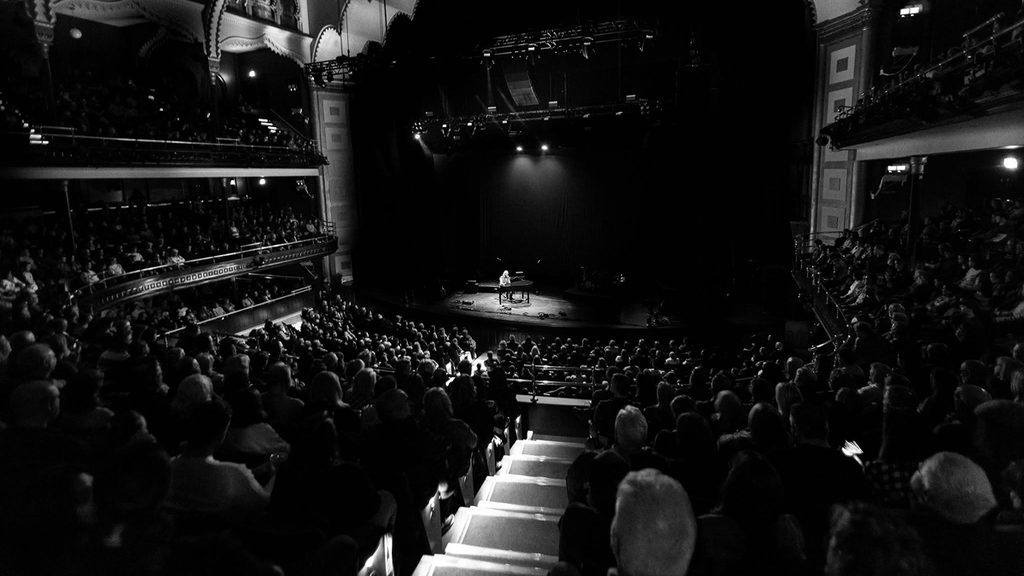
In spring 2023, Adam Baldwin moved into seated theatres, including Halifax’s Rebecca Cohn Auditorium on April 26 and 27 with Old Man Luedecke supporting, a shift he discussed with The Coast as a different way to build a sequence and talk between songs.
On June 2, 2025, Blue Rodeo announced him as the opener for its Canadian 40th-anniversary tour, putting his songs in front of audiences across the country as part of a major band’s milestone celebration. He had already toured in support of Alan Doyle and played everywhere from back rooms to halls.
Adam Baldwin in Kingston: Tickets and Practical Details
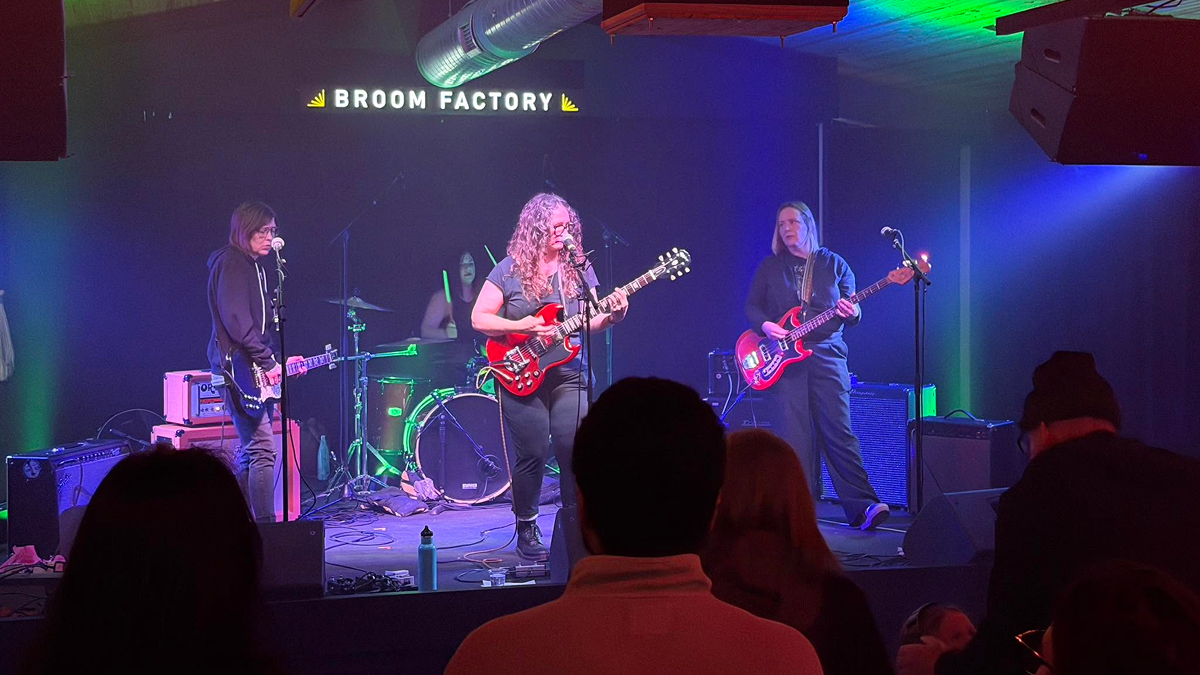
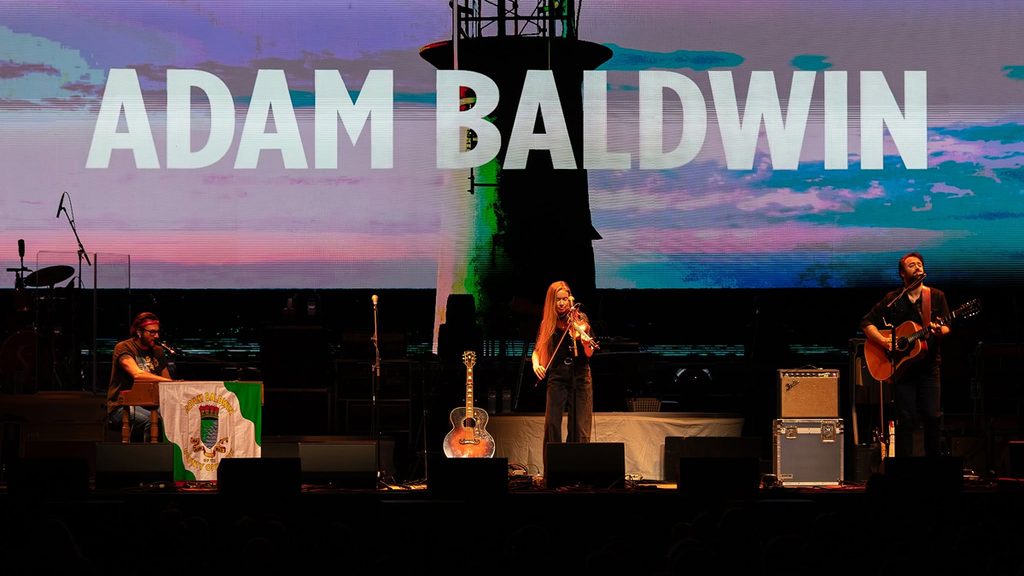
Adam Baldwin performs at the Broom Factory, 305 Rideau Street, Kingston, ON K7K 3A5, on Sunday, November 15, 2026. The Kingston Canadian Film Festival presents the show.
Doors open at 7 p.m. with the performance beginning at 7:30 p.m. Eastern Standard Time. This is a solo, seated, general-admission concert designated all ages/licensed with a maximum capacity of 120.
An order confirmation and eTicket arrive by email after purchase. Keep that email and read any entry instructions before travelling. The Broom Factory project itself is led by the Kingston Canadian Film Festival, the Kingston Film Office, KPP Concerts and RAW Design as a community hub for film, music and design in Kingston’s Inner Harbour neighbourhood.
Small room. Big stories. Arrive with your party.
Ready to Hear Adam Baldwin at the Broom Factory on Nov. 15th?