A strong rivalry in hockey, football, baseball, basketball, or any other sport can turn an ordinary date on the calendar into a must-see event. When teams frame the matchup effectively, rivalry games can increase perceived value, raise willingness to pay, and build urgency that drives stronger ticket sales. For sports teams selling tickets, the real opportunity is how the game is packaged, priced, promoted, and narrated so fans feel that missing it means missing a defining moment in the season’s identity.
Why Team vs. Team Rivalries Sell Tickets in Sports
Rivalries work because they add emotional weight to a game that already has stakes.
Fans are buying access to a moment with history, identity, and social energy, which is why rivalry matchups often command more attention and stronger willingness to pay than standard games.
Research on sports rivalry shows that market prices can reflect fan interest in specific matchups, making ticket price a useful indicator of how much fans value the event. In other words, when a rivalry game drives higher willingness to pay, it also becomes a prime opportunity for smart inventory management and demand-based pricing.
That said, rivalry alone does not guarantee a sellout.
Teams still need the right supporting conditions: strong timing, clear messaging, competitive pricing, and a game presentation that makes the rivalry feel real and immediate before fans ever arrive at the arena or stadium.
See An Increase in Revenue Behind Sports Rivalry Games
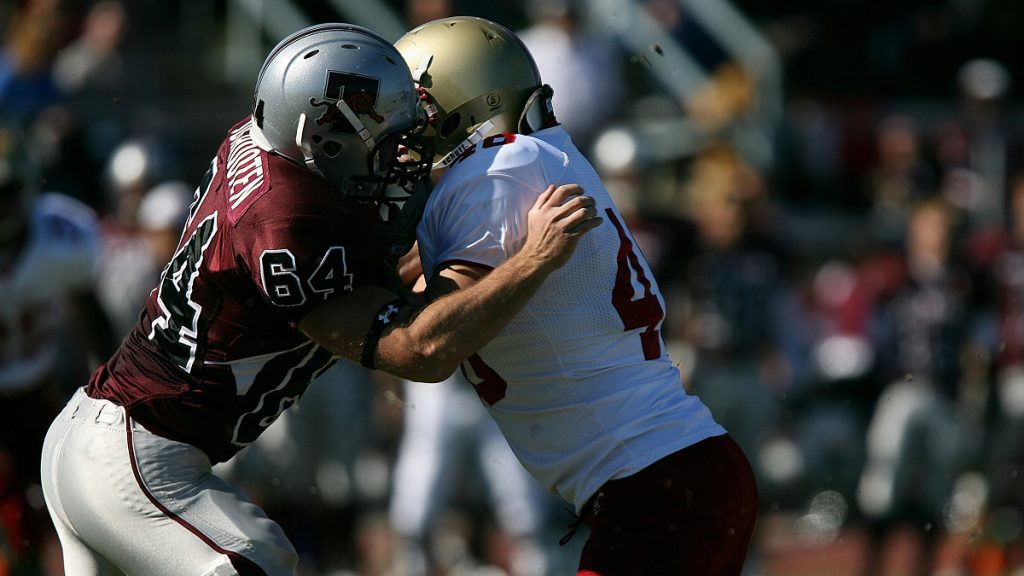
From a ticket sales standpoint, rivalry games tend to behave differently from standard regular-season dates. They often attract more casual fans, lapsed buyers, group sales interest, and even visitors looking for a high-energy atmosphere, which expands demand beyond the core season-ticket base.
That broader demand matters because it gives ticketing teams more flexibility. A club can apply premium pricing to high-demand inventory while also using rivalry dates to move lower-demand sections through mini-plans, group offers, and targeted campaigns that highlight the uniqueness of the matchup.
This is where pricing strategy and storytelling intersect.
A rivalry game should never be treated like a generic single-ticket event, because the opponent is only one part of the value; timing, team form, venue experience, and fan sentiment all shape final demand.
Storytelling Makes A Rivalry Real and Makes Your Ticket Buyer Think and Feel
The strongest rivalry marketing does not just announce the opponent. It reinforces why the matchup matters, what happened the last time the teams met, what is on the line now, and why this specific game deserves a spot on the calendar.
That narrative can be built through highlights, historical context, player-driven storylines, and local pride.
Ticketing pages, email campaigns, and social content should position the event as part of a larger season-long rivalry, because a game with context is significantly easier to sell than a game presented only with a logo.
A practical example comes from rivalry-based ticket packaging.
Cosmos Sports notes that teams can build mini-packs around high-interest dates such as weekend games, family nights, or rivalry matchups, turning fan interest into multiple-ticket purchases instead of single-game attendance. This strategy works because it ties the emotion of the rivalry directly to a clear buying decision.
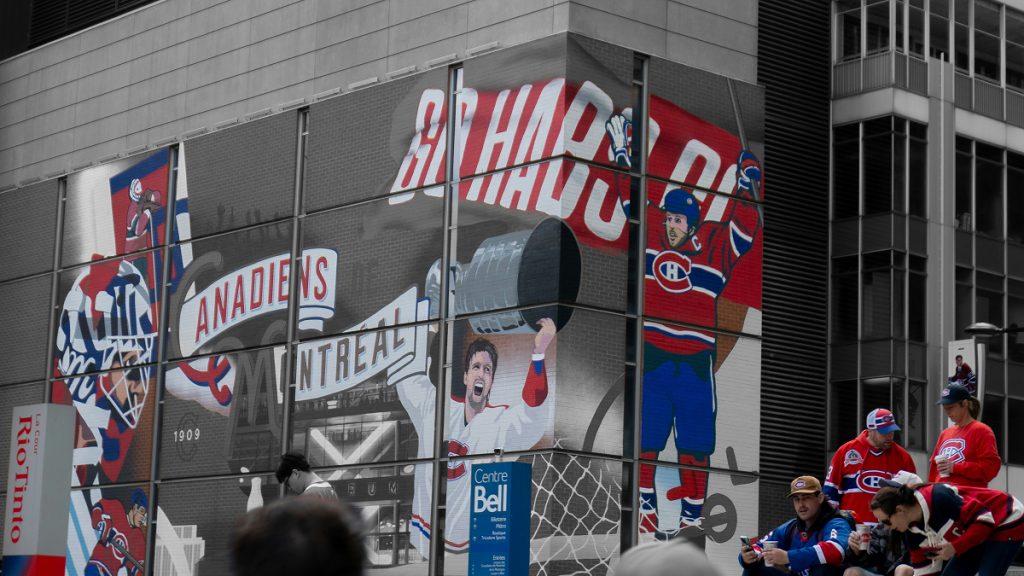
Example 1: Montreal Canadiens vs. Boston Bruins in the NHL
The Montreal Canadiens-Boston Bruins NHL rivalry remains one of the strongest ticket drivers in hockey because it blends history, geography, and a deep emotional divide between two legacy fanbases.
StubHub reported that interest in a recent Canadiens–Bruins matchup was six times higher than average, with demand 35% higher than a typical meeting between the two teams. The same report noted that 82% of buyers were first-time purchasers, showing that rivalry games can attract new audiences rather than only existing season-ticket holders.
The effect also extended beyond a single matchup.
Example 2: Dallas Cowboys vs. Philadelphia Eagles in the NFL
The Dallas Cowboys=Philadelphia Eagles rivalry is one of the NFL’s most marketable regular-season games, and recent ticket data highlights just how strong demand can become.
For a recent Eagles–Cowboys opener, TickPick reported the matchup was on pace to be the most expensive NFL game of the season, with standing-room tickets starting around $350 and average prices reaching roughly $800 before fees.
Buyer data also shows how far rivalry demand can travel. Reports from the same game indicated about 8.8% of ticket purchases came from Texas, meaning a notable share of Cowboys fans were traveling into Philadelphia.
Another report placed Texas-origin sales at around 8%, with average spend near $774, reinforcing the idea that rivalry games attract traveling fans willing to pay premium prices.
Example 3: New York Yankees vs. the Boston Red Sox in the MLB
The New York Yankees-Boston Red Sox rivalry is one of baseball’s most powerful demand engines, particularly when played in high-profile or international settings.
When the teams met in London, StubHub reported the game became the best-selling regular-season MLB event at the time, with tickets fully sold out before MLB released an additional 5,000 seats after expanding capacity.
That matchup also drew fans from 44 U.S. states and 27 countries, showing how rivalry games can expand demand far beyond local markets. StubHub further noted that Yankees tickets outsold Red Sox tickets by 18%, highlighting how the rivalry directly influenced buyer behavior and market imbalance.
Example 4: Boston Celtics vs. Los Angeles Lakers in the NBA
The Boston Celtics-Los Angeles Lakers rivalry remains the NBA’s most iconic matchup, and while recent isolated ticket data is less frequently published, the economic impact is still clear.
Research on sports rivalry shows that fans demonstrate higher willingness to pay for emotionally significant games, placing Celtics-Lakers firmly in the premium demand category.
This is especially relevant in basketball, where storytelling is central to the product. Star power, national broadcast exposure, and a condensed schedule make rivalry games easier to position as must-attend events compared to standard regular-season matchups.
For ticket sellers, Celtics-Lakers operates as premium inventory, a branding opportunity, and a conversion tool for casual fans willing to pay more for historic significance.
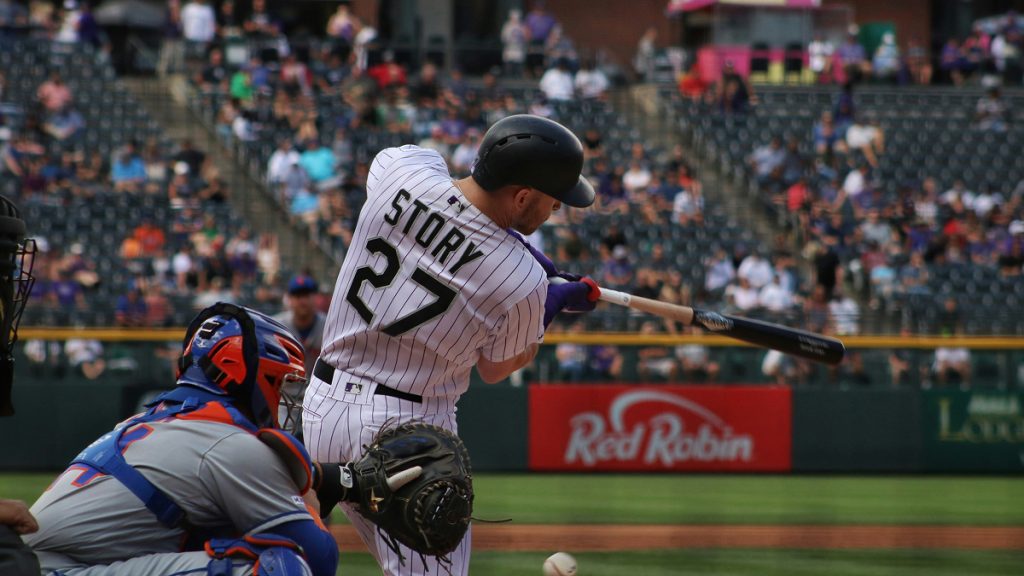
Pricing Tickets for a Sports Rivalry Game is An Important Debate
Rivalry games create a strong case for dynamic pricing because demand is rarely evenly distributed across a schedule.
Sports economics research shows that willingness-to-pay signals vary by matchup, and rivalry games consistently rank among the highest in perceived fan value.
At the same time, pricing must be managed carefully. Increasing prices can boost revenue, but only when demand is inelastic enough that any drop in attendance is outweighed by higher per-ticket returns. That is why experienced ticketing teams treat rivalry dates as a controlled revenue test rather than a pricing gamble.
Smart Pricer notes that clubs should not rely on the opponent alone, since demand is also influenced by timing in the season, day of the week, and team performance. Their analysis highlights that the opponent explains only part of overall demand, which is an important reminder not to depend on rivalry hype without considering the wider market context.
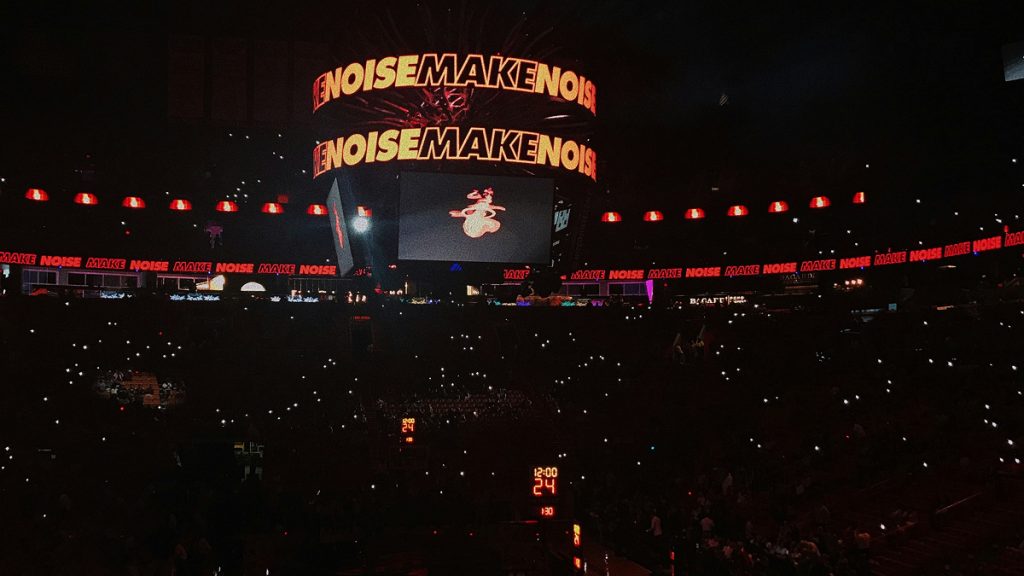
Sports Marketing Promotions That Work to Highlight a Rivalry the Right Way
A rivalry game can support stronger promotions than a standard game because the emotional hook is already built in.
Early bird pricing, group sales, themed experiences, and limited-time offers tend to perform better when fans already perceive the event as high-demand and potentially harder to access later.
The key is aligning the promotion with the rivalry’s place in the schedule. If the matchup is highly anticipated, the objective may be to capture early demand through pre-sales and premium inventory. If it is a strong but not fully sold-out rivalry, the focus may shift toward urgency, offers, and social proof to convert hesitant buyers before the final push.
Another effective angle is fan experience.
Certain promotions and event enhancements help transform a ticket into a memory, and rivalry games are especially well suited to this because the atmosphere becomes part of the product itself. This can include giveaways, themed entertainment, or pregame activations that elevate the game into a full event experience.
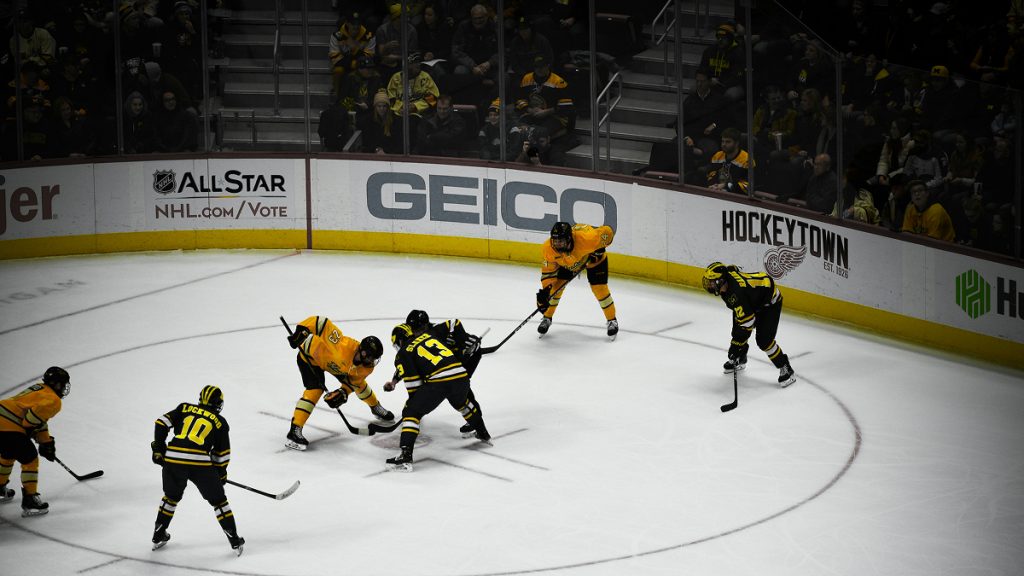
What Ticket Buyers Need to Feel When They Consider Buying A Ticket to A Rivalry Game
Fans usually decide to attend rivalry games for emotional reasons first and logistical reasons second.
They want to feel that the event matters, that other people care, and that the atmosphere in the building will justify the price and effort of attending.
That means your marketing needs to reduce uncertainty. Make the rivalry easy to understand for new fans, reinforce the competitive storyline for loyal supporters, and position the event as a shared social moment people will want to talk about afterward.
If the audience cannot quickly grasp why the game is different, the ticket page has to work significantly harder.
How You Decide Which Team Rivalry Dates to Target For Sports Marketing
The first move is to identify which rivalry dates should be treated as premium inventory and which should be used for volume-building.
Some rivalry games can justify higher pricing and tighter availability, while others may work better as packaged sales, group offers, or targeted promotions designed to broaden reach.
The second move is, when selling tickets, to improve event copy. Instead of starting with generic event descriptions, lead with the rivalry narrative, the competitive history, and why the matchup matters right now. This approach supports both conversion and search visibility because it reflects the same language fans naturally use when looking for the event.
The third move is to align pricing with marketing timing.
If a rivalry game is a strong demand driver, it should be promoted earlier, with consistent messaging, and scarcity used accurately rather than exaggerated. Fans tend to respond more positively when the urgency feels authentic and earned.
The most effective rivalry campaigns do not stop at hype. They convert that hype into a clear reason to buy. When fans already anticipate emotion, intensity, and a meaningful outcome, marketing can lean into urgency, exclusivity, and social proof to move them from interest to checkout.
That matters especially in ticketing because rivalry demand is often compressed into a short window.
If promotion is delayed, casual buyers may make other plans, premium inventory may already be gone, and the strongest opportunity to maximize revenue can pass quickly.
A strong rivalry campaign should therefore be built around a simple idea: this is not just another home date, it is the one fans will regret missing. That message works best when it is repeated consistently across ticket pages, email campaigns, paid social, and venue branding, rather than being hidden inside a generic event listing.

Social Media Storytelling is Your Sports Rivalry Secret Weapon to Reach Ticket Buyers
Social media is where a rivalry becomes real in the minds of fans.
Short-form videos, countdown content, player highlights, fan reactions, and historical throwbacks help turn a matchup into an experience people can feel before they buy, which is why social media often plays a direct role in driving ticket demand.
The strongest rivalry content does more than mention the opposing team. It reminds fans of the tension, the stakes, and the potential emotional payoff while making tickets easy to find and purchase. That combination of excitement and convenience is critical because interest alone does not generate sales if the path to checkout is slow or complicated.
Recent hockey ticketing trends demonstrate how quickly a rivalry storyline can extend beyond the arena.
Coverage surrounding the HBO Max series Heated Rivalry helped fuel a surge in NHL fan engagement, with SeatGeek reporting weekly hockey NHL ticket sales increased by more than 20 percent and revenue climbed over 30 percent.
StubHub also reported a significant increase in hockey-related searches and first-time buyer activity, highlighting how a compelling rivalry narrative can attract new audiences and translate directly into higher live event attendance.
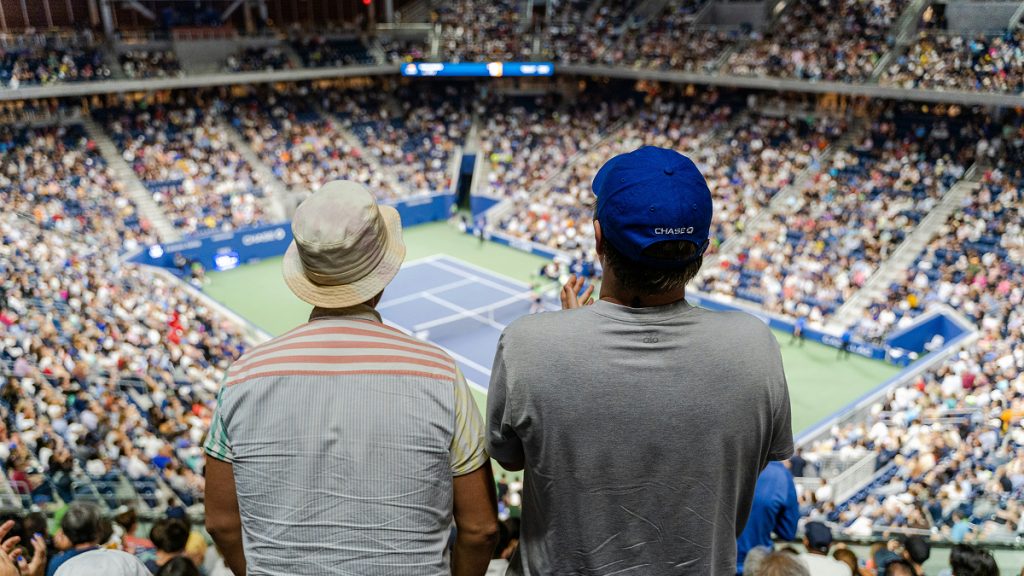
How You Manage the Demand for Tickets Surrounding A Rivalry Game
Research on rivalry intensity and ticket demand shows that fans are willing to pay more for certain matchups, giving teams an opportunity to capture additional value when pricing is managed strategically.
However, pricing is only effective when it reflects actual market demand.
If prices are pushed too high for a rivalry game that generates strong emotional interest but limited broader appeal, teams risk losing casual buyers who may have purchased at a more accessible price point.
That is why the most effective pricing strategies are typically tiered rather than one-size-fits-all. Premium rivalry inventory can be priced to reflect heightened demand, while other sections can be supported through targeted discounts, early-bird offers, or value-added packages that maintain pricing integrity while expanding the pool of potential buyers.
Rivalry games also increase pressure on the wider event ecosystem.
Higher demand raises the stakes for gate operations, staffing, event security, food and beverage planning, and customer service, because a sold ticket only has value if the game-day experience encourages fans to return.
For that reason, rivalries should be treated as strategic events rather than simply larger crowds. The goal is to deliver a game that feels organized, high-energy, and easy to navigate, since a stronger on-site experience makes it easier to support future premium pricing and repeat attendance.
A relevant example comes from Tech Mahindra’s fan engagement case study, where ticket sales improved through a centralized fan view, more precise audience segmentation, and automated engagement journeys based on the right channel, timing, and message. Rivalry campaigns perform best when the operational execution is as structured and intentional as the creative storytelling.
How to Choose a Rivalry If Your Sports Team Doesn’t Already Have One
Not every team enters a season with a built-in rivalry, but that does not mean one cannot be created.
The most effective “manufactured” rivalries are not invented out of thin air though. They are identified by looking for natural tension points that already exist in geography, competition, or fan behavior, then amplifying them over time through consistent storytelling and scheduling.
1. Look at the Geography
A strong starting point is geography. Teams that are close together tend to develop rivalry conditions faster because fans travel, media attention overlaps, and local pride becomes part of the matchup. Even if there is no historical tension yet, repeated meetings between nearby teams can quickly evolve into a meaningful competitive relationship if the games are positioned correctly.
2. Ensure a Competitive Balance
Another key factor is competitive balance. Rivalries do not work well when one side always dominates. The most engaging matchups tend to feature teams that are regularly competing for similar standings, playoff spots, or championships. When games feel consequential on both sides, fans begin to attach emotional weight to the outcome, which is the foundation of rivalry demand.
3. Similar Fan Demographics
Market alignment also matters. Teams that compete for the same fan demographics, sponsorship space, or regional attention are more likely to develop rivalry energy because they are effectively fighting for the same audience. Even without history, this overlap creates natural narrative friction that can be built into marketing and ticketing strategies over time.
4. Identify Existing Patterns in Your Events
Finally, rivalries can be strengthened through intentional programming. Repeated prime-time scheduling, playoff meetings, targeted media storytelling, and fan engagement campaigns all help reinforce the idea that a specific matchup “matters more” than others. Over time, perception becomes reality, and a well-supported matchup can evolve into a genuine rivalry that drives higher attendance, stronger engagement, and premium pricing potential.

Understanding How a Team vs. Team Rivalry Can Work to Increase Ticket Sales
The reason rivalry sells is simple: it adds meaning.
Fans are not only responding to the quality of play, but also to memory, identity, geography, bragging rights, and the sense that the game carries weight beyond the standings.
For marketers, the task is to make that meaning immediately clear. The story should be evident in the headline, reinforced in the event copy, reflected in the visuals, and supported by pricing and packaging that encourages timely action.
When that alignment is in place, rivalry becomes a sales driver, a content engine, and a compelling reason for fans to choose your event over every other option on their calendar.